 Unearth The Voyage
Language ages faster than bell-bottoms, and the 1970s proved it with a vocabulary that felt fearless, funny, and occasionally bizarre. In 1974, radio chatter, variety shows, and youth culture mixed into a slang stew that could make someone sound instantly in the know.
Today, many of those same phrases read like costume props, not everyday speech, yet each carries a story about technology, media, and shifting attitudes. Stick around and you will pick up sharp context, memorable examples, and a clearer sense of how phrases rose, ruled, and then quietly exited the stage.
1. Right on!
Approval never sounded snappier than a confident Right on delivered with a nod in 1974. The phrase carried over from late 1960s protest movements and civil rights rallies where affirmation needed to be quick, clear, and energizing.
By the mid 1970s, it moved into mainstream speech via television variety programs, radio hosts, and youth magazines.
Right on traveled well because it fit nearly any context, from agreeing with a teacher’s point to cheering a friend’s new denim jacket. It showed up in sitcom dialogue and music journalism, signaling alignment with countercultural values while still sounding friendly.
The term’s rhythm made it memorable in classrooms, record stores, and campus quads.
As decades shifted, more literal affirmations like totally, yep, and sounds good replaced it. Corporate language favored precise confirmations, and internet chat introduced instant reactions like +1 or like buttons.
Today, Right on can feel like an overly earnest thumbs up, used ironically or as a retro wink.
If you drop it in a meeting now, expect a smile more than solemn agreement. Still, its history reveals how concise slogans travel from protest signs to pop catchphrases.
Short, portable language often wins until new platforms change the tempo.
2. Motorhead
Before it sounded like a band tee someone bought on clearance, Motorhead labeled a person obsessed with horsepower and tinkering. In 1974, the oil crisis had shifted driving habits, but car culture still fueled identity in garages and parking lots.
Young enthusiasts talked engines, carburetors, and quarter-mile times while reading Hot Rod and dreaming about drag strips.
The term sometimes carried an edge, hinting that a person craved speed on or off the road. It linked to gearhead culture, custom bodywork, and the rise of aftermarket parts catalogs.
Motorhead was shorthand for mechanical fluency and a willingness to spend weekends elbow-deep in a V8.
As emissions standards tightened and compact imports gained popularity, the old-school aura lost ground. The name overlapped with the British heavy metal band founded in 1975, giving it a new association beyond garages.
By the 1990s, enthusiast forums adopted more specific labels like tuner or biker, splintering the identity.
Use Motorhead today and people might picture spikes and stage smoke instead of socket wrenches. The shift shows how subcultures share vocabulary until music, policy, and technology pull it elsewhere.
The passion remains, but the badge on the jacket changed fonts.
3. Jive turkey
No insult landed with more cartoon flair than Jive turkey, a label for a faker or fast-talker. It circulated through African American vernacular and found national exposure via television comedy and variety shows.
The phrase called out bluffing, inflated swagger, or a promise that would never materialize.
In 1974, slang from Black communities shaped mainstream banter while media often sanded down context. Jive itself pointed to smooth style or rhythmic talk, but pairing it with turkey made the target sound ridiculous rather than dangerous.
It was a release valve during competitive conversations, signaling you saw through the act.
As sensibilities changed, the term drifted toward kitsch and parody sketches. Critics have noted how TV adopted dialect for laughs without respecting its roots.
By the 2000s, few used it seriously, and younger listeners heard only retro theatrics.
Say it today and you will likely get a grin instead of a quarrel. The phrase’s trajectory maps how regional vernacular becomes late-night shorthand, then museum dialogue.
Its legacy still teaches a lesson about context, ownership, and how comedy extracts punchlines from living speech.
4. Foxy
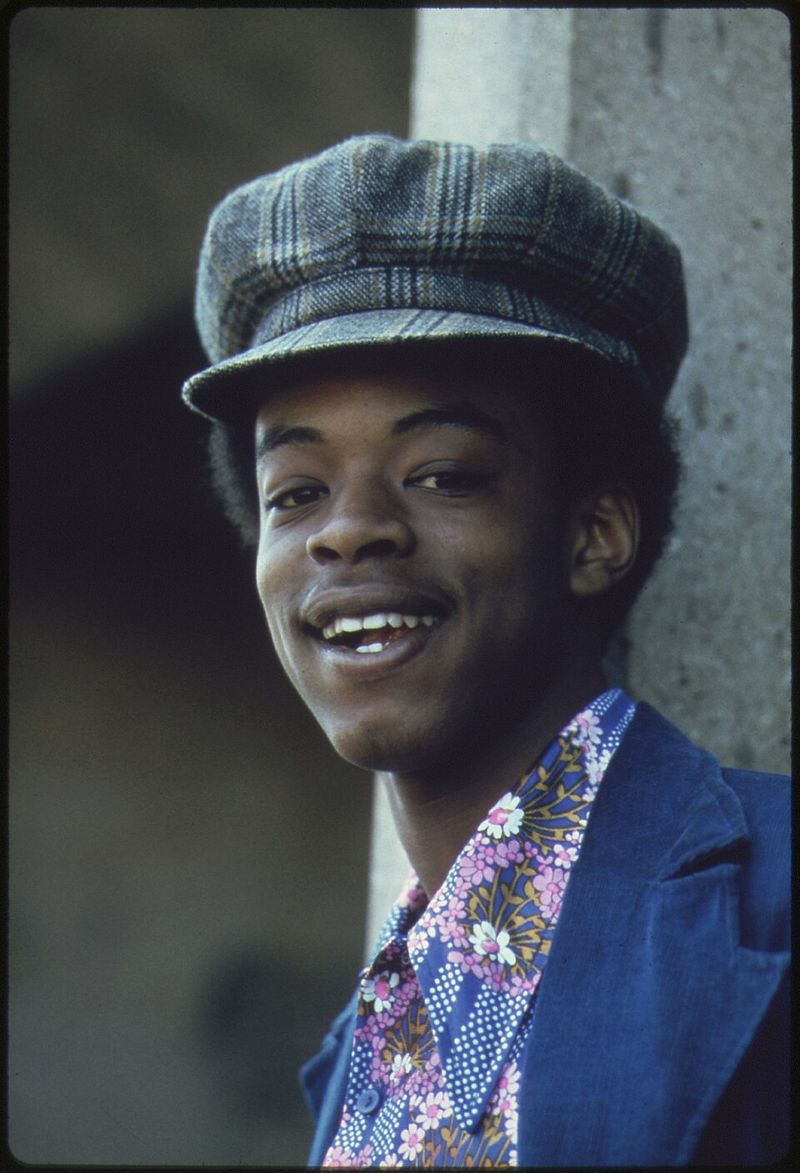
Compliments took a confident turn when someone was called Foxy in the mid 1970s. The word suggested striking attractiveness with a hint of cunning glamour, helped by album covers, magazine shoots, and film posters.
It crossed music scenes and nightlife, touching funk, rock, and televised variety acts.
In 1974, fashion trends like feathered hair, wrap dresses, and sharp lapels shaped what Foxy implied. The term appeared in song lyrics and celebrity interviews, giving fans permission to adopt it among friends.
It felt bold, casual, and a step removed from formal flattery.
Over time, Foxy began to sound like a dated way to appraise someone instead of appreciate them. Cultural conversations about objectification reframed short labels that focused on appearance alone.
Newer compliments leaned toward agency and style rather than a one-word verdict.
Drop Foxy now and people may hear a cheesy uncle impression rather than admiration. The evolution shows how vocabulary reflects changing standards around respect and identity.
What once sounded modern now functions as a caution sign about context.
5. Groovy
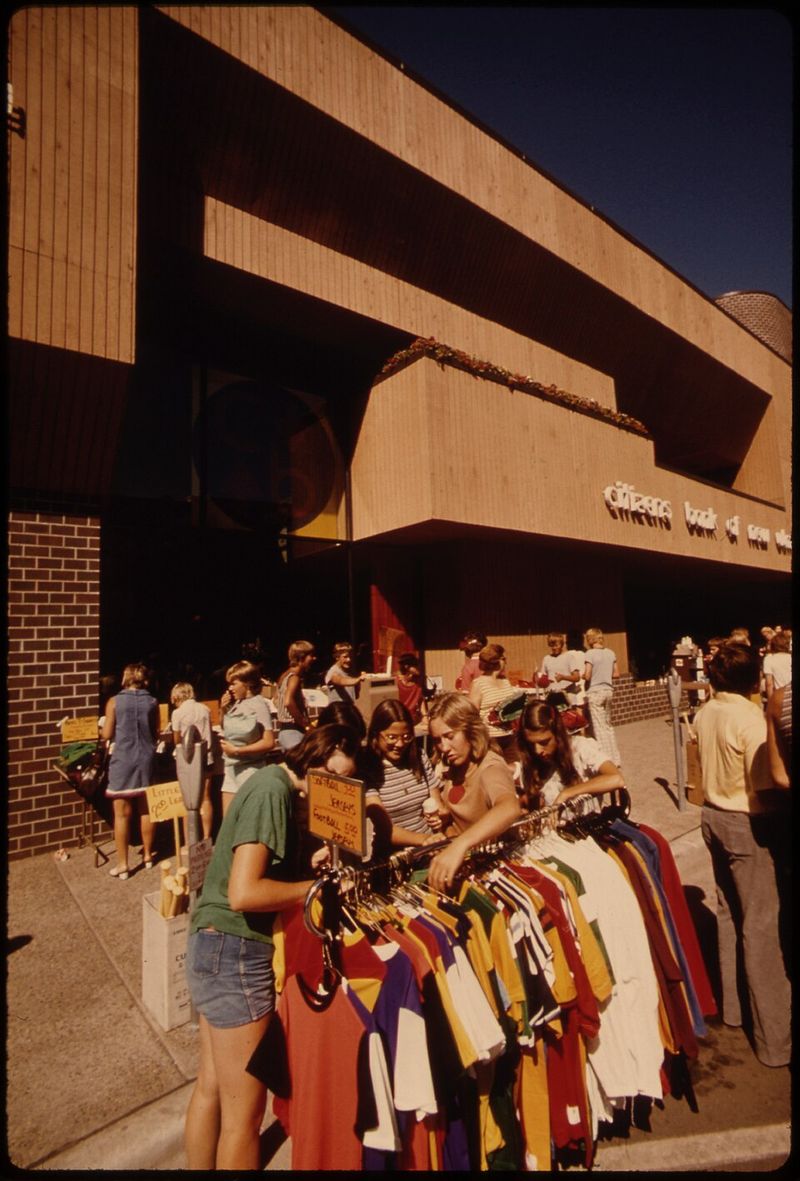
Approval had a swing to it when people said Groovy, a term rooted in jazz musicians staying in the groove. By 1974, it was already a cultural veteran still circulating through sitcoms, record shops, and college quads.
The word promised relaxed confidence and social harmony, even as trends moved toward disco and arena rock.
Television helped keep Groovy in the conversation, but not without a wink. Merchandising stamped it on buttons and notebooks, accelerating its slide toward self-parody.
Youth culture tends to refresh slang every few years, and Groovy had simply worked overtime.
As decades moved on, Groovy became a friendly caricature of hippie-era optimism. It resurfaced in nostalgic films and retro parties as a costume word rather than a living expression.
Linguistically, it shows how rhythm-based metaphors can outlast their original scene but lose edge.
Use it today and you will likely get playful smiles, not peer approval. The term’s portability kept it alive while its seriousness slipped away.
That journey is typical for popular slang tied to a widely imitated subculture.
6. Space cadet
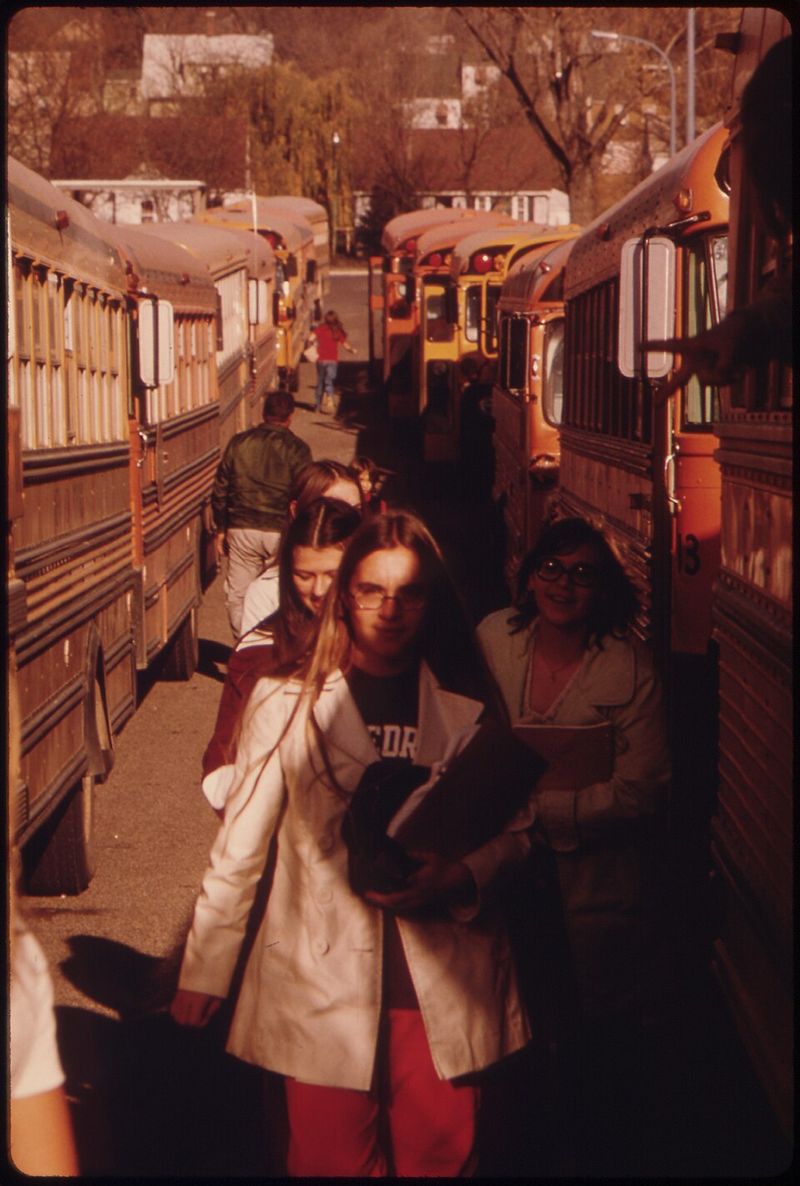
Attention drifts and suddenly someone gets called a Space cadet, the classic label for a daydreamer. The term piggybacked on space race fascination from the 1960s and early 1970s, when astronauts filled magazine covers.
By 1974, the phrase was common shorthand in schools and offices for someone disconnected from the task at hand.
It offered a humorous nudge rather than harsh judgment, reflecting admiration and fatigue with high-tech fantasies. Science fiction on television kept the metaphor accessible, even for people who never opened a physics book.
The allure of other worlds made the joke land softly.
As workplace expectations intensified and digital tools redefined focus, newer phrases like out of it or offline gained traction. Space cadet started to sound like a retro teacher’s note more than a peer comment.
It still pops up during nostalgic conversations or as a gentle tease.
If you use it now, expect mild amusement and maybe a reference to classic TV reruns. The phrase shows how national obsessions seed metaphors that outlive their moment.
When technology changes metaphors, language quietly follows suit.
7. Ten-four
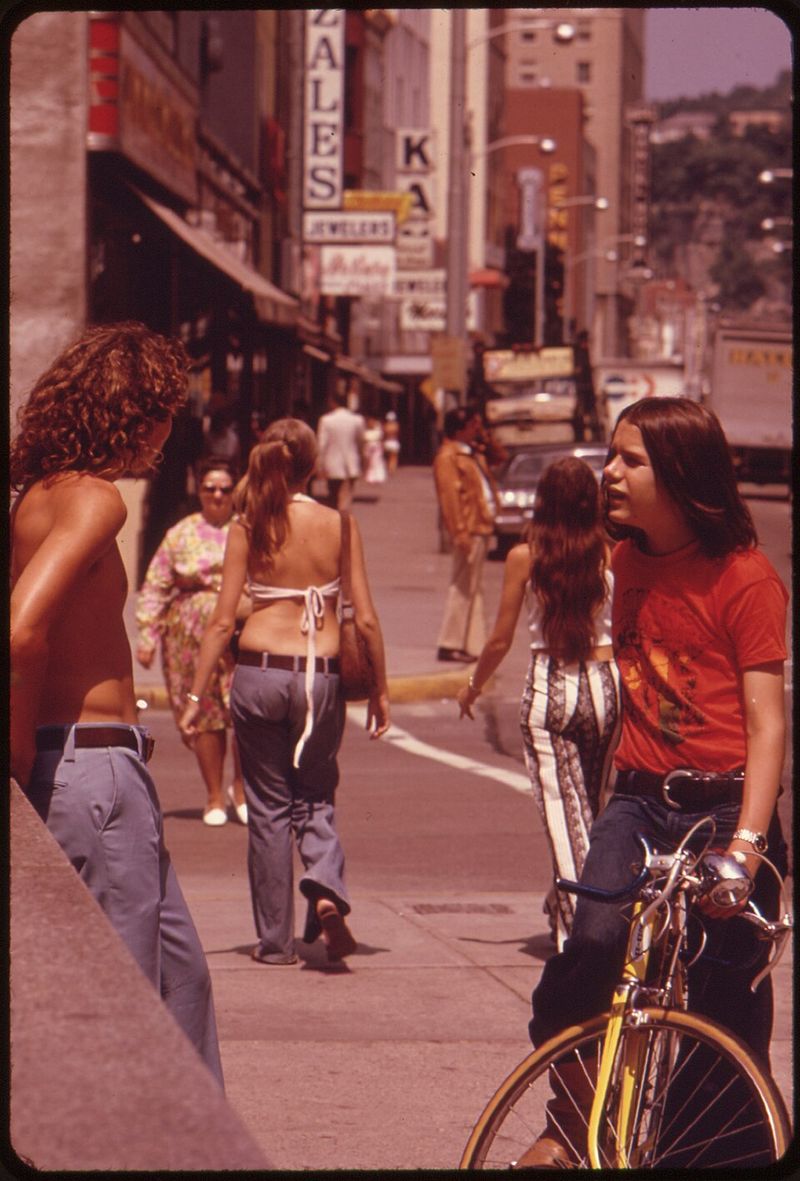
Affirmation clicked like a push-to-talk when people said Ten-four. The phrase comes from the ten-code system used by radio operators and police, then popularized among civilians through citizens band culture.
By 1974, movies and novelty songs spread CB jargon into mainstream chatter.
Ten-four meant message received, concise and unmistakable. It matched the era’s fascination with trucker independence and long-distance communication.
Hobbyists bought base stations for living rooms and swapped handles with strangers over static.
When mobile phones and texting arrived, crisp numeric codes felt theatrical. The phrase slipped into parody territory, evoking trucker clichés rather than everyday agreement.
Dispatch culture moved to digital systems, and consumers tapped like or reacted with emojis.
Say Ten-four now and you might sound like a movie extra from a 1970s road comedy. Still, it captures a moment when radio felt democratic and immediate.
The endurance of the code reminds us that technical jargon can briefly rule common speech.
8. Boogie
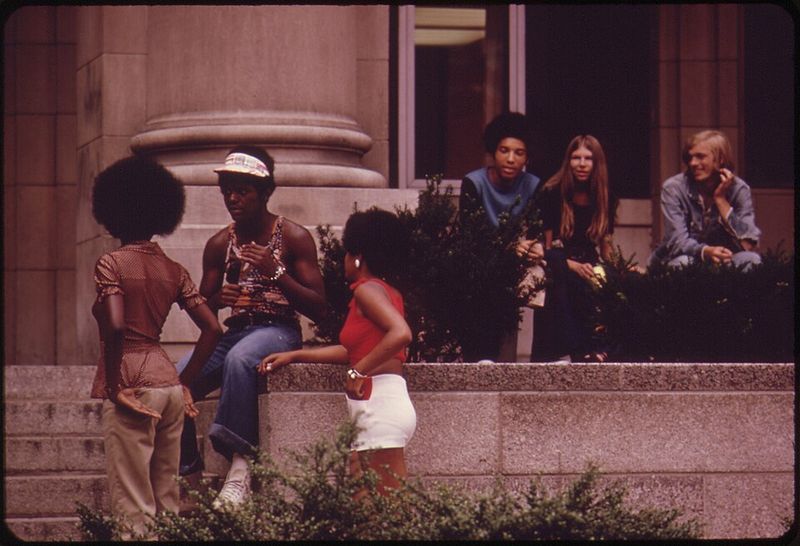
Movement got an action verb when people urged friends to Boogie. Before disco’s late decade dominance, funk grooves and soul records already pushed dancers to the floor.
In 1974, the term covered both the command to dance and the general idea of getting moving.
Radio DJs used it to frame weekend sets, while local venues printed it on flyers. Television dance shows amplified the vocabulary, turning Boogie into a household prompt.
It appeared in song titles and chorus hooks, enforcing its utility.
As genres splintered and dance culture professionalized, Boogie began sounding like a parent’s attempt at youth slang. Hip hop and electronic scenes introduced different verbs and cues.
Fitness language also absorbed movement talk, leaving Boogie to retro playlists and reunion parties.
Use it now and you signal playful throwback energy, not current trend fluency. The word remains friendly and unthreatening, which is why it pops up in kids’ media.
That durability shows how imperative verbs thrive until new rhythms redefine momentum.
9. Stone fox
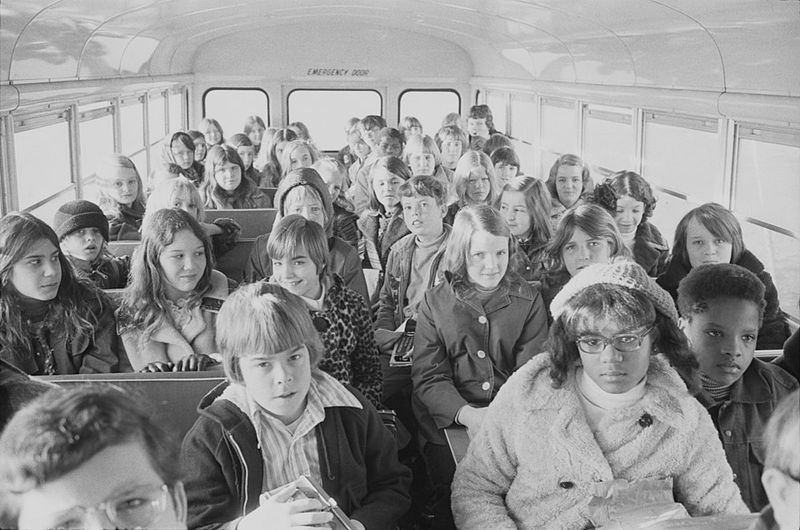
Flattery hit maximum voltage with Stone fox, a term signaling exceptional beauty. Media in 1974 leaned into bold imagery, from glossy magazines to film billboards, and the phrase thrived in that environment.
It paired an image of sleek cool with admiration that focused almost entirely on looks.
Men might trade the compliment like sports commentary, which reveals its limits today. While it traveled through pop lyrics and locker room talk, it rarely accounted for personality or agency.
The word sounded definitive, as if the conversation ended with a whistle.
Over time, changing attitudes challenged labels that sized people up in one stroke. Modern conversations prefer compliments that recognize style, talent, or character.
Stone fox shifted into retro relic status, caught in reruns and novelty T-shirts.
Say it now and you risk sounding like you time-traveled with a velvet poster. The phrase’s arc demonstrates how cultural norms reshape admiration.
Once a confident cheer, it now reads as an objectifying badge from a louder era.
10. Jive-talking
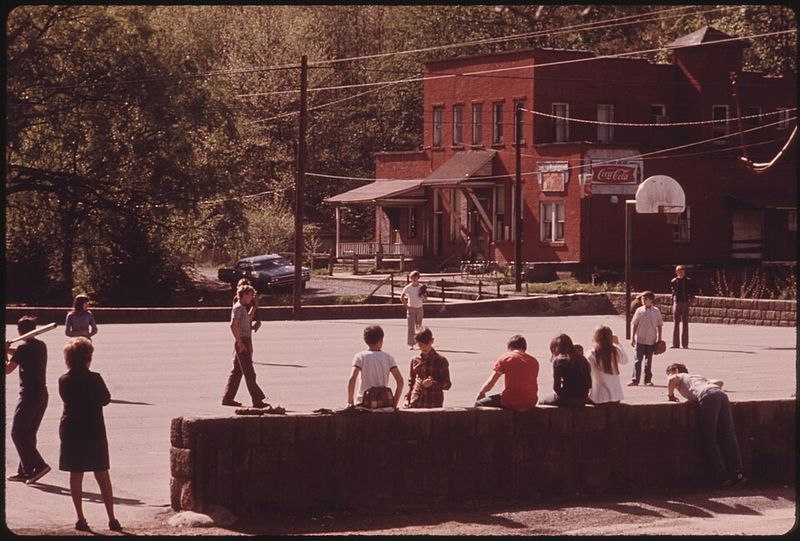
Few phrases could puncture hype like accusing someone of Jive-talking. The expression suggested fast, empty words, a bluff dressed up as insight.
In 1974, it circulated through music scenes and comedy routines, drawing from older uses of jive connected to style and rhythm.
Pop culture gave it a second wind. Songs used the term to tag smooth operators who delivered more patter than substance.
Talk shows and sketch comedy leaned on it for punchy dialogue that audiences could quote.
As marketing language professionalized and corporate speak expanded, the insult lost accuracy. Everyone was selling something, but few called it jive with a straight face.
The phrase became background wallpaper for retro playlists and movie references.
Use it now and you sound like you raided a vintage script binder. Still, it preserves a critique of empty persuasion that has never gone away.
The content changed, yet the alert against hollow talk keeps finding new uniforms.
11. Pad
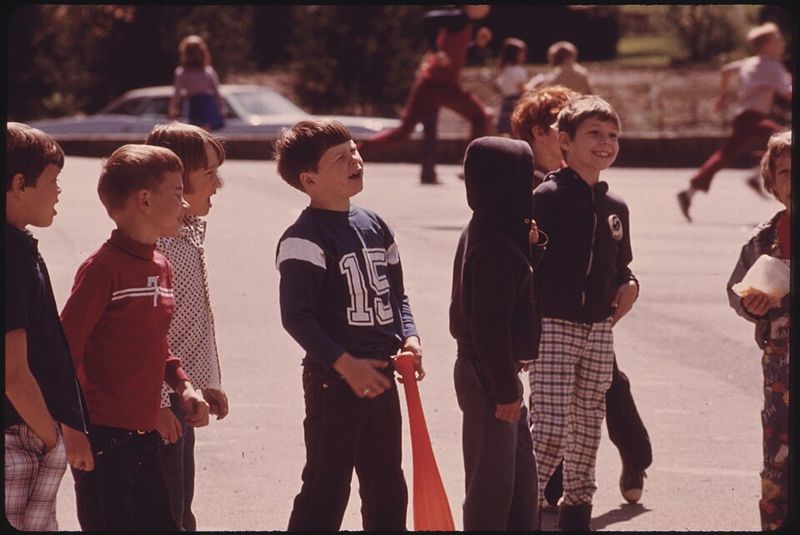
Home got a casual nickname when people invited friends to their Pad. The word came from beat culture and carried into the 1970s through countercultural living arrangements.
In 1974, it suggested a hangout with floor seating, posters, and a turntable rather than formal dining sets.
Magazines and sitcoms popularized the look, focusing on open spaces and portable furniture. Pads were social, with roommates, band practice, or study groups threading through the week.
Rent control debates and urban renewal shaped where these spaces clustered.
By the late century, apartment design shifted to minimalism and tech integration, and pad lagged. It morphed into phrases like bachelor pad, which narrowed its audience and tone.
Real estate ads favored loft, studio, or open-plan to sound modern and neutral.
Say pad now and listeners may picture a vintage futon and a lava lamp. The vocabulary proves how housing trends drive labels, while media sets the mood.
What once felt relaxed now reads as a period piece.
12. Do me a solid
Favors earned flair when phrased as Do me a solid. The line floated through urban slang and TV scripts, packaging a request in breezy confidence.
In 1974, it fit the era’s informal bargaining, from borrowing records to catching a ride.
The phrase hints at a transaction where goodwill counts as currency. It is specific without sounding stiff, which is why it traveled easily among friends.
Variety shows and sitcoms accelerated its reach beyond regional circles.
As language streamlined and texting shortened requests, solid began to sound intentionally retro. People shifted to can you help or quick favor to avoid a wink of performance.
The old line survives when someone wants to lighten the mood.
Use it today and you may get a chuckle along with the yes. The endurance shows how phrasing can transform an ask into a tiny scene.
Even if it dates you, it still gets the point across with character.
13. What a nightmare
Everyday disasters needed a quick label, and What a nightmare delivered. Although not exclusive to 1974, the phrase surged in casual conversation through sitcom scripts and workplace chatter.
It summarized bureaucratic hassles, transit delays, and technology failures like jammed copiers.
The appeal came from its range. It covered everything from scheduling mixups to fashion mishaps, letting people vent without deep analysis.
Media catchphrases encouraged exaggerated reactions that still felt family friendly.
As hyperbole became standard online, nightmare moved from punchy to routine. Constant usage diluted its force, turning it into a background complaint.
Professional settings often coach employees toward solution language instead of theatrical summaries.
Say it now and you sound like you are quoting an office rerun. The phrase’s path shows how television accelerates mild drama until the audience stops noticing.
Strong words soften when they become every sentence’s seasoning.
14. Up your nose with a rubber hose
Playground defiance reached peak absurdity with Up your nose with a rubber hose. The line gained national visibility through sitcoms that loved goofy retorts.
In 1974, school corridors and after-practice hangouts echoed with its harmless sting.
The phrase worked because it replaced real meanness with cartoon exaggeration. Kids could push back without breaching rules against serious insults.
Adults rolled their eyes, which guaranteed that teenagers kept it alive.
As humor trends shifted toward sarcasm and internet memes, the long rhyme lost speed. It now sounds like a prop line from a rerun rather than a spontaneous quip.
Modern comebacks favor brevity and viral references.
Use it today and expect laughter at the delivery, not at the target. The survival of the line in memory highlights television’s power to export schoolyard language.
Comedy scripts can turn a hallway whisper into a national catchphrase.
15. Keep on truckin’
Perseverance got a walking slogan with Keep on truckin’. The phrase rode comic art and poster culture, then aligned with CB radio optimism.
In 1974, it urged momentum through challenges, turning everyday grind into a friendly mission.
Merchandise spread it widely, from bumper stickers to dorm posters. The message mixed countercultural cheer with blue-collar grit, which helped it cross demographic lines.
It functioned as a motivational nudge without corporate packaging.
As office culture adopted its own slogans and self-help books multiplied, the line felt quaint. Digital communication also fractured catchphrases into shorter tags.
The original art still circulates, but the message reads like thrift-store wisdom.
Say it now and you conjure a cartoon stride and a wink. The arc reveals how visual media can prop up language long after usage fades.
Motivation shifts tone each era, and this one now wears vintage ink.



