 Unearth The Voyage
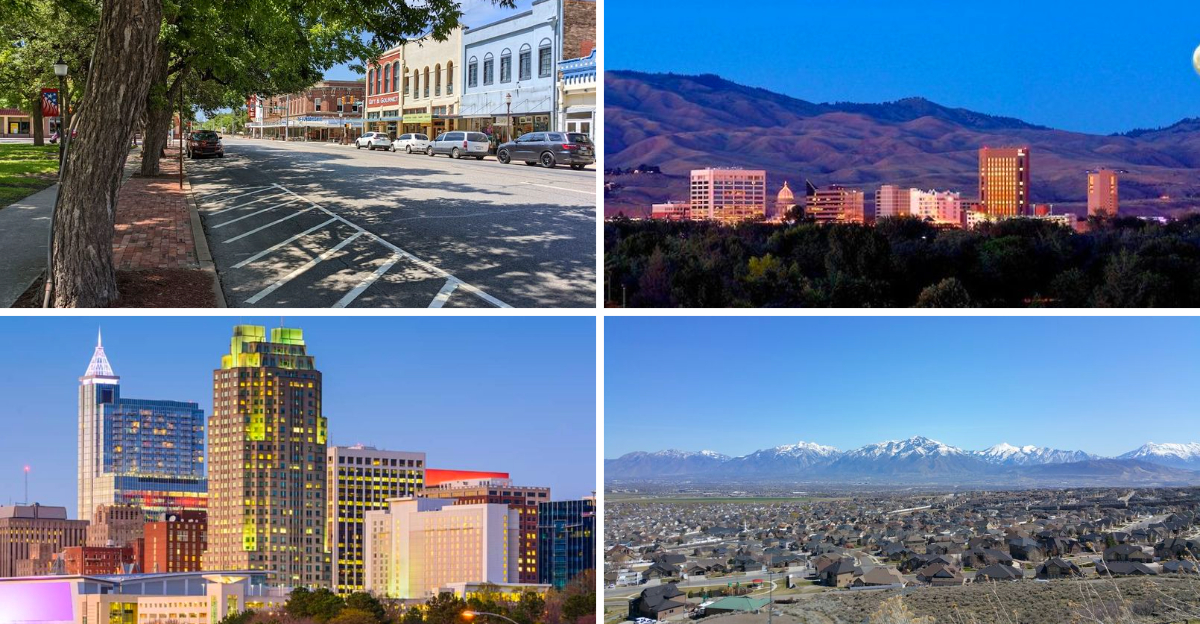
Some of the best places to live right now are not the big, crowded cities you might expect. Across the country, smaller cities are quietly becoming hotspots for jobs, affordable homes, and a better quality of life.
Experts who study population trends and economic growth are pointing to a fresh batch of up-and-coming towns that are drawing in thousands of new residents every year. If you are thinking about a move or just curious about where America is heading, these 15 small cities deserve your attention.
1. Lakeland, Florida
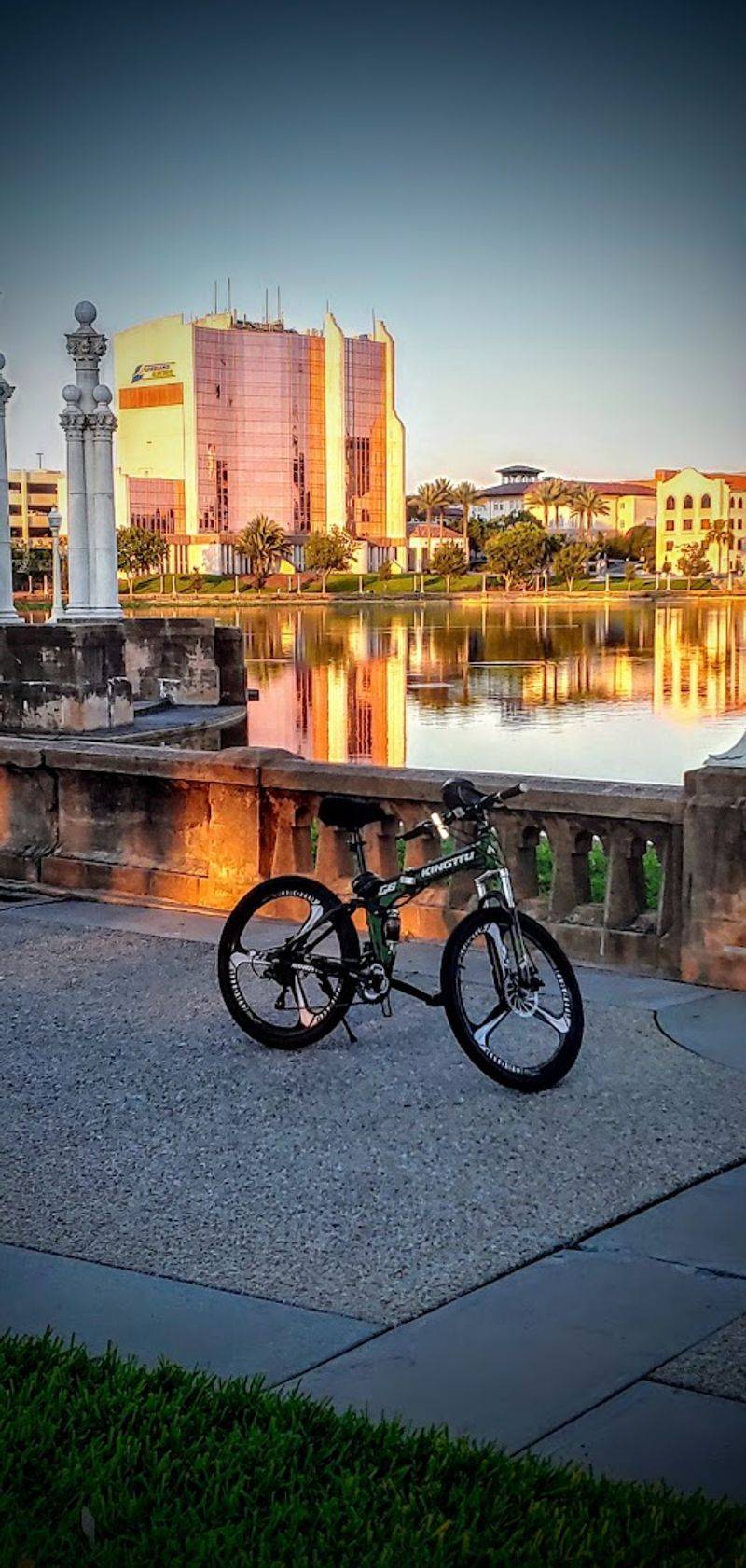
Tucked between Tampa and Orlando, Lakeland has quietly become one of Florida’s most talked-about cities for people looking to relocate. Census data and moving company reports consistently rank it among the fastest-growing boomtowns in the entire country.
Affordable home prices compared to nearby metros make it a magnet for young families and retirees alike.
The city sits along beautiful lakeshores and offers a growing job market in healthcare, logistics, and education. Publix Super Markets, one of the largest employee-owned companies in the U.S., is headquartered right here.
That kind of economic anchor gives Lakeland a stability that many other small cities simply do not have.
2. Conroe, Texas
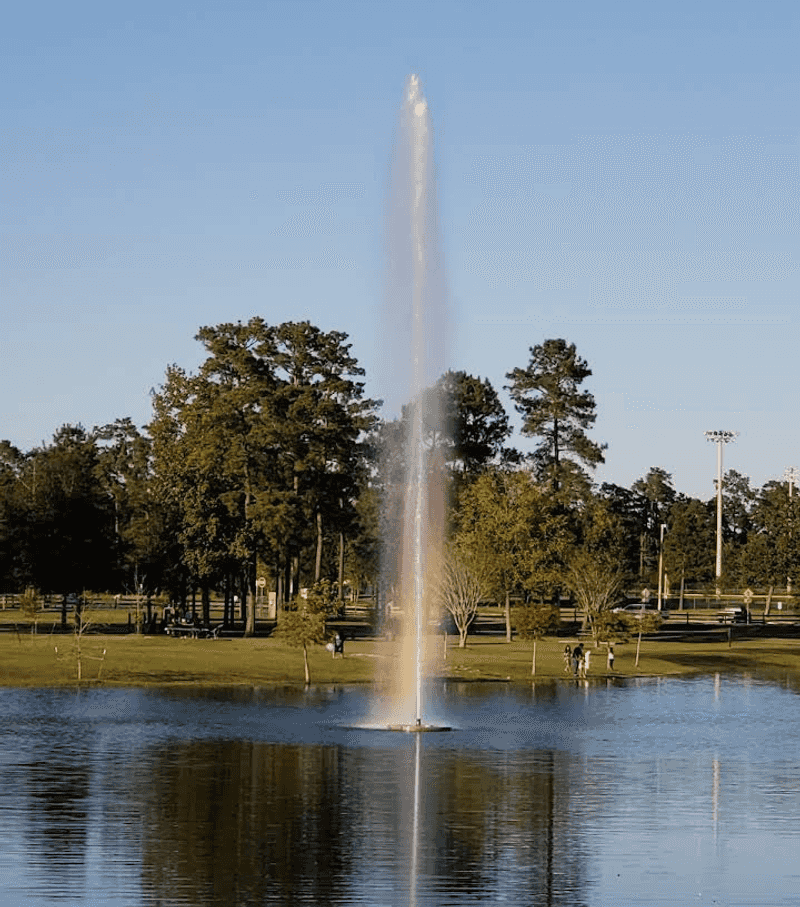
Just north of Houston, Conroe has been racking up rankings as one of the fastest-growing suburbs in the entire nation. Moving data from companies like U-Haul and North American Van Lines shows a steady flood of inbound residents year after year.
People are drawn in by lower costs of living and easy access to Houston’s massive job market.
The city has been investing heavily in its own local economy, adding retail centers, restaurants, and business parks at a rapid clip. Lake Conroe nearby gives residents a resort-like quality of life without the resort price tag.
Experts say the growth here is far from slowing down anytime soon.
3. New Braunfels, Texas
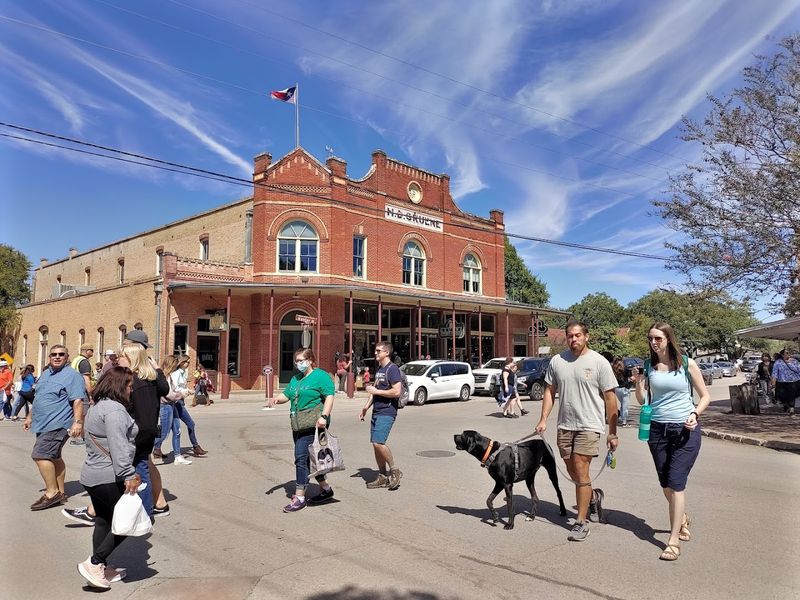
Few cities in America have grown as dramatically as New Braunfels over the past decade. Sitting between San Antonio and Austin on the I-35 corridor, this Texas gem has posted some of the highest population growth rates of any city its size in the country.
The Guadalupe River, rolling Hill Country scenery, and a vibrant German heritage give it serious charm.
New residents are arriving for the lifestyle as much as the economics. Home prices, while rising, remain more manageable than in Austin or San Antonio proper.
A thriving tourism economy and a growing local business scene make New Braunfels one of the most well-rounded small cities on this entire list.
4. Herriman, Utah
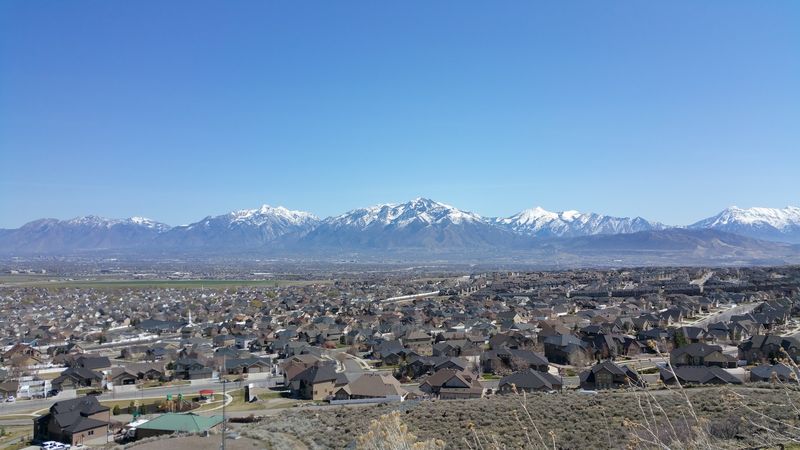
Nestled at the base of the Oquirrh Mountains southwest of Salt Lake City, Herriman has been one of Utah’s most explosive growth stories. Annual growth rates here have consistently outpaced state and national averages, drawing attention from urban planners and real estate analysts across the country.
The views alone are enough to make anyone consider packing up and moving.
Young families especially love Herriman for its highly rated schools, safe neighborhoods, and outdoor recreation just minutes away. Utah’s strong economy and low unemployment rate provide a solid foundation for anyone relocating here for work.
Herriman is the kind of place that feels like a hidden gem, but it is not staying hidden for long.
5. Boise, Idaho
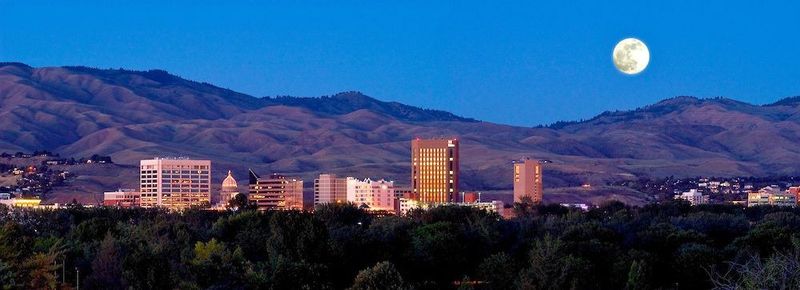
Boise has been on growth watch lists for years, and the momentum shows no signs of stopping. Young families fleeing the high costs of Seattle, Portland, and the San Francisco Bay Area have been arriving in large numbers, bringing talent, energy, and new businesses with them.
The result is a city that feels increasingly vibrant without losing its laid-back western character.
Outdoor enthusiasts particularly love Boise for its easy access to skiing, hiking, and river activities all within a short drive. The tech sector has also taken root here, earning Boise a place in conversations about emerging innovation hubs.
Affordable living combined with a high quality of life keeps this Idaho capital firmly on every expert’s radar.
6. Raleigh, North Carolina
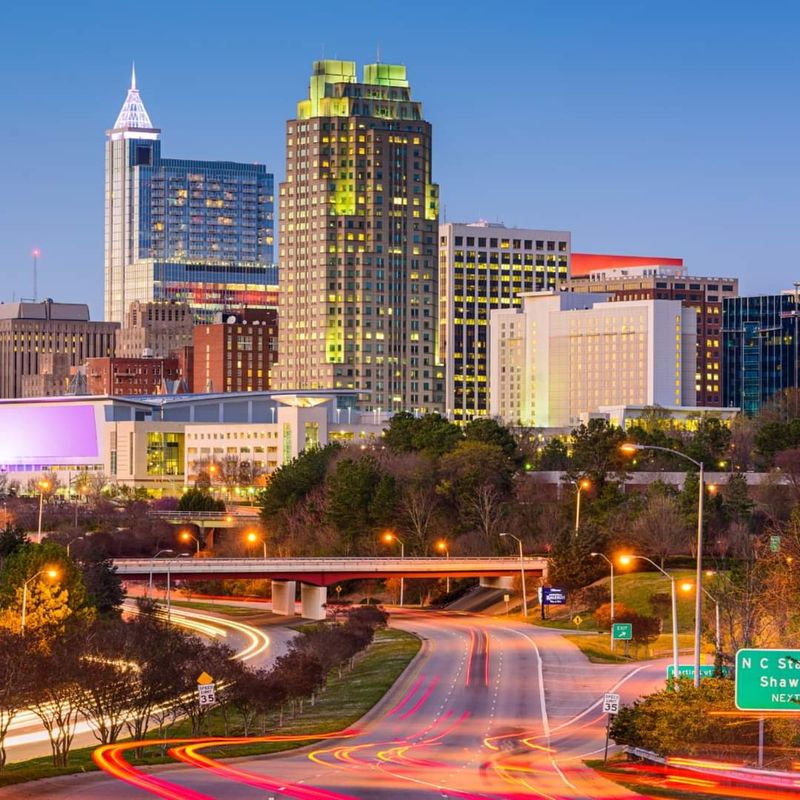
Raleigh is the kind of city that economists love to point to when talking about smart, sustainable urban growth. As part of the Research Triangle, it benefits from a powerful combination of top-tier universities, a booming tech sector, and a relatively affordable cost of living.
Thousands of new residents arrive every year, many of them drawn by high-paying jobs in biotech, software, and finance.
The city also scores well for livability, with strong public schools, diverse neighborhoods, and a food scene that punches well above its weight. Raleigh has managed to grow quickly while still feeling approachable and community-oriented.
For anyone considering a move to the Southeast, this North Carolina capital belongs near the top of the list.
7. Amarillo, Texas
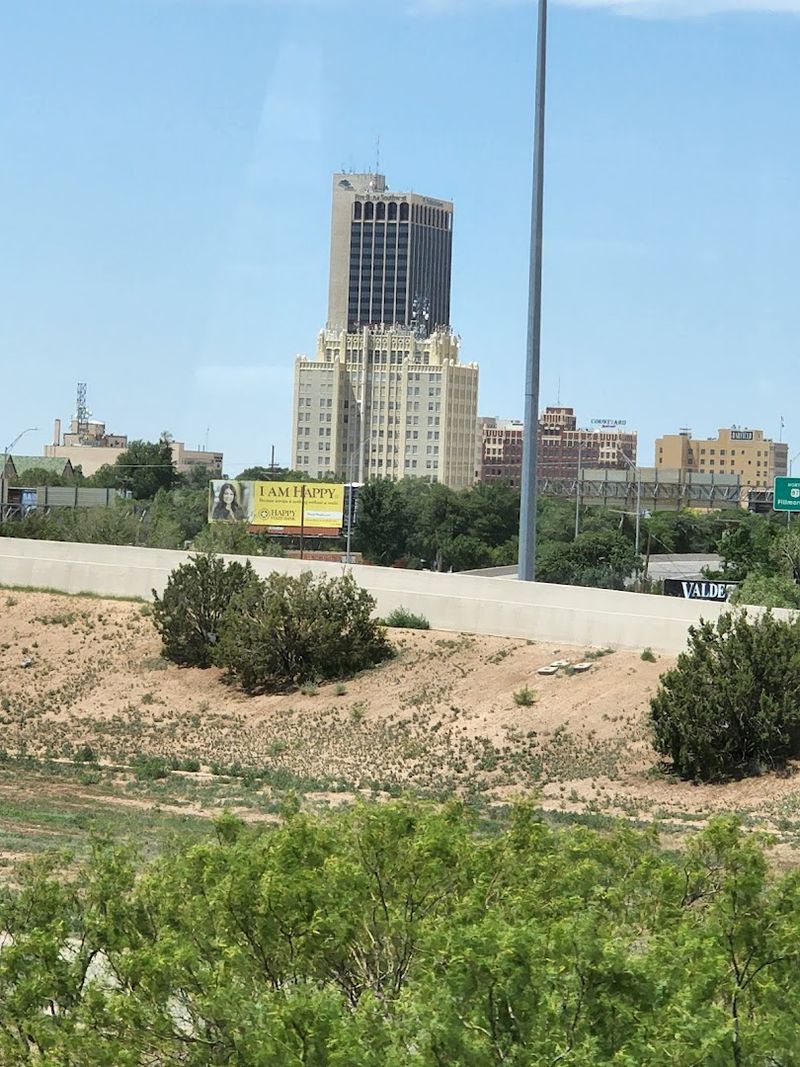
Amarillo might not be the first city that comes to mind when you think of boomtowns, but that is exactly what makes it interesting. Massive new investments in clean energy, manufacturing, and agriculture-related industries are quietly reshaping this Texas Panhandle city’s economic outlook.
Companies looking for affordable land and a central location have been setting up shop here in growing numbers.
For everyday residents, Amarillo offers some of the most affordable housing prices of any city in the state. The cost of living is low, the community is tight-knit, and the job market is expanding.
Experts tracking migration data say inbound moves to Amarillo have been climbing steadily, and the trend looks set to continue well into the next decade.
8. McKinney, Texas
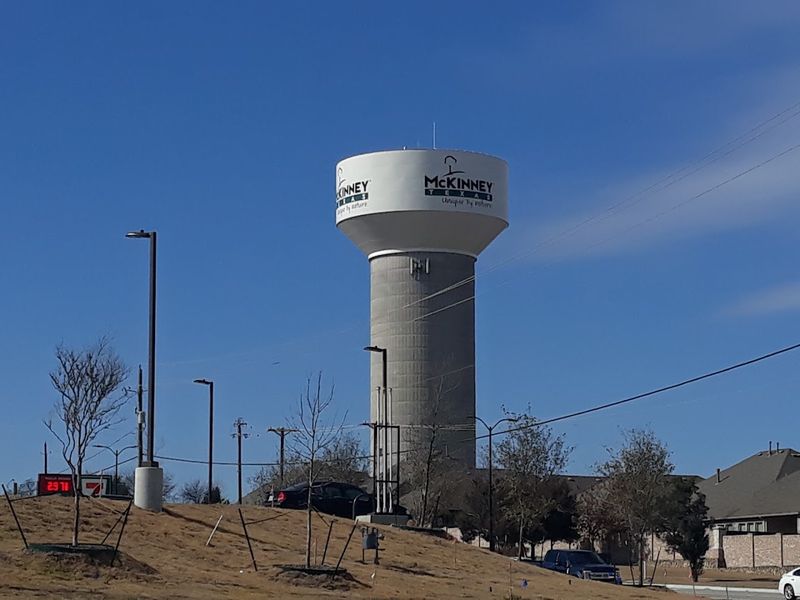
McKinney has a personality all its own. Unlike some Dallas suburbs that feel purely corporate, McKinney blends a beautifully preserved historic downtown with rapid modern expansion happening just outside its edges.
U-Haul’s growth index has repeatedly flagged it as one of the top destinations for inbound movers across the entire country.
Families relocating here often cite the excellent school districts, low crime rates, and strong sense of community as top reasons for choosing McKinney over other Dallas-area options. The city has also attracted a solid mix of employers in healthcare, technology, and financial services.
With Dallas-Fort Worth’s massive economy just down the road, McKinney residents enjoy suburban peace with big-city opportunity close at hand.
9. Seguin, Texas
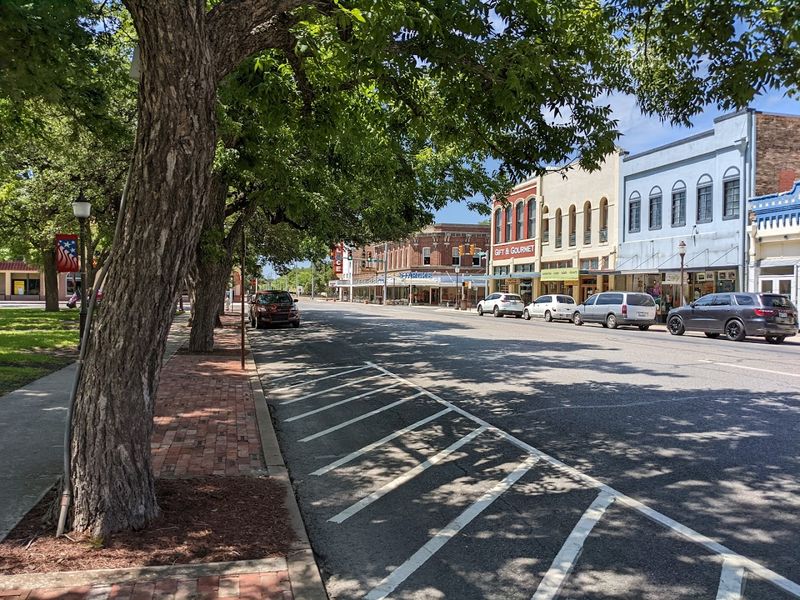
Seguin may be smaller than many cities on this list, but it is making a big impression on migration data analysts. Located between San Antonio and Austin along the I-10 corridor, it sits in a sweet spot that gives residents access to two major metros without paying big-city prices.
That geographic advantage has been drawing in new residents at a pace that surprises even local officials.
Manufacturing and distribution have historically been the backbone of Seguin’s economy, and those industries continue to expand. The city is also benefiting from spillover growth from the booming New Braunfels and San Marcos areas nearby.
Affordable land, a growing local economy, and a strong community identity make Seguin one of Texas’s most underrated rising cities.
10. Princeton, Texas

Princeton, Texas is the kind of city where the population data almost seems hard to believe. Year-over-year growth figures have been staggering, driven by an influx of residents priced out of nearby Plano, Frisco, and McKinney.
Developers have responded by building new subdivisions at a breakneck pace, transforming what was once a quiet rural town into a genuine suburb.
The city still has room to grow, and that is part of what excites real estate experts and economists watching the Dallas-Fort Worth region. Infrastructure investment is ramping up to keep pace with the population surge.
Princeton represents a familiar Texas story: blink, and a small town becomes a thriving city before you even notice the change happening.
11. Frisco, Texas
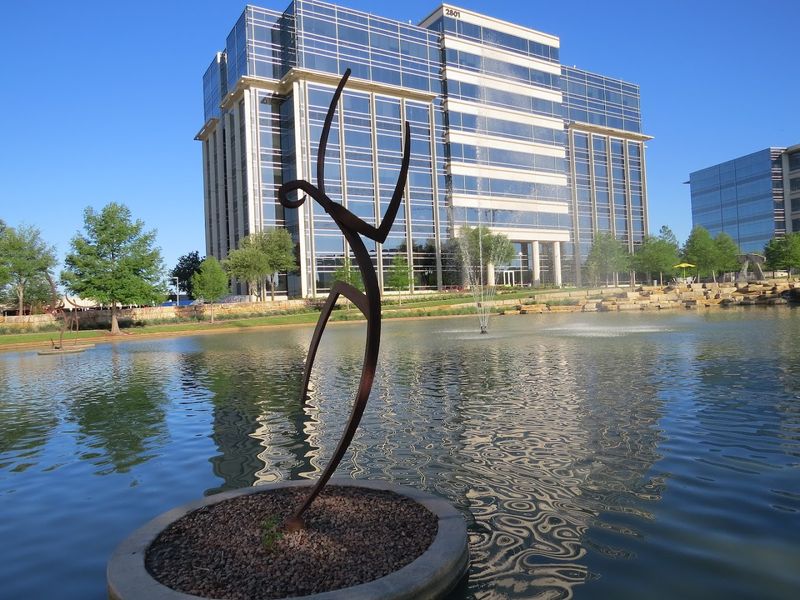
Frisco has spent years being one of the fastest-growing cities in the entire United States, and it has no intention of giving up that title. Once a small farming community, it has transformed into a polished, amenity-rich city that attracts corporations, sports franchises, and families from across the country.
The Dallas Cowboys’ world headquarters, known as The Star, is located right here.
Major employers in technology, finance, and healthcare have made Frisco a legitimate economic powerhouse in its own right. Top-rated schools and a seemingly endless supply of dining, shopping, and entertainment options keep new residents coming in waves.
Frisco is proof that a city can grow fast and still maintain a high standard of living for the people who call it home.
12. Meridian, Idaho
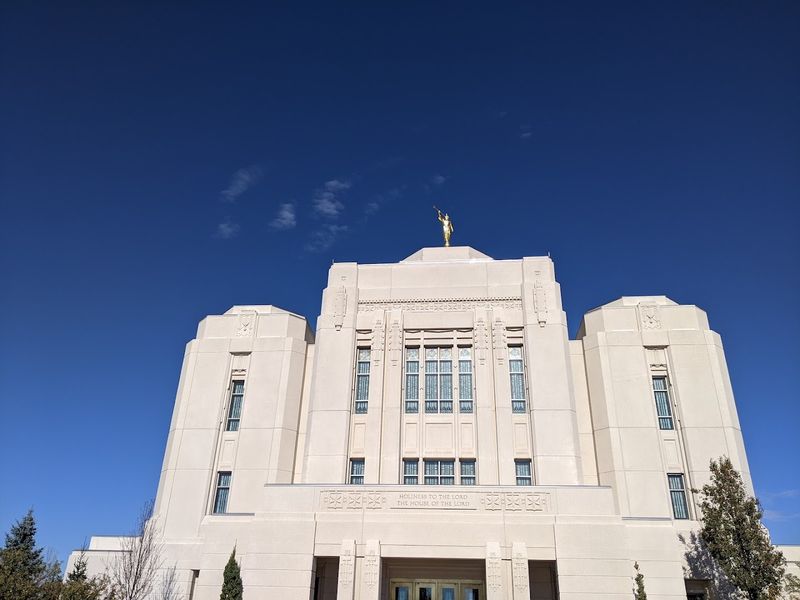
Right next door to Boise, Meridian has carved out its own identity as one of the fastest-growing smaller cities in the American West. It consistently ranks near the top of national growth indexes, with new homes, schools, and businesses sprouting up across the Treasure Valley at an impressive rate.
Families moving here often describe it as the perfect balance between suburban comfort and outdoor adventure.
Meridian’s crime rate is among the lowest of any comparable city in the country, which is a major selling point for parents choosing where to raise their kids. The local economy benefits from Boise’s expanding tech and healthcare industries, creating a steady stream of well-paying jobs nearby.
Growth here shows every sign of continuing strong through the rest of the decade.
13. Henderson, Nevada
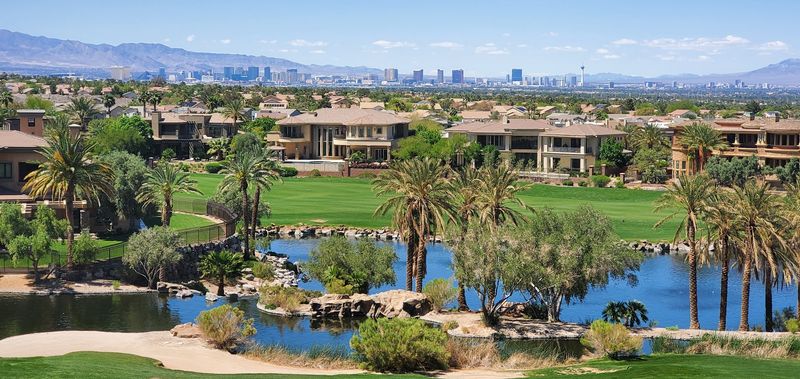
Henderson sits just southeast of Las Vegas, and while it benefits from the region’s economic energy, it has developed a distinct character of its own. Residents here enjoy a quieter, more family-oriented lifestyle than the Las Vegas Strip would suggest, with well-maintained parks, master-planned communities, and some of the best public services in the state.
It is regularly ranked among the safest cities in Nevada.
The ongoing expansion of the Las Vegas metro, including new stadiums, data centers, and logistics hubs, keeps Henderson’s job market healthy and growing. Housing remains more accessible here than in many other Sun Belt cities experiencing similar growth.
Experts tracking Nevada’s population trends say Henderson is positioned for sustained expansion well into the next several years.
14. Cedar Park, Texas
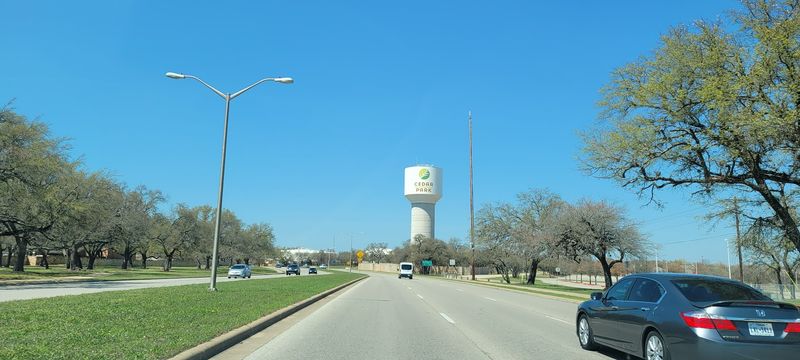
Cedar Park has become one of the most sought-after addresses in the greater Austin area, and it is not hard to see why. Sitting just north of Austin, it offers residents proximity to one of the country’s hottest job markets while providing a calmer, more affordable alternative to living inside the city itself.
Tech workers, healthcare professionals, and young families have all been arriving here in large numbers.
The city has invested significantly in parks, recreation facilities, and community programming to keep pace with its growing population. A lively local restaurant and retail scene has developed organically as more residents put down roots.
Cedar Park is a textbook example of how strategic location and smart city planning can fuel extraordinary growth in a relatively short time.
15. St. George, Utah

St. George has one of the most dramatic settings of any city on this list, surrounded by stunning red rock formations and sitting near Zion National Park. But it is not just the scenery drawing people here.
Warm winters, a growing healthcare sector, and a cost of living lower than most western cities have made St. George a top Sun Belt destination for retirees and remote workers alike.
Population growth here has been among the highest in Utah for several consecutive years. New residential communities, retail developments, and medical facilities are expanding the city’s footprint steadily.
Real estate analysts consistently highlight St. George as a long-term growth market with strong fundamentals, making it one of the most compelling small cities to watch over the next five years.



