 Unearth The Voyage
Big cities get all the attention, but some of America’s most unforgettable experiences are hiding in places you might overlook on a map. From red rock deserts to seafood-soaked harbors, small towns across the country pack serious charm into surprisingly compact spaces.
These destinations offer the culture, food, and scenery of major metros — without the traffic, crowds, or sky-high hotel bills. Pack your bags and get ready to discover why small can be incredibly mighty.
Sedona, Arizona
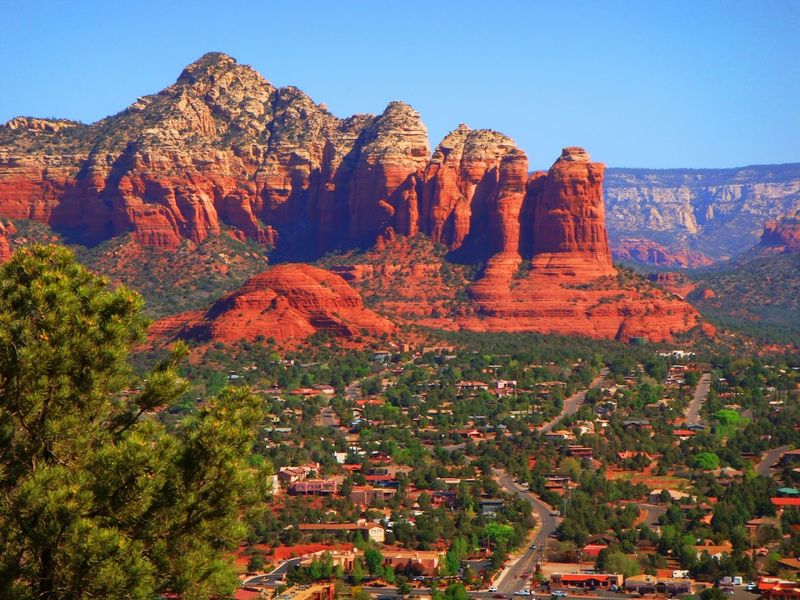
Standing beneath Sedona’s red rock formations feels like the earth itself is showing off. Cathedral Rock, Bell Rock, and Courthouse Butte rise dramatically from the desert floor, painting the sky with shades of rust, amber, and crimson.
No photo does it full justice — you have to be there.
Hikers of all skill levels find trails that match their pace, from easy nature walks to challenging summit routes. The famous energy vortexes draw spiritual seekers from around the world, and many visitors report leaving with a genuine sense of calm and clarity.
Whether you believe in the vortexes or not, the scenery alone is healing.
Beyond the outdoors, Sedona’s arts district in Tlaquepaque offers galleries, handcrafted jewelry, and locally inspired cuisine. Boutique resorts tucked into canyon walls provide some of the most memorable overnight stays in the Southwest.
Sedona proves that a town of roughly 10,000 people can deliver a vacation experience that feels absolutely larger than life.
Carmel-by-the-Sea, California
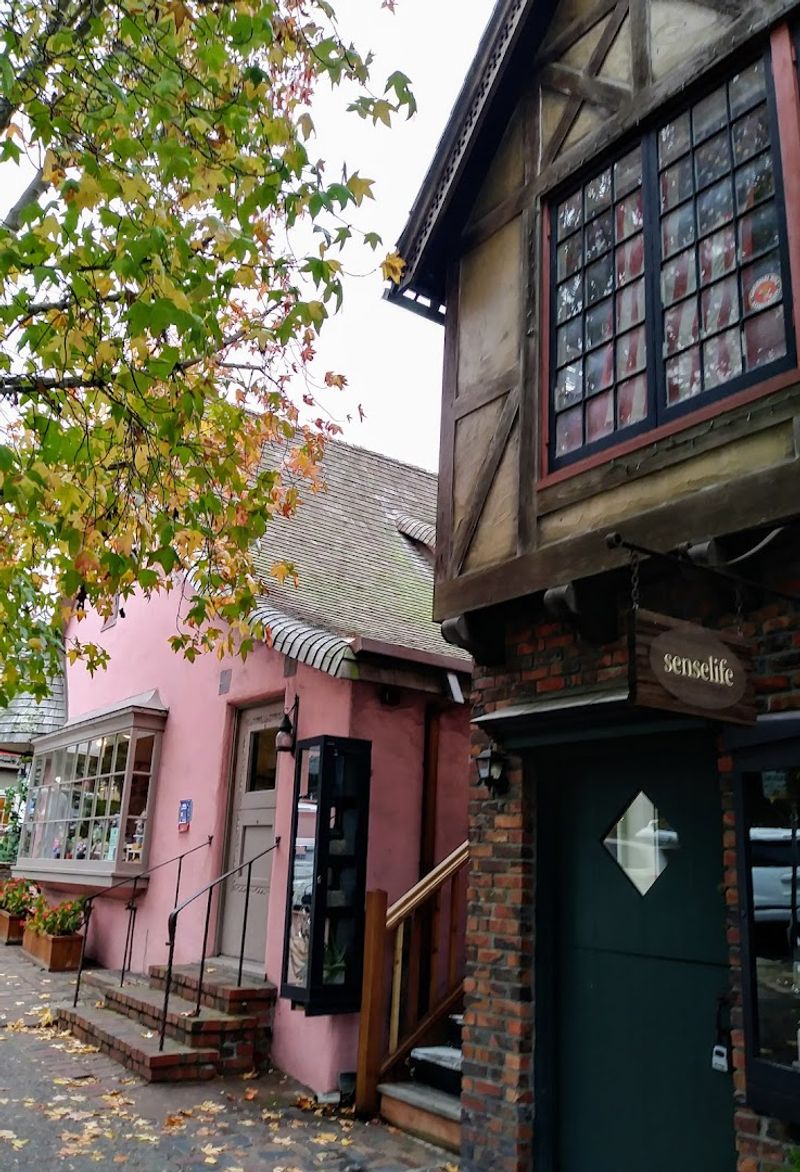
Carmel-by-the-Sea looks like an artist dreamed it up on a particularly good day. Tiny fairy-tale cottages with rounded rooftops and climbing roses line narrow streets that eventually spill onto one of California’s most beautiful white-sand beaches.
Even the town’s quirky law banning high heels without a permit adds to its legendary personality.
Art lovers will feel right at home among the more than 80 galleries scattered throughout the village. World-class wine-tasting rooms sit steps from the ocean, making an afternoon stroll here one of the most pleasant in the entire state.
Carmel is proof that sophistication does not require a skyline.
Foodies fare exceptionally well here, too. The restaurant scene punches well above the town’s small population, offering everything from fresh Pacific seafood to Michelin-worthy cuisine.
Just south of town, Point Lobos State Natural Reserve offers jaw-dropping coastal hikes through cypress groves and sea lion-dotted coves. Carmel-by-the-Sea is the kind of place where you plan a weekend trip and start plotting your permanent relocation by Sunday afternoon.
Saugatuck, Michigan
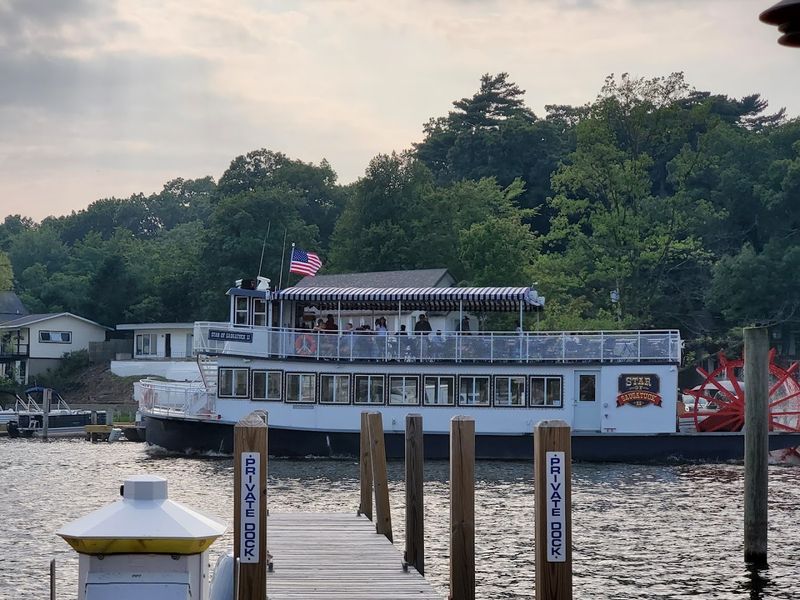
Ask anyone who has spent a summer weekend in Saugatuck, and you will get the same answer: why did I wait so long to come here? Tucked along the Kalamazoo River just before it meets Lake Michigan, this small Michigan town delivers a combination of sandy beaches, creative energy, and lakeside dining that is genuinely hard to beat.
The local art scene is the real heartbeat of Saugatuck. Galleries line the main streets, showcasing everything from bold abstract paintings to delicate hand-thrown pottery.
The town has attracted artists since the early 1900s, earning a reputation as one of the Midwest’s most beloved creative communities.
Summer is peak season, when visitors pack the beaches, board the hand-cranked chain ferry across the river, and fill the waterfront restaurants. But fall brings its own magic, with fewer crowds and the surrounding forests turning brilliant shades of orange and gold.
Saugatuck also offers cozy bed-and-breakfasts that make big hotel chains look impersonal by comparison. If the Midwest had a best-kept secret, Saugatuck would be nervously looking over its shoulder right now.
Beaufort, North Carolina
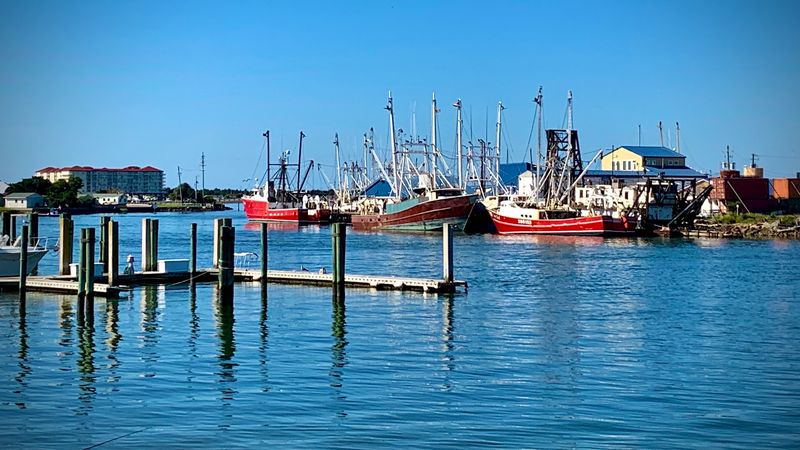
Every summer, pirates take over Beaufort — and the locals absolutely love it. The annual Beaufort Pirate Invasion festival turns this already charming coastal town into a swashbuckling spectacle complete with cannon fire, costumed crews, and waterfront revelry.
But even without the pirates, Beaufort earns its reputation as one of North Carolina’s most captivating small towns.
The historic district along Front Street is lined with 18th- and 19th-century homes, many of which are listed on the National Register of Historic Places. Horse-drawn carriage tours wind through neighborhoods where sea captains once lived, and the North Carolina Maritime Museum tells the story of the region’s deep connection to the sea.
Blackbeard himself once anchored these waters — no costume required to appreciate that history.
Wild horses roam the nearby Rachel Carson Reserve, visible by kayak or ferry just across the water. Fresh seafood is practically a local currency here, with waterfront restaurants serving up shrimp, oysters, and flounder in ways that make you question every landlocked meal you have ever eaten.
Beaufort is small, salty, and completely unforgettable.
Fredericksburg, Texas
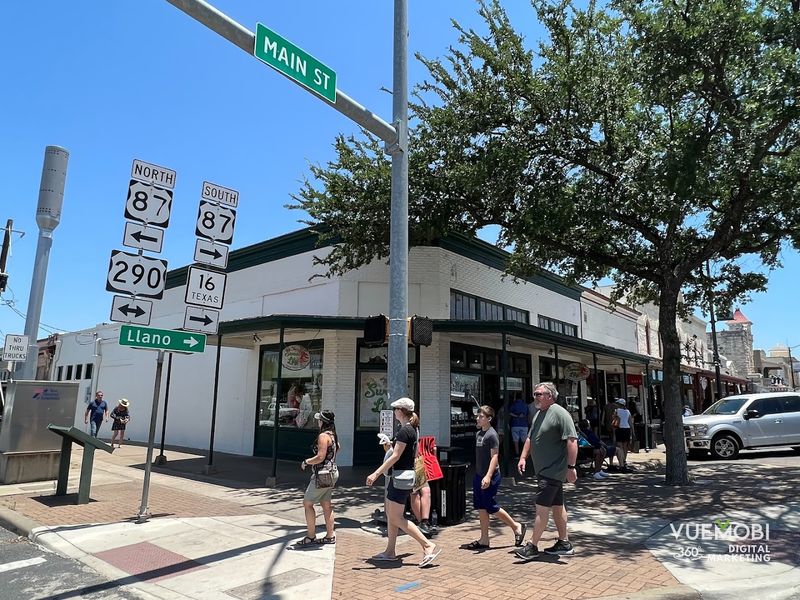
Somewhere between San Antonio and Austin, Texas Hill Country gets spectacularly beautiful — and Fredericksburg sits right in the middle of it. Founded by German immigrants in 1846, this town still wears its heritage proudly, from the architecture along Main Street to the bratwurst and schnitzel on local menus.
It is one of those rare places where history actually tastes good.
Wine lovers have made Fredericksburg a serious destination. The Texas Wine Trail winds through more than 50 wineries within a short drive, and many of them offer tastings right in town.
Peach season in summer brings an entirely different crowd — people who know that Hill Country peaches are something worth planning a road trip around.
The National Museum of the Pacific War, honoring Fleet Admiral Chester Nimitz who was born here, adds unexpected depth to the visit. History buffs can spend hours inside while their companions explore the boutique shops and art galleries just outside the door.
Evenings in Fredericksburg tend to stretch long over good food and cold drinks on friendly patios. Hospitality is not a slogan here — it is genuinely the local currency.
Telluride, Colorado
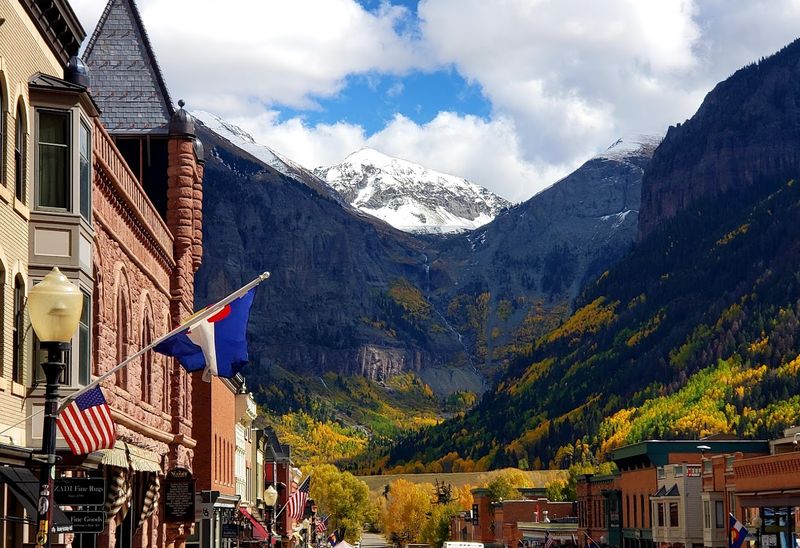
Telluride sits at the end of a box canyon so beautiful that even the drive in feels like an event. Ringed by 14,000-foot peaks of the San Juan Mountains, this former silver mining town has reinvented itself as one of Colorado’s most celebrated destinations — and somehow kept its soul intact along the way.
Winter transforms Telluride into a world-class ski resort with runs that challenge experts and welcome beginners. A free gondola connects the mountain town to Mountain Village above, offering jaw-dropping views year-round.
Summer brings an entirely different energy, with the famous Telluride Film Festival, Bluegrass Festival, and Jazz Celebration drawing creative crowds to the alpine setting.
The historic downtown is a National Historic Landmark District, where Victorian storefronts now house excellent restaurants, independent bookshops, and galleries. Butch Cassidy robbed his first bank here in 1889 — a fun fact the locals mention with entirely justified pride.
Hiking trails fan out from town in every direction, including the short walk to Bridal Veil Falls, Colorado’s longest free-falling waterfall. Telluride is the rare mountain town that delivers equally in every season without ever feeling like it is trying too hard.
Stowe, Vermont
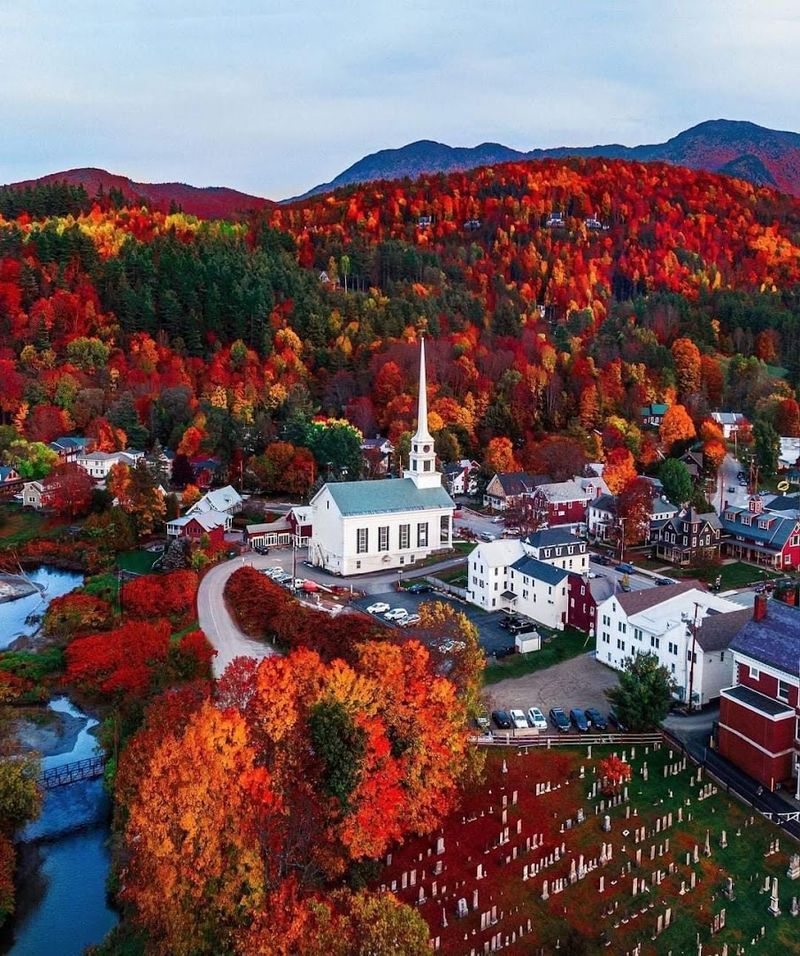
If New England had a greatest hits album, Stowe would be on every track. White church steeples, covered bridges, maple syrup, and mountains blazing with fall color — this Vermont town delivers the full package with zero irony and maximum charm.
It is exactly what you picture when someone says “cozy Vermont escape.”
Skiing at Stowe Mountain Resort draws winter visitors to slopes that have challenged and delighted skiers since the 1930s. The resort is home to Vermont’s two highest peaks, Mount Mansfield and Spruce Peak, offering terrain for every skill level.
Cross-country skiing and snowshoeing trails add even more ways to enjoy the snowy landscape.
Fall foliage season is equally legendary, typically peaking in early October when the hillsides go full technicolor. The Stowe Recreation Path winds 5.3 miles through the village and valley, perfect for cycling or a peaceful autumn walk.
Cozy inns with fireplaces and farm-to-table restaurants make evenings just as memorable as the days. Ben and Jerry’s Ice Cream Factory is just a short drive away — because obviously Vermont found a way to make even dessert feel like a destination.
Bar Harbor, Maine

Lobster tastes better in Bar Harbor. That might sound like a bold claim, but anyone who has cracked one open at a waterfront shack while watching lobster boats bob in the harbor will back it up without hesitation.
This charming Maine town sits right at the gateway to Acadia National Park, giving it access to some of the most dramatic coastal scenery in the entire country.
Acadia’s carriage roads — 45 miles of crushed stone paths built by John D. Rockefeller Jr. — wind through forests, over bridges, and along ocean cliffs without a single car in sight.
Cadillac Mountain, the highest point on the East Coast’s northern shoreline, rewards early risers with the first sunrise in the continental United States from October through March. The views from the summit are worth every pre-dawn alarm.
Bar Harbor’s compact downtown is packed with excellent restaurants, independent shops, and whale-watching tour operators. Sea kayaking around the rocky islands offshore is a favorite warm-weather activity.
The town gets lively in summer but retains its authentic Maine fishing village character even at peak season. Bar Harbor is the kind of place that makes you want to move to Maine — which, admittedly, is a feeling Maine seems to cause often.
Ketchikan, Alaska
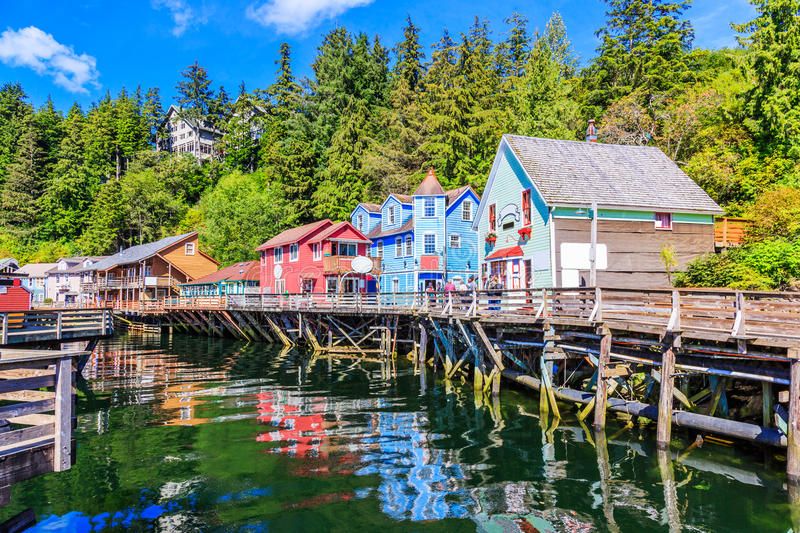
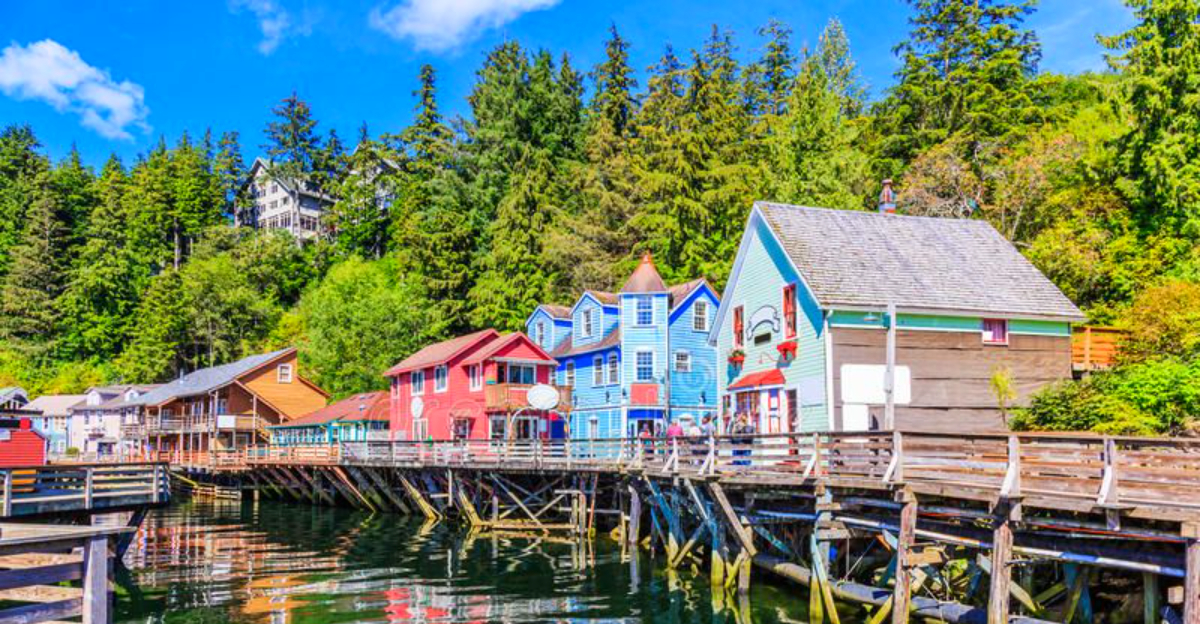
Ketchikan gets more rain than almost anywhere else in the United States — around 160 inches per year — and somehow that just makes it more dramatic. Perched on the edge of the Tongass National Forest along Alaska’s Inside Passage, this rain-soaked waterfront town is one of the most visually striking places in North America.
The mountains rise directly from the water, dark green and impossibly steep.
The town holds the world’s largest collection of standing totem poles, a testament to the rich culture of the Tlingit, Haida, and Tsimshian peoples who have called this region home for thousands of years. Saxman Totem Pole Park and Totem Bight State Historical Park both offer guided tours that bring the intricate carvings and their stories to life in meaningful ways.
Historic Creek Street, a boardwalk built on pilings over Ketchikan Creek, once served as the town’s red-light district during the salmon cannery boom. Today it is lined with boutiques, galleries, and a fascinating museum.
Salmon still run thick in the creek below, and watching them fight upstream is a genuinely thrilling free show. Ketchikan is wonderfully, unapologetically itself — wild, colorful, and unlike anywhere else on the map.
Port Aransas, Texas
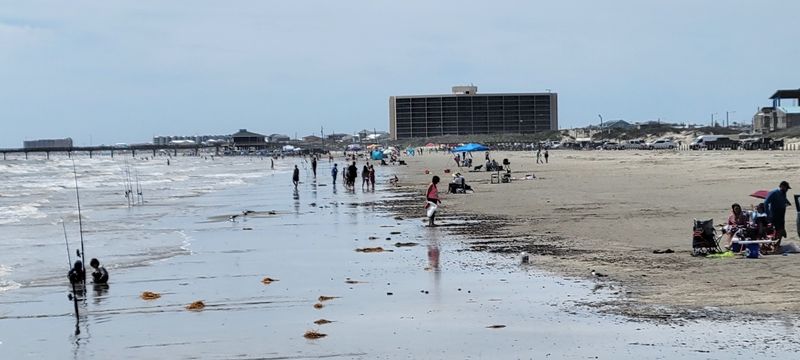
Nobody rushes in Port Aransas. The unofficial motto of this barrier island beach town might as well be “flip-flops only” — and that laid-back energy is precisely why Texans keep returning year after year.
Miles of uncrowded Gulf Coast shoreline stretch in both directions, making it easy to find your own quiet patch of sand even during peak summer weekends.
Fishing is serious business here. The town’s deep-sea charter fleet heads offshore daily in pursuit of red snapper, kingfish, and marlin, while surf fishers and pier anglers work the shallower waters closer to shore.
The Horace Caldwell Pier stretches 1,240 feet into the Gulf, offering one of the best free fishing and viewing spots on the Texas coast.
Wildlife enthusiasts find Port Aransas equally rewarding. The town sits along a major migratory bird corridor, making it a top birding destination in spring and fall.
Whooping cranes winter nearby at the Aransas National Wildlife Refuge, a bucket-list sighting for serious birders. Fresh seafood shacks, colorful beach bars, and an easygoing community round out the experience.
Port Aransas does not try to be anything other than exactly what it is — and that honesty is its greatest charm.
Lockhart, Texas
The smoke hits you before you even park the car. Lockhart, Texas earns its official designation as the Barbecue Capital of Texas through sheer, unapologetic, wood-smoked excellence.
Four legendary barbecue institutions — Kreuz Market, Smitty’s Market, Black’s Barbecue, and Chisholm Trail BBQ — operate in this small town of around 14,000 people, and the competition between them has been quietly raging for generations.
Kreuz Market, founded in 1900, famously does not offer sauce — and does not need to. The brisket speaks entirely for itself.
Smitty’s, operating out of the original Kreuz building, still cooks over direct heat in pits that have been burning for decades. Visiting both in a single afternoon is not gluttony; it is research.
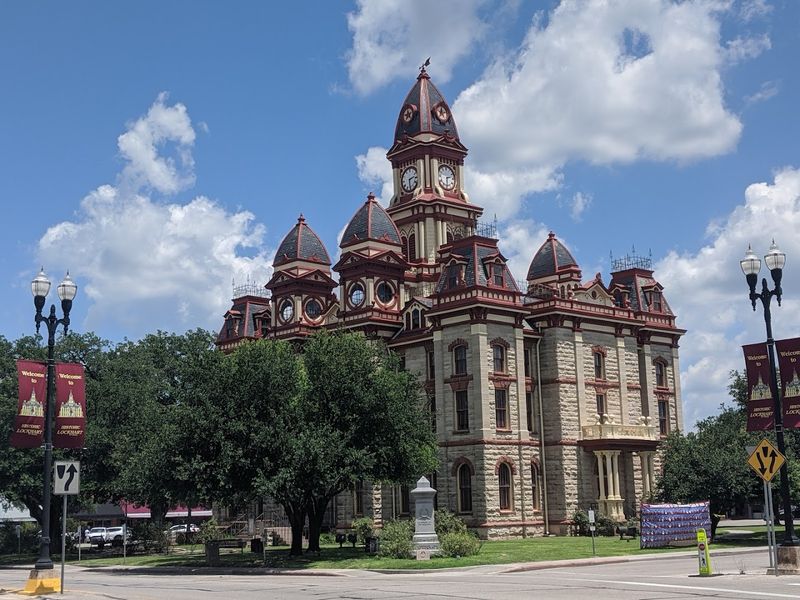
Beyond the barbecue, Lockhart’s historic Caldwell County Courthouse is one of the finest examples of Romanesque Revival architecture in Texas. The downtown square has been steadily revitalized with local shops, murals, and a growing arts community that gives the town texture beyond its smoky reputation.
Lockhart is proof that a single culinary obsession, pursued with enough passion and patience, can put a small town on the national map permanently.
Bastrop, Texas
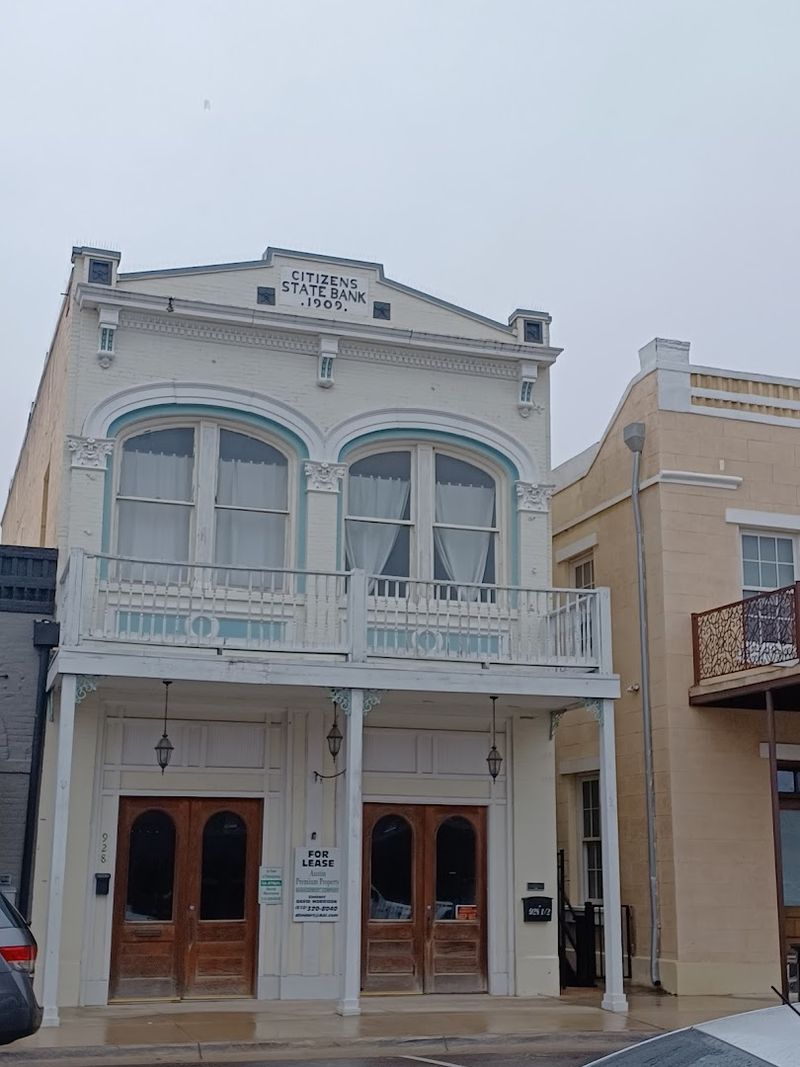
Bastrop surprises people. Tucked along the Colorado River about 30 miles southeast of Austin, this town of roughly 10,000 looks like a movie set for a feel-good Texas story — and it kind of is.
More than 100 of its buildings are listed on the National Register of Historic Places, giving the downtown a rare authenticity that newer developments simply cannot replicate.
The Lost Pines region surrounding Bastrop is geographically fascinating. A dense forest of loblolly pines grows here, isolated from the main East Texas Piney Woods by hundreds of miles — a botanical mystery that scientists attribute to ancient climate shifts.
Bastrop State Park winds through this unique landscape with hiking trails, a beloved swimming pool, and camping spots beneath towering trees.
The town weathered a devastating wildfire in 2011 that burned more than 34,000 acres, but its recovery has been remarkable and inspiring. Local artists, entrepreneurs, and community members rallied to rebuild and expand the cultural scene, resulting in a downtown filled with galleries, live music venues, and farm-to-table restaurants.
Bastrop’s resilience has become part of its identity — a town that faced the worst and came back more vibrant than before.
Fairhope, Alabama
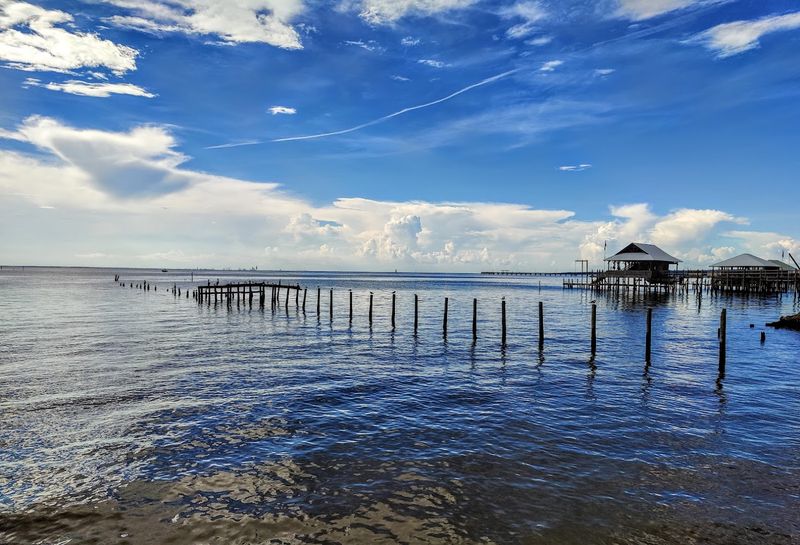
Once a year, something truly bizarre happens along the shores of Fairhope. In the warm summer months, low-oxygen conditions in Mobile Bay trigger a phenomenon called the jubilee, where crabs, shrimp, flounder, and other sea creatures crowd into the shallow shoreline waters in massive numbers.
Locals grab buckets and head to the beach at 3 a.m. — it is basically a free seafood buffet served by the bay itself.
Outside of jubilee season, Fairhope charms visitors with its beautifully maintained waterfront parks, bluff-top gardens, and a walkable downtown filled with independent boutiques and restaurants. The town was founded in 1894 as a utopian single-tax colony — an idealistic social experiment that shaped its community-minded culture in ways still visible today.
Farmers markets, art festivals, and live music events fill the calendar year-round. The Eastern Shore Art Center supports local artists and hosts rotating exhibitions that give the town a creative pulse.
Sitting on a bench at Fairhope Municipal Pier watching the sunset paint Mobile Bay in gold and pink is one of those simple pleasures that no amount of urban excitement can match. Fairhope is quietly, consistently wonderful — and it knows it.
Ludington, Michigan

The Big Sable Point Lighthouse has guided ships through Lake Michigan since 1867, and standing at its base with nothing but open water stretching to the horizon, it is easy to understand why Ludington has held onto its maritime identity so proudly. This western Michigan town feels genuinely timeless in the best possible way — unhurried, unpretentious, and strikingly beautiful.
Ludington State Park, consistently ranked among Michigan’s finest, encompasses 5,300 acres of dune forests, inland lakes, and miles of pristine Lake Michigan shoreline. Canoeing through the park’s winding canoe trail, where the river narrows through dense cattails before opening onto the big lake, is a genuinely magical experience.
The park also connects to the North Country National Scenic Trail for longer hiking adventures.
The SS Badger, a historic car ferry that has been crossing Lake Michigan since 1953, still makes daily summer crossings between Ludington and Manitowoc, Wisconsin. Riding it feels like a throwback to a slower era of travel.
Downtown Ludington offers a satisfying mix of local restaurants, ice cream shops, and specialty stores that reward an afternoon of wandering. Ludington earned its national recognition for preserved character honestly — nothing here feels manufactured or forced.



