 Unearth The Voyage
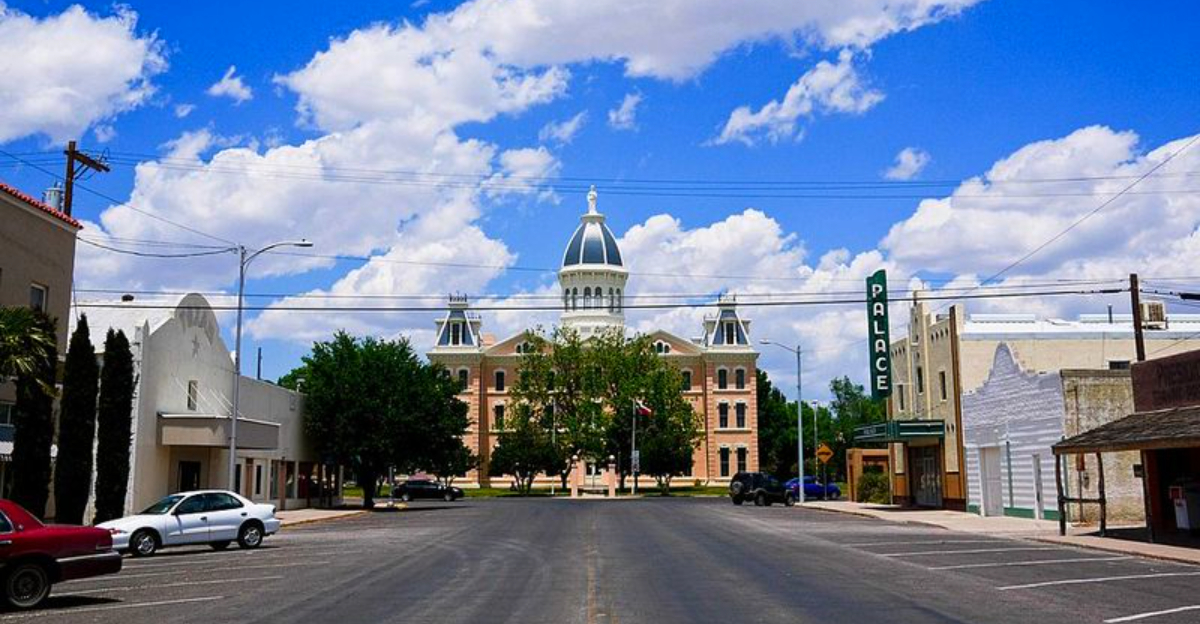
America is full of small towns that surprise visitors with their charm, beauty, and unforgettable character. From mountain valleys to coastal hideaways, these places have a way of winning hearts almost instantly.
Whether you’re seeking outdoor adventure, historic streets, or simply a slower pace, these 15 towns deliver magic from the moment you arrive.
1. Carmel-by-the-Sea, California

With just over 3,000 residents, Carmel-by-the-Sea is a fairytale village perched along California’s central coast. Cobblestone streets wind past storybook cottages and art galleries, each corner revealing another postcard-perfect view.
The town has no streetlights or chain restaurants, which keeps its old-world magic alive.
Mornings here feel unhurried, with ocean breezes drifting through cypress trees and fog rolling gently over white sand beaches. Visitors often find themselves lingering far longer than planned.
The nearby Point Lobos State Natural Reserve offers rugged coves and coastal trails that rival any national park.
Carmel wins people over because it refuses to rush. Every meal, every gallery visit, every sunset walk feels intentional and special.
It’s a place that invites you to slow down and savor the moment.
2. Bar Harbor, Maine
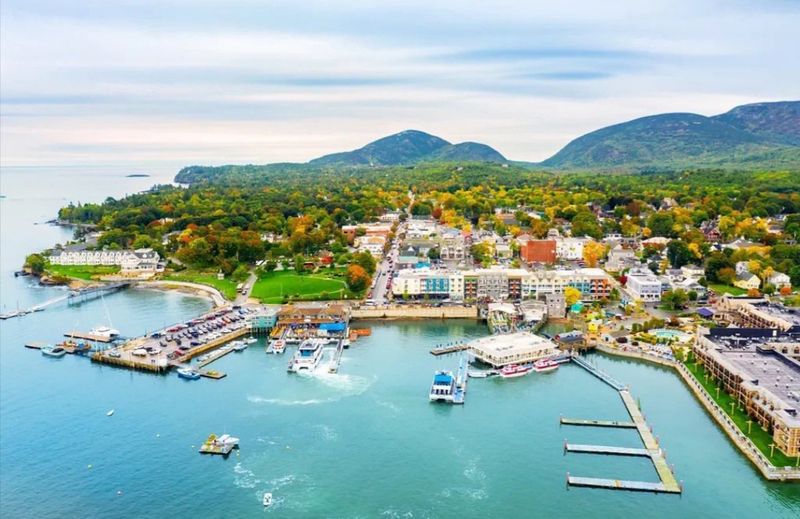
Nestled on Mount Desert Island, Bar Harbor packs incredible scenery into a town of just over 2,300 people. Classic New England architecture lines the waterfront, while lobster boats bob in the harbor and seagulls call overhead.
The town serves as the gateway to Acadia National Park, one of the most visited parks in America.
Visitors are drawn to the combination of small-town hospitality and world-class natural beauty. You can enjoy fresh seafood at a harborside restaurant, then hike Cadillac Mountain to catch sunrise above the clouds.
The contrast between cozy village life and dramatic coastal wilderness is unforgettable.
Bar Harbor’s charm lies in its authenticity. This isn’t a tourist trap pretending to be quaint.
It’s a working fishing village that happens to sit next to some of the most stunning landscapes on the East Coast.
3. Sedona, Arizona
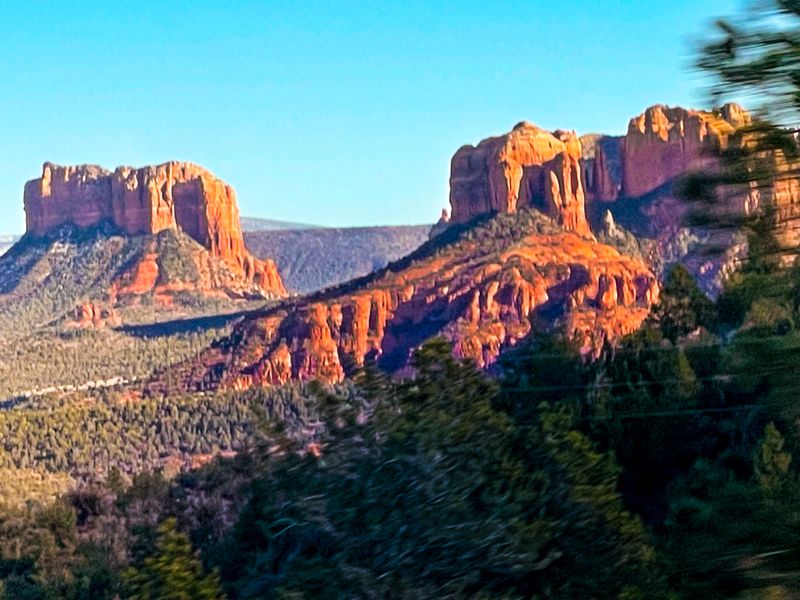
Red rock formations tower over Sedona like ancient cathedrals, their rust-colored walls glowing at sunrise and sunset. Home to nearly 10,000 people, the town sits in a high-desert valley where every view feels like nature showing off.
Hiking trails wind between crimson cliffs, and Oak Creek cuts a green ribbon through the landscape.
Many visitors describe feeling an immediate connection to Sedona’s dramatic scenery. The scale of the rock formations is humbling, yet the town itself remains welcoming and walkable.
Red Rock State Park offers some of the best trails and creek-side scenery in the area.
Sedona doesn’t need to try hard to impress. The landscape does the heavy lifting, creating an environment where stress melts away and wonder takes over.
First-time visitors often start planning their return before they even leave.
4. Taos, New Mexico
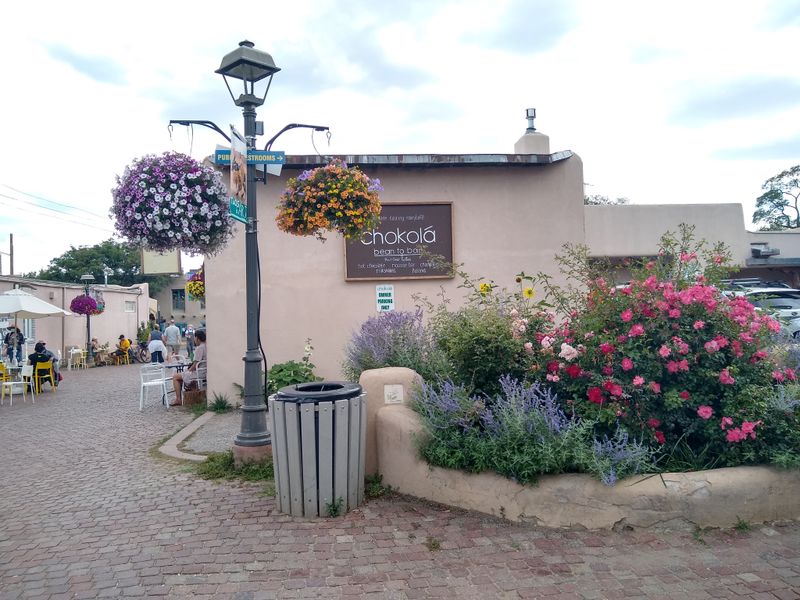
Taos sits at 7,000 feet elevation where the desert meets the Sangre de Cristo Mountains. With about 6,500 residents, it’s a town shaped by centuries of Native American, Spanish, and Anglo cultures blending together.
Artists have long been drawn here, and their influence shows in the galleries, studios, and creative energy that fills the streets.
The town’s most impressive landmark is Taos Pueblo, a UNESCO World Heritage Site and National Historic Landmark. These multi-story adobe buildings have been continuously inhabited for over 1,000 years.
Visiting feels like stepping into living history.
Taos wins hearts through its unique combination of art, culture, and mountain beauty. The light here is legendary, painting the landscape in shades that photographers and painters chase year after year.
It’s a place where creativity and tradition coexist naturally.
5. Stowe, Vermont
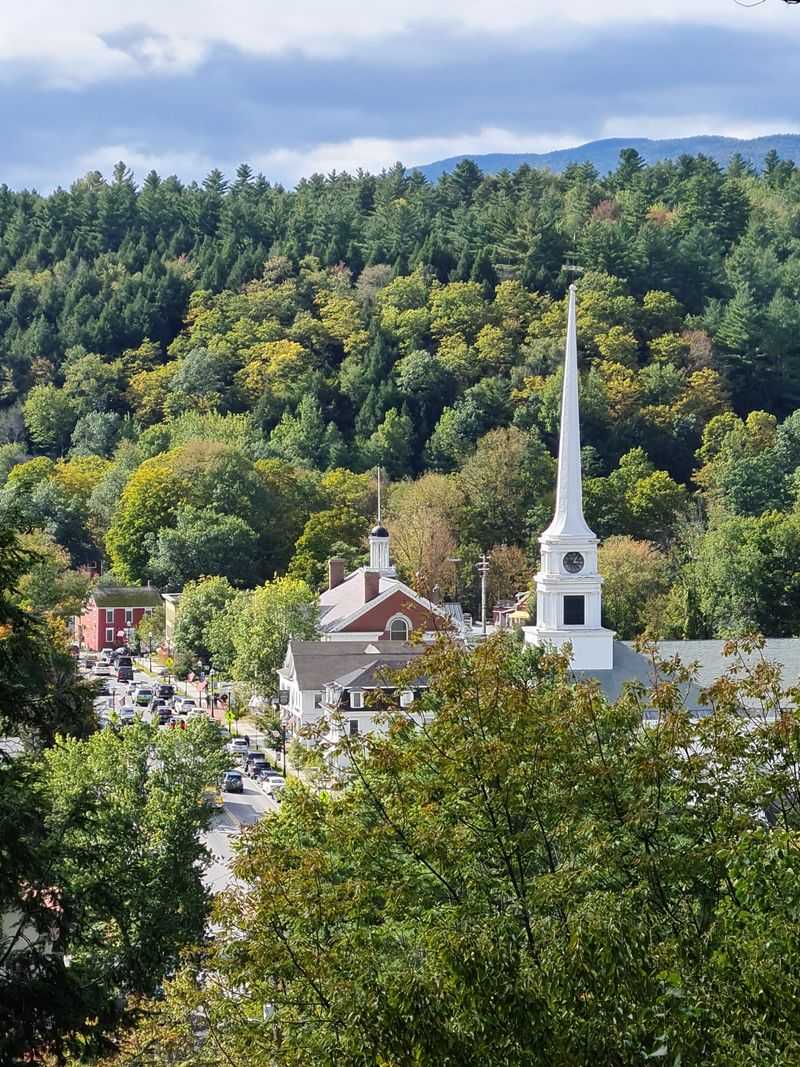
Only 745 people call Stowe home year-round, but this tiny Vermont village punches above its weight in pure New England beauty. White church steeples rise against mountain backdrops, covered bridges span rushing streams, and maple trees explode in color each fall.
The town looks like it was designed specifically for calendar photos.
Stowe’s Recreation Path stretches 5.3 miles through pastoral scenery, perfect for walking or biking. Nearby Smugglers’ Notch State Park offers hiking and camping among dramatic rock formations.
Winter transforms the area into a skiing paradise, but autumn might be the most magical season.
What makes Stowe special is its unpretentious charm. Despite being a popular destination, it remains genuinely small and welcoming.
Visitors quickly understand why people fall in love with Vermont after spending time here.
6. Beaufort, South Carolina
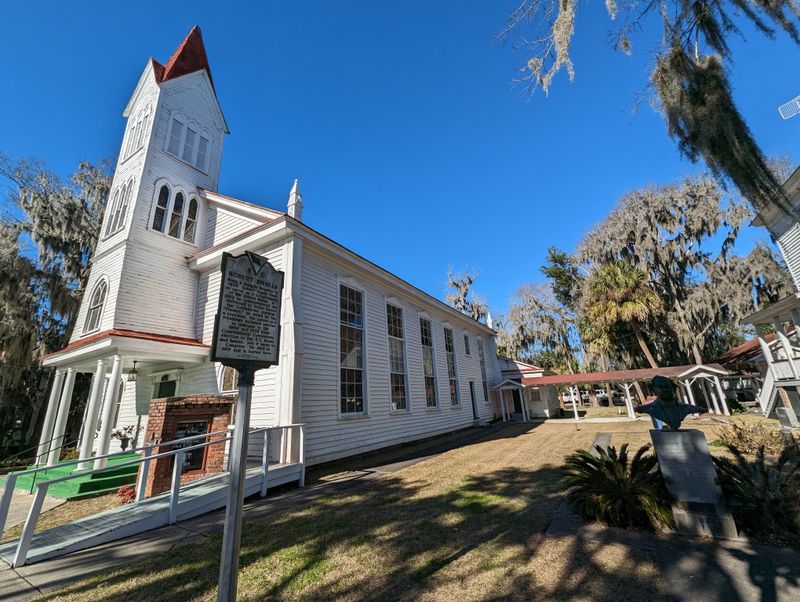
Spanish moss drapes from ancient oaks along Beaufort’s waterfront, where about 13,600 residents enjoy one of the Southeast’s most beautiful settings. The Lowcountry town spreads across islands and inlets, with water views appearing around nearly every corner.
Historic homes line quiet streets, their wide porches perfect for watching the world slow down.
The Beaufort Historic District is both a National Register site and National Historic Landmark, preserving centuries of Southern architecture and history. Nearby Hunting Island State Park features a lighthouse, pristine beaches, and maritime forests.
The combination of history and natural beauty is remarkable.
Beaufort wins visitors over with its relaxed pace and genuine hospitality. There’s no pretense here, just warm welcomes and stunning scenery.
Many people visit once and start dreaming about moving permanently.
7. Fredericksburg, Texas
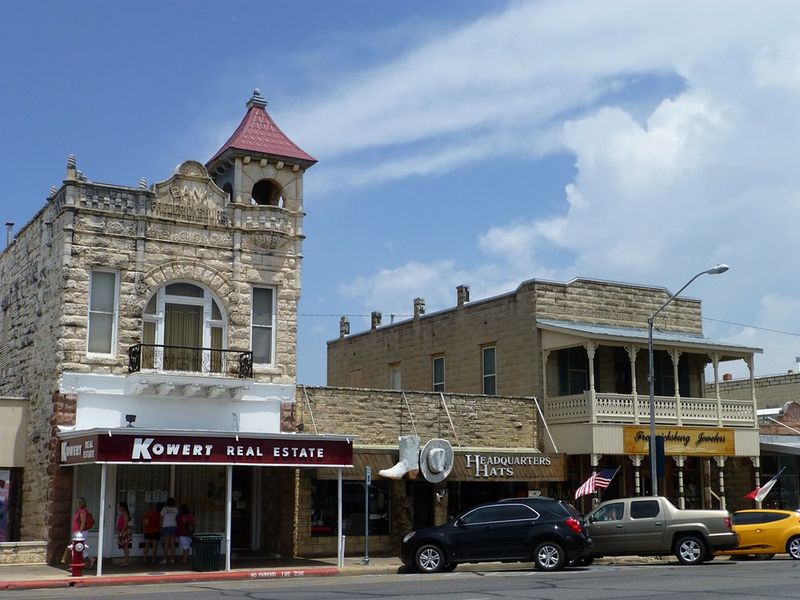
German heritage runs deep in Fredericksburg, a Hill Country town of about 11,000 people. Main Street stretches for blocks, lined with shops, restaurants, and historic buildings that reflect the town’s 19th-century founding.
Wildflowers blanket the surrounding hills each spring, creating a landscape that photographers can’t resist.
The National Museum of the Pacific War honors Admiral Chester Nimitz, a Fredericksburg native, with extensive exhibits about World War II. Just outside town, Enchanted Rock State Natural Area features a massive pink granite dome perfect for hiking and stargazing.
The combination of culture, history, and nature is hard to beat.
Fredericksburg charms visitors with its walkable downtown and friendly atmosphere. Wineries dot the surrounding countryside, adding another reason to explore.
It’s the kind of place where you arrive for a day trip and end up staying the weekend.
8. Leavenworth, Washington
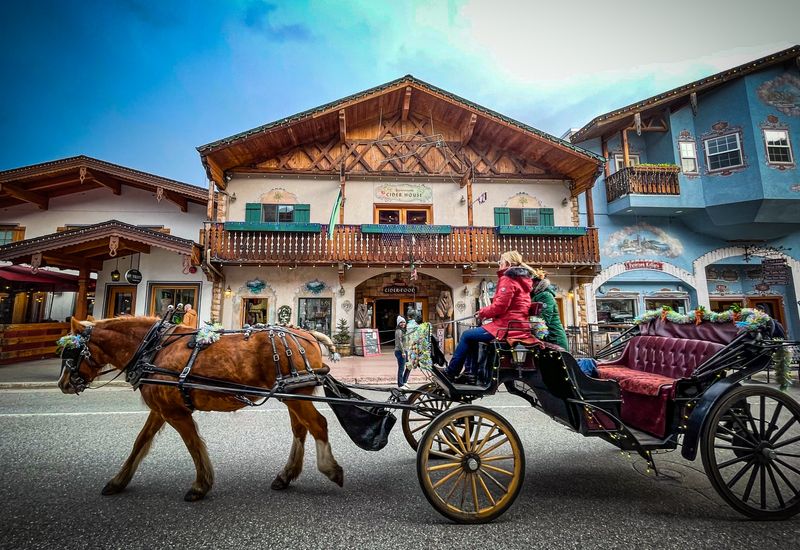
Leavenworth reinvented itself as a Bavarian village in the 1960s, and the transformation stuck. About 2,700 people live in this mountain town where every building sports Alpine architecture complete with painted murals and flower boxes.
The Cascade Mountains rise dramatically on all sides, creating a setting that actually does resemble southern Germany.
The surrounding Okanogan-Wenatchee National Forest offers endless outdoor recreation, from hiking and climbing to skiing and snowshoeing. The Wenatchee River runs right through town, adding to the alpine atmosphere.
Seasonal festivals celebrate everything from autumn leaves to Christmas lights.
What could feel gimmicky instead feels genuinely fun and festive. Leavenworth commits fully to its theme without taking itself too seriously.
First-time visitors often arrive skeptical but leave charmed by the town’s playful spirit and stunning mountain setting.
9. Mackinac Island, Michigan
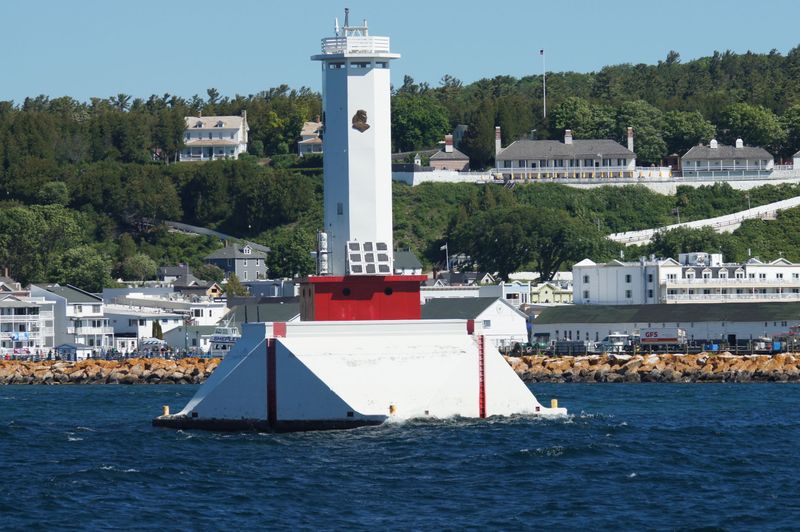
Cars have been banned on Mackinac Island since 1898, which means the only sounds you’ll hear are horse hooves, bicycle bells, and waves lapping against the shore. Only 663 people live here year-round, maintaining a way of life that feels transported from another century.
Victorian buildings line the streets, and massive Grand Hotel overlooks the Straits of Mackinac.
Fort Mackinac sits atop a bluff, part of the Mackinac State Historic Parks system. Costumed interpreters bring history to life with cannon demonstrations and period activities.
Biking the eight-mile road around the island reveals stunning lake views and limestone formations.
Mackinac Island wins people over by offering an escape from modern life’s constant rush. The pace here is deliberately slower, the air cleaner, the atmosphere more peaceful.
It’s a place where time genuinely seems to move differently.
10. Telluride, Colorado
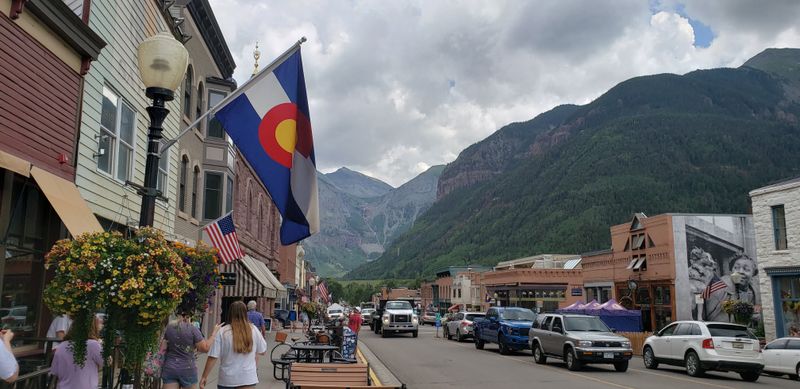
Telluride sits in a box canyon at 8,750 feet elevation, surrounded by 13,000-foot peaks that tower overhead like protective walls. Only about 2,600 people live in this former mining town that’s now a mountain paradise.
Victorian-era buildings line Colorado Avenue, their colorful facades contrasting beautifully with the dramatic alpine backdrop.
A free gondola connects Telluride to Mountain Village, soaring over forests and offering spectacular views. The ride alone is worth the visit.
Hiking trails lead to waterfalls, alpine lakes, and wildflower meadows that explode with color each summer.
First-time visitors often stop in their tracks when they see Telluride’s setting. The combination of preserved history, walkable downtown, and jaw-dropping scenery is unforgettable.
It’s expensive and remote, but most people agree it’s worth every penny and every mile to get there.
11. Jackson, Wyoming
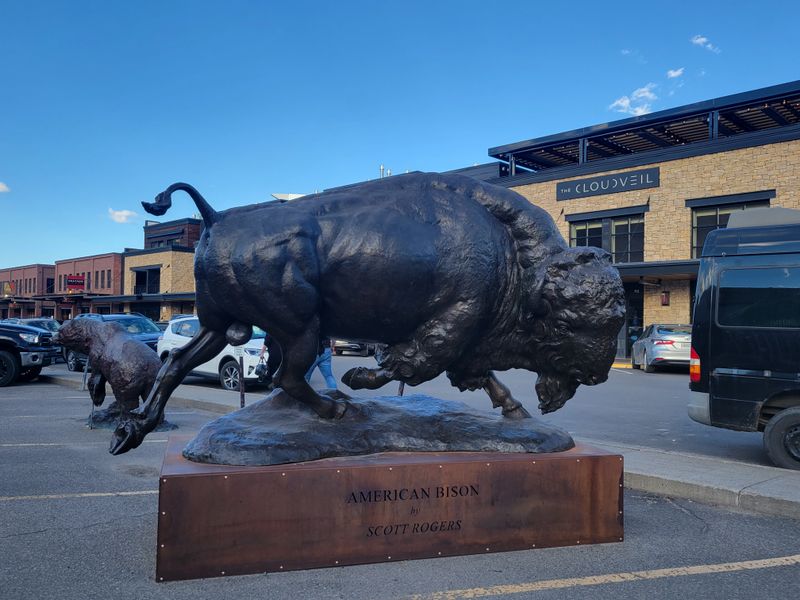
Jackson sits in a valley called Jackson Hole, surrounded by the Teton Range and Gros Ventre Mountains. About 10,700 people call it home, though the town’s Western character and outdoor reputation reach far beyond its size.
Elk antler arches mark the corners of the town square, and wooden boardwalks line some streets.
Grand Teton National Park lies just north of town, offering some of America’s most iconic mountain scenery. Jagged peaks rise abruptly from the valley floor without foothills to soften their drama.
Wildlife sightings are common, from moose and elk to bears and wolves.
Jackson works because it balances genuine Western heritage with world-class outdoor access. This isn’t a theme park version of the West.
It’s a real mountain town that happens to sit next to extraordinary natural beauty. Most visitors understand the appeal within hours of arriving.
12. Eureka Springs, Arkansas
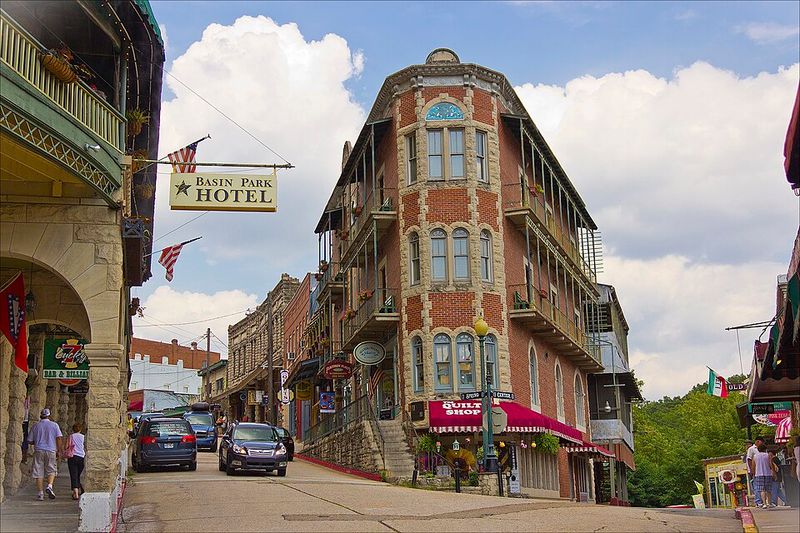
Built into steep Ozark hillsides, Eureka Springs is a town where streets twist, turn, and sometimes disappear into staircases. About 2,300 people live among Victorian buildings that seem to defy gravity, clinging to slopes at improbable angles.
The entire downtown is listed on the National Register of Historic Places.
Natural springs first drew visitors here in the 1800s, and the town preserves that healing, restorative atmosphere. Art galleries, quirky shops, and historic hotels fill the winding streets.
The architecture is remarkably intact, giving the whole town a time-capsule quality.
Eureka Springs charms visitors with its eccentricity and refusal to conform to typical town planning. Getting lost on foot here is half the fun.
The steep terrain might challenge some visitors, but the unique character and preserved beauty make it worth the climb.
13. Traverse City, Michigan
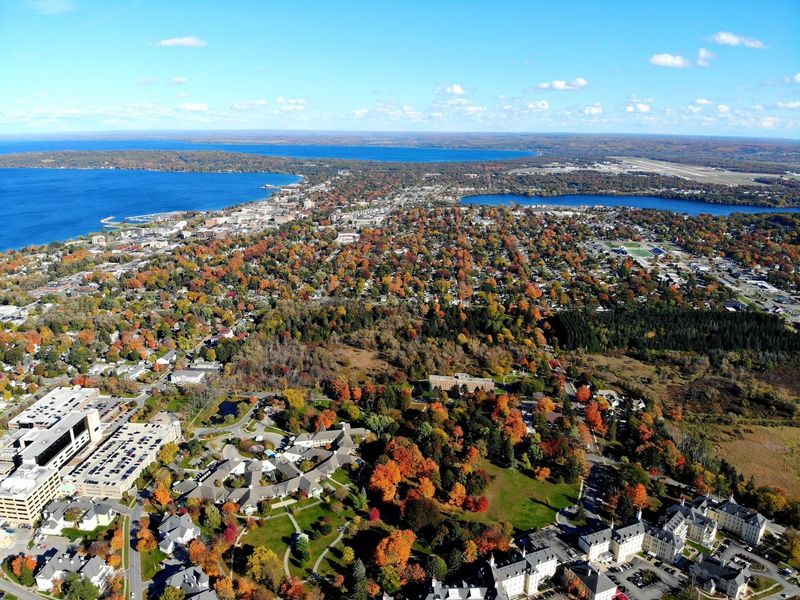
Traverse City sits at the base of Grand Traverse Bay, where Lake Michigan’s crystal-clear waters meet sandy beaches and rolling hills. About 15,500 people live in this waterfront town that serves as the Cherry Capital of the World.
Downtown streets are lined with shops, restaurants, and breweries housed in beautifully restored historic buildings.
Sleeping Bear Dunes National Lakeshore lies just west of town, featuring massive sand dunes that tower 450 feet above the lake. The area also boasts wineries, orchards, and farm stands selling cherries in every form imaginable.
Summer brings warm days perfect for swimming, while fall delivers spectacular color.
Traverse City wins people over with its combination of small-town friendliness and big-lake beauty. The water here rivals any ocean beach, but without the crowds or attitude.
It’s a place where visitors quickly understand why Michiganders are so proud of their Great Lakes.
14. Marfa, Texas
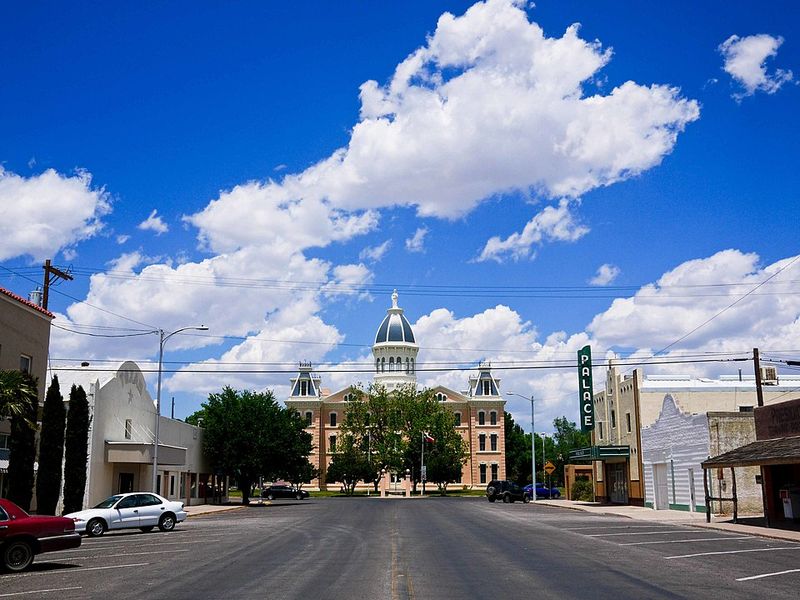
Marfa sits in the high desert of West Texas, about 60 miles from the nearest city. Only 2,200 people live here, but the town’s cultural influence far exceeds its tiny size.
Artist Donald Judd moved here in the 1970s and transformed abandoned military buildings into art installations. The Chinati Foundation now preserves his vision as a contemporary art museum.
The landscape around Marfa is vast and minimalist, with endless horizons under enormous skies. That emptiness appeals to artists, writers, and anyone seeking space to think.
The mysterious Marfa Lights phenomenon adds an element of intrigue that draws curious visitors.
Marfa’s remoteness is part of its magic. Getting here requires commitment, which filters out casual tourists.
Those who make the journey often find the isolation refreshing rather than lonely. It’s a place that rewards visitors willing to embrace its unusual character.
15. Port Townsend, Washington
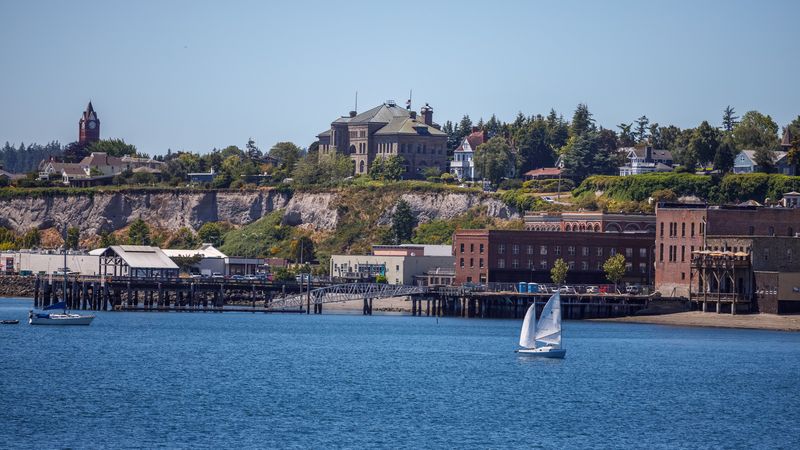
Victorian seaport buildings rise along Port Townsend’s waterfront, remnants of the town’s late-1800s boom years when it expected to become the largest city on Puget Sound. About 10,300 people now live in this maritime community where sailboats fill the harbor and sea air drifts through historic streets.
The Port Townsend Historic District preserves remarkable 19th-century architecture.
Fort Worden Historical State Park sits on a bluff overlooking the Strait of Juan de Fuca, featuring beaches, historic military batteries, and a lighthouse. The combination of maritime history and natural beauty creates an atmosphere that invites lingering.
Kayaking, hiking, and beachcombing are all within easy reach.
Port Townsend charms visitors with its authentic waterfront character and unhurried pace. This is a working arts community, not a manufactured tourist destination.
Many people visit for a weekend and start researching real estate before they leave.



