 Unearth The Voyage
Some songs take the scenic route to the top, clocking in years late and still stealing the spotlight. You hear them in a show, a trailer, or a viral clip and suddenly they sound brand new, like a postcard sent from the past with today’s postmark.
This list tours the tracks that waited patiently before crashing charts, gathering fresh fans, and proving timing can be a remix. Keep reading and you will find the stories, the turning points, and the pop culture sparks that turned sleepers into anthems.
1. Running Up That Hill – Kate Bush (1985)

The sound of a heartbeat and a synth swell can still raise the room’s temperature. Kate Bush released this in 1985, brilliant yet niche for many outside the UK, and critics admired the daring production.
Years later, a certain supernatural series placed it at the emotional core of a scene, and the song sprinted into global charts with the power of a brand new release.
Streaming turned curiosity into obsession, and radio followed with heavy rotation. New listeners marveled at the urgent drums, while longtime fans felt seen as lyrics about bargaining for understanding hit harder than ever.
The song’s title became shorthand for resilience, and its hook threaded through playlists that reached gyms, commutes, and late night scrolling.
You did not need nostalgia to feel its pull. The arrangement felt modern because it always was, built on space, tension, and a soaring vocal that cuts through noise.
A delayed victory can be sweeter, and this one proved patience pairs well with artistry.
2. Bohemian Rhapsody – Queen (1975)
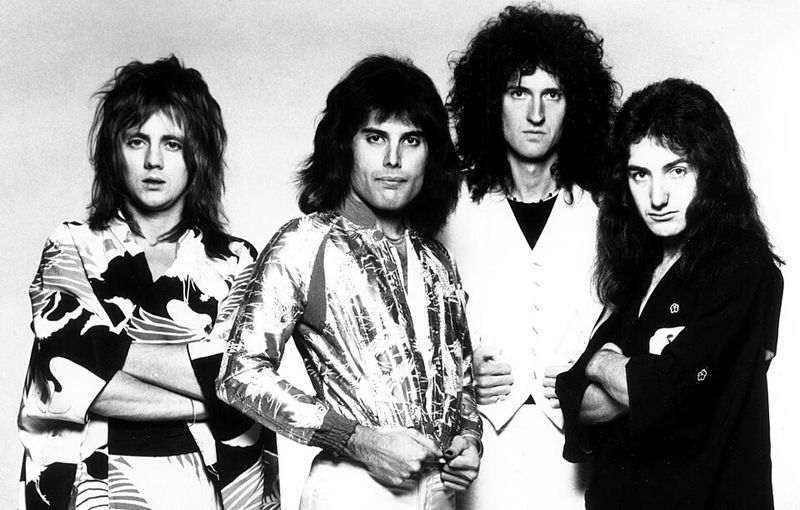
Opera meets headbang and somehow it all makes sense. Queen’s epic dominated in the 70s, then slumbered as a classic until a basement car scene returned it to the cultural front row.
The Wayne’s World moment reignited radio spins, pushed sales, and reintroduced layered harmonies to a generation raised on slick playlists.
The track’s structure refuses to hurry you. Piano confession, choral thunder, and a sprinting guitar solo make time feel elastic without ever dragging.
Listeners who discovered it late often remember the first goosebump at Galileo, then the grin during the riff that begs for air drums.
You do not sing it so much as act it out. That performative joy travels well across parties, stadiums, and living rooms.
Decades past release, the song keeps climbing because drama, craft, and audacity never really go out of style.
3. Hooked on a Feeling – Blue Swede (1974)
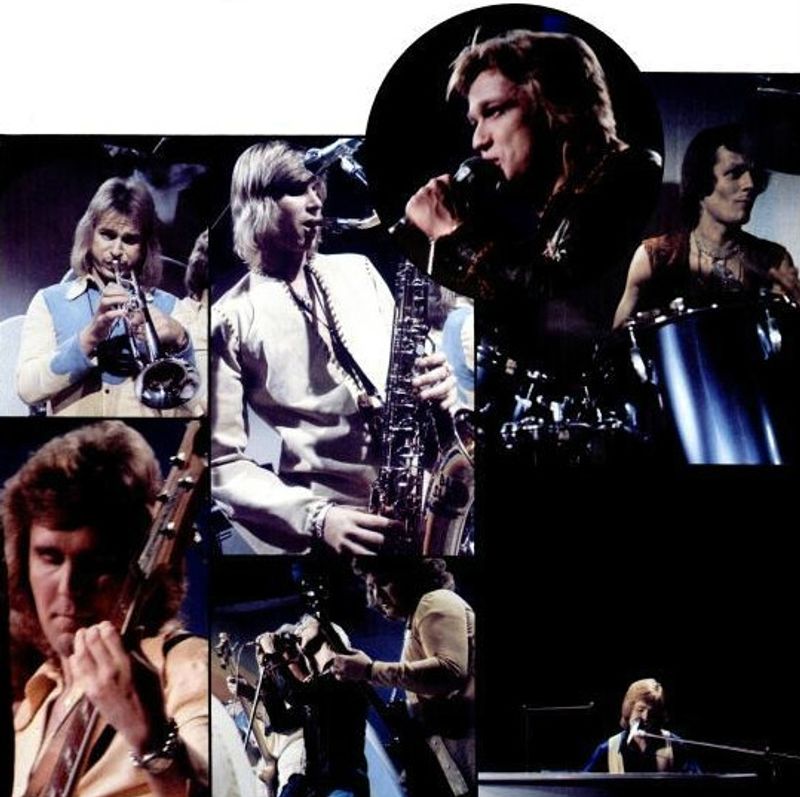
Ooga chaka and suddenly the room smiles. Blue Swede’s cover had its moment in the 70s, then parked comfortably in throwback bins until a certain spacefaring mixtape blasted it across multiplex speakers.
The opening chant turned into a global inside joke and a streaming magnet overnight.
The production is bubblegum with muscle. Brass punches, handclaps pop, and the chorus sticks like candy you do not mind keeping.
You can hear why a soundtrack curator would trust it to set tone in seconds.
Kids danced, parents remembered, and everyone agreed it feels good to feel good. Radio revisits followed, playlists locked it near the top, and the track’s grin never faded.
Some songs ask for analysis, but this one just hands you rhythm and lets your shoulders answer.
4. A Thousand Miles – Vanessa Carlton (2002)
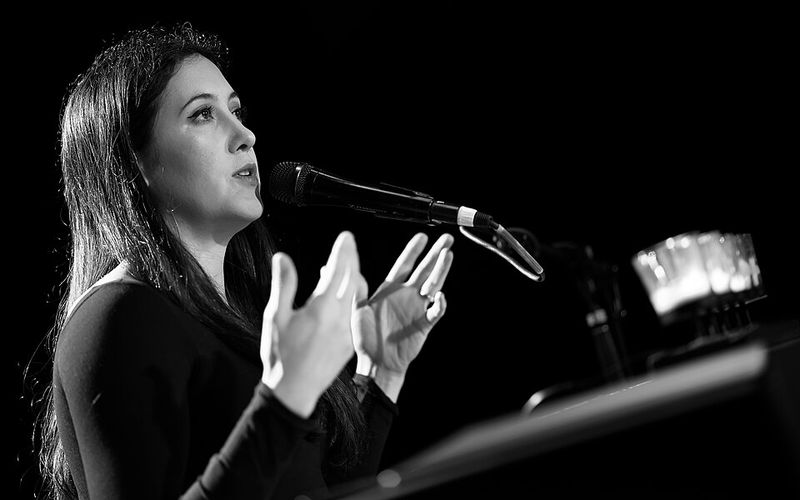
Those piano steps arrive and you can see the crosswalk. Vanessa Carlton’s debut single made noise early, then found an afterlife through memes, movie quotes, and endless clips that celebrate its earnest rush.
Years later, audiences still hum the intro before words have a chance.
The melody feels like forward motion. Strings lift, drums skip, and the vocal carries an open heart without overselling it.
You hear a stroll turning into a run, and that makes it perfect for quick cuts and short videos.
Nostalgia helps, but craft does the heavy lifting. The hook lands clean every time, and the bridge leaves a gentle ache that charms new ears.
Internet humor may have extended its journey, yet the song keeps traveling because sincerity plays well in any decade.
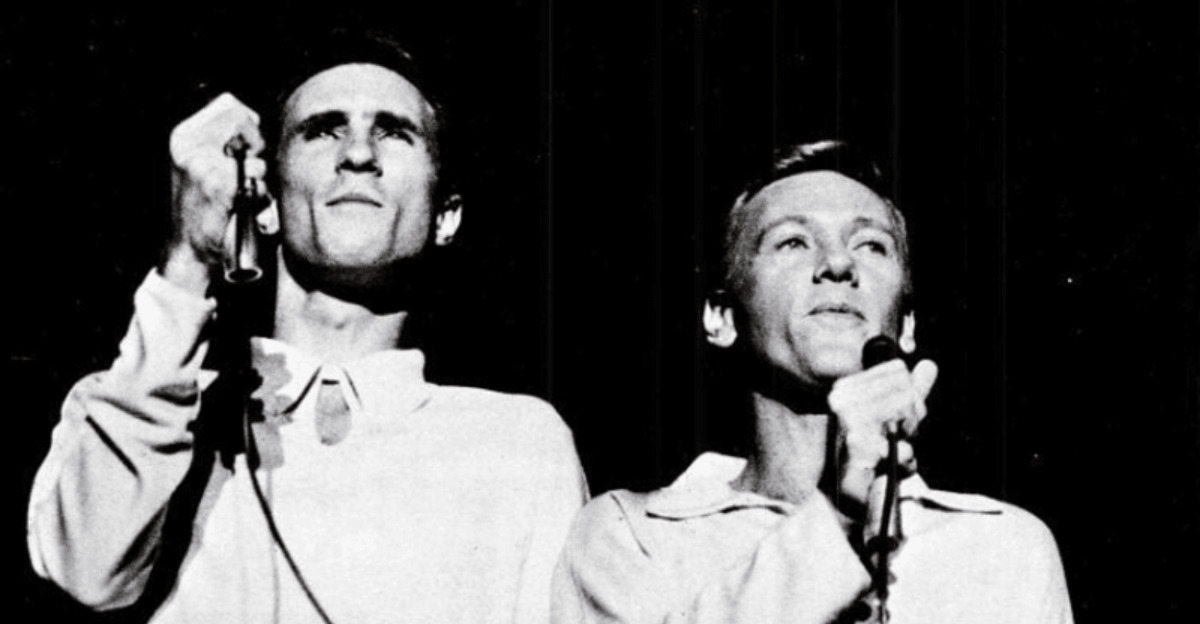
5. Unchained Melody – The Righteous Brothers (1965)
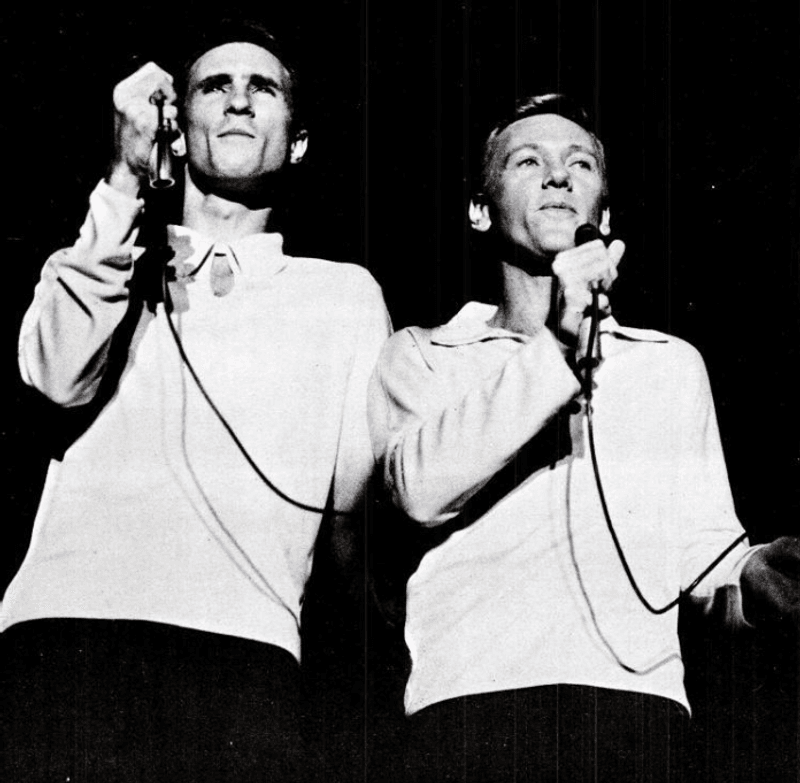
A single note here can loosen memories you forgot you kept. The Righteous Brothers recorded a tender plea in 1965, and it hovered as a standard before a pottery wheel scene handed it new wings decades later.
The film moment reframed the track as a modern torch song and sent it climbing charts again.
Radio found room between power ballads, and listeners leaned into those soaring harmonies. The arrangement is spare enough to feel intimate, yet it blooms at the chorus with a reach that feels bigger than rooms.
You can hear tape warmth, patient pacing, and a vocal that trusts silence as much as sound.
Play it and conversations pause. The song invites a slow sway, a breath, a thought of someone you still keep in your pocket.
Sometimes all a classic needs is a fresh spotlight to reveal what was already glowing.
6. Dreams – Fleetwood Mac (1977)
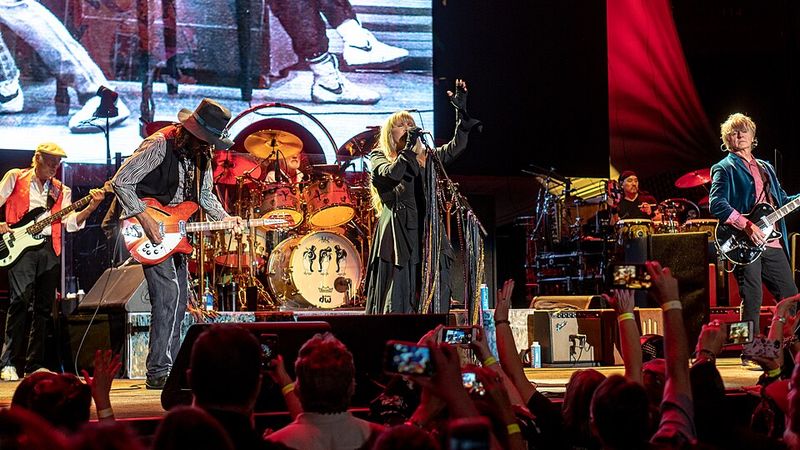
A steady groove rolled back into charts on four wheels. Fleetwood Mac’s classic reappeared after a chill skate video framed it as the sound of easy mornings and smoother afternoons.
The clip spread fast, then radio and playlists welcomed a familiar breeze.
That drum pattern never hurries. Bass hums, guitar shimmers, and Stevie Nicks floats over the top with a melody that smiles while setting boundaries.
It is soft without losing bite, which makes it perfect for repeat play.
People who knew it already just nodded. New listeners treated it like lifestyle music and stuck around for the beautifully simple arrangement.
Sometimes the right mood board is all a timeless song needs to feel brand new.
7. The Chain – Fleetwood Mac (1977)
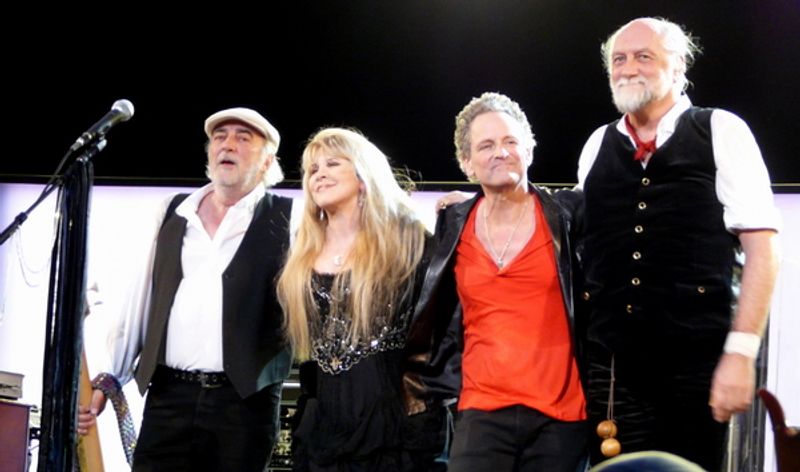
A bassline that stalks the floor can still freeze a crowd. The Chain simmered as an album favorite before sports broadcasts and trailers stitched its final section to moments of showdown.
That coda gallop pulled the track into mainstream conversation decades later.
The song works like a thriller in miniature. Whispered harmonies, fractured verses, then a break into relentless drive that begs for open road visuals.
The shout of run in the outro seals the deal without explaining too much.
Listeners grabbed the energy and never let go. Playlists use it to pivot from calm to charged, and it keeps delivering.
Some deep cuts only need the right edit to reveal their headline potential.
8. Africa – Toto (1982)
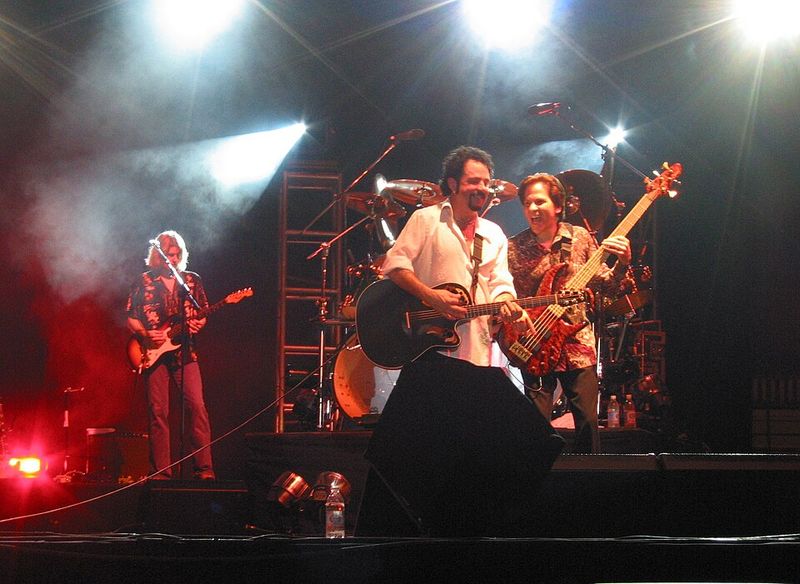
A chorus this sticky circled back like weather you can set your watch to. Toto’s polished pop single had its chart moment, then re-entered culture through covers, memes, and a collective decision that the hook simply feels good.
Play counts swelled until it was impossible to avoid in the best way.
Production details sparkle. Percussion skips, synth bells chime, and the harmony stack lands with textbook precision.
You could study it, but most people just grin when the drums reenter after the breakdown.
The internet treated it like comfort food. Jokes kept it visible, then sincere appreciation carried it across generations.
When a song is engineered this well, time eventually comes around again.
9. Mr. Brightside – The Killers (2003)
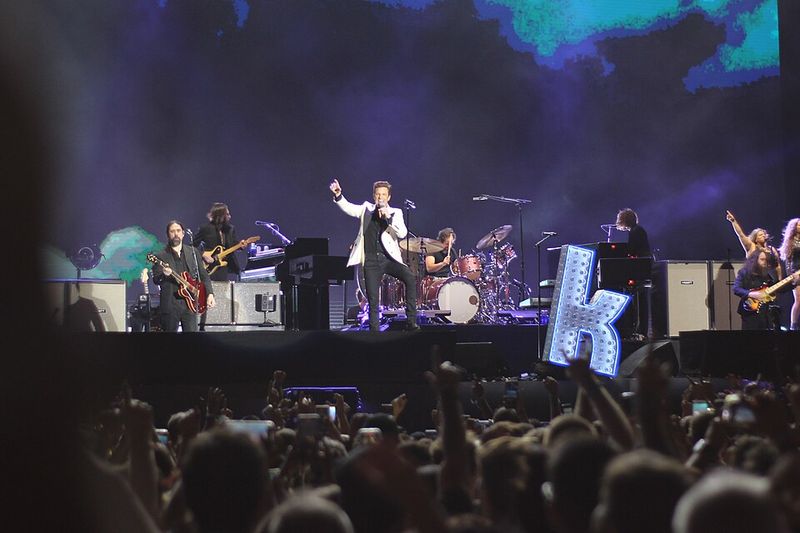
That opening guitar riff is a flare shot straight into the sky. The Killers found early success, yet the song’s staying power became the real headline as it crept into every party and kept climbing streaming tallies year after year.
It turned into a weekly tradition on certain charts.
The lyric reads like a snapshot with the volume up. Tension builds, drums hustle, and the chorus explodes without losing its wiry charm.
Dance floors treat it as both catharsis and celebration.
Fans chant every word, newcomers just need one chorus to join. Bars program it late, festivals place it early, and it always lands.
A slow burn can light the brightest when the match never goes out.
10. The Night We Met – Lord Huron (2015)
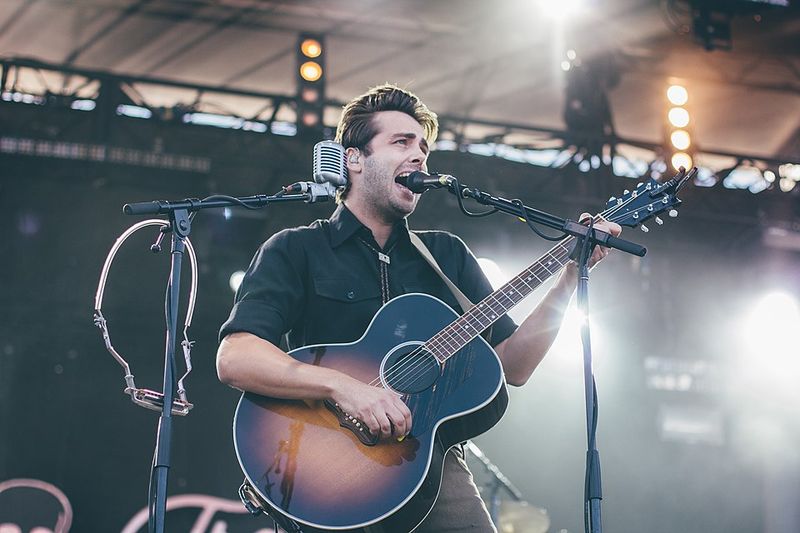
A whisper can echo farther than a shout. Lord Huron’s ballad lived quietly until a TV series paired it with a pivotal scene, and then streams rose like a tide that would not turn.
The song became a throughline for reflection and what if thoughts.
Reverb hangs over gentle guitar and a vocal that never rushes. Space becomes the instrument, giving each line room to ache.
You can feel the arrangement asking you to pause instead of pushing ahead.
Listeners looped it, then carried it into playlists for study, late drives, and steady hearts. Radio noticed, but the story belonged to headphones and headphones alone.
Timing plus tenderness created a second life that feels permanent.
11. Come On Eileen – Dexys Midnight Runners (1982)
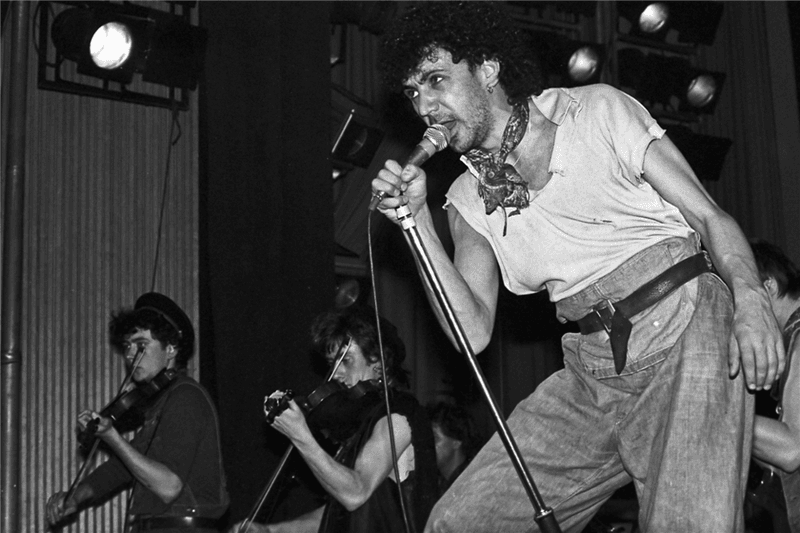
Fiddle, shout, and an instant grin. This 80s smash never disappeared, but licensing in films and commercials kept tossing it back into the center ring.
Each placement reminded listeners that tempo shifts can turn a chorus into a launchpad.
The arrangement is organized chaos. Strings tussle with brass while the rhythm section yanks the floorboards up and down.
The vocal tumbles like a dare, then sticks the landing with pure bounce.
Audiences do not just sing it. They act it out with spins, claps, and mischievous smiles.
It returns because joy travels fast and repetition only sharpens the hook.
12. Fast Car – Tracy Chapman (1988)
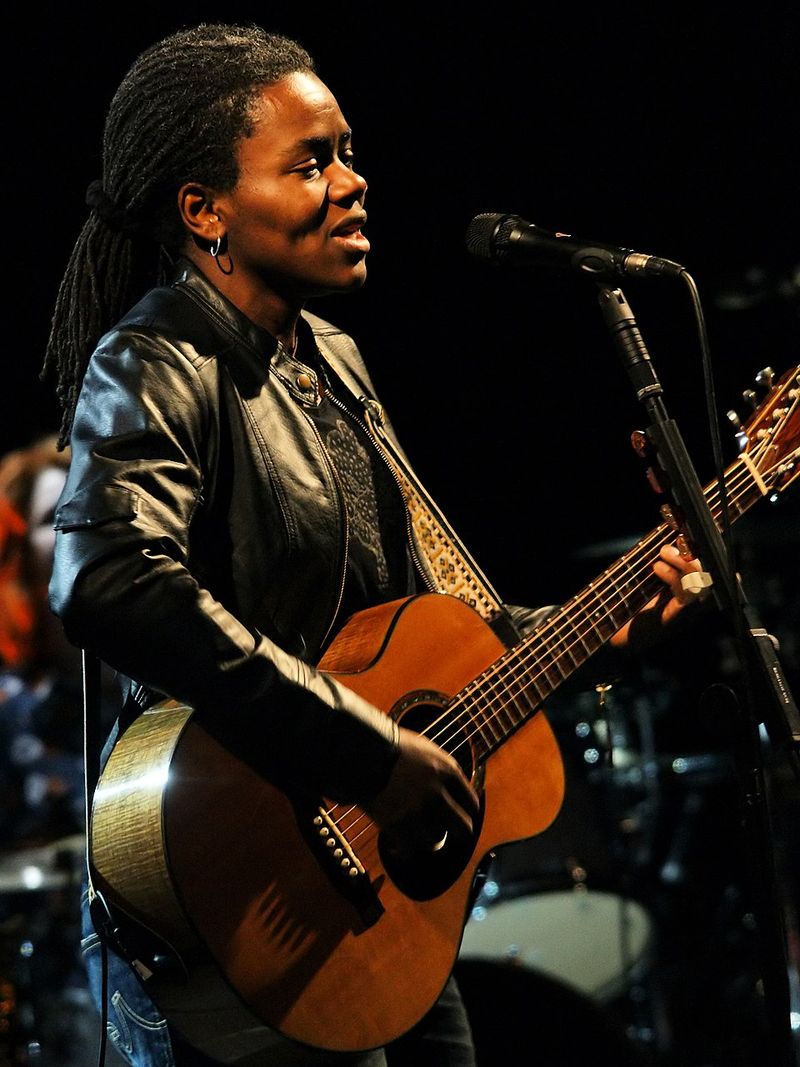
A story sung softly can travel far. Tracy Chapman wrote details you can touch, wrapped them in steady chords, and let the quiet do the heavy lifting.
The song earned respect at release, then found new charts decades later when a fresh cover introduced it to new listeners.
The bones never changed. Melody and narrative marched in lockstep, and the chorus opened like a window.
You can hear the road, the plan, the hope, and the reality without extra decoration.
Old fans returned to the original with gratitude. New fans arrived and stayed for the voice that never needs to shout.
Longevity like this comes from honesty, and the calendar simply confirmed it.
13. Running on Empty – Jackson Browne (1977)
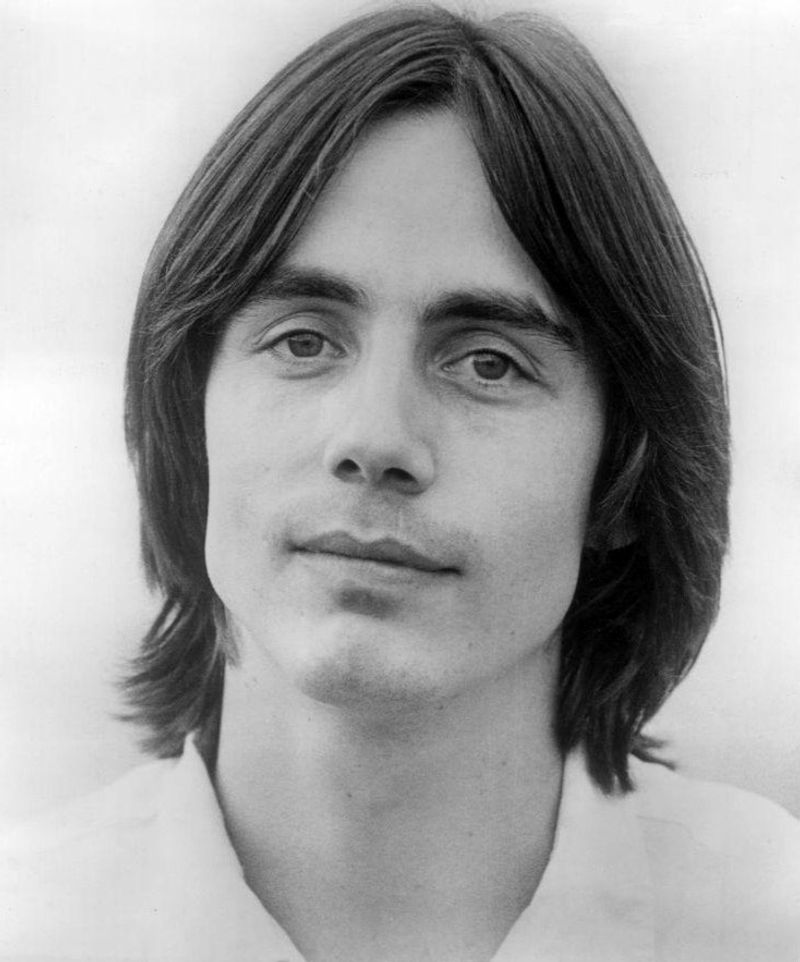
Road dust and melody make a reliable pair. Jackson Browne captured the grind with a chorus that feels like motion, and the song kept gathering miles through films and radio.
Over time it became shorthand for momentum without bragging.
The live recording energy gives it lift. Drums push, piano glides, and a melody that smiles at fatigue keeps going.
Listeners connect because the lyric admits limits while still choosing forward.
The renewed attention did not arrive all at once. It built through placements that favored open highways and reflective scenes.
Eventually the title described its own career in the best way possible.
14. Stand by Me – Ben E. King (1961)
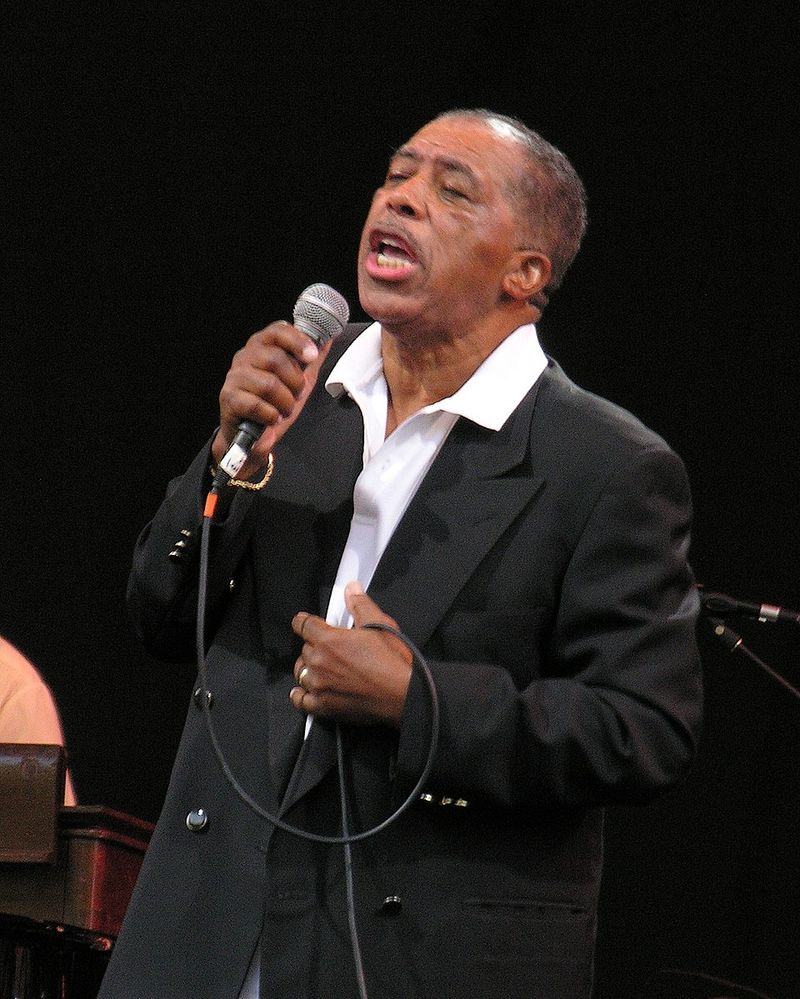
A bassline stroll and a vow that never ages. Ben E.
King’s classic carried itself with poise for decades, then a mid 80s film placed it back in the spotlight and into new stereo systems. The return felt inevitable once audiences heard that opening again.
The arrangement wastes nothing. Strings glide, percussion nudges, and the vocal wraps reassurance around every line.
It is comfort you can measure in bars and measures.
Radio welcomed it like a returning hero. Playlists filed it under celebration and steady hearts.
Renewed chart life proved that simple promises travel well no matter the decade.
15. Beggin’ – Måneskin (2017 cover)

A 60s melody found fresh teeth. Måneskin’s cover pulled an old plea into a new century with grit, swagger, and a bassline that refuses to stand still.
Years after release, social clips grabbed the groove and fed it to global charts.
The arrangement leans on space and snap. Drums stomp, guitar slashes, and the vocal tosses attitude without losing melody.
It works in short bursts, which made it perfect for clips that reward instant impact.
People hunted down the original and kept both. Covers become conversations, and this one spoke loudly enough to echo across languages.
The revival proved that a sturdy hook can handle fresh boots.



