 Unearth The Voyage
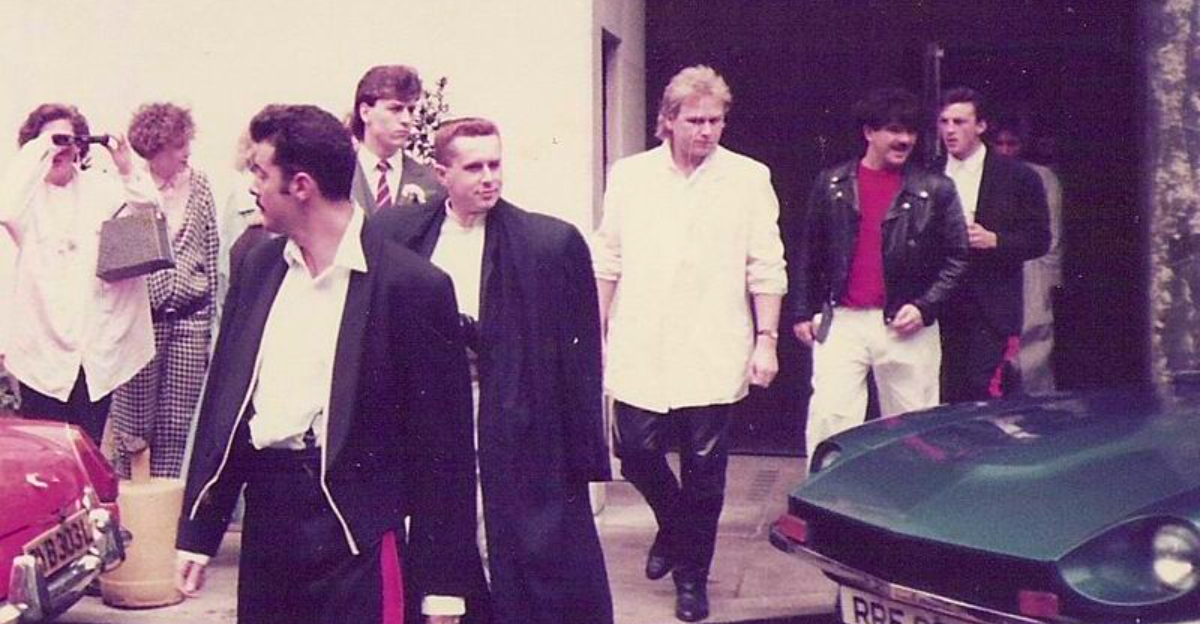
Music has always pushed boundaries, but some songs took things way too far for their time. During the 1970s and 1980s, certain tracks caused massive controversy by challenging social norms, offending religious groups, or tackling taboo subjects head-on.
Radio stations banned them, parents protested them, and politicians condemned them, yet these songs became legendary precisely because they dared to be different.
1. Lola by The Kinks
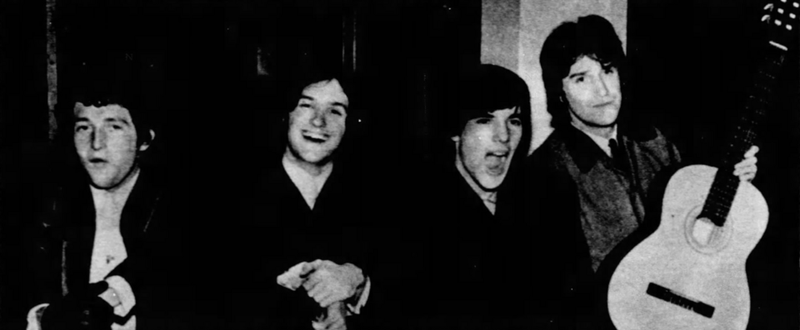
Ray Davies wrote a catchy tune about a romantic encounter that turned out to be more complicated than expected. The song tells the story of a young man meeting someone named Lola in a club, only to discover that Lola might not be exactly what she appears to be at first glance.
Conservative groups immediately attacked the song for its subject matter. Many radio stations refused to play it, and the BBC initially banned it for completely different reasons related to brand name mentions.
The controversy only made people more curious about what all the fuss was about.
Despite the backlash, the song became a huge hit worldwide. It reached the top ten in multiple countries and remains one of The Kinks’ most recognizable tracks.
The band proved that honest storytelling could triumph over censorship attempts, and the song’s acceptance helped open doors for more diverse representation in popular music during the following decades.
2. Brown Sugar by The Rolling Stones
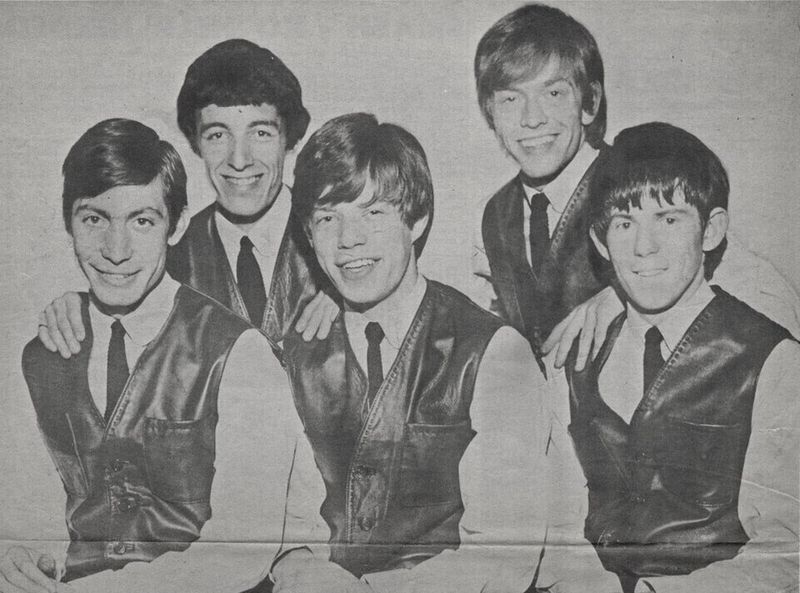
Mick Jagger crafted lyrics that referenced slavery, violence, and exploitation in ways that shocked listeners from the moment it was released. The song’s opening lines immediately sparked outrage among civil rights groups and parents who couldn’t believe such content was being broadcast on mainstream radio.
Critics argued the lyrics romanticized terrible historical atrocities.
Radio programmers faced tough decisions about whether to play the track. Some stations banned it outright, while others played it constantly because it was undeniably catchy.
The controversy didn’t hurt sales one bit, as the song shot straight to number one on the charts.
Even decades later, the band members themselves have expressed mixed feelings about performing it. The Rolling Stones eventually stopped including it in their concert setlists during recent tours.
The song remains a perfect example of how rock music in the early seventies often crossed lines without fully considering the consequences of controversial subject matter.
3. Walk on the Wild Side by Lou Reed
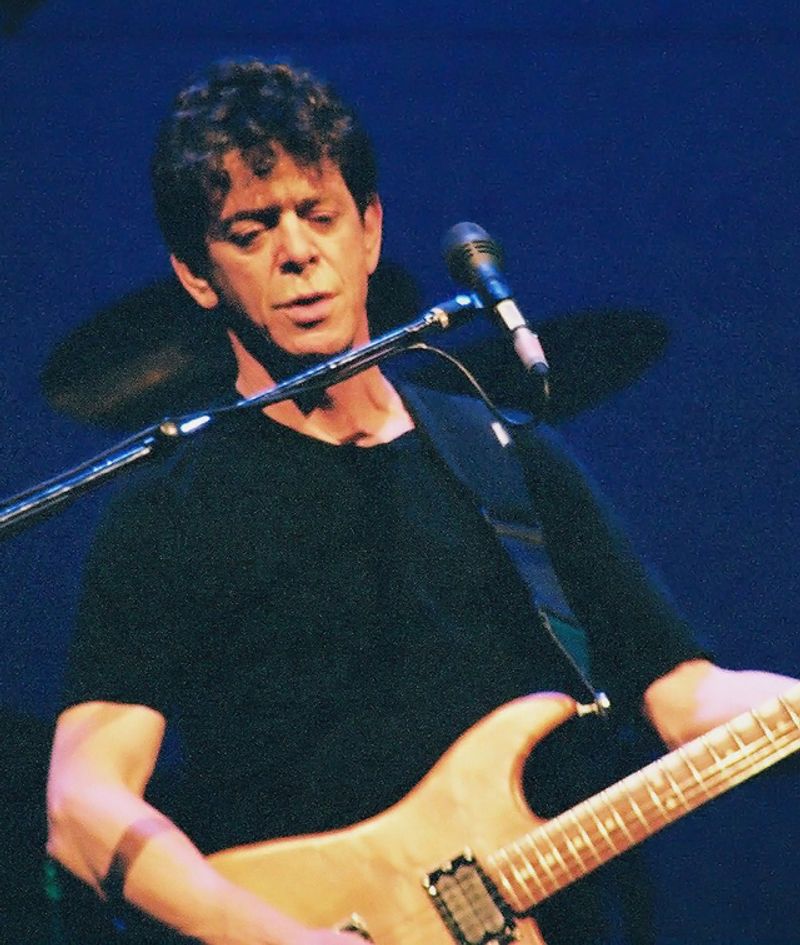
Lou Reed created a musical snapshot of New York’s underground scene that introduced mainstream audiences to people living on society’s fringes. The song mentioned drug use, transgender individuals, and other topics that polite society preferred to ignore completely.
Reed’s matter-of-fact delivery made the controversial content even more striking to conservative listeners.
Amazingly, many radio stations played the song without realizing what the lyrics actually described. The smooth bass line and catchy melody disguised the shocking subject matter enough that it slipped past censors initially.
Once people started paying closer attention to the words, debates erupted about whether it should be allowed on the airwaves.
The track became Reed’s biggest commercial success despite the controversy. It showed that audiences were ready for more honest portrayals of real life, even when those portrayals made people uncomfortable.
The song’s lasting influence can be heard in countless later artists who felt emboldened to tell unconventional stories through their music.
4. Give Ireland Back to the Irish by Wings
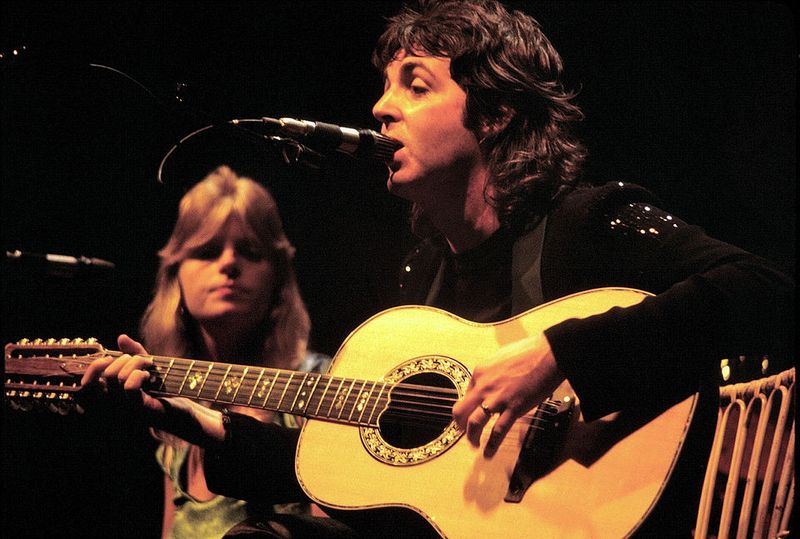
Paul McCartney shocked everyone by releasing a political protest song with his new band Wings. After the tragic events of Bloody Sunday in Northern Ireland, McCartney felt compelled to speak out against British policies.
The song explicitly called for Irish independence, which was an incredibly bold stance for such a famous musician to take publicly.
The BBC banned the song immediately, refusing to give it any airplay whatsoever. British authorities viewed it as supporting terrorism and encouraging violence.
Other countries followed suit with their own bans, making it one of the most censored songs of the entire decade.
McCartney defended his right to express political opinions through music. Sales were strong despite the radio blackout, proving that controversy could actually help a song find its audience.
The incident showed that even the most beloved pop stars could face serious consequences for wading into political debates through their art.
5. The Pill by Loretta Lynn

Country music had never heard anything quite like this before. Loretta Lynn sang openly about birth control and women’s reproductive freedom, subjects that were absolutely taboo in conservative country music circles.
The song celebrated how contraception gave women control over their own bodies and futures, which threatened traditional gender roles.
Country radio stations banned it in droves. Religious groups organized protests, and some venues refused to let Lynn perform the song at their establishments.
Male country artists publicly criticized her for being too bold, but female fans absolutely loved having someone speak up for their experiences.
Lynn refused to back down despite intense pressure to stop performing the song. She continued playing it at concerts where it always received standing ovations.
The controversy actually strengthened her connection with her audience and proved that country music fans were ready for more honest conversations about real life. Her courage paved the way for future female country artists to tackle difficult subjects.
6. God Save the Queen by Sex Pistols
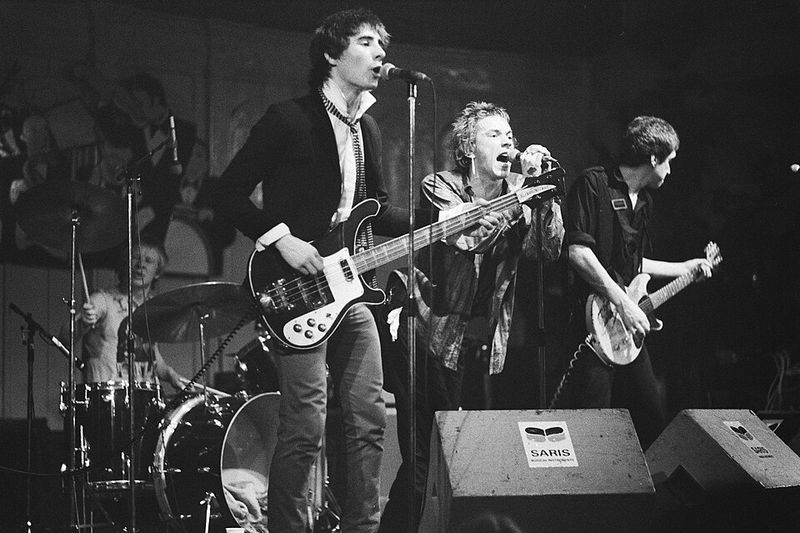
Johnny Rotten screamed lyrics attacking the British monarchy and the entire establishment during Queen Elizabeth’s Silver Jubilee celebration. The timing couldn’t have been more deliberately provocative, as the nation was celebrating twenty-five years of the Queen’s reign.
The Sex Pistols called the monarchy a fascist regime and suggested England had no future under its current system.
British authorities tried to suppress the song completely. The BBC banned it, stores refused to stock it, and the band faced physical attacks from angry citizens.
Despite being blacklisted, the song still reached number two on the charts, though some claim it was kept from number one artificially.
The controversy defined punk rock’s rebellious spirit for an entire generation. Young people saw the establishment’s overreaction as proof that the Sex Pistols were speaking uncomfortable truths.
The song became an anthem for anyone who felt frustrated with traditional authority figures and outdated social structures.
7. Short People by Randy Newman
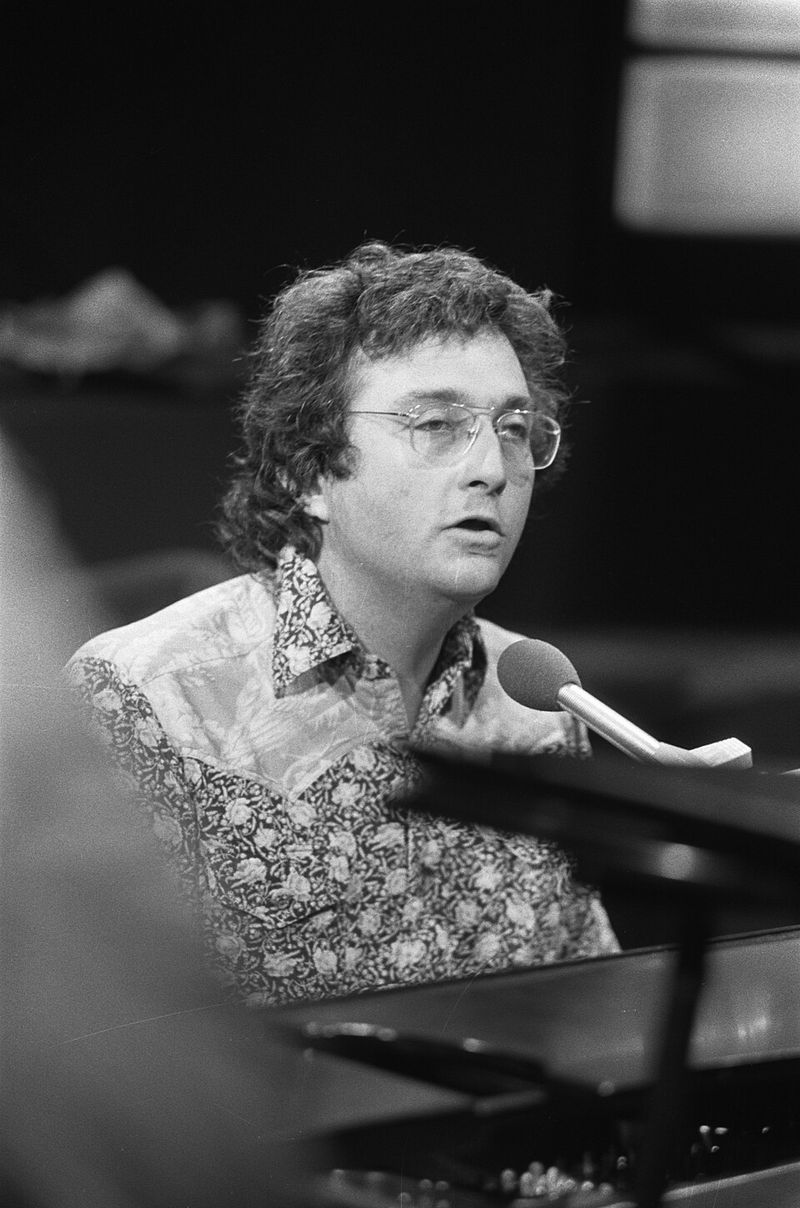
Randy Newman intended to write a satire about prejudice and bigotry, but many listeners completely missed the joke. The song features a narrator expressing hatred toward short people for absolutely no logical reason, which was meant to show how ridiculous all forms of discrimination are.
Unfortunately, short people and their advocates didn’t find it funny at all.
Angry letters flooded radio stations demanding the song be pulled from rotation. Some short-statured individuals felt genuinely hurt and attacked by the lyrics.
Newman tried explaining that the song was actually making fun of bigots, not short people, but the damage was already done.
The controversy taught an important lesson about how satire doesn’t always translate clearly in popular music. What Newman thought was an obvious parody struck many listeners as mean-spirited mockery.
Despite the misunderstanding, the song became a hit and remains one of Newman’s most famous works, though he’s spent decades explaining what he actually meant by it.
8. Only Women Bleed by Alice Cooper
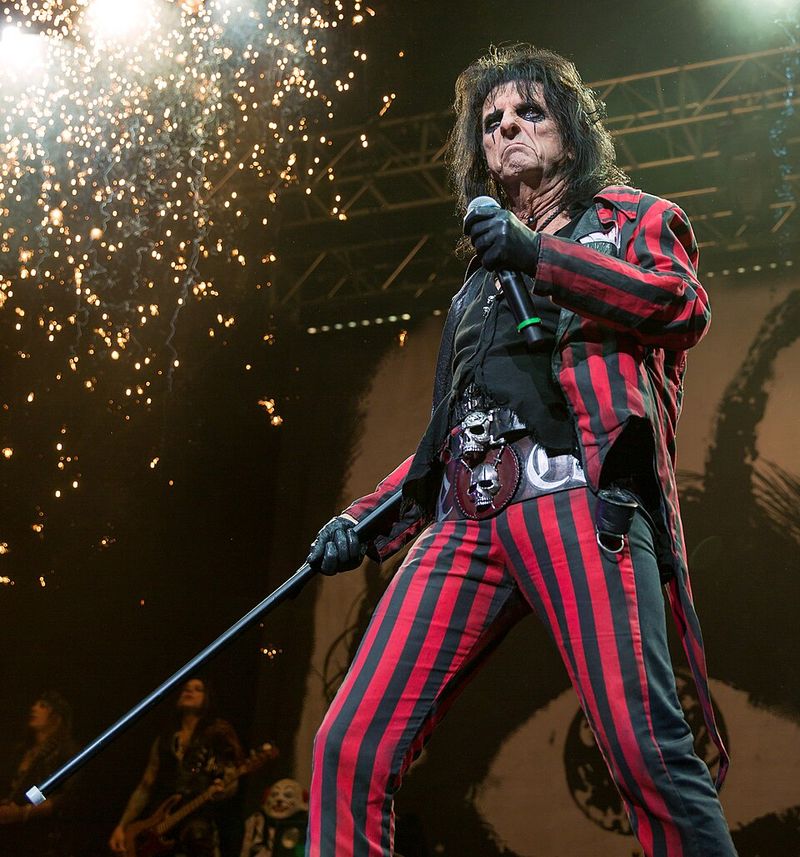
Alice Cooper surprised everyone by releasing a sensitive ballad about domestic violence and women’s suffering. Known for shocking theatrical performances, Cooper took a serious approach to a difficult subject that wasn’t often discussed openly.
The title itself caused immediate confusion and controversy, as many people initially misunderstood what the song was actually about.
Conservative groups attacked it for supposedly being vulgar and inappropriate. Some critics argued that a male shock-rocker had no business singing about women’s experiences.
Others defended the song as an important statement against domestic abuse that deserved attention regardless of who performed it.
Radio stations debated endlessly about whether to play it. The song’s message was important, but the title made programmers nervous about potential complaints.
Despite the controversy, it became one of Cooper’s biggest hits and showed that rock musicians could tackle serious social issues effectively. The song helped bring conversations about domestic violence into mainstream popular culture during a time when such discussions were rare.
9. Another Brick in the Wall (Part II) by Pink Floyd
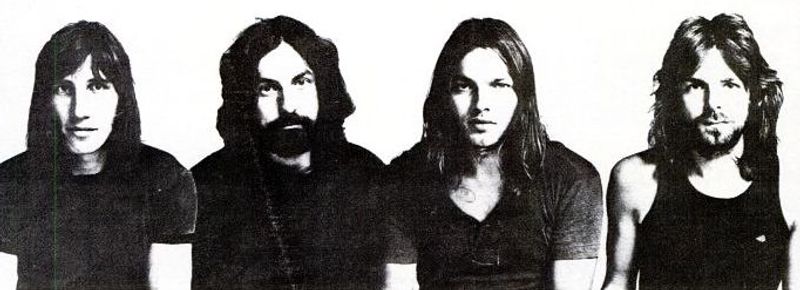
Roger Waters wrote a scathing attack on rigid educational systems that treat students like products on an assembly line. The song features children singing the rebellious chorus, which made the message even more powerful and controversial.
Teachers and school administrators felt personally attacked by lyrics suggesting they were crushing creativity and individuality.
Some schools actually banned students from singing the song. Educational authorities in several countries tried to keep it off the radio, arguing it encouraged disrespect toward teachers and disrupted classroom discipline.
South Africa banned it completely for different political reasons related to apartheid protests.
Students around the world embraced it as an anthem for their frustrations with outdated teaching methods. The song topped charts globally and became one of the best-selling singles ever.
Its success proved that young people were hungry for music that validated their feelings about institutions that seemed designed to control rather than educate them. The controversy only made the song more popular among its intended audience.
10. Relax by Frankie Goes to Hollywood
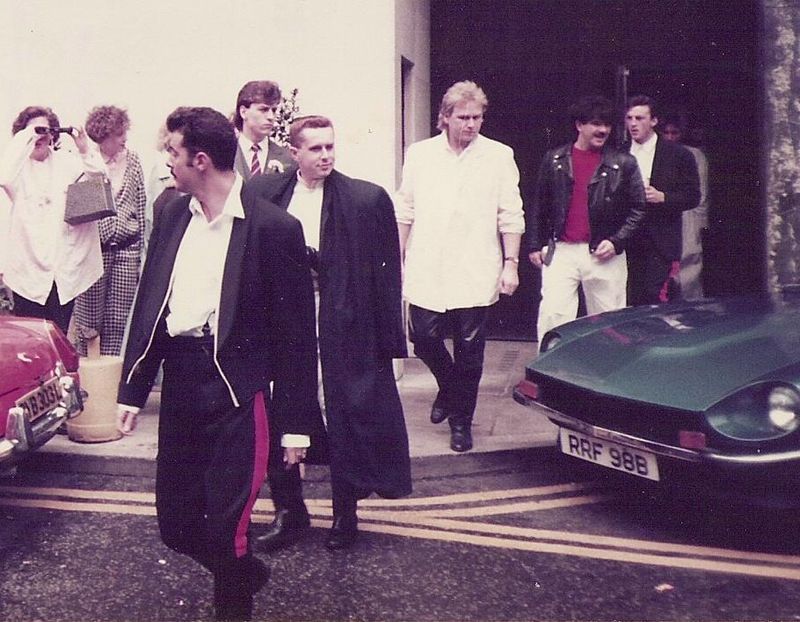
The BBC banned this song without really understanding what made it controversial at first. Once they figured out the lyrics’ true meaning, they doubled down on the ban, which only made everyone more curious.
The suggestive content and the band’s provocative marketing campaign pushed boundaries in ways that made conservative Britain very uncomfortable.
Radio DJs who defied the ban faced serious consequences. The controversy became a national news story, with debates in Parliament about music censorship.
Interestingly, the ban backfired spectacularly, as sales skyrocketed and the song stayed at number one for five consecutive weeks.
The band’s record label cleverly used the controversy for publicity. They printed shirts saying the song’s title with explicit imagery that got people talking even more.
The whole situation demonstrated how attempts at censorship often increase interest rather than diminish it. The song became one of the defining hits of the eighties and proved that audiences were ready for more open discussions about topics previously considered too taboo for mainstream entertainment.
11. I Want Your Sex by George Michael

George Michael released this track just as concerns about AIDS were reaching panic levels. Many critics accused him of promoting unsafe behavior during a health crisis.
The explicit title alone was enough to get it banned from many radio stations before anyone even heard the actual lyrics, which actually promoted monogamy and safe practices.
MTV refused to play the video during daytime hours. Conservative groups organized campaigns against stores that sold the single.
Michael argued that the song actually had a responsible message about commitment, but few people wanted to hear that explanation during the moral panic of the late eighties.
Despite widespread censorship, the song became a massive international hit. Young audiences appreciated Michael’s willingness to discuss intimacy honestly rather than pretending such topics didn’t exist.
The controversy highlighted the disconnect between what adults thought young people should hear and what young people actually wanted to hear. Michael’s career survived the scandal just fine, proving that authentic expression could overcome moral outrage.
12. Darling Nikki by Prince
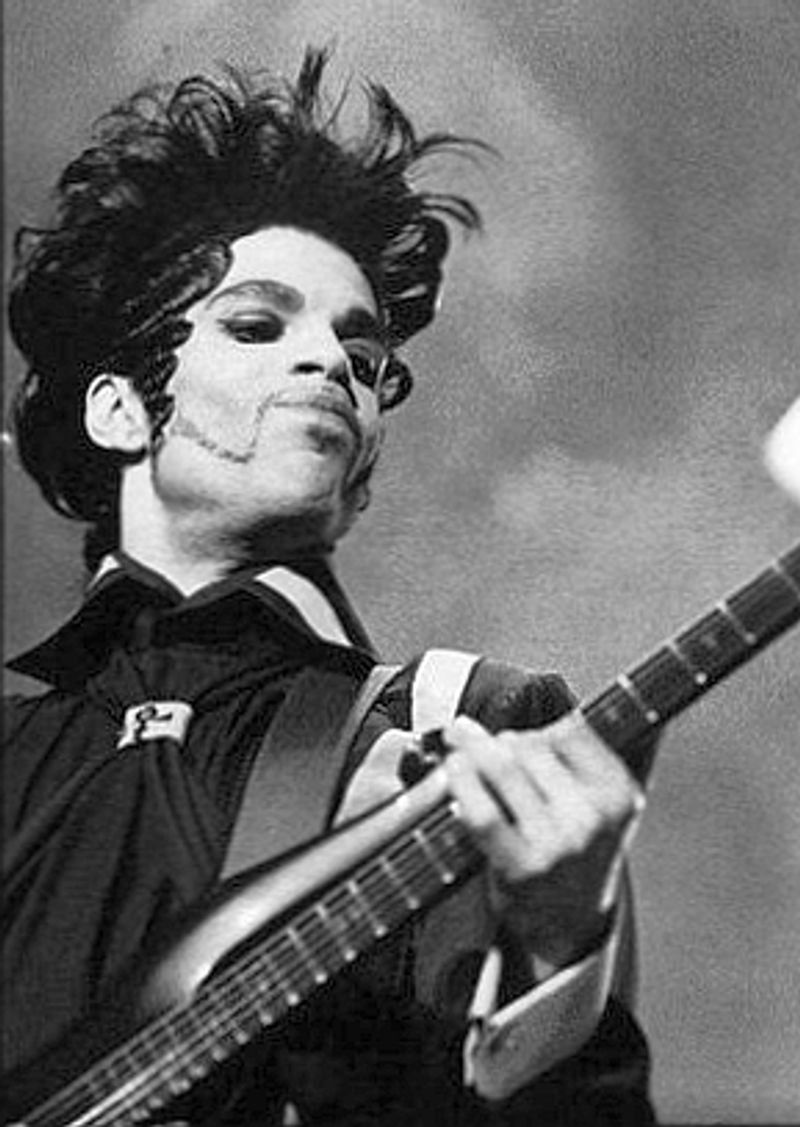
Prince pushed boundaries further than anyone expected with this deeply explicit track. The song’s graphic opening lines shocked parents who had bought the album for their children without previewing it first.
One particular parent, Tipper Gore, was so disturbed that she launched an entire movement that changed the music industry forever.
Gore’s campaign led directly to the creation of Parental Advisory labels that still appear on albums today. Congressional hearings were held where musicians had to defend their artistic freedom.
Prince became the poster child for everything parents feared about rock music corrupting their children.
The controversy made Prince even more famous and rebellious in fans’ eyes. Young people saw the establishment’s reaction as proof that Prince was speaking truths that made adults uncomfortable.
The song remained a fan favorite despite never being released as a single. The whole situation demonstrated how one controversial track could spark nationwide debates about censorship, parental responsibility, and artistic freedom that lasted for years.
13. We’re Not Gonna Take It by Twisted Sister
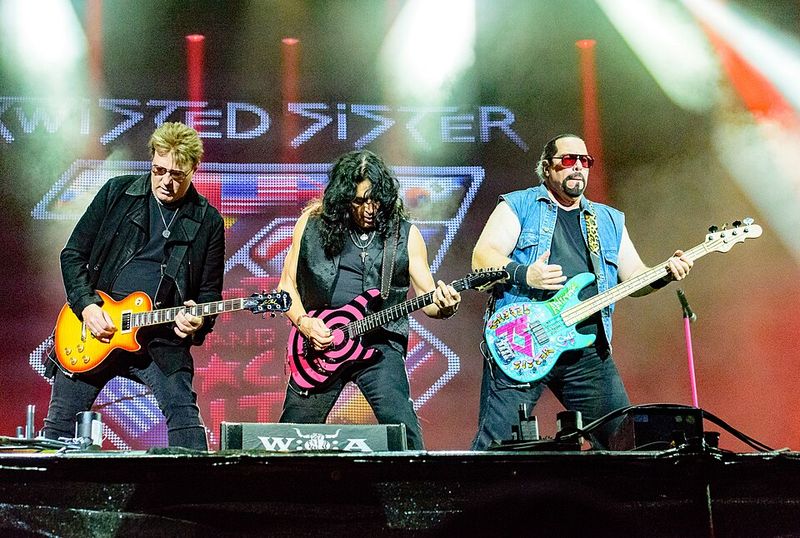
Dee Snider and Twisted Sister created an anthem for teenage rebellion that adults found deeply threatening. The music video showed kids fighting back against an authoritarian father figure, which parent groups claimed encouraged disrespect and violence.
The band’s outrageous appearance with makeup and wild costumes made them easy targets for conservative criticism.
Snider was actually called to testify before Congress during the PMRC hearings. He surprised everyone by articulating intelligent arguments for artistic freedom while still wearing his stage makeup.
His testimony became legendary for dismantling assumptions that heavy metal musicians were unintelligent troublemakers.
The song became a massive hit precisely because it captured teenage frustration perfectly. Kids blasted it from their bedrooms while parents complained downstairs.
Schools tried banning Twisted Sister shirts, which only made them more popular. The controversy proved that attempts to suppress youth culture usually backfire, creating more interest in exactly what adults want to prevent.
The song remains a classic anthem for anyone feeling controlled by authority figures.
14. One in a Million by Guns N’ Roses
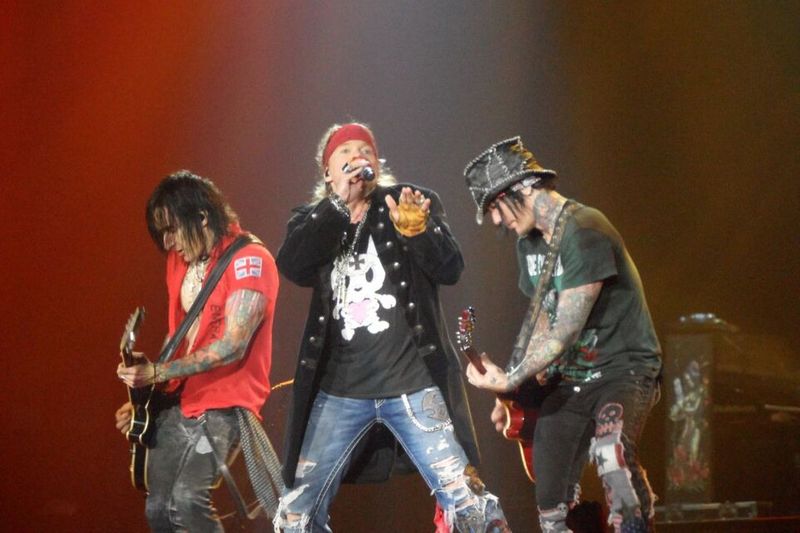
Axl Rose wrote lyrics containing slurs against multiple groups that caused immediate and lasting outrage. The song used offensive language targeting gay people, immigrants, and racial minorities in ways that even fans found hard to defend.
Rose claimed he was describing personal experiences and frustrations, but critics argued that explanation didn’t excuse the hateful content.
The controversy was different from others because many fans actually agreed with the criticism. Record stores debated whether to stock the album, and some band members reportedly felt uncomfortable with the lyrics.
Radio stations wouldn’t touch it, and MTV refused to play any video featuring the song.
Rose eventually expressed regret about some of the language used. The song damaged the band’s reputation significantly, showing that there were limits to what audiences would accept even from rebellious rock stars.
Later pressings of the album sometimes excluded the track entirely. The whole incident served as a cautionary tale about how artistic expression crosses into genuine harm when it promotes hatred rather than challenging social norms constructively.
15. Another One Bites the Dust by Queen
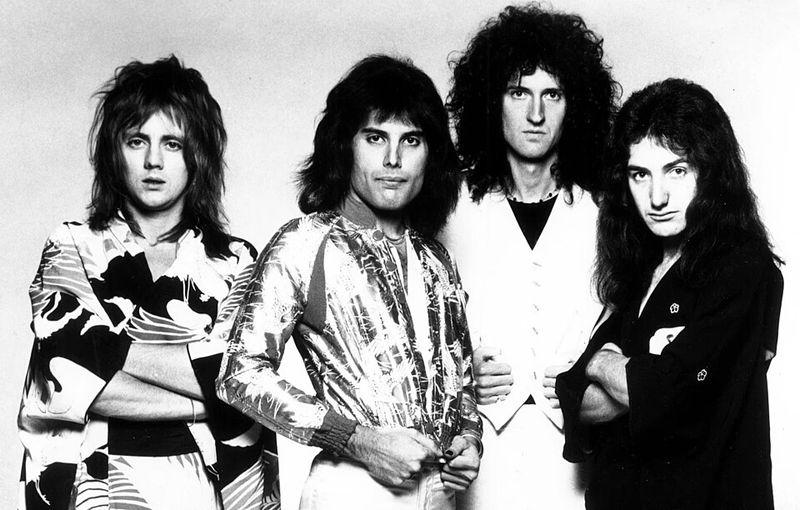
This massive hit faced bizarre accusations that had nothing to do with its actual lyrics. Religious groups claimed that playing the song backward revealed hidden satanic messages encouraging drug use.
The panic over supposed backward masking reached fever pitch during the early eighties, and Queen’s song became a prime target for these conspiracy theories.
Preachers played the song backward in churches to demonstrate the alleged hidden messages. Parents destroyed their children’s Queen albums in bonfires organized by religious communities.
The band found the whole situation absurd, as they’d simply written a funky rock song with no hidden agenda whatsoever.
Scientists and audio experts debunked the backward masking claims repeatedly. They explained that human brains naturally find patterns in random sounds, especially when told what to listen for.
Despite the scientific evidence, some people remained convinced of the conspiracy. The controversy showed how moral panics could target completely innocent music based on unfounded fears.
The song remained hugely popular regardless, becoming one of Queen’s signature tracks that everyone still recognizes instantly today.



