 Unearth The Voyage
Some songs do more than climb the charts. They pick up a band by the scruff, shove them into the spotlight, and change the sound of an era.
You remember where you were the first time you heard certain riffs, choruses, and left turns that felt downright impossible. Dive in and relive the moments when lightning struck and unknown bands became rock legends overnight.
1. Bohemian Rhapsody – Queen
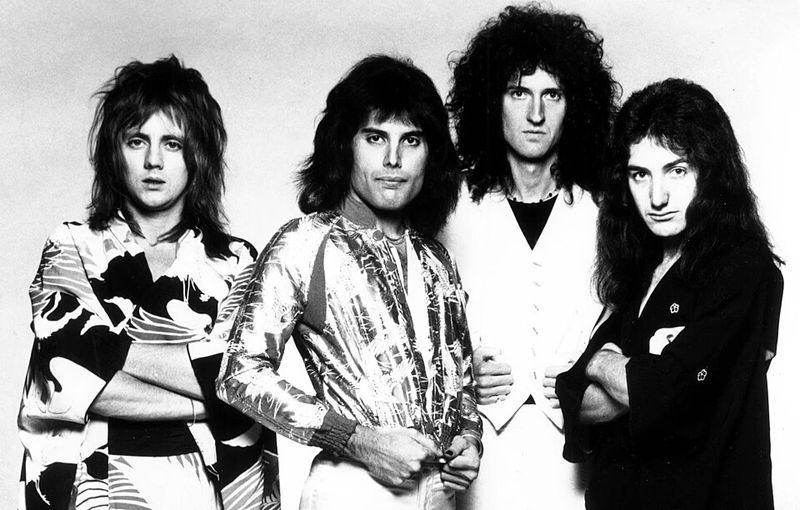
You could feel the audacity from the first piano phrase. A six-minute suite with no chorus, an operatic middle, and a headbanging payoff should have been radio poison.
Instead, it became the song that proved rock could be maximalist, theatrical, and still completely irresistible.
Hearing it now, you picture fogged mirrors, stacked harmonies, and Freddie leading with impossible conviction. DJs initially balked at the length, but fans called in and demanded it anyway.
The unexpected became the inevitable, and Queen vaulted from cult charm to global phenomenon.
Across the Atlantic, teenagers mouthed Galileo under streetlights, learning every hairpin turn. The single hit number one in the UK and later returned to the charts with Wayne’s World.
Queen were not just a band anymore. They were a statement: risk can become legend.
2. Sweet Child O’ Mine – Guns N’ Roses
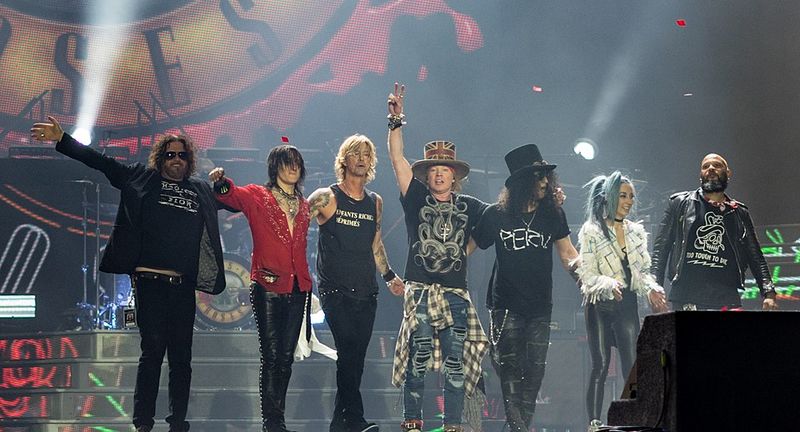
That spiral of a riff felt like a stairway pulling you up from a dingy club into daylight. Before this track, Guns N’ Roses were a dangerous rumor from the Sunset Strip.
The moment the chorus hit, they were unavoidable, blasting from car stereos and mall food courts alike.
Slash’s guitar melody was supposedly a warmup turned world-conqueror, proof that a hook can find you when you are not looking. MTV played the video relentlessly, amplifying denim, leather, and swagger.
Appetite for Destruction exploded, ultimately becoming the best-selling debut album in U.S. history.
The song stitched vulnerability to velocity, a love note wrapped in gunpowder. It bridged hard rock with mainstream radio without sanding down its edges.
Every backyard party learned that opening lick, and neighbors knew exactly what came next. An underground scene suddenly had a face.
3. Livin’ on a Prayer – Bon Jovi
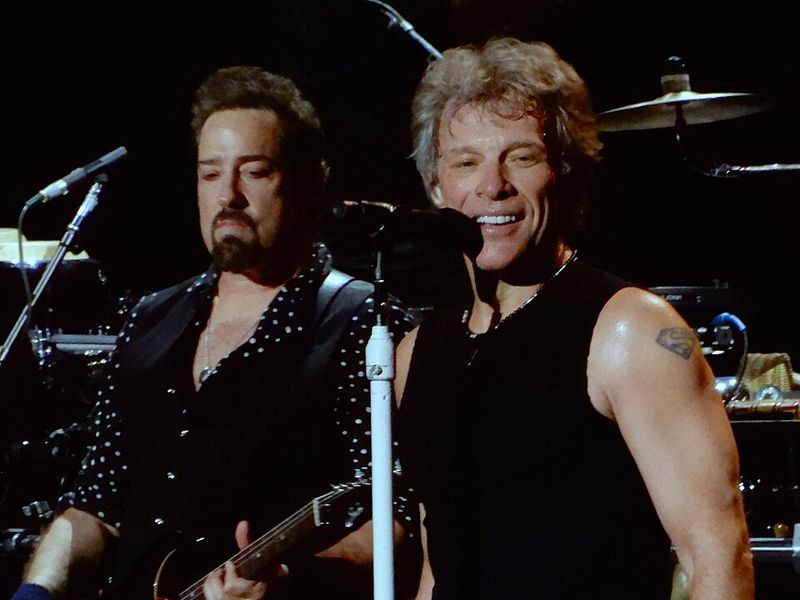
Before this anthem, Bon Jovi were still searching for their definitive shot. Then Tommy and Gina clocked in, and the entire world punched the air together.
The talkbox bite, the key change, the chorus you could hear from the parking lot, it all locked like a vault.
The single topped charts and became a nightly ritual in arenas. By 1987, they were headlining with confidence that felt earned.
The song carried working-class hope without preaching, which is why you still hear it at weddings, bars, and fourth-quarter comebacks.
Radio programmers trusted it, and fans never let it go. Decades later, streams number in the hundreds of millions, and stadiums still shout the whoa-ohs in unison.
The band’s future stopped being a question. It became a promise, living loud above the noise.
4. Creep – Radiohead
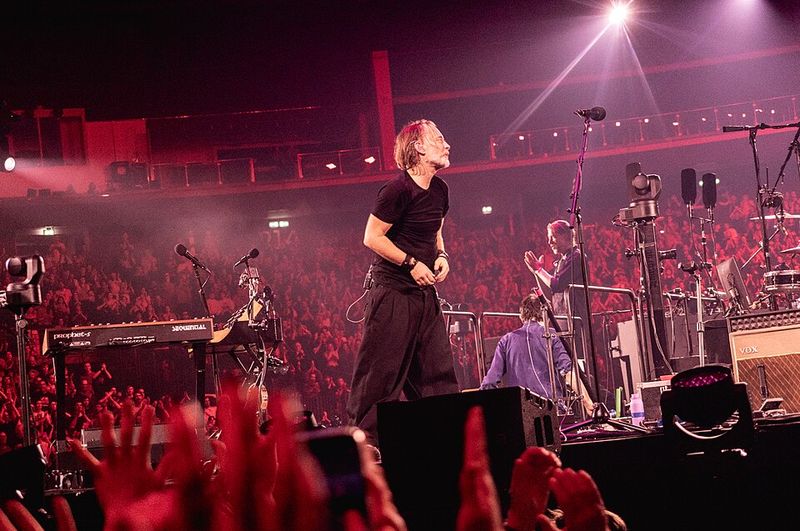
No one plans a generational misfit anthem. Radiohead certainly did not, tossing Creep into early sets like a confession muttered under breath.
Then the chorus detonated, and a million bedrooms quietly nodded along. It was too honest to ignore, too heavy to forget.
Labels hesitated, stations censored a word, and still it cut through. The guitar lurch before the chorus felt like a trapdoor opening.
Suddenly this strange, clever Oxford band had a passport to every festival stage on the map. They wore it uneasily, but momentum gathered anyway.
The song’s chart success across Europe and the U.S. turned curiosity into demand. Later albums redefined them, but this was the door.
Ask anyone who learned barre chords in the 90s. You probably tried to sing that chorus once, voice cracking right on schedule.
5. Don’t Stop Believin’ – Journey
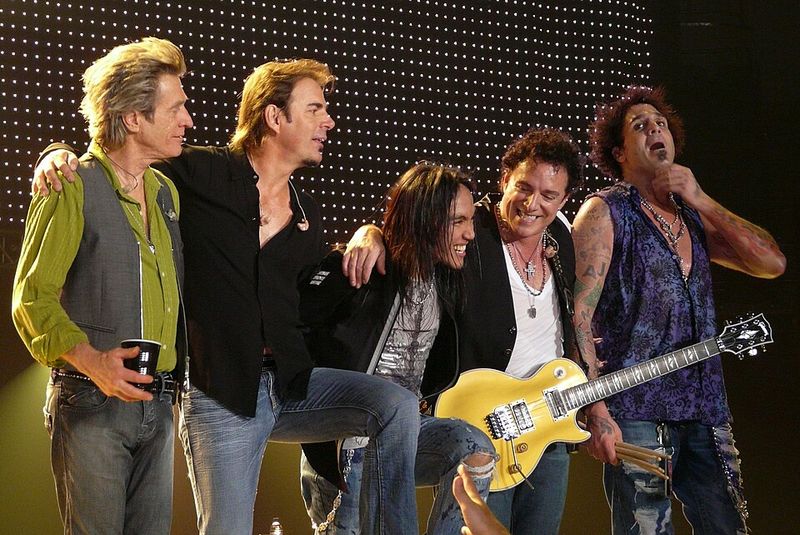
That piano line feels like a streetlight blinking on. Then the bass walks in, the drums pace themselves, and you wait for the chorus like a train you know will arrive.
Journey had hits, sure, but this one wrapped itself around entire nights and never let go.
It recharted with The Sopranos finale and became a karaoke constitution. Nielsen once named it the top digital song from pre-digital era, crossing 7 million downloads in the U.S. alone.
The structure withholds the chorus until the end, a gamble that pays every single time live.
The song turned their fanbase into a movement, familiar in bars from Cleveland to Cebu. It is community in four minutes and change.
When Steve Perry soars on believin, you feel taller. The band was big; now they were folklore.
6. Seven Nation Army – The White Stripes
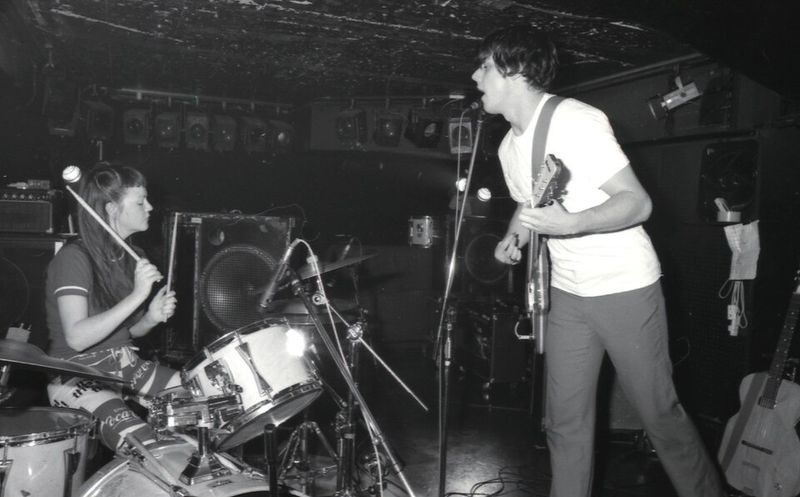
Minimalism rarely sounds this colossal. A detuned semi-acoustic through an octave pedal became the world’s loudest chant.
You heard it at soccer stadiums, basketball arenas, and street protests, a riff liberated from language that anyone could own.
The White Stripes were indie darlings before the song; afterward, they were international shorthand for modern rock. The video’s infinite zoom suited the momentum perfectly.
By 2011, UEFA crowds were humming it between whistles, proof of a melody’s passport.
Billboard placements piled up, and the track eventually crossed a billion streams on Spotify, remarkable for a duo with no bass player. Jack and Meg turned constraint into thunder, letting negative space do the shouting.
If you have ever stomped along on bleachers, you already know the ending. The riff wins.
7. More Than a Feeling – Boston
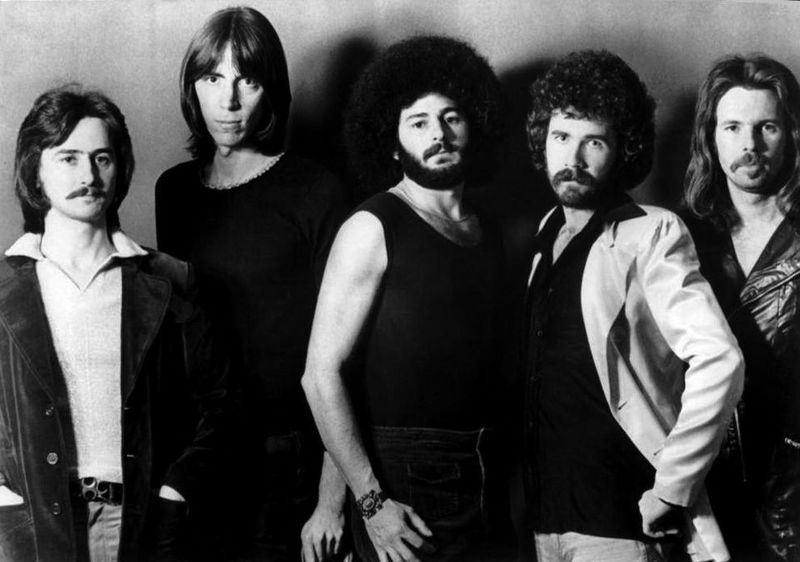
From the first shimmering acoustic strum to those laser-focused harmonies, this debut single sounded engineered for forever. Tom Scholz built much of the magic in a basement studio, proving precision could still feel human.
When Brad Delp hit the chorus, radio programmers stopped skimming and started calling.
The track became a blueprint for arena-ready rock: layered guitars, melodic lift, and a rhythm section that glides without drifting. Boston’s first album sold millions, and suddenly a studio wizard with a day job was a headlining force.
The song still feels like a sunburst through a dusty window.
It made nostalgia feel brand new, a memory you were hearing for the first time. Stations used it to test speakers and sell cars.
That is power, the kind that turns a regional curiosity into a classic-rock pillar, forever on preset number two.
8. Enter Sandman – Metallica
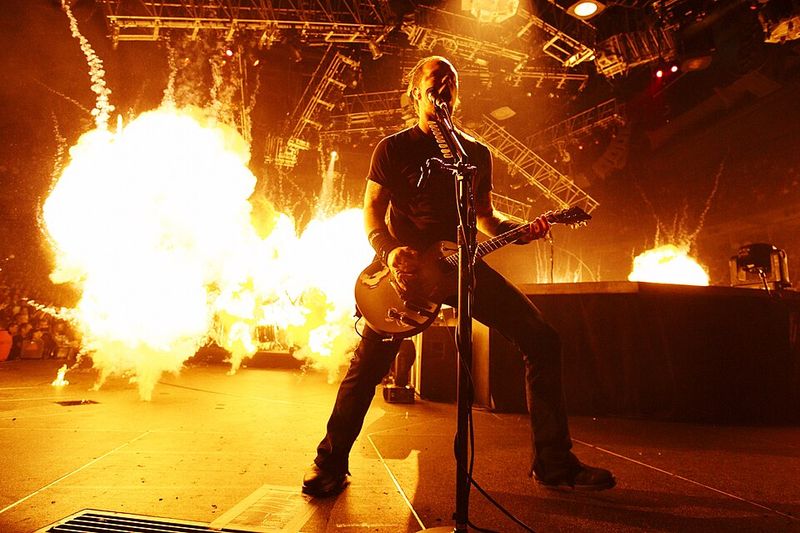
Metallica were already titans in metal circles, but this was the iron gate swinging open for mainstream ears. The lullaby-turned-nightmare riff hooked stations that once flinched at thrash.
Bob Rock’s production added heft without sanding off menace.
The Black Album sold over 16 million in the U.S. according to RIAA, and the band’s reach widened from headbangers to dads in pickup trucks. Enter Sandman’s video, all nightmares and headlights, became permanent rotation on MTV.
Suddenly, bedtime stories sounded like thunderclouds.
Live, it opens with a tease, lights dimming until the crowd roars the riff. That is when you realize a door did not just open, it blew off the hinges.
The song made Metallica a household word you could shout from nosebleed seats and be heard.
9. Take Me Out – Franz Ferdinand
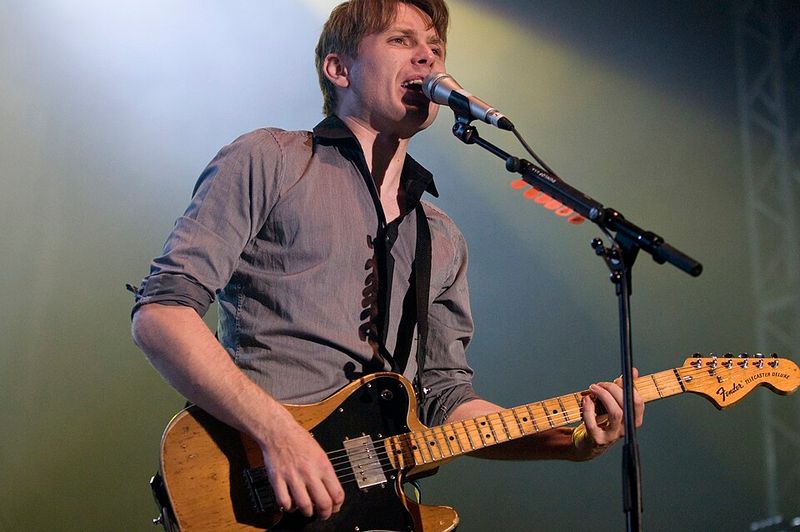
Indie kids wanted guitars you could dance to, and this track hit like a trapdoor opening mid-song. The tempo shift felt like a wink, then a dare, then a runway.
Suddenly, Franz Ferdinand were headlining festivals that had not even booked them yet.
The single dominated modern rock radio in 2004, zigzagging between post-punk sharpness and pop clarity. NME and the Mercury shortlist nodded, while college stations turned it into a campus soundtrack.
It sounded like sharp shoes on wet pavement after midnight.
You could map an era to that snare snap and guitar chop. It helped define a wave that carried Bloc Party, The Killers, and countless dance floors.
From Glasgow practice rooms to transatlantic tours, the band’s calling card became a passport stamp in neon ink.
10. Are You Gonna Be My Girl – Jet
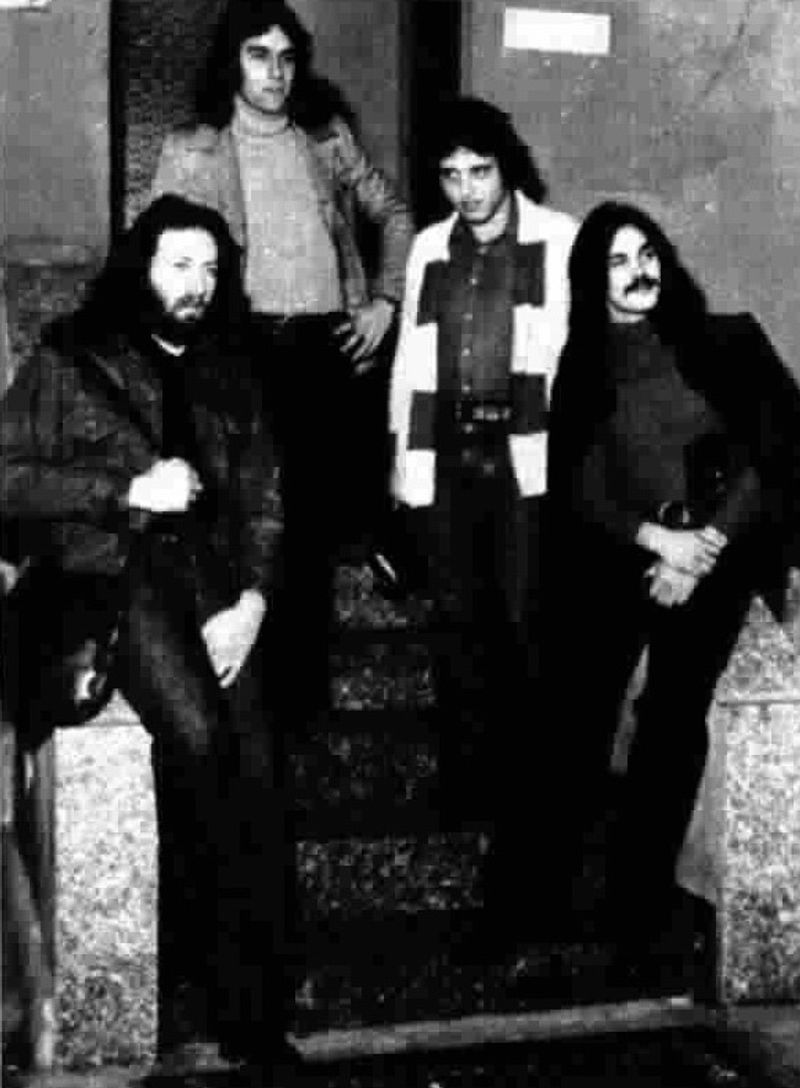
It arrived like a caffeine jolt, a count-in and a strut that reminded you rock could still grin. Jet blasted through radio with handclaps and hollers, a throwback sound that felt unpretentious and bulletproof.
Suddenly, commercials, movie trailers, and locker rooms had the same pulse.
The song took over alternative charts and pushed the Australian band from small rooms to worldwide circuits. It was everywhere because it worked everywhere, from spin classes to sticky-floored bars.
The guitar riff is a smile you can hear.
Some compared it to 60s stompers, but Jet wore influences like a patched jacket, full of life rather than museum dust. The track proved that immediacy is its own kind of innovation.
If you danced the first time you heard it, that was the point. The band became unavoidable.
11. My Sharona – The Knack
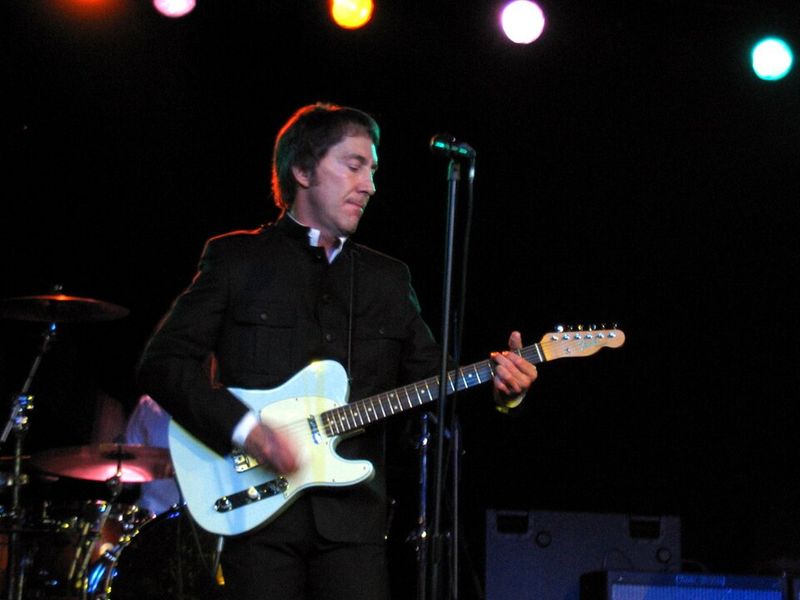
When that stuttering riff pops, your shoulders move before your brain catches up. My Sharona blitzed 1979 radio and held number one for six weeks in the U.S., a power-pop lightning bolt cutting through disco shadows.
The Knack went from local heat to national fixation in a summer.
The snare snaps like a ruler on a desk, and the vocal is half wink, half dare. DJs queued it to reset a sleepy hour, and it worked every time.
The single sold millions, and suddenly a skinny-tie band had the biggest bite on the block.
It is the kind of hook that survives format changes, from vinyl to playlists. Decades later, streams prove the reflex is intact.
If you have ever air-guitared in a kitchen, you know the swing. The groove is a magnet, pulling crowds together by instinct.
12. Hotel California – Eagles
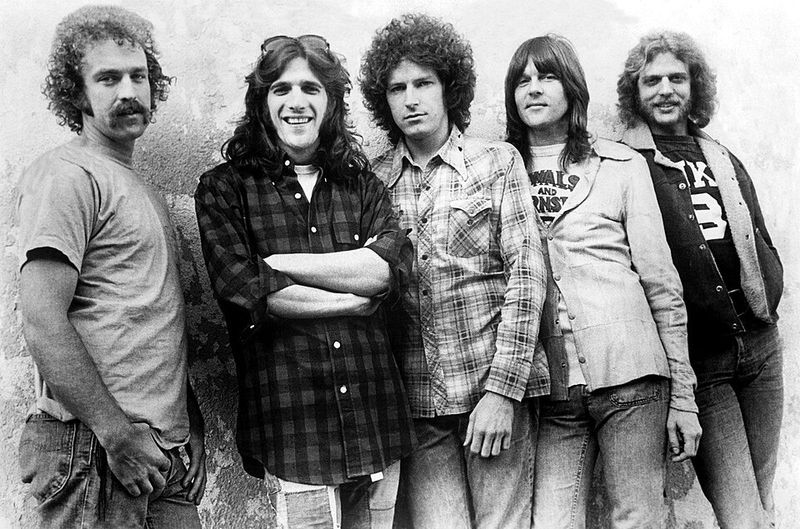
The Eagles were already chart fixtures, but this song turned admiration into legacy. The opening progression feels like headlights gliding along an endless road, then the story tightens like a parable.
By the time the dual-guitar coda arrives, you are fully inside the myth.
Hotel California won Record of the Year at the Grammys and sold in the tens of millions worldwide. It is quoted, covered, and debated at campfires and dorm rooms alike.
The band’s Californian dream sharpened into a warning, and the world kept listening.
Live, crowds sing every line as if decoding a secret. That final solo is practically a rite of passage for guitar students.
The Eagles stopped being just successful and became essential. The hotel is always open, and somehow, you still want to check in.
13. Wonderwall – Oasis
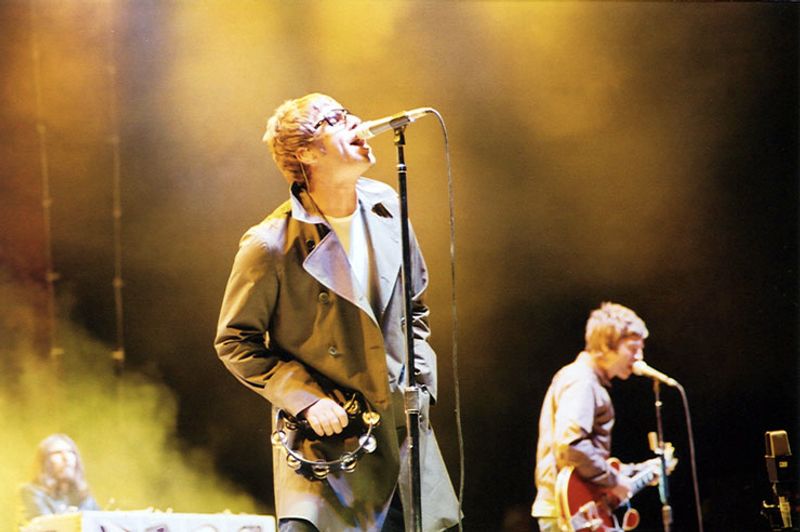
A simple acoustic strum, a tambourine shimmer, and suddenly every campus courtyard learned the same chords. Wonderwall vaulted Oasis from Britpop contenders to global fixtures.
The melody walks straight into your head and rearranges the furniture without asking.
The single hit top charts across Europe and became their first U.S. top 10. On Spotify, it has surpassed one billion streams, proof that a busker’s toolkit can rule the world.
The Gallagher snarl softened into something communal, and strangers started harmonizing at parties.
You can track time by how many guitars have played that intro at sunset. It is a campfire standard and a stadium anthem in the same breath.
With this song, Oasis stopped chasing peers and started defining a decade. You knew the words before you realized it.
14. Smoke on the Water – Deep Purple
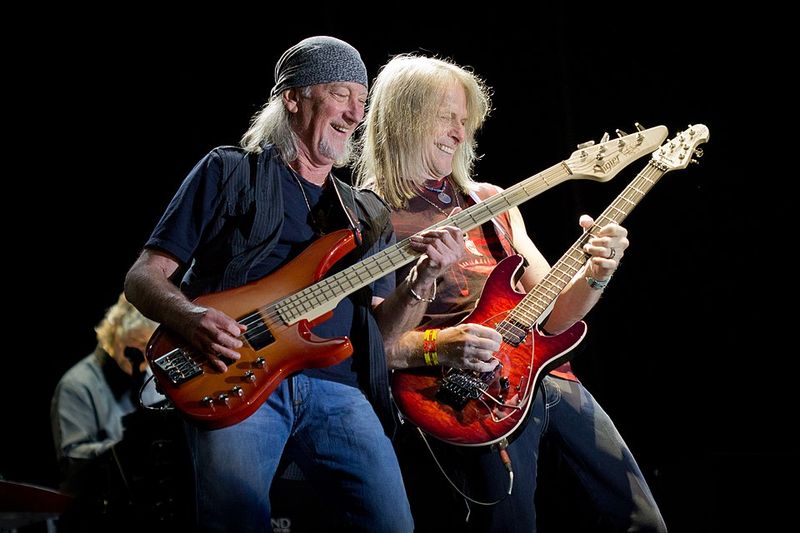
It begins with the riff everybody learns first. The story behind it, a casino fire in Montreux, gives the groove teeth.
Deep Purple captured chaos and turned it into a marching anthem you could hum with two fingers on a guitar.
Before this, their reputation leaned heavy among dedicated rock fans. Afterward, they were welded into hard rock’s spine.
The single stormed charts worldwide and became shorthand for riff worship. You can hear it between soundchecks, at guitar shops, and through apartment walls.
Live, it is communal thunder, each note a flare. The lyrics play like a postcard from disaster with perfect timing.
That is how a band becomes legend, by making catastrophe sing. Even silence knows how to count in those four notes.
15. Light My Fire – The Doors
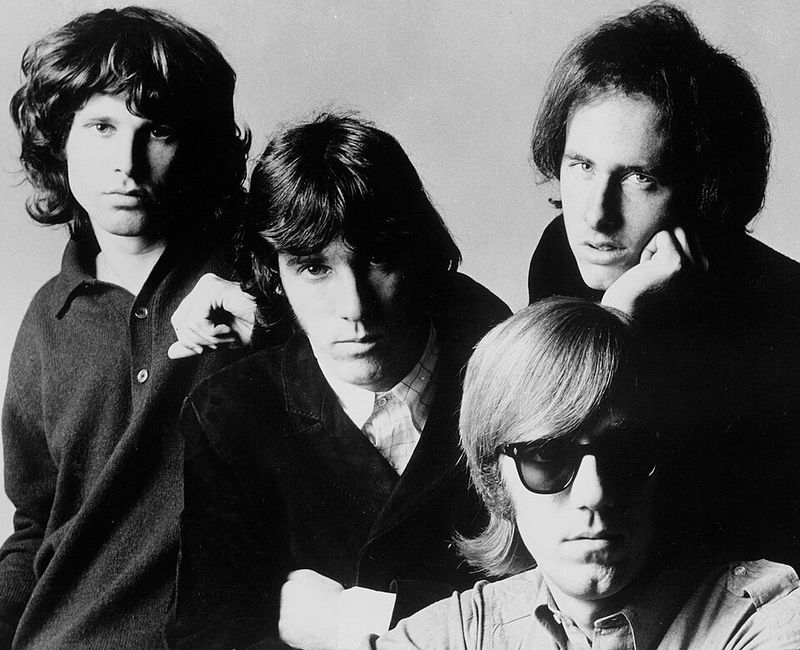
Organ notes swirl like incense, then the groove loosens your shoulders. Light My Fire took The Doors from art-scene intrigue to radio dominion.
Jim Morrison crooned apocalypse like a love letter, while Raymond’s keys slithered in neon.
The edited single topped the Billboard Hot 100 in 1967, while the full album cut stretched into jazz-inflected solos that felt like midnight. Their Ed Sullivan appearance, controversial and unforgettable, etched their mystique onto national TV.
Suddenly, poetry and provocation had a prime-time slot.
It is the rare hit that exists in two lives, concise and extended, each illuminating the other. Clubs pulsed differently after this, and the band’s mythology hardened.
If you have ever watched a crowd lean forward as the organ climbs, you know the door opening. The flame still moves.



