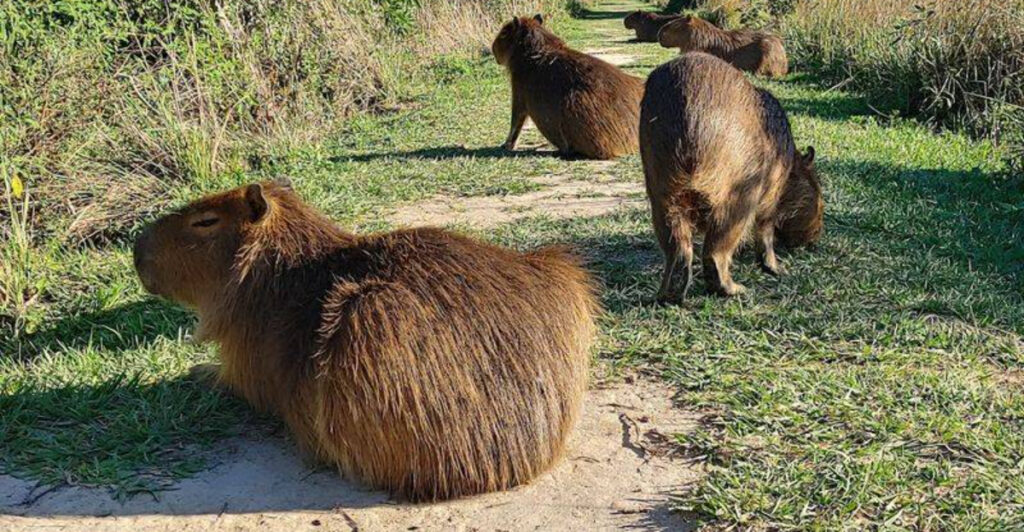
South America is home to some of the most extraordinary wildlife on Earth, from jaguars prowling wetlands to penguins waddling along windy coastlines. The best part?
You do not need a big budget to experience it. Across the continent, national parks, reserves, and natural areas offer affordable or even free access to incredible animals in their natural habitats.
Whether you are a first-time traveler or a seasoned nature lover, these 15 destinations prove that unforgettable wildlife encounters are well within reach.
1. Pantanal, Brazil
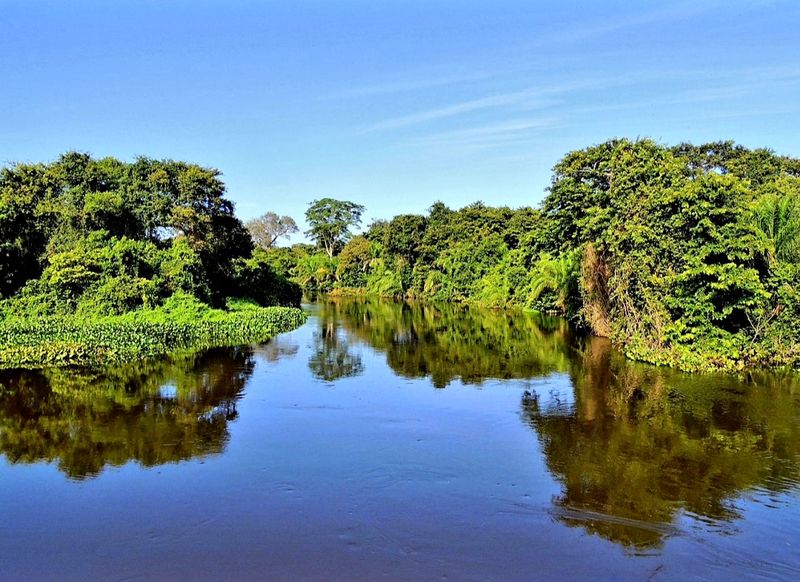
Stretching across more than 150,000 square kilometers, the Pantanal is the world’s largest tropical wetland, and it delivers wildlife sightings that rival any safari on the planet. Jaguars, giant otters, capybaras, and caimans are regularly spotted from public roads and basic boat tours that cost very little.
Hyacinth macaws, the world’s largest flying parrots, fly overhead in brilliant blue flashes. Hundreds of bird species fill the air with sound from sunrise to sunset.
Budget-friendly lodges and campsites line the main access road, the Transpantaneira, making overnight stays affordable.
The dry season, from July to October, is ideal because animals gather near shrinking water sources and are easier to spot. Even short day trips from Cuiaba or Campo Grande offer remarkable sightings.
Visitors consistently describe the Pantanal as one of the most wildlife-rich places they have ever visited, without the hefty price tag.
2. Esteros del Ibera, Argentina
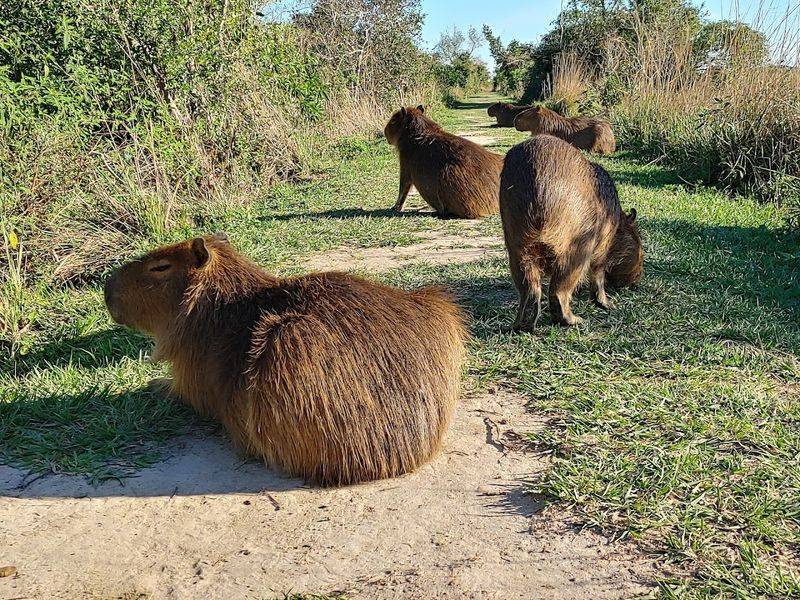
Few places in South America match the raw, unhurried beauty of Esteros del Ibera. This vast wetland in northeastern Argentina covers roughly 13,000 square kilometers and is one of the continent’s most important freshwater ecosystems.
Entry to many of its trails and overlooks is completely free.
Capybaras graze lazily along the water’s edge, seemingly unbothered by visitors. Marsh deer, broad-snouted caimans, and howler monkeys are spotted regularly, even on short walks.
Birdwatchers will be thrilled by the sheer variety of species, including jabiru storks, roseate spoonbills, and chestnut-bellied herons.
The town of Colonia Carlos Pellegrini serves as the main base and offers budget guesthouses and community-run boat tours at reasonable prices. Argentina has also been reintroducing giant anteaters and pampas deer to the area, making each visit feel fresh and full of possibility.
Wildlife here feels genuinely wild and wonderfully close.
3. Manu Biosphere Reserve Buffer Zone, Peru
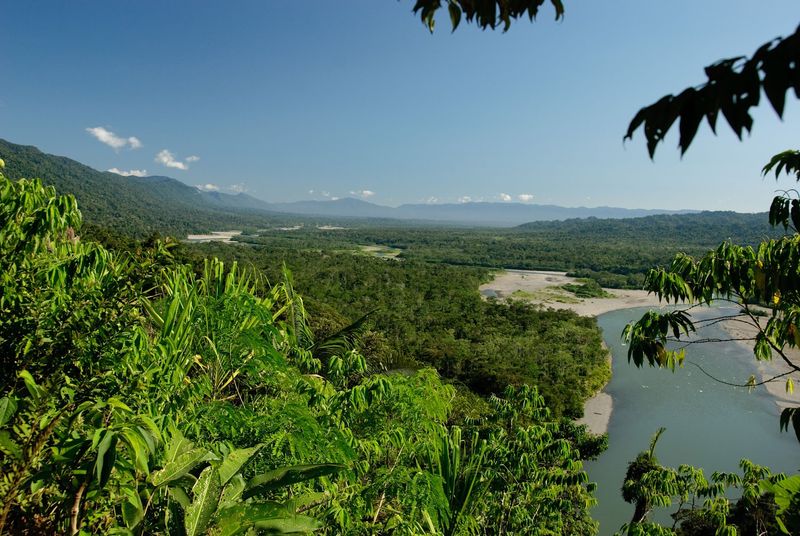
The Manu Biosphere Reserve is one of the most biodiverse places on Earth, but its core zone requires expensive, permit-based tours. The good news is that the surrounding buffer zone, especially the areas around Pilcopata and Atalaya, offers genuinely thrilling wildlife encounters at a fraction of the cost.
Woolly monkeys swing through the canopy overhead while brilliant macaws gather at riverside clay licks in noisy, colorful flocks. Butterflies in dozens of species flutter along the roadsides, and the sounds of the forest are constant and mesmerizing.
Local guides in these gateway communities charge very reasonable rates.
The road from Cusco down into the cloud forest is itself an adventure, passing through multiple ecological zones where birds and mammals appear at nearly every turn. Budget travelers have long relied on this region as a more accessible alternative to pricier Amazon lodge packages.
The wildlife here is abundant and endlessly rewarding.
4. El Yacuma River, Bolivia
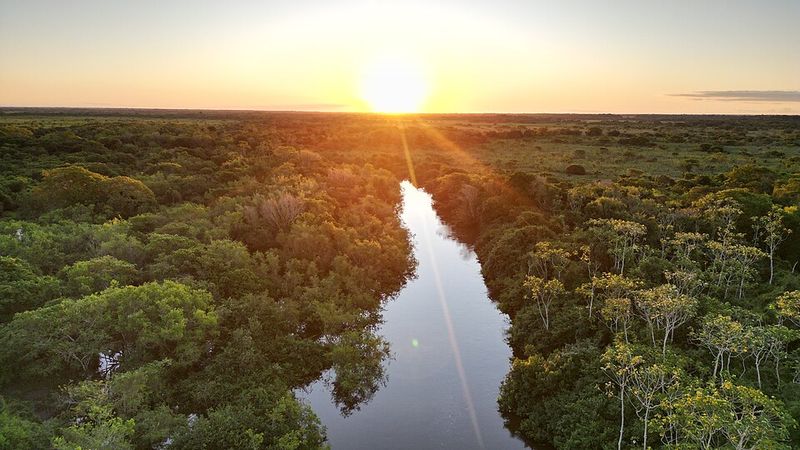
Bolivia does not always top travelers’ wildlife lists, but the Yacuma River in the Beni Department is a hidden gem that punches well above its weight. Budget boat trips along this slow-moving river regularly turn up pink river dolphins, black caimans, anacondas, and capybaras all within a single afternoon.
The small town of Santa Rosa de Yacuma serves as the main launch point, and local operators offer affordable half-day and full-day river excursions. Turtles sun themselves on logs, and the birdlife is extraordinary, with herons, kingfishers, and macaws appearing around nearly every bend.
What makes the Yacuma especially appealing for budget travelers is its relative lack of tourist infrastructure, which keeps prices low and the atmosphere authentic. Accommodations in Santa Rosa are basic but inexpensive.
Visiting between June and October, during the dry season, tends to produce the best wildlife sightings when animals concentrate near the water.
5. Valdes Peninsula, Argentina
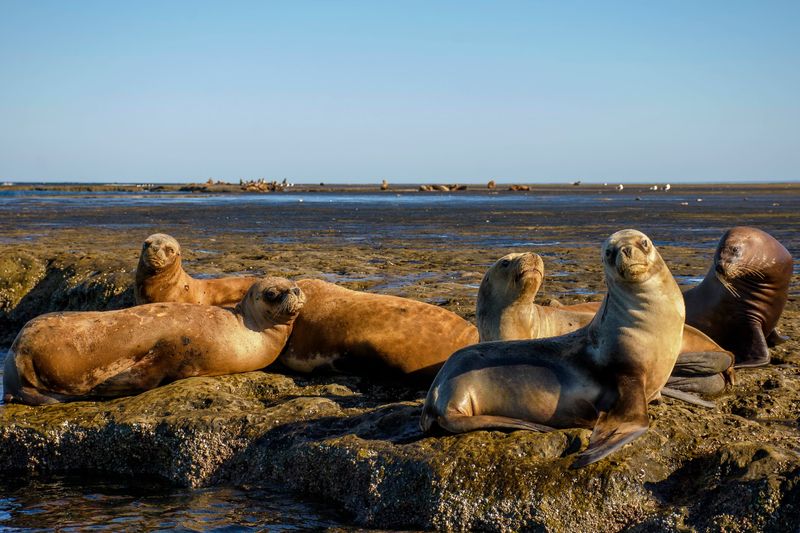
Declared a UNESCO World Heritage Site, the Valdes Peninsula in Patagonia is one of South America’s most celebrated wildlife destinations, and it remains surprisingly affordable to visit. Entrance fees to the peninsula are modest, and the concentration of animals is nothing short of spectacular.
Southern right whales arrive between June and December to breed and nurse their calves in the sheltered bays. Elephant seals, sea lions, and Magellanic penguins occupy the beaches in large, noisy colonies.
Guanacos and Patagonian maras roam the dry scrubland of the interior, often visible from the roadside.
The town of Puerto Madryn, just 65 kilometers away, offers a wide range of budget accommodation and serves as the most popular base for exploring the peninsula. Self-driving is the most cost-effective way to cover the area.
Early morning visits to the seal and sea lion colonies tend to yield the most active and photogenic wildlife behavior.
6. Parque Nacional El Palmar, Argentina
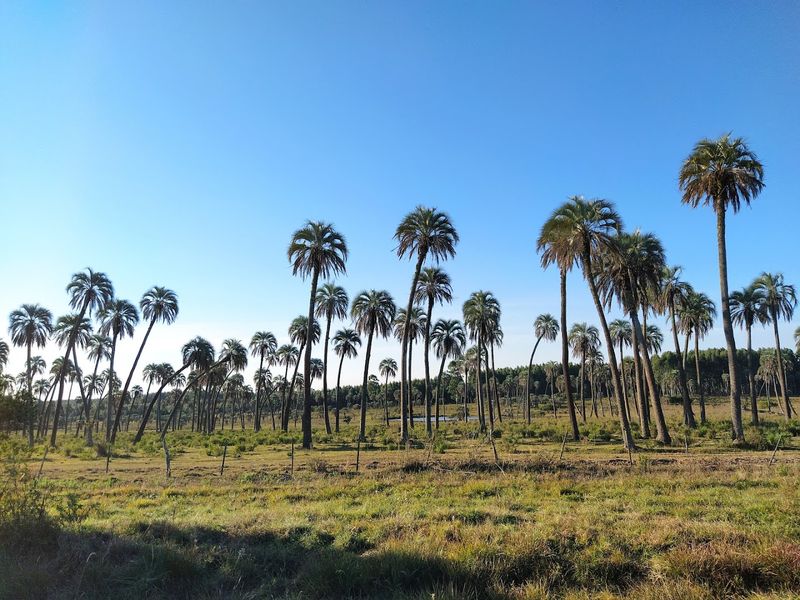
Tucked along the banks of the Uruguay River in Entre Rios province, El Palmar National Park is one of Argentina’s most underrated natural treasures. Entry fees are among the most affordable of any national park in the country, and the wildlife encounters begin almost immediately after passing through the gate.
Capybaras wander the campgrounds without a trace of fear, often grazing just meters from tents and picnic tables. Rheas stride across the open grasslands, armadillos shuffle through the undergrowth, and foxes are frequently spotted at dawn and dusk.
Over 300 bird species have been recorded here, delighting birdwatchers of all experience levels.
The park is also famous for its stunning groves of ancient yatay palms, some of which are hundreds of years old, giving the landscape a prehistoric, almost dreamlike quality. Camping facilities are inexpensive, and the park is easily accessible by bus from Buenos Aires or Parana.
Weekdays tend to be quieter and more rewarding for wildlife spotting.
7. Manglares Churute Reserve, Ecuador
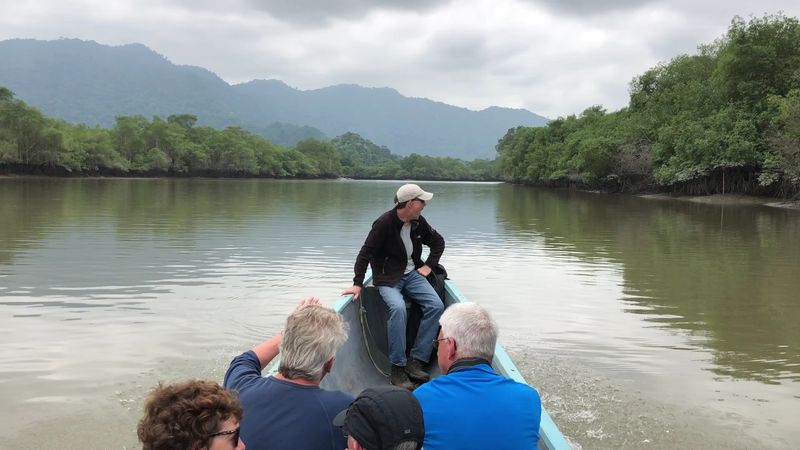
Ecuador’s Reserva Ecologica Manglares Churute, located in the coastal province of Guayas, offers one of the most affordable and accessible wildlife experiences on the Pacific coast of South America. The reserve protects a remarkable mosaic of mangroves, dry forests, and freshwater lagoons that shelter an impressive array of species.
Howler monkeys crash through the canopy above the boat trails, their booming calls echoing across the water. American crocodiles glide silently beneath the surface, and waterbirds, including frigatebirds, herons, and ibises, crowd the treetops in impressive numbers.
Guided boat tours through the mangrove channels are available at community-run rates that remain very budget-friendly.
The reserve is only about 50 kilometers from Guayaquil, Ecuador’s largest city, making it an easy day trip for travelers passing through. Flamingos can sometimes be spotted in the lagoons during certain seasons, adding an unexpected burst of color to the landscape.
Mornings offer the calmest water and the most active wildlife.
8. Los Llanos, Colombia
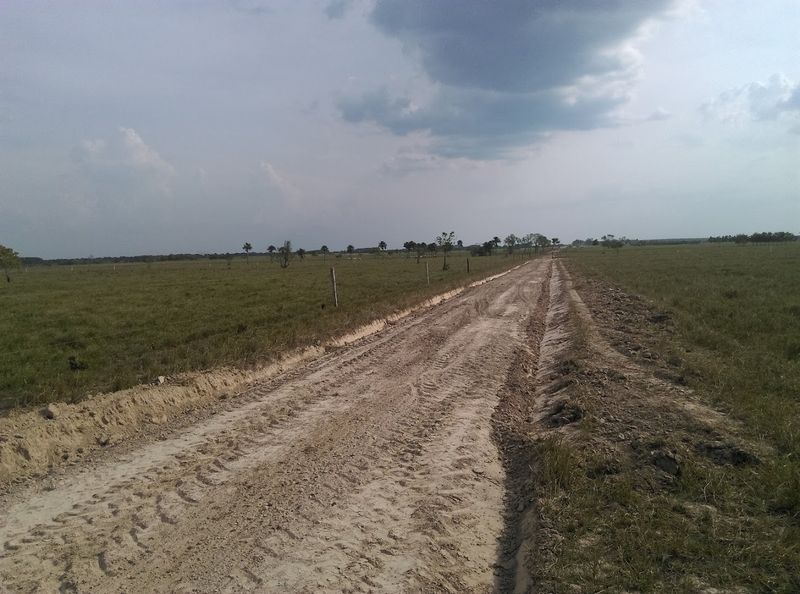
Colombia’s eastern plains, known as Los Llanos, cover a vast area of seasonally flooded savanna that transforms into one of South America’s great wildlife spectacles during the dry season. This region is the Colombian equivalent of Venezuela’s famous Llanos, and it is far less visited by international tourists, keeping costs genuinely low.
Capybaras gather in enormous herds near water sources, while giant anteaters shuffle across the open grasslands in their unhurried, prehistoric way. Caimans bask on muddy banks, anacondas lurk in the tall grass, and white-tailed deer graze in the late afternoon light.
The bird diversity is staggering, with scarlet macaws and jabiru storks among the highlights.
Budget eco-lodges and working cattle ranches, called hatos, offer affordable accommodation with wildlife-focused activities included. The towns of Yopal and Villavicencio serve as popular gateway cities.
Visiting between December and March, during the dry season, ensures the most concentrated and dramatic wildlife viewing opportunities across the plains.
9. Chapada dos Guimaraes National Park, Brazil
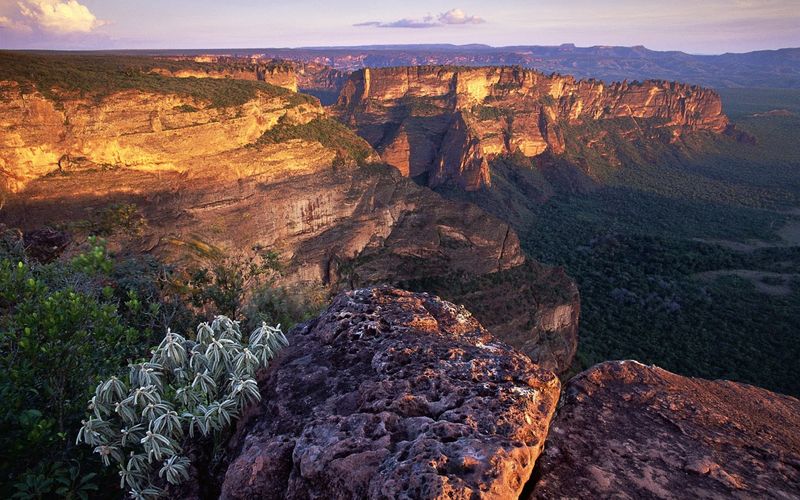
Sitting atop a dramatic plateau in the state of Mato Grosso, Chapada dos Guimaraes National Park combines jaw-dropping scenery with genuinely affordable wildlife encounters. The park’s entrance fees are modest, and many of the best trails are suitable for self-guided hiking without the need for expensive guides.
Toucans perch in the treetops along the canyon trails, their oversized bills almost comically large. Hyacinth macaws and other parrots streak overhead in brilliant flashes of color, while coatis, those curious raccoon-like mammals, sniff around the picnic areas with cheerful persistence.
Capuchin monkeys are also commonly spotted in the forested sections of the park.
The town of Chapada dos Guimaraes, just outside the park boundary, offers a range of budget guesthouses and local restaurants. The famous Veu de Noiva waterfall is one of the park’s most visited spots and is easily reached on foot.
Early morning hikes consistently deliver the most active and visible wildlife throughout the year.
10. Pacaya-Samiria Access Towns, Peru
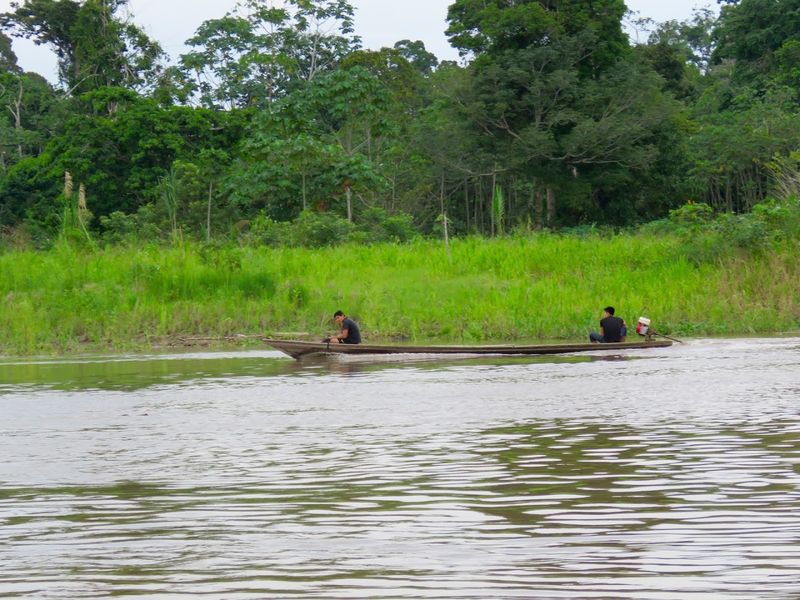
Pacaya-Samiria is one of the largest protected areas in Peru, covering over 20,000 square kilometers of flooded Amazon forest, and while deep access requires organized tours, the towns near its entrance, particularly Nauta, offer budget-friendly day excursions that reveal remarkable wildlife.
Pink river dolphins are the star attraction, frequently surfacing near small wooden boats as they navigate the coffee-colored rivers. Sloths hang motionless from cecropia trees along the banks, and squirrel monkeys leap through the lower canopy in energetic, chattering groups.
Caimans are spotted regularly after dark on affordable night tours.
Nauta is reached easily and cheaply from Iquitos by road, making it one of the most accessible Amazon wildlife bases in Peru. Local fishermen often double as informal guides at very reasonable rates.
The wet season, from November to May, brings higher water levels that allow boats to penetrate deeper into the forest, revealing even more of its extraordinary wildlife.
11. Punta Tombo, Argentina
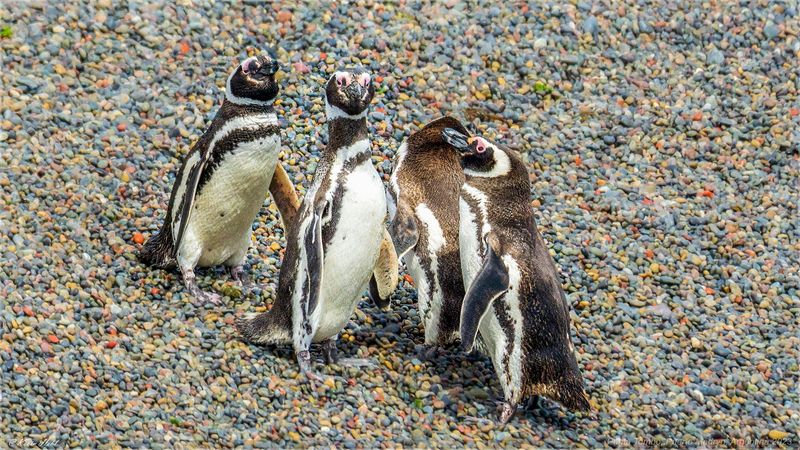
Every year, more than half a million Magellanic penguins return to Punta Tombo on the Patagonian coast of Argentina to breed, making it one of the largest penguin colonies in the world outside of Antarctica. Admission to the reserve is affordable, and the experience of walking among thousands of penguins is nothing short of extraordinary.
Wooden boardwalks wind through the nesting area, bringing visitors within arm’s reach of penguins going about their daily routines, feeding chicks, squabbling with neighbors, and waddling to and from the sea. The colony is active from September through April, with peak activity in November and December when chicks are hatching.
Punta Tombo is located about 100 kilometers south of Trelew, and organized day tours from Trelew or Puerto Madryn are available at reasonable prices. Independent travelers can also rent a car or take a remis taxi for a more flexible visit.
Few wildlife experiences in South America match the sheer spectacle of this penguin gathering.
12. Parque Nacional Huascaran, Peru
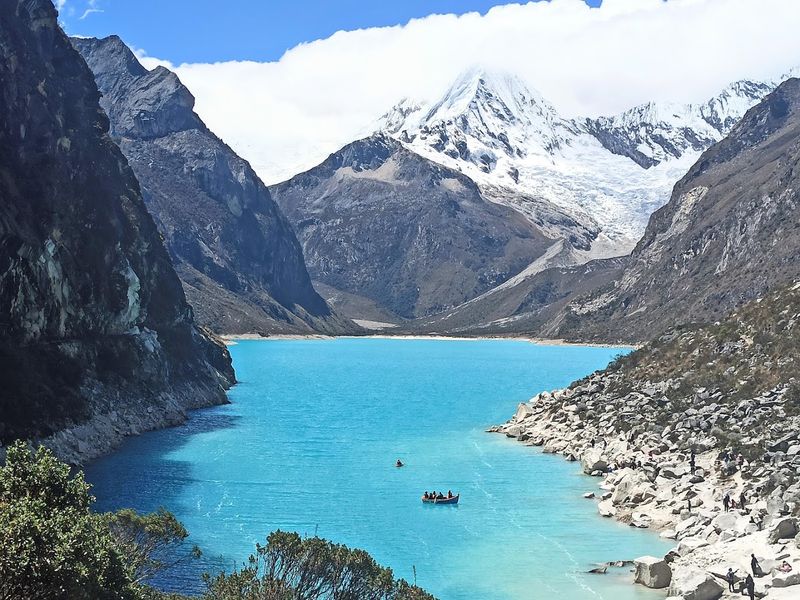
Most travelers visit Huascaran National Park for its towering Andean peaks and stunning glacial lakes, but the park also delivers surprisingly rewarding wildlife encounters at very reasonable entry fees. The high-altitude grasslands, known as puna, support a fascinating community of animals adapted to life above 4,000 meters.
Vicunas, the wild relatives of the llama, graze in relaxed herds across the open valleys, their cinnamon-colored coats glowing in the thin mountain light. Andean foxes trot along the rocky slopes with an air of casual confidence, and Andean condors, with wingspans exceeding three meters, soar on thermal currents above the ridgelines.
Giant hummingbirds, the world’s largest, hover among the flowering puya plants, while puna ibis and Andean geese wade in the shallow wetlands. The Llanganuco Valley near Yungay is one of the most accessible and rewarding areas for wildlife spotting within the park.
Budget accommodation is available in nearby Huaraz, which serves as the main gateway.
13. Noel Kempff Mercado National Park Gateway, Bolivia
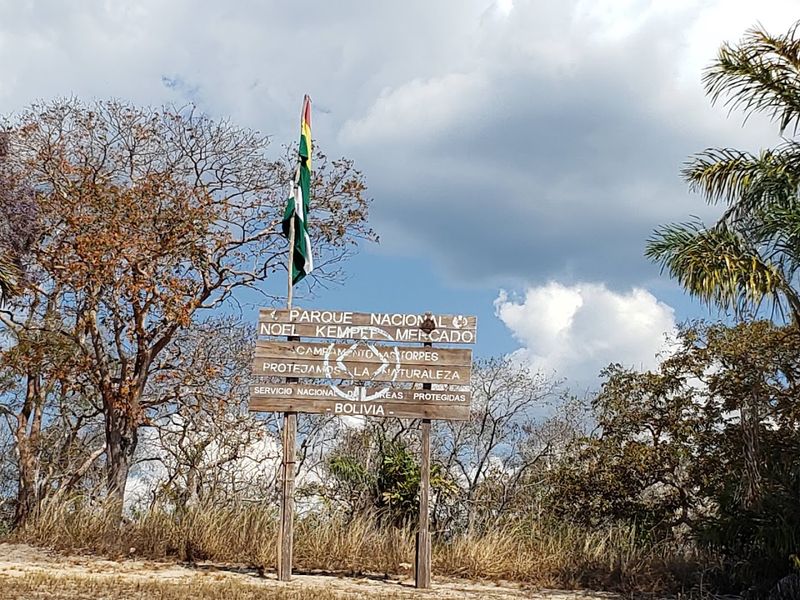
Noel Kempff Mercado National Park in Bolivia’s Santa Cruz department is one of South America’s most remote and pristine wilderness areas, and it reportedly inspired Arthur Conan Doyle’s novel The Lost World. While reaching the park’s interior can be expensive, nearby communities offer more affordable access to its extraordinary surrounding wildlife.
Spider monkeys and howler monkeys are frequently spotted in the forests around the gateway communities, while giant river otters patrol the rivers with playful, boisterous energy. Tapirs, those odd-looking mammals that resemble a cross between a pig and an elephant, leave their distinctive tracks along muddy riverbanks.
Scarlet and blue-and-yellow macaws are practically impossible to miss.
Community-based tourism initiatives in the area are actively working to make wildlife experiences more accessible to budget travelers. Flights from Santa Cruz to the park are expensive, but boat and road combinations reduce costs significantly.
The park’s remarkable biodiversity, which includes over 600 bird species, makes even a brief visit feel deeply worthwhile.
14. Minca and the Santa Marta Mountains, Colombia
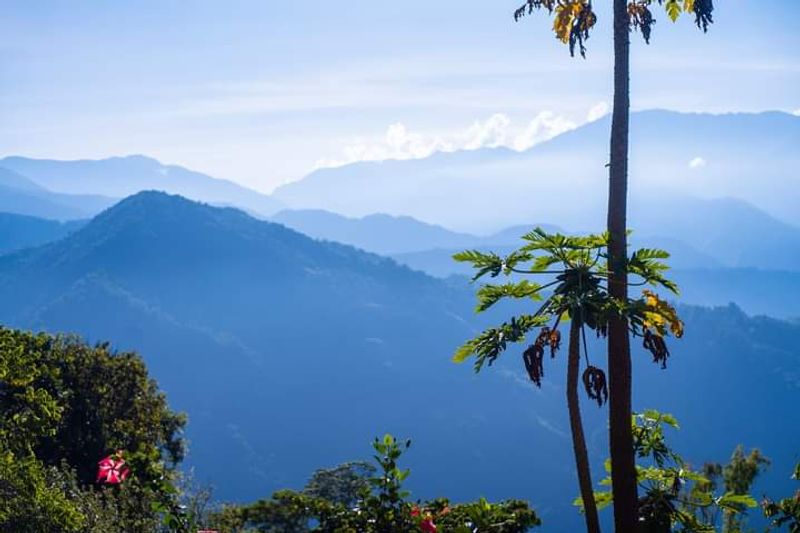
Nestled in the foothills of the Sierra Nevada de Santa Marta, the small village of Minca has become one of Colombia’s most beloved budget birdwatching destinations. The surrounding cloud forest is extraordinarily rich in species, and many of the best birding spots are reached on foot along free or low-cost trails.
Dozens of hummingbird species visit the flowering gardens around Minca’s guesthouses, hovering with impossible precision in front of brightly colored blooms. Toucans and trogons perch in the canopy above the forest trails, while tanagers in every shade of blue, green, and red flit through the understory.
White-faced capuchin monkeys occasionally pass through the treetops overhead.
Minca is only about 45 minutes by road from the Caribbean city of Santa Marta, making it an easy and inexpensive side trip. Accommodation ranges from hammock hostels to comfortable eco-cabins, all at backpacker-friendly prices.
Early morning walks, starting before 7 a.m., consistently produce the most diverse and active bird activity in the forest.
15. Laguna Nimez Reserve, Argentina
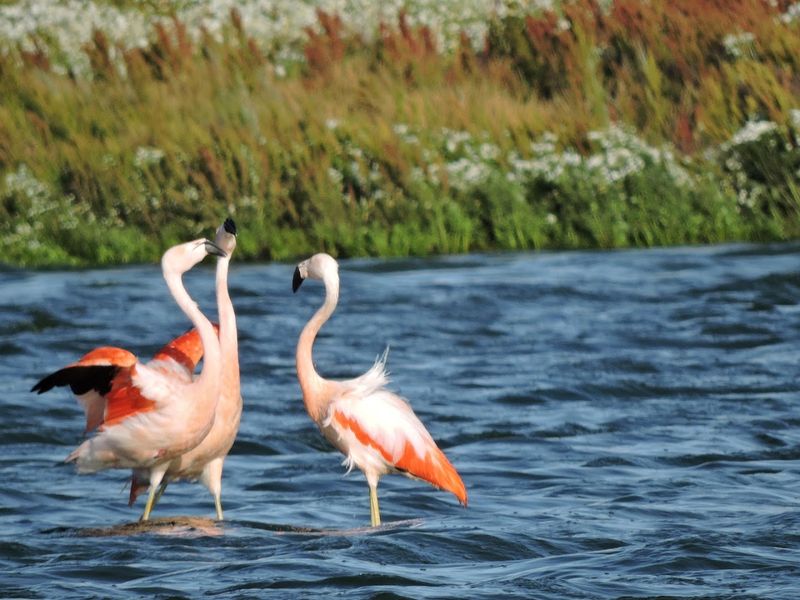
Most visitors to El Calafate come to see the thundering Perito Moreno Glacier, but just a short walk from the town center lies Laguna Nimez, a small nature reserve that offers one of the most charming and affordable wildlife experiences in all of Patagonia. The entrance fee is minimal, and the reserve is easily explored on foot in a couple of hours.
Chilean flamingos wade through the shallow lagoon in loose, pink-tinged flocks, their reflections shimmering in the still water. Black-necked swans glide elegantly between the reeds, and upland geese, with their boldly patterned plumage, graze on the grassy margins.
During migration season, the reserve attracts dozens of additional waterbird species from across South America.
A well-maintained boardwalk loops around the lagoon, keeping visitors at a respectful distance from nesting birds while providing excellent viewing angles. Binoculars are recommended but not essential, as many birds are remarkably approachable.
Visiting in the late afternoon, when the light turns golden over the Patagonian steppe, makes the experience genuinely magical.
Share this story