Summer crowds are great until you’re fighting for a parking spot at 9 a.m. and paying triple for a beach umbrella. The Southern U.S. coastline stretches across some of the most charming, quirky, and flat-out beautiful beach towns in the country, and most of them hit their sweet spot just outside peak season.
I visited a handful of these spots in the off-season and honestly never looked back. Here’s why shoulder season is the real secret weapon for any Southern beach lover.
30A, Florida
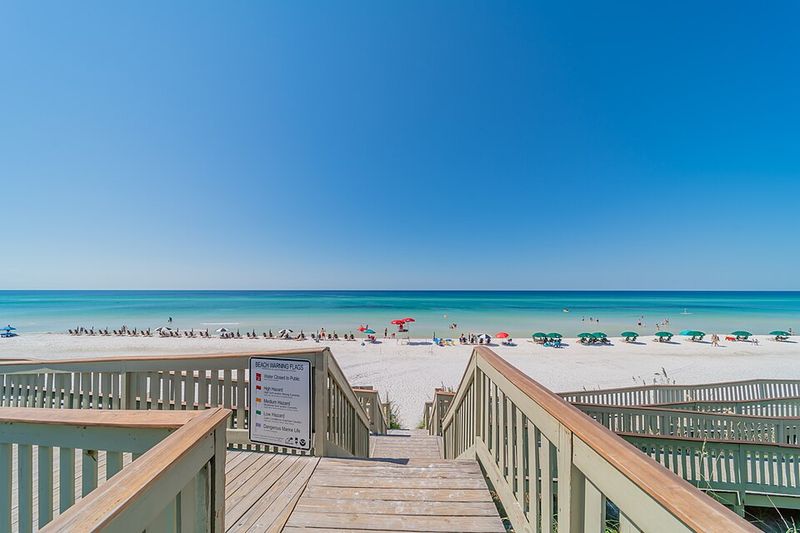
Thirty miles of pure coastal magic, and somehow most people only show up in July. The 30A corridor in South Walton runs through small communities like Seaside, Grayton Beach, and Rosemary Beach, each one more picture-worthy than the last.
In summer, every coffee shop has a line out the door.
Come October or April, the same shops are relaxed, the staff is chatty, and the quartz-white sand is practically yours. Local festivals like the 30A Songwriters Festival in January draw serious music lovers without the chaos of beach season.
Bike rentals are cheaper, restaurant waits drop to near zero, and the water stays warm well into fall. The vibe shifts from chaotic resort town to something that feels genuinely livable.
That’s the version of 30A worth experiencing.
Key West
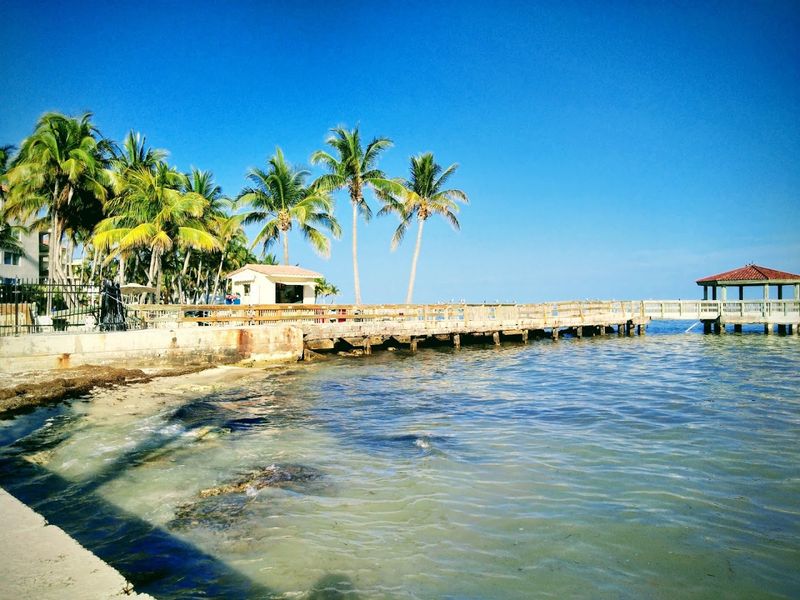
Key West has a reputation for being loud, and honestly, it earns it every summer. But strip away the cruise ship crowds and spring breakers, and what’s left is one of the most fascinating small cities in America.
The architecture alone is worth the trip.
I went in early November once, and the difference was startling. Bars were full but not suffocating, and locals actually made eye contact.
The weather hovered around 80 degrees, the sunsets were absurdly good, and hotel rates had dropped by nearly half. Key West’s charm is rooted in its quirky history as a pirate port, cigar manufacturing hub, and Ernest Hemingway’s longtime home.
That history doesn’t go anywhere in the off-season. Fantasy Fest in late October adds a wild, creative energy that’s nothing like the generic summer beach scene.
Go between November and April for the best balance of weather, price, and personality.
Islamorada
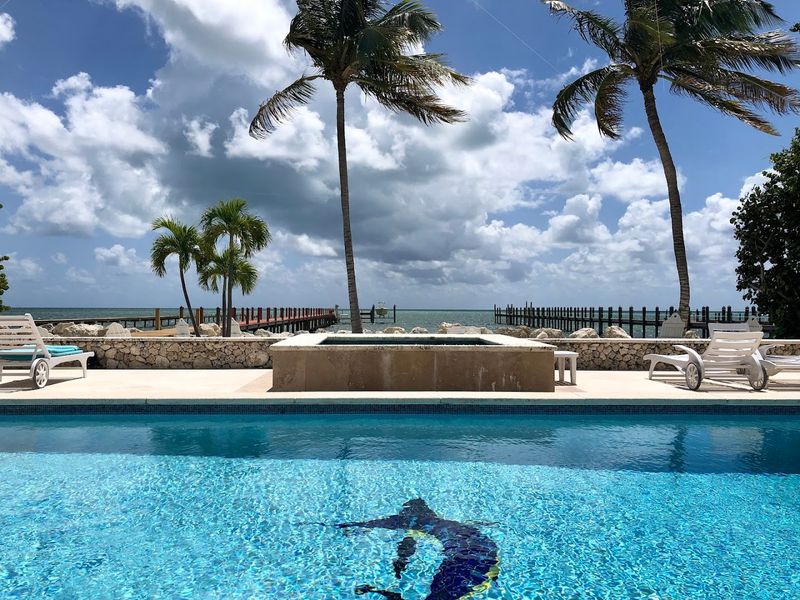
Known as the “Sport Fishing Capital of the World,” Islamorada doesn’t mess around when it comes to outdoor credentials. Stretched across six islands in the Upper Keys, this town is less flashy than Key West and completely fine with that.
The fishing here is legendary year-round, but fall is when serious anglers show up and the tourist numbers thin out.
September through November brings some of the best tarpon and bonefish action of the year. Charter rates drop, marinas are less crowded, and the sunsets over Florida Bay are genuinely ridiculous.
The local food scene punches way above its weight, with waterfront spots serving fresh mahi, lobster, and stone crab in season. Robbie’s Marina is a must-visit any time of year, but off-season you can actually feed the tarpon without elbowing past twenty strangers.
Islamorada rewards the traveler who shows up when everyone else has gone home.
Outer Banks
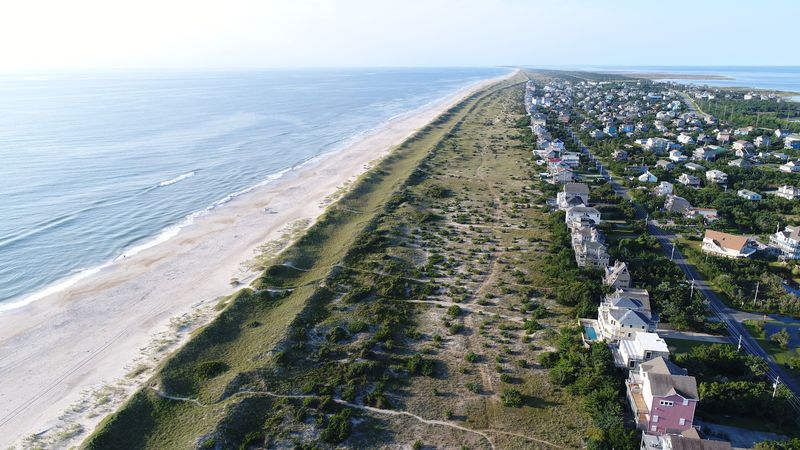
The Outer Banks might be the most dramatic stretch of coastline on the East Coast, and fall turns it into something almost cinematic. These barrier islands off North Carolina are famous for shipwrecks, wild horses, and the Wright Brothers’ first flight.
Summer packs the place wall to wall, but by late September the crowds evaporate.
What’s left is extraordinary. Miles of undeveloped national seashore, uncrowded lighthouse trails, and the wild Corolla horses wandering the northern beaches without a tour bus in sight.
Surf fishing picks up significantly in fall, with red drum running strong along the shore. Hatteras Island becomes a surfer’s playground when late-season swells roll in.
Rental prices drop dramatically after Labor Day, and many locals say the weather in October is the best of the year. The OBX in the off-season feels less like a tourist destination and more like a real place worth knowing.
Wilmington and Beaches
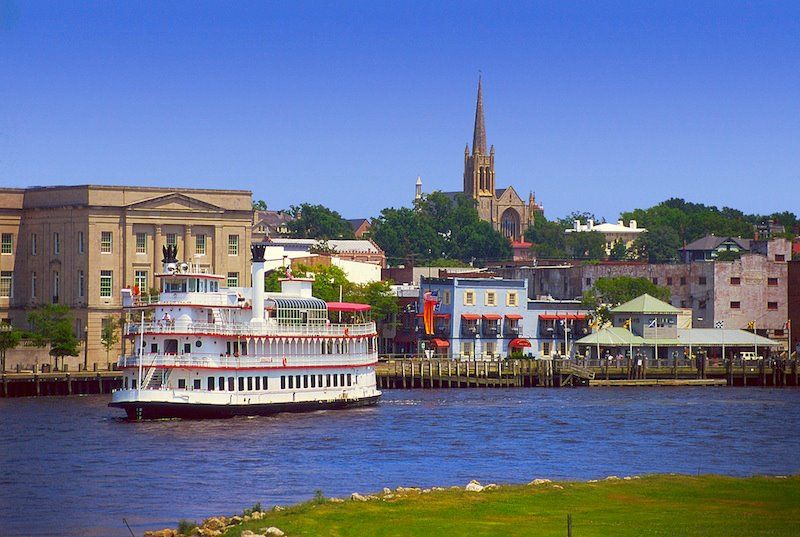
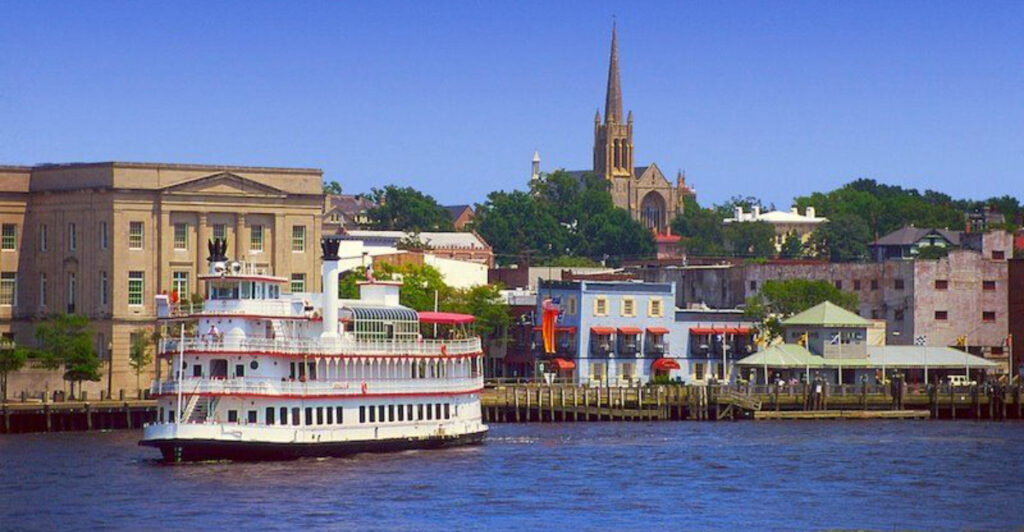
Wilmington is pulling double duty as both a vibrant city and a gateway to three distinct beaches, and it handles both roles surprisingly well. Wrightsville Beach is polished and popular, Carolina Beach leans into its retro boardwalk energy, and Kure Beach is quieter and more residential.
Each one has a different personality, and all three are better in the shoulder season.
Spring and fall bring mild temperatures, smaller crowds, and the kind of laid-back coastal atmosphere that summer traffic tends to drown out. The North Carolina Aquarium at Fort Fisher near Kure Beach is a genuinely great stop with almost no wait outside peak months.
Wilmington’s downtown is full of independent restaurants, live music venues, and a riverfront that’s easy to enjoy on foot. The film industry has a strong presence here too, which gives the city an unexpected creative edge.
Off-season Wilmington rewards curiosity.
Beaufort
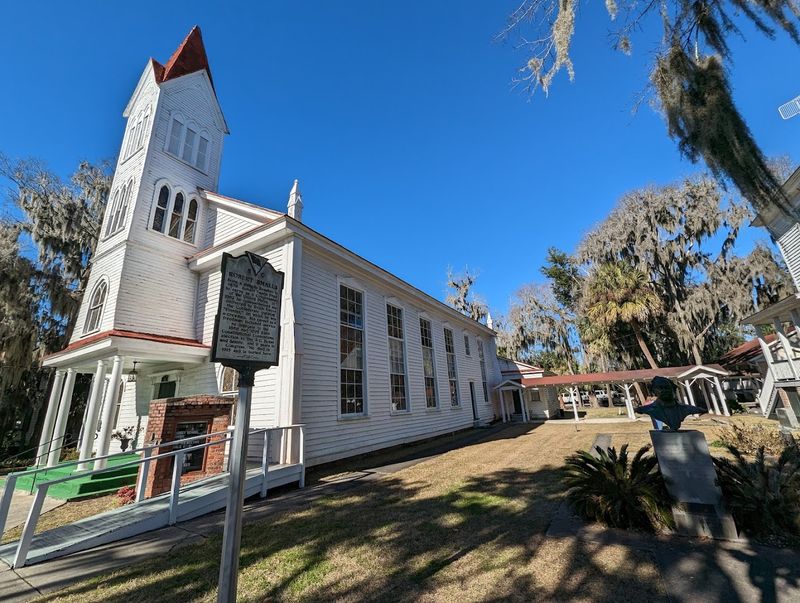
Beaufort, South Carolina is the kind of town that makes you want to slow down even on a Tuesday. The antebellum homes, the Spanish moss, the tidal creeks winding through the Lowcountry landscape, it all adds up to something genuinely unhurried.
Summer brings heat and humidity that can be brutal, but fall softens everything.
October and November are when Beaufort really shines. The air cools down, the marshes turn golden, and the town’s historic district is easy to explore without sweating through your shirt.
Kayaking through the sea islands is a popular activity, and off-season means more wildlife encounters and fewer paddlers competing for the same routes. The local food scene is rooted in Gullah Geechee tradition, with dishes like shrimp and grits and she-crab soup that taste even better when the setting is this peaceful.
Beaufort is small, but it carries a lot of soul.
Charleston
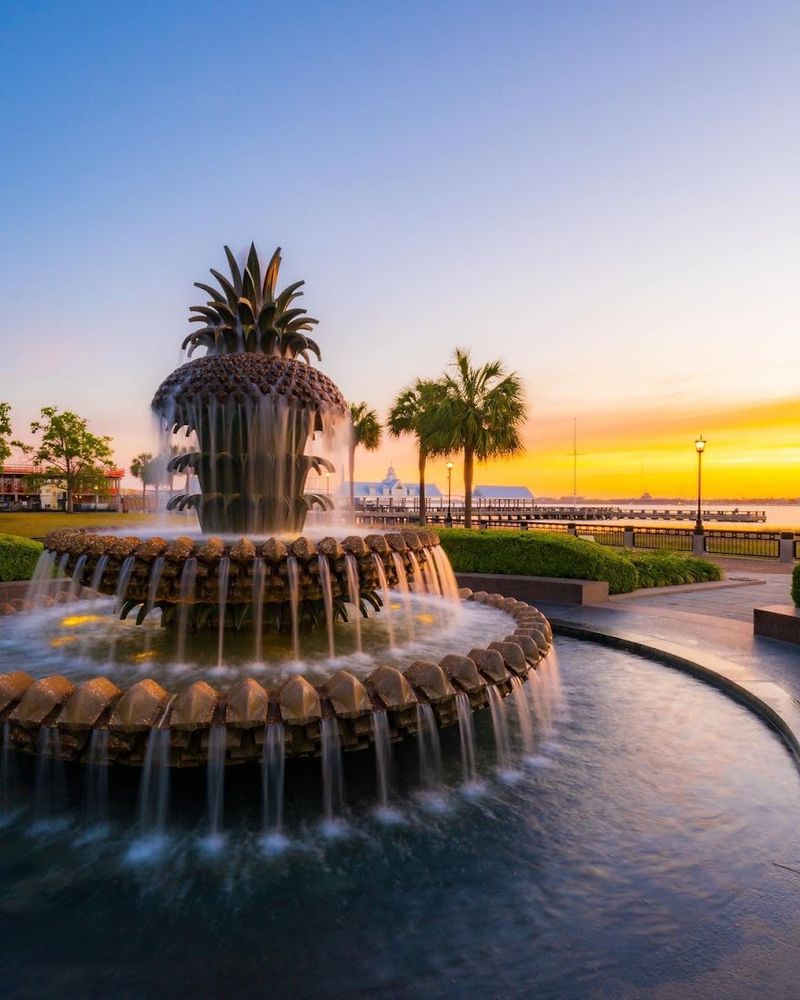
Charleston is one of those cities that gets better every time you visit, especially when you’re not stuck behind a bachelorette party on a pedal bar. Spring and fall are the golden windows here.
The famous azalea blooms in March and April make the city look like a painting, and October brings crisp air and the Spoleto Festival USA’s fall programming.
The food scene in Charleston is world-class by any measure. Restaurants like Husk and Leon’s have national reputations, but dozens of smaller spots are worth equal attention.
Off-season reservations are actually gettable, which changes everything. The historic district is walkable and beautiful year-round, but shoulder season lets you appreciate the architecture without the elbow-to-elbow foot traffic.
Folly Beach is just 20 minutes away for a quick salt fix. Charleston in the off-season feels like a gift that most people don’t know to unwrap.
Folly Beach
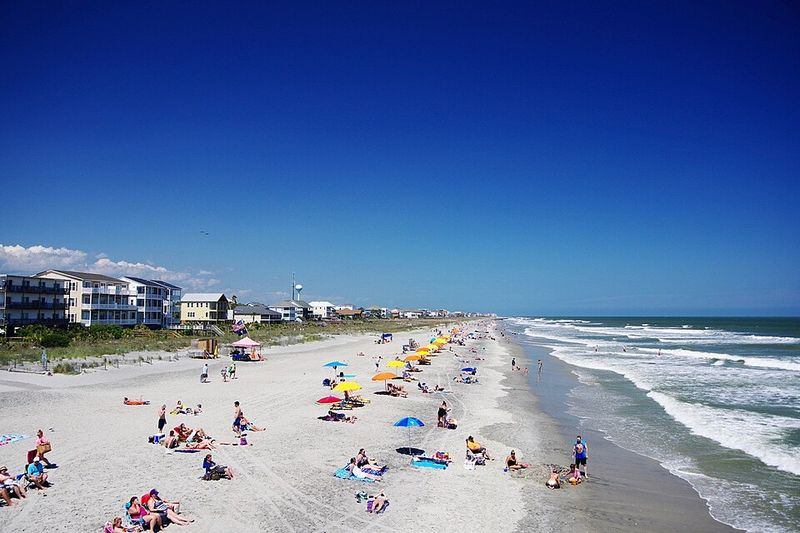
Folly Beach has always had a chip on its shoulder, and that’s exactly what makes it lovable. Just 12 miles from downtown Charleston, it’s the scrappy, surf-friendly alternative to the city’s polished charm.
Locals call it the “Edge of America,” and the nickname fits.
Summer here is packed and sweaty, but fall is when the surf actually gets interesting. Consistent swells roll in from late September through November, and the lineup is far less crowded than peak months.
The pier is a great spot for fishing or just watching the ocean do its thing. Folly’s bar scene stays lively even in the off-season, and the local restaurant options have improved significantly in recent years.
The town holds onto its gritty, unpretentious identity no matter the season, which is refreshing. If you want beach without the resort polish, Folly Beach delivers it year-round, but fall is its finest hour.
Tybee Island
Savannah gets all the press, but Tybee Island is where locals actually go to unwind. Just 18 miles east of Savannah, this small barrier island has a refreshingly unpretentious energy.
It’s not trying to be anything other than a good beach town, and that honesty is part of its appeal.
Off-season, Tybee slows to a pace that matches its laid-back character perfectly. The famous Tybee Island Lighthouse, one of the oldest in the U.S., is far easier to visit without summer queues.
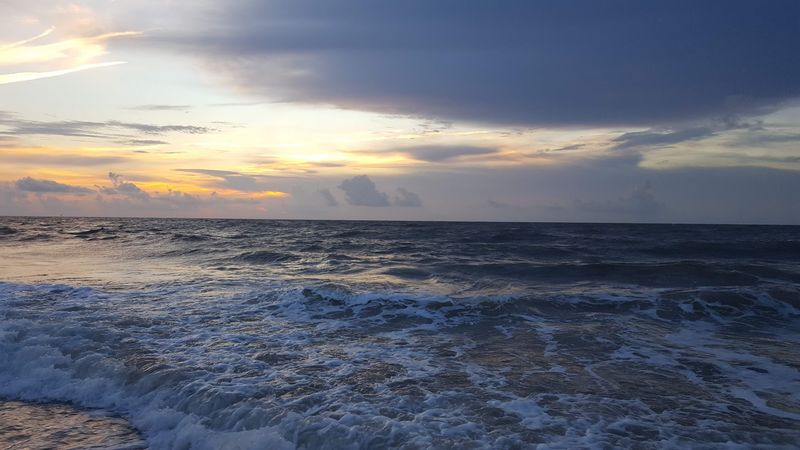
The beach stretches wide and uncrowded from October through April, and the water stays swimmable well into fall. A quick drive to Savannah means world-class dining and history are always nearby.
The Tybee Island Pirate Fest in October is a legitimately fun event that draws a colorful crowd without overwhelming the island. Tybee is Savannah’s best-kept secret, and off-season keeps it that way.
Fairhope
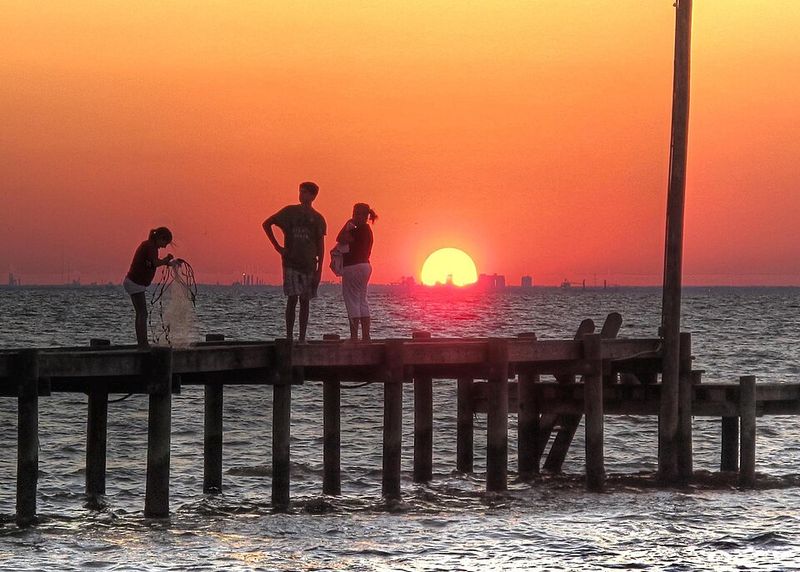
Fairhope is not technically a beach town, but Mobile Bay has its own quiet coastal magic that earns it a spot on this list without apology. This bluff-top arts community on the eastern shore of Alabama has been drawing writers, artists, and free thinkers since the 1890s, when it was founded as a utopian single-tax colony.
That quirky origin story still flavors the town today.
The downtown area is walkable, charming, and stocked with independent galleries, bookshops, and restaurants that change their menus with the seasons. Fall is particularly lovely here, with mild temperatures and the annual Fairhope Arts and Crafts Festival drawing crowds that appreciate creativity over chaos.
The Municipal Pier stretches out over the bay for stunning sunset views without the salt-in-your-eyes wind of a full ocean beach. Fairhope is the kind of place that people stumble upon and then quietly plan to move to.
Off-season makes that feeling even stronger.
Gulf Shores
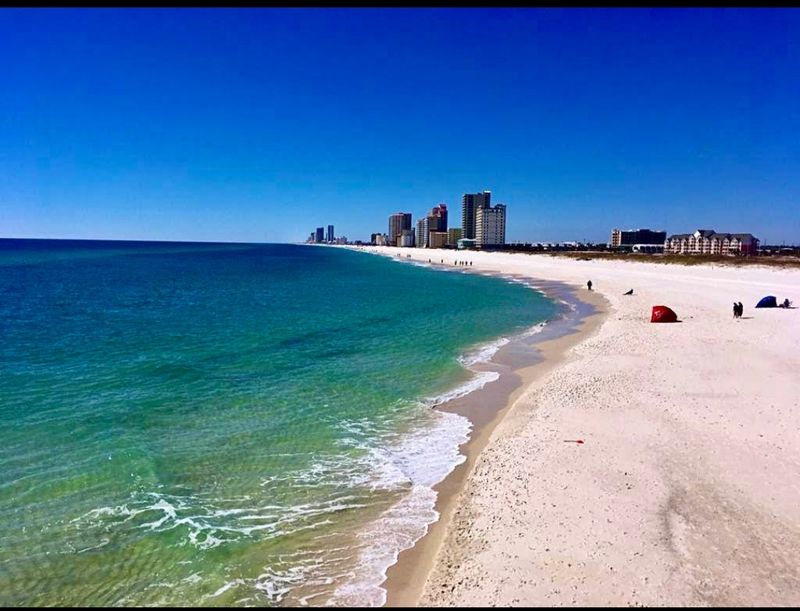
Gulf Shores sits on some of the whitest sand beaches in the entire country, and that’s not a local exaggeration. The sugar-fine quartz sand along Alabama’s Gulf Coast is genuinely remarkable, and it looks best when it’s not buried under beach chairs and umbrella rentals.
That’s exactly what you get from September through April.
The Gulf State Park here is massive and well-maintained, with hiking trails, a fishing pier, and shoreline that stretches for miles. Off-season rates at Gulf Shores rentals drop significantly, making it one of the most affordable beach escapes in the South.
The Hangout Music Festival in May marks the unofficial start of busy season, so arriving just before or just after gives you great weather without the festival traffic. Seafood restaurants along the Gulf stay open year-round, and fall is prime blue crab and oyster season.
Gulf Shores in October might be the best-priced beach vacation in America.
Orange Beach
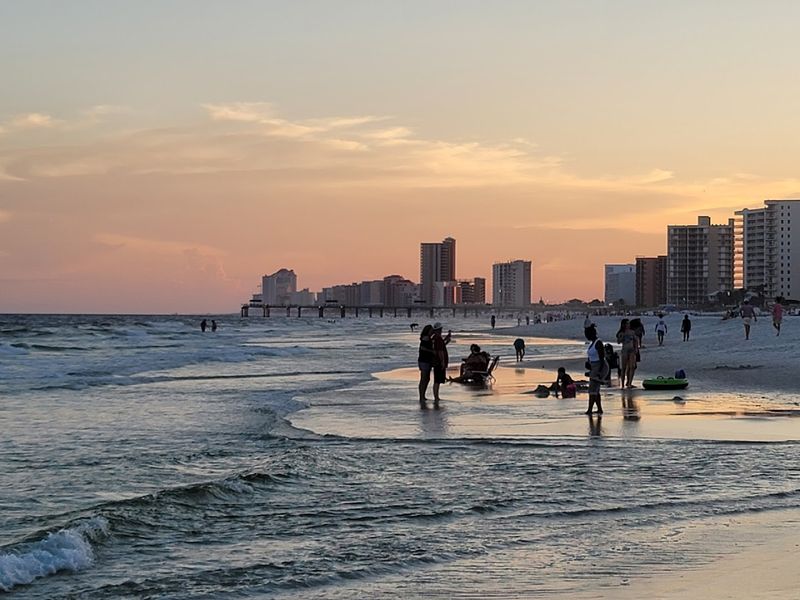
Orange Beach sits right next to Gulf Shores but has its own distinct identity built around deep-sea fishing, fresh seafood, and a slightly more upscale coastal vibe. The marina here is one of the most active on the Gulf Coast, and charter fishing is a year-round industry that hits peak value in the off-season.
Fall and spring bring milder weather, fewer families with kids on school schedules, and significantly better fishing conditions for species like amberjack, red snapper, and grouper. The Wharf entertainment district stays open well into the shoulder season with restaurants, live music, and a Ferris wheel that gives you a surprisingly good aerial view of the coast.
Perdido Pass is a beautiful spot to watch boats come and go, especially at sunset when the light turns everything golden. Orange Beach is the quieter, slightly classier sibling of Gulf Shores, and off-season is when that quality really shows.
Ocean Springs
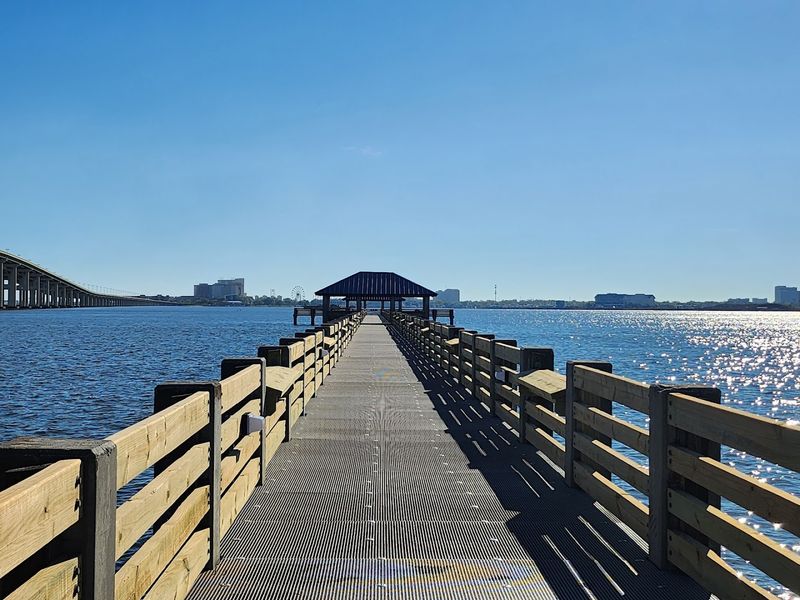
Most people blow right past Ocean Springs on the way to somewhere else, and that is genuinely their loss. This small Mississippi Gulf Coast town has an arts scene that punches so far above its weight class it’s almost unfair.
The Walter Anderson Museum of Art alone is worth a detour from anywhere within a three-hour drive.
Ocean Springs has the feel of a place that figured out what it wanted to be and just quietly became it. The downtown strip is lined with galleries, farm-to-table restaurants, and independent shops that stay open year-round.
Off-season means the town reverts to locals, which is when its real personality comes through. The beach at Gulf Islands National Seashore nearby is pristine and nearly deserted outside summer.
The Peter Anderson Arts and Crafts Festival in November draws tens of thousands of visitors for one weekend but otherwise keeps a low profile. Ocean Springs is a genuine hidden gem that rewards the curious traveler.
South Padre Island
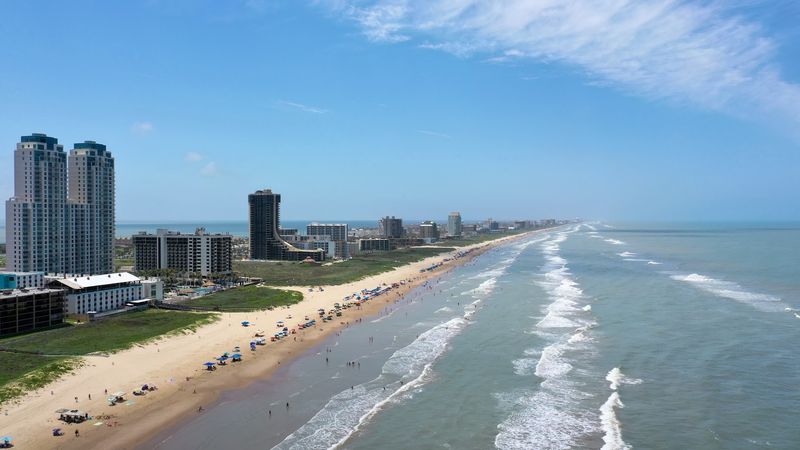
Spring break gives South Padre Island a reputation that doesn’t do the place justice for the other eleven months of the year. Once the college crowds clear out, what’s left is a surprisingly beautiful barrier island with warm Gulf water, excellent birding, and a laid-back Texas coastal culture that’s hard to find elsewhere.
The World Birding Center on the island makes fall migration season a legitimate event, with hundreds of species passing through between September and November. Kiteboarding is huge here, and fall winds make conditions ideal for both beginners and experienced riders.
Fishing from the Queen Isabella Causeway or local piers is popular year-round, but off-season charters are cheaper and less booked out. The Texas Tropical Star Shrimp Festival in the fall celebrates local seafood with genuine community enthusiasm.
Hotel rates outside March and summer drop substantially, making South Padre one of the best-value beach destinations on the Gulf Coast.
St. Augustine Beach
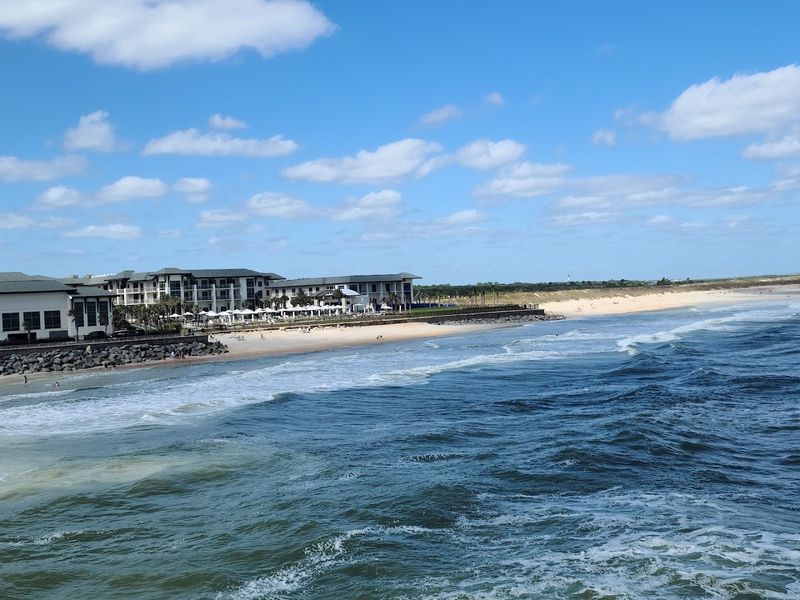
St. Augustine is the oldest continuously occupied European settlement in the United States, and somehow it also has a great beach. That combination of deep history and accessible coastline makes it one of the most interesting stops on Florida’s Atlantic side.
The beach itself is wide, uncrowded outside summer, and backed by a town that has centuries of stories to tell.
The historic district is walkable year-round, but spring and fall are when it’s genuinely pleasant to spend hours on foot. Castillo de San Marcos, the 17th-century stone fort overlooking the bay, is one of the most impressive historic sites in the South.
St. Augustine Lighthouse is worth climbing for the views alone. The Nights of Lights holiday display from November through January turns the old city into something magical and draws visitors who aren’t just there for the beach.
St. Augustine rewards travelers who want both history and sand without paying summer prices.
Share this story