Some of the most surprising escapes in the world are hidden inside the world’s busiest cities. City parks offer fresh air, green trees, open water, and wildlife just steps away from honking taxis and crowded sidewalks.
Whether you’re a traveler planning your next trip or simply curious about the planet’s greatest green spaces, these parks will leave you genuinely amazed. Get ready to explore 15 incredible urban parks that prove nature and city life can coexist beautifully.
Central Park – New York City, New York
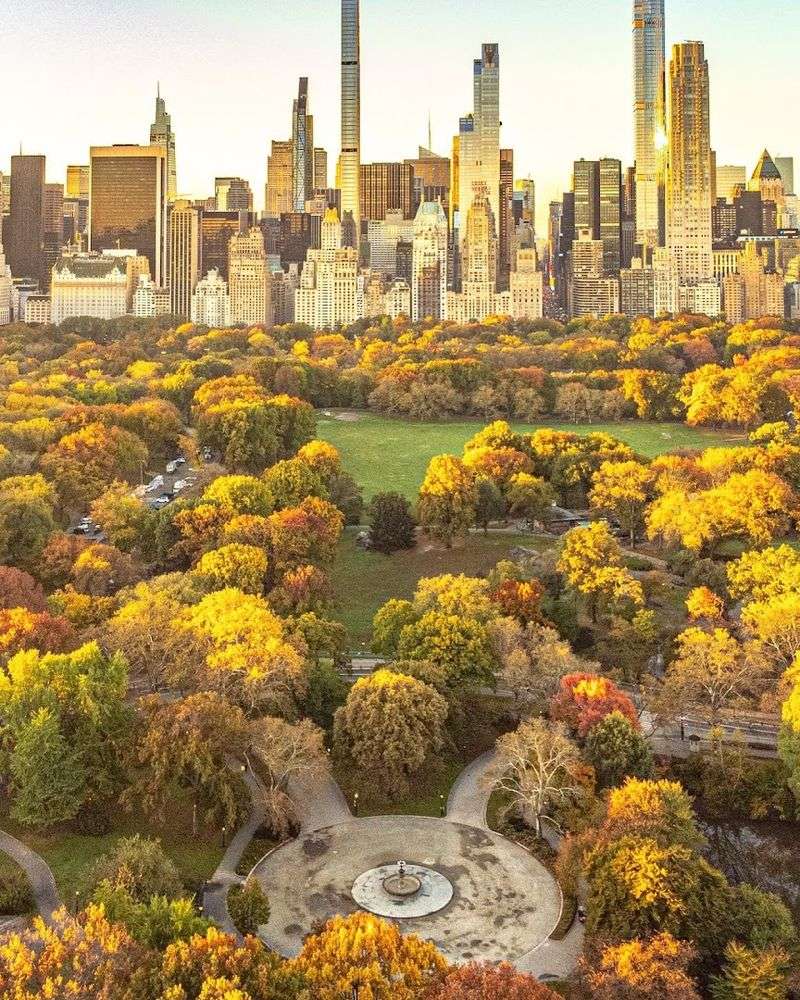
Eight million people live in New York City, and somehow, 843 acres of pure green paradise sits right in the middle of it all. Central Park is the kind of place where you can watch a Shakespeare play on the Great Lawn, then rent a rowboat on the lake an hour later.
It truly does it all.
The park opened in 1858 and was designed by Frederick Law Olmsted and Calvert Vaux, who wanted working-class New Yorkers to have a beautiful outdoor space. Today, over 42 million people visit each year.
That makes it one of the most visited parks on the entire planet.
Joggers, dog walkers, street performers, chess players, and tourists all share this space without any trouble. The Bethesda Fountain, Bow Bridge, and Strawberry Fields are among the most photographed spots.
Wildlife lovers will be glad to know that over 200 bird species pass through during migration season. Central Park is not just a park; it is a living, breathing part of New York’s identity.
Stanley Park – Vancouver, British Columbia
Standing beneath a 500-year-old Douglas fir tree while ocean waves crash nearby is an experience most city parks simply cannot offer. Stanley Park in Vancouver pulls that off without breaking a sweat.
At 1,001 acres, it is actually larger than Central Park and borders the Pacific Ocean on three sides.
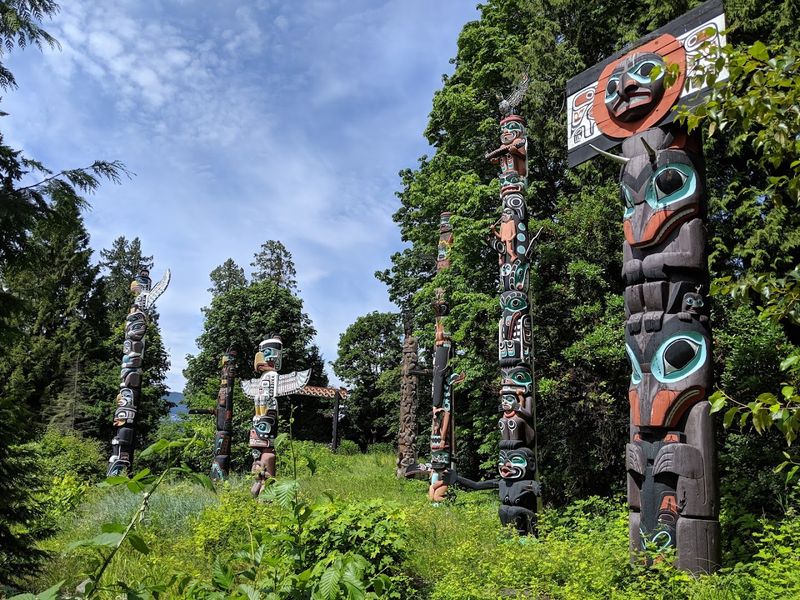
The famous Seawall path stretches around the entire park, offering walkers and cyclists breathtaking views of Burrard Inlet and the North Shore Mountains. Inside the park, you’ll find beaches, totem poles carved by Indigenous artists, a rose garden, and enough forest trails to get happily lost in for hours.
What makes Stanley Park genuinely special is how wild it still feels. Raccoons wander the trails at dusk, great blue herons nest in the treetops, and coyotes have been spotted trotting along the seawall.
The park was established in 1888 and sits just minutes from downtown Vancouver’s glass towers. Locals treat it like a second backyard, and visiting it even once makes it easy to understand exactly why they feel that way.
Hyde Park – London, England
Somewhere between a royal garden and a people’s playground, Hyde Park has been London’s favorite outdoor escape for nearly 500 years. King Henry VIII originally used it as a private hunting ground in 1536.
Lucky for everyone, it was eventually opened to the public in the 17th century.
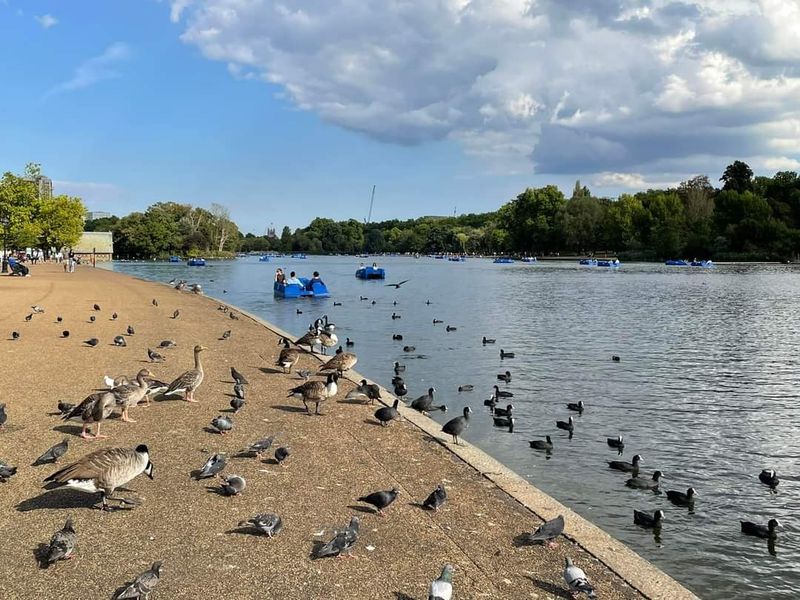
The park covers 350 acres and sits right in the center of the city, surrounded by Kensington, Mayfair, and Bayswater. The Serpentine Lake is its crown jewel, where visitors can rent pedal boats or swim in the Lido during summer months.
Speakers’ Corner, a tradition since the 1800s, lets anyone stand up and share their opinions out loud every Sunday morning.
Hyde Park has also hosted some of history’s most legendary concerts, including performances by The Rolling Stones, Queen, and Bruce Springsteen. The Diana Memorial Fountain and the Italian Gardens add elegant touches to the landscape.
Rose gardens bloom brilliantly in June, drawing photographers from around the world. Whether you want to relax on the grass, ride a horse along the sandy paths, or catch an outdoor event, Hyde Park delivers the goods every single time.
Ueno Park – Tokyo, Japan
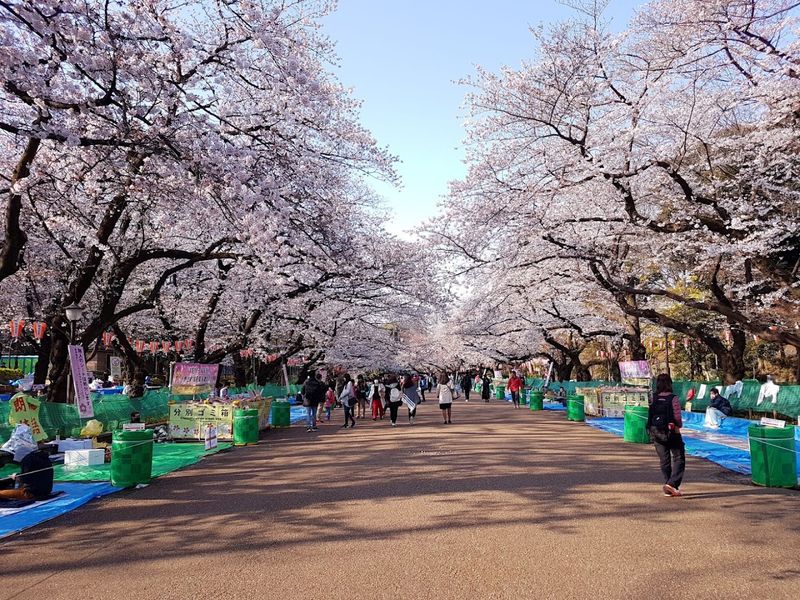
Every spring, something magical happens in Ueno Park that stops the entire city of Tokyo in its tracks. Thousands of cherry blossom trees burst into clouds of soft pink, and locals pack the park for hanami, the beloved tradition of flower viewing with food, drinks, and friends.
It is one of Japan’s most celebrated seasonal rituals.
Ueno Park opened in 1873, making it one of Japan’s first public parks. Beyond its famous sakura season, the park is packed with cultural attractions year-round.
Five major museums, including the Tokyo National Museum, sit within the park’s boundaries. There is also a zoo, a Buddhist temple, Shinto shrines, and several ponds covered in lotus flowers during summer.
The park covers about 133 acres and welcomes roughly 10 million visitors each year. Street food vendors set up along the main paths on weekends, selling everything from yakitori skewers to taiyaki fish-shaped cakes.
Even outside of cherry blossom season, Ueno Park buzzes with energy. It is a place where history, nature, food, and art all collide in the most wonderfully Japanese way possible.
Retiro Park – Madrid, Spain
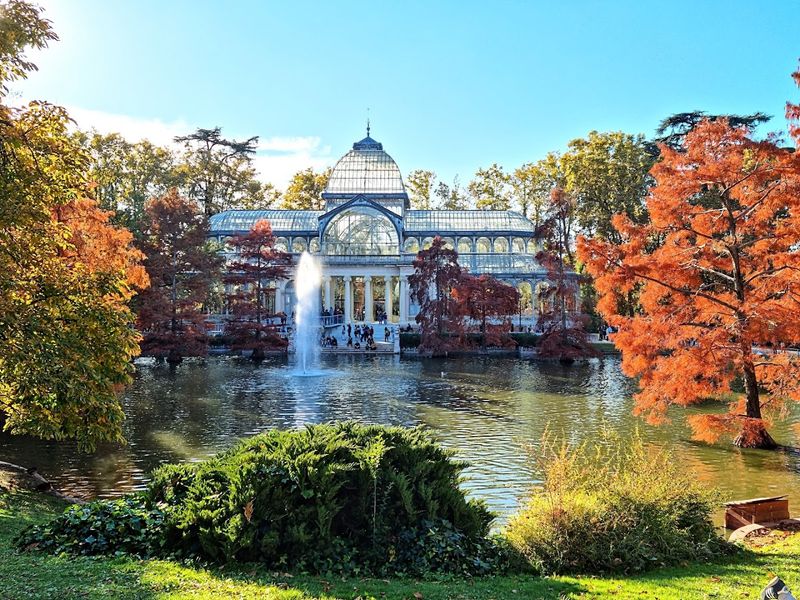
Once reserved exclusively for Spanish royalty, El Retiro now belongs to everyone, and Madrid’s residents have fully embraced that fact. On any given Sunday, you will find families rowing boats on the lake, street performers juggling near the fountains, and elderly couples playing chess under the shade of ancient trees.
The park covers 350 acres right in the heart of Madrid and was opened to the public in 1868. The Estanque Grande, a large rectangular boating lake, is its most iconic feature.
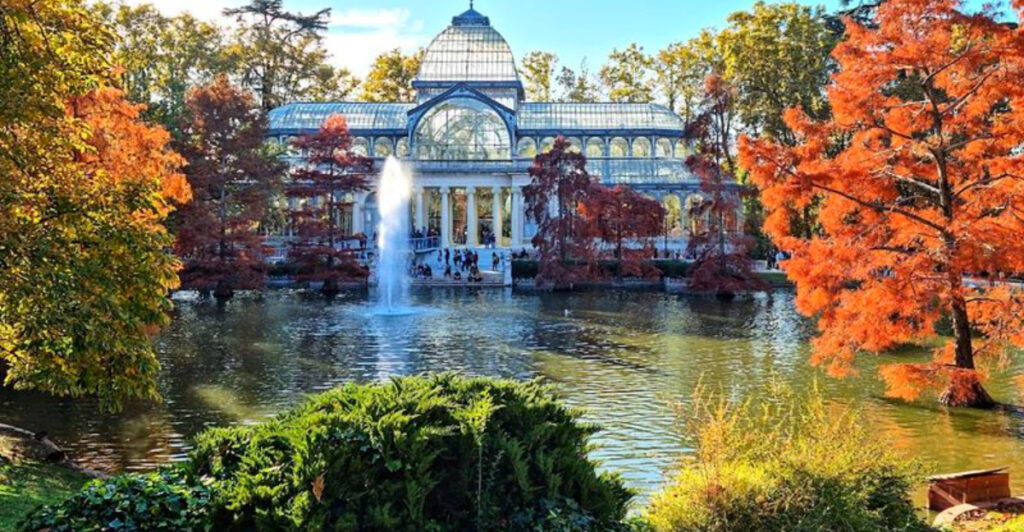
The stunning Crystal Palace, a glass and iron structure built in 1887, hosts free art exhibitions throughout the year. More than 15,000 trees of over 150 different species grow throughout the grounds.
Retiro is also home to a rose garden called La Rosaleda, which contains over 4,000 rose bushes. The annual Book Fair takes place here each spring, drawing book lovers from across Spain and beyond.
Peacocks wander freely through certain sections of the park, adding an unexpected burst of color. UNESCO added Retiro Park to its World Heritage List in 2021, recognizing it as one of Europe’s outstanding urban landscapes.
Balboa Park – San Diego, California
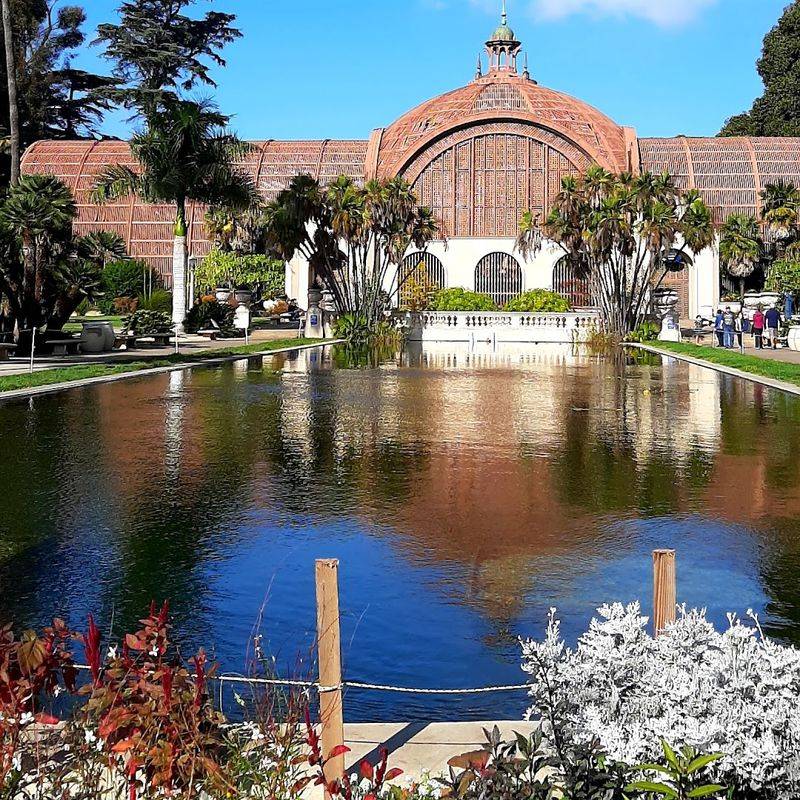
No other park in America packs quite as much into one place as Balboa Park. Covering nearly 1,200 acres in the heart of San Diego, it combines world-class museums, stunning historic architecture, beautifully maintained gardens, outdoor theaters, and the internationally famous San Diego Zoo, all within walking distance of each other.
The park was established in 1835, making it one of the oldest recreational reserves in the United States. Its centerpiece is the collection of Spanish Colonial Revival buildings constructed for the 1915 Panama-California Exposition.
The Botanical Building, with its reflecting pool full of lotus and water lilies, is one of the most photographed spots in all of Southern California.
Seventeen different museums cover everything from aerospace and natural history to art and photography. The Spreckels Organ Pavilion hosts free outdoor concerts every Sunday afternoon, a tradition that has continued since 1915.
Rose gardens, desert gardens, and Japanese-style gardens each offer a completely different sensory experience. Balboa Park genuinely earns its nickname as the crown jewel of San Diego, and spending a full day here barely scratches the surface of everything it has to offer visitors.
Forest Park – St. Louis, Missouri
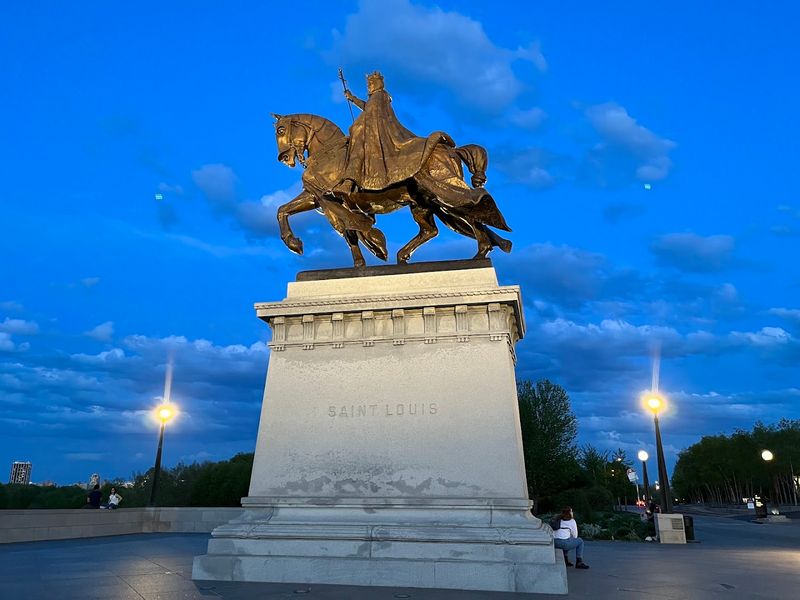
Bigger than Central Park and completely free to visit, Forest Park in St. Louis might be America’s most underrated urban green space. At 1,371 acres, it dwarfs many of its more famous rivals, yet somehow it never feels overcrowded.
The park sits just west of downtown St. Louis and has served the city since 1876.
The 1904 World’s Fair was held here, and several of the original structures still stand today. The Saint Louis Art Museum, built for that same World’s Fair, offers free admission and sits dramatically on a hill overlooking the Grand Basin.
The Saint Louis Zoo is also free and consistently ranks among the best in the entire country.
Miles of paved trails wind through the park, passing lakes, golf courses, tennis courts, and the stunning Jewel Box, a glass greenhouse filled with seasonal flower displays. The Missouri History Museum rounds out an impressive collection of cultural institutions all located within the park’s boundaries.
In winter, the park transforms into a skating destination. In summer, outdoor concerts and festivals fill the lawns.
Forest Park quietly outperforms parks with far bigger reputations, and locals know it.
Ibirapuera Park – São Paulo, Brazil
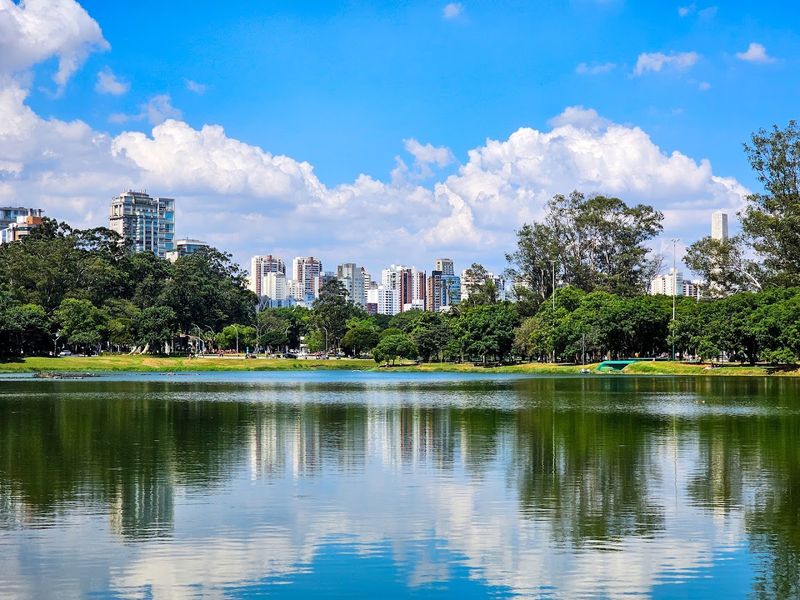
Oscar Niemeyer, the architect behind Brazil’s futuristic capital city of Brasilia, also designed the iconic buildings inside Ibirapuera Park, and his influence is impossible to miss. The sweeping canopy walkway connecting the park’s major pavilions is one of the most striking pieces of public architecture in all of South America.
Opened in 1954 to celebrate São Paulo’s 400th anniversary, Ibirapuera covers about 390 acres in the middle of a city of 12 million people. It functions as the city’s primary green lung, offering lakes, jogging and cycling paths, open lawns, and dense stretches of tropical vegetation.
On weekends, the park fills with thousands of paulistanos, as São Paulo residents are called, eager to escape the urban rush.
Several important museums are located within the park, including the Museum of Modern Art and the Afro Brazil Museum. The Ibirapuera Auditorium hosts world-class concerts and performances throughout the year.
Monitor lizards and capybaras have been spotted near the park’s lakes, much to the delight of visitors. Ibirapuera proves that even in one of the world’s most intense megacities, a well-designed park can offer genuine peace and beauty.
Kings Park – Perth, Australia
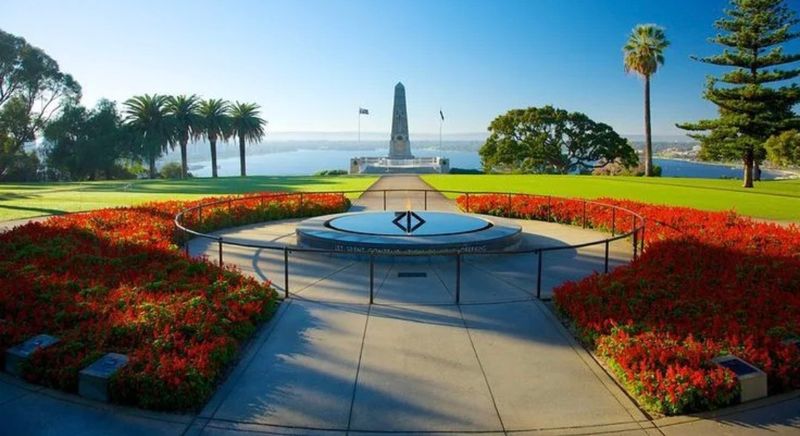
Perched on a ridge above the Swan River, Kings Park offers one of the most dramatic city views you will find anywhere on Earth. The Perth skyline stretches across the horizon while the river glitters below, and in spring, the entire park erupts in a riot of Western Australian wildflowers that draws visitors from every corner of the globe.
Kings Park covers 1,003 acres, making it one of the world’s largest inner-city parks. About 700 acres of that space is natural bushland, home to banksias, grass trees, and eucalyptus species that have grown here for thousands of years.
The Western Australian Botanic Garden within the park contains over 3,000 native plant species.
The park holds deep cultural significance for the Noongar people, the Indigenous Australians who have lived in this region for at least 45,000 years. A DNA Tower lookout provides bird’s-eye views of the entire area, and tree-top walkways let visitors stroll through the forest canopy.
The annual Kings Park Festival each September showcases wildflower displays that are genuinely breathtaking. Admission to the park is completely free, which makes it one of the greatest bargains in all of Australia.
Chapultepec Park – Mexico City, Mexico
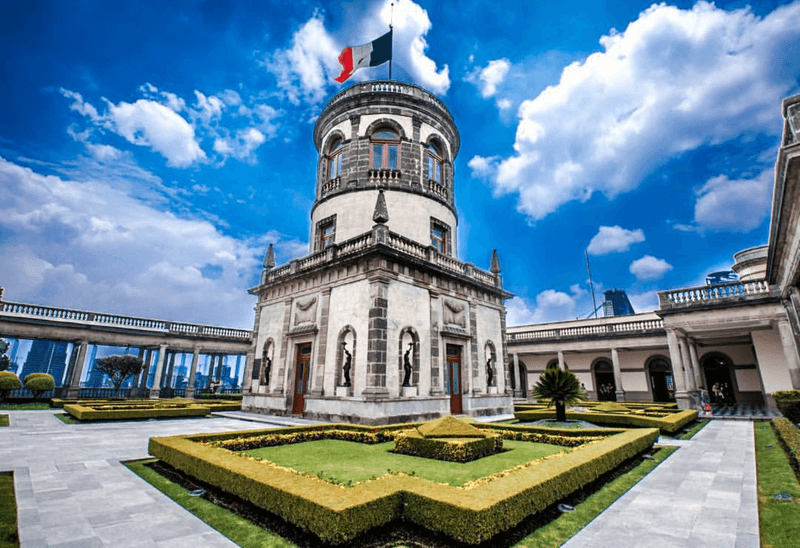
At twice the size of Central Park, Chapultepec is not just Mexico City’s biggest park; it is one of the most historically significant urban spaces anywhere in the Americas. The name itself comes from the Nahuatl language and means “hill of the grasshopper,” a nod to its ancient roots long before the city existed.
The park covers about 1,695 acres and is divided into three sections. The first section is the most visited and contains Chapultepec Castle, which sits dramatically on a rocky hill and once served as the official residence of Emperor Maximilian I.
Today it functions as the National Museum of History, offering stunning views of the city below.
The park is also home to the world-renowned National Museum of Anthropology, which houses the largest collection of pre-Columbian artifacts in existence. Giant ahuehuete cypress trees, some believed to be over 700 years old, line the park’s shaded pathways.
Two lakes offer rowboat rentals on weekends. The park’s second and third sections contain additional museums, an amusement park, and a botanical garden.
Chapultepec is Mexico City’s heartbeat, and spending time there feels like reading the country’s entire history in one afternoon.
Lumpini Park – Bangkok, Thailand
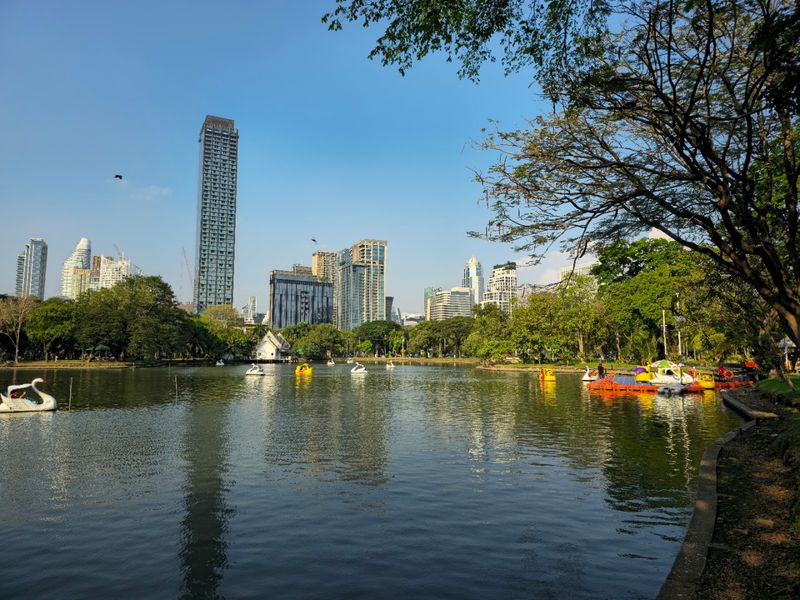
Step through the gates of Lumpini Park and the roar of Bangkok’s traffic fades almost instantly, replaced by birdsong, the splash of paddle boats, and the occasional rustle of something large moving through the bushes. That large something is almost certainly a water monitor lizard, and Lumpini is absolutely full of them.
These prehistoric-looking reptiles can grow up to two meters long and wander the park’s paths with total confidence. Visitors often stop to photograph them from a respectful distance, and the lizards seem completely unbothered by the attention.
Lumpini covers about 142 acres and sits right in the center of Bangkok’s most modern business district.
Named after the birthplace of the Buddha in Nepal, the park opened in 1925. It features a large lake, shaded walking and jogging paths, outdoor fitness equipment, and open lawns where locals practice tai chi early every morning.
Weekend evenings bring outdoor concerts and community gatherings. The park is surrounded by gleaming skyscrapers, creating one of the most visually striking contrasts between nature and city life anywhere in Southeast Asia.
For a city that rarely slows down, Lumpini is Bangkok’s one true exhale.
Golden Gate Park – San Francisco, California
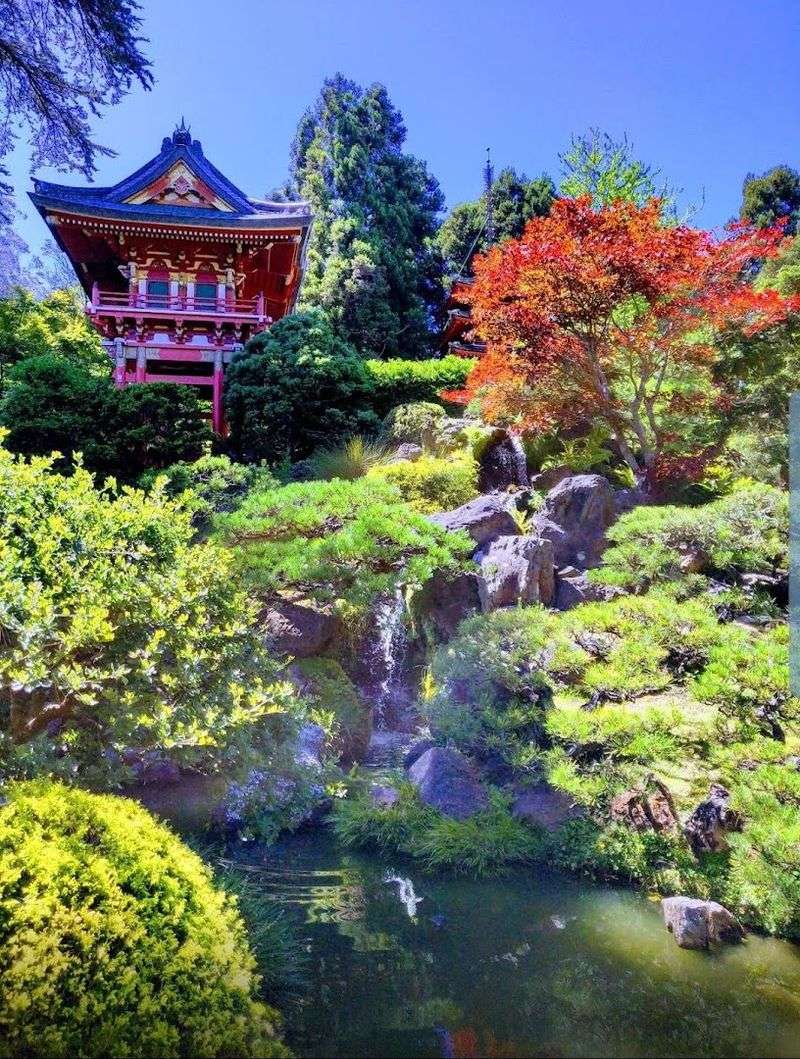
When San Francisco decided to build a world-class park in the 1870s, the chosen site was nothing but wind-swept sand dunes. What happened next is one of the greatest landscaping achievements in American history.
Today, Golden Gate Park stretches 3 miles from the Haight-Ashbury neighborhood all the way to the Pacific Ocean, covering 1,017 acres of lush, carefully cultivated green space.
The Japanese Tea Garden, established in 1894, is the oldest public Japanese garden in the United States. Its curved wooden bridges, stone lanterns, koi ponds, and bonsai trees create a serene world completely separate from the city outside.
The park also contains the California Academy of Sciences, the de Young Museum, a buffalo paddock, a windmill, and a carousel that has been spinning since 1912.
Hundreds of plant species from around the world grow in the Botanical Garden, which covers 55 acres within the park. On Sundays, a section of the park closes to cars, and the road fills with skaters, cyclists, and pedestrians.
The park hosts major music festivals, including Outside Lands, each summer. Golden Gate Park is proof that with enough vision and hard work, you can grow a forest from sand.
Luxembourg Gardens – Paris, France
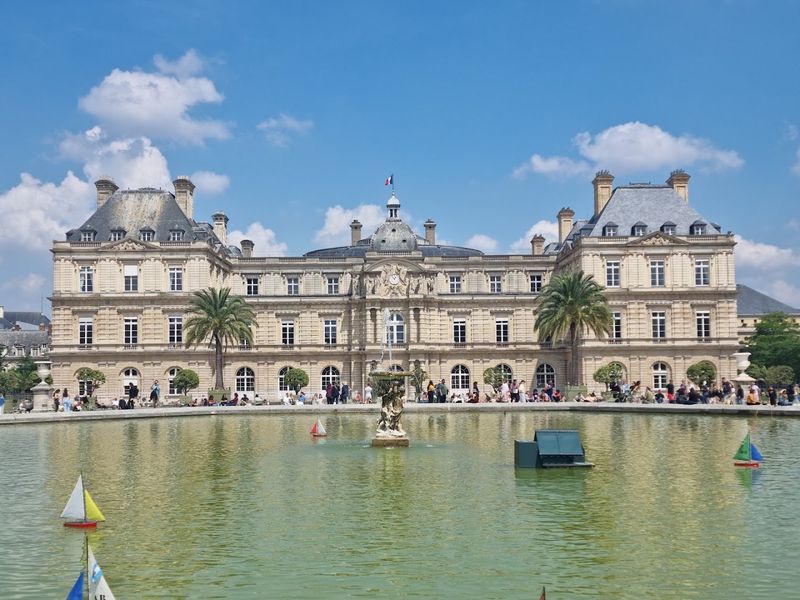
There is a specific kind of afternoon that only Paris can produce, and it almost always involves a green metal chair, a good book, and the Luxembourg Gardens. Since 1612, when Marie de Medici commissioned the gardens for her new palace, Parisians have been treating this 60-acre space as their personal outdoor living room.
The formal French design is immediately striking. Geometric flowerbeds, perfectly trimmed hedges, gravel paths, and rows of sculpted trees give the gardens a structured elegance that feels both grand and inviting.
The octagonal Grand Bassin pool at the center is where children have sailed miniature wooden sailboats for generations, a tradition that continues today for a small rental fee.
Over 100 statues are scattered throughout the gardens, including a famous series of French queens and saints lining the main terrace. The Medici Fountain, tucked into a shaded corner, is one of the most romantic spots in all of Paris.
Beekeeping, tennis courts, a puppet theater, and an orchard of 360 apple and pear varieties also share the grounds. Luxembourg Gardens manages to feel timeless, elegant, and completely alive all at once, which is a very Parisian kind of magic.
Yoyogi Park – Tokyo, Japan
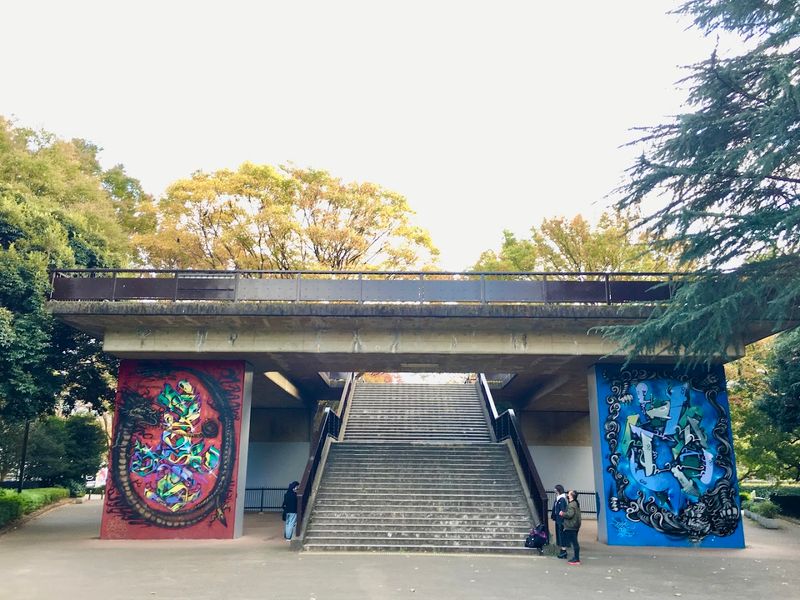
On any given Sunday in Tokyo, Yoyogi Park transforms into one of the most joyfully chaotic scenes in the entire city. Hula hoopers, amateur rock bands, cosplay groups, yoga classes, dog walkers, and picnicking families all share the same sprawling lawns without any apparent organization, and somehow it works perfectly.
Yoyogi covers about 134 acres and sits right next to the Meiji Shrine, one of Japan’s most sacred Shinto sites. The contrast between the spiritual quiet of the shrine and the lively energy of the park next door is one of Tokyo’s most interesting juxtapositions.
The park was built on the site of the Olympic Village used during the 1964 Tokyo Summer Olympics.
Wide cycling paths loop through the park’s forested sections, where tall zelkova and ginkgo trees create a dense canopy that turns brilliant gold every November. Cherry blossom season draws enormous crowds, and the park is considered one of Tokyo’s top hanami viewing spots.
Free outdoor events, festivals, and flea markets pop up throughout the year. Yoyogi is the park where Tokyo lets its hair down completely, and watching the city relax here is a genuine pleasure.
Royal Botanic Gardens Victoria – Melbourne, Australia
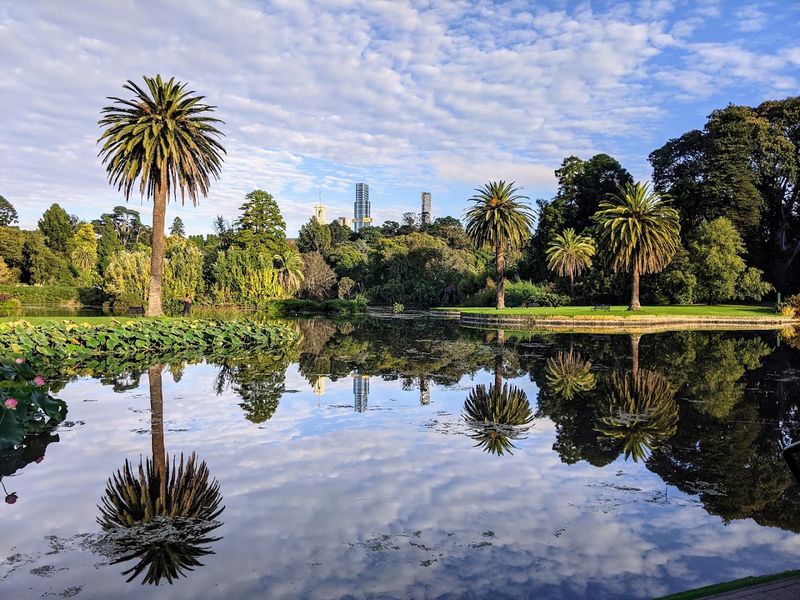
Black swans glide across ornamental lakes while ancient Moreton Bay fig trees cast enormous shadows across the lawn. Welcome to the Royal Botanic Gardens Victoria in Melbourne, one of the most beautifully designed green spaces in the Southern Hemisphere.
Covering nearly 100 acres just a short walk from the city center, these gardens have been a Melbourne institution since 1846.
Over 8,500 plant species from Australia and around the world grow here, organized into themed collections that include a fern gully, an arid garden, and a dedicated children’s garden. The Ornamental Lake is home to eels, turtles, and of course the park’s famous black swans.
Guided Aboriginal Heritage Walks reveal the deep cultural history of the land long before European settlement.
The gardens host a beloved outdoor cinema series each summer called Moonlight Cinema, where visitors bring blankets and picnic baskets to watch films under the stars. The Ian Potter Foundation Children’s Garden features interactive water features, a bamboo forest, and a kitchen garden designed specifically for young visitors.
Admission to the gardens is free, making it accessible to everyone. The Royal Botanic Gardens prove that a world-class horticultural collection and a relaxed city park can exist in perfect, beautiful harmony.
Share this story