Some places on Earth seem to have quietly ignored the last few centuries. Walking through them feels less like sightseeing and more like accidentally stepping through a time portal.
From medieval European canal towns to ancient cave cities and colonial Caribbean streets, these destinations carry the weight of history in every cobblestone and carved doorway. Pack your bags, because these 15 spots will make you question what year it actually is.
Bruges, Belgium
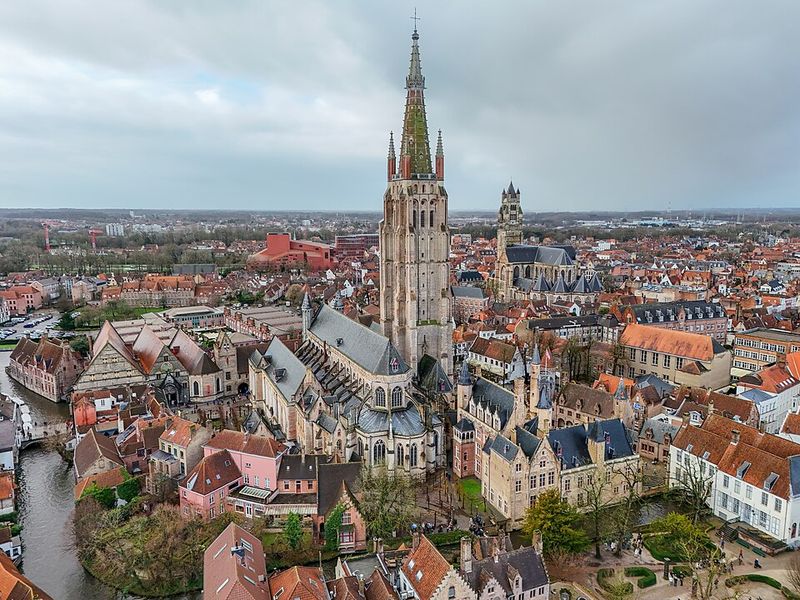
Nobody told Bruges that the Middle Ages ended. Its canals, towers, and brick houses have stayed so intact that UNESCO recognized its historic center for retaining its original medieval urban character.
That is not a small compliment.
What makes Bruges genuinely special is that no single landmark carries the whole show. The reflections of crooked houses in the canals, the belfry poking above the skyline, and the sound of footsteps on stone streets all work together to create something that feels less like a tourist attraction and more like a functioning medieval town that forgot to modernize.
Visit early in the morning before the crowds arrive. The quiet streets, the mist rising off the water, and the old guild houses all feel far more powerful when you are not sharing them with a hundred selfie sticks.
Bruges rewards slow walkers more than fast ones.
Rothenburg ob der Tauber, Germany
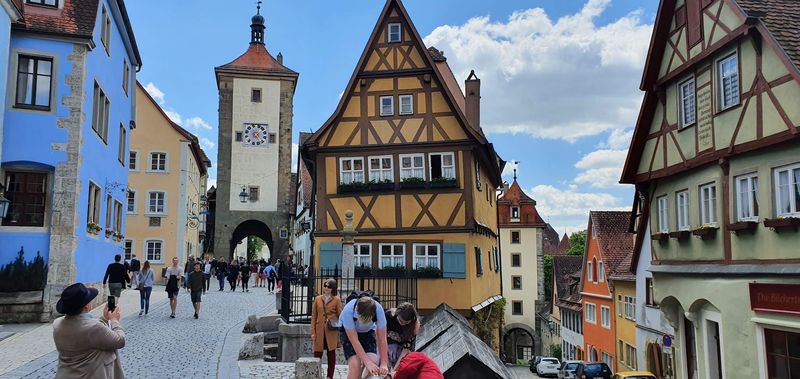
Rothenburg ob der Tauber looks like someone drew a fairy-tale town and then accidentally made it real. The preserved walls, half-timbered houses, and crooked lanes survived centuries of history, and the result is one of Germany’s most jaw-dropping medieval towns.
The trick to enjoying Rothenburg is timing. Day-trippers flood the streets midday, and the town can feel more like a theme park than a historic city.
Show up early or linger into the evening, when the crowds thin out and the town genuinely transforms into something atmospheric and a little eerie.
Walk the old city walls for the best views over the rooftops, then wander down toward Plonlein, the famously photogenic little square where two lanes split around a timber-framed house. It is as charming in real life as every photograph suggests.
Rothenburg earns every bit of its reputation without trying too hard.
Shirakawa-go, Japan
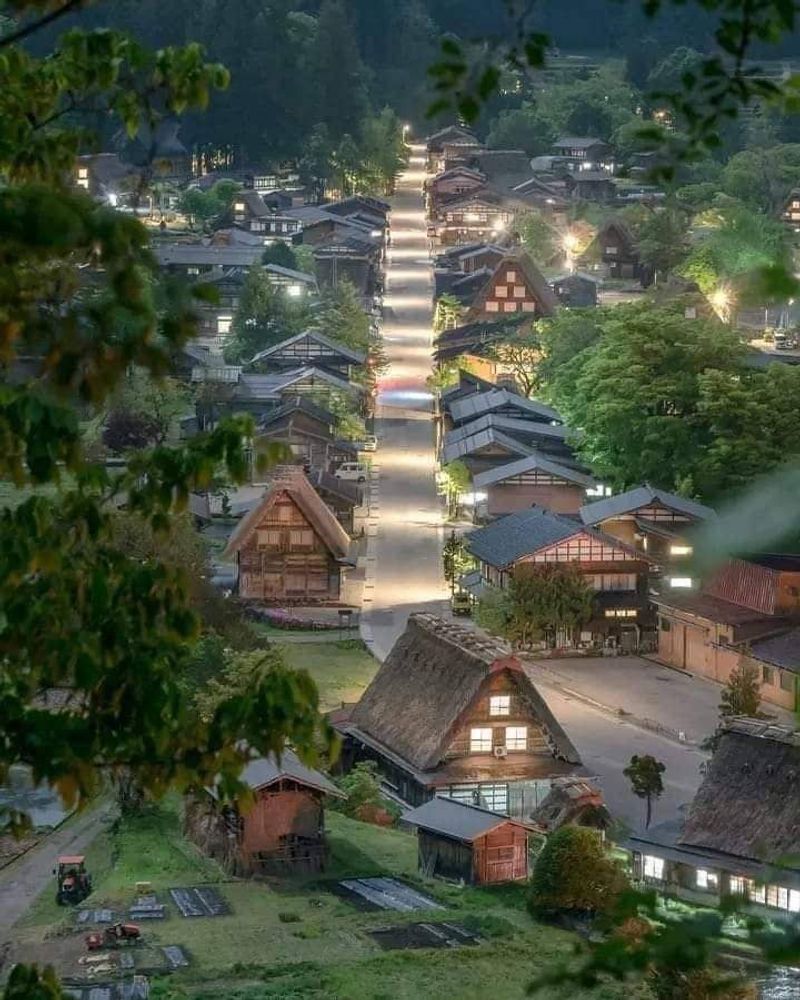
Shirakawa-go wins the award for most photogenic snowfall destination on Earth. The village is famous for its gassho-zukuri farmhouses, built with steep thatched roofs specifically designed to handle the heavy mountain snowfall.
When winter hits, the whole place looks unreal.
Unlike a preserved open-air museum, Shirakawa-go still feels connected to real rural life. Rice fields surround the farmhouses in summer, mountain slopes frame the village in autumn, and the seasonal rhythm of the landscape adds a layer of authenticity that no reconstruction could fake.
I visited on a cloudy afternoon in late autumn, and the village felt genuinely removed from modern Japan. There were no glass towers, no high-speed trains, no neon signs.
Just wooden homes, mountain air, and the kind of quiet that makes you slow down without realizing it. Go during the off-peak season if you can.
The village rewards patience generously.
Matera, Italy
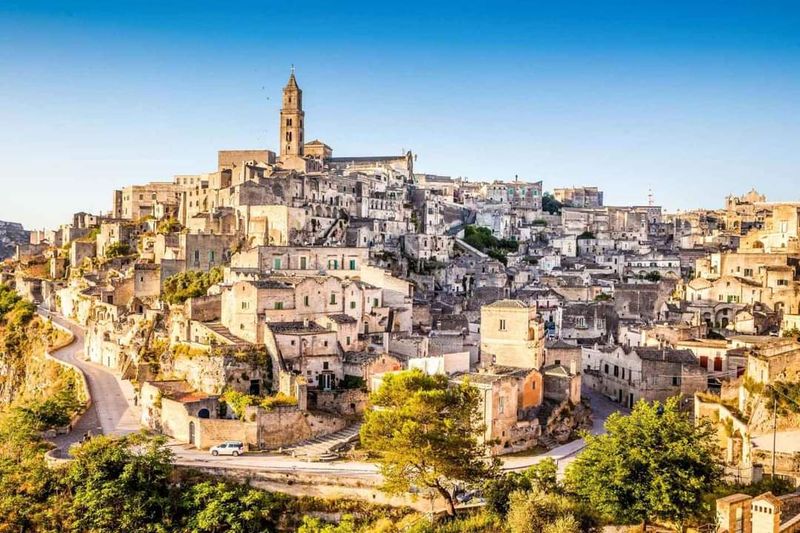
Matera does not just look old. It looks ancient in a way that makes most other historic cities seem practically new.
The Sassi districts are carved directly into stone, with cave dwellings, churches, stairways, and homes stacked across a dramatic ravine that has been inhabited for thousands of years.
The texture of Matera is what gets you. Walking through the Sassi feels like moving through layers of human history simultaneously.
Stone walls, carved archways, hollowed-out churches, and narrow alleys all pile on top of each other in a way that feels both chaotic and deeply intentional.
It has been used as a film set for biblical epics more than once, and standing there, it is easy to understand why directors keep returning. Matera does not need special effects or clever lighting to look cinematic.
The city itself is the spectacle, and it has been performing for millennia without a single intermission.
Mdina, Malta
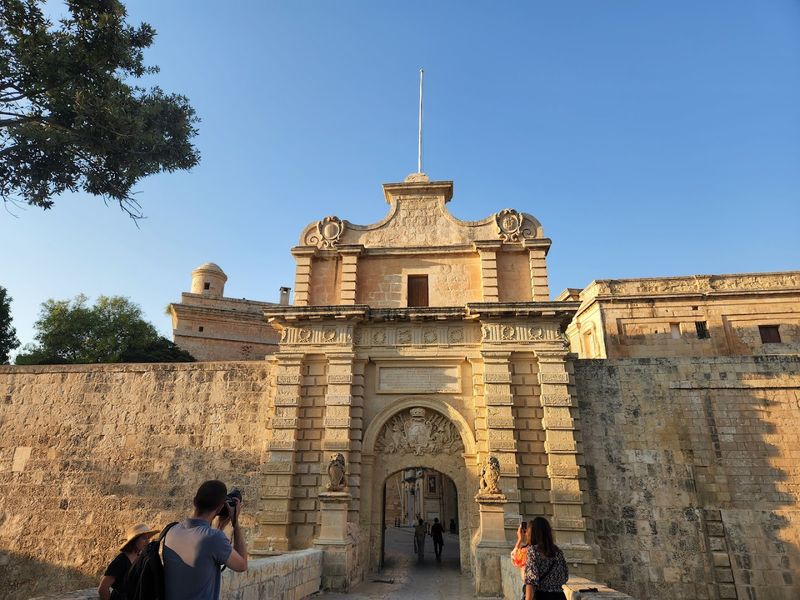
Mdina earned its nickname the Silent City honestly. This small fortified hilltop town in Malta is so quiet that you can actually hear your own footsteps echoing off the limestone walls.
For a place that has been inhabited since the Bronze Age, it has remarkably good acoustics.
The honey-colored limestone buildings, heavy wooden doors, and stone balconies give Mdina a warmth that feels different from the grey medieval towns of northern Europe. The golden evening light hits the walls in a way that makes the whole city glow, which sounds like an exaggeration until you see it yourself.
Mdina is small enough to explore fully in a few hours, but it has a way of making you linger. The narrow lanes lead to unexpected courtyards, old churches, and viewpoints over the Maltese countryside.
Skip the rush. Walk slowly, peek through doorways, and let the silence do its job.
It absolutely delivers.
Colonia del Sacramento, Uruguay
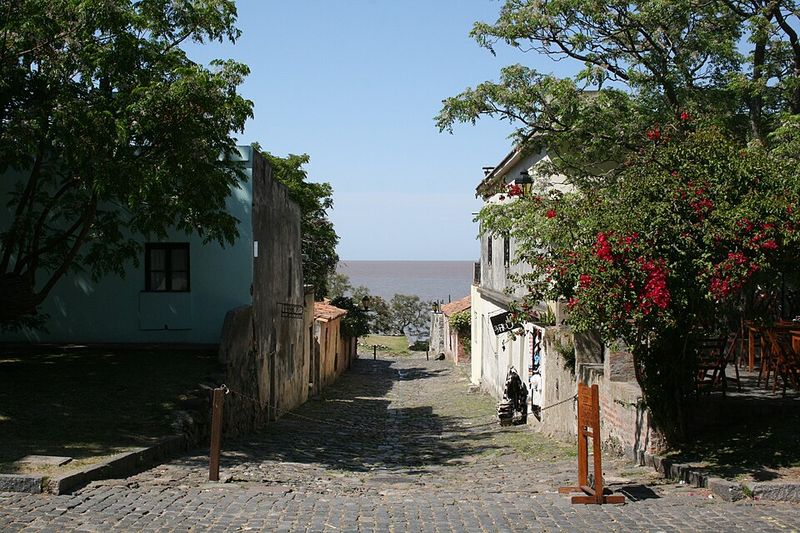
Colonia del Sacramento is the kind of place that catches you off guard. Tucked into a small peninsula on the Rio de la Plata, this UNESCO-listed colonial quarter feels like a Portuguese and Spanish history lesson that somehow turned into one of South America’s most charming towns.
The streets here are genuinely cobblestoned, not the decorative kind laid down for tourists, but the real uneven kind that make you watch your step. Low colonial buildings, old city gates, vintage cars parked along narrow lanes, and riverside views all add up to a mellow, sun-soaked charm that feels genuinely unhurried.
Colonia does not try to impress you with grand monuments or dramatic skylines. It works with quiet details: a flowering tree over a stone wall, a cat sleeping in a doorway, light bouncing off the river at dusk.
That intimate, timeworn quality is exactly what makes it so easy to fall for completely.
Pingyao Ancient City, China
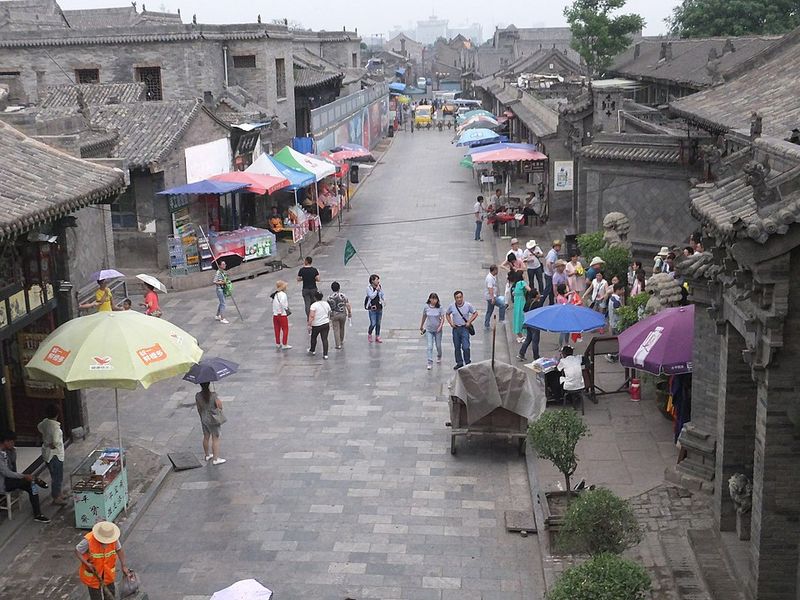
Pingyao is what happens when a city decides to simply not change for six centuries and turns out to be absolutely right about that decision. Founded in the 14th century, this walled city in Shanxi Province is one of China’s best-preserved examples of traditional Han Chinese urban planning, and UNESCO agrees wholeheartedly.
Step inside the walls and the contrast with modern China is immediate. No glass towers, no electric scooter traffic jams, no neon storefronts.
Instead, gray-brick courtyards, old city gates, wooden shopfronts, and hanging lanterns make the streets feel like a direct line to the Ming and Qing eras.
The ancient city walls themselves are walkable and offer great views over the rooftops below. Pingyao also has a fascinating history as a center of Chinese banking, with old financial institutions still standing in the historic center.
It is genuinely educational without ever feeling like a museum visit. History here has texture, smell, and a decent bowl of noodles.
Cesky Krumlov, Czech Republic
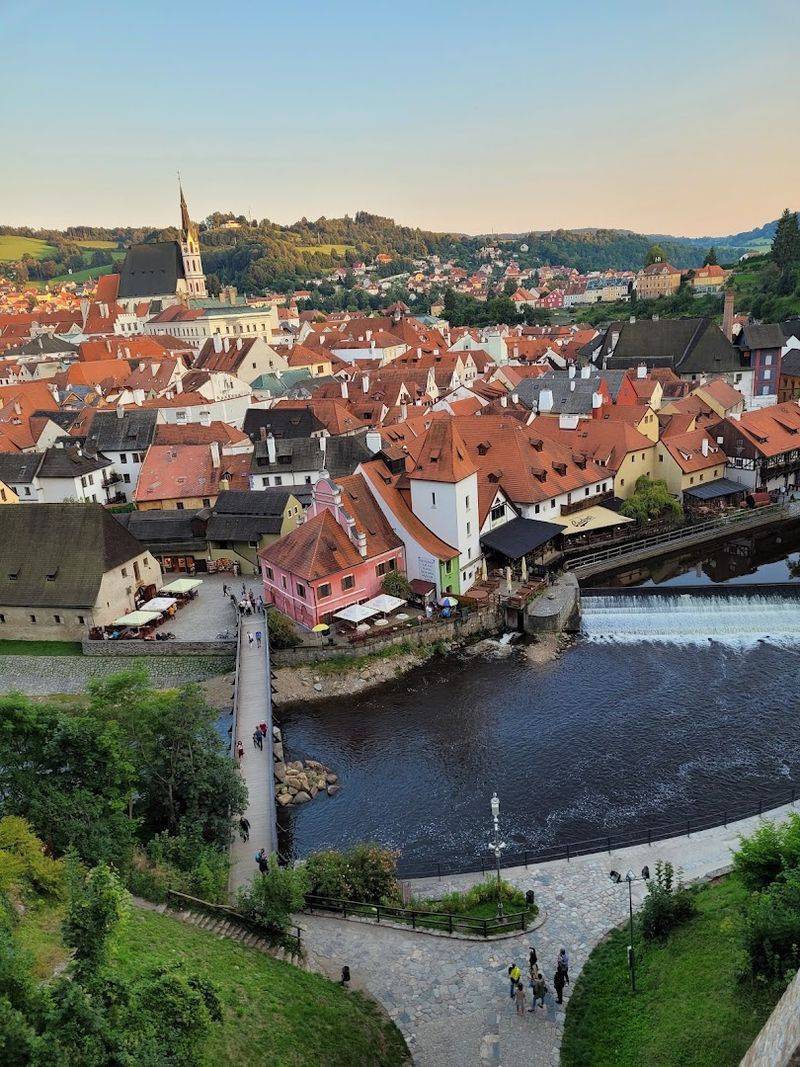
Cesky Krumlov is the kind of town that makes you stop mid-sentence and just stare. A UNESCO-listed medieval castle rises above a curve in the Vltava River, red-roofed buildings crowd the riverbank below, and the whole scene looks like it was designed by someone who had read too many fairy tales and decided to build one anyway.
UNESCO describes it as an outstanding example of a small Central European medieval town whose architectural heritage has remained intact over several centuries. That is a very formal way of saying it looks absolutely incredible and has done so for hundreds of years.
The town is popular, especially in summer, but it handles its crowds better than most. The castle complex is massive and worth spending real time in, and the old town lanes are genuinely built for wandering rather than rushing.
Come for the views, stay for the atmosphere, and leave wondering why more towns did not just keep their castles.
Dubrovnik Old City, Croatia
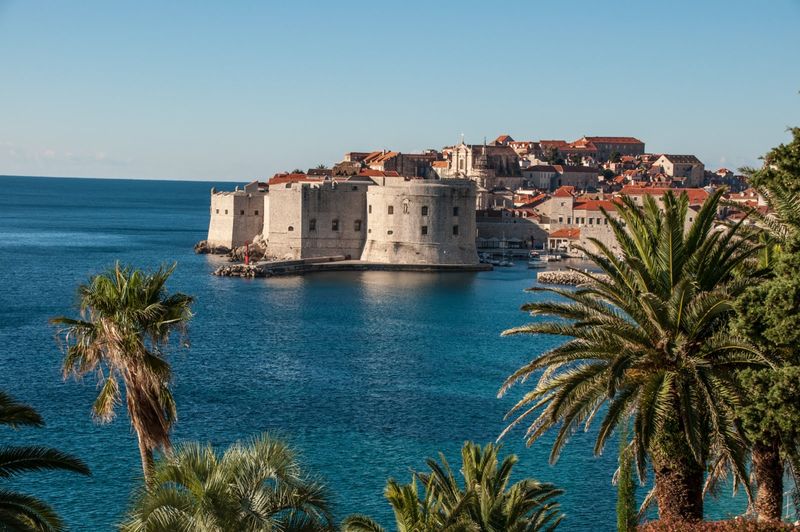
Dubrovnik carries itself with the confidence of a city that has been called the Pearl of the Adriatic for centuries and knows it deserves the title. The limestone streets, Gothic and Baroque churches, sea-facing walls, and the sheer compactness of the old city all combine into something that feels genuinely monumental.
Walking the city walls is one of those travel experiences that actually lives up to the hype. The views down over the stone streets and out across the Adriatic are spectacular, and the fortifications themselves are a reminder that this was once a powerful independent maritime republic with serious things to protect.
Yes, it gets crowded, especially in summer when cruise ships empty thousands of visitors into the old town simultaneously. Go early, go in shoulder season, or go in winter when the crowds thin and the city feels far more like the ancient republic it once was.
Dubrovnik under a grey winter sky is something else entirely.
Cartagena’s Walled City, Colombia
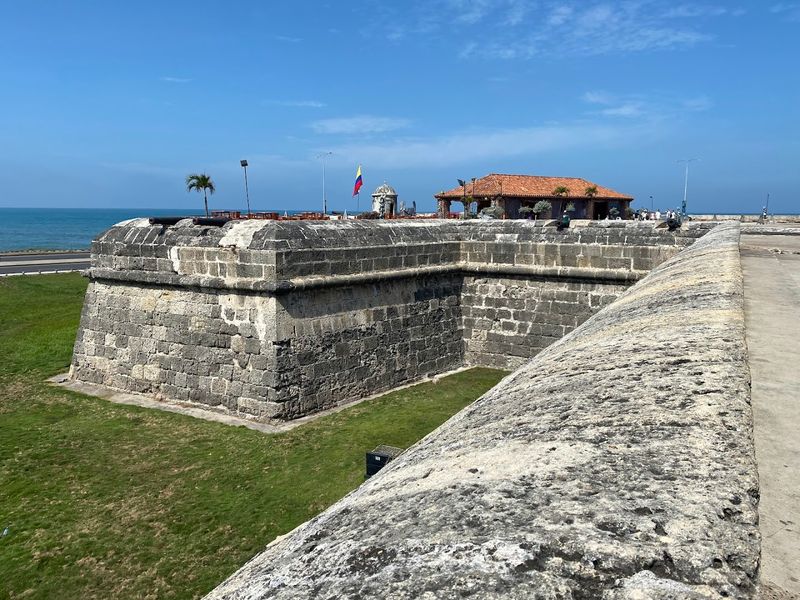
Cartagena’s Walled City is not a quiet, contemplative historic district. It is loud, colorful, full of music, and absolutely alive with street food, flowers spilling from balconies, and the kind of heat that makes everything feel more vivid.
The colonial architecture is UNESCO-listed, and the energy inside those old walls is entirely its own.
The defensive walls themselves are remarkable: thick, well-preserved, and offering great sunset views over the Caribbean. But the real appeal is the street life inside.
Cobblestone plazas, painted colonial facades, churches, and corner bars all create a setting that feels both historic and completely present-tense.
Cartagena works because it never became a museum piece. People live, work, eat, and celebrate inside those old walls, and that vitality is exactly what prevents the city from feeling like a relic.
The colonial Caribbean is alive here, not archived. That distinction makes all the difference between a place worth visiting and one worth returning to repeatedly.
Old Quebec, Canada
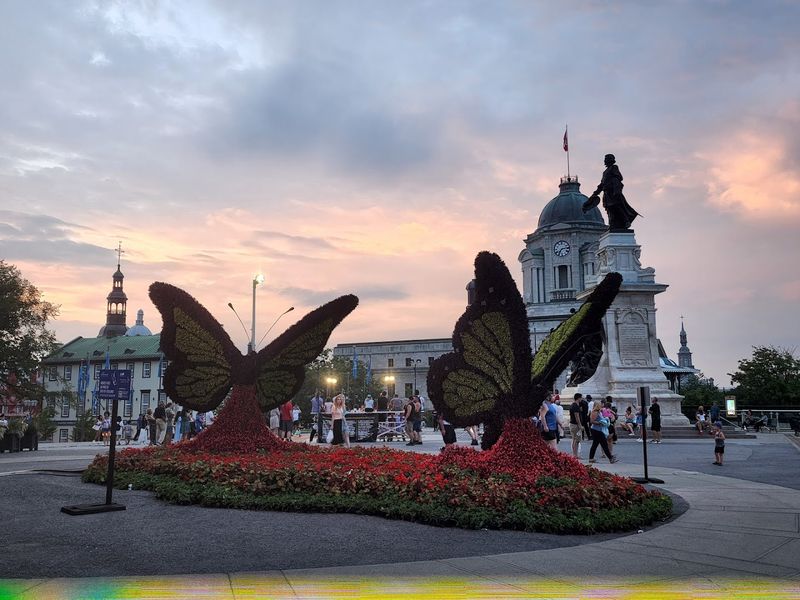
Old Quebec pulls off something that should not work geographically: it makes you feel like you have landed in a French medieval city while technically standing in Canada. The stone walls, fortified gates, steep streets, and Chateau Frontenac skyline create an atmosphere that has more in common with Europe than with most North American cities.
Parks Canada recognizes it as a coherent and well-preserved fortified colonial town, retaining over 400 years of history in a remarkably intact urban fabric. That is not tourist brochure language; the place genuinely delivers on that description every single day of the year.
Winter is when Old Quebec truly earns its legendary reputation. Snow covers the cobblestones, frost clings to the old stone walls, and the whole district glows with an almost theatrical atmosphere that feels completely unplanned.
I went in February expecting cold and got something that felt borderline magical instead. Dress in layers and walk everything.
Old Quebec rewards the brave and well-insulated.
Hoi An Ancient Town, Vietnam
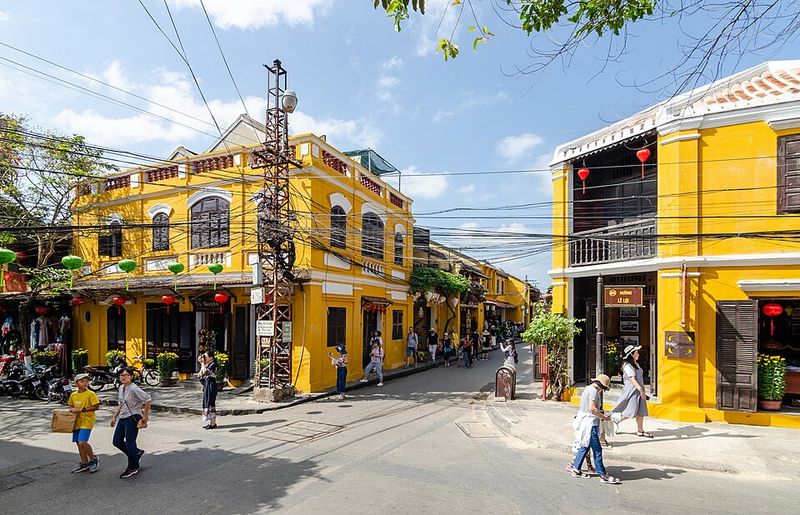
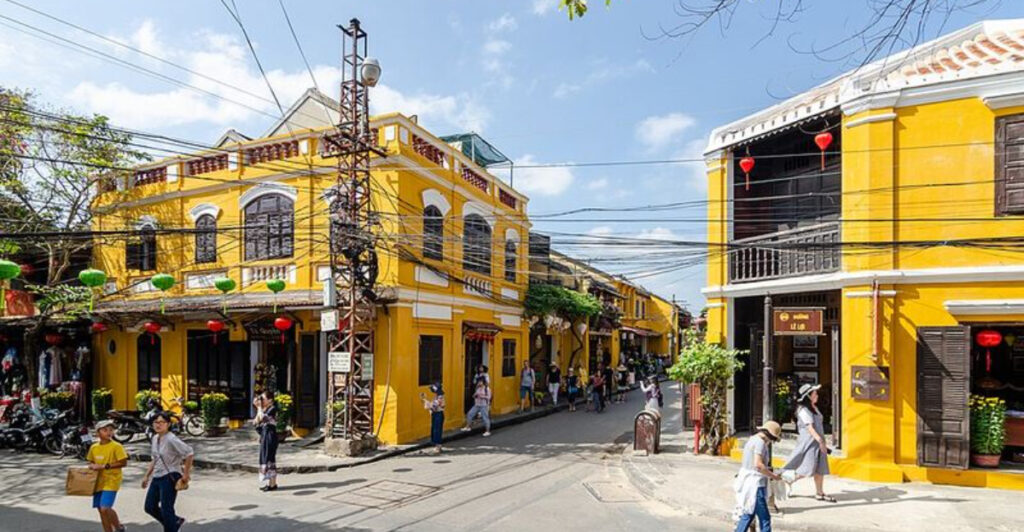
Hoi An has mastered the art of the golden hour. As the sun drops, lanterns light up above the old merchant streets, wooden shopfronts glow warmly, and the Thu Bon River reflects the colors of the town in a way that makes the whole place feel like it exists slightly outside of normal time.
UNESCO recognizes Hoi An as a well-preserved historic trading port where merchants from China, Japan, and Europe once converged. That layered international history shows up in the architecture: Chinese assembly halls, Japanese covered bridges, French colonial facades, and Vietnamese merchant houses all share the same narrow lanes without any apparent disagreement.
Yes, it is popular. Yes, there are souvenir shops.
But the historic fabric of Hoi An is genuinely beautiful and remarkably intact. Go at dusk, walk toward the river, and let the lantern light do what it has always done here.
The town has been charming visitors for centuries and has not lost the knack for it.
Trinidad, Cuba
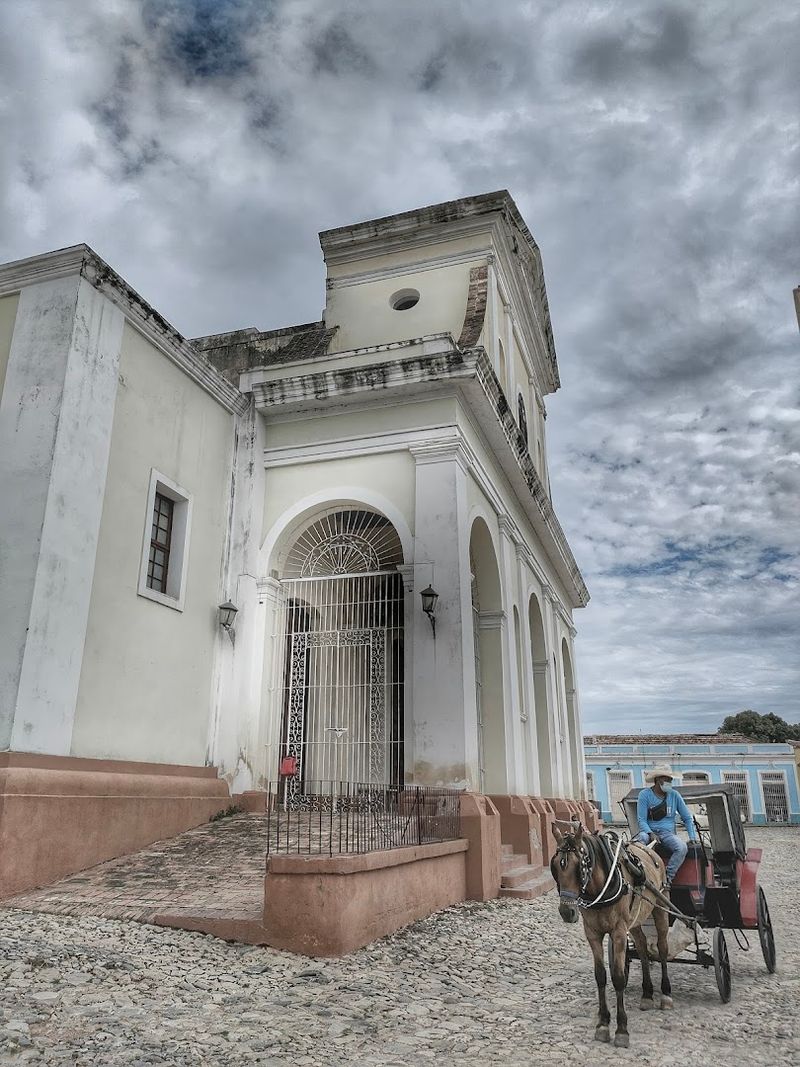
Trinidad is Cuba’s most photogenic argument for never renovating anything. The cobblestone streets, pastel colonial houses, tiled roofs, and church towers have been so well preserved that UNESCO specifically highlighted the authenticity of the town’s location, design, materials, and traditional building techniques.
That is a rare and specific kind of praise.
The town’s wealth came from sugar in the 18th and 19th centuries, and the grand colonial mansions left behind by that industry are still standing, still occupied, and still deeply atmospheric. Horse carts clatter over the cobblestones, music drifts out of doorways, and the Sierra Escambray mountains frame the whole scene in the background.
Trinidad feels suspended between eras in the most compelling way. It is weathered but alive, historic but not frozen.
The combination of colonial architecture, Cuban street culture, and mountain scenery creates something genuinely unlike anywhere else on the planet. Go slowly, talk to people, and resist the urge to rush through it.
Trinidad rewards patience every single time.
Chefchaouen Medina, Morocco
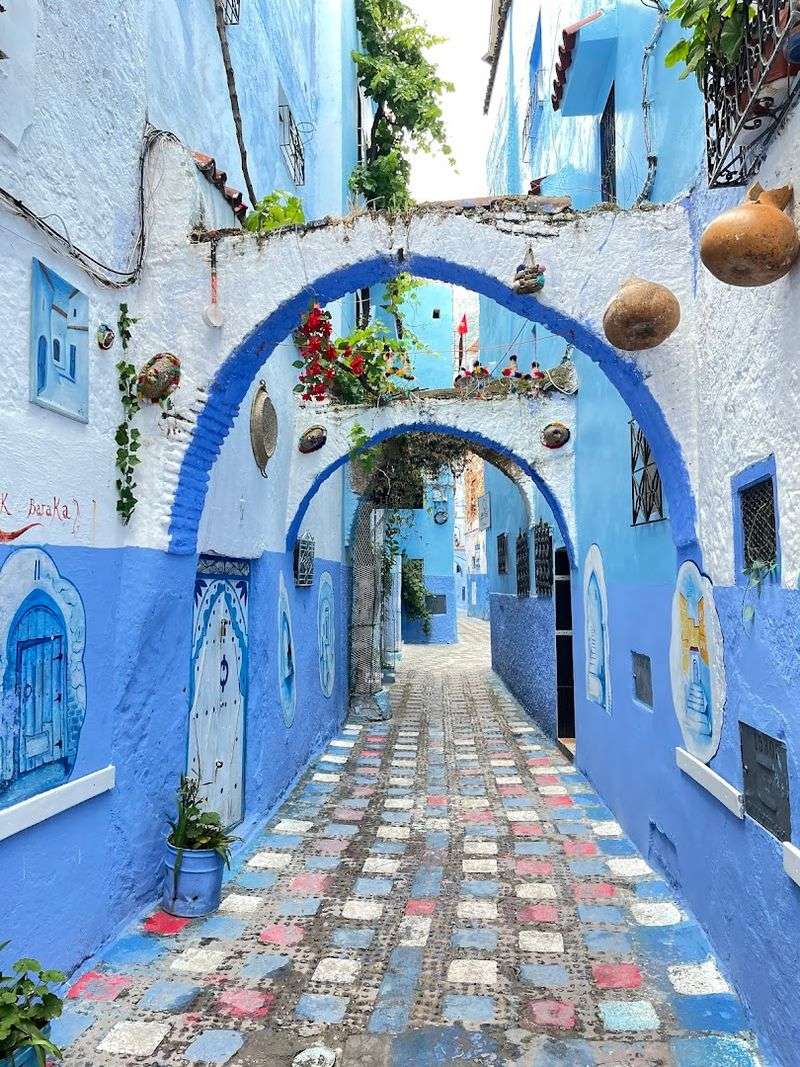
Chefchaouen’s medina is the only place I have ever walked into and genuinely questioned whether the whole town had been painted overnight as a prank. Every wall, staircase, and doorway is painted in shades of blue ranging from pale sky to deep cobalt, and the effect against the Rif mountain backdrop is completely disorienting in the best way.
Morocco’s official tourism information describes the medina as a place of preserved heritage with narrow winding streets, local craftsmanship, and traditional architecture. That is accurate, but it undersells the sheer visual impact of the place.
The blue color creates an almost dreamlike quality that photographs genuinely cannot capture.
Beyond the famous walls, the medina has a real daily rhythm: small shops, steep alleys, local markets, and the old Kasbah at the center of town. It is touristy now, but the bones of the old medina are genuine and the mountain setting is spectacular.
Chefchaouen earns its social media fame and then quietly exceeds it.
Gamla Stan, Stockholm, Sweden
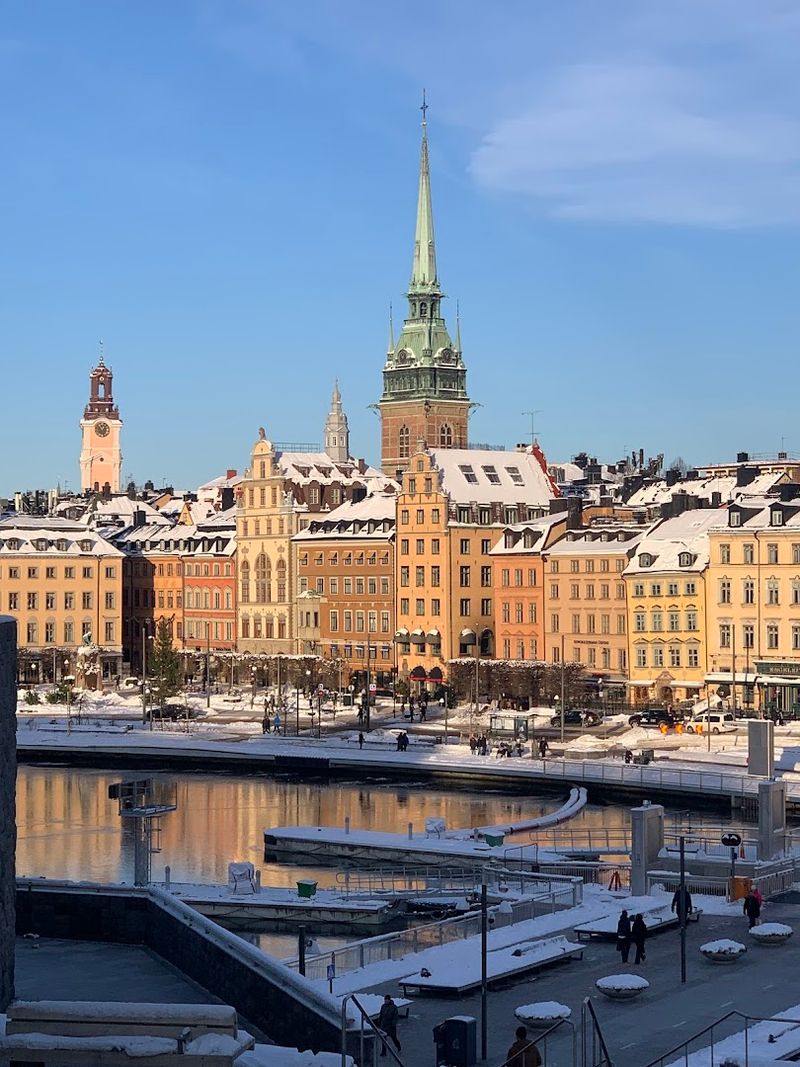
Gamla Stan has been Stockholm’s beating heart since 1252, which makes it older than the concept of the coffee shop but fortunately not too old to contain excellent ones. The Old Town sits on a small island in central Stockholm, packed with medieval lanes, old squares, colorful buildings, and the Royal Palace looming at one end like a very serious neighbor.
What makes Gamla Stan different from many preserved historic districts is that it is genuinely lived in and actively used. Cafes, restaurants, bookshops, museums, and everyday residents all share the same cobblestone streets that have been here for nearly eight centuries.
The past here did not leave; it just learned to coexist with the present.
The narrowest alley in Stockholm, Marten Trotzigs Grand, is barely wide enough for two people to pass, and it is genuinely worth the squeeze. Gamla Stan rewards slow exploration and multiple visits.
Each narrow street seems to hold something different, and the old town never quite runs out of corners worth turning.
Share this story