 Unearth The Voyage
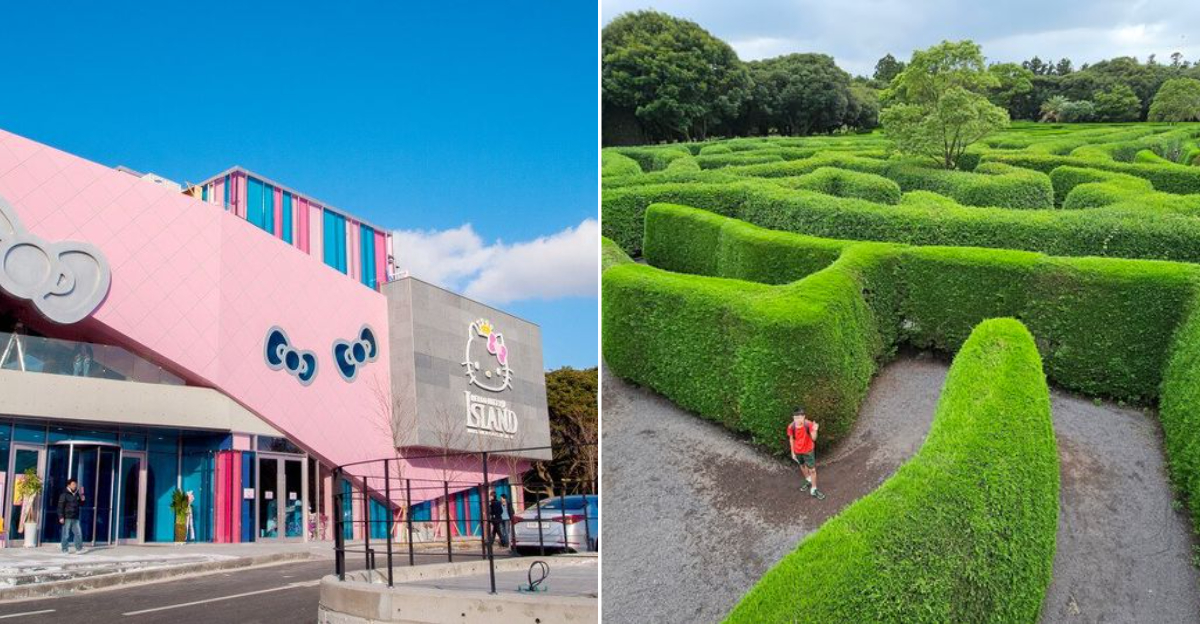
South Korea is full of surprises, and not just the kind you find in a travel brochure. Beyond the palaces and K-pop museums, there is a whole layer of wonderfully weird attractions waiting for curious visitors.
From toilet-shaped buildings to phallic sculpture parks, this country does quirky with total confidence. If regular sightseeing has started to feel a little too predictable, these 15 strange spots are about to change that.
Haewoojae Museum (Mr. Toilet House), Suwon
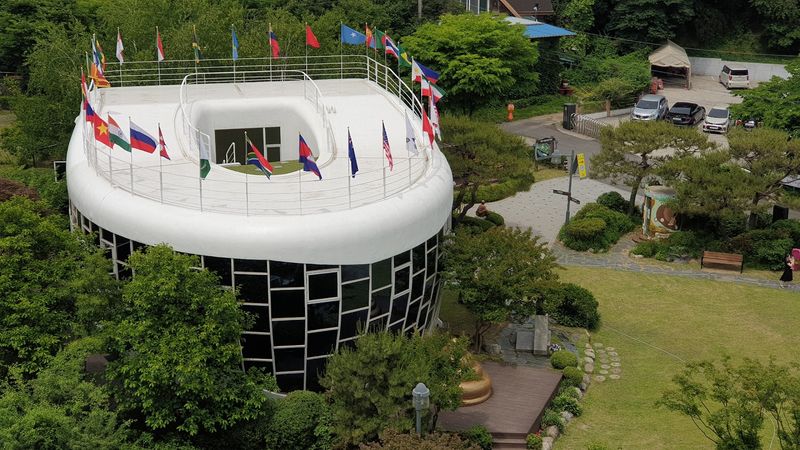
The world’s only toilet-shaped museum is not a rumor. Haewoojae, which loosely translates to “a place to relieve concerns,” was built by the late Sim Jae-duck, a former mayor of Suwon who was reportedly born in a toilet.
That detail alone earns this place a spot on any weird-travel list.
Inside, the exhibits cover sanitation history, toilet culture across different countries, and the surprisingly serious global conversation around clean water access. There is also a golden toilet.
You cannot skip the golden toilet.
I visited expecting to laugh the whole way through, and I did, but I also left knowing more about world sanitation than I ever expected. It is genuinely educational wrapped in the most absurd packaging possible.
Admission is affordable, the staff is friendly, and the photo opportunities are endless. Suwon is easy to reach from Seoul, making this a very doable day trip for anyone with a sense of humor.
Samcheok Haesindang Park, Gangwon-do
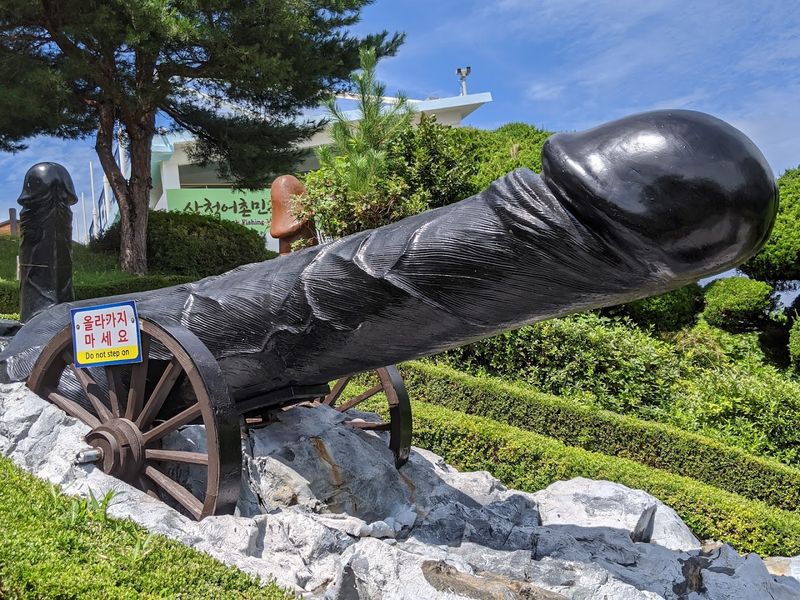
Samcheok Haesindang Park sits right on the edge of the East Sea, and the view is genuinely beautiful. The sculptures, however, are not what you would call subtle.
The park is filled with wooden and stone phallic art, all rooted in a local legend about a young woman who drowned and whose spirit was blamed for poor fishing catches.
The story goes that the fishermen found relief after erecting these sculptures as offerings. The tradition stuck, and eventually someone turned it into a tourist attraction.
That is a very South Korean move, and honestly, respect.
There is also an observatory and a small folklore museum on site, so you get history along with the spectacle. The park draws a surprisingly diverse crowd, from curious solo travelers to families who seem mildly confused about what they signed up for.
Go with an open mind and comfortable shoes. The coastal scenery alone makes it worth the trip.
Jeju Love Land, Jeju
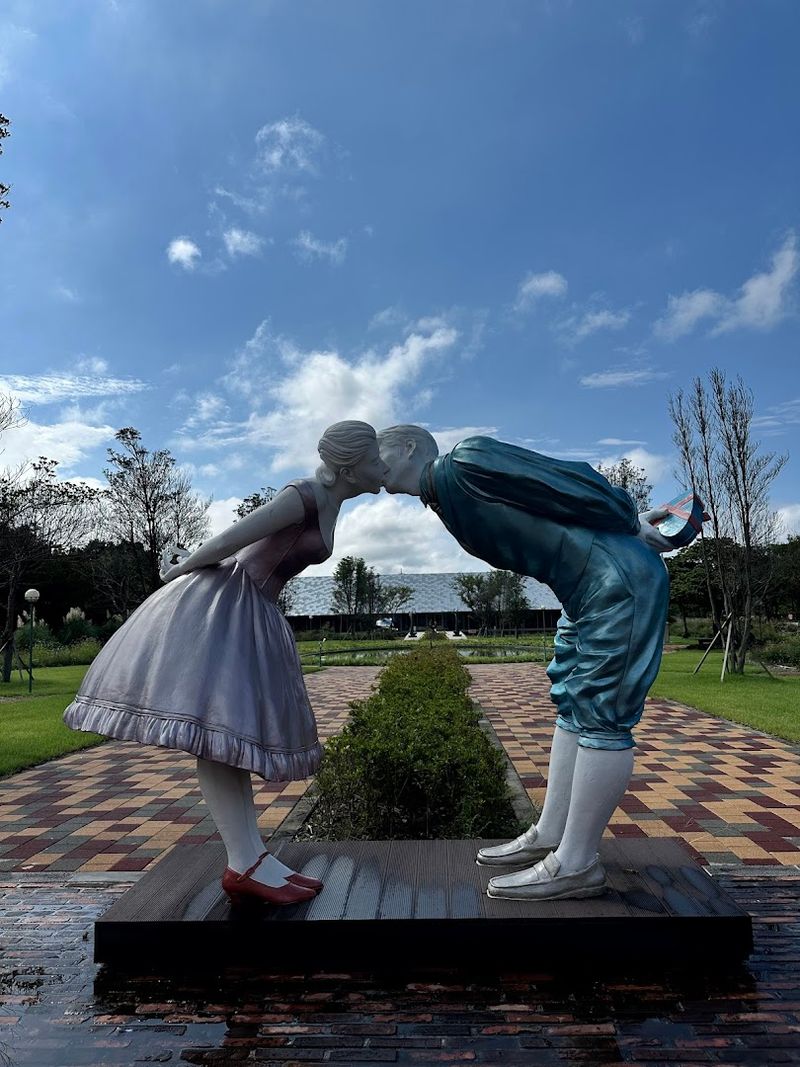
Jeju Love Land opened in 2004 and has been confusing parents and delighting adults ever since. The park sits near Jeju City and covers a large outdoor area packed with sculptures, interactive installations, and themed exhibits that approach human sexuality through art and humor rather than awkwardness.
It is adults-only, which means the crowd tends to be refreshingly relaxed about the whole thing. Couples, friend groups, and solo travelers all wander through, phones out, trying to get the best angle for their photos.
The sculptures range from playful to surprisingly artistic.
VISITKOREA officially lists this as a modern-themed park that interprets sex through art, which is perhaps the most professional description ever written about a place like this. Entry is reasonably priced, the grounds are well-maintained, and there is a small gift shop that sells exactly what you would expect.
Jeju Love Land is the kind of stop that guarantees a good story for the flight home.
Museum Kimchikan, Seoul
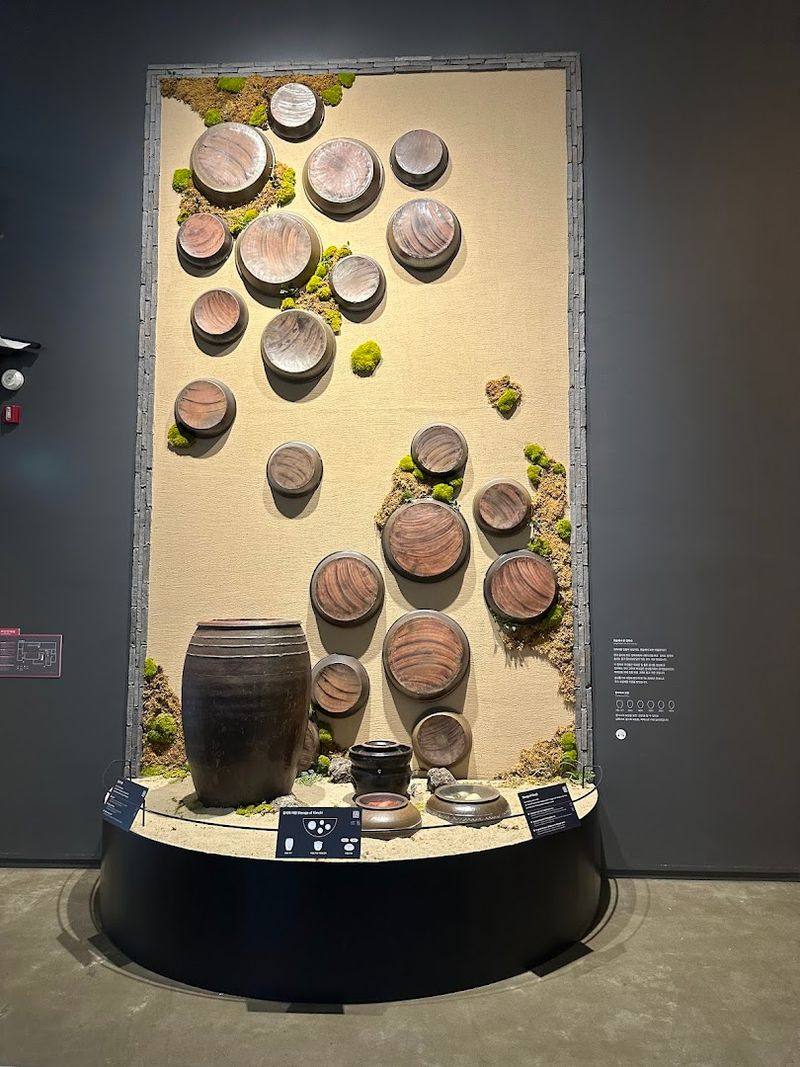
Kimchi has been a cornerstone of Korean food culture for over a thousand years, so it makes complete sense that Seoul finally gave it its own museum. Museum Kimchikan sits in the Insa-dong neighborhood and manages to make fermented cabbage feel genuinely fascinating, which is not an easy thing to pull off.
The exhibits cover kimchi’s origins, regional varieties, health benefits, and its role in Korean identity. There are also hands-on areas where visitors can learn about the kimchi-making process and sample different types.
I tried a variety I had never heard of before, and it was excellent.
What makes this museum work is that it does not take itself too seriously. The displays are colorful and modern, the information is accessible, and the whole experience moves at a comfortable pace.
Even visitors who are not big kimchi fans tend to leave impressed. It is a genuinely well-crafted cultural stop hiding behind what sounds like a very niche premise.
Alive Museum (Insa-dong Branch), Seoul
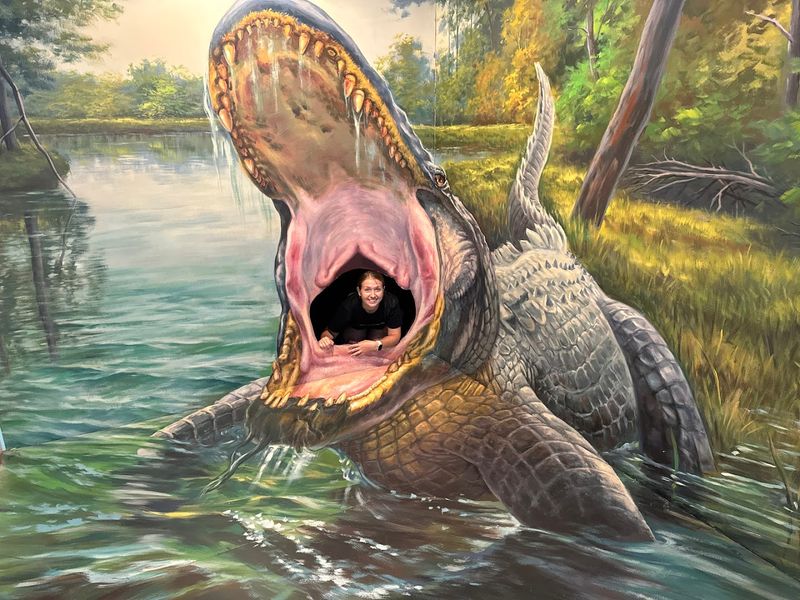
Standing still and staring at paintings is not really my thing, and the Alive Museum was built for people who feel exactly the same way. Located in the heart of Insa-dong, this attraction flips the traditional museum format completely on its head.
Every exhibit is designed to be touched, stepped into, or photographed. Optical illusion art, oversized props, digital media walls, and interactive zones fill the space from floor to ceiling.
The whole point is to become part of the art rather than just observe it from a distance.
VISITKOREA describes it as a playful, camera-heavy experience, which is accurate. Visitors spend most of their time laughing, repositioning for better shots, and occasionally falling into each other while trying to line up the perfect perspective.
It is chaotic in the best way. Groups and families especially get a lot out of it.
Budget a couple of hours and bring a fully charged phone, because you will absolutely fill your camera roll.
Charmsori Gramophone & Edison Science Museum, Gangneung
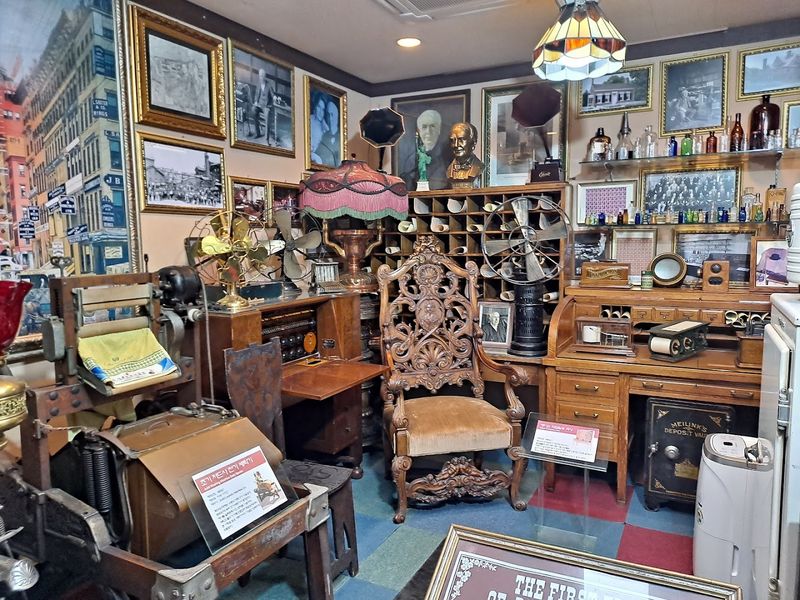
Over 5,000 items related to recorded sound and human invention live inside this museum in Gangneung, and that number alone should tell you this place is not messing around. The Charmsori Gramophone and Edison Science Museum is the passion project of a collector named Son Sung-mok, who spent decades gathering gramophones, phonographs, and Edison-era technology from around the world.
The collection is staggering. Antique music boxes, early radio equipment, vintage speakers, and rare Edison artifacts fill room after room.
There is a working demonstration area where staff actually plays some of the old machines, and the sound that comes out of century-old equipment is genuinely surprising.
Gangneung is already worth visiting for its coastal scenery and coffee culture, but this museum adds a layer of unexpected depth to any trip. It sits near Lake Gyeongpo, so you can easily combine it with a lakeside walk.
For anyone who loves history, technology, or just beautifully strange collections, this is a must.
Dokkaebi Road (Mysterious Road), Jeju
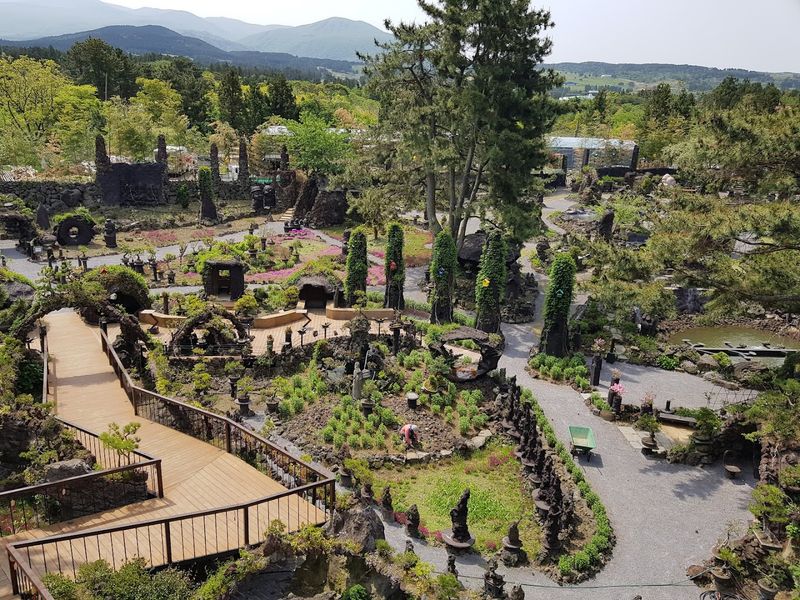
Dokkaebi Road is one of those places where your eyes and your brain get into a full argument. The road near Jeju City looks like it slopes uphill, but when you put a car in neutral, it rolls forward.
Water poured on the ground appears to flow the wrong way. Every first-time visitor does a double take.
VISITKOREA is upfront about the explanation: it is an optical illusion created by the surrounding landscape. The horizon line and the angle of nearby hills trick your visual system into reading a downhill slope as an uphill one.
Knowing the science behind it does not make it any less fun to experience.
The road has become one of Jeju’s most visited roadside stops, and locals selling snacks and souvenirs nearby have clearly figured out that confused tourists are also hungry tourists. Go early in the morning to beat the crowds.
Bring something round to roll on the road for a satisfying visual payoff.
Jeju Glass Castle, Jeju
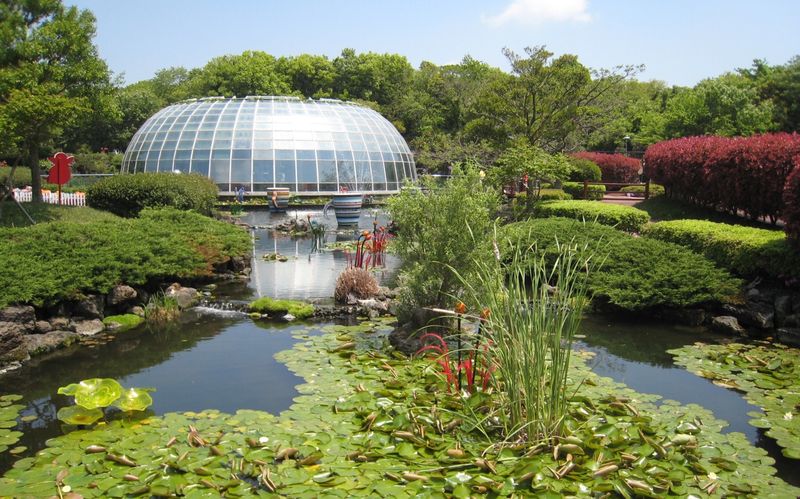
Nearly 250 glass structures spread across multiple themed zones make Jeju Glass Castle one of the more visually overwhelming places on the island, and that is meant as a compliment. The park was built around the art and craft of glass, and it commits to that theme with an almost alarming level of dedication.
There is a glass maze that is genuinely tricky to navigate, a giant glass globe that visitors can walk through, and sculpture gardens that catch light in ways that feel almost unreal on a sunny day. It is the kind of place where you keep stopping because something else has caught your eye.
VISITKOREA describes the site as having a surreal, fantasy-set quality, and that tracks. The combination of art, architecture, and natural light creates something that does not quite fit any normal category.
Entry tickets are reasonably priced for the amount of ground you cover. Go on a clear day, because the whole experience changes dramatically when the sun hits the glass at the right angle.
Maze Land, Jeju
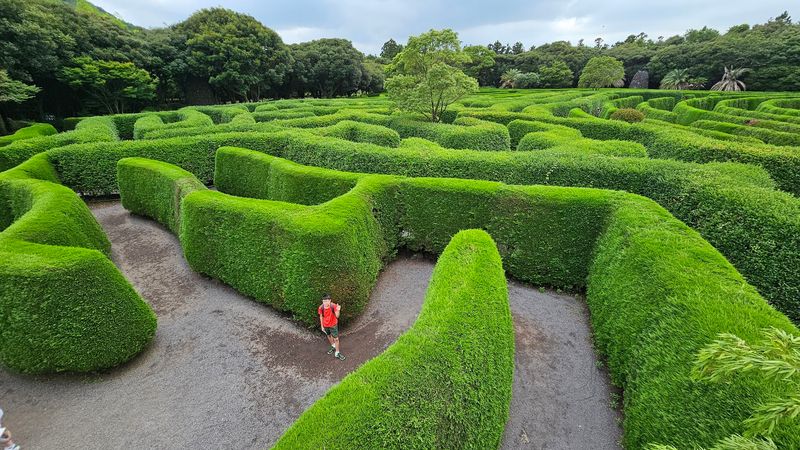
Maze Land holds a record that most people do not even know exists: it is home to the world’s longest stone maze. That fact alone makes it worth a detour from your standard Jeju itinerary.
The maze stretches across a large outdoor area and takes longer to complete than most visitors expect, especially the ones who confidently announce they are good at mazes.
Beyond the main stone maze, the site includes a museum dedicated to the history of labyrinths, puzzles, and maze culture across different civilizations. It turns out humans have been building confusing paths on purpose for thousands of years, which says something interesting about our species.
There is also a smaller indoor maze and activity areas that make this a solid family stop. The outdoor setting is pleasant, with plenty of greenery to keep the experience from feeling like a concrete puzzle box.
Wear comfortable shoes, bring water, and do not trust anyone in your group who claims to have a great sense of direction.
Hello Kitty Island, Jeju
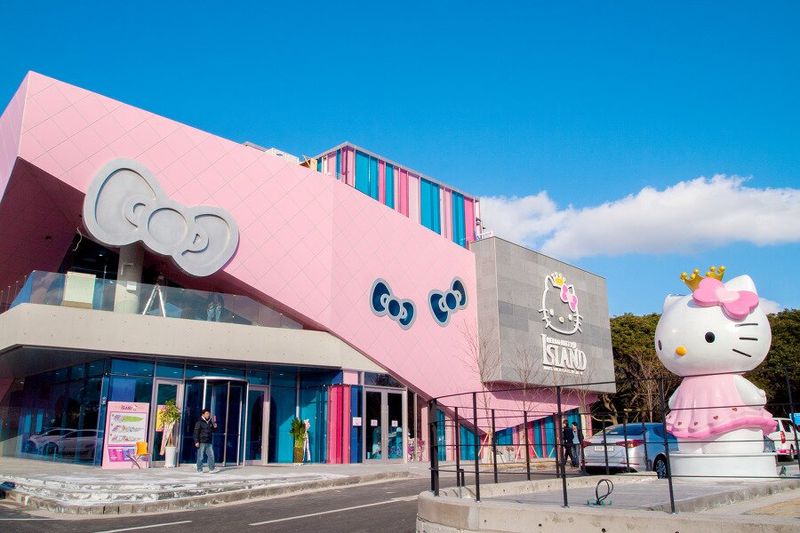
Hello Kitty Island in Jeju does not do things halfway. The entire attraction is built around the Sanrio universe, and it leans into the aesthetic with full commitment.
Exhibition halls, a 3D theater, a themed cafe, and an outdoor maze garden are all part of the package, and every square meter is decorated in the signature pink and white palette.
For fans of the character, this is an obvious pilgrimage stop. For everyone else, it is a fascinatingly specific world to walk through.
The 3D theater is a highlight, and the cafe serves food and drinks that match the theme so closely it almost feels wrong to eat them.
Kids absolutely love it, but the crowd skews surprisingly older, with plenty of adults who grew up with Hello Kitty making the trip for nostalgia reasons. The outdoor maze garden adds a bit of physical activity to what is otherwise a very visual experience.
It is cheerful, colorful, and completely unapologetic about exactly what it is.
Nexon Computer Museum, Jeju
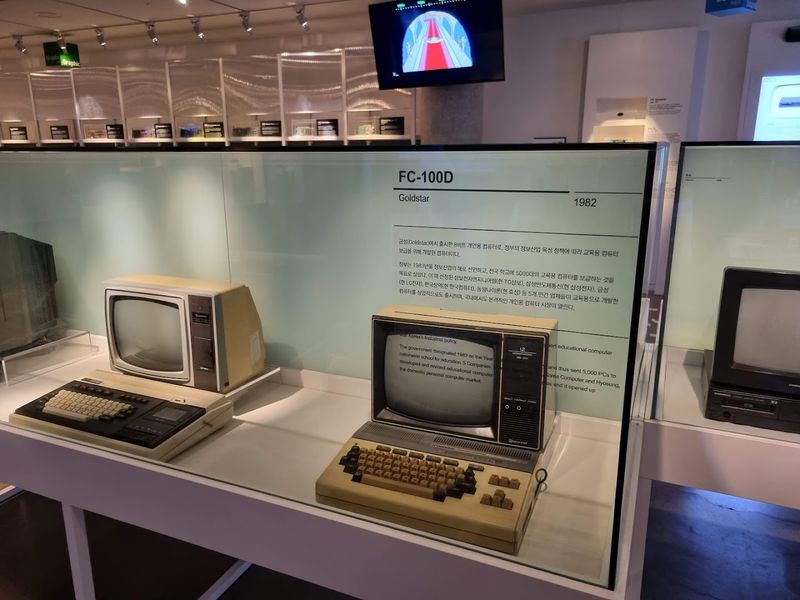
A gaming company building a computer museum on a resort island is exactly the kind of move that makes perfect sense once you stop questioning it. Nexon, one of South Korea’s biggest game developers, opened this museum in Jeju as a tribute to the history of computers and the culture of gaming.
The collection covers everything from early personal computers to the evolution of game design, with hands-on exhibits that let visitors actually use some of the vintage hardware. There is something deeply satisfying about typing on a machine from the 1980s when you are used to a modern laptop.
VISITKOREA notes that the museum also looks forward, encouraging visitors to think about where technology is headed next. That combination of nostalgia and forward-thinking gives the place a thoughtful edge that you might not expect from a gaming company’s side project.
It is well-designed, genuinely informative, and entertaining even for people who are not hardcore gamers. A solid stop for anyone curious about tech history.
Figure Museum W, Jeju
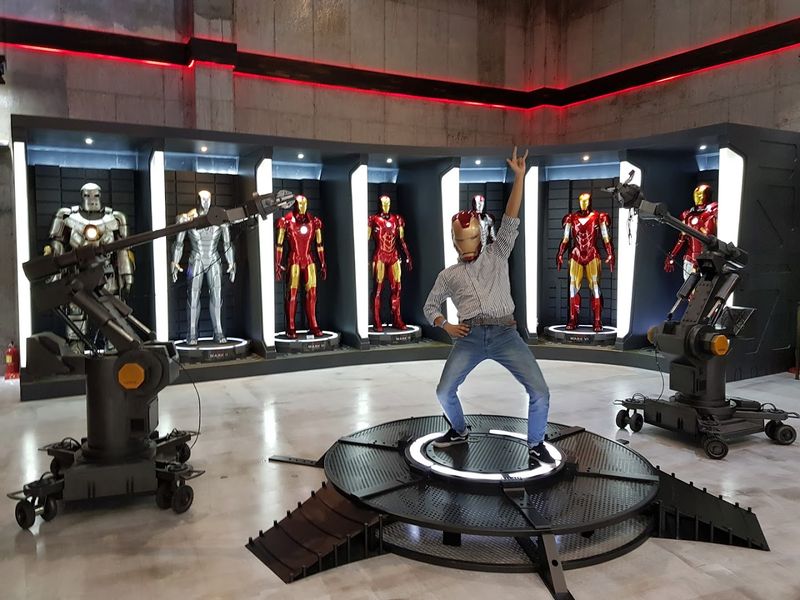
Collectible figurines have a passionate global following, and Figure Museum W in Jeju is proof that fandom can scale up into a full museum experience without losing any of its personality. The museum is built around figurines from pop culture, film, animation, and themed entertainment, displayed with the kind of care usually reserved for fine art.
Walking through the halls feels like touring someone’s dream collection, except everything is perfectly lit, labeled, and arranged for maximum impact. Some of the figures are rare, some are oversized, and a few are so detailed that you end up staring at them far longer than you planned.
VISITKOREA describes it as a concept museum built around collectible culture, which is a diplomatic way of saying it is a very specific kind of wonderful. It appeals to pop culture fans, collectors, and curious visitors who just want to see something outside the usual museum categories.
The gift shop is dangerous for anyone with a credit card and a love of limited-edition merchandise.
Teddy Bear Museum Jeju, Jeju
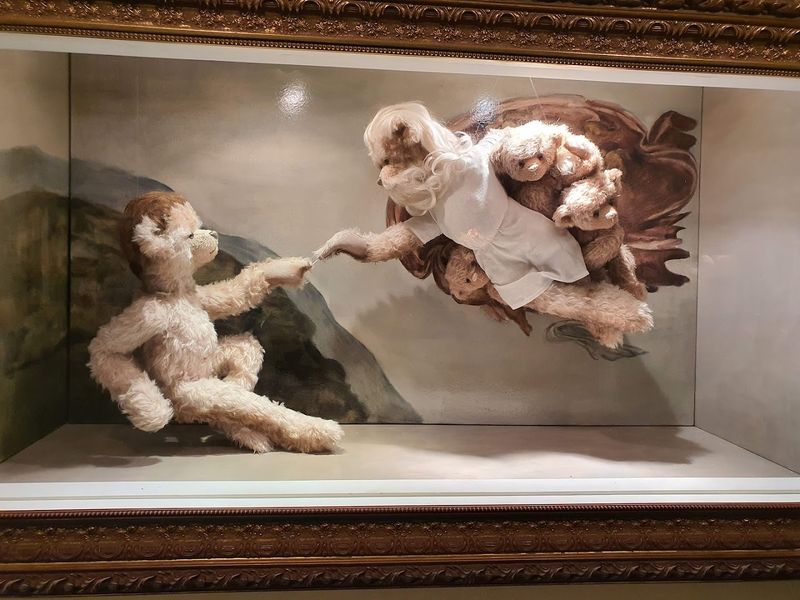
Teddy bears recreating scenes from 20th-century history is not a sentence that prepares you for what you actually see inside this museum. The Teddy Bear Museum in Jeju takes its fluffy subject matter seriously, displaying rare bears from around the world alongside elaborate dioramas that cover everything from the moon landing to famous moments in global culture.
The contrast between the soft, round figures and the serious historical content creates a tone that is oddly charming. It should feel ridiculous, and sometimes it does, but the craftsmanship in many of the displays is genuinely impressive.
VISITKOREA confirms this is a real, well-documented attraction, and the visitor numbers back that up. Families are the obvious audience, but solo travelers and couples wander through just as often, usually because someone dared someone else to go.
The museum is spacious, well-maintained, and takes a surprisingly long time to get through if you actually read the display descriptions. Worth every minute of the confused looks from people back home when you explain where you spent your afternoon.
Da Vinci Museum, Jeju
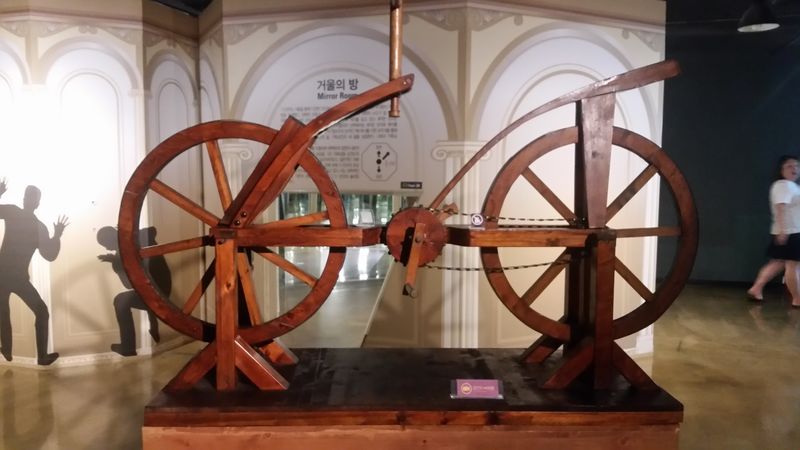
The Da Vinci Museum in Jeju holds the only official Da Vinci License in South Korea, which is a detail that sounds made up but is very much real. The license allows the museum to display and recreate content inspired directly by Leonardo da Vinci’s notebooks, inventions, and artistic work, giving the exhibits an authenticity that most themed museums cannot claim.
Visitors can get hands-on with working models of da Vinci’s famous designs, from flying machines to mechanical devices that were centuries ahead of their time. The interactive format makes it accessible for kids and genuinely engaging for adults who already know the basics of da Vinci’s legacy.
What sets this museum apart from a standard science exhibit is the way it connects art and invention without treating them as separate things. Da Vinci never separated them either, so the approach feels appropriate.
It is one of the more intellectually satisfying stops on Jeju, which is saying something for an island better known for volcanic landscapes and tangerine farms.
Snoopy Garden, Jeju
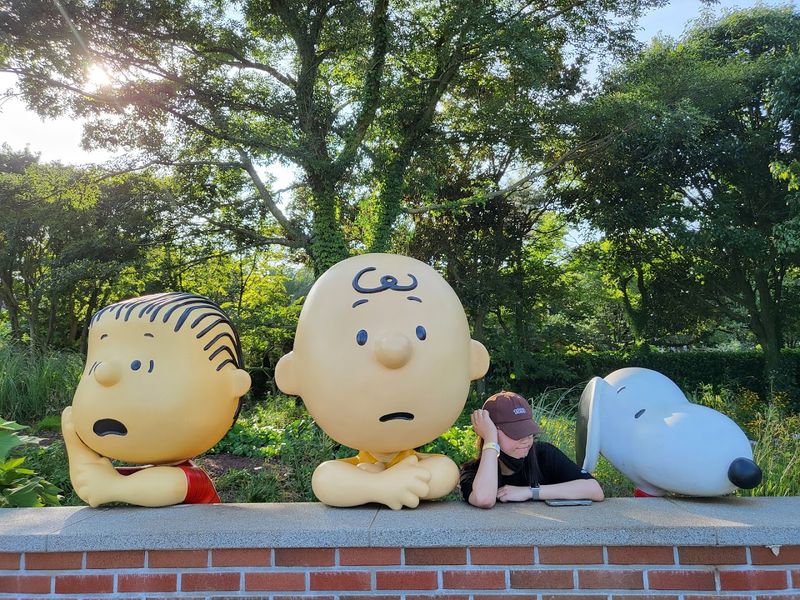
Snoopy Garden is quietly one of the most charming stops on Jeju, and it earns that reputation without trying too hard. The attraction is built around the world of Peanuts, connecting Charles Schulz’s characters to themes of nature, daily life, and the kind of slow, peaceful wandering that Jeju does better than almost anywhere.
Themed indoor halls explore different aspects of the Peanuts universe, while outdoor garden paths wind through greenery dotted with character sculptures and installations. It is the kind of place where you end up taking more photos than you planned because the setting keeps offering good ones.
What makes Snoopy Garden genuinely interesting rather than just cute is its tonal balance. It is wholesome without being cloying, eccentric without being chaotic, and peaceful without being boring.
That is a harder balance to strike than it looks. Families love it, but couples and solo visitors consistently rate it highly too.
Go in the late afternoon when the light softens and the garden feels a little quieter. You will not regret it.



