 Unearth The Voyage
Some facts sound like internet myths until you check the science and history behind them. This list pulls together unusual claims that are well documented, clearly explained, and surprisingly easy to verify.
From animals and space to weather and human biology, each example is odd enough to raise an eyebrow but solid enough to stand up to scrutiny. If you enjoy learning things that seem invented but are entirely real, these 15 facts are worth your time.
1. Bananas are berries, but strawberries are not
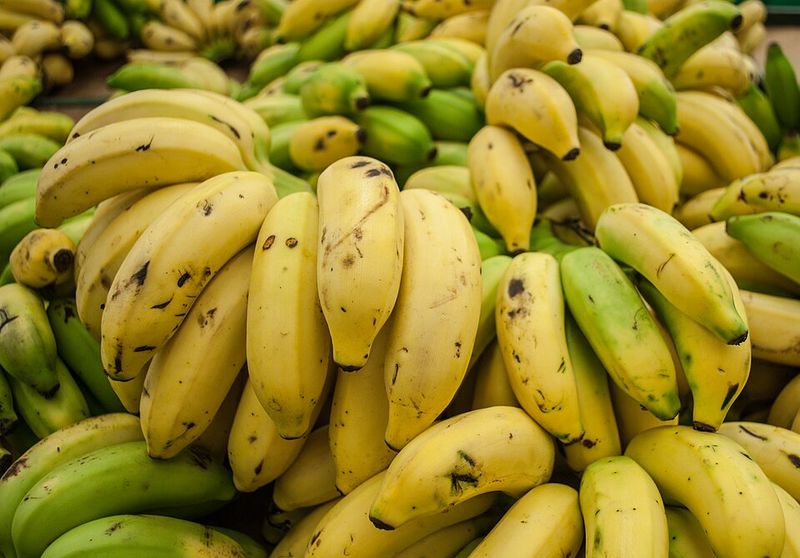
It sounds backward, but botanists classify bananas as berries while strawberries do not make the cut. In botany, a true berry develops from a single flower with one ovary and usually has seeds embedded inside the flesh.
Bananas fit that definition surprisingly well, even though most grocery store varieties have tiny, undeveloped seeds.
Strawberries are different because the red fleshy part is not the ovary itself. The actual fruits are the tiny seed-like structures on the outside, called achenes, and each comes from a separate ovary.
Once you see the scientific definition instead of the culinary one, the strange label makes sense.
This is a good reminder that everyday language and scientific language often describe the same food in completely different ways. What sounds fake is really just a case of technical classification beating common intuition.
2. Octopuses have three hearts
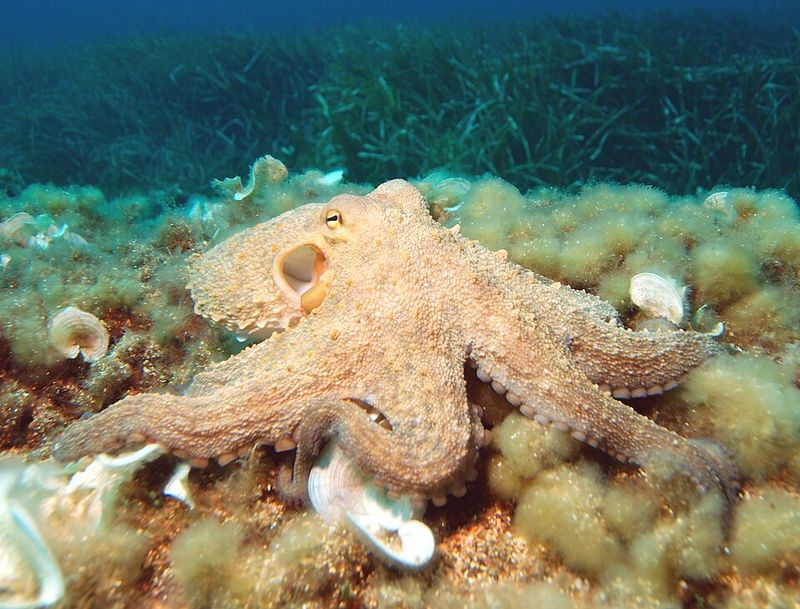
An octopus really does have three hearts, which sounds like a detail invented for science fiction. Two of those hearts pump blood to the gills, where oxygen is collected, while the third pumps oxygenated blood to the rest of the body.
Their blood is also copper-based rather than iron-based, which makes it appear blue instead of red.
The system helps octopuses survive in cold, low-oxygen marine environments. There is another odd twist: the main heart can stop beating when the animal swims, which is one reason octopuses often prefer crawling over long-distance swimming.
It is an efficient body design, even if it sounds completely made up.
Marine biologists have studied this circulatory system for years, so the claim is not folklore or trivia fluff. It is a real example of how evolution can produce anatomy that feels almost alien while remaining thoroughly natural.
3. Wombat poop is cube-shaped
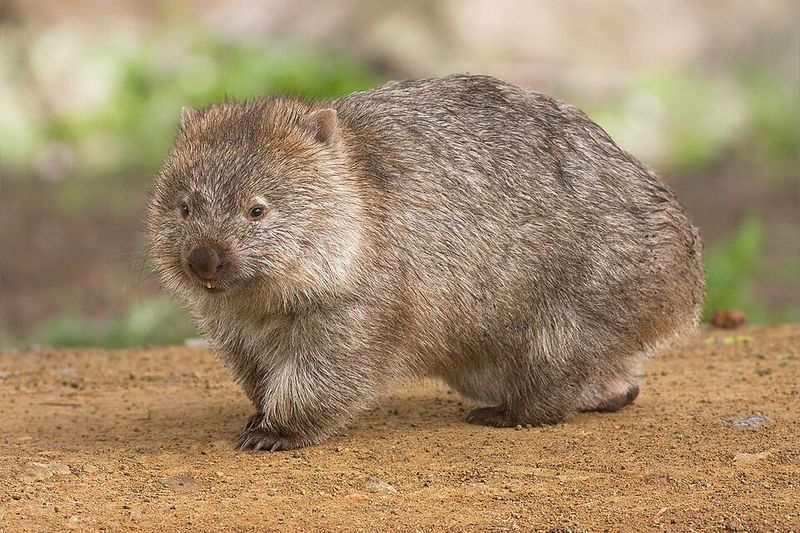
Few animal facts sound less believable than this one, yet wombats really do produce cube-shaped droppings. Researchers have found that the shape comes from the way the animal’s intestines dry and compress waste as it moves through the digestive tract.
Instead of a round form, the material firms up with flat sides and edges before it leaves the body.
The cubes are not just a biological curiosity. Wombats often use droppings to mark territory, and the shape helps the pellets stay put instead of rolling away from logs or rocks.
For an animal using scent and placement to communicate, that stability is useful.
Scientists have even studied wombat intestines to better understand how soft tissue can create geometric forms. So yes, cube poop sounds like a joke someone made online, but it is a documented feature of one of Australia’s most unusual marsupials.
4. There are more trees on Earth than stars in the Milky Way

At first glance, this claim seems impossible because space feels limitless and forests do not. Yet scientific estimates suggest Earth has roughly 3 trillion trees, while the Milky Way is commonly estimated to contain around 100 to 400 billion stars.
The exact totals are uncertain, but the broad comparison still holds.
Tree counts improved after satellite analysis and ground sampling gave researchers better global estimates. Star counts are also based on models and observations, so neither number is exact down to the last unit.
Still, the comparison is useful because it challenges our instincts about scale.
The strange part is not that space has fewer stars in one galaxy than Earth has trees, but that our planet supports that much life at all. When you frame it that way, the fact becomes less like a gimmick and more like a reminder of how densely alive Earth really is.
5. A day on Venus is longer than a year on Venus
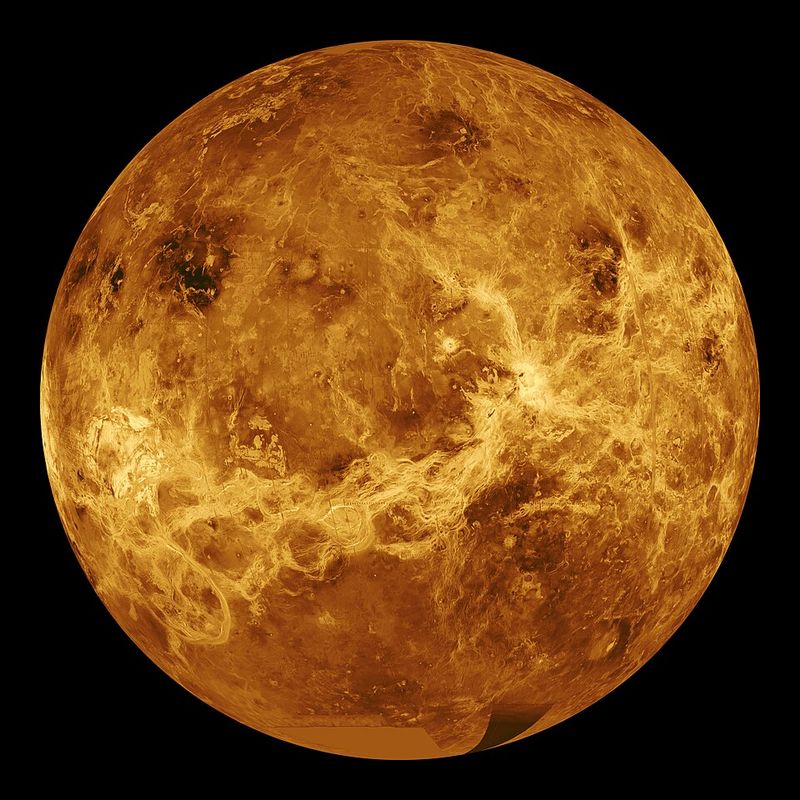
Venus moves around the Sun faster than it spins on its axis, which creates one of astronomy’s strangest true facts. A single rotation of Venus takes about 243 Earth days, while one trip around the Sun takes about 225 Earth days.
In simple terms, the planet finishes a year before it finishes a day.
Venus also rotates in the opposite direction of most planets in our solar system, a motion called retrograde rotation. That means the Sun would appear to rise in the west and set in the east if you could somehow stand on its surface.
Of course, the surface is so hot and pressurized that visiting is another matter entirely.
This fact sounds fake because it flips a basic expectation most of us never question. On Earth, days are always much shorter than years, but the solar system does not follow one neat template.
Venus is a good example of planetary rules getting weird fast.
6. Sharks are older than trees
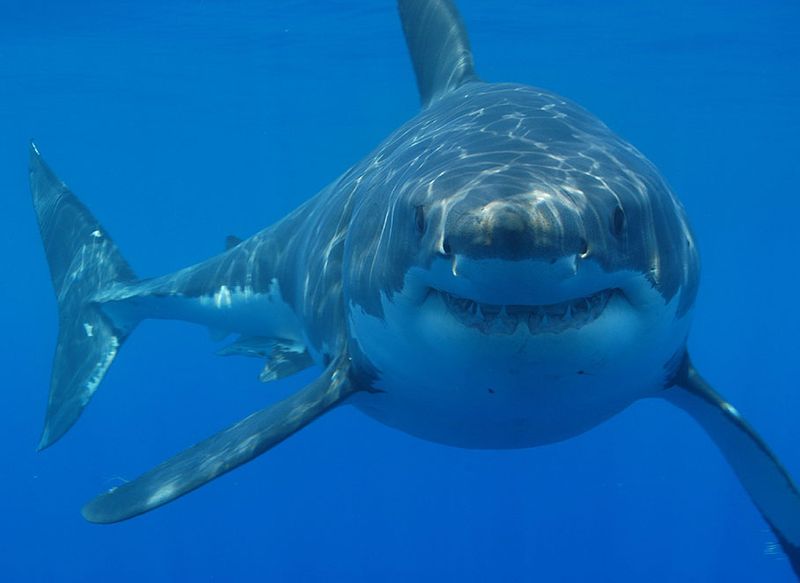
Sharks have been around for an astonishingly long time, far longer than most people realize. The earliest shark ancestors appeared more than 400 million years ago, while the first true trees showed up later, roughly around 385 million years ago.
So, in evolutionary terms, sharks were already in the water before forests began covering land.
The comparison works because sharks are an ancient lineage, not because any single shark species has survived unchanged since that era. Many species evolved, disappeared, and diversified across immense spans of time.
Still, the group itself has roots that reach deeper into history than trees do.
This fact feels fake because trees seem timeless and permanent, while sharks are usually discussed as modern marine predators. Fossils tell a different story.
Once you line up the geological timeline, the claim becomes a straightforward example of how misleading our everyday sense of history can be.
7. Honey can last for thousands of years
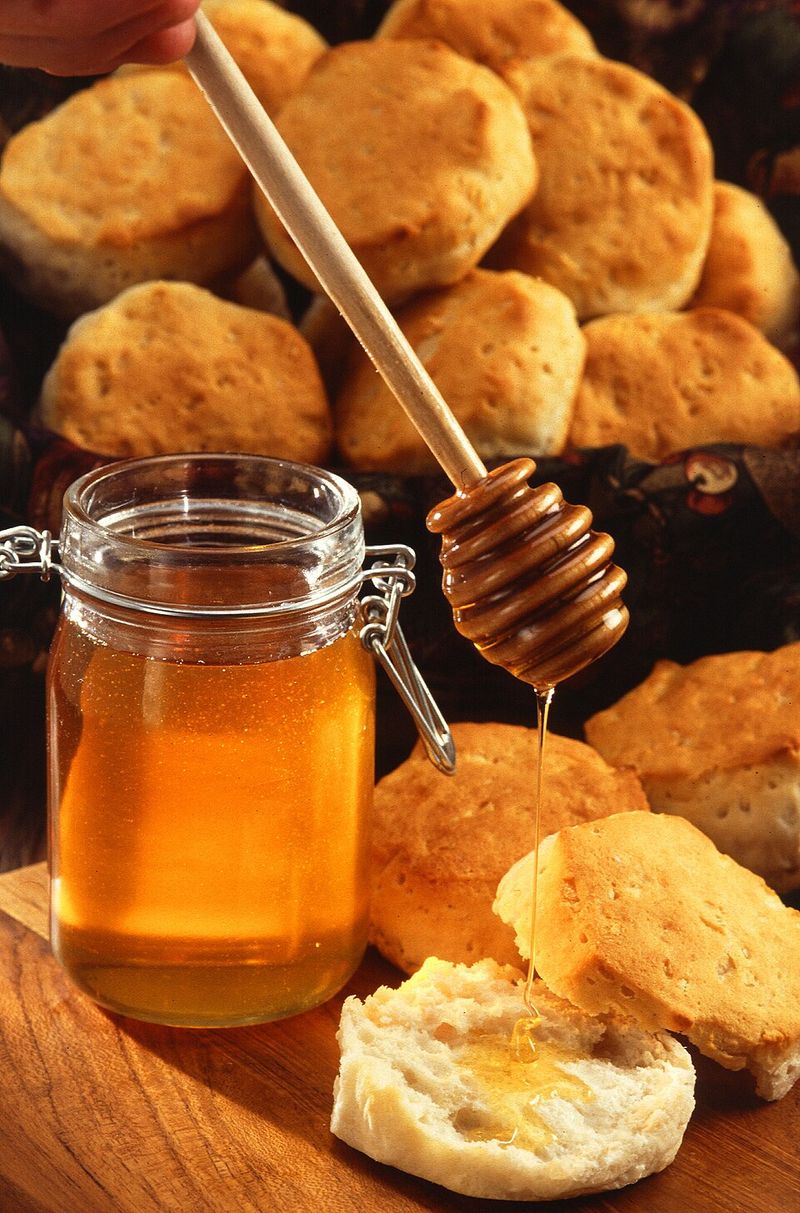
Honey is one of the few foods that can remain edible for an extremely long time when stored properly. Its low water content, high sugar concentration, and natural acidity create an environment where many microbes struggle to grow.
Bees also add enzymes that help give honey antimicrobial properties.
Archaeologists have reportedly found ancient honey in tombs that was still preserved after thousands of years. That does not mean every forgotten jar in a pantry is automatically perfect forever, but it shows how unusually stable honey can be.
Crystallization may change its texture over time, yet gentle warming often restores a smoother consistency.
The reason this sounds fake is that we expect food to spoil on a predictable schedule. Honey refuses to cooperate with that expectation because it is chemically hostile to many forms of decay.
Properly sealed and kept dry, it can outlast almost anything else in the kitchen.
8. Hot water can freeze faster than cold water
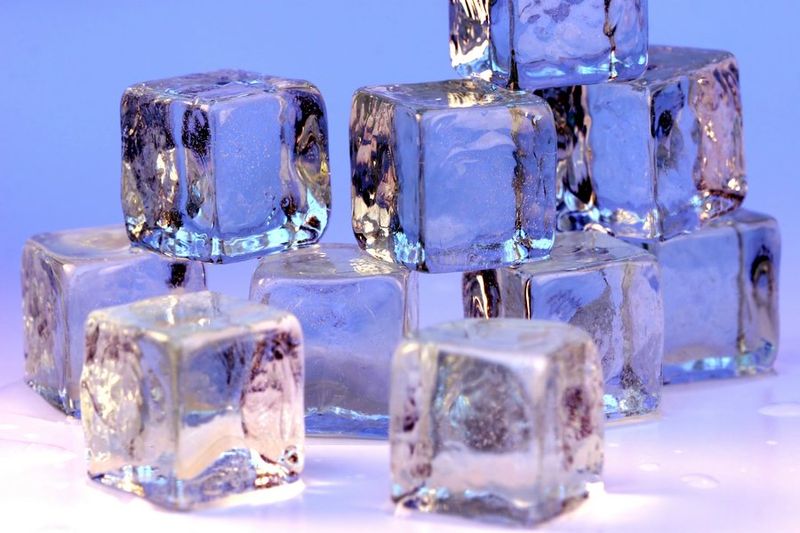
The idea that hot water can freeze faster than cold water sounds like a trick question, but under some conditions it can happen. This phenomenon is often called the Mpemba effect, named after a student who drew attention to it in the 1960s.
Scientists still debate the exact combination of causes, but evaporation, convection, dissolved gases, and supercooling all may play a role.
It is important to note that hot water does not always freeze faster. The result depends on container shape, freezer conditions, water purity, and starting temperatures, which is why experiments do not always match.
That inconsistency is part of what made the effect controversial for so long.
What makes the fact credible is not that the mystery is fully solved, but that the observation has been repeatedly investigated in serious scientific settings. Sometimes the strange part of science is not a magical rule.
It is that reality can behave differently depending on context.
9. Your stomach gets a new lining regularly

Your stomach uses powerful acid to help break down food, so it needs a way to protect itself from that harsh environment. One important defense is the rapid renewal of its inner lining, which can regenerate in a matter of days.
Cells in the stomach wall are constantly replaced before damage builds up too far.
This does not mean your entire stomach becomes brand new all at once, and it certainly does not make the organ indestructible. Ulcers and other digestive problems can still happen when protective mechanisms fail or infection is involved.
But the pace of renewal is real and medically important.
The fact sounds fake because the body is often described as stable, almost mechanical, when it is actually more like a living construction site. Tissues are continuously breaking down and rebuilding in response to normal wear.
In the stomach, that rebuilding happens quickly enough to prevent acid from doing far more harm than it usually does.
10. Cleopatra lived closer to the Moon landing than to the pyramids
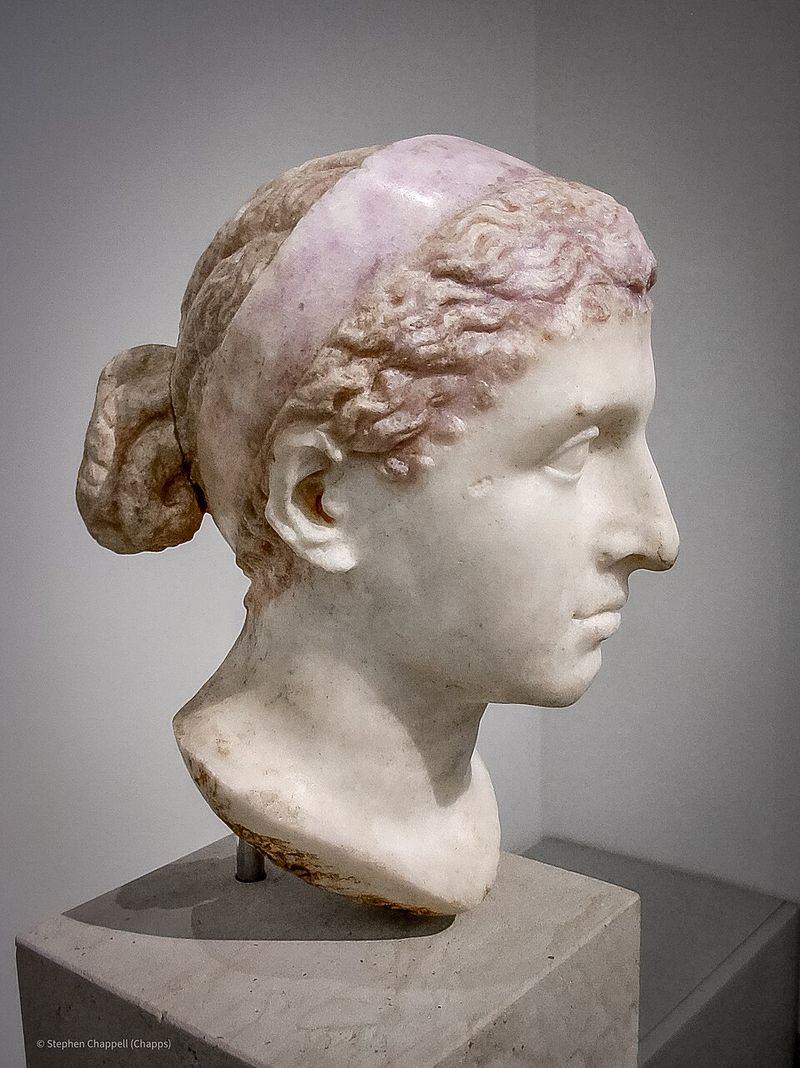
Ancient Egypt is often treated as one block of history, which is why this timeline fact feels so wrong at first. The Great Pyramid of Giza was completed around 2560 BCE, while Cleopatra VII lived from 69 to 30 BCE.
The Apollo 11 Moon landing happened in 1969, much closer to Cleopatra’s lifetime than the pyramids were.
The gap between Cleopatra and the pyramid builders was roughly 2,500 years. The gap between Cleopatra and the Moon landing was just under 2,000 years.
When you lay out the dates, the math is simple, even if the conclusion feels deeply unintuitive.
This fact matters because it corrects a common mental shortcut. History is not a flat mural where all famous ancient figures lived side by side.
Cleopatra ruled in a world already ancient by her own time, connected to long traditions but separated from the pyramid era by more centuries than many people realize.
11. A bolt of lightning is hotter than the Sun’s surface
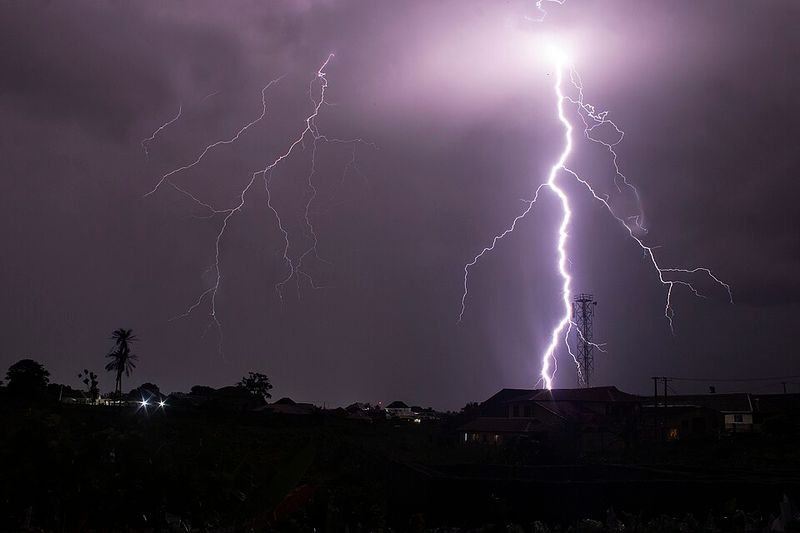
Lightning is brief, but its temperature can reach around 30,000 kelvins, which is hotter than the Sun’s surface at roughly 5,800 kelvins. That does not mean lightning contains more total heat than the Sun, only that the channel of air it superheats reaches a higher temperature for an instant.
The difference between temperature and total energy matters here.
That extreme heat causes the surrounding air to expand violently, producing the shock wave we hear as thunder. It also helps explain why lightning can split trees, melt sand into glassy formations, and start fires.
The event is fast, localized, and extraordinarily intense.
The claim sounds fake because comparing anything on Earth to the Sun feels like obvious exaggeration. In reality, it is a precise scientific comparison about surface temperature, not a dramatic slogan.
Weather physics is full of moments where nature creates conditions that seem impossible until you look at the measurements.
12. Some turtles can breathe through their rear ends
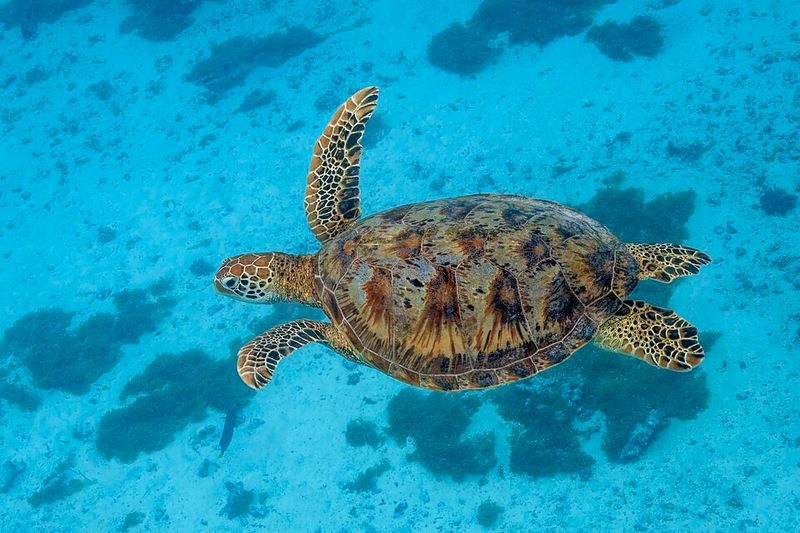
As odd as it sounds, some turtle species can absorb oxygen through specialized structures near the cloaca, a multi-purpose opening at the rear of the body. This process is often called cloacal respiration and can help turtles survive underwater for long periods, especially during cold months.
It is not the same as normal lung breathing, but it can supplement oxygen intake.
Species such as the Fitzroy River turtle in Australia are well known for this adaptation. In icy or low-activity conditions, reduced metabolism makes the method more practical, allowing turtles to stay submerged without surfacing as often.
The biology is unusual, but it is well documented.
The fact sounds made up because it clashes with the way most people picture reptiles breathing. Yet evolution often solves problems with whatever anatomy is available.
For turtles dealing with long underwater stretches, using more than one route for oxygen is strange, effective, and entirely real.
13. The Eiffel Tower can grow taller in summer
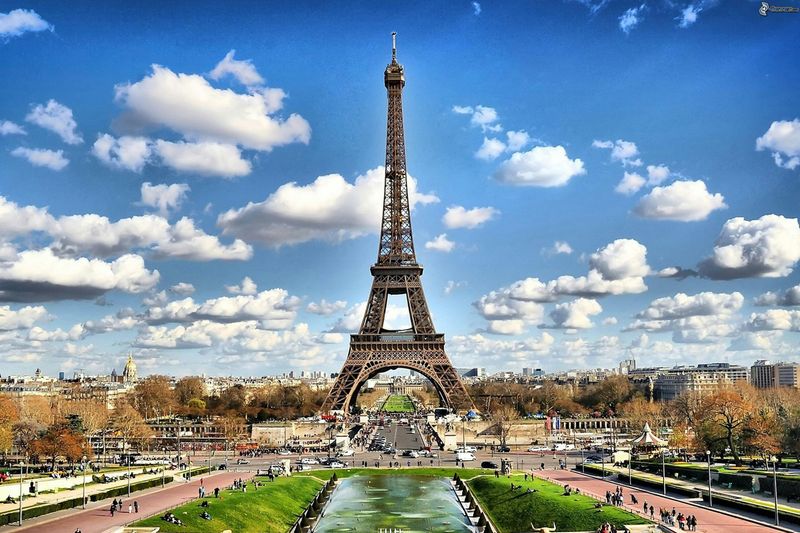
The Eiffel Tower does not permanently change size, but it can become taller in warm weather because metal expands when heated. In summer conditions, the iron structure may grow by several inches as temperatures rise.
The exact amount varies, but the principle is standard physics rather than architectural mystery.
Sunlight can also heat one side of the tower more than the other, causing slight temporary shifts in shape or lean. Engineers account for thermal expansion in bridges, railways, buildings, and many other structures made from metal.
The tower simply offers a famous and easy-to-visualize example.
This sounds fake because we tend to think of landmarks as fixed and unmoving. In reality, large structures respond constantly to weather, temperature, and stress, even if the changes are too small to notice from the ground.
The Eiffel Tower’s summer growth is not a rumor. It is a visible lesson in how materials behave in the real world.
14. Sea otters hold hands while sleeping
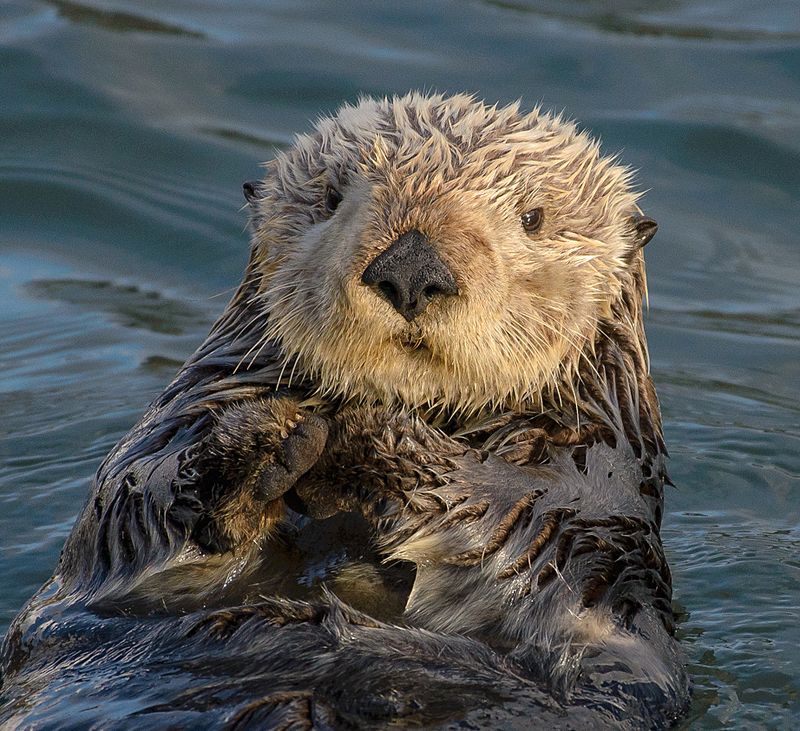
Sea otters have been observed linking paws or wrapping themselves in kelp while resting at the surface. The behavior helps keep them from drifting away from one another or from a preferred area while they sleep.
It is especially associated with groups called rafts, where multiple otters may rest close together.
Not every sleeping sea otter literally holds hands every time, so the popular version can sound a bit too neat. Still, the underlying fact is real: these animals use physical contact and surrounding kelp to stay anchored in moving water.
For a marine mammal that spends much of its life floating, that strategy is practical.
The reason people doubt this fact is that it sounds too charming to be biologically useful. In reality, many behaviors that look sweet also serve a clear survival purpose.
Sea otters are a good example of how an action can be both appealing to watch and perfectly sensible in ecological terms.
15. Scotland’s national animal is the unicorn
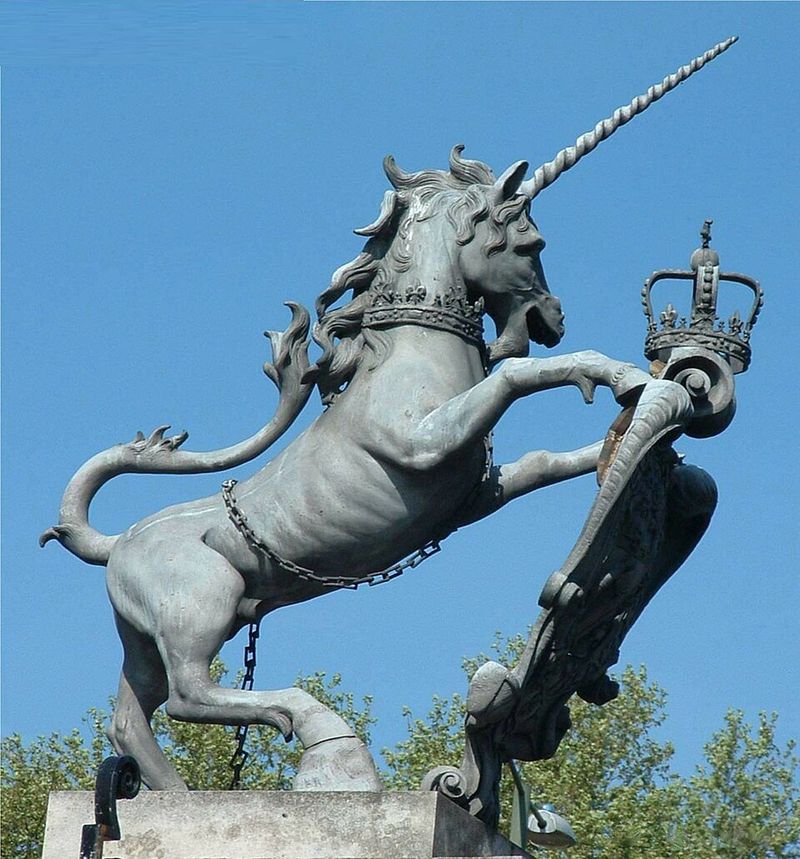
It may sound like a tourism slogan or a modern joke, but the unicorn is widely recognized as Scotland’s national animal. The symbol has deep roots in Scottish heraldry and royal iconography, where it represented purity, strength, independence, and untamed power.
It appeared in coats of arms long before modern branding turned it into a whimsical character.
In medieval European tradition, the unicorn was not seen as silly or childish. It was a serious mythical creature associated with nobility and spiritual symbolism, which helps explain why it fit national imagery.
Scotland’s use of the unicorn reflects that older cultural context rather than a taste for fantasy alone.
This fact sounds fake because national animals are usually real species like eagles, lions, or bears. Yet symbols often tell you more about history than biology.
Scotland’s unicorn is a genuine emblem with centuries of tradition behind it, making the claim unusual, memorable, and completely true.



