Some streets are more than just roads that get you from one place to another. They carry history, culture, personality, and sometimes a whole city’s identity packed into a single stretch of pavement.
Walking them feels less like navigating and more like experiencing something. These 15 streets around the world have earned their reputations as destinations all by themselves.
The Royal Mile – Edinburgh, Scotland
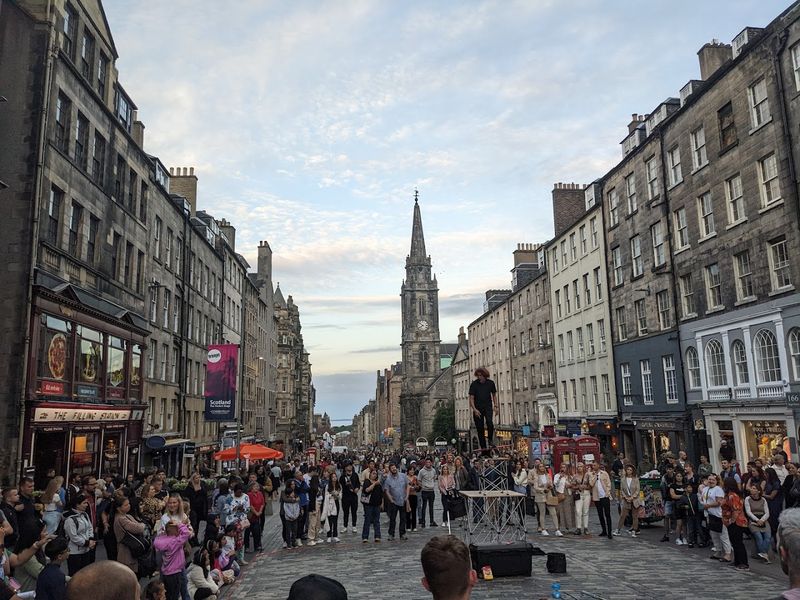
Few streets in the world carry as much dramatic weight as the Royal Mile. Running straight through Edinburgh’s Old Town, it connects Edinburgh Castle at the top to the Palace of Holyroodhouse at the bottom, with centuries of Scottish history wedged in between.
Narrow closes branch off the main street like secret passageways, and stone buildings rise on both sides with a kind of stubborn permanence. Street performers, historic pubs, tartan shops, and old churches all compete for your attention at once.
It is a lot to take in, and that is exactly the point.
The Royal Mile is undeniably touristy, but it earned every tourist. The walk alone tells a story that no museum could fully replicate.
Whether you stop at every close or just stroll the full length, the street itself does most of the work.
Shambles – York, England
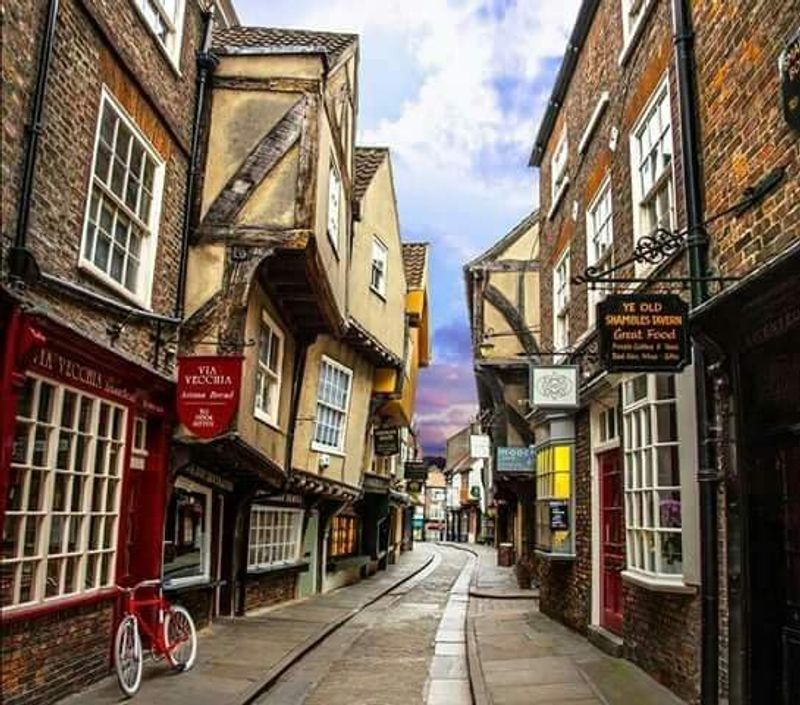
The Shambles in York looks like someone built a street and forgot to tell it that the Middle Ages ended. Timber-framed buildings tilt toward each other overhead, nearly touching, creating a crooked tunnel of old wood and history.
It is one of the best-preserved medieval streets in all of Europe.
Originally a butchers’ row, the street today is lined with small shops selling everything from fudge to wizard cloaks. The butcher hooks are still visible on some buildings, which is either charming or slightly unsettling depending on your mood.
What makes Shambles worth visiting is not any single shop or building. It is the whole crooked, cobbled, leaning effect of the place.
Standing in the middle of it on a quiet morning, before the tour groups arrive, genuinely feels like stepping through a gap in time. York has many historic streets, but none quite like this one.
Nyhavn – Copenhagen, Denmark
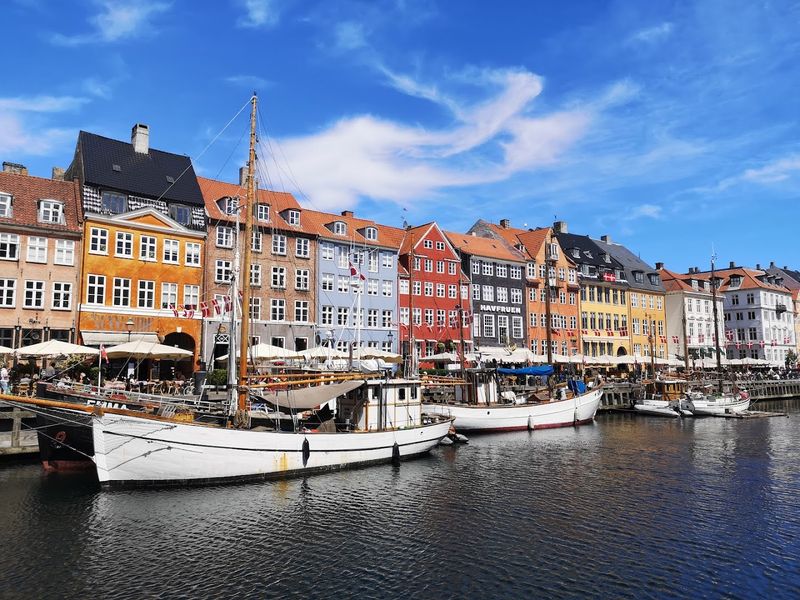
Nyhavn might be the most photogenic street in Scandinavia, and it knows it. The row of colorful 17th and 18th-century townhouses lining the canal comes in shades of red, yellow, ochre, and blue that seem almost too vivid to be real.
Every angle looks like a postcard someone already sent.
In summer, outdoor tables fill up fast and people sit along the canal steps with cold drinks and zero urgency. In winter, the lights reflecting off the water give the whole street a warm, glowing quality that makes the cold feel almost worth it.
Hans Christian Andersen lived in three different buildings along Nyhavn during his lifetime, which feels very on-brand for a street that looks like it belongs in a fairy tale. Whether you come for the food, the boats, or just the colors, Nyhavn has a way of making Copenhagen feel instantly welcoming from the very first glance.
Avenue des Champs-Elysees – Paris, France
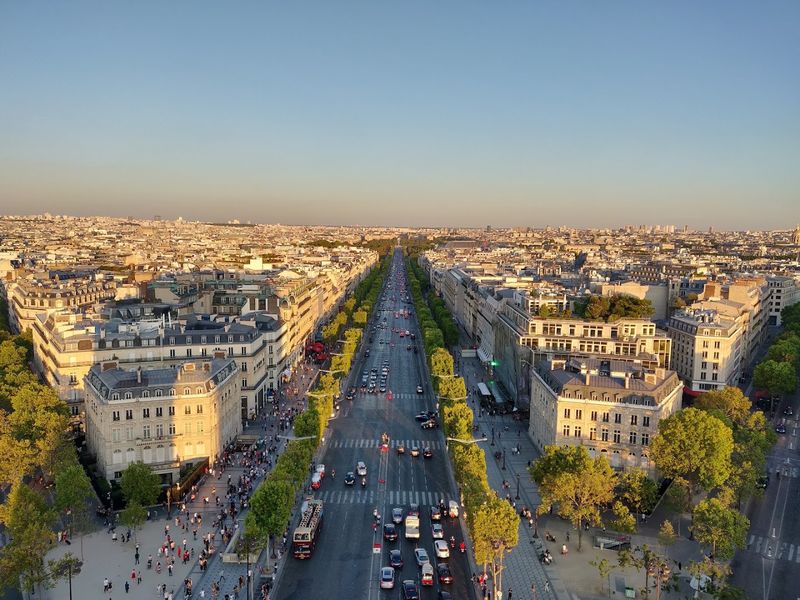
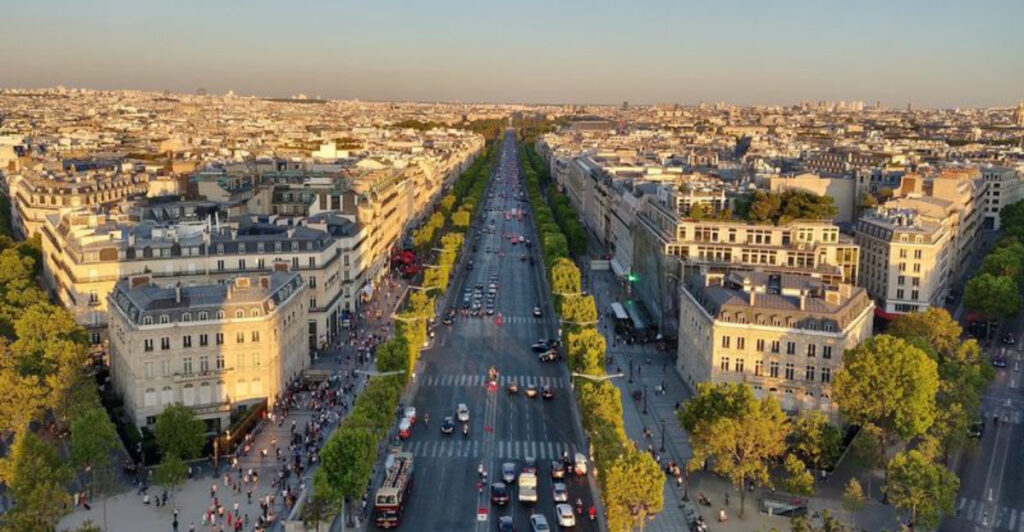
There is a reason the Champs-Elysees keeps showing up on every Paris itinerary ever written. The avenue stretches nearly two kilometers from Place de la Concorde straight to the Arc de Triomphe, and the scale of it hits you the moment you step onto it.
Tree-lined, wide, and lined with flagship stores, theaters, and cafes, the street feels more like a ceremonial route than a regular road. Tour de France cyclists finish here.
Bastille Day parades roll down it. Even a casual stroll feels oddly significant.
It is not the place to find hidden gems or local secrets. The Champs-Elysees is proudly, unapologetically grand.
Some visitors find it too commercial, and they are not entirely wrong. But there is something about the perspective from one end, looking toward that enormous arch at the far end, that makes it hard to argue with Paris showing off a little.
La Rambla – Barcelona, Spain
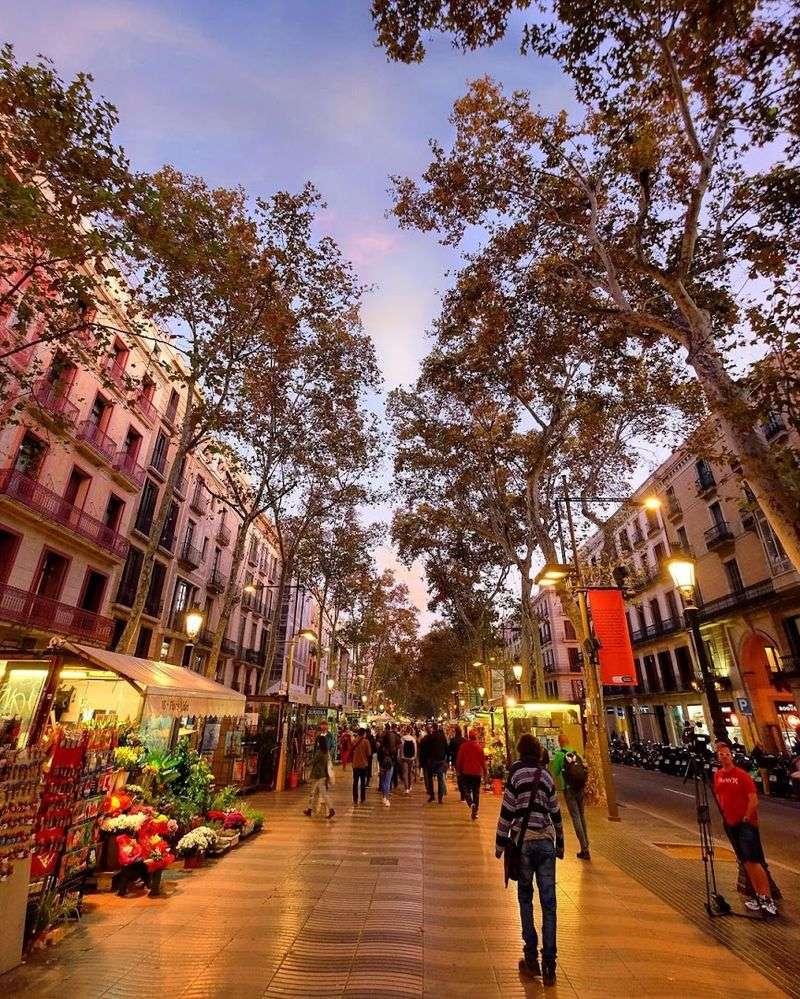
La Rambla has been called overrated so many times that it has almost become a compliment. Yes, it is busy.
Yes, pickpockets exist. And yes, it is still worth walking at least once, because nothing else in Barcelona captures the city’s energy quite like it does.
The 1.2-kilometer promenade runs from Placa de Catalunya all the way to the waterfront, and along the way it passes flower stalls, news kiosks, outdoor terraces, and the entrance to the Boqueria market. The side streets branching off into the Gothic Quarter are worth every detour.
I first walked La Rambla on a warm October evening and got completely sidetracked by a flower vendor and a very loud street performer doing something with fire. The street pulls you in ten directions at once.
Go for the atmosphere, explore the side streets, keep your bag close, and enjoy the chaos. Barcelona really does start here.
Ninenzaka and Sannenzaka – Kyoto, Japan
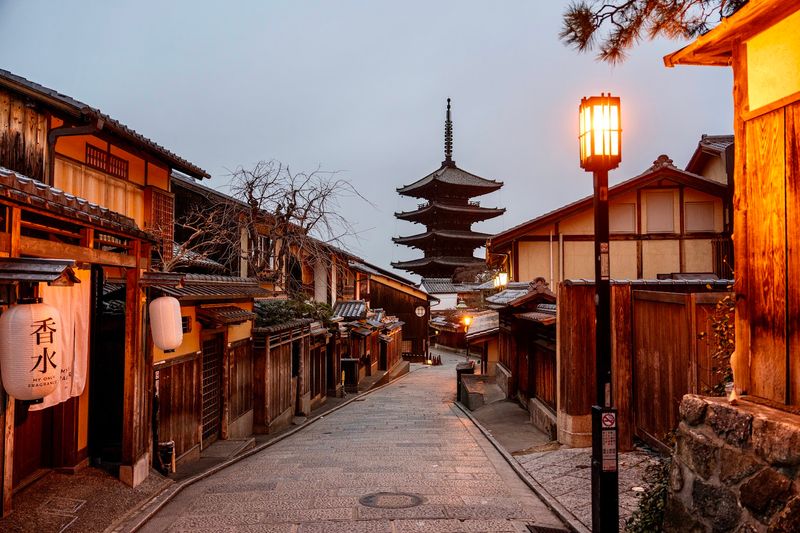
Kyoto has no shortage of beautiful places, but Ninenzaka and Sannenzaka are the ones that make you slow down. These two connected stone-paved lanes slope gently uphill near Kiyomizu-dera temple, lined with wooden buildings, lanterns, teahouses, and shops selling matcha everything.
The streets date back to the Edo period and have been carefully preserved to look the part. Tiled rooftops, wooden facades, and stone steps give the whole area a quiet, layered quality that feels genuinely old rather than reconstructed.
A local superstition claims that tripping on the steps of Sannenzaka brings two years of bad luck. Whether you believe that or not, it is a good excuse to slow down and actually look at where you are walking.
Visit early in the morning before tour groups arrive and the streets take on a completely different, almost meditative quality. These lanes reward patience more than speed.
Dotonbori – Osaka, Japan
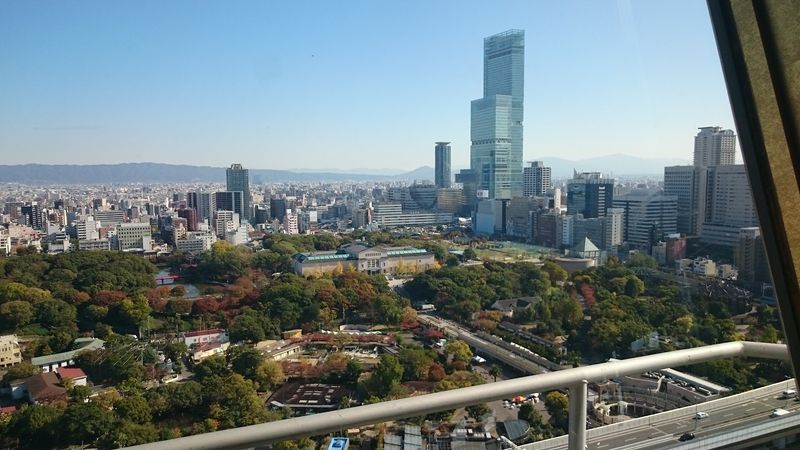
Dotonbori does not do subtlety. This is a street where the signs are the size of buildings, the food smells hit you from a block away, and the energy feels like the whole city decided to celebrate on a Tuesday night for no particular reason.
The canal reflections at night turn the neon into something almost abstract, with giant crabs, ramen bowls, and cartoon mascots glowing above the water. Street food is the real draw here: takoyaki, okonomiyaki, kushikatsu, and more variations of fried things than any one person should reasonably attempt in a single visit.
Osaka has a reputation as Japan’s most fun, food-obsessed city, and Dotonbori is the loudest proof of that claim. The street is not trying to be elegant or historic.
It is trying to feed you, entertain you, and make sure you leave with at least one photo next to the Glico running man. It succeeds on all counts.
Takeshita Street – Tokyo, Japan
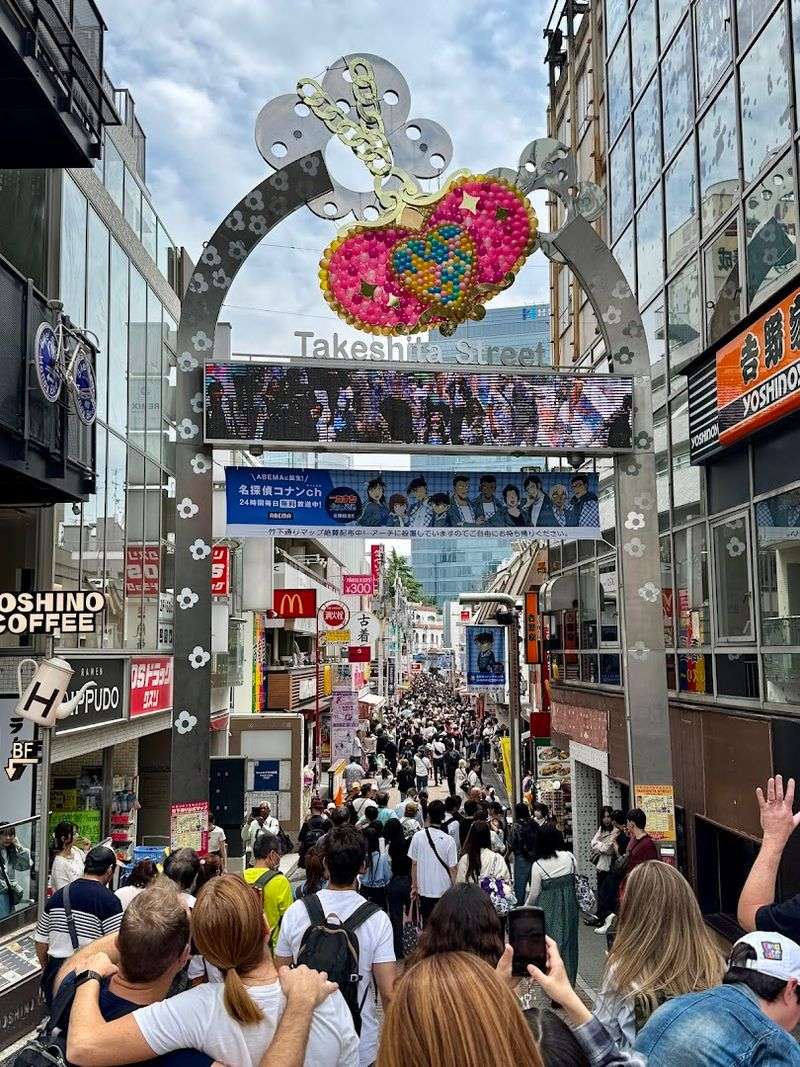
Takeshita Street is roughly 350 meters long and contains more visual information per square meter than most city blocks combined. Located in Harajuku, it is Tokyo’s most famous youth-culture corridor, and it earns that title with absolutely zero effort to be subtle about it.
Rainbow crepes, candy floss in every color, character shops, vintage fashion, and boutiques selling things you did not know existed all compete for space along both sides. The crowd is young, stylish, and moving fast.
The whole street feels like a trend in progress.
Even if fashion is not your thing, Takeshita Street is worth experiencing as a pure cultural spectacle. Tokyo has a talent for turning a street into a scene, and this one has been a scene since the 1980s.
Come on a weekday if possible. Weekends turn the already narrow lane into something resembling a very fashionable, crepe-scented traffic jam.
Still fun, just slower.
Lombard Street – San Francisco, California
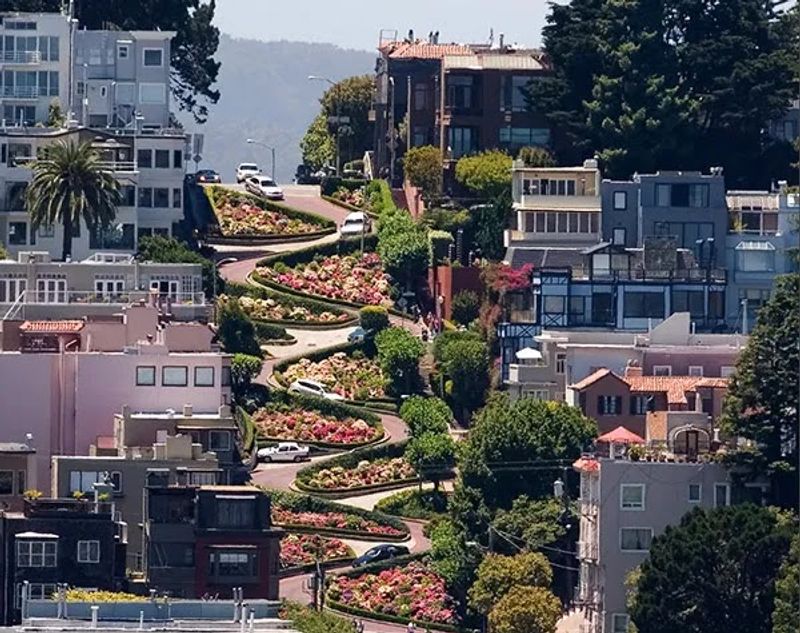
Lombard Street holds the title of most crooked street in San Francisco, and it wears that label like a badge of honor. The famous one-block section on Russian Hill features eight sharp hairpin turns descending a steep hill, lined with flower beds and flanked by well-maintained homes.
Cars creep down it at a pace that would embarrass a slow jogger. Pedestrians walk the steps alongside and usually arrive at the bottom faster.
Either way, the views of the city and the bay make the trip worthwhile from every angle.
The street was redesigned in 1922 to make the steep hill more manageable for vehicles, which means it owes its fame to a very practical engineering decision. Not exactly the stuff of legend, but the result is undeniably photogenic.
Walking up the steps first and then looking back down at the curves is the move. Driving it is fun once.
Walking it is better every time.
Caminito – Buenos Aires, Argentina
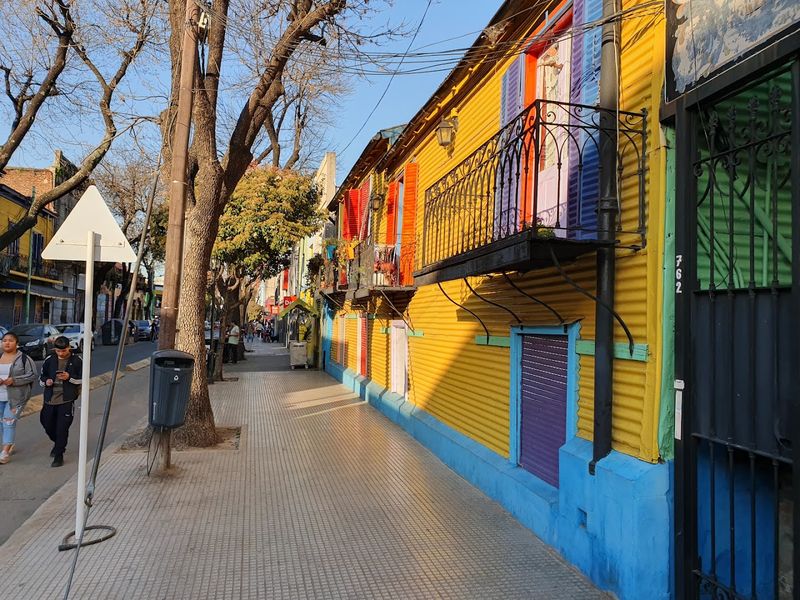
Caminito is only about 150 meters long, but it packs more color into that stretch than most streets manage in a full kilometer. Located in the La Boca neighborhood of Buenos Aires, it is officially classified as a street museum, which is exactly what it looks like.
The painted houses reflect the history of the area’s immigrant workers, who used leftover shipyard paint to color their homes in the late 19th century. The result is a patchwork of bright facades in red, yellow, blue, and green that has become one of Argentina’s most photographed spots.
Tango dancers perform outside for tips, artists display their work along the lane, and the whole place has an open-air gallery quality that makes it feel celebratory rather than touristy. It is small, yes.
But Caminito proves that a street does not need to be long to leave a strong impression. Sometimes 150 meters is more than enough.
Bourbon Street – New Orleans, Louisiana
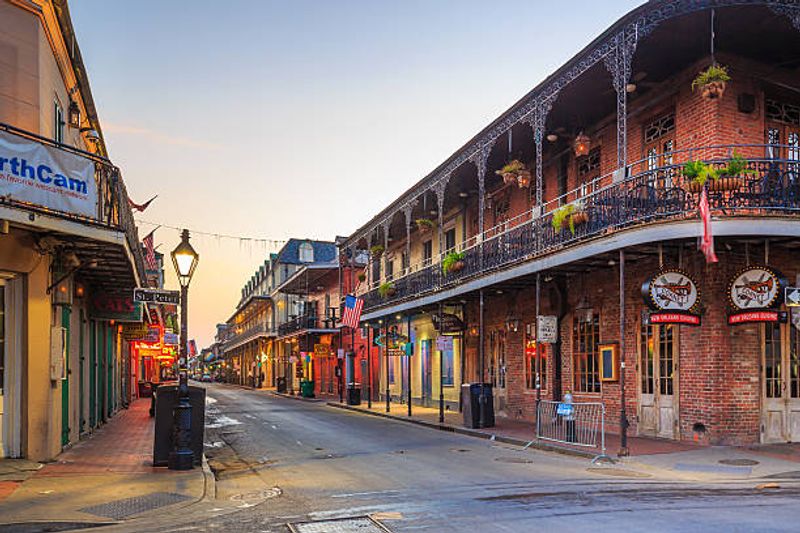
Bourbon Street has a reputation that precedes it by several time zones. Located in the heart of New Orleans’ French Quarter, it is the street most associated with the city’s legendary party culture, live music, and the kind of late nights that are better experienced than explained.
By day, it is actually quite charming. The wrought iron balconies, shuttered windows, and old French Creole architecture give the street a historic elegance that the nighttime crowds often obscure.
It is genuinely beautiful if you catch it before noon.
By night, it is something else entirely. Music spills from every open door, neon signs compete with each other for brightness, and the street fills with people who seem to have collectively agreed to have the best time possible.
It is loud, colorful, and completely unapologetic about what it is. Bourbon Street does not pretend to be a quiet cultural experience.
It is a permanent festival that just happens to have a mailing address.
Rainbow Row / East Bay Street – Charleston, South Carolina
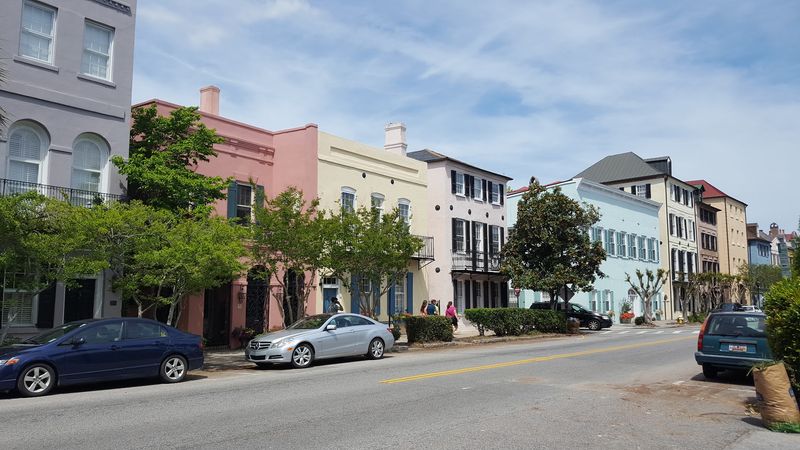
Rainbow Row is the kind of street that makes people stop mid-walk, pull out their phone, and forget what they were doing entirely. Stretching along East Bay Street in Charleston, it is a row of 13 Georgian-style townhouses painted in shades of coral, lemon yellow, mint green, and dusty blue.
The houses date back to the 1700s and were originally merchant shops with living quarters above. The pastel color scheme came later, starting in the 1930s when a homeowner began repainting to restore the neighborhood.
Others followed, and the result became one of the most photographed streets in the American South.
Unlike several streets on this list, Rainbow Row is quiet and residential. There are no vendors, no performers, no carnival energy.
The appeal is entirely visual and historical, which makes it a genuinely pleasant place to simply stand and appreciate. Charleston does understated charm better than almost anywhere, and this street is its most colorful proof.
Istiklal Avenue – Istanbul, Turkiye
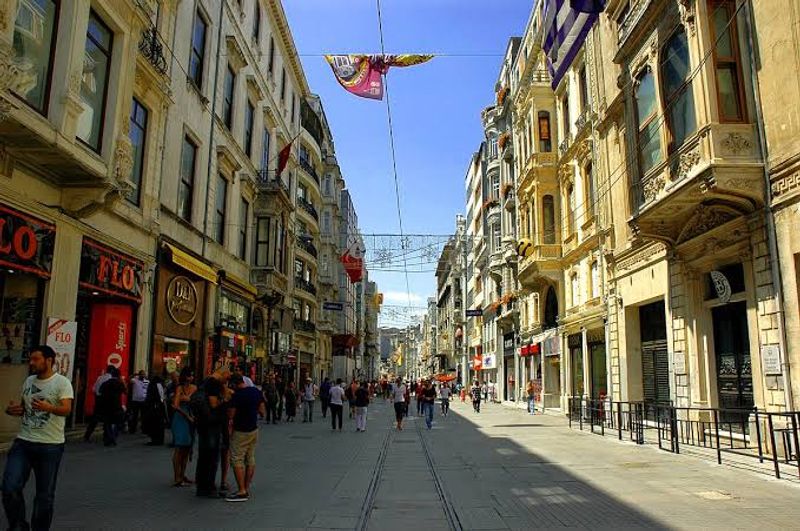
Istiklal Avenue is 1.4 kilometers of non-stop Istanbul. The pedestrian street connects Taksim Square to the historic Tunel area, and along the way it manages to fit in historic passages, churches, global shops, street musicians, dessert stalls, and a vintage red tram that has been running the route since 1914.
The tram alone is worth mentioning twice. It moves slowly through the crowd, ringing its bell with the confidence of something that has been doing this for over a century.
The ornate 19th-century arcade passages branching off the main street are easy to miss but absolutely worth stepping into.
Istiklal works at almost any hour. In the afternoon it is a shopping and people-watching corridor.
By evening it transforms into a cultural and food destination with a completely different energy. Few streets in the world manage to feel this layered without feeling overwhelming.
Istanbul has a gift for that, and Istiklal Avenue is one of its best expressions.
Orchard Road – Singapore
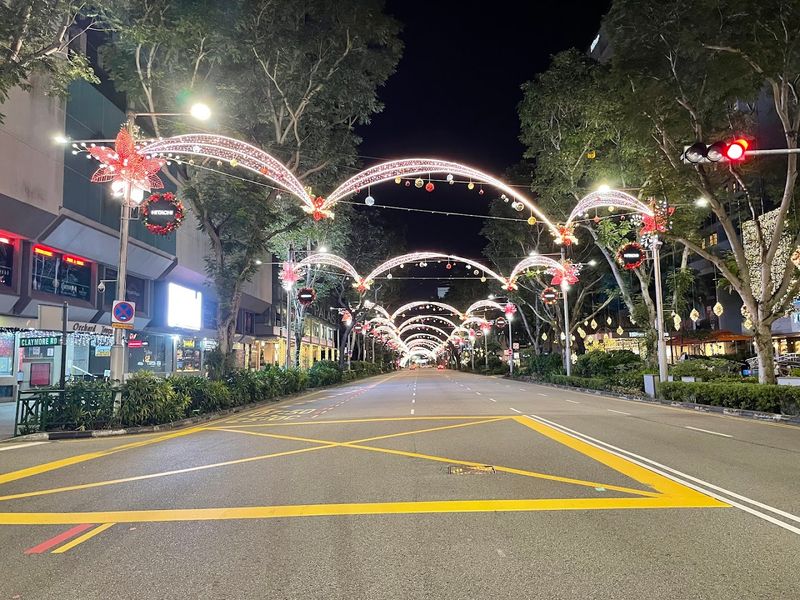
Orchard Road is Singapore doing what Singapore does best: taking something functional and making it exceptional. The city’s most famous shopping street is technically a retail corridor, but it operates more like a polished urban attraction designed for maximum enjoyment at every step.
Luxury malls, public art installations, shaded walkways, food courts, and open plazas line both sides of the boulevard. The greenery is deliberate and generous, which softens what could otherwise feel like one long commercial strip.
Singapore is very good at making infrastructure feel pleasant.
Even if shopping is not on your agenda, Orchard Road works as a people-watching destination and a showcase of how a modern city can make a busy street feel genuinely comfortable. The underground connections between malls are a bonus during heavy rain, which in Singapore can arrive with very little warning.
Orchard Road is not trying to be historic or quirky. It is just trying to be the best version of itself, and it mostly succeeds.
Beale Street – Memphis, Tennessee
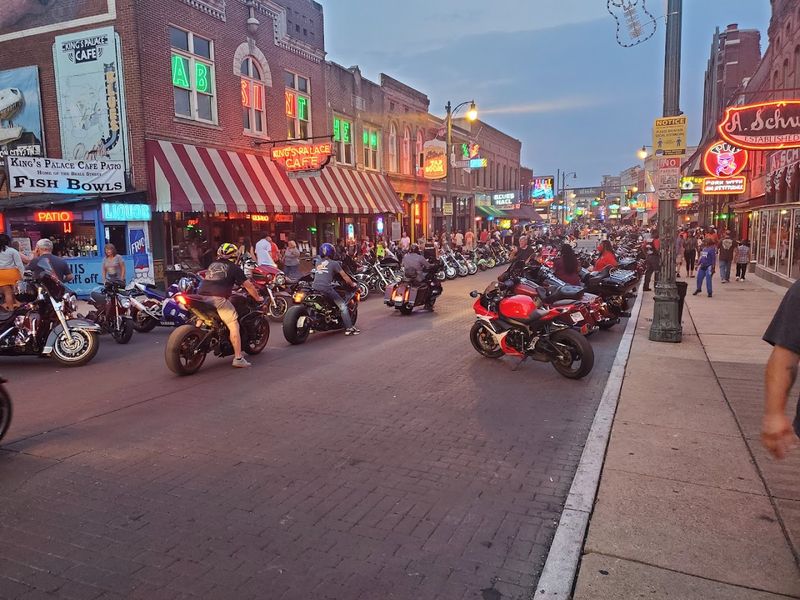
Beale Street has a sound. Walk onto it on any given evening and the blues is already coming at you from multiple directions before you have even picked a venue.
Memphis built its musical identity on this street, and the street has been paying it back ever since.
The history here runs deep. Beale Street was a hub for African American business and culture in the early 20th century, and it played a central role in the development of blues and early rock and roll.
B.B. King played here.
W.C. Handy lived and worked here.
The street carries that legacy in every neon sign and every open door.
Tennessee officially recognizes Beale Street as its top tourism attraction, which is a bold claim for a state that also contains Nashville. But standing on the sidewalk on a Friday night, with live music pouring out of every building, it is very hard to argue with that ranking.
Beale Street delivers.
Share this story