The Balkans are one of Europe’s best-kept secrets, packed with ancient history, dramatic landscapes, and cultures that blend East and West in the most fascinating ways. From medieval walled cities perched above turquoise seas to mountain-ringed capitals buzzing with café life, this corner of Europe has something for every type of traveler.
Prices are low, crowds are manageable compared to Western Europe, and the food alone is worth the trip. Whether you are planning your first Balkan adventure or returning for more, these 15 cities deserve a spot on your list.
Dubrovnik, Croatia
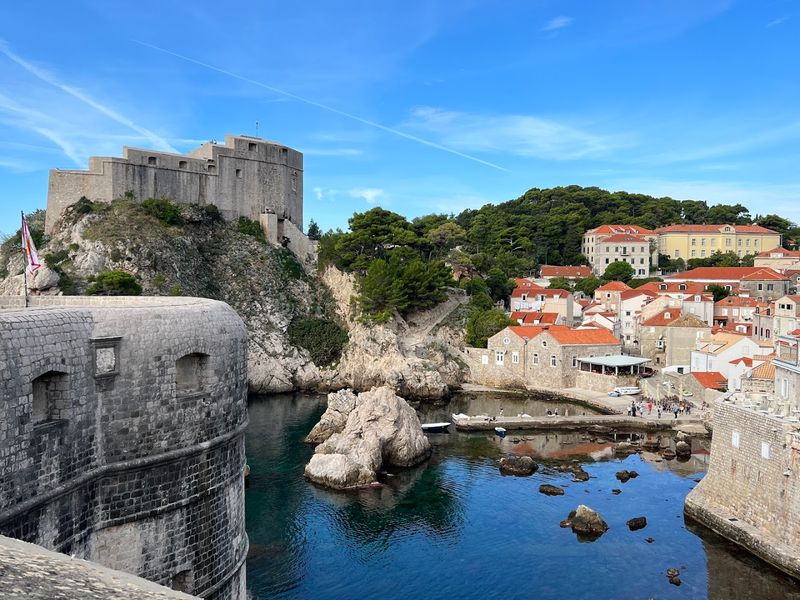
Few cities in the world stop you in your tracks the way Dubrovnik does. The moment you step onto those ancient limestone streets and see the glittering Adriatic stretching out beyond the city walls, it clicks why people call this place the Pearl of the Adriatic.
The old town is compact, walkable, and absolutely loaded with history at every corner.
Walking the city walls is the single best thing you can do here. The full loop takes about two hours and rewards you with sweeping views of terracotta rooftops, crystal-clear water, and nearby islands.
Go early in the morning to beat the cruise ship crowds and enjoy the golden light.
Cable car rides up Mount Srd give you a bird’s-eye view that photos simply cannot do justice. The town also has excellent seafood restaurants, lively bars, and hidden beaches tucked below the cliffs.
Fans of Game of Thrones will recognize plenty of filming locations scattered throughout the old town. Book accommodation early because this city fills up fast, especially in July and August.
Shoulder season visits in May or October offer better prices and a more relaxed experience overall.
Split, Croatia
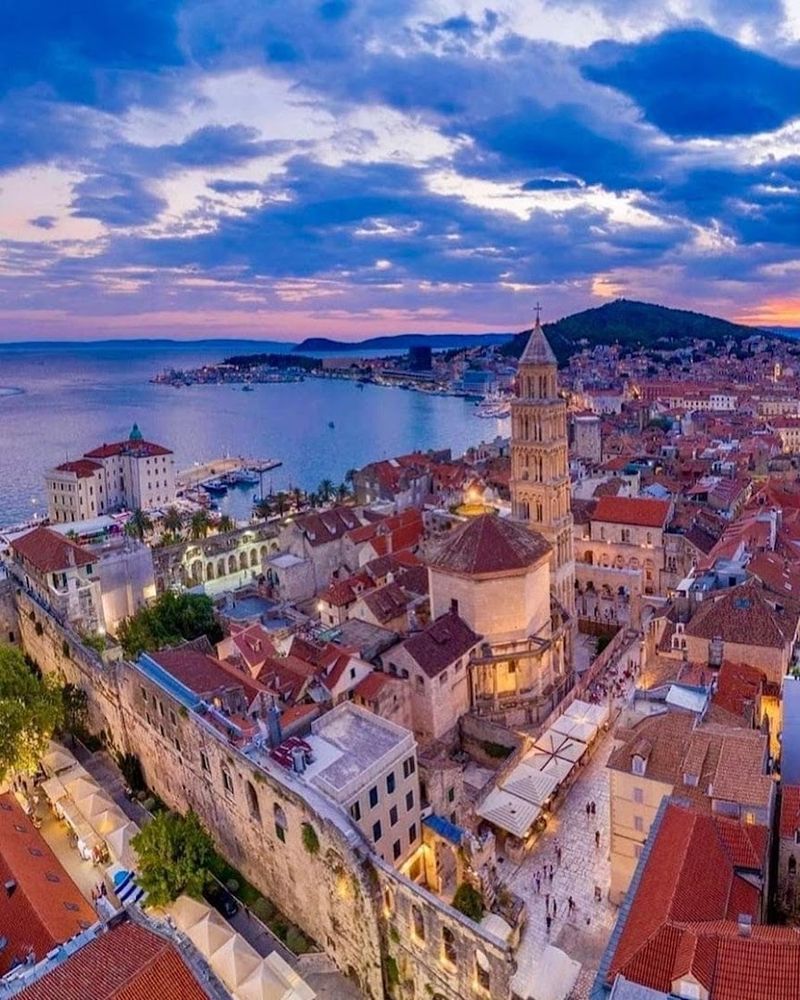
Imagine living inside a Roman emperor’s retirement palace. That is essentially what thousands of Split residents do every day, and it makes this city one of the most unique urban experiences anywhere in Europe.
Diocletian’s Palace was built around 300 AD and today forms the beating heart of the city’s old town, complete with restaurants, bars, and apartments tucked inside ancient stone walls.
The Riva promenade is the social hub of Split, a long waterfront walkway lined with palm trees and café terraces where locals and visitors mix freely. Ferry terminals right in the center make it easy to hop over to the islands of Hvar, Brac, and Vis for day trips or longer stays.
Beaches are close too, with Bacvice Beach just a short walk from the palace.
Split has a more lived-in, authentic feel than Dubrovnik, partly because it functions as a real working city rather than a purely tourist destination. The food scene has expanded dramatically in recent years, with excellent konobas serving fresh fish, lamb, and local wines.
Visiting in June or September gives you warm weather without the peak summer intensity. This city rewards slow exploration more than any rushed itinerary could ever allow.
Mostar, Bosnia and Herzegovina
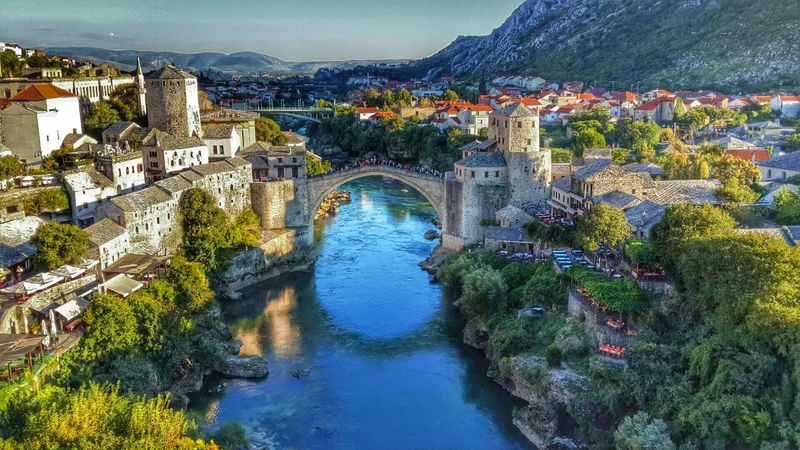
There is a moment when you first see the Stari Most bridge curving gracefully over the emerald Neretva River that genuinely takes your breath away. This 16th-century Ottoman bridge was destroyed during the 1990s war and painstakingly rebuilt using the same limestone and traditional techniques.
Standing on it today feels like a quiet triumph of culture over conflict.
The old bazaar street of Kujundziluk runs right up to the bridge and is lined with copper workshops, carpet sellers, and cafés where strong Bosnian coffee arrives in a small copper pot with a sugar cube on the side. The surrounding streets are full of Ottoman-era stone houses, mosques, and the kind of charm that makes you want to stay longer than planned.
Local divers still leap from the bridge into the cold river below, a tradition that has continued for centuries and now draws audiences every summer afternoon. The city is also incredibly affordable, making it a great place to linger over long lunches and explore at a leisurely pace.
Day trips to Kravice Waterfalls and the village of Pocitelj add even more variety to any visit. Mostar is compact enough to cover on foot but rich enough to keep you busy for days.
Sarajevo, Bosnia and Herzegovina
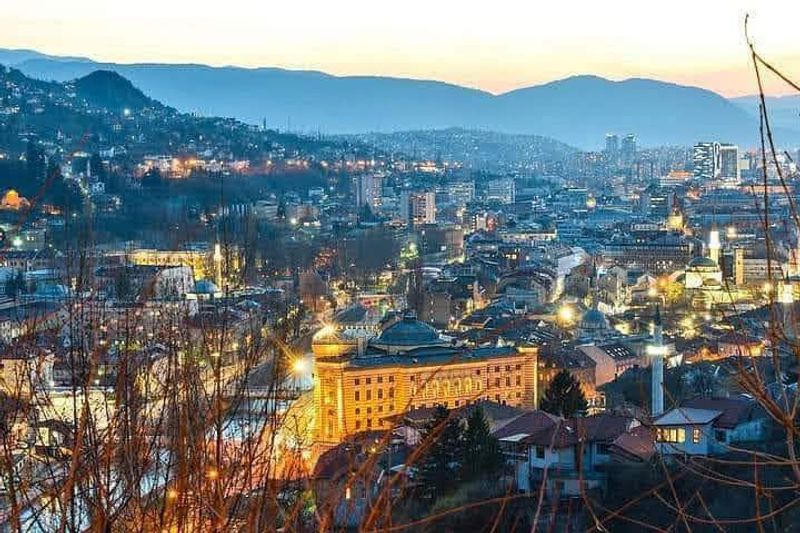
Sarajevo is the kind of city that quietly rewrites everything you thought you knew about European history. Walk a few blocks and you can move from a Turkish bazaar to an Austro-Hungarian boulevard to a Socialist-era square, each layer telling a different chapter of an extraordinary story.
No other city in Europe packs so many civilizations into such a small, walkable space.
The Bascarsija old bazaar is the soul of Sarajevo, a maze of copper workshops, tea houses, and mosques where the smell of grilled cevapi mingles with the sound of the call to prayer. Nearby you will find Catholic churches, Orthodox cathedrals, and a synagogue all within minutes of each other, earning Sarajevo its nickname as the Jerusalem of Europe.
The city is surrounded by mountains that hosted the 1984 Winter Olympics, and hiking trails are accessible from the city center in under an hour. Sarajevo’s café culture is exceptional, and locals take their coffee seriously, favoring the slow, contemplative Bosnian style over anything rushed.
The city’s recent history adds weight to every visit, with thoughtful war museums and memorials helping visitors understand the resilience of its people. Sarajevo is deeply moving, endlessly fascinating, and genuinely unlike anywhere else on the continent.
Kotor, Montenegro
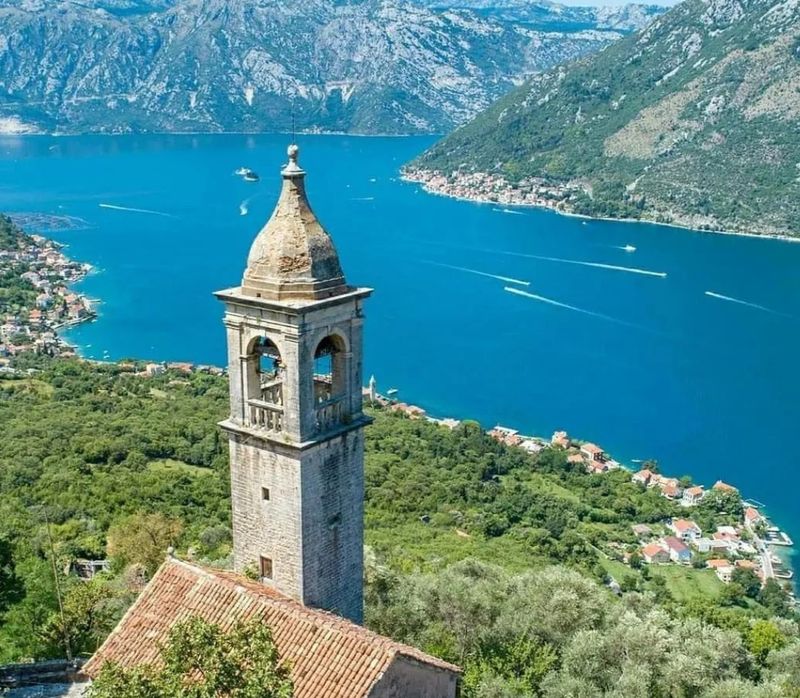
Kotor looks like someone dropped a medieval city at the bottom of a mountain and then forgot to tell the rest of the world about it. Ringed by walls that zigzag up impossibly steep cliffs, this UNESCO-listed town sits at the innermost point of the Bay of Kotor, a dramatic fjord-like inlet that is technically the southernmost fjord in Europe.
The scenery is jaw-dropping from every angle.
The old town is compact and car-free, full of Venetian-influenced stone buildings, tiny piazzas, and cats. Kotor is genuinely famous for its cats, which have been roaming these streets for centuries and even have their own small museum dedicated to them.
Wandering through the narrow lanes without a map is half the fun.
Climbing to the San Giovanni Fortress is non-negotiable. The path involves around 1,350 steps and roughly 45 minutes of uphill effort, but the panoramic views of the bay, the old town below, and the surrounding mountains make every step worthwhile.
Go at sunrise for the best light and the fewest people. The bay itself offers boat tours, kayaking, and visits to the famous Our Lady of the Rocks island church.
Kotor is a small city but one that leaves a very large impression on everyone who visits.
Budva, Montenegro
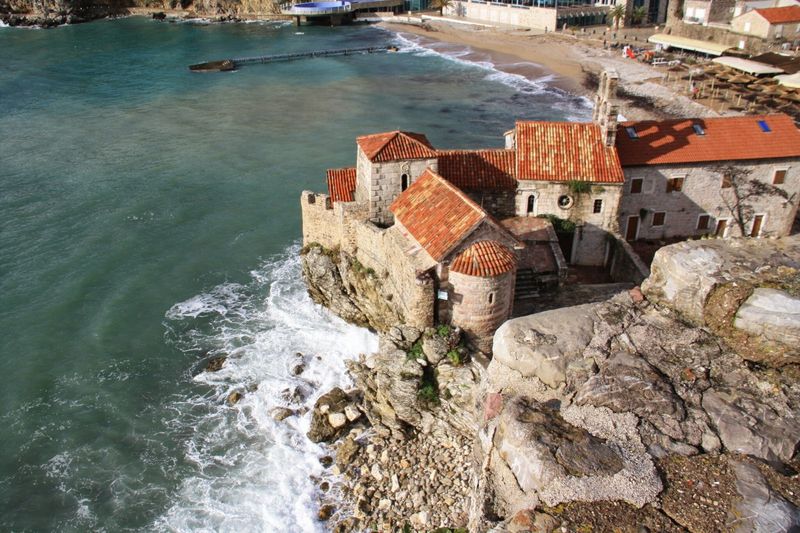
Budva’s old town looks like it was designed specifically to make people stop scrolling and actually look up. Perched on a small rocky peninsula jutting into the Adriatic, this ancient walled city has been inhabited for over 2,500 years and still manages to feel lively rather than like a museum piece.
The combination of history and beach culture is genuinely hard to beat.
Inside the old town walls you will find narrow cobblestone streets, boutique shops, seafood restaurants, and a citadel with excellent views over the coastline. Just outside the walls, sandy and pebbly beaches curve around the peninsula, making it easy to switch between sightseeing and sunbathing within minutes.
Budva Beach and Mogren Beach are both within easy walking distance.
The town is also known for its nightlife, with beach clubs and bars that keep going well past midnight during the summer season. Nearby coastal villages like Sveti Stefan, a tiny island village connected to the mainland by a narrow causeway, are worth a short taxi or bus ride.
Budva can get crowded in July and August, so visiting in June or September offers a noticeably more relaxed experience. Either way, the Adriatic views and the old town charm make this one of Montenegro’s most memorable stops.
Ljubljana, Slovenia
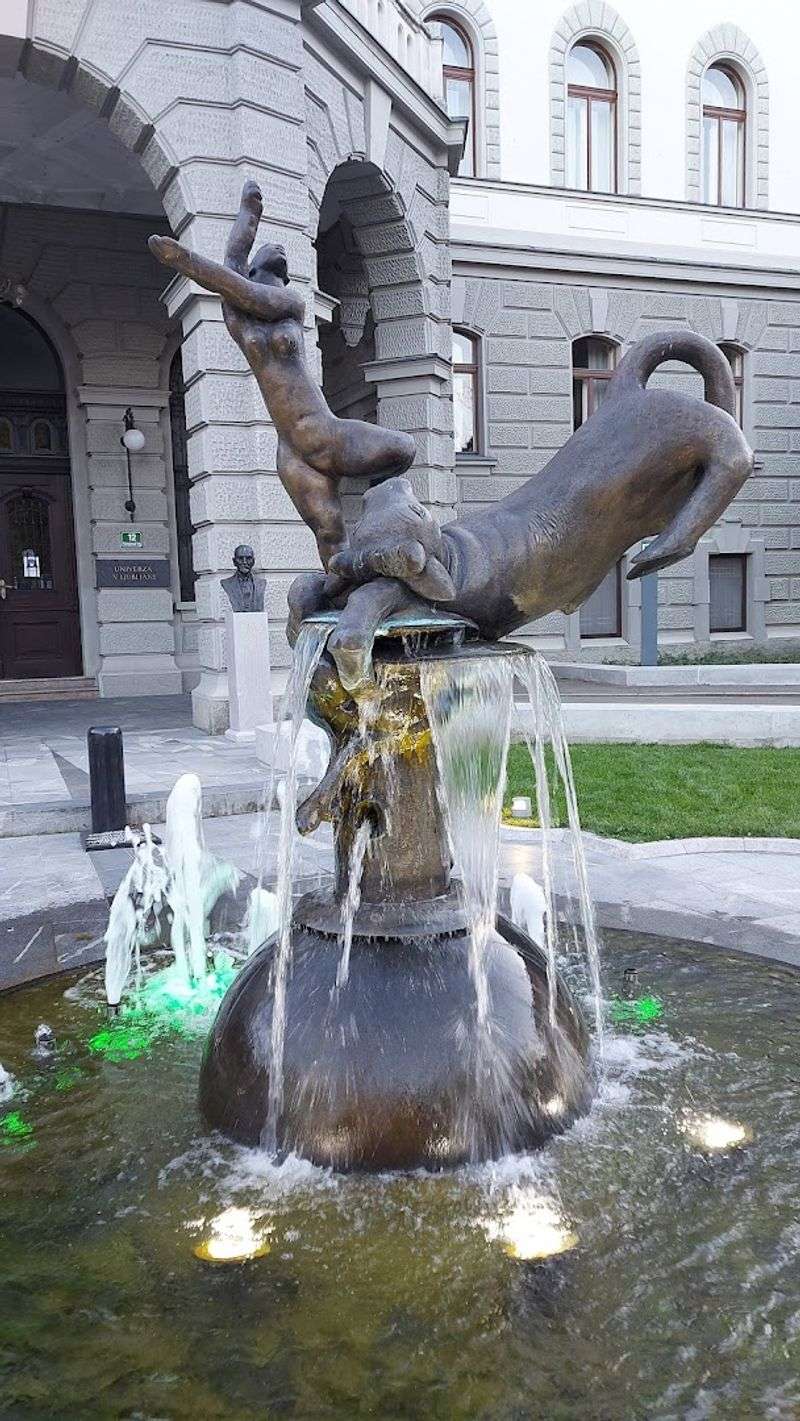
Ljubljana might just be Europe’s most underrated capital city, which is a bold claim but one that most visitors happily agree with after spending a day here. The Slovenian capital is compact, walkable, almost entirely car-free in the center, and has a café culture so relaxed it practically invites you to sit down and stay awhile.
The vibe is somewhere between a small Austrian city and a Mediterranean town.
The Ljubljanica River runs right through the heart of the city, lined with outdoor restaurants and bars that fill up every evening with a cheerful mix of locals and travelers. The Triple Bridge and Dragon Bridge are both iconic landmarks worth crossing multiple times just for the views.
Above it all sits Ljubljana Castle, easily reached by funicular or a short uphill walk, offering great panoramas over the orange rooftops below.
The city has a strong food and coffee culture, with excellent local markets, craft beer bars, and restaurants serving modern Slovenian cuisine. The open-air Central Market held every morning along the riverbank is a great place to pick up local cheeses, honey, and baked goods.
Ljubljana also serves as a great base for day trips to Lake Bled, Postojna Cave, and the Slovenian coast. Small in size but absolutely enormous in personality, Ljubljana deserves far more credit than it typically receives.
Bled, Slovenia
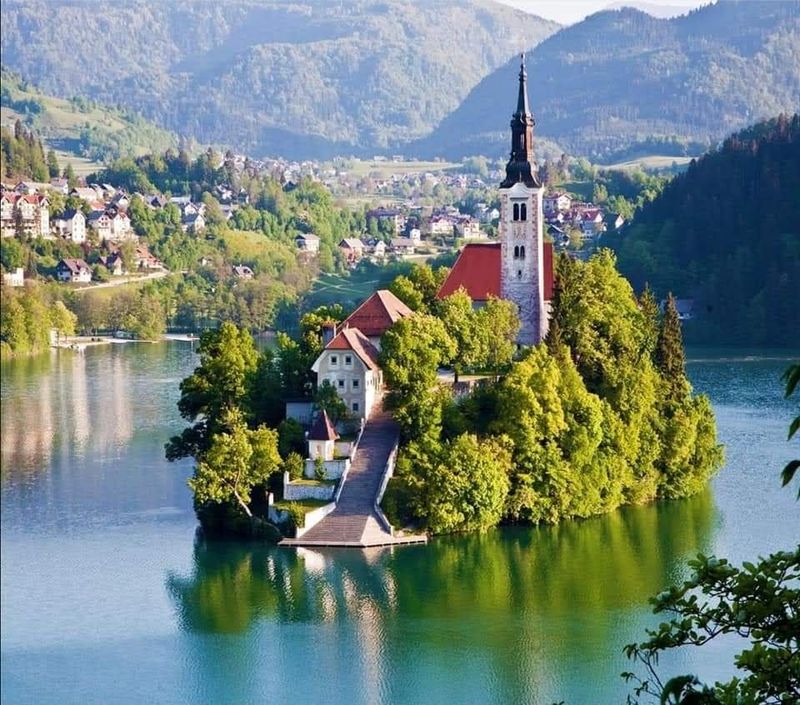
Some places look too beautiful to be real, and Lake Bled is absolutely one of them. Tucked into the Julian Alps of northwestern Slovenia, this glacial lake with an island church in the middle and a clifftop castle overlooking it all looks like a painting someone forgot to frame.
First-time visitors often spend the first few minutes just standing there, slightly stunned.
Rowing a traditional wooden pletna boat out to the island church is the classic Bled experience, and ringing the church bell is said to bring good luck. The castle above the lake dates back over 1,000 years and houses a small museum, a wine cellar, and a restaurant with one of the best views in Slovenia.
Hiking trails around the lake take between one and two hours to complete and reward walkers with constantly shifting perspectives of the water and mountains.
Bled is also famous for its kremsnita, a local cream cake that you absolutely should not leave without trying at least once, possibly twice. The area offers excellent outdoor activities including hiking, cycling, canyoning, and winter skiing in nearby Kranjska Gora.
Visiting in spring or autumn means fewer crowds and spectacular seasonal colors. Bled is technically a town rather than a city, but its beauty earns it a permanent place on any Balkans and Central Europe itinerary without argument.
Belgrade, Serbia
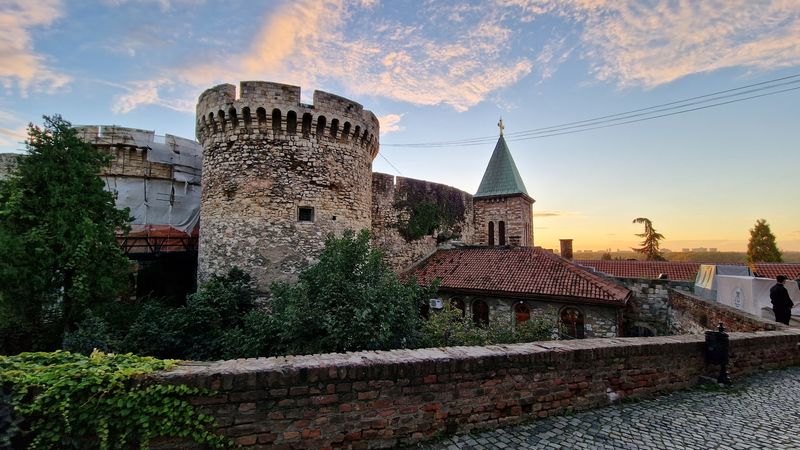
Belgrade does not ease you in gently. This city hits hard from the moment you arrive, with a chaotic energy, a deep historical weight, and a nightlife scene so legendary it has attracted visitors from across Europe specifically to experience it.
Sitting where the Sava and Danube rivers converge, Belgrade has been destroyed and rebuilt more times than almost any other European capital, which gives it a resilient, unshakable character all its own.
Kalemegdan Fortress is the city’s most iconic landmark, a massive complex of walls, towers, and parks perched above the river confluence. The views from the fortress walls at sunset are spectacular, and the surrounding park is where locals jog, play chess, and watch the river go by.
The old Skadarlija bohemian quarter nearby is full of traditional Serbian restaurants serving hearty grilled meats and local wine.
Belgrade’s café culture is extraordinary, with coffee shops and bars lining every street and staying busy from morning until well after midnight. The floating river clubs called splavovi are a uniquely Belgrade experience, especially on warm summer nights.
The city’s food scene has grown significantly, with excellent modern Serbian restaurants joining the traditional options. Prices remain among the lowest of any European capital, making Belgrade a brilliant destination for travelers who want maximum experience on a reasonable budget.
Novi Sad, Serbia
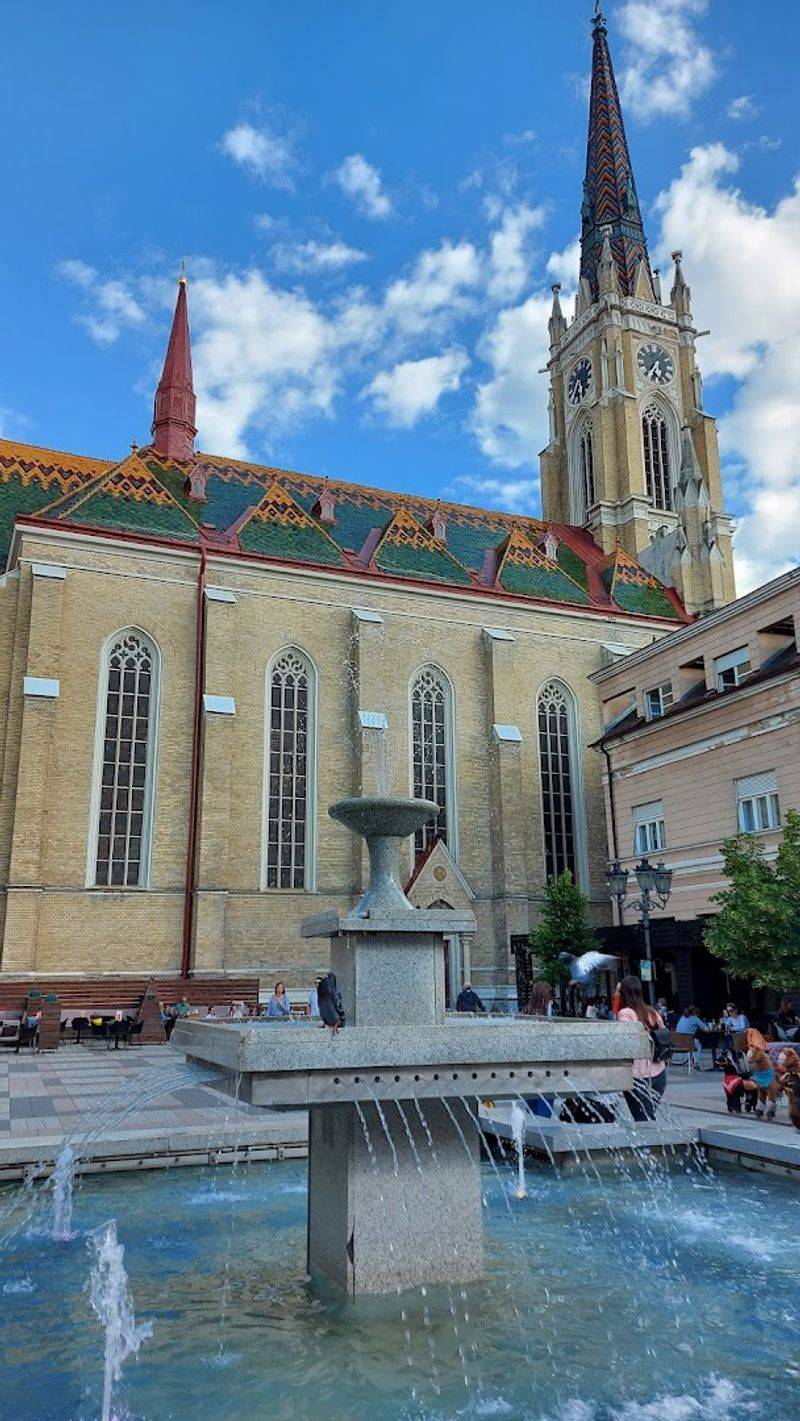
Novi Sad carries a certain elegance that surprises most first-time visitors expecting a typical mid-sized Serbian city. The capital of the Vojvodina region has a distinctly Austro-Hungarian feel, with wide boulevards, ornate facades, and a relaxed café culture that makes it easy to spend hours doing absolutely nothing productive and enjoying every minute of it.
Locals are warm, English is widely spoken, and the city is very easy to navigate on foot.
The Petrovaradin Fortress dominates the skyline from its perch above the Danube and is best explored by wandering through its underground tunnels and climbing to the clock tower for views across the river. Every summer the fortress grounds host EXIT Festival, one of Europe’s most celebrated music festivals, drawing massive international crowds to its stages and open-air venues.
The city’s pedestrian zone along Zmaj Jovina Street is lined with cafés, bookshops, and restaurants that stay lively from morning until late evening. The food market near the central square sells excellent local produce, cheeses, and smoked meats from the Vojvodina plains.
Day trips to the Fruska Gora monastery region and the wine villages of Sremski Karlovci are easy from Novi Sad and worth the short drive. This city rewards slow travel and genuine curiosity in equal measure.
Ohrid, North Macedonia
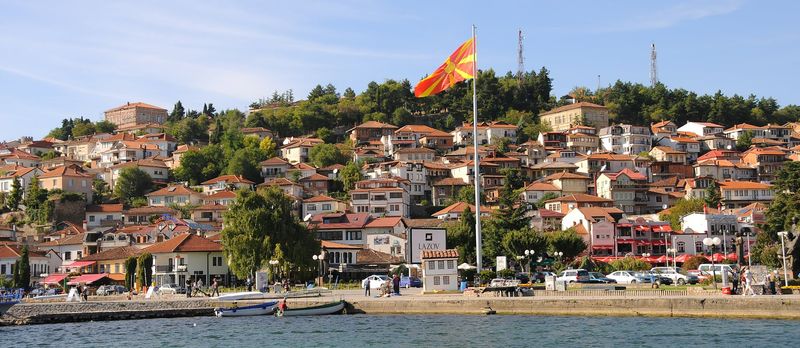
Ohrid has a quiet magic that creeps up on you slowly, starting with the color of the lake and ending with the realization that you have been sitting at a waterfront café for three hours without noticing. Lake Ohrid is one of Europe’s oldest and deepest lakes, estimated to be over three million years old and home to unique species found nowhere else on Earth.
The clarity of the water is extraordinary.
The old town climbs the hillside above the lake and is packed with Byzantine churches, including the stunning Church of St. John at Kaneo, which sits on a rocky cliff above the water in what is arguably the most photographed spot in North Macedonia. The ancient amphitheater near the top of the hill hosts summer concerts and festivals with the lake as a backdrop.
Samuel’s Fortress at the top of the hill offers sweeping views over the entire area.
The town itself is compact and walkable, with cobblestone streets, traditional restaurants serving lake trout and local wines, and a relaxed pace that feels genuinely restorative. Swimming and boating on the lake are popular in summer, and the surrounding national park offers excellent hiking.
Ohrid is a UNESCO World Heritage Site for both its cultural and natural significance, and spending time here makes it obvious exactly why that designation was awarded.
Skopje, North Macedonia
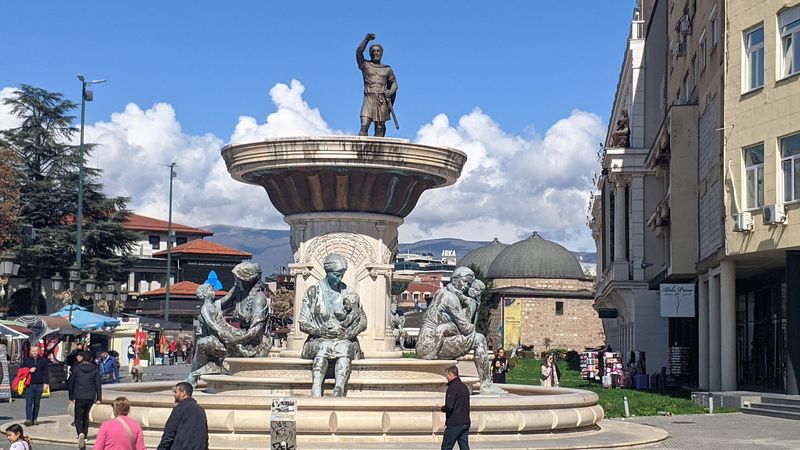
Skopje is arguably the most visually chaotic capital city in Europe, and that is meant as a compliment. Over the past decade, the city center has been transformed by a government project called Skopje 2014, which added dozens of neoclassical monuments, fountains, and statues to the already eclectic cityscape.
The result is somewhere between a theme park and a real city, and somehow it works in a wonderfully bizarre way.
Cross the historic Stone Bridge over the Vardar River and you enter a completely different world: the Old Bazaar, one of the largest and best-preserved Ottoman markets in the Balkans. This labyrinth of lanes is filled with craftsmen, tea houses, mosques, caravanserais, and the smell of freshly baked bread.
The contrast between the bombastic new monuments and the ancient bazaar just steps away is genuinely fascinating.
The Kale Fortress above the bazaar offers good views over the city, and the surrounding area has several interesting museums including the Mother Teresa Memorial House, as Skopje is her birthplace. The city’s café scene is lively and very affordable, with excellent local food available throughout the bazaar and the modern city center.
Skopje rewards visitors who approach it with an open mind and a sense of humor about its unusual aesthetic choices.
Tirana, Albania
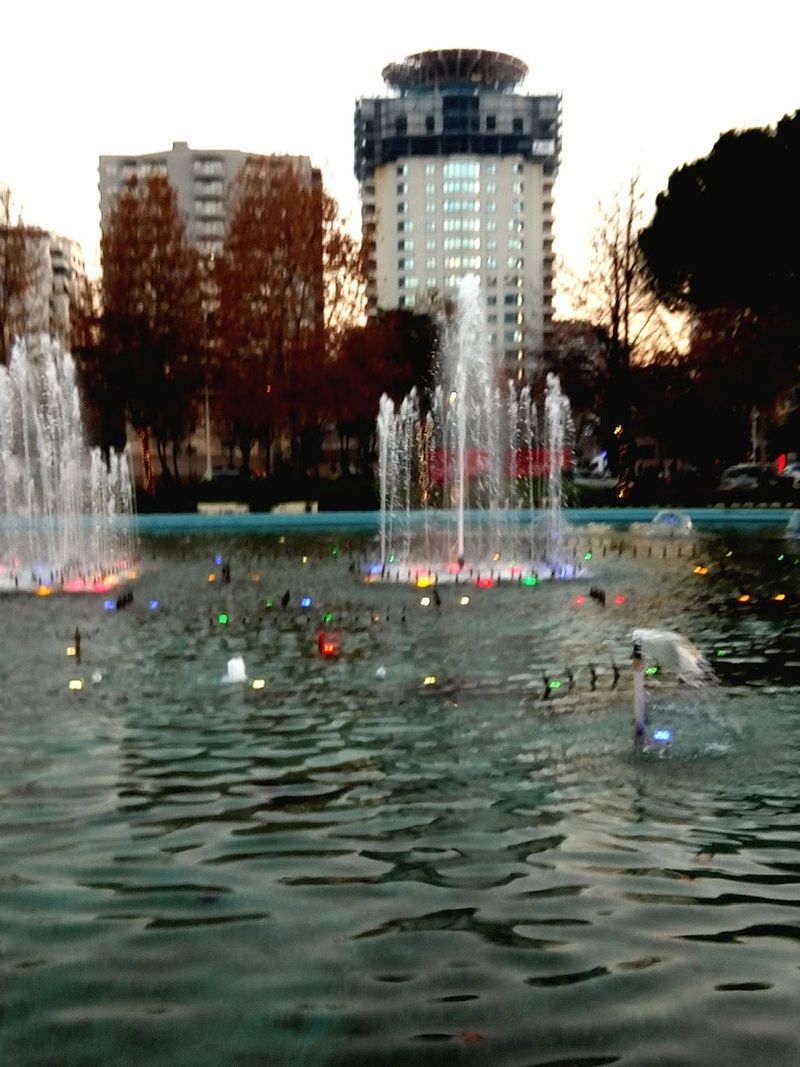
Not long ago, Tirana barely registered on most travelers’ radar. Today it is one of the fastest-changing and most genuinely exciting capitals in Europe, driven by a young population, a booming café culture, and a government that literally painted the city’s drab communist-era buildings in bold, bright colors to lift the national mood.
The transformation is real and it is still happening in real time.
Skanderbeg Square is the central meeting point, dominated by the National History Museum with its famous mosaic facade, the Et’hem Bey Mosque, and a large equestrian statue of Albania’s national hero. The Blloku neighborhood nearby was once reserved exclusively for Communist Party officials and is now the trendiest district in the city, packed with coffee bars, restaurants, and boutiques that stay busy until late.
The National Gallery of Arts and the Bunk’Art museum, housed inside a massive Cold War-era nuclear bunker, offer fascinating windows into Albania’s complex 20th-century history. The Dajti Mountain cable car whisks visitors up to a forested plateau with restaurants and hiking trails just 15 minutes from the city center.
Tirana is also one of the most affordable capitals in Europe, making it an outstanding value destination. The city’s energy is infectious, its people are incredibly welcoming, and the food scene has become genuinely impressive in recent years.
Prizren, Kosovo
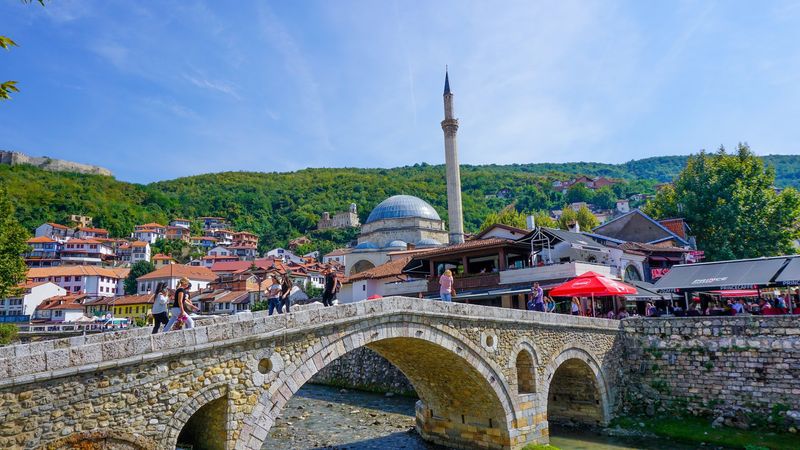
Prizren is the kind of city that travel writers tend to describe as a hidden gem, except that anyone who has actually been there knows it is hiding in plain sight and deserves far more attention than it receives. Kosovo’s cultural capital sits in a river valley surrounded by mountains, with a beautifully preserved Ottoman old town that feels genuinely lived-in rather than polished for tourism.
The atmosphere is warm, the prices are low, and the history is layered and fascinating.
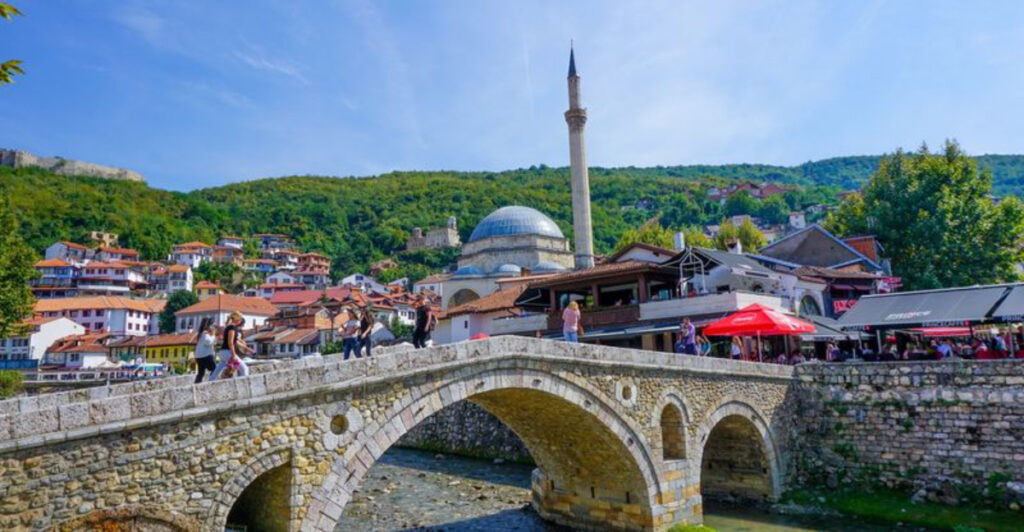
The Bistrica River runs right through the center of town, crossed by an elegant stone Ottoman bridge that has become the city’s most photographed landmark. Along the riverbanks, café terraces fill up every evening with locals enjoying a long, leisurely coffee ritual that seems to last until well after dark.
The old town behind the river is a tangle of mosques, Orthodox churches, traditional houses, and craft workshops.
Climbing up to the Prizren Fortress above the city rewards you with one of the best views in the entire Western Balkans, taking in the rooftops, minarets, and mountains all at once. The city also hosts the DokuFest international documentary film festival every summer, which draws filmmakers and visitors from across the region.
Prizren punches well above its weight for culture, charm, and sheer visual appeal.
Berat, Albania
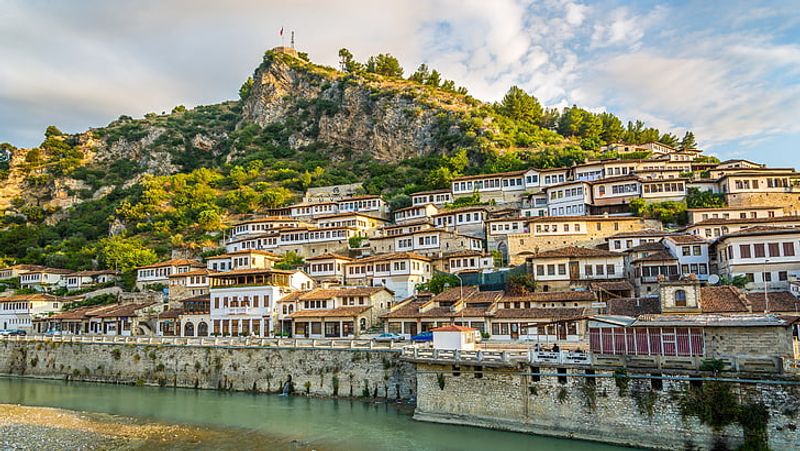
Berat earned its nickname the City of a Thousand Windows honestly. Look up at the hillside and you will see rows upon rows of traditional white Ottoman houses, each with large multi-paned windows stacked one above the other, creating a visual effect that is completely unlike anything else in the Balkans.
The town has been inhabited continuously for over 2,400 years, and it shows in the best possible way.
The Mangalem and Gorica quarters on either side of the Osum River are the heart of the old town, connected by a stone bridge and filled with traditional restaurants, guesthouses, and churches. The Onufri National Museum inside the castle holds one of the finest collections of Byzantine icons in Albania, painted by the 16th-century master Onufri whose vivid use of red pigment made him famous throughout the Orthodox world.
The castle district at the top of the hill is still inhabited by a small community of families, making it a living medieval neighborhood rather than a static monument. Wandering up through the castle gates and exploring the churches, ruins, and views from the top is an experience that stays with you long after you leave.
Berat is a UNESCO World Heritage Site and one of Albania’s most photogenic and historically significant cities, yet it remains refreshingly uncrowded and wonderfully affordable for visitors.
Share this story