Some beaches look like they belong on a postcard, with crystal-clear water, golden sand, and breathtaking scenery. But looks can be deceiving, and a few of the world’s most beautiful beaches are hiding some serious dangers beneath the surface.
From shark-infested waters to deadly rip currents and even volcanic hazards, these spots demand respect. Before you pack your sunscreen, read on to find out which stunning beaches come with a very real warning label.
New Smyrna Beach, Florida, USA
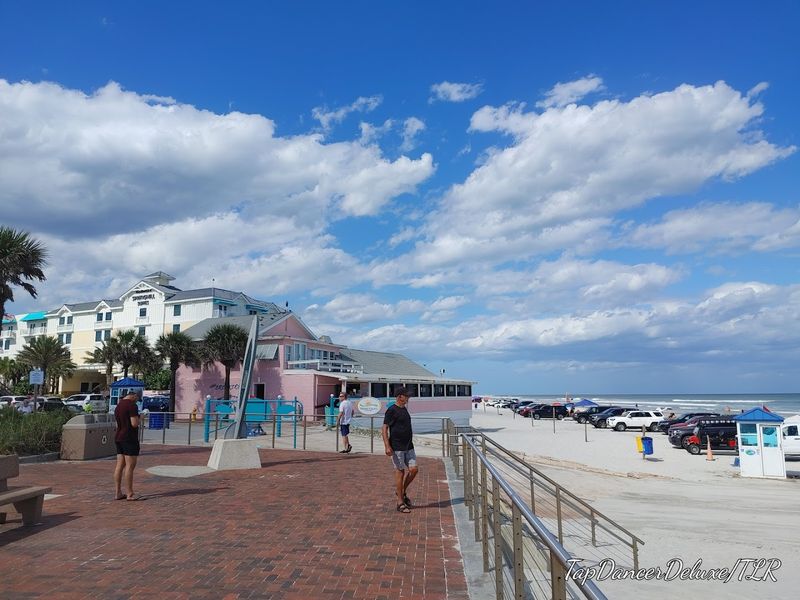
Shark attack capital of the world is not exactly the tagline most beach towns dream of, but New Smyrna Beach in Florida has earned that reputation fair and square. Located along the Atlantic coast, this beach draws millions of visitors every year with its warm, inviting water and laid-back Florida vibes.
Unfortunately, it also draws an impressive number of sharks.
Bull sharks and blacktip sharks are the most frequent visitors here, attracted by the warm water temperatures and the abundance of fish. Most attacks result in minor injuries rather than fatalities, but the sheer number of incidents is enough to raise eyebrows.
Surfers tend to be the most common victims, since they spend the most time in the water.
Rip currents add another layer of risk, capable of pulling even confident swimmers away from shore with little warning. Lifeguards are on duty during peak season, and colored flag warnings are posted daily.
Staying between the flags, avoiding murky water after rain, and skipping the ocean at dawn or dusk can significantly reduce your risk. It’s a genuinely beautiful beach, but one that rewards careful, aware visitors over thrill-seekers who ignore the signs.
Praia de Boa Viagem, Recife, Brazil
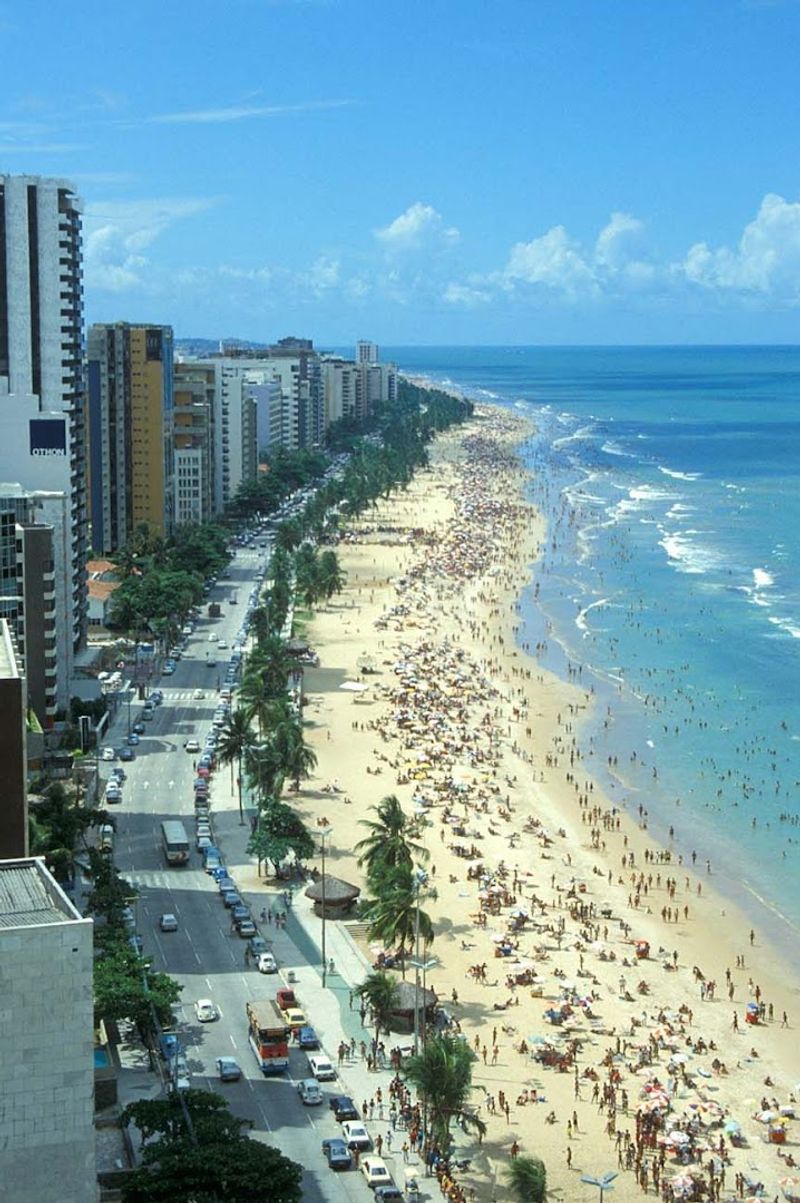
Recife’s most famous beach looks absolutely gorgeous from the shore, with a long ribbon of white sand stretching beside a glittering city skyline. Locals and tourists flock here on weekends, drawn in by the atmosphere, food vendors, and stunning coastal views.
But the ocean here is not nearly as welcoming as it looks.
Shark attacks at Boa Viagem have become a serious public safety issue over the decades. Environmental changes linked to the construction of a nearby port disrupted local marine ecosystems, pushing bull sharks closer to shore and into shallower swimming areas.
The result has been one of the highest rates of shark attacks in the entire world, with many incidents proving fatal.
Swimming is technically prohibited beyond the reef line, and warning signs are posted throughout the beach. However, enforcement is inconsistent, and some visitors still take the risk.
Strong ocean currents running through the area make conditions even more unpredictable. The beach is still a vibrant social hub and a cultural landmark for Recife, and enjoying the sand and scenery from dry land is a perfectly great option.
Just think twice before wading past your knees.
Fraser Island, Queensland, Australia
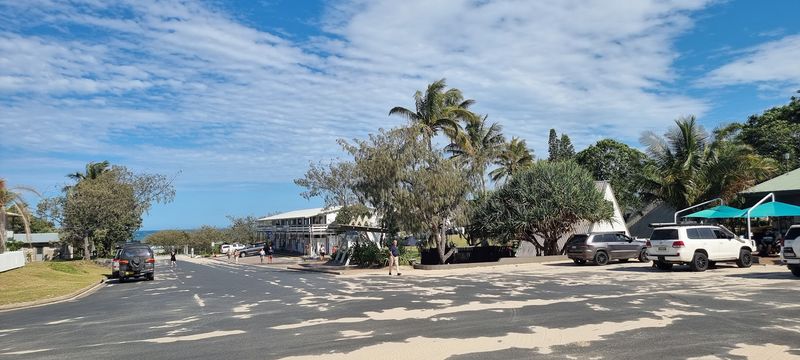
Officially the largest sand island on Earth, Fraser Island is the kind of place that makes nature photographers weep with joy. Freshwater lakes of impossible blue sit nestled among ancient rainforest and towering sand dunes.
It sounds like paradise, and in many ways it is, but Fraser Island has a habit of reminding visitors that beauty and danger often share the same address.
The ocean waters surrounding the island carry dangerous rip currents and are frequently patrolled by sharks and jellyfish, making ocean swimming genuinely risky. Lifeguards are not stationed at most beaches here, so swimmers are largely on their own.
The freshwater lakes are the safer swimming option, which is why most visitors wisely stick to them.
On land, the island hosts dingoes, which are wild dogs known for being aggressive, particularly toward small children. Venomous snakes and spiders also call this island home.
Visitors are advised never to feed the dingoes, to travel in groups, and to stay alert on the beaches after dark. Despite all of this, Fraser Island remains one of Australia’s most visited natural wonders.
Go, enjoy every second of it, but respect the wildlife and read every safety sign you pass.
Gansbaai, Western Cape, South Africa
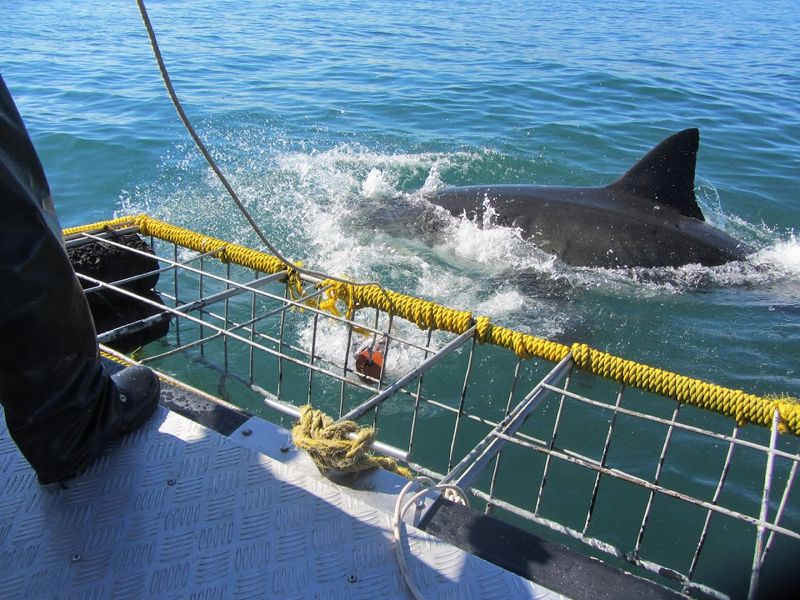
Few places on Earth have a closer relationship with great white sharks than Gansbaai, a small fishing town on South Africa’s Western Cape coast. The stretch of water between Dyer Island and Geyser Rock, nicknamed Shark Alley, is one of the highest concentrations of great white sharks anywhere in the world.
Cage diving operators have built an entire industry around this fact, and thrill-seekers travel from every corner of the globe to come face to face with the ocean’s most feared predator.
The waters here are cold, deep, and powerful. Currents can shift quickly, and the combination of rough surf and rocky coastline makes conditions challenging even for experienced ocean swimmers.
For anyone thinking about skipping the cage and going for a casual swim, this is very much not the place for that idea.
The surrounding scenery is genuinely spectacular, with rugged cliffs, crashing waves, and abundant marine wildlife including seals, penguins, and whales. Whale watching tours are popular here and offer a breathtaking look at the ocean without getting wet.
Gansbaai proves that you can fully appreciate a stunning coastal environment while keeping a healthy, sensible distance from the things that might eat you.
Playa Zipolite, Oaxaca, Mexico
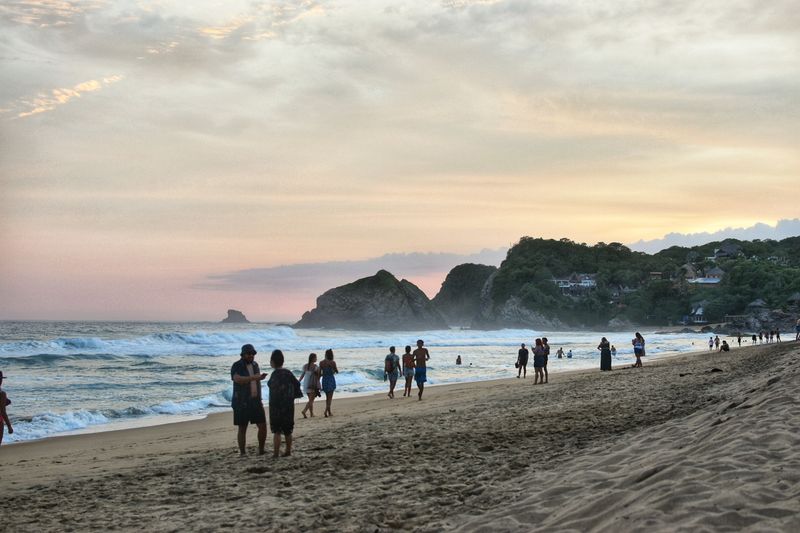
The nickname says it all. Locals have called this stretch of Oaxacan coastline the Beach of the Dead for generations, and the name is not just for dramatic effect.
Playa Zipolite is famous for its fierce undertows and unpredictable wave patterns that have claimed many lives over the years. Even on calm-looking days, the ocean here can turn dangerous without much warning.
The beach sits along a stretch of Mexico’s Pacific coast where ocean floor geography creates powerful backwash currents. Waves crash hard and retreat even harder, dragging sand and anything standing in the surf zone back into deeper water.
Strong swimmers have been caught off guard here, which is a sobering reminder that ocean confidence does not equal ocean safety.
The good news is that Zipolite now has a small but dedicated lifeguard service, known locally as the Heroic Lifeguards of Zipolite, who have saved hundreds of lives since they began operating. Swimming in designated safe zones and following their guidance dramatically improves your odds.
Beyond the danger, the beach is genuinely beautiful, with a bohemian, laid-back atmosphere that draws artists, backpackers, and free spirits. Just let the lifeguards be your best friends while you’re here.
Hanakapiai Beach, Kauai, Hawaii, USA
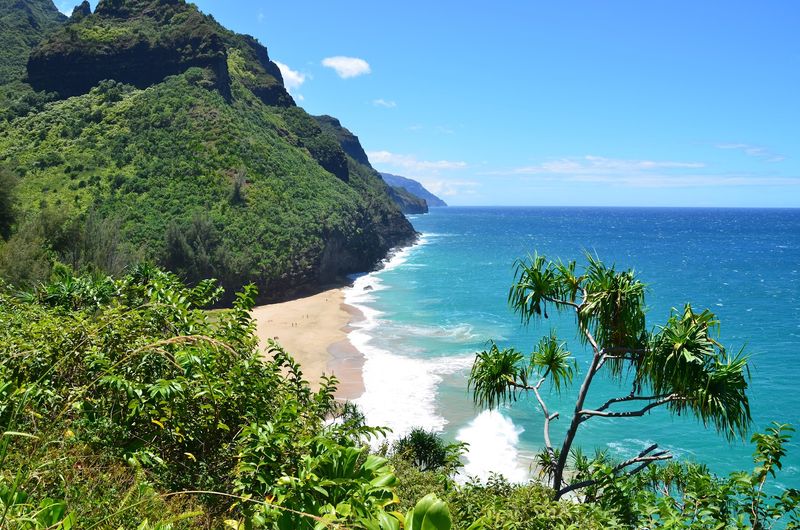
Getting to Hanakapiai Beach requires hiking two miles along the rugged Kalalau Trail on Kauai’s Napali Coast, and the reward is one of the most jaw-dropping beaches you will ever lay eyes on. Towering green cliffs frame a crescent of golden sand where powerful waves crash dramatically against the shore.
It looks like the setting of an adventure movie, and in a way, it is, because the danger here is very real.
There is a sign at the trailhead that keeps a running count of how many people have died at this beach. That sign is not there for decoration.
Rogue waves here are notorious for sweeping visitors off the sand without warning, and the powerful shore break makes swimming nearly impossible to do safely. There is no lifeguard, no cell service, and no easy way to call for help.
Swimming is strongly discouraged at Hanakapiai, and during winter months the beach sometimes disappears entirely under sand deposited by storm surf. The hike to the beach and back is itself a rewarding experience, and most visitors wisely take their photos, admire the scenery, and head back up the trail.
The ocean here is beautiful to watch from a safe distance and terrifying to enter.
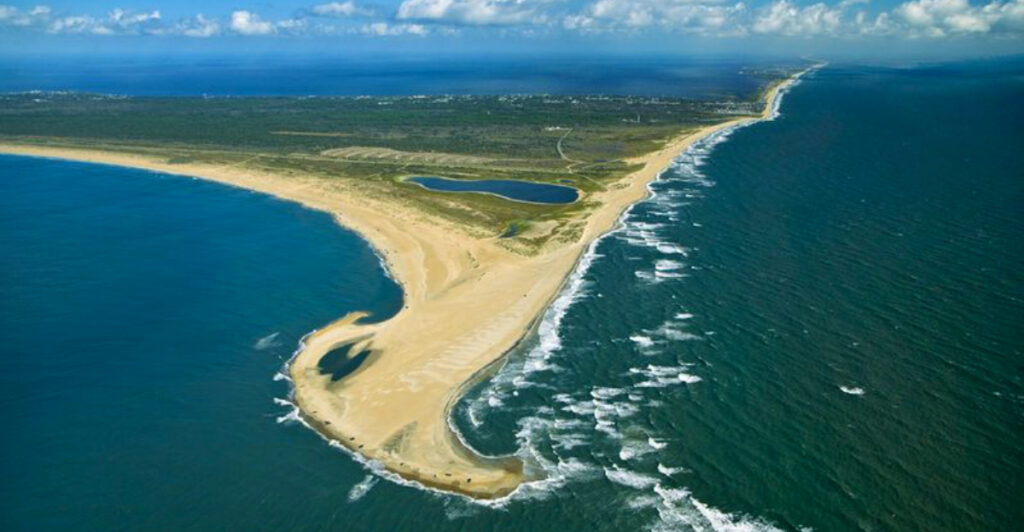
Cape Hatteras, North Carolina, USA
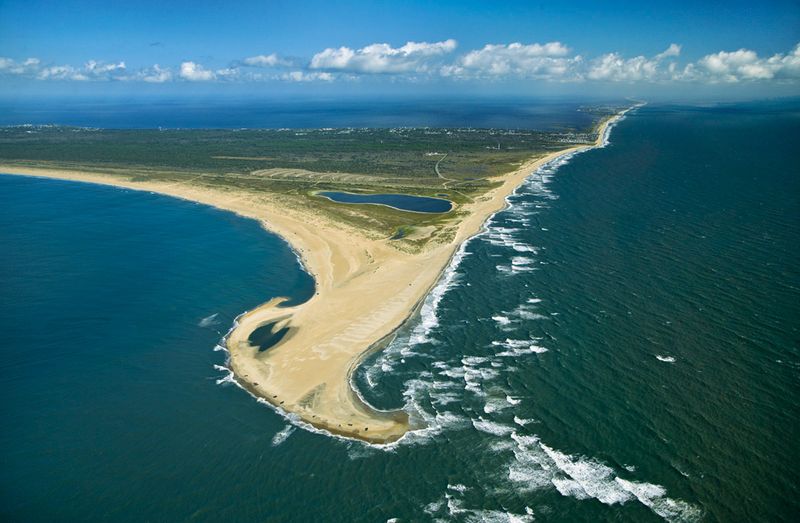
Cape Hatteras is home to one of America’s most iconic lighthouses, a striking black and white spiral tower that has warned sailors of dangerous waters since 1870. The lighthouse was built here for a reason.
This stretch of North Carolina coastline is known as the Graveyard of the Atlantic, and the waters offshore have swallowed hundreds of ships over the centuries.
The danger comes from a collision of ocean currents. The cold Labrador Current and the warm Gulf Stream meet near Cape Hatteras, creating chaotic underwater conditions that produce some of the most powerful rip currents found anywhere on the U.S.
East Coast. These currents are invisible from the surface and can overpower even strong swimmers within seconds.
The National Park Service issues frequent swimming warnings here, and lifeguards are only present at designated swimming areas during summer months. Outside those areas, swimmers are on their own in notoriously unpredictable water.
That said, Cape Hatteras is a world-class destination for windsurfing, kiteboarding, and fishing, activities that put the powerful conditions to good use. Birdwatchers and hikers also love the area for its wild, unspoiled beauty.
Just know your limits and respect the ocean’s considerable power before stepping in.
Tamarama Beach, Sydney, Australia
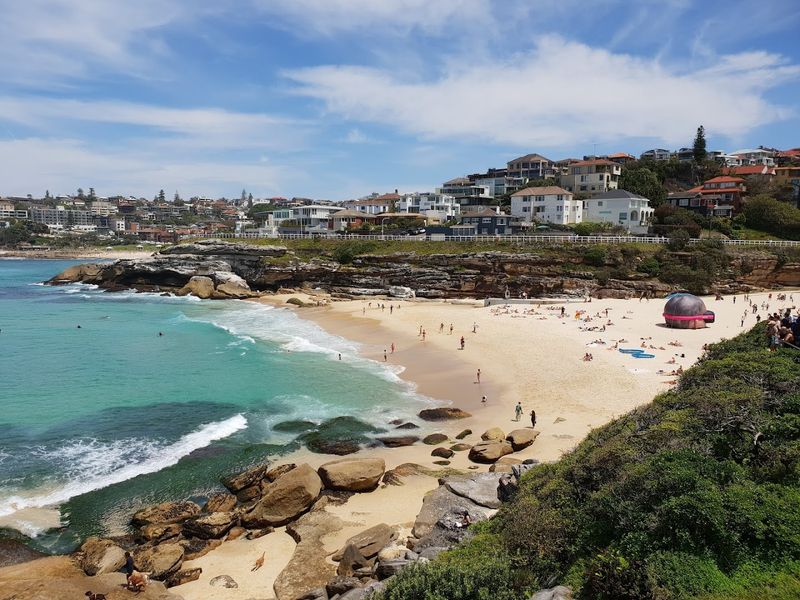
Squeezed between rocky headlands just south of Bondi Beach, Tamarama has a reputation that punches well above its size. Locals affectionately call it Glamarama for its fashion-forward crowd, but surf lifesavers have a less flattering nickname: Dramamara.
The beach performs more rescues per swimmer than almost any other patrolled beach in Australia, and the numbers back that up year after year.
The beach’s unusual shape is part of the problem. The narrow cove funnels ocean energy in a way that creates persistent, powerful rip currents running along the edges and through the center of the beach.
Waves here are heavier and more unpredictable than they appear from the sand. The rocky bottom adds an extra hazard for anyone who gets tumbled by a wave.
Surf lifesavers patrol Tamarama on weekends and public holidays, but the beach is unpatrolled on weekdays, which is exactly when some visitors choose to swim. Always swim between the red and yellow flags, check conditions with the lifesavers before entering, and never underestimate the surf just because the beach looks small.
Tamarama is worth visiting for its dramatic scenery and great people-watching, but treat it with the same respect you would give a much bigger, rougher break.
Chowpatty Beach, Mumbai, India
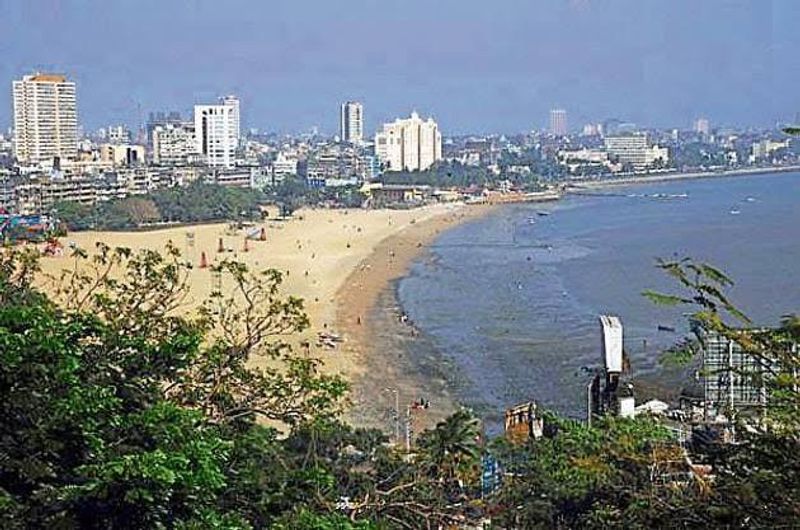
Ask any Mumbaikar about Chowpatty Beach and their eyes will light up with nostalgia. This stretch of sand along Marine Drive is deeply woven into the city’s cultural identity, famous for its street food, festivals, and the massive Ganesh Chaturthi celebrations that draw enormous crowds every year.
The energy here is infectious, and the sunset views over the Arabian Sea are genuinely spectacular.
However, the water at Chowpatty is a different story entirely. For decades, the beach has ranked among the most polluted in India, with sewage discharge, industrial runoff, and urban waste making the water unsafe for swimming.
Testing has repeatedly found dangerous levels of bacteria and harmful microorganisms in the water near the shore. Health authorities consistently advise against any contact with the ocean here.
Efforts to clean up the beach have been ongoing, and the sand itself is much cleaner than it used to be, making it a pleasant place to walk and enjoy the atmosphere. The street food scene alone is worth the trip, with vendors selling bhel puri, corn on the cob, and kulfi.
Chowpatty is a feast for the senses and a window into Mumbai’s soul, just keep your feet out of that water and enjoy the view from the shore.
Kauapea Beach (Secret Beach), Kauai, Hawaii, USA
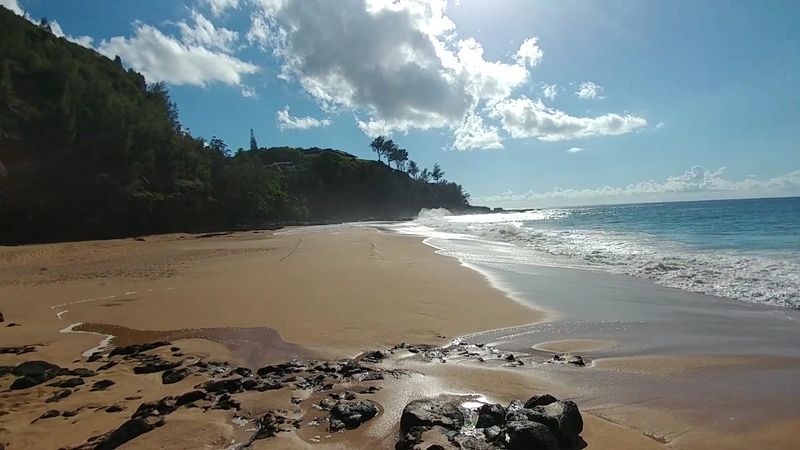
Finding Secret Beach feels like an achievement in itself. Tucked below towering sea cliffs on Kauai’s north shore and accessed via a steep, muddy trail through dense forest, Kauapea Beach rewards the effort with one of the most dramatic and isolated stretches of sand in all of Hawaii.
The scenery is genuinely breathtaking, with massive cliffs, crashing surf, and views of the Kilauea Lighthouse in the distance.
The ocean at Secret Beach, however, is not in on the romantic fantasy. Powerful shore break waves slam the sand with surprising force, and strong undertows pull toward the open Pacific with little mercy.
The beach is almost entirely unprotected from open ocean swells, meaning conditions can go from manageable to dangerous very quickly. There are no lifeguards, no amenities, and limited cell service.
The remote location means that if something goes wrong, rescue can take a very long time to arrive. Visitors who do swim here tend to be experienced ocean swimmers who carefully read the conditions first and only enter during the calmest summer months.
For everyone else, the beach offers incredible scenery, tide pools to explore, and the simple joy of standing somewhere genuinely wild and untouched. Bring water, wear shoes on the trail, and let the ocean have its space.
Copacabana Beach, Rio de Janeiro, Brazil
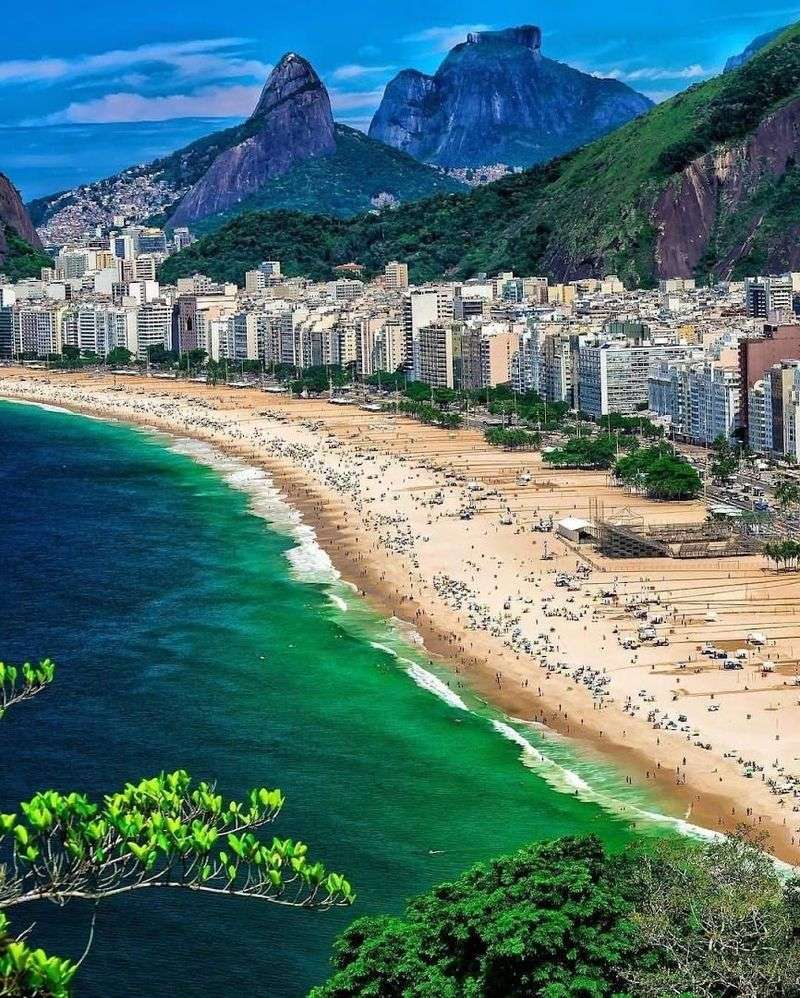
Copacabana is one of those names that carries its own soundtrack. The four-kilometer stretch of sand curving along Rio de Janeiro’s South Zone is arguably the most famous beach in the world, packed with energy, color, and the kind of beachside atmosphere that inspired a thousand songs.
Millions of visitors come every year to soak up the sun, play volleyball, and watch the city’s spectacular New Year’s fireworks from the water’s edge.
But Copacabana has a complicated side. Strong rip currents run along the beach and can catch swimmers off guard, especially near the ends of the bay where water movement is more intense.
The waves are not always gentle, and the open Atlantic exposure means swells can build quickly during certain seasons.
Beyond the ocean, the beach has a well-documented history of petty crime, particularly pickpocketing and bag snatching, especially in crowded sections. Visitors are strongly advised to leave valuables at the hotel, stay in well-lit areas after dark, and remain aware of their surroundings.
None of this should scare you away from experiencing one of the world’s great beaches, but going in with your eyes open makes the whole experience much more enjoyable. Copacabana rewards smart, aware travelers generously.
Cape Tribulation, Queensland, Australia
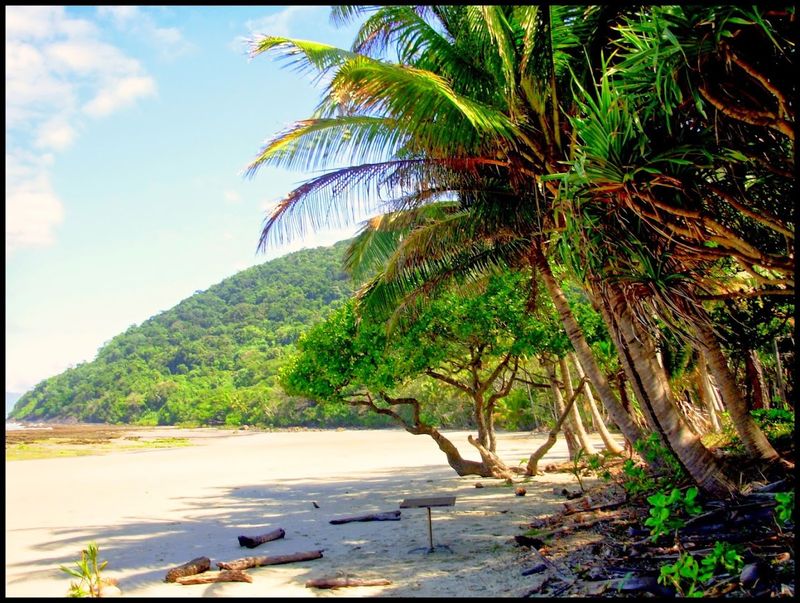
Captain James Cook named this place Cape Tribulation in 1770 after his ship hit the Great Barrier Reef nearby and nearly sank. Over two centuries later, the name still feels entirely appropriate.
Located in Far North Queensland where the Daintree Rainforest meets the Coral Sea, Cape Tribulation is one of the most biologically rich and genuinely hazardous coastal environments on the planet.
The ocean here comes with a formidable list of hazards. Box jellyfish, whose venom is among the most potent of any creature on Earth, patrol the coastal waters during the wet season from October through May.
Saltwater crocodiles, the largest reptile species alive, inhabit the estuaries, rivers, and occasionally the beach itself. Stingrays and other venomous marine creatures add to the underwater guest list.
On land, the rainforest is home to cassowaries, large flightless birds with a powerful kick and a territorial temperament, along with numerous venomous spiders and snakes. Swimming is strongly advised against during stinger season, and crocodile warning signs should always be taken seriously.
Despite all of this, Cape Tribulation is extraordinary. The scenery is unlike anywhere else on Earth, and guided tours offer a safe and fascinating way to experience this wild, ancient corner of Australia.
Skeleton Coast Beaches, Namibia
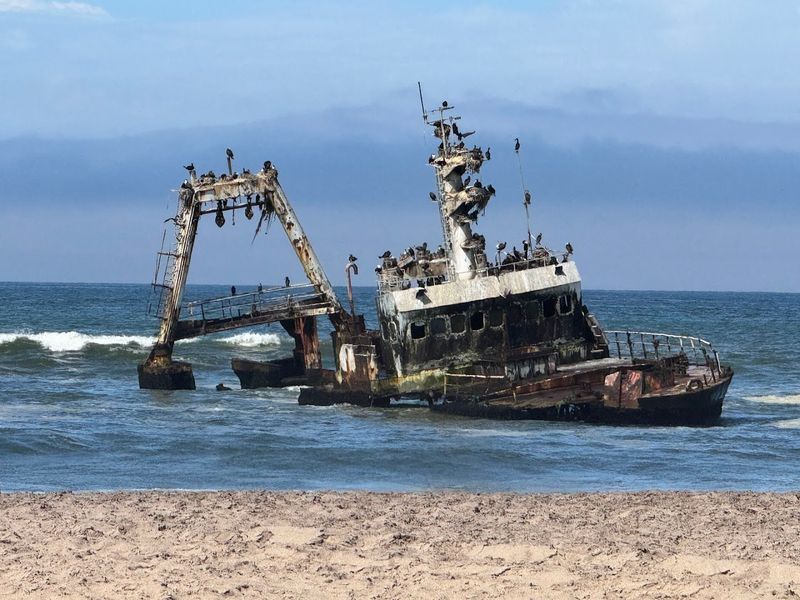
Fog rolls in thick and cold off the South Atlantic, swallowing the coastline in a grey silence broken only by crashing waves and the distant bark of Cape fur seals. The Skeleton Coast of Namibia is one of the most hauntingly beautiful and utterly inhospitable stretches of shoreline anywhere in the world.
Hundreds of shipwrecks lie rusting along this coast, victims of the treacherous conditions that earned it such a grim and fitting name.
The Benguela Current pushes icy Antarctic water northward along this coast, creating sudden, dangerous surf and dense sea fog that can disorient even experienced navigators. Rip currents here are powerful and persistent.
The water temperature rarely climbs above 14 degrees Celsius, meaning cold shock is a real and serious danger for anyone who enters the ocean.
The extreme remoteness of the Skeleton Coast makes rescue operations extraordinarily difficult. Much of the coastline is only accessible by small aircraft, and the nearest medical facilities can be hours away.
Despite all of this, the Skeleton Coast National Park is a remarkable destination for wildlife lovers, with enormous seal colonies, desert-adapted lions, elephants, and breathtaking desert landscapes meeting the sea. Visit with a licensed guide, keep your distance from the water, and let the eerie beauty of this place do its work on you.
Miami Beach, Florida, USA
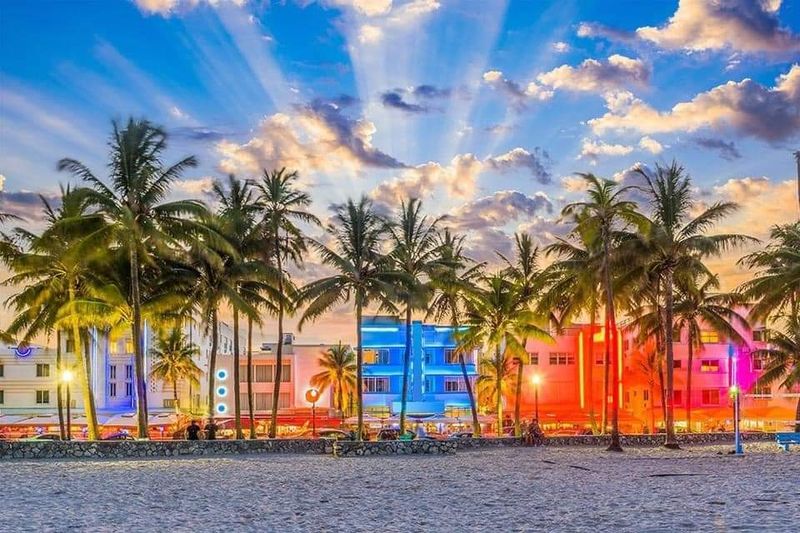
Neon lights, Art Deco architecture, and year-round sunshine have made Miami Beach one of the most recognizable beach destinations in the world. South Beach in particular draws millions of visitors annually with its electric atmosphere, beautiful people, and the kind of energy that makes you feel like you’re in a music video.
It genuinely is as glamorous as it looks, most of the time.
The ocean, however, operates on its own schedule and does not care about the glamour. Miami Beach is regularly flagged for dangerous rip currents, particularly during periods of high surf or stormy weather offshore.
These currents are invisible from the beach and can carry even strong swimmers hundreds of meters from shore in a matter of minutes. Drowning incidents occur here every year despite the heavy lifeguard presence.
Red flag warnings are posted frequently, especially during summer storm season, and they should be taken seriously rather than treated as a suggestion. Jellyfish blooms also wash ashore regularly, and man-of-war stings are common during certain times of year.
The safest approach is to swim only when green flags are flying, stay within the patrolled zones, and check in with a lifeguard if you have any doubt about conditions. Miami Beach is best enjoyed boldly but not recklessly.
Kilauea Coast Beaches, Hawaii, USA
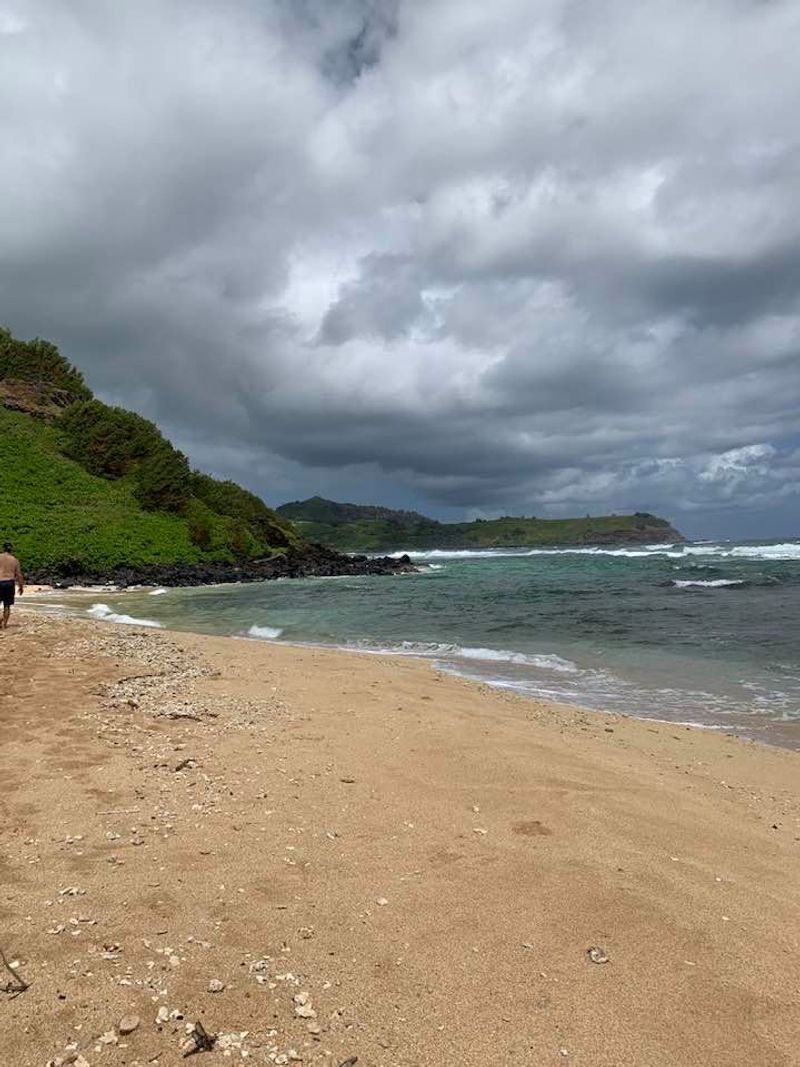
Watching molten lava pour into the Pacific Ocean from an active volcano is one of the most extraordinary sights on Earth, and the beaches near Kilauea on Hawaii’s Big Island offer a front-row seat to geological forces in real time. The landscape here is raw, otherworldly, and constantly changing.
New land is literally being created while you watch. It is as thrilling as it sounds and considerably more dangerous.
Lava entry points produce what scientists call laze, a toxic steam cloud created when hot lava meets seawater. Laze contains hydrochloric acid and tiny glass particles, and breathing it in can cause serious lung damage.
The new land formed by cooled lava, called a lava bench, can collapse into the ocean without warning, taking anyone standing on it along for the ride.
The black sand beaches formed by volcanic activity in this region are visually stunning, but the surrounding ocean is equally hazardous. Powerful waves, sharp lava rock, and unpredictable currents create swimming conditions that experts recommend avoiding entirely.
The Hawaii Volcanoes National Park provides designated viewing areas and up-to-date safety information for visitors. Following park guidelines and staying behind safety barriers is not just recommended, it is the only sensible approach to experiencing one of the planet’s most extraordinary and volatile coastlines.
Share this story