Most people think of the Grand Canyon when someone mentions canyon travel, and honestly, that one gets enough attention. Around the world, there are dozens of jaw-dropping canyons carved by rivers, ice, and time that rarely show up on a typical travel bucket list.
Some of these places are so remote that local shepherds still outnumber tourists. This article rounds up 15 remarkable canyons across five continents, each one offering something genuinely worth the trip, whether that means ancient cliff dwellings, rare wildlife, dramatic rock walls, or trails that feel like they belong to you alone.
None of these require extreme gear or elite fitness levels, just curiosity and a willingness to go slightly off the beaten path. Get ready to rethink what a canyon can be.
1. Blyde River Canyon – Mpumalanga, South Africa
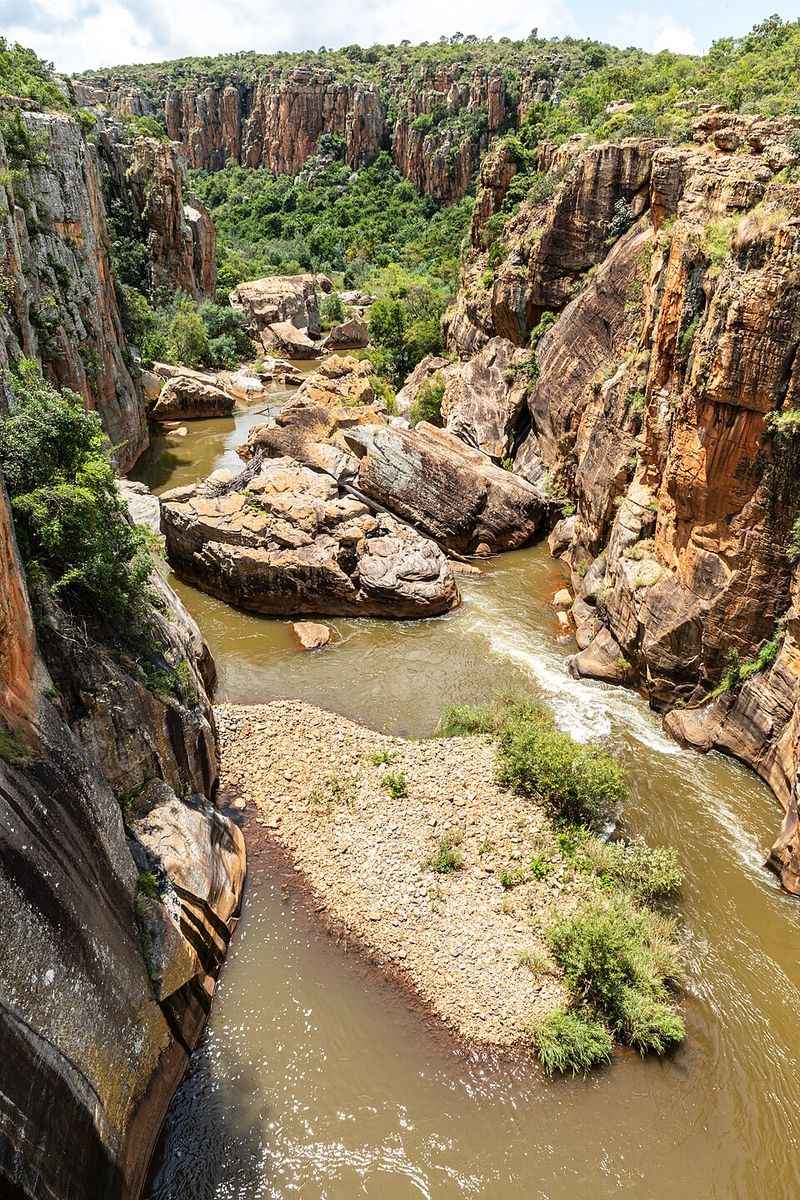
At roughly 26 kilometers long, Blyde River Canyon is one of the largest green canyons on Earth, a fact that surprises most visitors who expect a dry, barren landscape. The canyon sits in Mpumalanga province and forms the southern end of the Panorama Route, a scenic road that passes some of South Africa’s most dramatic viewpoints.
The Three Rondavels, three round rock formations resembling traditional African huts, are the most photographed feature here. Hippos and crocodiles live in the Blyde Dam reservoir at the canyon floor, adding a wildlife dimension most canyon destinations simply cannot offer.
Bourke’s Luck Potholes, a series of cylindrical rock formations carved by swirling water at the canyon’s entrance, are equally worth your time. Guided hikes and boat tours are available, making this canyon accessible for a wide range of visitors year-round.
2. Fish River Canyon – ǁKaras Region, Namibia
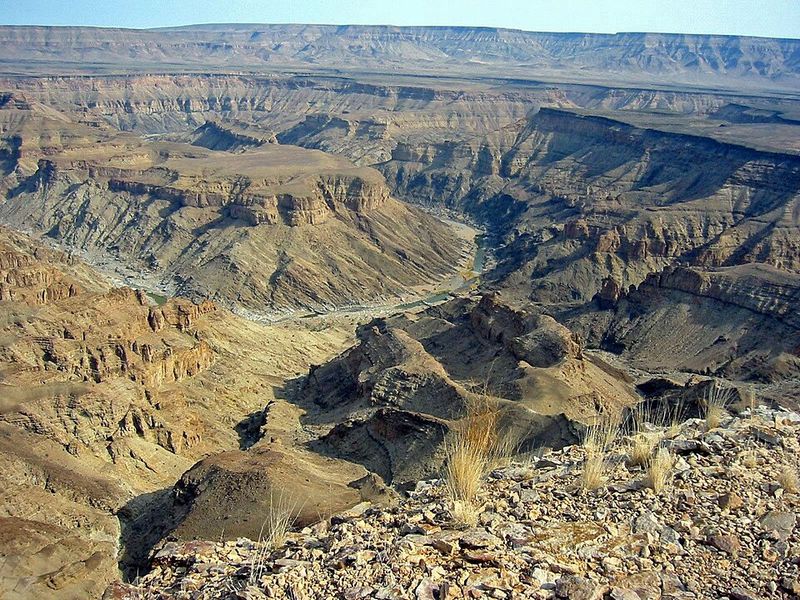
Second only to the Grand Canyon in size, Fish River Canyon in southern Namibia stretches about 160 kilometers long and drops nearly 550 meters at its deepest point. Despite those staggering numbers, most international travelers have never heard of it.
The canyon was formed over hundreds of millions of years through a combination of geological faulting and river erosion. At the bottom, the Fish River still flows seasonally, creating small pools that attract wildlife including baboons, mountain zebra, and leopard tortoise.
The famous Fish River Hiking Trail covers 85 kilometers over four to five days and is considered one of Africa’s great multi-day hikes. It runs from May through September only, when temperatures are manageable.
The main viewpoint near Hobas Camp offers a sweeping look into the canyon without requiring any hiking at all, perfect for those who prefer their adventures at a comfortable distance.
3. Copper Canyon (Barrancas del Cobre) — Chihuahua, Mexico
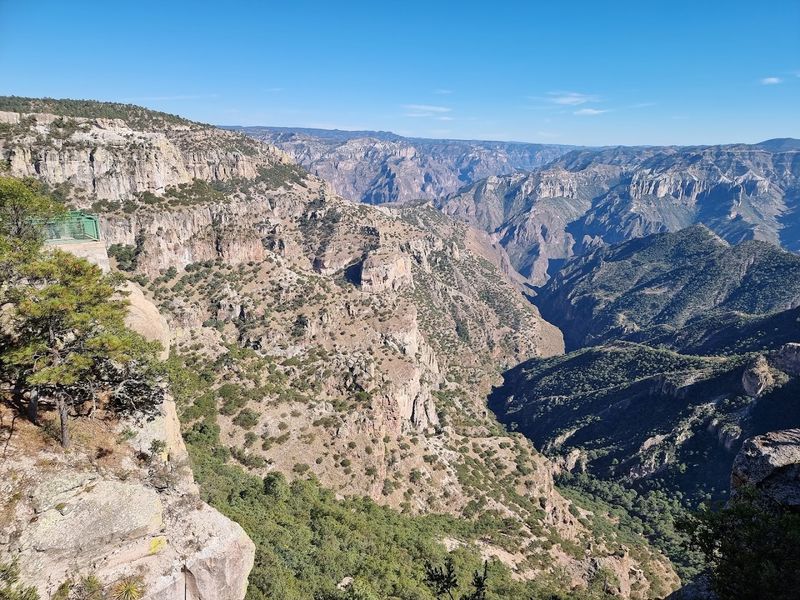
Copper Canyon is actually a network of six connected canyons, and together they cover an area four times larger than the Grand Canyon. The canyon walls take on a greenish-copper color in certain light, which explains the name.
The Tarahumara indigenous people, known for their extraordinary long-distance running ability, have lived here for centuries.
The Chepe Express train, one of the most scenic railway journeys in the Americas, winds through the canyon system with stops at towns like Creel and Bahuichivo. Riders get to watch the landscape shift from high-altitude pine forest to subtropical canyon floor within a single trip.
Adventure options include zip-lining, cable cars, and canyon rim hikes with views that stretch for miles. The town of Divisadero sits right on the canyon edge and offers some of the most accessible and dramatic viewpoints.
Visit between October and April for the most comfortable weather conditions.
4. Colca Canyon – Arequipa Region, Peru
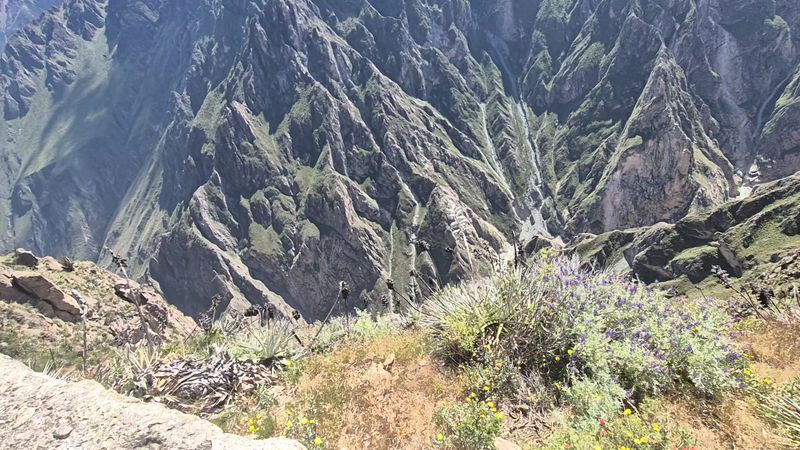
Colca Canyon holds the title of one of the deepest canyons in the world, reaching about 3,270 meters at its lowest point, more than twice the depth of the Grand Canyon. Yet it remains far less visited than Machu Picchu, even though it sits just a few hours from the city of Arequipa.
Pre-Inca civilizations carved terraces into the canyon walls for farming, and many of those terraces are still in use today. Villages like Chivay and Yanque sit within the canyon and maintain traditional Andean customs, including colorful embroidered clothing that varies by village.
The Cruz del Condor viewpoint is the best spot to watch Andean condors, the world’s largest flying bird by wingspan, riding thermal currents above the canyon each morning. Trekking into the canyon takes two days and includes an overnight stay in the riverside village of Sangalle.
Altitude acclimatization in Arequipa beforehand is strongly recommended.
5. Tara River Canyon – Durmitor National Park, Montenegro
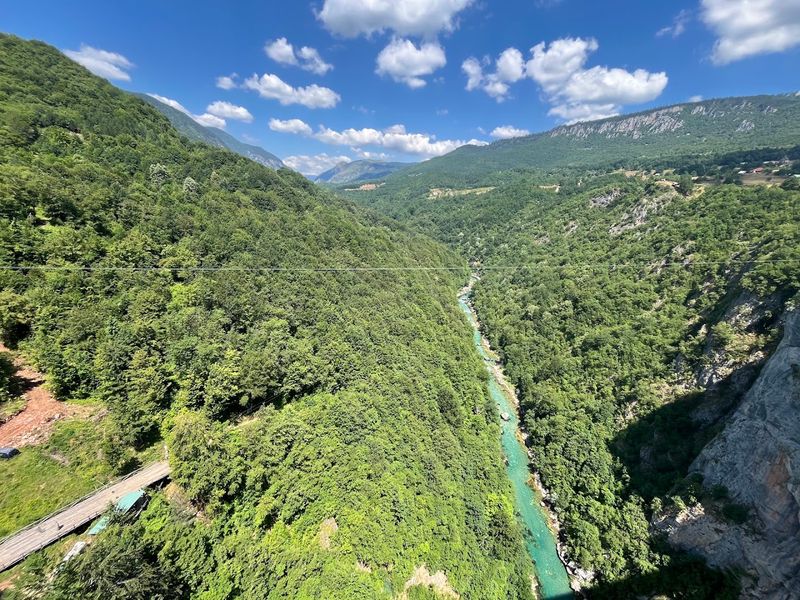
Europe’s deepest canyon belongs not to the Alps or the Dolomites, but to a small country most people need a moment to locate on a map. The Tara River Canyon in Montenegro reaches depths of 1,300 meters and stretches about 82 kilometers through Durmitor National Park, a UNESCO World Heritage site.
The Tara River itself is one of Europe’s cleanest rivers, which makes it a top destination for white-water rafting from April through October. Rafting routes range from calm family-friendly floats to challenging Class IV rapids, so there is a stretch for nearly every experience level.
The Djurdjevica Tara Bridge, built in the 1940s, arches dramatically over the canyon and offers one of the most photographed views in the Balkans. Campsites and eco-lodges along the canyon rim make overnight stays easy to arrange.
The surrounding national park also offers serious hiking trails through beech and black pine forests.
6. Piva Canyon – Piva Nature Park, Montenegro
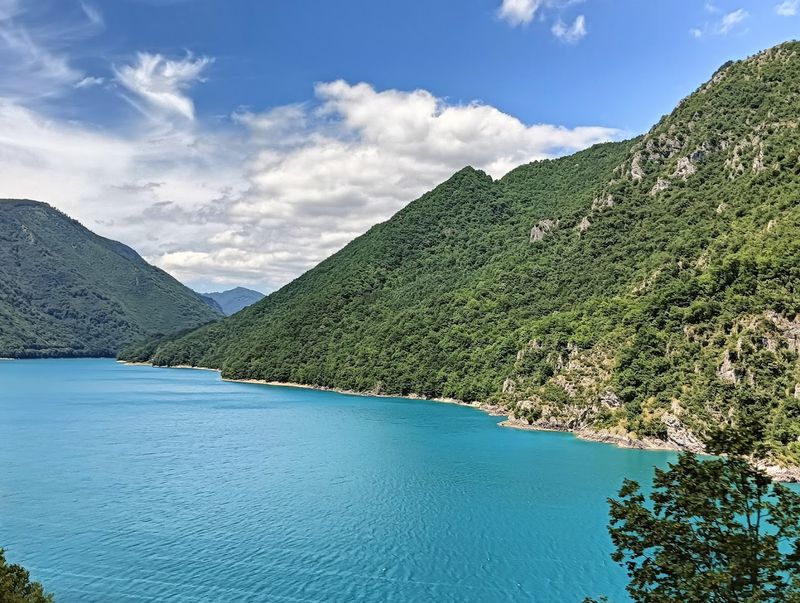
Just a short drive from the Tara River Canyon, Piva Canyon is Montenegro’s quieter, arguably more dramatic sibling. The canyon was partially flooded in the 1970s when the Mratinje Dam was built, creating the striking Piva Lake, a reservoir with water so clear and blue it looks almost artificial.
The road through Piva Canyon is one of the most spectacular drives in the Balkans. It was carved directly into the vertical limestone cliffs, with tunnels bored through solid rock and views that drop hundreds of meters straight down to the turquoise water below.
The Piva Monastery, originally built in the 16th century, was carefully relocated stone by stone to save it from the rising reservoir waters. That alone makes this canyon worth a detour.
Kayaking and boat tours on Piva Lake offer a completely different perspective of the towering cliff walls that most road travelers miss entirely.
7. Ihlara Valley – Cappadocia, Türkiye
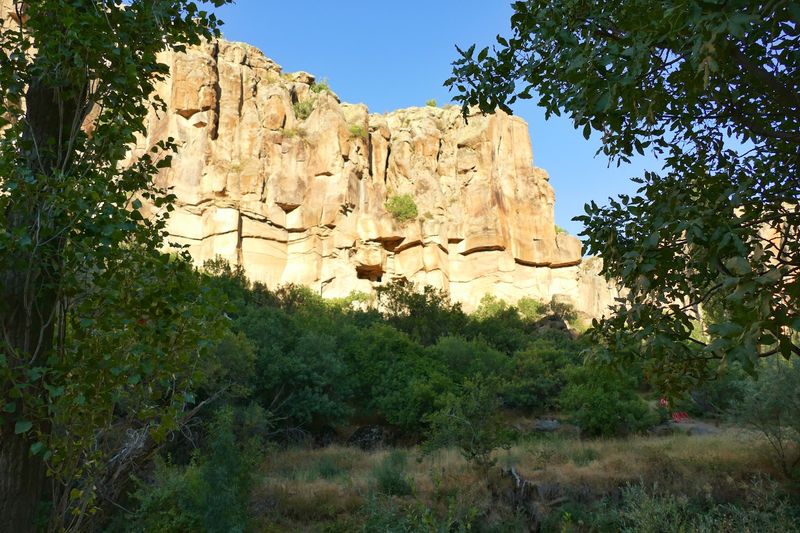
While most visitors to Cappadocia spend their time photographing hot air balloons over fairy chimneys, Ihlara Valley quietly offers something far older and more layered. This 14-kilometer canyon was carved by the Melendiz River and is home to over 100 rock-cut churches and chapels dating back to early Byzantine Christianity.
Monks and early Christian communities carved these sanctuaries directly into the volcanic tuff cliffs between the 4th and 13th centuries. Many still contain frescoes, though some have faded considerably over time.
The valley floor trail follows the river through lush greenery, an unexpected contrast to Cappadocia’s typical dusty landscape.
The hike from Ihlara village to Selime takes roughly three to four hours at a comfortable pace. Selime Monastery at the far end is one of the largest rock-cut structures in Cappadocia and served as a film location for Star Wars.
Entry to the valley is ticketed, and crowds are noticeably lighter here than at the region’s more famous spots.
8. Todra Gorge – Drâa-Tafilalet, Morocco
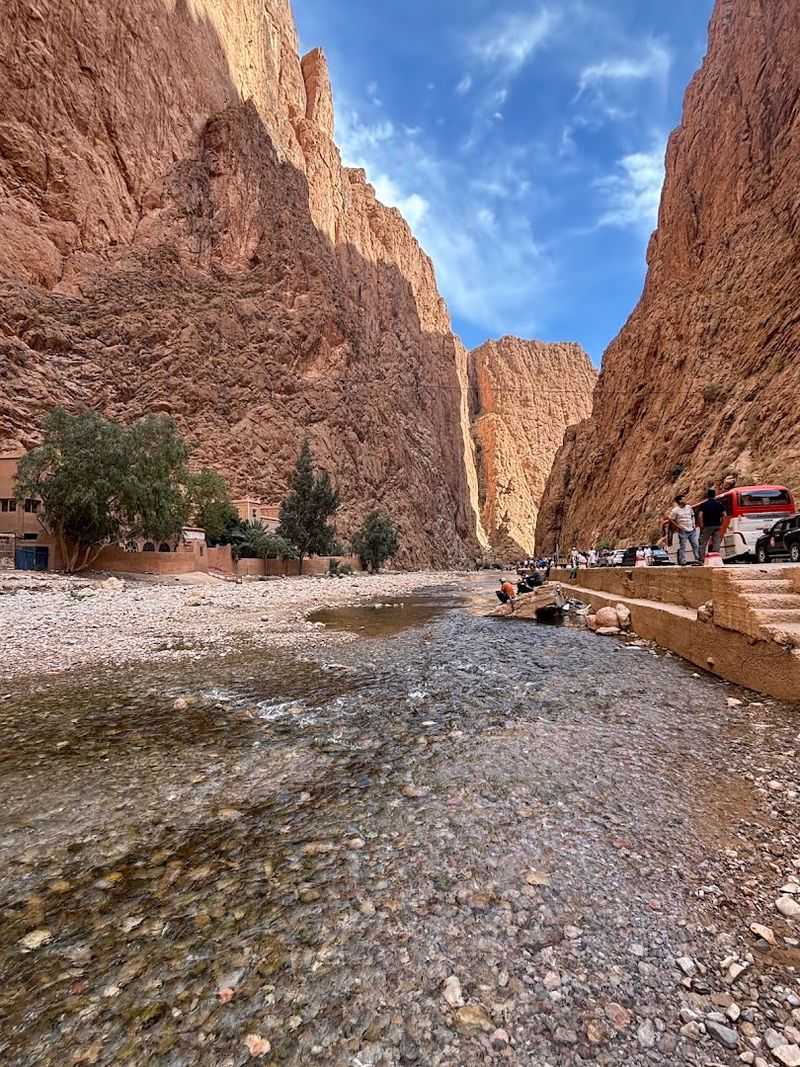
The walls of Todra Gorge rise nearly 300 meters straight up from a canyon floor barely 10 meters wide at its narrowest point. That combination of height and tightness creates a genuinely dramatic experience that photographs struggle to fully capture.
Located in southeastern Morocco near the town of Tinerhir, Todra Gorge sits at the edge of the Sahara, making it a natural stopping point on the route between Marrakech and the desert dunes of Merzouga. The Todra River runs through the gorge year-round, and locals from nearby Berber villages use the canyon road daily.
Rock climbers from across Europe and beyond visit Todra for its excellent sport climbing routes on the limestone walls. For non-climbers, a short walk into the gorge from the road takes about 20 minutes and delivers the full visual impact.
Small cafes and guesthouses operate right at the canyon entrance, making it easy to linger longer than planned.
9. Fjaðrárgljúfur Canyon – South Iceland
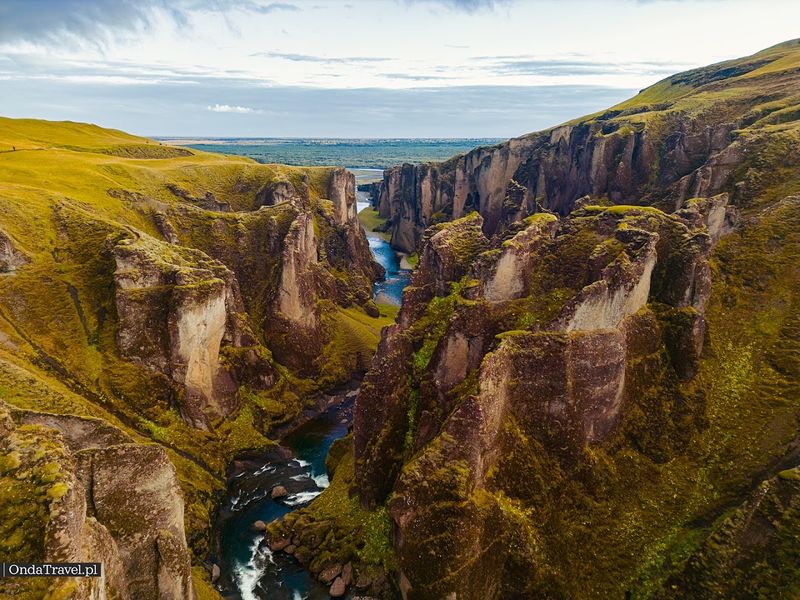
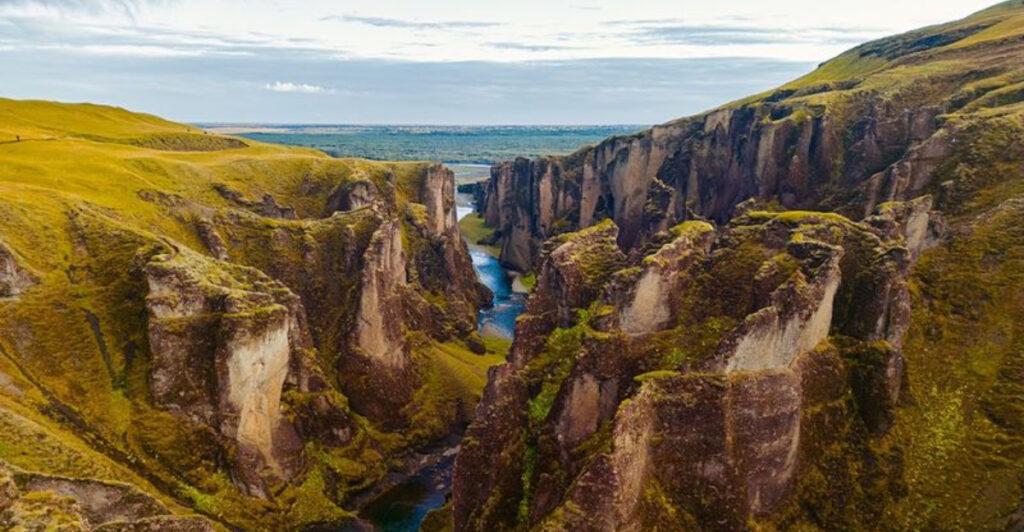
Fjaðrárgljúfur Canyon became briefly famous after a music video was filmed there in 2015, and Iceland’s tourism board later had to temporarily close it to protect the fragile moss-covered terrain from overfoot traffic. That alone tells you something about how visually striking this place is.
The canyon stretches about two kilometers long and reaches depths of 100 meters, carved by glacial meltwater over thousands of years. The Fjaðrá River winds along the canyon floor in tight curves, and the canyon walls are covered in thick green moss that gives the whole place an almost prehistoric quality.
A marked walking path runs along the canyon rim, offering elevated views without requiring any technical skill. The trail takes about 45 minutes to complete at a relaxed pace.
The canyon sits about 180 kilometers east of Reykjavik along the Ring Road, making it a natural stop on any South Iceland road trip. Visit in summer for the longest daylight hours.
10. Ordesa Canyon – Ordesa y Monte Perdido National Park, Spain
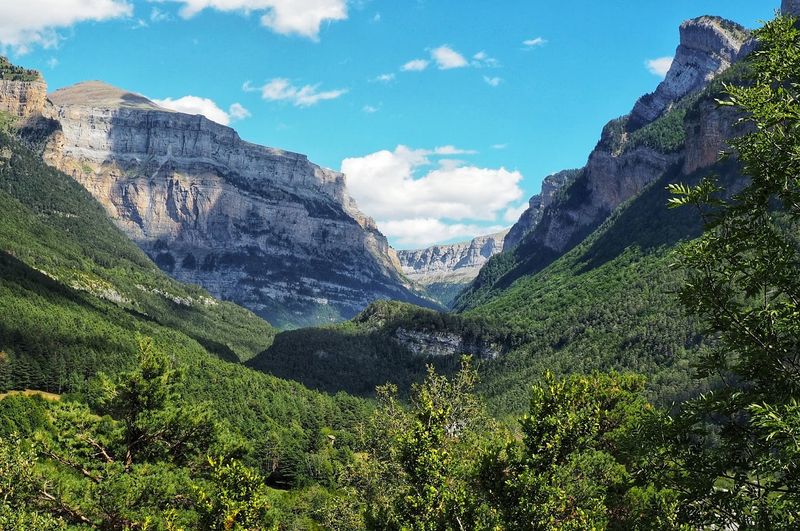
Spain’s first national park, established in 1918, was created specifically to protect Ordesa Canyon, and one look at the place makes the decision seem entirely reasonable. The canyon sits in the heart of the Pyrenees and was shaped by glaciers during the last ice age, leaving behind vertical limestone walls that tower over 1,000 meters above the valley floor.
The Arazas River runs through the canyon and feeds a series of waterfalls, including the Cola de Caballo, a 70-meter cascade at the valley’s far end. The main trail following the valley floor is about 18 kilometers round trip and passes through old-growth beech and pine forest.
Wildlife in the park includes griffon vultures, chamois, and the rare lammergeier bearded vulture. The park gets busy in July and August, so visiting in May, June, or September offers a noticeably calmer experience.
Parking is limited and shuttle buses run from the nearby village of Torla during peak season.
11. Aulne Canyon (Gorges de l’Aulne) – Brittany, France
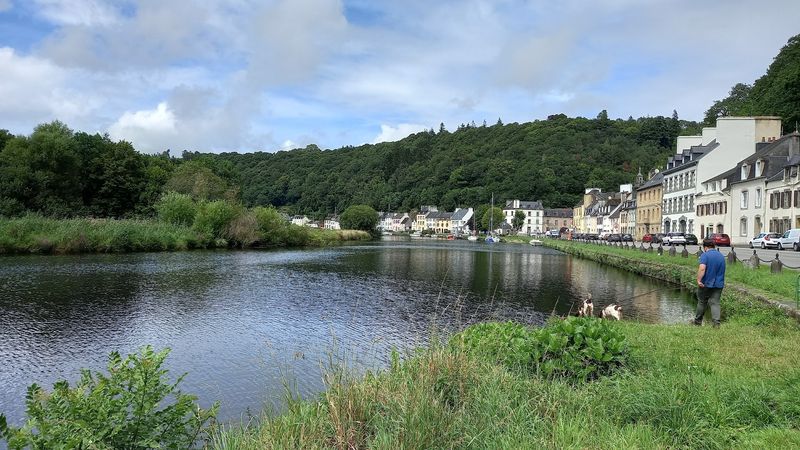
Brittany is famous for its coastline, crepes, and Celtic heritage, but the interior of the region holds a canyon that most French travelers have never visited. The Gorges de l’Aulne follow the Aulne River through a wooded canyon landscape that feels more like Wales than the France most tourists picture.
The canyon cuts through the Arree Mountains, one of the oldest mountain ranges in Europe, and the surrounding landscape is dotted with megaliths, ancient chapels, and small stone villages. The area sees very little international tourism, which means trails are quiet and the natural environment is well preserved.
Kayaking the Aulne River through the gorge is a popular local activity, and several outfitters in the area offer rentals and guided trips. Hiking trails follow both sides of the canyon through oak and chestnut woodland.
The nearby town of Chateauneuf-du-Faou makes a practical base with restaurants, accommodation, and easy access to the canyon trailheads.
12. Rio Lobos Canyon – Castile and León, Spain
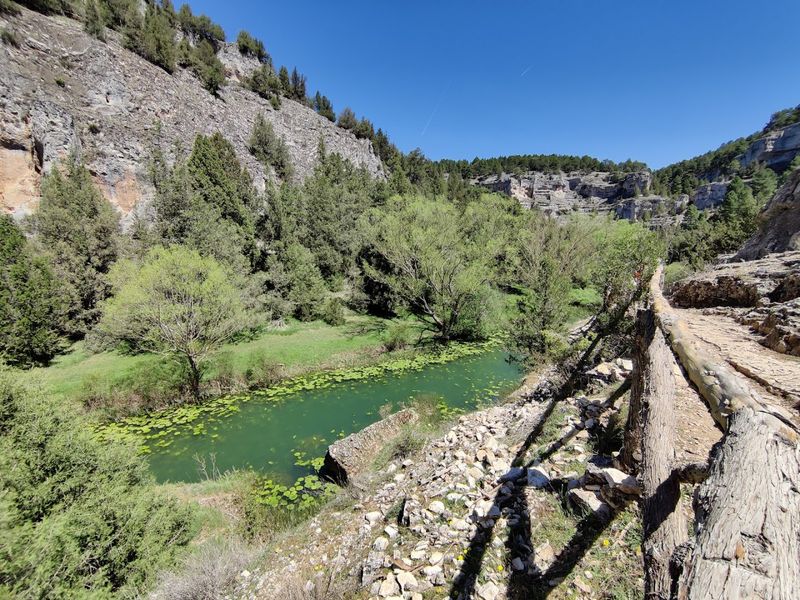
A medieval Templar chapel perched on the edge of a canyon is not something most people expect to find in rural Castile, but that is exactly what awaits at Rio Lobos Canyon. The Ermita de San Bartolome, a small Romanesque church built in the 12th century, sits within the canyon walls and has been a landmark here for over 800 years.
The canyon itself follows the Rio Lobos through about 25 kilometers of limestone gorge, with walls reaching up to 200 meters in some sections. The park is one of the most important nesting sites for griffon vultures in Spain, and groups of them circle the canyon walls throughout the day.
The main trail runs along the river and passes through pine woodland, open meadows, and rocky stretches with good views of the cliff faces. The canyon is located near the town of Ucero in Soria province and is reachable by car in under three hours from Madrid.
Entry is free and no permits are required.
13. Sumidero Canyon – Chiapas, Mexico
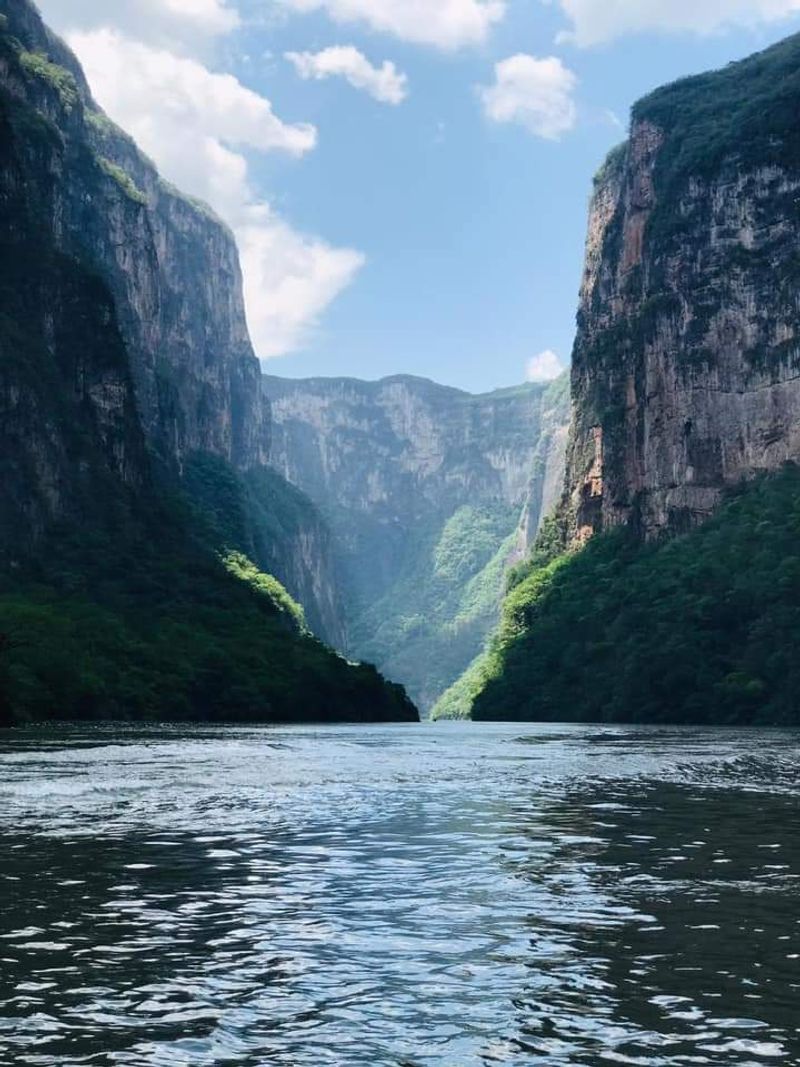
The walls of Sumidero Canyon rise over 1,000 meters above the Grijalva River, and the only way to see them properly is by boat. That boat trip, departing from the town of Chiapa de Corzo, is one of the most dramatic river journeys in Mexico and takes roughly two hours to complete.
The canyon stretches about 35 kilometers and was formed by the Grijalva River cutting through the Chiapas highlands over millions of years. During the trip, boats pass by massive cliff faces, a waterfall that cascades down the rock wall, and a cave where thousands of swallows nest in the upper reaches.
Crocodiles are frequently spotted along the riverbanks, and spider monkeys are sometimes visible in the vegetation clinging to the lower cliff walls. Five viewpoints along the canyon rim are accessible by road and offer top-down perspectives of the gorge.
Sumidero Canyon National Park is located near Tuxtla Gutierrez and is easily combined with a visit to the colonial city of San Cristobal de las Casas.
14. Kakouetta Gorge – French Pyrenees, France
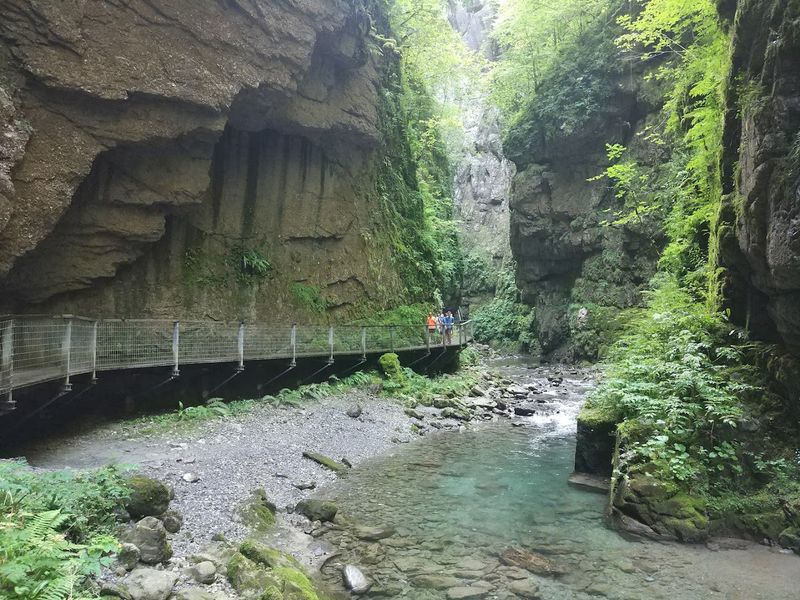
Kakouetta Gorge is the kind of place that makes you feel like you have discovered something no one else knows about, even though it has been a designated natural site since 1908. The gorge near the Basque village of Sainte-Engrace in the French Pyrenees is one of the most dramatic slot canyons in Western Europe.
The canyon stretches about 3 kilometers and narrows to just a few meters wide in places, with walls rising over 200 meters. A wooden boardwalk and series of bridges allow visitors to follow the stream through the gorge without technical gear, though the path does require some careful footing on wet surfaces.
At the far end of the accessible trail, a waterfall drops into a small grotto, marking the natural turnaround point for most visitors. The gorge is open from mid-March to mid-November.
Entrance fees are modest, and the site is managed to keep visitor numbers reasonable. Combining it with the nearby Holcarte Gorge makes for a full day of canyon exploration in this quiet corner of the Pyrenees.
15. Bicaz Gorge – Eastern Carpathians, Romania
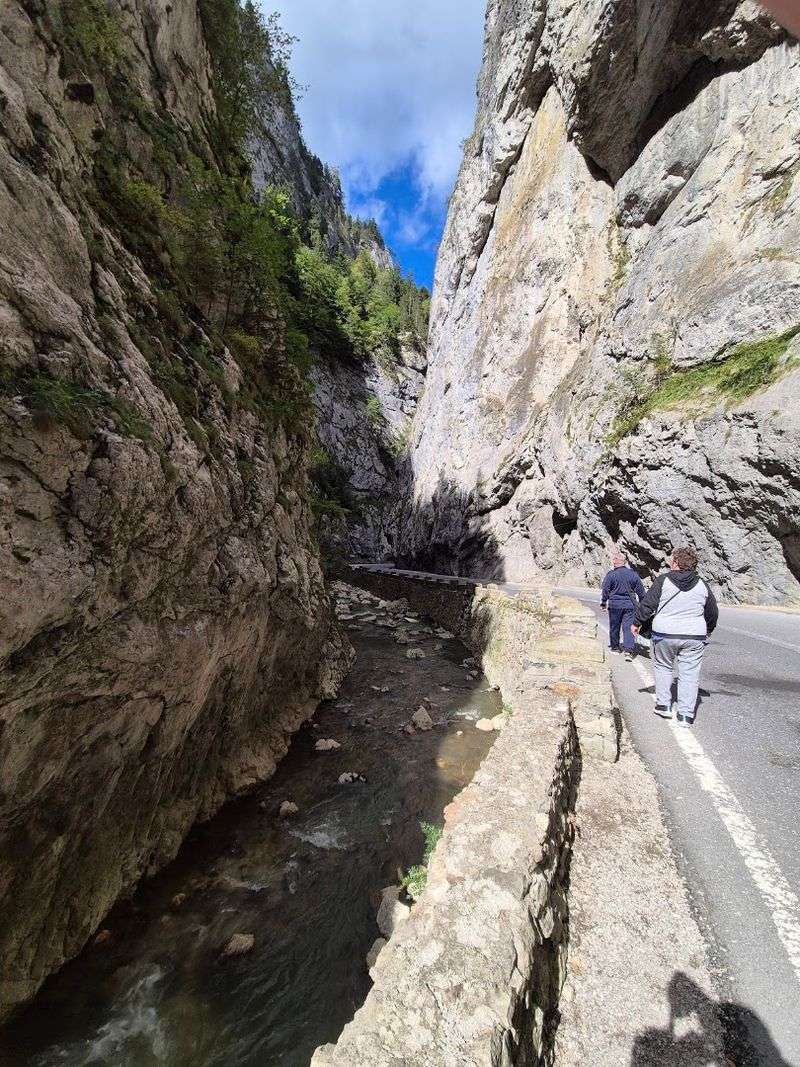
Romania’s Bicaz Gorge packs an enormous amount of visual drama into a relatively short distance. The gorge stretches about 8 kilometers through the Eastern Carpathians and is carved by the Bicaz River, with limestone walls rising directly beside the road in sections so narrow that trucks have to slow to a crawl.
The gorge connects the regions of Transylvania and Moldavia and has served as a mountain pass for centuries. The most dramatic section, known as the Neck of Hell, is a tight passage where the cliffs close in on both sides and the road runs just meters from the river below.
A small market operates along the roadside within the gorge, where local vendors sell handcrafted pottery, woolen goods, and regional food products. Rock climbers use the vertical limestone faces throughout the warmer months.
The gorge connects to the scenic Red Lake, a natural dam lake formed by a landslide in 1837, making it an easy addition to any visit to this underexplored region of Romania.
Share this story