France has a way of surprising even the most seasoned travelers. Sure, Paris is magnificent and the French Riviera is glamorous, but the real magic often hides in places that don’t make the top ten lists.
From medieval villages carved into cliffsides to coastlines draped in pink granite boulders, France’s lesser-known corners are absolutely worth seeking out. Pack your bags and get ready to discover a side of France most tourists completely miss.
Eguisheim — Alsace
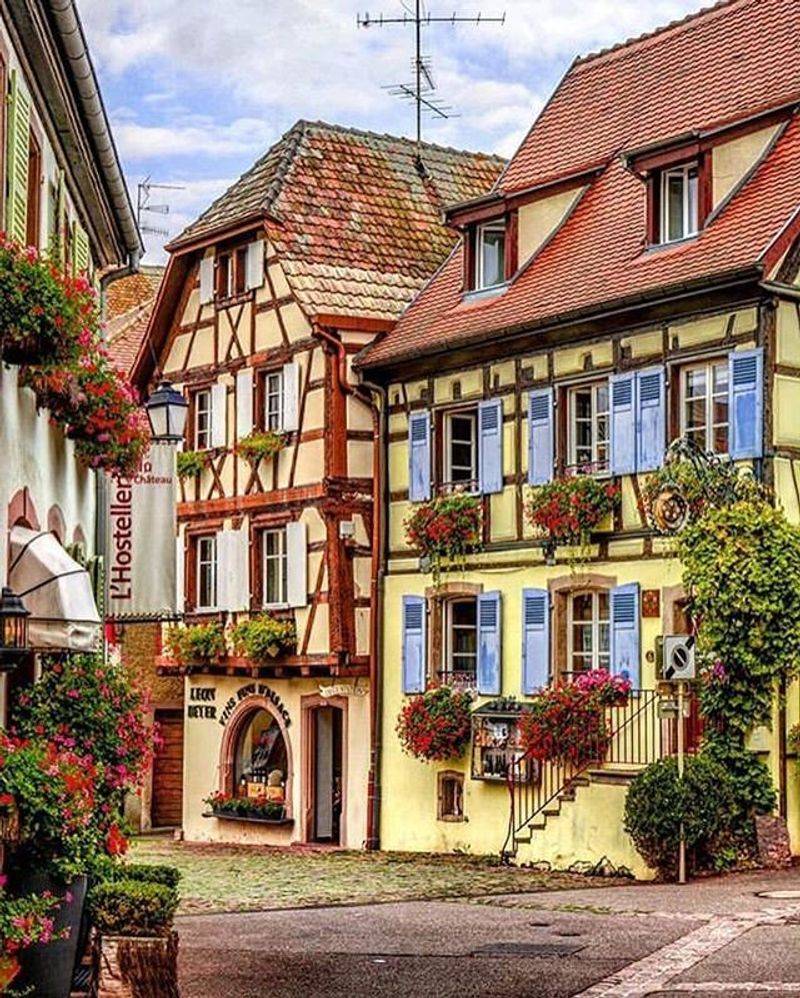
Walking through Eguisheim feels like someone turned a fairy tale into a real address. Concentric rings of cobblestone streets wrap around a medieval castle, lined with half-timbered houses painted in shades of yellow, pink, and blue.
Flower boxes overflow from nearly every window, making the whole village look permanently dressed for a celebration.
Located along the famous Alsace Wine Route, Eguisheim is surrounded by vineyards that produce some of the region’s finest Riesling and Gewurztraminer. Family-run wineries welcome visitors for tastings without the pretension you might find elsewhere.
It is one of the rare places where you can sip excellent wine and feel genuinely at home doing it.
Ranked among France’s most beautiful villages, Eguisheim draws far fewer crowds than nearby Strasbourg or Colmar, making it a refreshingly peaceful stop. Stroll the outer ring road at sunset when the golden light catches the painted facades and the whole village glows.
Come during the Christmas market season for an experience that feels almost impossibly charming.
Collioure — Occitanie
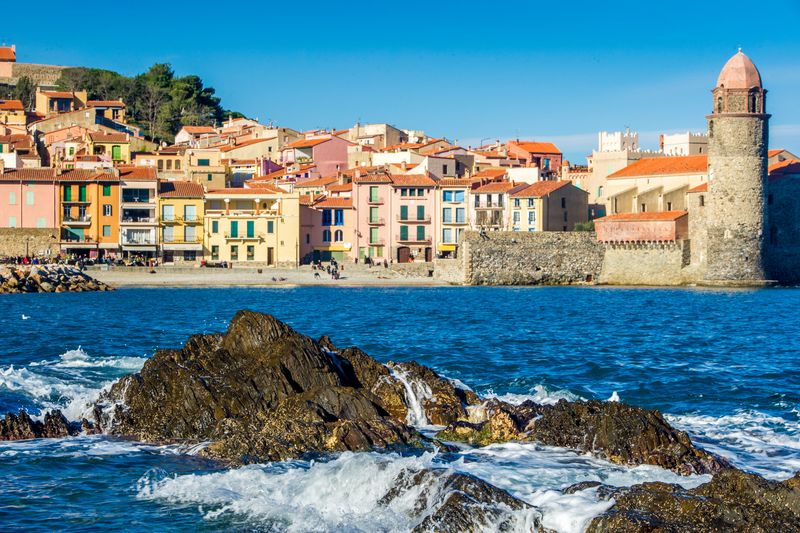
Henri Matisse once described Collioure as a place where the light itself seemed to paint the scenery. He was not exaggerating.
The pastel-colored houses lining the harbor cast shimmering reflections onto the Mediterranean, creating a scene so vivid it almost looks digitally enhanced. No filter needed here.
Tucked against the foothills of the Pyrenees near the Spanish border, Collioure wears its Mediterranean identity proudly. Anchovy fishing has shaped the town’s culture for centuries, and you will find the salty, briny delicacy featured in nearly every local restaurant.
The Royal Castle of Collioure, rising dramatically from the waterfront, adds a serious historical punch to the town’s visual appeal.
Beaches here are small and pebbly but crystal clear, making afternoon swims genuinely refreshing rather than crowded ordeals. The narrow streets behind the harbor are full of independent art galleries paying tribute to the Fauvist painters who fell in love with this town in the early 1900s.
Arriving by train from Perpignan takes under thirty minutes and rewards you with a coastal view that rivals anything the French Riviera offers, at a fraction of the price.
Rocamadour — Occitanie
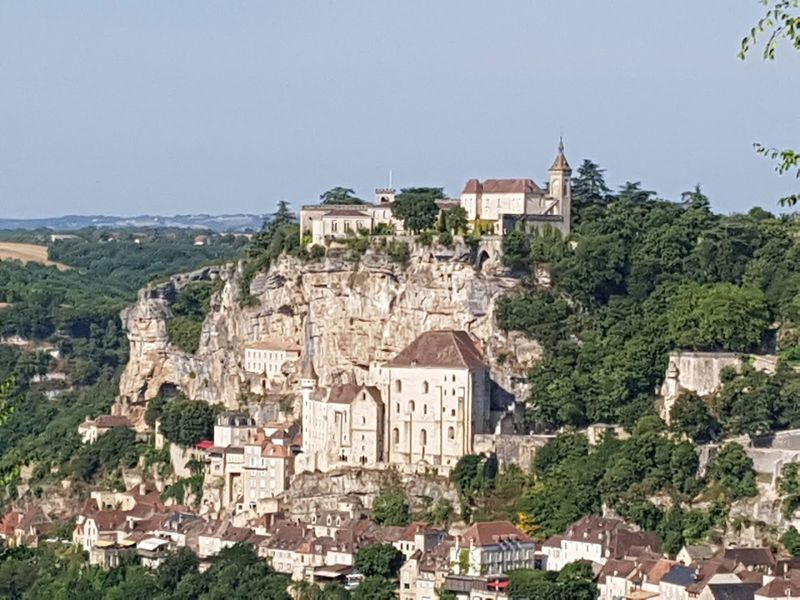
Gravity seems to have no authority over Rocamadour. This extraordinary village is literally built into the vertical face of a limestone cliff, with chapels, towers, and houses stacked on top of each other like a medieval high-rise.
Seeing it for the first time from across the valley is a genuine jaw-dropping moment.
Pilgrims have been climbing the 216 stone steps of the Grand Escalier to reach the sacred chapels since the twelfth century. The Black Madonna housed in the Chapel of Notre-Dame has attracted devotees from across Europe for hundreds of years.
Today, visitors come for both spiritual reasons and sheer architectural awe, and honestly, both motivations make complete sense.
The village sits above the Alzou Canyon in the Lot region, offering sweeping views from the ramparts above. Three distinct levels connect the lower town, the ecclesiastical city, and the chateau above, each reachable by elevator if the stairs feel ambitious.
Early morning visits reward you with quieter streets and soft light catching the cliff face at its most dramatic. Nearby, the Gouffre de Padirac cave system makes an excellent half-day addition to your Rocamadour trip.
Gorges du Verdon — Provence-Alpes-Cote d’Azur
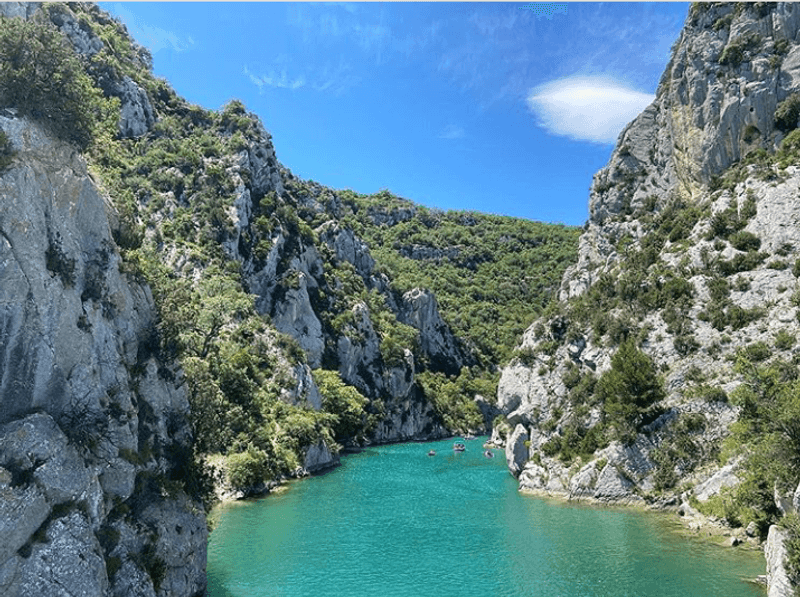
Europe’s answer to the Grand Canyon happens to be in Provence, and it comes with a color upgrade. The Verdon River runs a shade of turquoise so vivid it looks artificially dyed, cutting through limestone cliffs that soar up to 2,300 feet in some sections.
Calling it impressive feels like an understatement of spectacular proportions.
Kayaking through the gorge puts you right at water level, surrounded by towering walls of white and grey rock with only the sound of water and birds for company. Hikers can tackle the famous Sentier Martel, a two-day trail that winds along the canyon floor through tunnels and across suspension bridges.
Drivers can take the Route des Cretes along the rim for panoramic views that require absolutely no athletic effort.
The towns of Moustiers-Sainte-Marie and Castellane serve as popular base camps for exploring the gorge. Lac de Sainte-Croix, a stunning reservoir at the western end of the gorge, is perfect for paddleboarding and swimming in summer.
Visiting in late spring or early autumn avoids the peak summer crowds while still delivering excellent weather. Few natural landscapes in Western Europe match the Verdon Gorge for sheer dramatic beauty.
Moustiers-Sainte-Marie — Provence-Alpes-Cote d’Azur
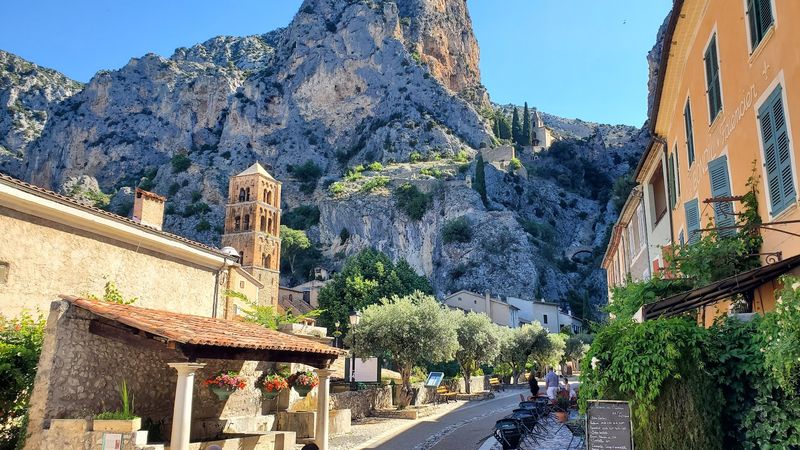
Suspended between two towering cliffs on a chain 725 feet long hangs a golden star, and nobody in Moustiers-Sainte-Marie finds this unusual. The star has dangled above the village since the thirteenth century, reportedly hung by a knight returning from the Crusades as a gesture of gratitude.
It is the kind of quirky local legend that makes a place unforgettable before you have even unpacked your bag.
The village itself sits at the entrance to the Verdon Gorge, making it a natural base for exploring the canyon. Narrow cobblestone lanes wind past artisan pottery studios, a tradition dating back to the seventeenth century when Moustiers faience became famous across Europe.
Picking up a hand-painted ceramic piece here feels like bringing home something genuinely meaningful rather than a generic souvenir.
A waterfall tumbles through the rocky cleft above the village, feeding a small stream that runs through the town center. Hiking up to the Notre-Dame de Beauvoir chapel above the village takes about twenty minutes and delivers panoramic views across the valley that are absolutely worth the climb.
Arrive in the evening when day-trippers leave and the village settles into a peaceful golden calm that feels like a reward for staying longer.
Riquewihr — Alsace
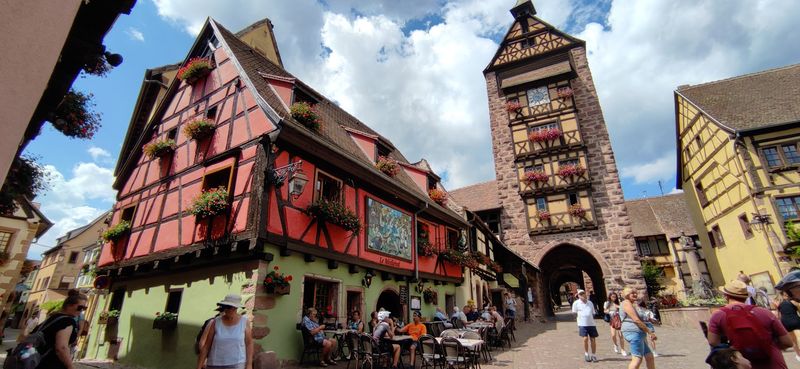
Some villages look like they belong in a history book. Riquewihr looks like it IS the history book.
Remarkably, this small Alsatian gem has survived centuries of conflict with its medieval appearance almost entirely intact, which is why walking its main street feels like time travel without the complicated machinery.
Surrounded by some of Alsace’s most productive vineyards, Riquewihr produces wines that have been celebrated since the sixteenth century. The Dolder Tower, built in 1291, still stands guard at the entrance to the old town, and wine cellars hidden beneath ancient buildings offer tastings in atmospheres that are genuinely atmospheric rather than touristy.
The combination of excellent wine and extraordinary architecture is simply hard to beat.
Colorful timber-framed houses line the main street in shades of mustard, burnt orange, and sage green, each one seemingly competing for the title of most photogenic building in France. The Christmas market held here each December consistently ranks among the most beautiful in Europe, with the medieval backdrop adding serious magic to the festive atmosphere.
Visiting outside peak summer months means quieter streets and a more authentic sense of daily life in one of eastern France’s most enchanting corners.
Cap Frehel — Brittany
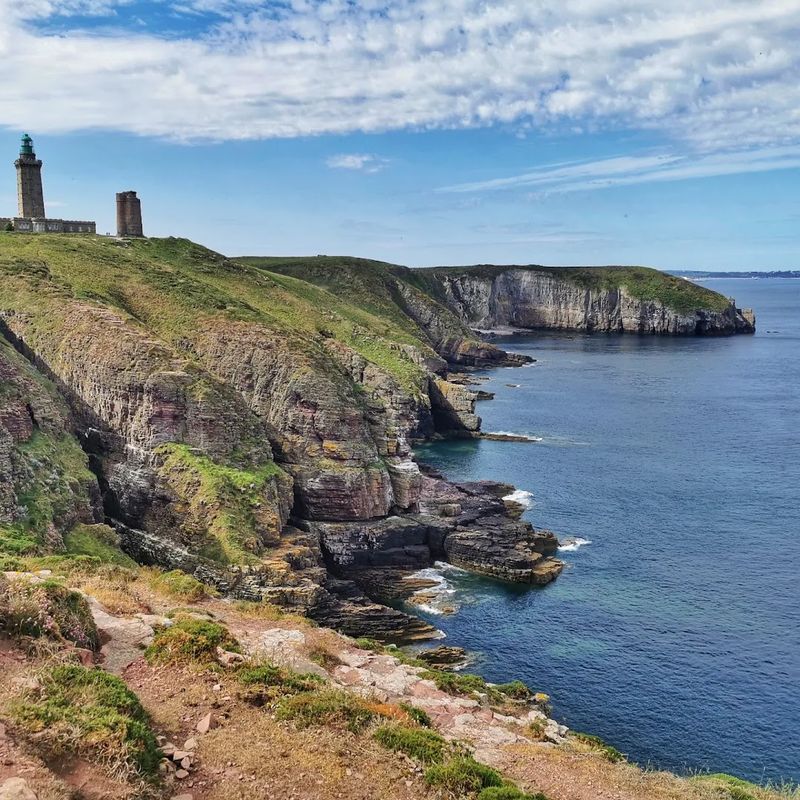
Standing at the edge of Cap Frehel on a windy afternoon, with seabirds wheeling overhead and waves crashing 200 feet below, you get a very clear sense of why Brittany has always felt like the wild edge of Europe. This rugged peninsula juts into the English Channel with complete geological confidence, offering some of the most dramatic coastal scenery in all of France.
During spring and summer, the clifftops turn purple and gold as heather and gorse bloom across the headland, creating a landscape that looks deliberately painted. Thousands of seabirds, including guillemots, razorbills, and cormorants, nest on the cliff faces each year, making this a genuinely exciting destination for wildlife watchers.
The lighthouse at the tip of the cape has guided ships since 1702, and the current structure dates from 1950 after wartime damage.
Coastal walking trails connect Cap Frehel to the nearby Fort La Latte, a medieval castle perched dramatically on the cliffs above the sea. The combination of these two landmarks in a single afternoon walk is one of Brittany’s finest experiences.
Parking is available at the cape, but arriving early in summer avoids the frustrating queues that can form by mid-morning on weekends.
Cirque de Gavarnie — Occitanie
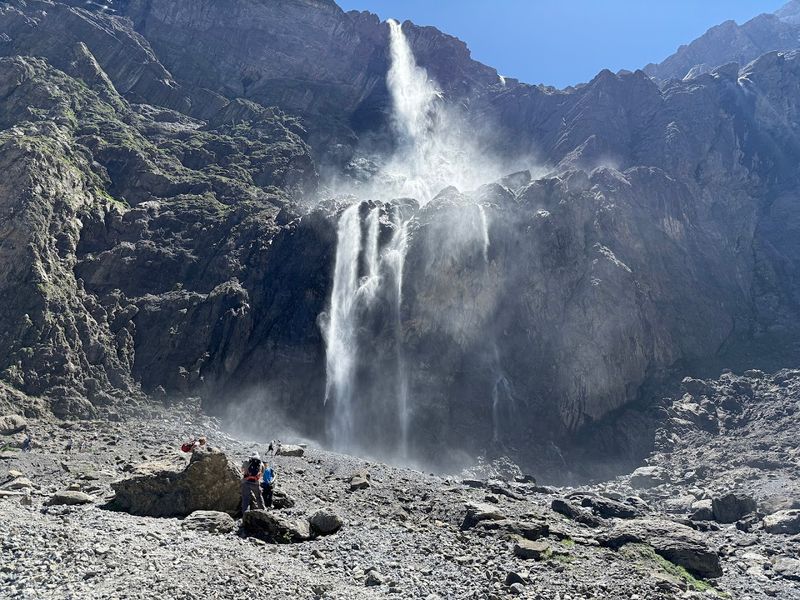
Victor Hugo called Gavarnie the Colosseum of nature, and once you stand before it, the comparison feels completely earned. This UNESCO-listed natural amphitheater in the French Pyrenees measures nearly four miles wide and features walls of rock and ice rising over 5,000 feet.
It is the kind of landscape that makes you feel appropriately small.
The Grande Cascade de Gavarnie, at 1,388 feet, is one of Europe’s tallest waterfalls, plunging in a spectacular white ribbon from the glacier above. Reaching the base of the waterfall involves a flat three-mile walk from the village of Gavarnie, making it accessible to hikers of most fitness levels.
In winter, the frozen cascade transforms into an ice climbing destination that attracts specialists from across the continent.
The village of Gavarnie at the entrance to the cirque is a charming base with small hotels, mountain restaurants, and mule rides for those who prefer a gentler approach to the amphitheater floor. Spring brings wildflowers carpeting the meadows in front of the cliffs, while summer sees the cirque at its busiest.
Coming in late September offers golden light, fewer visitors, and the first dustings of snow on the upper walls, creating a scene of extraordinary Alpine drama.
Cassis — Provence-Alpes-Cote d’Azur
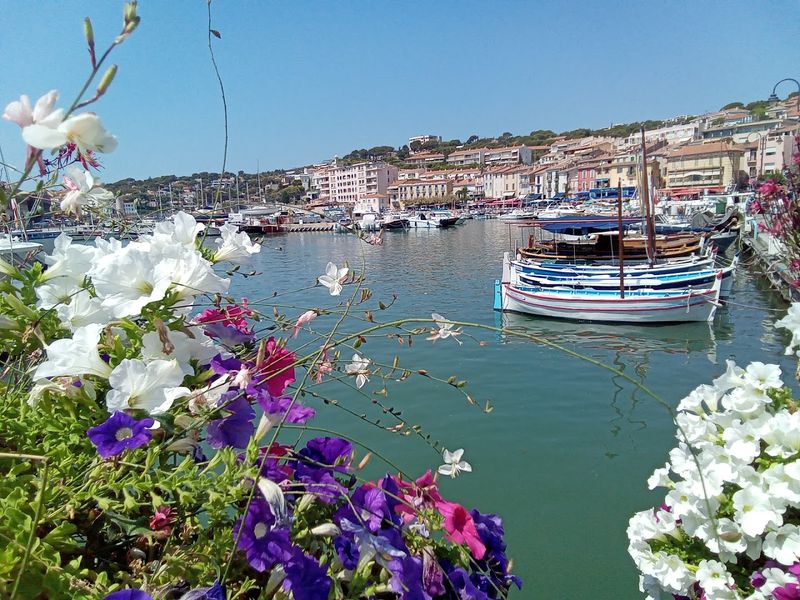
Cassis has a quiet confidence about it, the kind that comes from knowing you are wonderful without needing to shout about it. Tucked between Marseille and the Calanques National Park, this small harbor town has managed to stay genuinely charming while its neighbors grew louder and more crowded.
The locals seem perfectly happy keeping it that way.
The town is famous for its Cassis blanc wine, a crisp, dry white that pairs spectacularly with the local sea urchin and bouillabaisse served at waterfront restaurants. Sitting at a cafe on the port with a glass of local wine watching fishing boats bob in the harbor is one of Provence’s great simple pleasures.
Unpretentious and beautiful in equal measure, the harbor scene never gets old.
The real showstopper near Cassis is the Calanques, a series of dramatic limestone fjords with impossibly turquoise water hidden between towering white cliffs. Boat tours from the port visit the most spectacular ones, or strong hikers can access them on foot via the national park trails.
The Calanque d’En-Vau is widely considered the most stunning and is worth every step of the demanding hike required to reach it. Cassis itself offers excellent accommodation at prices far more reasonable than Nice or Cannes.
Salers — Auvergne
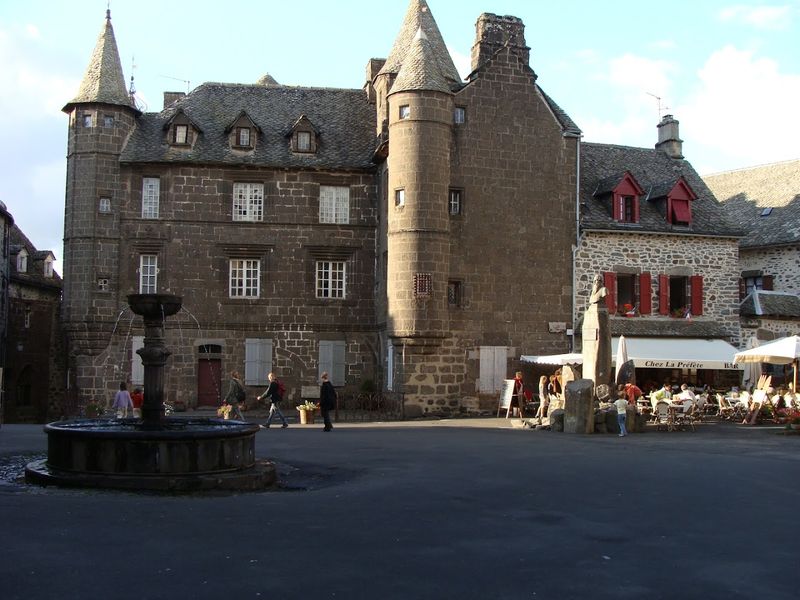
Built entirely from dark volcanic stone, Salers looks like nowhere else in France, which is saying something in a country full of distinctive villages. The basalt used to construct every building gives the town a moody, dramatic character that stands in beautiful contrast to the bright green pastures rolling away in every direction.
It is genuinely striking from the moment you arrive.
The village sits at 3,000 feet in the Cantal mountains, surrounded by extinct volcanoes that form the backbone of the Auvergne region. The famous Salers cattle breed, with its distinctive auburn coat, grazes in the surrounding meadows and produces the milk used to make Salers cheese, one of France’s oldest and most characterful AOC cheeses.
Sampling it directly from a local farm is an experience worth planning your entire itinerary around.
Medieval turreted townhouses line the main square, many dating from the fifteenth and sixteenth centuries when Salers served as an important administrative center. The town has resisted modernization admirably, with no chain stores or fast food outlets disturbing the historic atmosphere.
Visiting in summer means warm days ideal for hiking the surrounding volcanic landscape, while autumn brings dramatic skies and the satisfying crunch of fallen leaves on cobblestones. Fewer than 400 people live here, giving every visit a refreshingly unhurried quality.
Ile de Brehat — Brittany
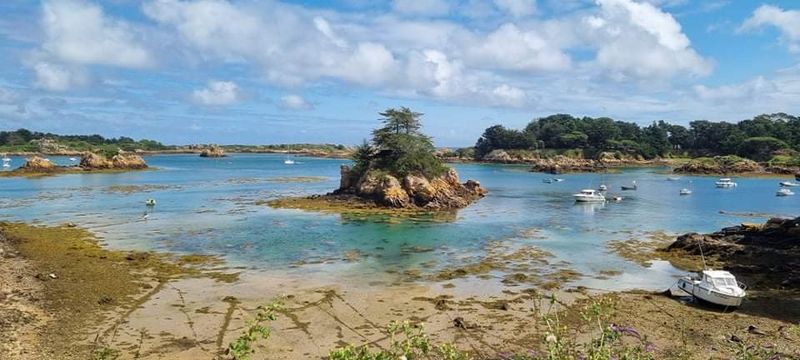
There are no cars on Ile de Brehat, and the moment you step off the ferry you understand exactly why that is the right decision. The island’s network of footpaths winds through a landscape of extraordinary pink granite boulders, wild gardens, and coastal meadows that feel entirely removed from the modern world.
The silence alone is worth the boat trip.
Known as the Island of Flowers, Brehat sits off the northern Brittany coast near Paimpol and enjoys a microclimate mild enough to support mimosa, fig trees, and hydrangeas blooming in profusion. The island is actually two islands connected by a small bridge, with the southern half more inhabited and the northern half wilder and more dramatic.
Renting a bicycle is the most popular way to explore, though walking the whole island in a day is entirely feasible.
The pink granite rocks scattered along the coastline are geologically ancient, formed around 460 million years ago, and have been sculpted by millennia of Atlantic waves into shapes that look almost deliberate. The tidal range around Brehat is enormous, revealing vast stretches of pink and orange rock at low tide that look like an alien landscape.
Day trips from Paimpol run regularly, but staying overnight rewards you with the island at its most magical, quiet, and glowing in the evening light.
Annecy — Haute-Savoie
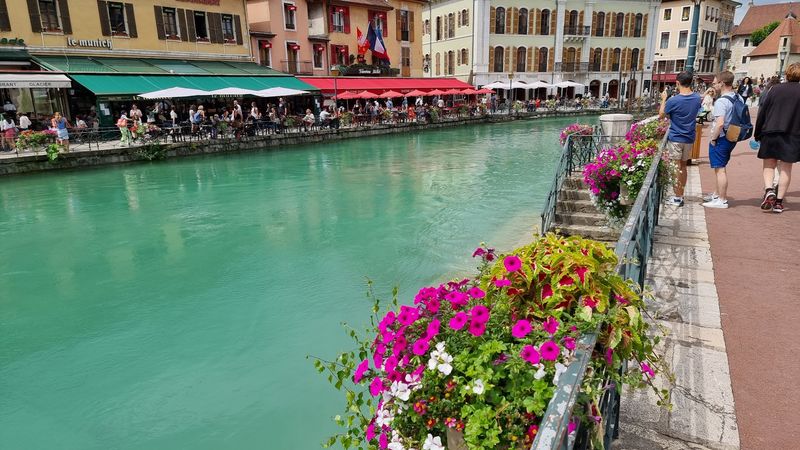
The water in Annecy’s lake is so clear you can see the bottom from a boat, which is either deeply calming or mildly unnerving depending on your relationship with water. Consistently rated one of the cleanest lakes in Europe, Lac d’Annecy provides a stunning backdrop of turquoise blue framed by snow-capped Alpine peaks.
It is the kind of scenery that makes you question every other holiday you have ever taken.
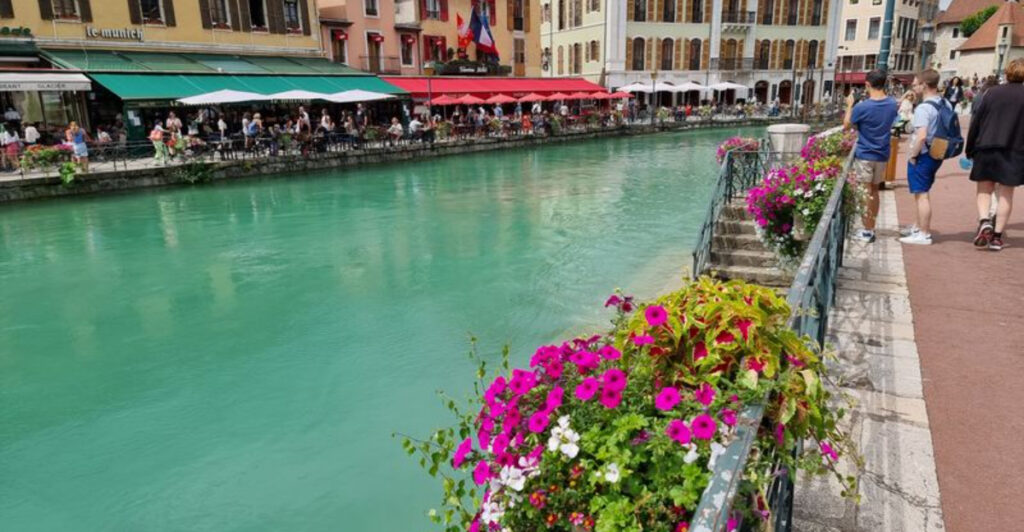
The old town earns its nickname the Venice of the Alps through a charming network of canals lined with flower-covered bridges and medieval arcaded streets. The Palais de l’Isle, a twelfth-century prison built on a tiny island in the middle of the canal, is one of France’s most photographed buildings.
Morning light on the old town, before the day-trippers arrive, is particularly spectacular and well worth an early alarm.
Cycling around the lake on the dedicated 25-mile path is one of the great leisure activities in the French Alps, suitable for all fitness levels and rewarding at every turn. Paragliding from the surrounding mountains deposits you directly onto the lakeside, which is a dramatic way to arrive anywhere.
While Annecy is growing in popularity among European visitors, many international travelers still overlook it entirely, leaving room for a genuinely rewarding and crowd-light experience in the warmer months.
Saint-Cirq-Lapopie — Occitanie
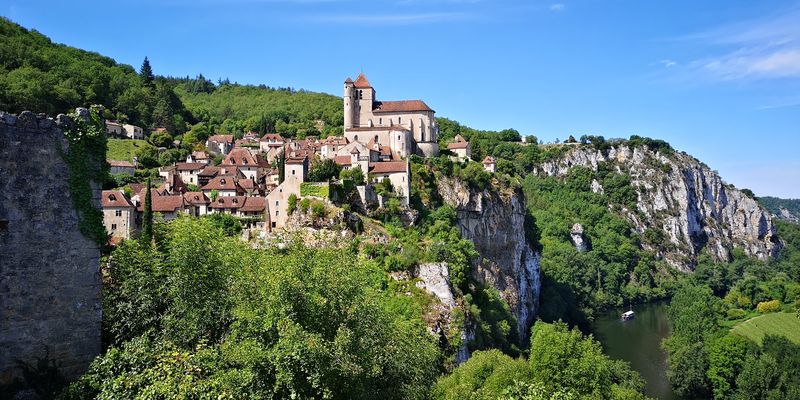
Perched 330 feet above the Lot River on a rocky spur, Saint-Cirq-Lapopie has the kind of setting that makes architects feel inadequate and photographers feel extremely grateful. The village clings to its clifftop with complete determination, its stone houses, Gothic church, and narrow lanes arranged as if specifically designed to be admired from the valley below.
Spoiler: the view from inside is even better.
Surrealist poet Andre Breton lived here for many years and declared he could no longer wish to be elsewhere, which is either a profound endorsement or evidence that great poets make excellent travel writers. Today the village attracts artists and craftspeople who have opened studios and galleries in the beautifully restored medieval buildings.
Watching a local potter work in a centuries-old stone workshop is a quietly wonderful experience.
The surrounding Lot Valley offers excellent canoeing, cycling, and hiking through landscapes of dramatic limestone cliffs, walnut orchards, and riverside meadows. The village has no traffic within its medieval center, making exploration on foot both necessary and genuinely pleasurable.
Visiting in June or September avoids the peak summer crowds while still enjoying warm enough weather for river activities. The nearby Pech Merle cave contains stunning prehistoric paintings that add an extraordinary archaeological dimension to any visit to this remarkable corner of southern France.
Aigueze — Occitanie
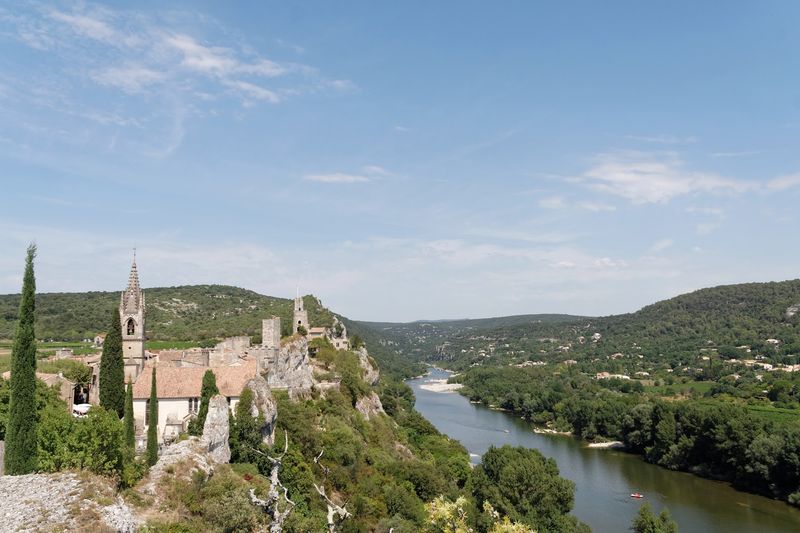
Most people driving the famous Ardeche Gorge road stop at the viewpoints, snap a photo, and move on. The ones who pull into Aigueze discover something far more rewarding.
This beautifully preserved medieval village sits directly above the canyon like a stone crown, offering panoramic views down into the gorge that are genuinely breathtaking from behind the ancient ramparts.
Classified among France’s most beautiful villages, Aigueze has a population of fewer than 300 people, which means its narrow lanes and flower-draped stone houses remain wonderfully free of commercial noise. A Romanesque church tower rises above the rooftops, and the medieval gate at the village entrance sets the atmospheric tone perfectly before you have even explored a single street.
Small and perfectly formed is an accurate summary.
The village sits at the point where the Ardeche River meets the Rhone, giving it a strategic position that humans have exploited since antiquity. Swimming in the Ardeche at the base of the gorge is one of the great summer pleasures of southern France, accessible from the village by a short walk down to the river.
The famous Pont d’Arc natural arch, one of Europe’s most impressive geological features, is just a short drive upstream and makes an essential addition to any visit. Aigueze rewards those who linger rather than rush.
Ploumanac’h — Brittany
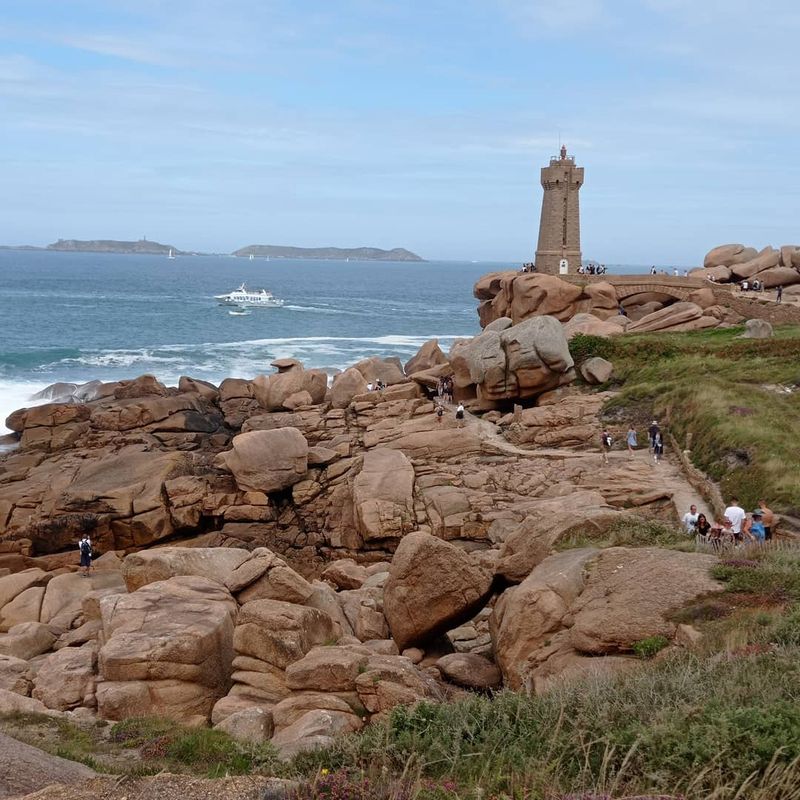
Geology rarely gets credit for being genuinely spectacular, but Ploumanac’h makes a compelling case for rock appreciation. The pink granite boulders scattered along this stretch of the Brittany coast are between 300 and 350 million years old, weathered into shapes so bizarre and beautiful that they look like the work of an extremely talented sculptor with unlimited time.
Some boulders are the size of houses. Many have names.
The Sentier des Douaniers, or Customs Officers’ Path, winds for several miles through the rock formations along the coastline, offering one of France’s most unusual and rewarding coastal walks. The path passes through the town of Perros-Guirec and connects to the bird sanctuary island of Sept-Iles, home to France’s largest puffin colony.
Boat trips to Sept-Iles run regularly from nearby Trestraou beach during summer months.
The pink hue of the granite intensifies dramatically at sunrise and sunset, turning the rocks shades of deep rose, amber, and gold that are almost impossible to photograph without looking like you have applied a heavy filter. The small fishing harbor at Ploumanac’h itself is charming, with a lighthouse and a few excellent seafood restaurants serving the day’s catch with minimal fuss.
Visiting outside July and August means sharing the coastal path with significantly fewer people, which the scenery absolutely deserves.
Share this story