 Unearth The Voyage
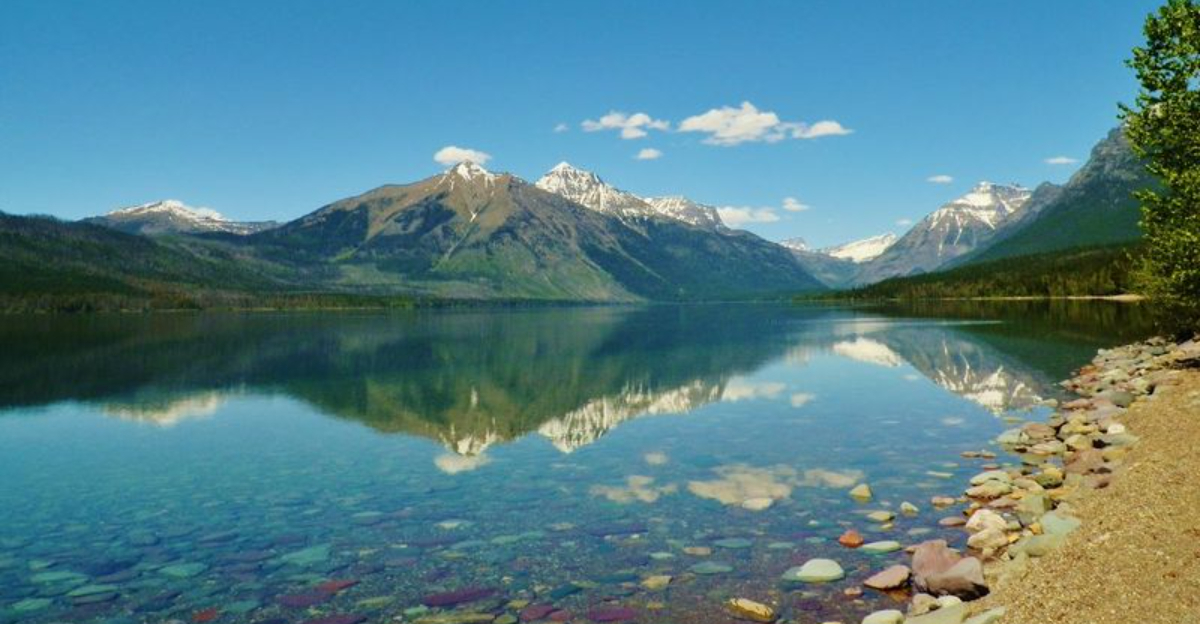
There is something about a lake that just makes everything feel a little more manageable. Whether you are craving a quiet morning on calm water or a full weekend of outdoor adventure, the United States has a lake for every mood and every kind of traveler.
From volcanic craters in Oregon to cypress swamps on the Texas-Louisiana border, the variety is genuinely jaw-dropping. Pack a bag, grab some sunscreen, and get ready to meet fifteen lakes that deserve a spot on your travel list.
Lake Tahoe (California/Nevada)
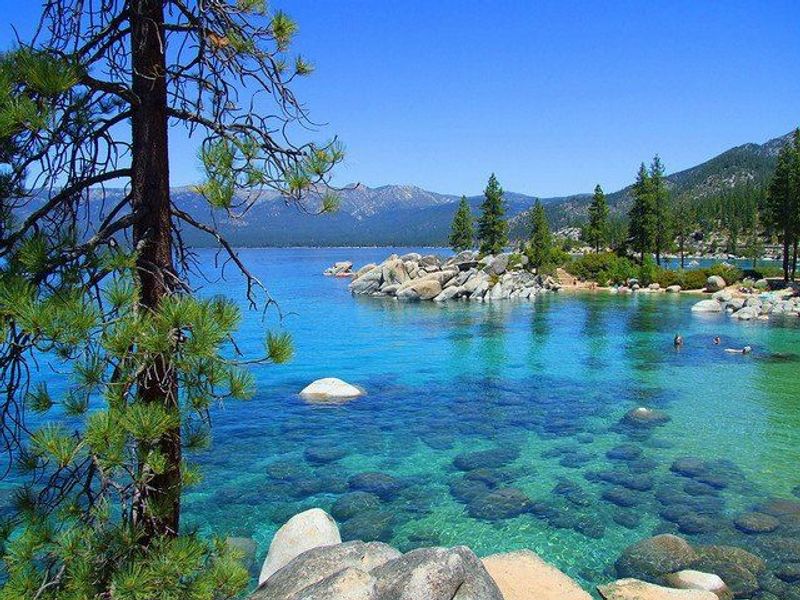
Straddling two states is bold. Lake Tahoe pulls it off with style.
Sitting on the California-Nevada border, this lake is famous for water so clear you can see dozens of feet down. It is the kind of clarity that makes you feel personally judged for being murky.
Summer brings kayakers, paddleboarders, and hikers tackling the Tahoe Rim Trail. Winter flips the script entirely with world-class ski resorts like Heavenly and Northstar.
The lake never really takes a day off.
The town of South Lake Tahoe has solid food, lodging options for every budget, and enough activity rentals to keep a group busy for days. Emerald Bay State Park is worth every step of the hike down.
The water there looks painted, not real. Go early on weekends to beat the crowds.
Crater Lake (Oregon)
Crater Lake has no rivers feeding it. No streams.
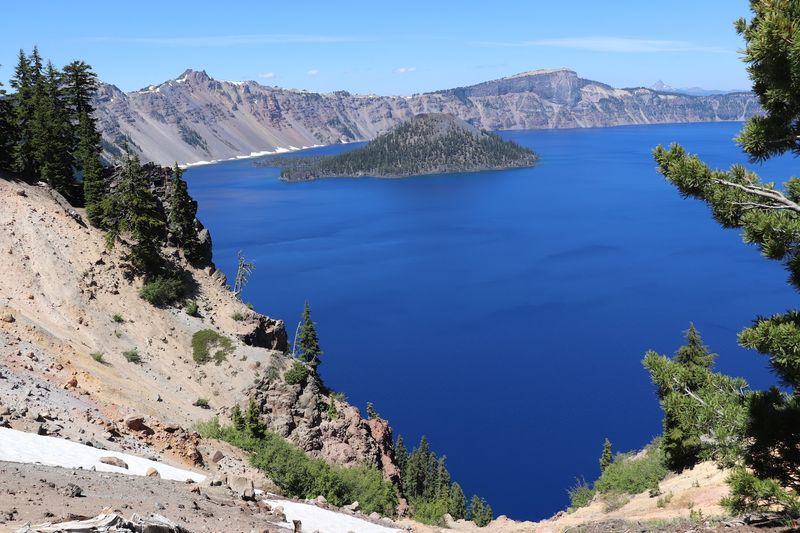
Just snowmelt and rain filling a volcanic caldera that formed about 7,700 years ago when Mount Mazama collapsed. That fact alone earns it serious conversation-starter status.
The result is some of the most intensely blue water on the planet. The lake sits at around 1,943 feet deep, making it the deepest in the United States.
That depth is part of why the color looks almost unreal in photos.
Rim Drive is a 33-mile scenic road circling the caldera with viewpoints that will stop you mid-sentence. Wizard Island, a small volcanic cinder cone rising from the water, can be reached by boat tour in summer.
The Cleetwood Cove Trail is the only legal path down to the water. It is steep, but the payoff at the bottom is absolutely worth the burning legs.
Lake Powell (Arizona/Utah)
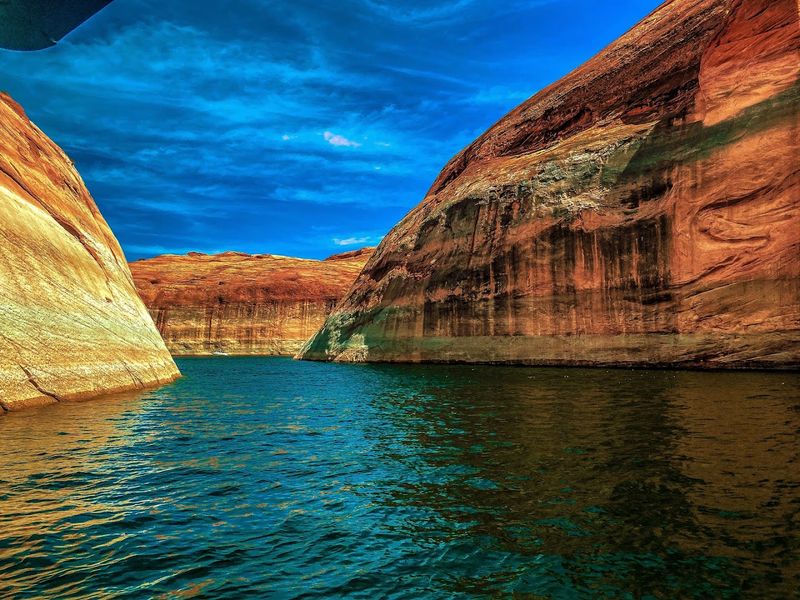
Red rock meets water in the most dramatic way possible at Lake Powell. This reservoir spans the Arizona-Utah border inside Glen Canyon National Recreation Area, and it looks like someone dropped a lake into Mars.
The canyon walls glow orange and red against the blue water, creating backdrops that photographers absolutely lose their minds over. Houseboating is the signature move here.
You rent a boat, find a cove, and essentially claim your own private beach for a night.
Rainbow Bridge National Monument is accessible by water and stands as one of the largest natural bridges in the world. Antelope Canyon, one of the most photographed slot canyons on Earth, sits nearby.
Water levels have fluctuated in recent years, so checking current conditions before visiting is genuinely useful advice. Despite changes, Lake Powell still delivers canyon scenery that belongs on every road-tripper’s radar.
Lake Mead (Nevada/Arizona)
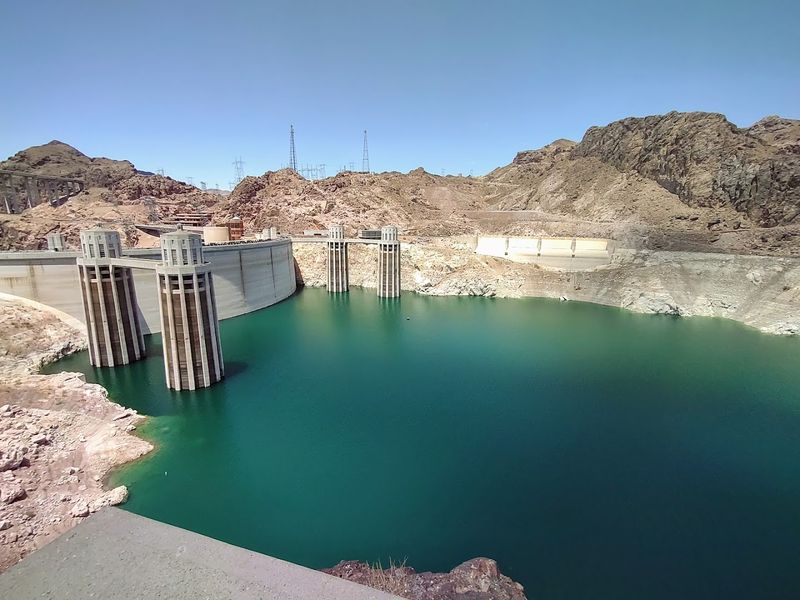
Not every stunning lake sits inside a lush forest. Lake Mead proves that desert water has its own kind of magic, especially when the sun starts dropping and the sky turns every shade of orange imaginable.
As the largest reservoir in the United States by volume, Lake Mead anchors Lake Mead National Recreation Area just outside Las Vegas. That proximity makes it an easy escape from the neon chaos of the Strip.
Boating, fishing, and hiking are all on the menu year-round thanks to the mild desert climate.
The Hoover Dam sits at the lake’s southern end and is worth a stop on its own. Boulder Beach is a popular swimming spot with calm water and a sandy shoreline.
Sunrise over the lake, with those rugged desert ridges in the background, hits different than a typical mountain sunrise. It is quieter, wider, and somehow more dramatic.
Lake Crescent (Washington)
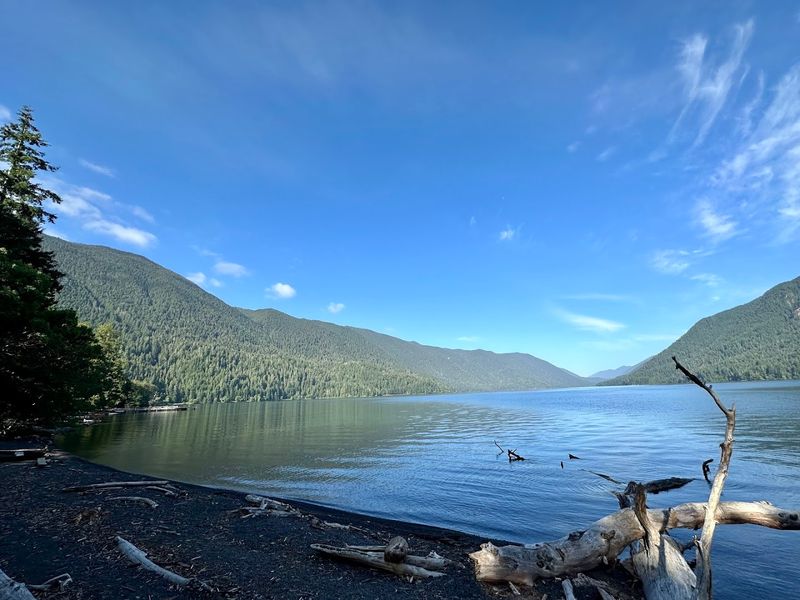
Deep inside Olympic National Park, Lake Crescent sits like a well-kept secret that somehow got out. The water is a striking blue-green color, fed by the surrounding rainforest and so clear that visibility can reach 60 feet down on a calm day.
The lake is isolated enough to feel genuinely peaceful but accessible enough for a solid weekend trip from Seattle. Storm King Mountain Trail starts right near the lake and rewards hikers with views that make the steep climb feel like a bargain.
Paddling is a favorite activity here. Renting a kayak or canoe and drifting along the shoreline while the forest rises steeply on both sides is a genuinely serene way to spend an afternoon.
The historic Lake Crescent Lodge, open seasonally, offers lakeside rooms and a dining room with views worth booking months ahead. The PNW moody vibe is in full effect here, and honestly, it works.
Lake McDonald (Montana)
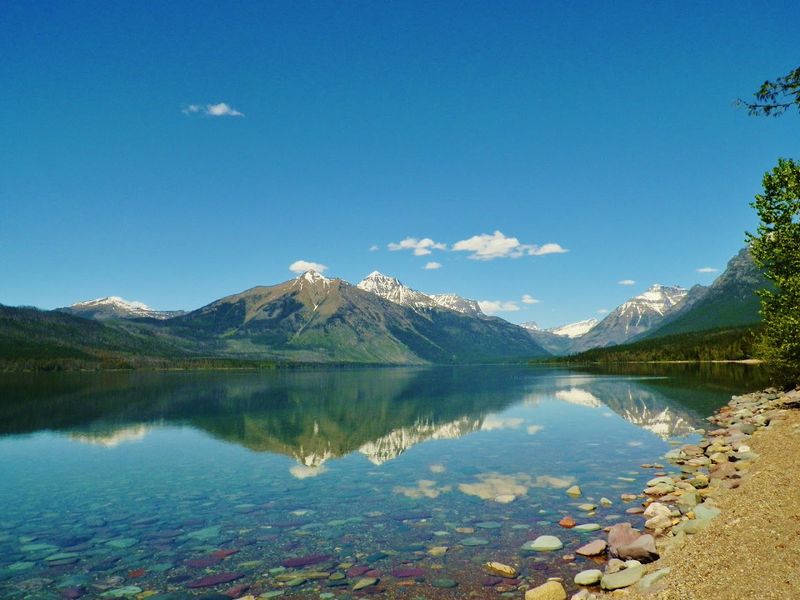
The colorful rocks on Lake McDonald’s shoreline are genuinely famous. Reds, greens, and blues swirl together under crystal-clear water, creating a natural mosaic that people travel specifically to photograph.
Glacier National Park’s largest lake is already doing a lot before you even look up at the mountains.
Going-to-the-Sun Road, one of America’s most scenic drives, begins near the lake and winds dramatically through the park. Even just driving it partway gives you views that feel almost unreasonably good.
The lake itself stretches about ten miles long and sits at around 3,000 feet elevation.
Apgar Village, at the southern tip of the lake, has boat rentals, a small visitor center, and some genuinely good huckleberry ice cream that I still think about. Hiking trails fan out from the shoreline in multiple directions.
Early mornings here, when the mountains reflect perfectly in the still water, are the kind of moments that make you put your phone away.
Jenny Lake (Wyoming)
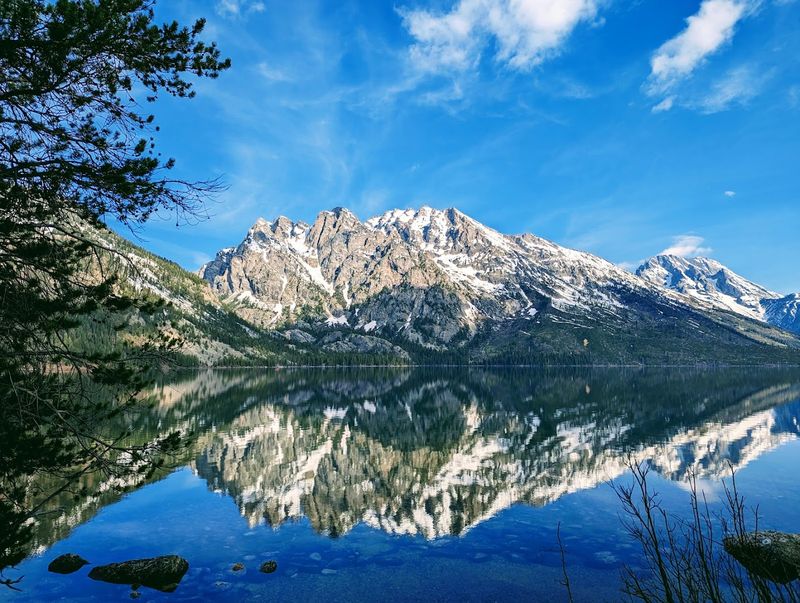
Few lakes in the country have a backdrop quite like Jenny Lake. The Teton Range rises sharply right behind it, all jagged peaks and vertical drama, making every photo look like it was taken by a professional with very good equipment.
Grand Teton National Park surrounds the lake entirely, and the hiking options are outstanding. The Hidden Falls and Inspiration Point trail is a crowd favorite, accessible by a short ferry ride across the lake that saves about two miles of walking.
Worth every dollar of the boat fee.
The Jenny Lake Visitor Center is one of the better ones in the national park system, with helpful rangers and solid trail maps. Fishing is popular, and moose sightings near the marshy areas around the lake are common enough to keep your eyes open.
The campground here books up fast in summer. Reservations made months ahead are not overkill.
They are just smart planning.
Flathead Lake (Montana)
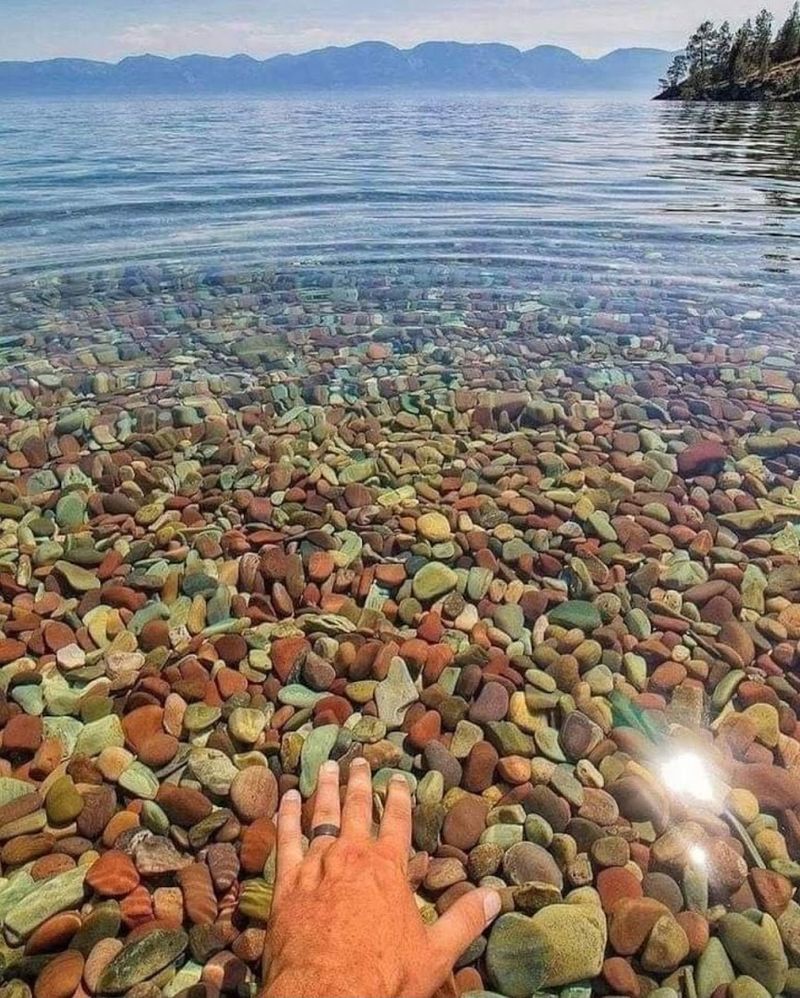
Flathead Lake is so large that first-time visitors sometimes wonder if they took a wrong turn and ended up at the ocean. At roughly 30 miles long and 15 miles wide, it is the largest natural freshwater lake west of the Mississippi by surface area.
That is a lot of lake.
Wild Horse Island State Park sits right in the middle of the water and is accessible only by boat. Despite the name, it actually has bighorn sheep, mule deer, and bald eagles.
The wild horses are there too, just in smaller numbers than the name suggests.
The towns of Polson and Bigfork sit on opposite ends of the lake and both have good food, local shops, and summer festivals worth planning around. Cherry orchards dot the eastern shoreline, and fresh cherries from roadside stands in July are something to plan a trip around.
Flathead is low-key one of Montana’s best-kept not-so-secrets.
Lake Chelan (Washington)
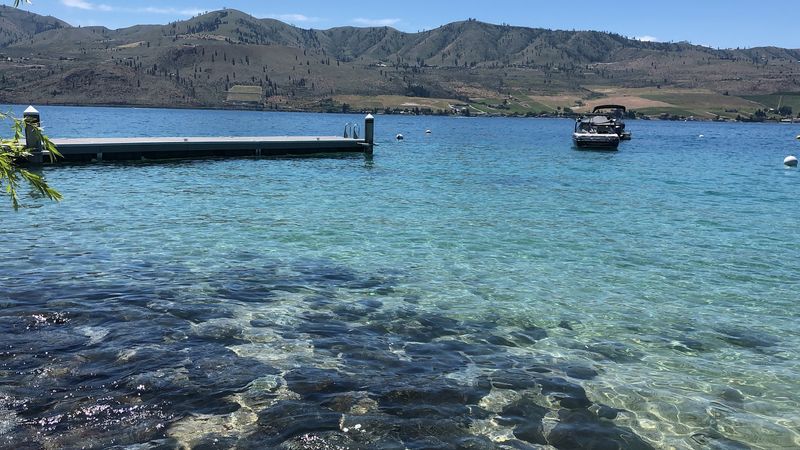
Lake Chelan is basically a fjord that forgot to tell anyone it was in Washington State. About 50 miles long and narrow enough to look like a river on a map, it is one of the deepest lakes in the country at around 1,486 feet.
That is deeper than most people expect from a Pacific Northwest wine country destination.
Chelan town at the southern end has wineries, restaurants, and a lively summer scene. The northern end of the lake, accessible only by floatplane or ferry, leads to the tiny community of Stehekin, which has no road access and a bakery with legendary cinnamon rolls.
The ferry ride up the lake is an experience in itself, passing through dramatic scenery that shifts from dry hillsides to dense forest as you move north. Kayaking, paddleboarding, and swimming are all popular in summer.
The water is clear and cold, which keeps visits refreshing in both senses of the word.
Lake George (New York)
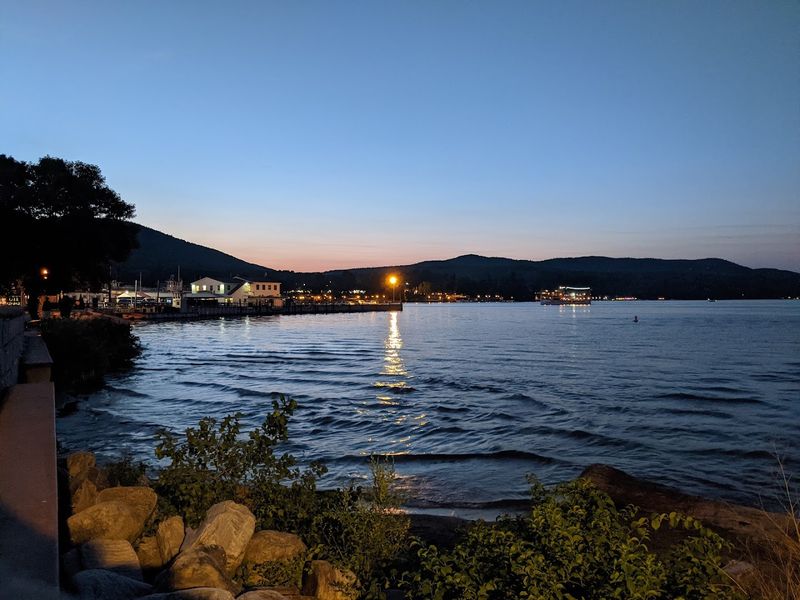
Lake George has been called the Queen of American Lakes since the 1800s, and it has clearly been leaning into that title ever since. Stretching about 32 miles through the Adirondack Mountains, it is the kind of classic Northeast lake town experience that feels genuinely timeless.
The village of Lake George at the southern tip has mini golf, arcades, fudge shops, and boat tours that have been running for generations. It leans cheerfully into the tourist-town thing without apology.
Fort William Henry, a colonial-era fort reconstructed on the shoreline, adds a layer of real history between ice cream stops.
The northern reaches of the lake get quieter and more nature-focused. Bolton Landing is a charming small town worth a stop for lunch and a walk along the water.
Kayaking among the lake’s many small islands is a wonderful way to spend a half-day. The Adirondacks backdrop makes every view feel like a postcard from 1955.
Seneca Lake (New York)
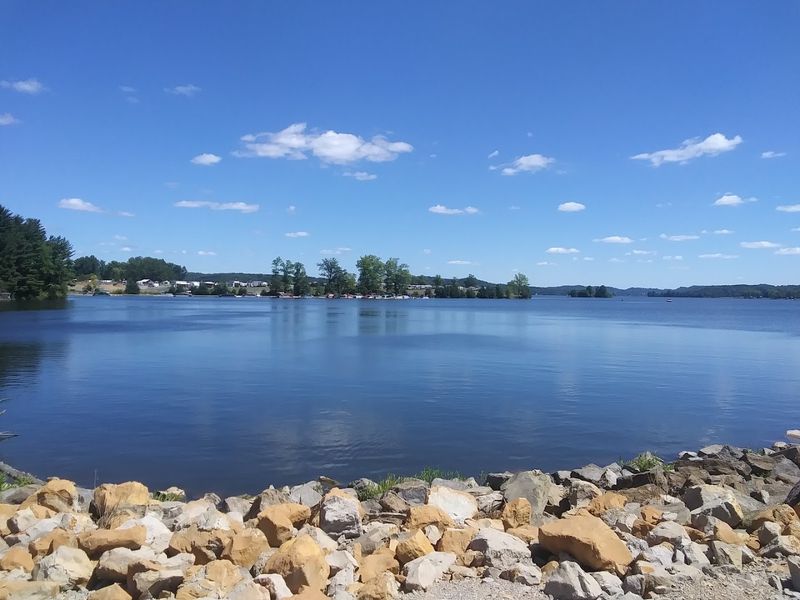
Seneca Lake is the deepest of New York’s Finger Lakes, plunging to about 618 feet in places. That depth keeps the water cold year-round and also makes it nearly impossible to freeze in winter, which is a fun fact to casually drop at dinner.
The surrounding hillsides are covered in vineyards, and the Seneca Lake Wine Trail is one of the most established wine routes in the Northeast. Over 30 wineries line the lake’s shores.
A weekend here can easily become a very pleasant crawl from one tasting room to the next.
Watkins Glen State Park, at the southern tip of the lake, features dramatic gorge trails and 19 waterfalls packed into about 1.5 miles of trail. It is one of the most underrated hiking spots in New York State.
The combination of excellent wine, gorgeous gorge scenery, and lakeside small towns makes Seneca Lake a weekend that genuinely covers a lot of ground.
Lake Champlain (New York/Vermont/Quebec)
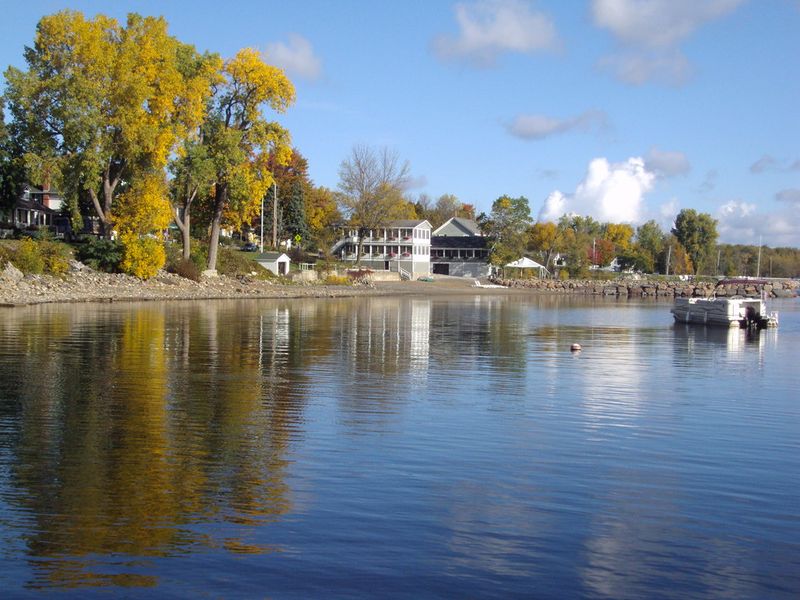
Lake Champlain has been important for so long that it has its own sea monster legend. Champ, the lake’s resident cryptid, has been reported since the 1800s and has never once offered a comment.
The lake itself, stretching about 120 miles along the New York-Vermont border and into Quebec, has a genuinely rich history that goes far beyond the mythology.
Major Revolutionary War and War of 1812 battles were fought on these waters, and the lake served as a key transportation corridor for centuries. Burlington, Vermont, on the eastern shore, is one of the most livable small cities in the country with great food, a walkable waterfront, and ferry service across the lake.
The Adirondacks rise to the west and the Green Mountains to the east, giving the lake a dramatic natural frame from every angle. Biking the Champlain Bikeway, camping on the lake’s many islands, and simply sitting on the Burlington waterfront at sunset are all excellent uses of a weekend.
Lake Superior (MN/WI/MI + Ontario)
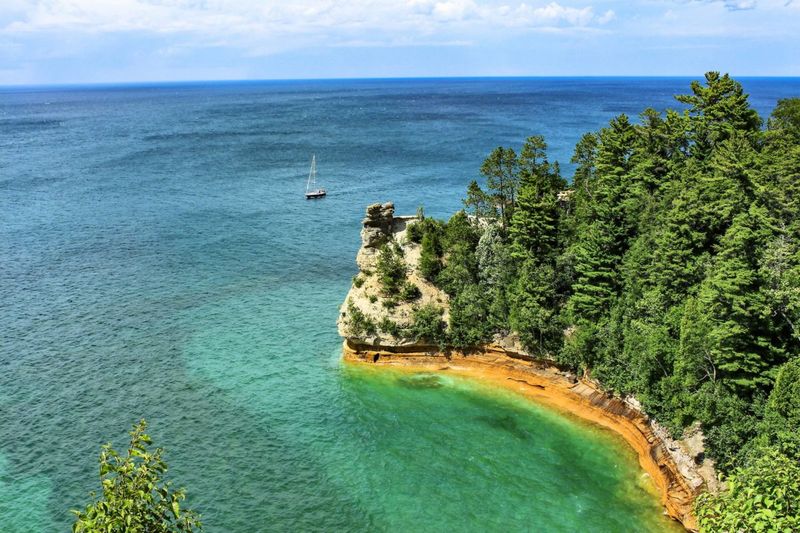
Lake Superior is so large it creates its own weather. Covering about 31,700 square miles, it holds roughly 10 percent of the world’s surface fresh water.
Standing on its shore, the horizon disappears exactly like an ocean, which the lake will absolutely not let you forget.
Pictured Rocks National Lakeshore in Michigan is one of the most visually dramatic stretches of freshwater shoreline anywhere in the world. Colorful sandstone cliffs, sea caves, and arches line the coast for 42 miles.
Kayaking along Pictured Rocks is on a lot of bucket lists for good reason.
The Apostle Islands in Wisconsin offer another spectacular corner of the lake, with sea caves best visited in winter when they freeze into cathedral-like ice formations. Duluth, Minnesota, is a solid base for exploring the western end.
The lake runs cold year-round, so swimming is more of a brave-person activity than a casual one. That has never stopped anyone.
Lake Michigan (MI/WI/IL/IN)
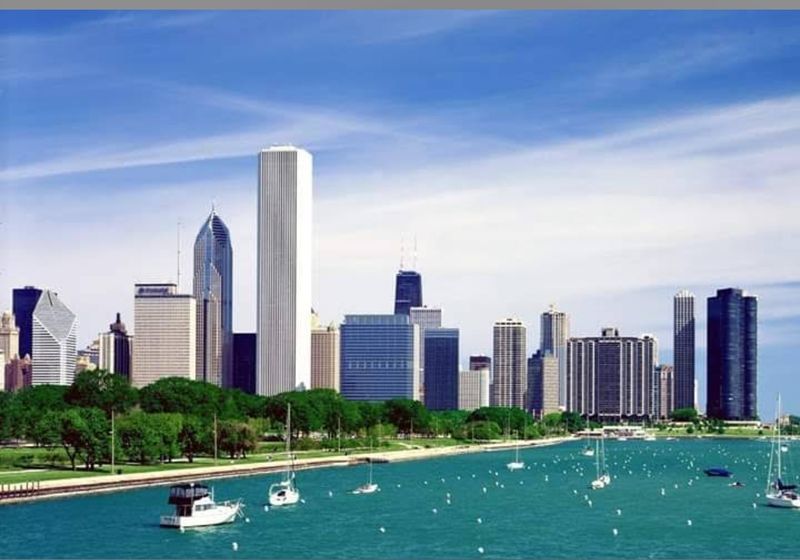
Lake Michigan is the only Great Lake located entirely within the United States, and it takes that responsibility seriously. Stretching 307 miles long, it lines up some of the best freshwater beach towns in the country along its eastern and western shores.
Sleeping Bear Dunes National Lakeshore in Michigan is the standout attraction. Giant sand dunes rise 400 feet above the lake, and climbing them is a combination of triumphant and absolutely exhausting.
The view from the top is worth every sand-filled shoe.
Chicago sits at the southwestern tip of the lake with 26 miles of public lakefront, free beaches, and a skyline view from the water that remains one of the great urban landscapes in America. Indiana Dunes National Park, just outside the city, packs surprisingly wild terrain into a small space.
The eastern Michigan shoreline towns like Traverse City and Saugatuck have turned summer lake culture into a genuine art form worth experiencing firsthand.
Caddo Lake (Texas/Louisiana)
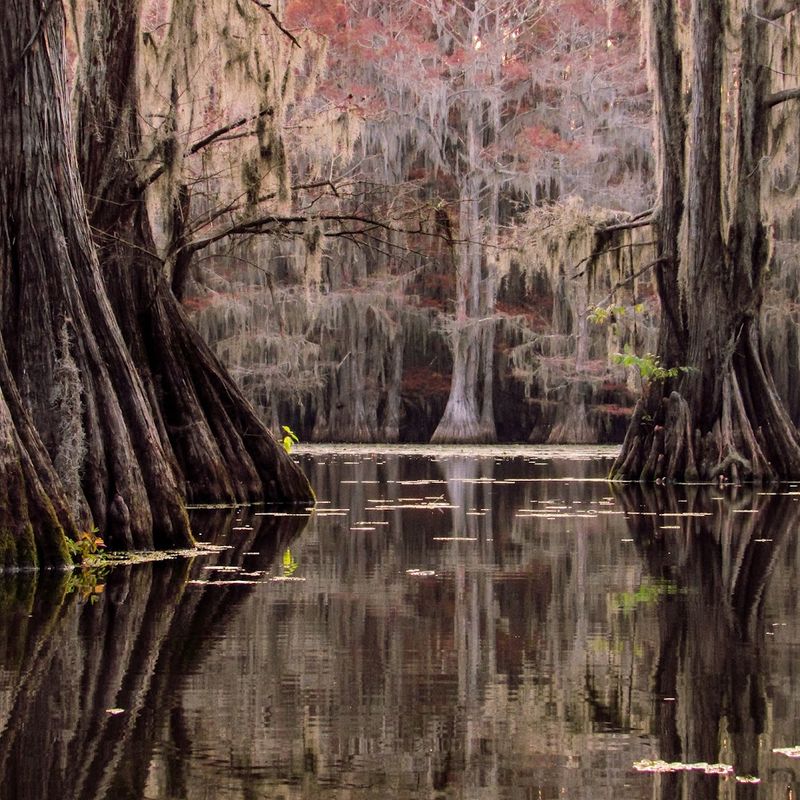
Caddo Lake looks like the setting of a Southern Gothic novel that nobody has written yet but absolutely should. Ancient bald cypress trees rise from dark, still water, draped in Spanish moss so thick it blocks out whole sections of sky.
It is atmospheric in a way that feels genuinely unlike anywhere else in the country.
Located on the Texas-Louisiana border, Caddo is the only naturally formed lake in Texas and one of the largest cypress forests in the world. Paddling through the narrow bayou channels under that canopy is a quietly surreal experience.
You half expect something prehistoric to surface.
Caddo Lake State Park on the Texas side offers cabin rentals, canoe rentals, and guided boat tours that help first-timers navigate the maze of waterways without getting completely lost. And yes, getting lost in there is genuinely possible.
Fishing for bass and catfish is popular year-round. Wildlife sightings, including alligators, herons, and turtles, are frequent enough to keep every paddler alert and entertained.



