 Unearth The Voyage
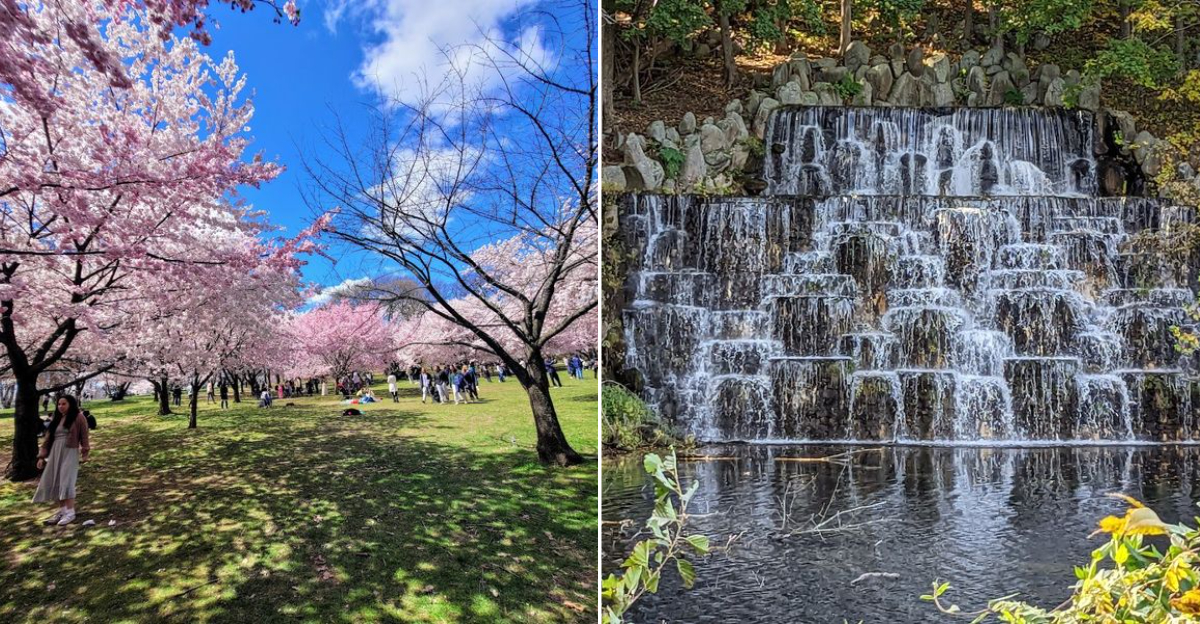
New Jersey might be famous for its turnpike and diners, but come spring, this state transforms into something truly spectacular. From blooming cherry blossoms to rushing waterfalls, the Garden State earns its nickname every April and May.
I took a road trip last spring and honestly came back wondering why I had ever left. Whether you are a hiker, a history buff, or just someone who loves a good picnic, New Jersey has a spring destination with your name on it.
Branch Brook Park, Newark, New Jersey
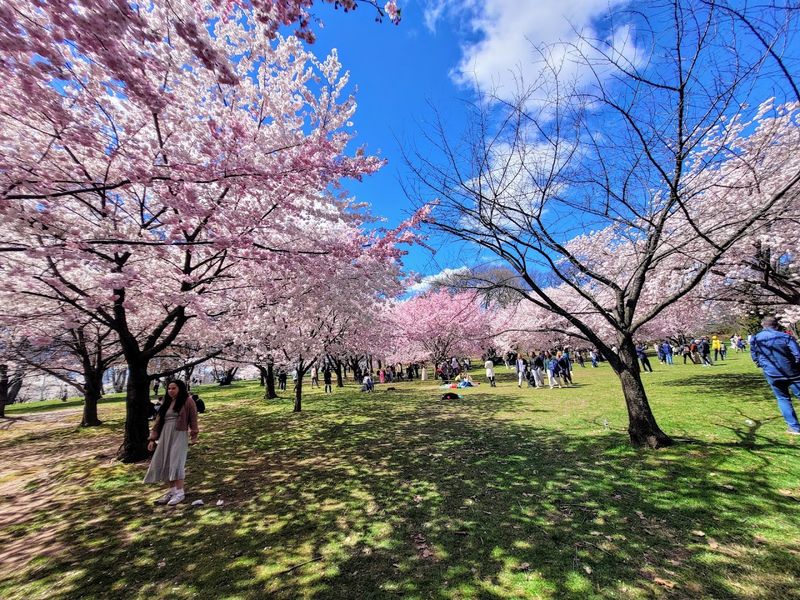
Branch Brook Park holds more cherry blossom trees than Washington D.C., and yes, that is not a typo. Over 5,000 trees explode into pink and white clouds every April, turning Newark into an unexpected fairytale.
I visited on a Tuesday thinking it would be quiet. It was not quiet.
The park stretches for miles along a scenic path, making it perfect for a slow stroll or a bike ride. Locals show up with cameras, blankets, and snacks, turning the whole thing into a cheerful outdoor festival.
The blossoms usually peak between late March and mid-April, so timing is everything.
Parking can get tricky on weekends, so arriving early is a smart move. The Essex County Cherry Blossom Festival happens annually here, adding live music and food vendors to the mix.
Free admission makes this one of the best spring deals in the entire state.
Delaware Water Gap National Recreation Area, Delaware River, New Jersey/Pennsylvania border
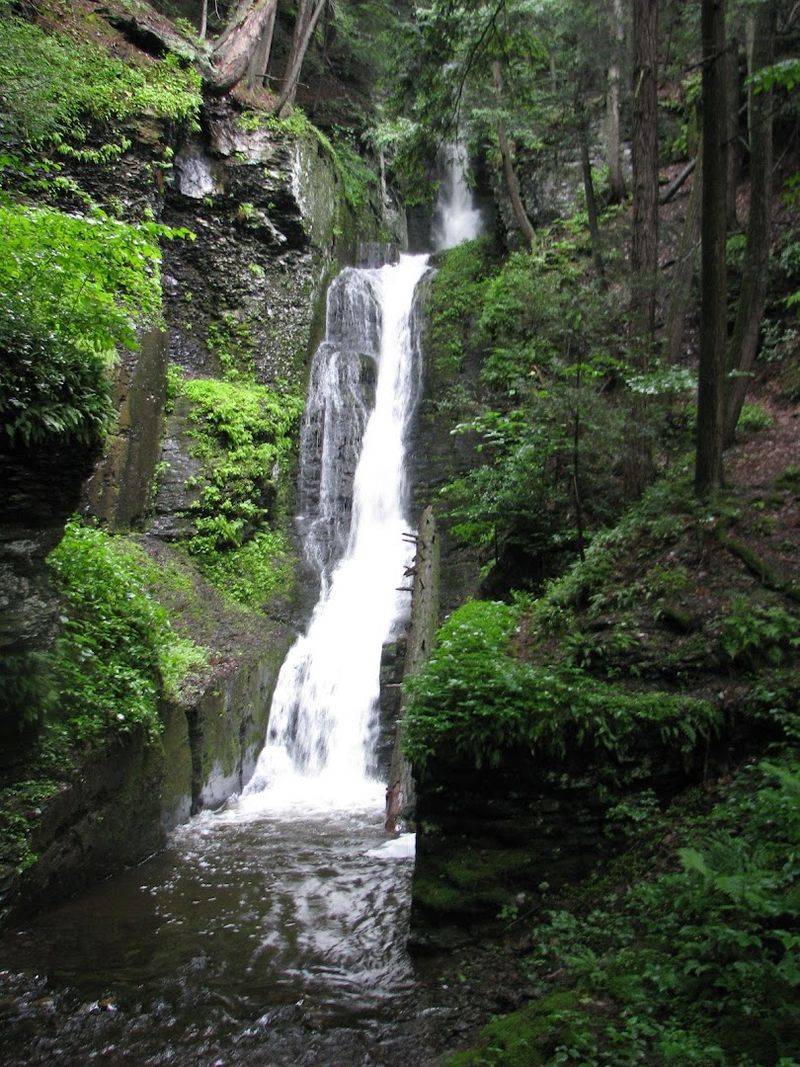
Stretching over 70,000 acres along the Delaware River, this place is basically New Jersey flexing its outdoor muscles. Spring brings rushing waterfalls, wildflowers poking through the forest floor, and trails that finally thaw out after a long winter.
Dingmans Falls and Buttermilk Falls are both worth the hike, especially when water levels are high from spring rain.
Kayaking and canoeing on the Delaware River are hugely popular once temperatures warm up. The river current is manageable for beginners, and rental outfitters are nearby.
Wildlife is everywhere in spring, from osprey diving into the river to white-tailed deer grazing near the trailheads.
Bring layers because mornings can still be chilly even in May. The park is free to enter, which makes it an easy weekend choice.
Over 100 miles of hiking trails mean you will never run out of new paths to explore, no matter how many times you visit.
Cape May Historic District, Cape May, New Jersey
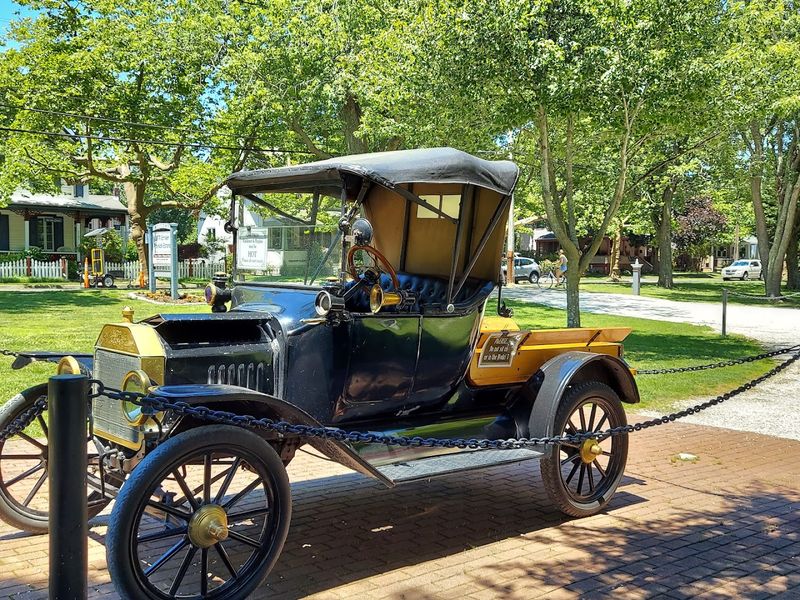
Cape May is the kind of town that makes you want to wear a linen blazer and sip tea on a porch. As one of America’s oldest seaside resorts, it is packed with Victorian architecture that looks even better framed by spring flowers.
The entire historic district is a National Historic Landmark, which means every block is basically a photo opportunity.
Spring is actually the best time to visit Cape May before summer crowds arrive and parking becomes a competitive sport. Birding enthusiasts go absolutely wild here in May, as Cape May is one of the top migratory bird watching spots in North America.
The Cape May Bird Observatory hosts events and guided walks throughout the season.
The Emlen Physick Estate offers fascinating tours of a beautifully preserved Victorian mansion surrounded by seasonal gardens. Dozens of bed-and-breakfasts offer spring deals that are genuinely affordable.
Beach walks in April feel peaceful and almost private compared to the packed summer scene.
Skylands Manor, Ringwood State Park, Ringwood, New Jersey
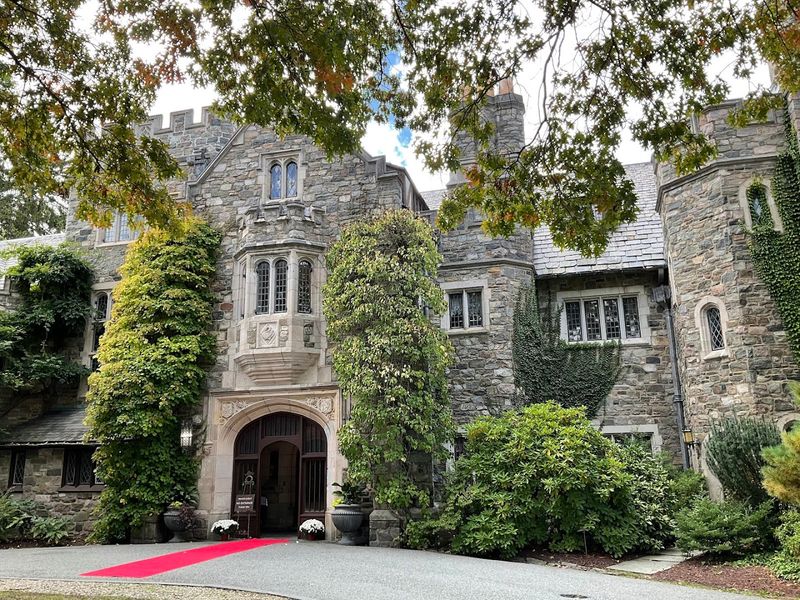
New Jersey has an official botanical garden, and somehow not enough people know about it. Skylands Manor sits inside Ringwood State Park, and its spring display is genuinely jaw-dropping.
Thousands of tulips, magnolias, crabapples, and lilacs bloom in carefully designed formal gardens around a stunning Tudor Revival mansion.
The manor itself is worth a visit, but the gardens are the real star of the show. Each section of the garden has its own personality, from the wildflower meadow to the formal perennial beds.
Spring weekends draw garden lovers from across the region, and for good reason.
Admission to the park is low-cost, and the botanical garden has a small additional fee. Guided tours of the manor are available seasonally.
Parking fills up fast on sunny spring weekends, so a morning arrival is strongly recommended. Honestly, even just wandering the grounds for an hour feels like a complete reset for your brain.
Allaire State Park, Monmouth County, New Jersey
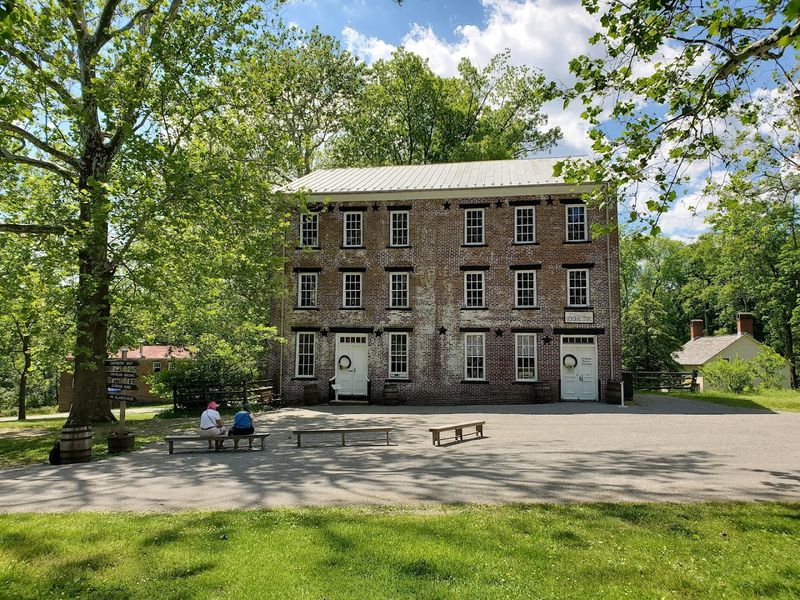
Hidden inside a forest in Monmouth County, Allaire State Park is part nature escape, part time machine. The historic Allaire Village is a preserved 19th-century ironworks community with original buildings you can actually walk through.
Spring brings wildflowers to the surrounding forest trails, and the whole park feels like it just woke up from a long winter nap.
The Manasquan River runs through the park and is a favorite spot for canoeing and kayaking when the weather warms. Fishing is also popular along the riverbanks.
The park has picnic areas that fill up with families on weekends, especially once April hits.
History fans will love the living history demonstrations held at the village during spring events. Costumed interpreters bring the ironworking era back to life in a surprisingly fun way.
Admission to the park is low-cost, and the village itself is free to explore on foot. Pack lunch and plan to stay a while.
Lambertville and New Hope Towpath Walk, Lambertville, New Jersey
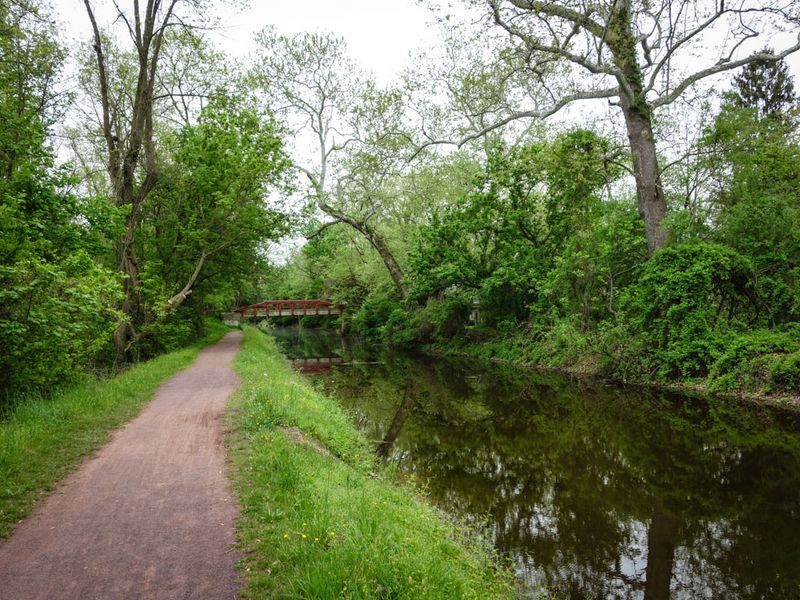
Two charming towns, one gorgeous towpath, and zero reasons to stay home. Lambertville, New Jersey, and New Hope, Pennsylvania, sit across the Delaware River from each other and are connected by a historic bridge that pedestrians can cross on foot.
Spring makes the whole area look like a postcard someone forgot to mail.
The Delaware and Raritan Canal towpath runs right through Lambertville and offers a flat, easy walk or bike ride through blooming landscapes. The canal itself reflects the tree canopy above, creating a mirror effect that photographers absolutely love.
Wildflowers line the path from late April through May.
Both towns are packed with independent galleries, antique shops, and restaurants worth exploring after the walk. Lambertville has a Sunday farmers market that runs through spring with local produce and handmade goods.
The whole outing can be as relaxing or as active as you want, making it a genuinely flexible day trip option for almost anyone.
Hacklebarney State Park, Morris County, New Jersey
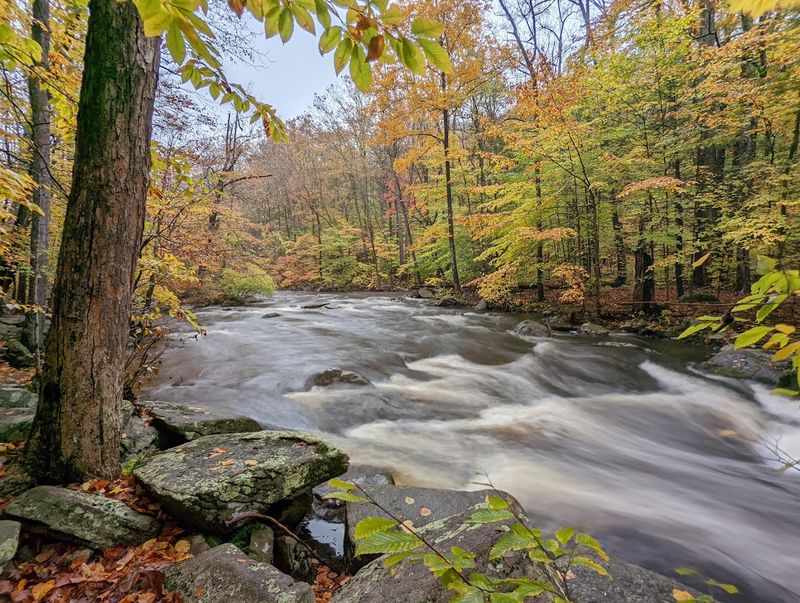
The name alone should convince you to visit. Hacklebarney State Park in Morris County is one of New Jersey’s best-kept secrets, featuring a dramatic rocky gorge carved by the Black River.
Spring water levels make the river rush dramatically through the canyon, and the sound alone is worth the drive out.
Trails here are moderately challenging with some steep sections near the gorge, so sturdy footwear is a must. Wildflowers carpet the forest floor in April and May, including trout lilies and trillium that pop up between mossy boulders.
The park stays quieter than more famous spots, which is honestly part of the appeal.
Picnic areas near the entrance are great for a post-hike lunch. Dogs are welcome on leash, and the trails are well-marked for navigation.
No admission fee is charged, making this an easy pick for a spontaneous spring outing. Pack a rain jacket since spring weather in New Jersey keeps everyone guessing.
Duke Farms, Hillsborough, New Jersey
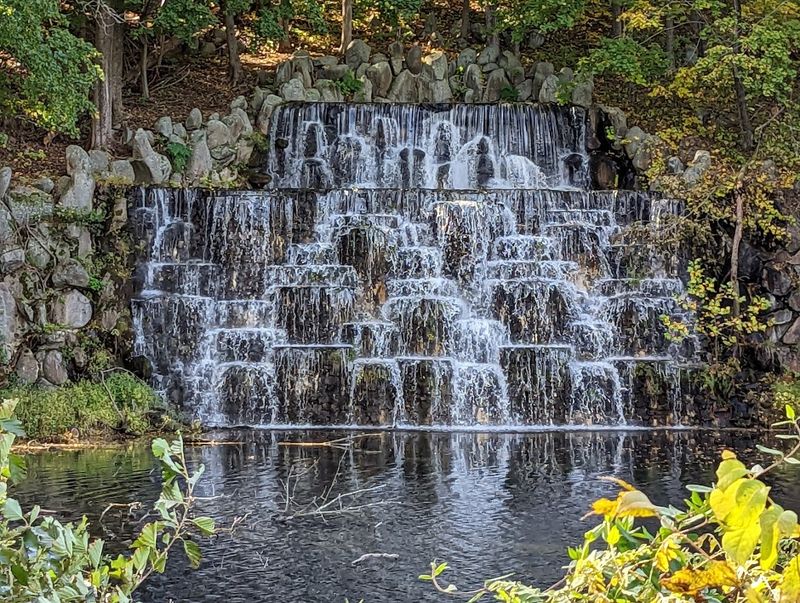
Duke Farms is what happens when a billionaire decides to build the most beautiful estate in New Jersey and then generously donates it to the public. Spanning 2,700 acres in Somerset County, this former private estate is now open as a sustainable landscape and nature preserve.
Spring turns the grounds into a rolling green paradise with blooming trees and manicured meadows.
The historic greenhouse, called the Orchid Range, is a stunning glass structure worth visiting even when nothing else is blooming. Miles of trails and carriage roads wind through the property, and bikes are available to rent on-site.
Birding is excellent here in spring, with over 200 species recorded on the property.
Admission is free, which still feels almost too good to be true. The farm store sells local products and snacks for a midday break.
Duke Farms also runs sustainability-focused programs and guided tours that are both informative and genuinely interesting for all ages.
Island Beach State Park, New Jersey
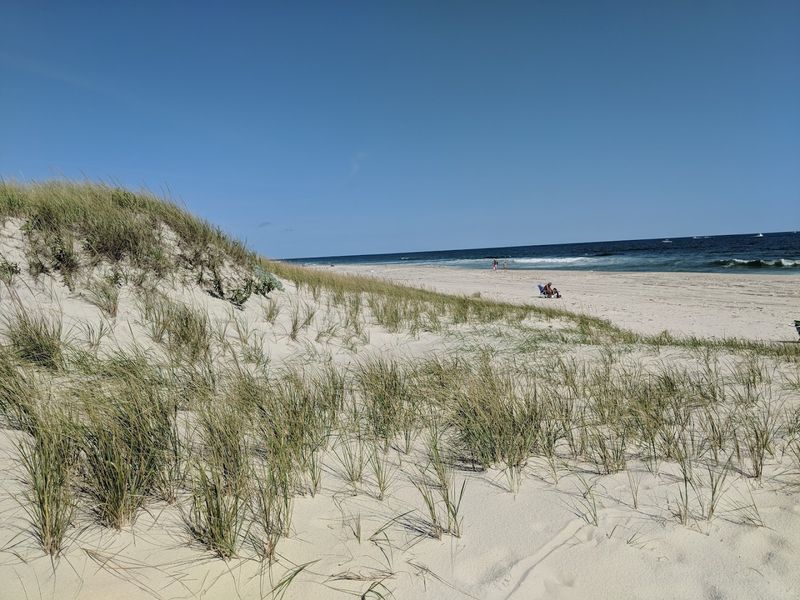
Most people think beach trips belong to summer, but Island Beach State Park in spring is a completely different and arguably better experience. One of the last undeveloped barrier islands on the East Coast, this park offers 10 miles of pristine shoreline without the summer crowds or the overpriced parking chaos.
The beach in April feels like it belongs to you.
Spring is prime time for osprey nesting at the park, and the birds put on quite a show as they dive for fish along the ocean and bay sides. The maritime forest and dune ecosystems are especially vibrant after winter, with beach plum and other native plants beginning to bloom.
Naturalist programs run through spring for those who want a guided experience.
Fishing from the surf is popular year-round, and spring brings striped bass runs that serious anglers wait all year for. The park charges a modest daily fee.
Bring wind protection because coastal spring breezes are real and persistent.
Grounds For Sculpture, Hamilton, New Jersey
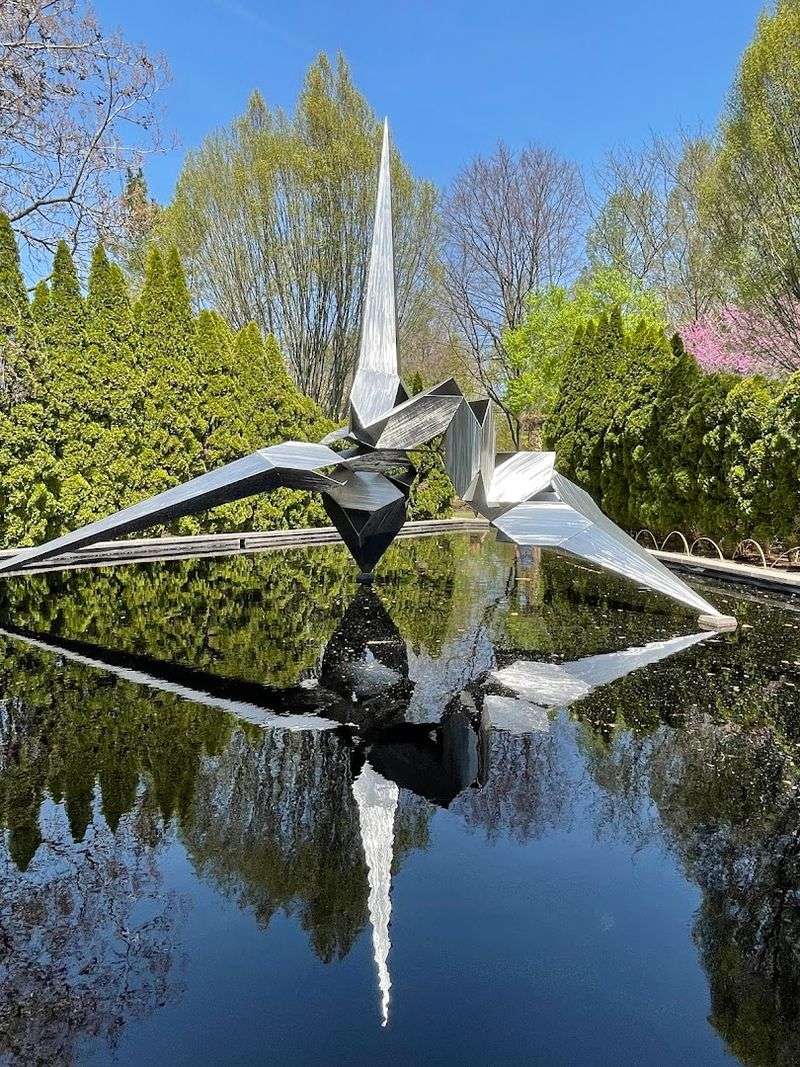
Part art museum, part botanical garden, part wonderland for confused but delighted adults. Grounds For Sculpture in Hamilton covers 42 acres of landscaped outdoor space filled with over 270 sculptures by internationally recognized artists.
Spring is the best season to visit because the blooming gardens frame every piece of art in a way that feels almost theatrical.
The collection includes everything from realistic figurative works to large-scale abstract installations, and wandering through it without a map is genuinely part of the fun. Seasonal plantings are carefully curated to complement the sculptures, so the garden itself feels like an evolving artwork.
I spent four hours here once and still felt like I missed things.
Admission is charged, but the experience is worth every cent. An on-site restaurant called Rat’s serves excellent food in a whimsical setting.
Special spring events and exhibitions are added seasonally, so checking the website before visiting ensures you catch the best of what is happening.
Princeton University Campus, Princeton, New Jersey
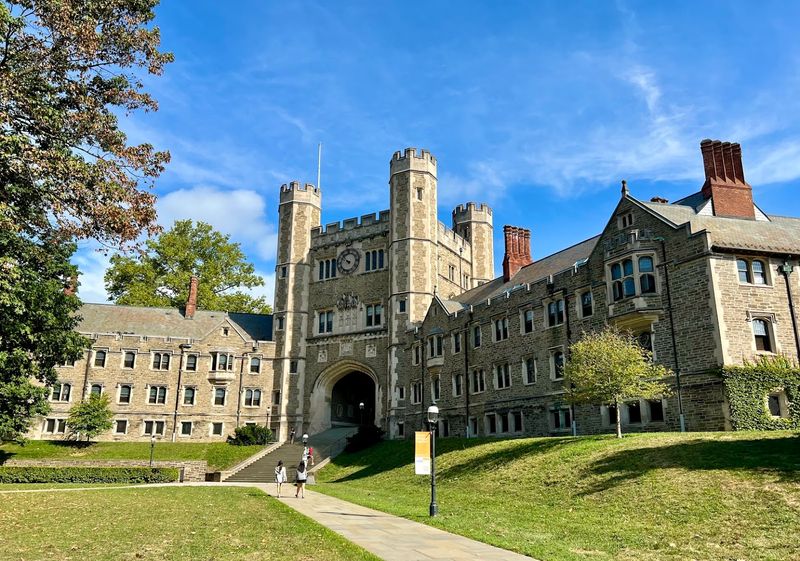
Princeton University is not just for academics and nervous parents on college tours. The campus is genuinely one of the most beautiful in the country, and spring turns it into something almost absurdly picturesque.
Gothic stone buildings, blooming cherry trees, and perfectly manicured lawns create a scene that even non-Ivy League fans can appreciate.
The university is open to the public, and self-guided walking tours are free. Nassau Hall, built in 1756, is a highlight and one of the oldest buildings on campus.
The university art museum, currently undergoing expansion, has free admission and houses an impressive permanent collection.
The surrounding town of Princeton adds to the appeal with independent bookshops, excellent restaurants, and a buzzing coffee shop scene. Marquand Park, just off campus, features a remarkable collection of mature and rare trees that bloom beautifully in spring.
Parking is available in town for a fee, and the whole area is very walkable once you arrive.
Wharton State Forest and Batsto Village, Pine Barrens, New Jersey
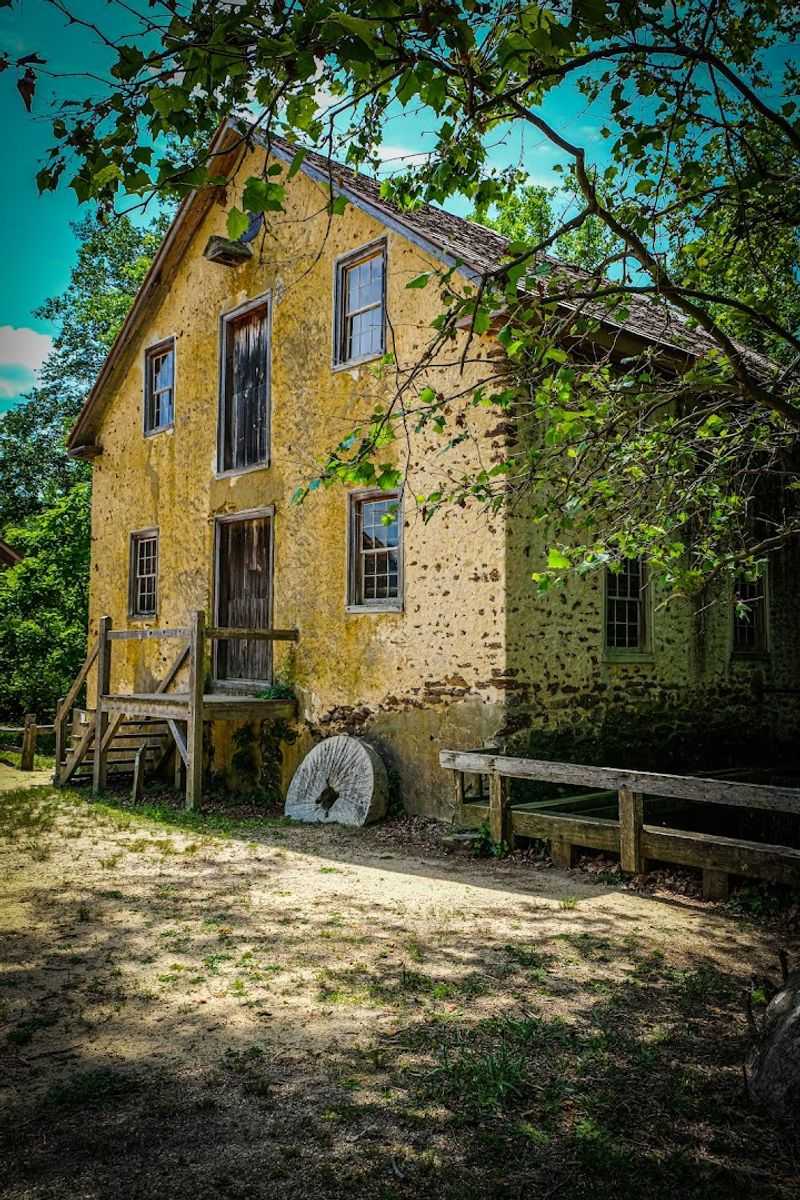
The Pine Barrens are one of the most unusual landscapes in New Jersey, and Wharton State Forest sits right in the heart of them. Covering over 115,000 acres, it is the largest tract of land in the state park system.
Spring brings a subtle but lovely transformation, with native orchids and carnivorous plants waking up in the boggy areas.
Batsto Village is the crown jewel of the forest, a remarkably preserved 19th-century bog iron and glassmaking community. Walking through the village with its original buildings, millpond, and mansion feels genuinely eerie in the best possible way.
Guided tours are available and highly recommended for historical context.
The Batsto River and nearby waterways are excellent for canoe trips in spring when water levels are cooperative. Camping is available throughout the forest for those who want to extend the stay.
The Pine Barrens have their own legends and folklore, including the famous Jersey Devil, which makes the whole experience extra entertaining.
Great Falls of Paterson, Paterson, New Jersey
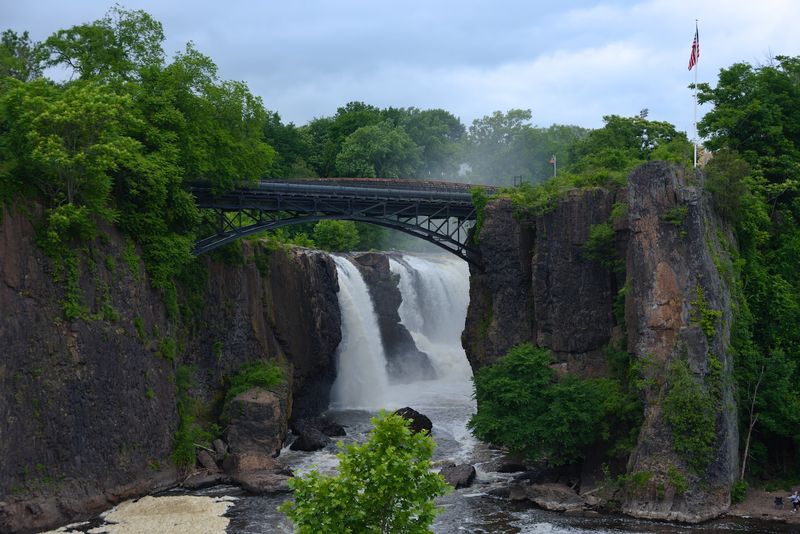
Paterson, New Jersey, has a waterfall that drops 77 feet and was once powerful enough to drive the industrial revolution in America. The Great Falls is a National Historical Park right inside a city, which makes it one of the more surprising natural landmarks in the entire Northeast.
Spring water flow is at its peak, and the roar of the falls is legitimately impressive.
Alexander Hamilton himself championed the development of Paterson as the country’s first planned industrial city, using the falls as the power source. The visitor center tells that story well, and the walking paths around the falls are well-maintained and accessible.
The view from the main overlook is dramatic and worth the short walk from the parking area.
The surrounding Paterson neighborhood has been experiencing a cultural revival with new restaurants and murals. Admission to the national park is free.
Spring weekend hours are extended, making it easy to combine a falls visit with lunch in the nearby market district.
Sandy Hook Gateway National Recreation Area, Sandy Hook, New Jersey
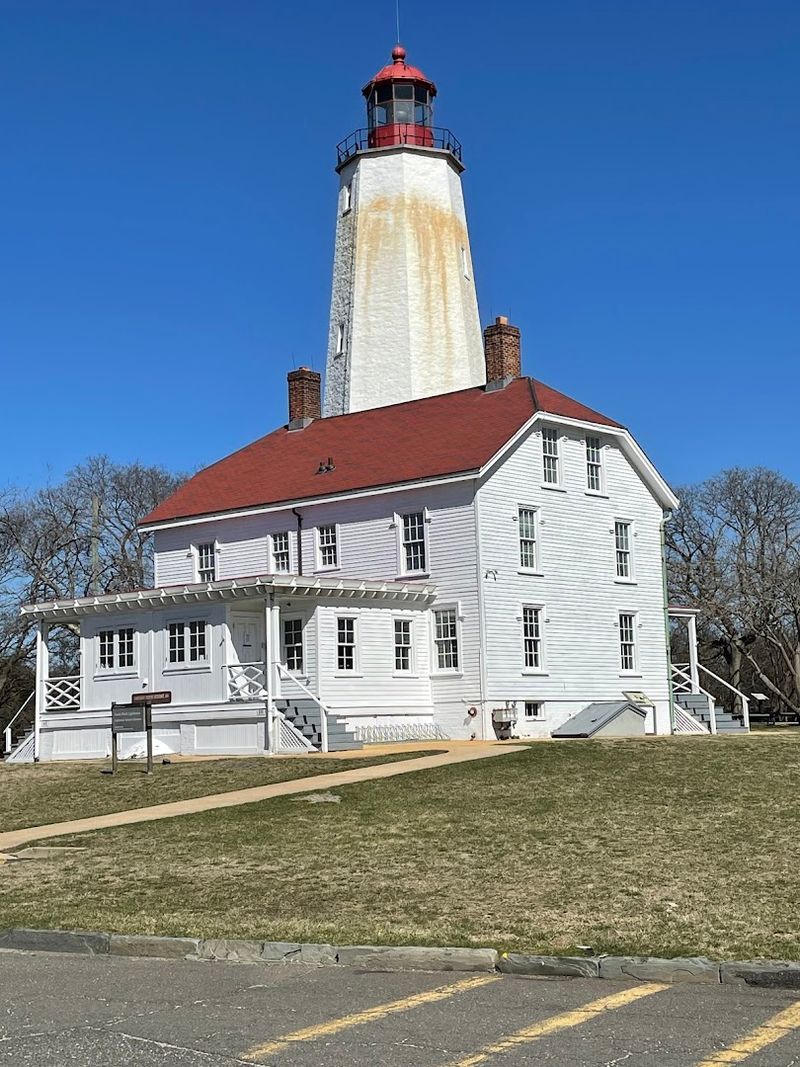
Sandy Hook sticks out into New York Harbor like a geographical exclamation point, and in spring, it is genuinely one of the most scenic spots on the Jersey Shore. The Gateway National Recreation Area here combines beach access, maritime history, and incredible views of the Manhattan skyline all in one surprisingly manageable package.
On clear spring days, the skyline view from the northern tip is stunning.
The Sandy Hook Lighthouse, completed in 1764, is the oldest operating lighthouse in the United States. Tours of the lighthouse run seasonally and are popular with history fans.
The surrounding grounds include historic Fort Hancock, with dozens of preserved military buildings that add a fascinating layer to the visit.
Spring birding at Sandy Hook is exceptional, as the peninsula sits along the Atlantic Flyway migration route. Holly Forest trails are peaceful and shaded on warm spring afternoons.
Parking is free before Memorial Day weekend, which is a significant seasonal perk worth planning around for a budget-friendly outing.
Monmouth Battlefield State Park, Monmouth County, New Jersey
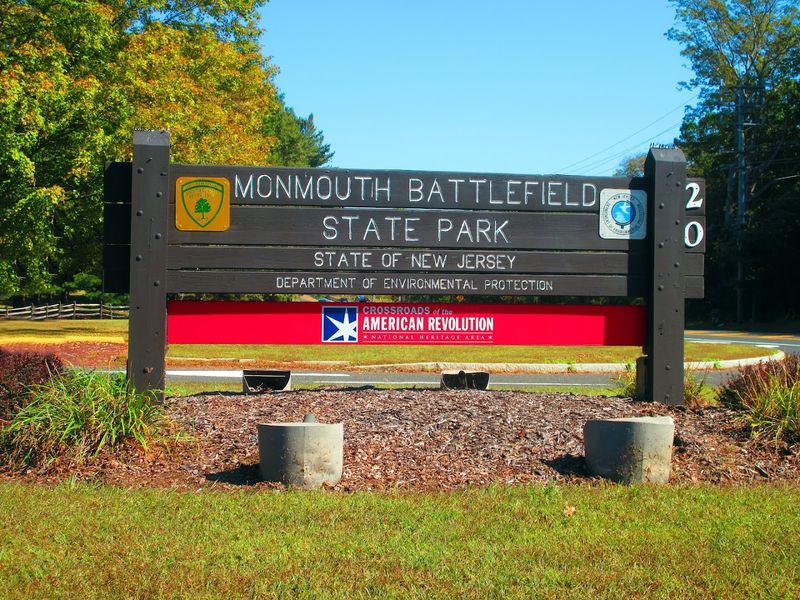
History and hiking rarely combine this well. Monmouth Battlefield State Park preserves the site of the 1778 Battle of Monmouth, one of the largest battles of the American Revolution, and in spring the rolling meadows where soldiers once fought are carpeted in wildflowers.
The contrast between the peaceful landscape and its dramatic history is genuinely thought-provoking.
Over 20 miles of trails wind through meadows, woodlands, and past historic landmarks including the Craig House farmstead. The park is a haven for grassland birds in spring, and birdwatchers regularly spot bobolinks and Eastern meadowlarks in the open fields.
Guided history walks are offered seasonally by knowledgeable park staff.
The visitor center has exhibits on the battle and the famous story of Molly Pitcher, who reportedly carried water to soldiers during the fight. Admission is free.
Spring weekends bring reenactors and educational programs that make the history accessible even for younger visitors. Bring comfortable shoes because the trail network deserves a proper exploration.



