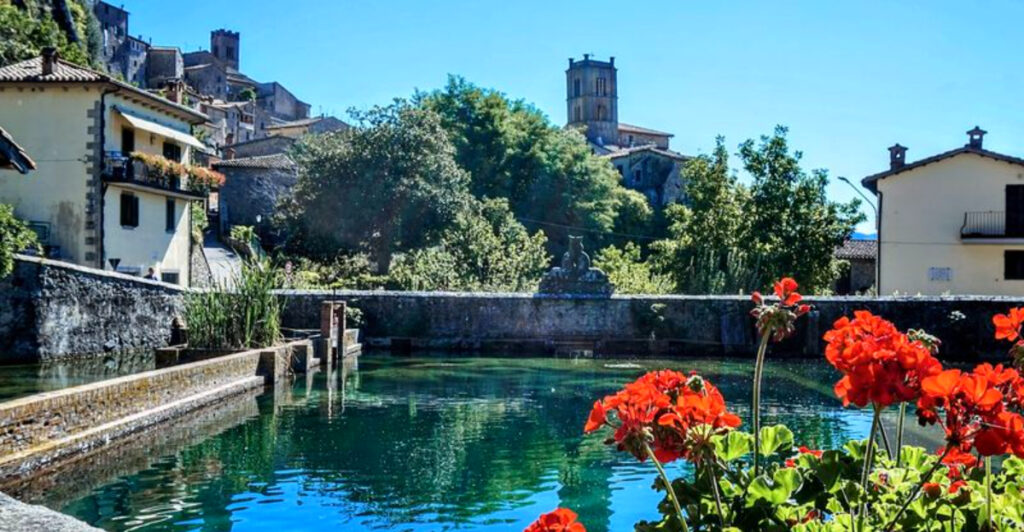
Tuscany is far more than its two famous headliners. Tucked between rolling vineyards, volcanic cliffs, and forested mountain valleys, dozens of smaller towns are quietly waiting to be explored.
From Renaissance hilltop gems to ancient Etruscan settlements, these places offer history, beauty, and authentic Italian life without the overwhelming crowds. Pack your walking shoes and get ready to discover a side of Tuscany that most tourists completely miss.
Montepulciano
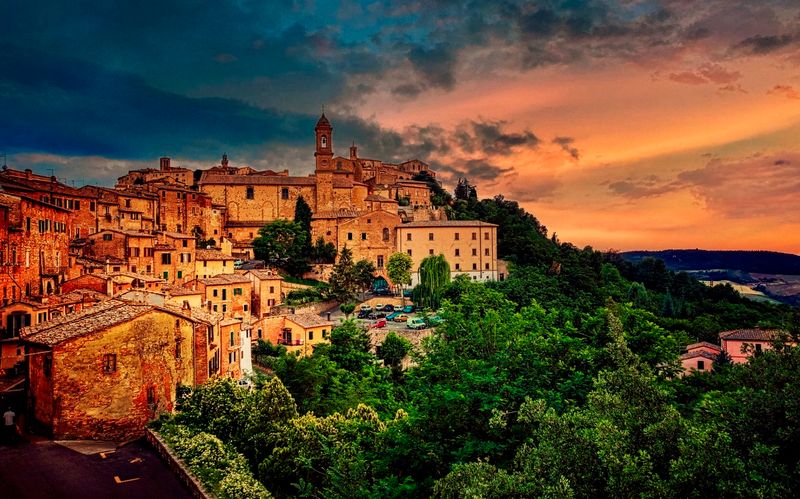
Climbing the steep streets of Montepulciano feels like earning a reward with every step. Perched on a long limestone ridge between Valdichiana and Val d’Orcia, this town packs a serious amount of Renaissance elegance into a relatively small space.
Palazzo Comunale anchors Piazza Grande with real architectural authority, and the views from up there are the kind you spend the rest of your trip talking about.
Wine is practically a religion here, and Vino Nobile di Montepulciano is its finest sermon. Cellars carved beneath the streets age the wine in cool, atmospheric tunnels you can actually visit.
Many are free to enter and generous with their pours, which makes exploring them one of the better deals in Tuscany.
Beyond wine, the town rewards slow wandering. Renaissance palaces line the main street, small churches hide impressive artworks, and local trattorias serve hearty Tuscan food without the tourist markup.
Visiting during the Bravio delle Botti festival in August adds barrel-racing drama to an already lively town calendar. Montepulciano earns every bit of its growing reputation.
Pienza
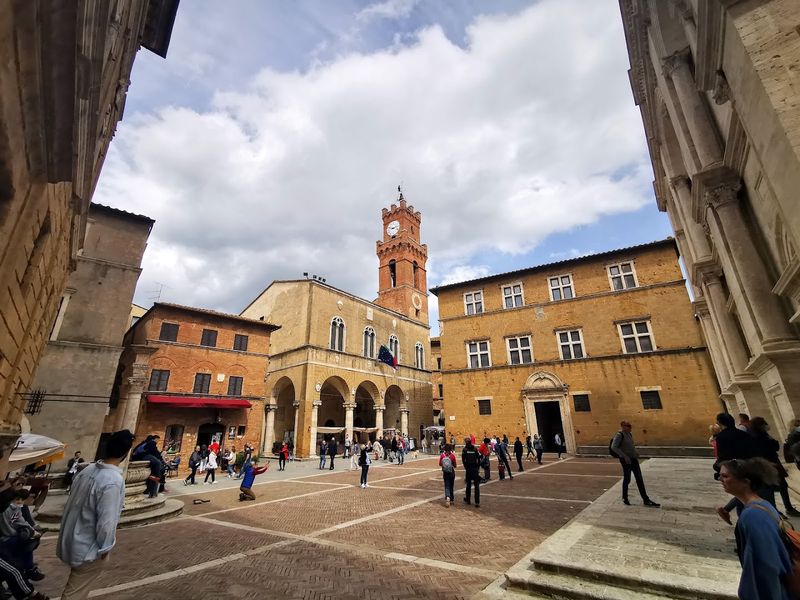
A pope literally redesigned this town from scratch in the 1400s, which makes Pienza possibly the most ambitious urban makeover in Italian history. Pope Pius II hired architect Bernardo Rossellino to transform his humble birthplace into a model Renaissance city, and the result still looks startlingly polished more than five centuries later.
UNESCO agreed, listing the historic center as a World Heritage Site.
Piazza Pio II is the centerpiece, framed by the cathedral, the Palazzo Piccolomini, and the Bishop’s Palace in a composition that feels almost theatrical. Stepping into that square for the first time genuinely stops people mid-sentence.
The proportions are so balanced that it barely feels real.
Pecorino cheese produced in the surrounding Val d’Orcia countryside is another local treasure worth seeking out. Tiny shops along Corso Rossellino sell it in every stage of aging, from fresh and mild to sharp and crumbly.
The views from the garden behind Palazzo Piccolomini stretch across cypress-lined roads and golden fields in a scene that looks exactly like a Renaissance painting. Pienza is compact, beautiful, and completely worth the detour.
Pitigliano
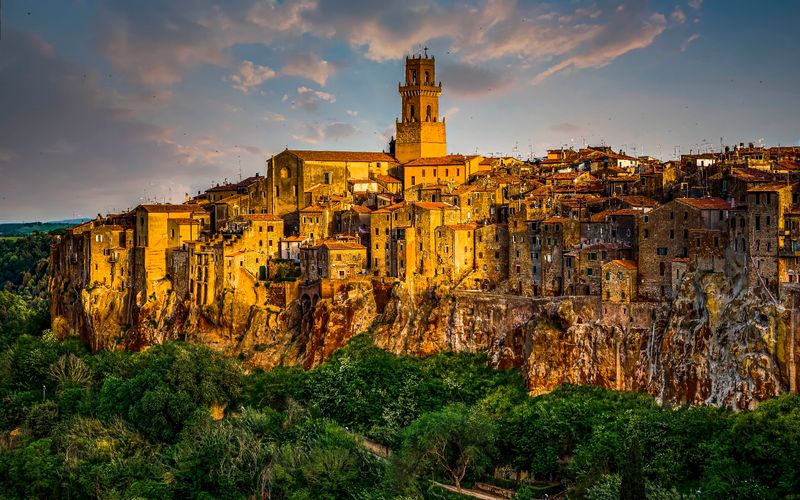
Few towns in Italy make an entrance quite like Pitigliano. The first glimpse from the approach road is genuinely jaw-dropping: a cluster of medieval buildings rising directly from a volcanic tuff cliff as if the town and the rock grew together over centuries.
That image alone has made it one of the most photographed places in southern Tuscany, and honestly, no filter is needed.
Its nickname, “Little Jerusalem,” comes from a historic Jewish community that flourished here for centuries. The old Jewish quarter still contains a synagogue, a kosher wine cellar, and an underground network of passageways used during less tolerant times.
Exploring that hidden world adds unexpected depth to what could otherwise feel like a purely scenic stop.
Etruscan tombs and carved pathways called “vie cave” cut through the surrounding countryside, offering hikes that feel genuinely ancient underfoot. The local white wine, Bianco di Pitigliano, is crisp and refreshing and pairs well with the town’s relaxed pace.
Restaurants here are unpretentious, the streets are never overwhelmingly crowded, and the atmosphere carries a quiet, slightly mysterious energy that stays with you long after you leave.
San Gimignano
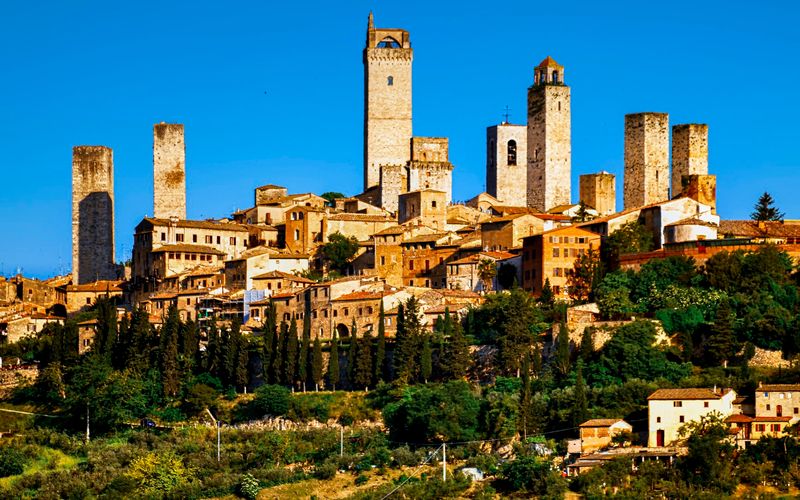
Fourteen medieval towers still pierce the Tuscan sky above San Gimignano, creating one of the most distinctive silhouettes in all of Italy. At one point the town had 72 of them, built by competing noble families as symbols of wealth and power.
The tower race eventually stopped, but the survivors still manage to look impressively dramatic from every direction.
San Gimignano earned its place on the Via Francigena, the ancient pilgrimage route connecting Canterbury to Rome, which brought steady traffic and prosperity through the medieval period. That prosperity funded the remarkable churches and frescoes still visible today.
The Collegiate Church alone contains enough painted scenes to keep art lovers busy for a solid hour.
Gelato here deserves its own mention. Gelateria Dondoli has won the World Gelato Championship multiple times, and locals queue alongside tourists without any embarrassment whatsoever.
Vernaccia di San Gimignano, the local white wine, has been celebrated since the 13th century and pairs beautifully with the town’s pecorino and wild boar salumi. Arriving early in the morning or staying overnight helps avoid the midday crowds and reveals a calmer, more genuinely charming version of this remarkable place.
Volterra
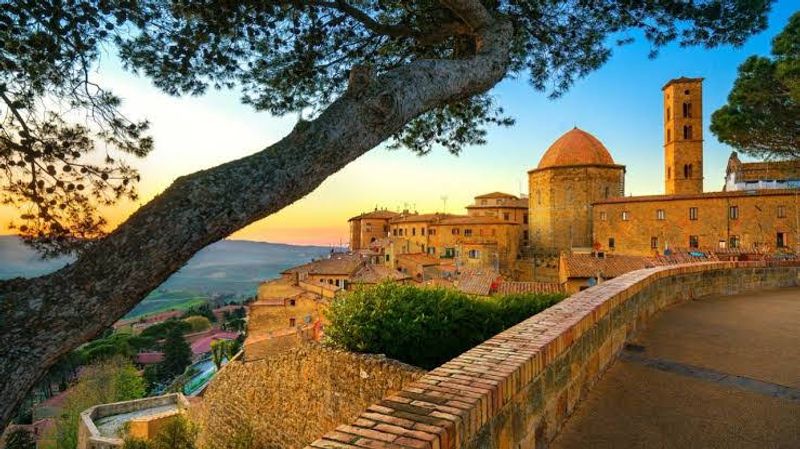
Long before Rome became Rome, Volterra was already a powerful Etruscan city. The ancient stone walls surrounding the town today date back more than 2,500 years, making them among the oldest standing city walls in all of Europe.
Walking along those walls while looking out over dramatic eroded clay formations called balze is a genuinely strange and memorable experience.
The Guarnacci Etruscan Museum holds one of Italy’s most important collections of Etruscan artifacts, including funerary urns with remarkably detailed carved scenes. The museum feels refreshingly old-fashioned and serious, which suits the weight of what it contains.
A bronze figure known as the Shadow of the Evening, stretched impossibly thin, has become an unlikely mascot for the whole town.
Alabaster workshops have operated in Volterra since antiquity, and artisans still carve the soft, translucent stone into lamps, sculptures, and decorative objects sold throughout the town. Watching a craftsperson work is free, educational, and quietly hypnotic.
The town also gained a modern pop-culture following after appearing in the Twilight novel series, which brings a younger crowd but has not diminished its genuine historical atmosphere. Volterra rewards curious visitors who appreciate layers of history stacked centuries deep.
Cortona
Cortona sits so high above the Val di Chiana that on a clear day you can spot Lake Trasimeno glittering in the distance across the Umbrian border. The climb to reach it, whether by foot or by car up a series of hairpin bends, feels appropriately dramatic for a town with Etruscan origins stretching back over three thousand years.
The views from the top are absolutely worth every meter of altitude gained.
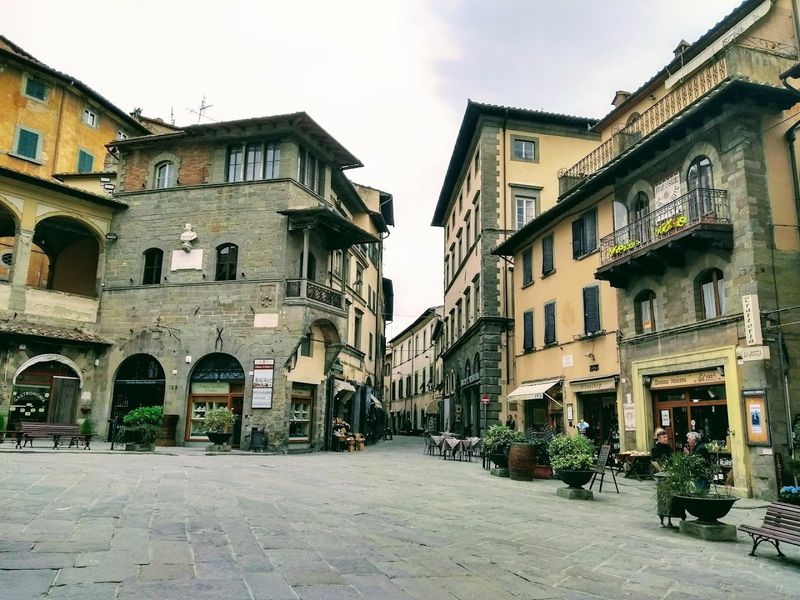
Piazza della Repubblica and Piazza Signorelli form the lively social heart of the town, where locals gather for morning coffee with a natural ease that makes visitors feel welcome rather than observed. The MAEC museum houses an impressive Etruscan collection, while the Diocesan Museum contains works by Fra Angelico and Pietro Lorenzetti that would headline any major gallery.
Frances Mayes brought Cortona international attention with her memoir Under the Tuscan Sun, and the town has handled its fame with admirable dignity, remaining genuinely lived-in rather than purely tourist-facing. Local restaurants serve Chianina beef, the prized breed raised in the valley below, alongside excellent local wines.
Evening in Cortona, when the day-trippers leave and the streets quiet down, is when the town truly reveals its character.
Anghiari
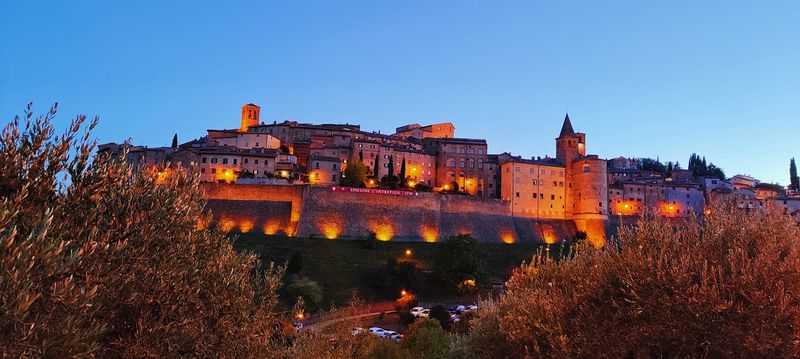
Most people know the name Anghiari from a famous battle fought nearby in 1440, later immortalized in a lost Leonardo da Vinci mural that art historians are still searching for. The town itself is equally compelling, a beautifully preserved medieval settlement perched above the wide Valtiberina valley with a clarity of historic character that feels entirely unforced.
A single steep main street runs through the length of the town, lined with stone houses, archways, and small squares that open unexpectedly as you climb. Officially recognized as one of Italy’s most beautiful villages, Anghiari has earned that designation without resorting to the kind of glossy restoration that can make historic towns feel like open-air museums rather than real places.
Artisan workshops producing textiles, ceramics, and wooden objects give the town a productive, creative energy. The Museo della Battaglia e di Anghiari tells the story of the 1440 battle with genuine enthusiasm and surprising detail.
Local festivals, particularly the Palio della Vittoria held in June, bring the medieval past to life with pageantry and competitive spirit. For travelers exploring Tuscany’s less-visited eastern edge near the Apennine foothills, Anghiari makes a deeply satisfying and photogenic stop.
Barga
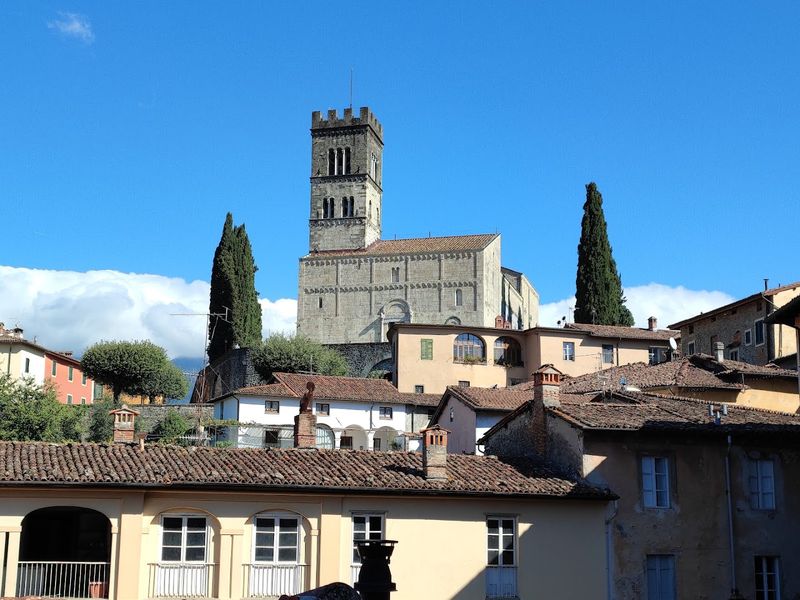
Barga smells different from the rest of Tuscany. Surrounded by chestnut forests and mountain air in the Garfagnana valley, it carries a freshness that feels miles removed from the sun-baked vineyard towns further south.
The Apuan Alps rise dramatically to the west, their peaks sometimes snow-capped well into spring, providing a backdrop that looks almost theatrical against the medieval stone of the town below.
The Duomo di San Cristoforo, perched at the very top of town, is a Romanesque cathedral with a pulpit so elaborate and expressive it looks like it was carved in a state of pure artistic excitement. The views from the cathedral terrace on a clear day take in both the Garfagnana valley and the distant marble peaks of Carrara.
Standing there with a good coffee in hand is one of Tuscany’s quieter pleasures.
Barga has a surprising Scottish connection: so many local families emigrated to Scotland in the 19th and 20th centuries that the town earned the unofficial nickname “Little Scotland.” Some families returned, bringing fish-and-chip shop traditions back with them. The annual Barga Jazz Festival draws music lovers each summer, filling the medieval streets with sound and energy that feels both modern and perfectly suited to the setting.
Poppi
The Castle of the Counts Guidi rises above Poppi with the kind of confident, turreted authority that makes children want to draw it immediately. Built in the 13th century, the castle served as the seat of the Guidi family, who once controlled a significant chunk of eastern Tuscany.
Today it houses a library with illuminated medieval manuscripts and offers views across the entire Casentino Valley that are genuinely hard to walk away from.
Poppi’s medieval center is compact and well-preserved, with covered arcades lining the main street that provide welcome shade in summer and shelter during wet weather. The town feels lived-in and unhurried, with local bars, a small market, and a pace of life that has clearly not been dramatically altered by tourism.
That authenticity is increasingly rare and genuinely refreshing.
The surrounding Casentino Forest National Park is one of Tuscany’s least-visited natural areas, home to wolves, deer, and ancient monasteries including Camaldoli and La Verna, where Saint Francis of Assisi received the stigmata. Combining Poppi with a drive through the forested valley creates one of eastern Tuscany’s most satisfying day trips.
The castle alone justifies the journey, but the surrounding landscape seals the deal completely.
Montalcino
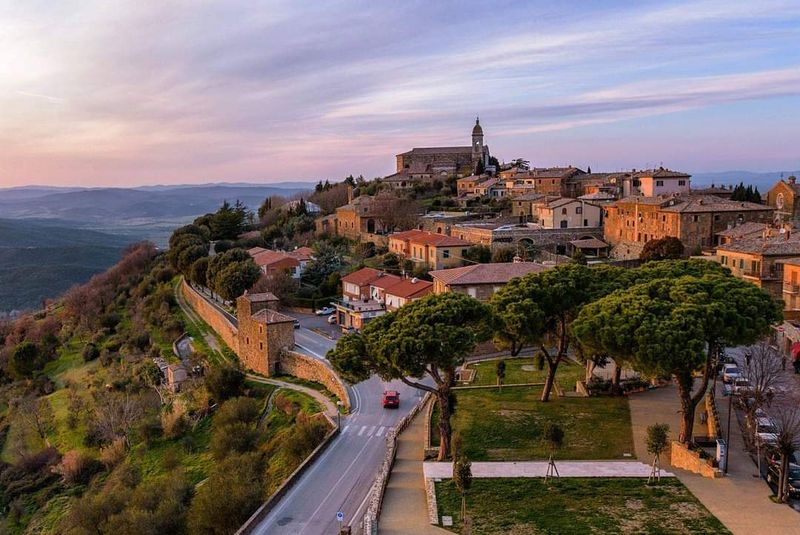
Brunello di Montalcino is regularly listed among the greatest red wines produced anywhere on earth, and the town that gives it its name sits proudly above the vineyards responsible for all that reputation. The 14th-century fortress anchoring the hilltop doubles as a wine bar where you can taste Brunello while looking out over the very slopes where the Sangiovese grapes were grown.
That combination of architecture and agriculture is hard to beat.
Montalcino has a quietly confident character that comes from knowing it produces something the world genuinely wants. The streets are stone, the buildings are medieval, and the wine shops are exceptionally well-stocked.
Even visitors who arrived purely for the scenery tend to leave with a bottle or two carefully wrapped in their luggage.
The surrounding landscape belongs to the Val d’Orcia, a UNESCO-protected area famous for cypress-lined roads, rolling golden hills, and the kind of countryside that appears on Italian travel posters worldwide. Sant’Antimo Abbey, a beautiful Romanesque church located a short drive below the town, adds a spiritual and architectural dimension to any visit.
Gregorian chant services held by the resident monks create an atmosphere of calm that contrasts beautifully with the robust pleasures of the wine above. Montalcino rewards visitors who take their time.
Sorano
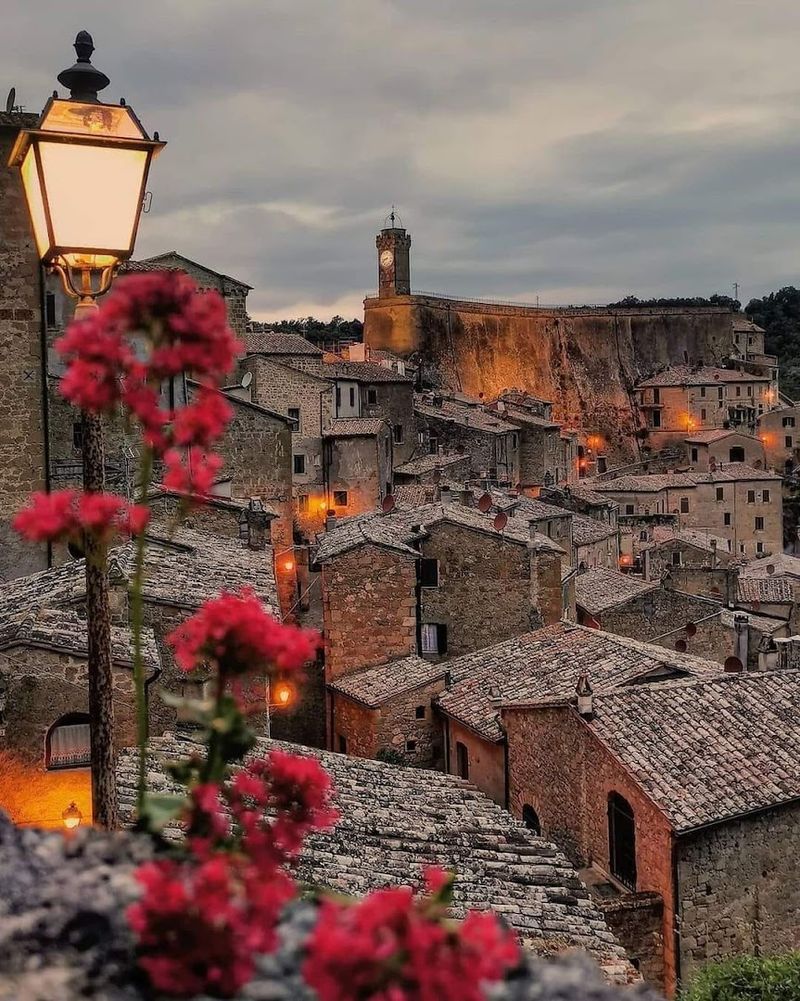
Sorano has a brooding, atmospheric quality that sets it apart from Tuscany’s sunnier, more polished destinations. Stone buildings merge so seamlessly into the volcanic tuff rock beneath them that from certain angles the town appears to have been assembled by geological forces rather than human hands.
That raw, elemental quality is exactly what makes it so compelling to the travelers who find their way here.
The Orsini Fortress, restored and now open to visitors, dominates the town’s profile with its thick walls and commanding position above the valley. Inside, the fortress contains exhibits on local history and the powerful Orsini family who once controlled much of this wild southern corner of Tuscany.
The views from the ramparts look out over gorges, forests, and volcanic terrain that feels genuinely remote.
Underground passages carved through the tuff connect different parts of the town, and exploring them reveals a hidden architectural layer that most visitors overlook entirely. Nearby Etruscan necropolis sites, including the remarkable Necropoli di San Rocco, add archaeological interest to the surrounding area.
Sorano never tries to compete with Tuscany’s more famous towns, and that lack of pretension is one of its greatest strengths. A night spent here feels like a genuine discovery rather than a scheduled stop.
Sovana
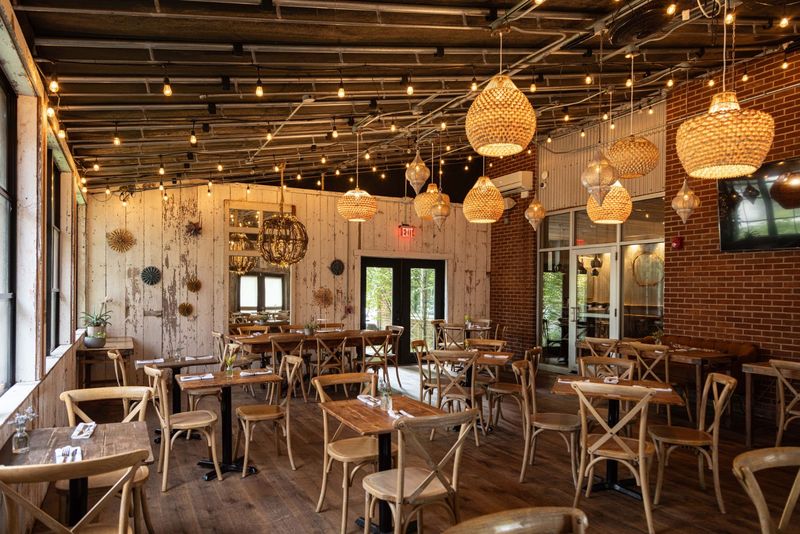
Sovana is the kind of place that makes you wonder how something this old and this beautiful managed to stay so quiet. With a permanent population of just a few hundred people, this tiny medieval village in the Maremma area sits surrounded by some of the most significant Etruscan archaeological remains in central Italy.
The contrast between its modest size and its extraordinary historical surroundings is genuinely striking.
The Cathedral of Saints Peter and Paul, built in Romanesque style with later Gothic additions, stands at the eastern end of the main street with a carved doorway that deserves a long, careful look. Inside, the capitals and decorative stonework display a level of craftsmanship that seems almost impossibly ambitious for a village this small.
History has a way of humbling expectations in places like Sovana.
The Etruscan Necropolis surrounding the village contains tomb-lined paths cut through the tuff rock, with burial chambers dating back to the 9th century BC. Walking those paths in the early morning, when mist still sits in the gorges, creates an atmosphere that no guided tour can fully replicate.
Sovana also has a direct connection to Pope Gregory VII, one of the most influential popes of the medieval era, who was born here around 1020. That is a remarkable footnote for such a small place.
Santa Fiora
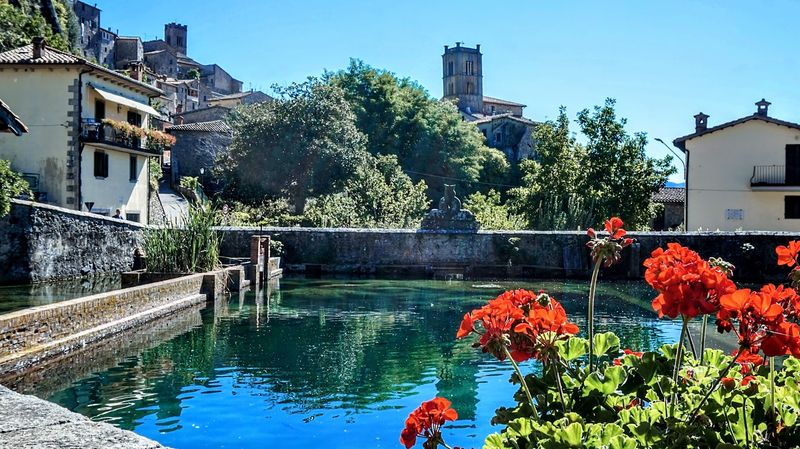
Sitting on the southern slopes of Monte Amiata, Tuscany’s highest volcanic peak, Santa Fiora offers something genuinely different from the region’s sun-drenched vineyard towns. Chestnut forests surround the village, temperatures stay noticeably cooler in summer, and the whole place carries a mountain freshness that feels like a natural air conditioner after days of lowland heat.
Travelers who visit in August tend to return every summer after that.
The Peschiera is Santa Fiora’s most unusual attraction: a historic rectangular pool fed by natural springs that have flowed continuously since at least the medieval period. The water is crystal clear and maintains a steady cool temperature year-round.
Local families have gathered here for generations, and the pool’s edges are lined with aquatic plants that give it an almost otherworldly appearance.
The Sforza Cesarini family, who ruled the area for centuries, left behind a palace, a parish church containing beautiful della Robbia terracotta works, and a general sense of refined taste that still shapes the village’s character. The surrounding Monte Amiata area offers hiking trails through beech and chestnut forests, with summit views stretching across Tuscany, Umbria, and Lazio on clear days.
Santa Fiora is the kind of restorative place that travelers quietly keep to themselves.
San Casciano dei Bagni
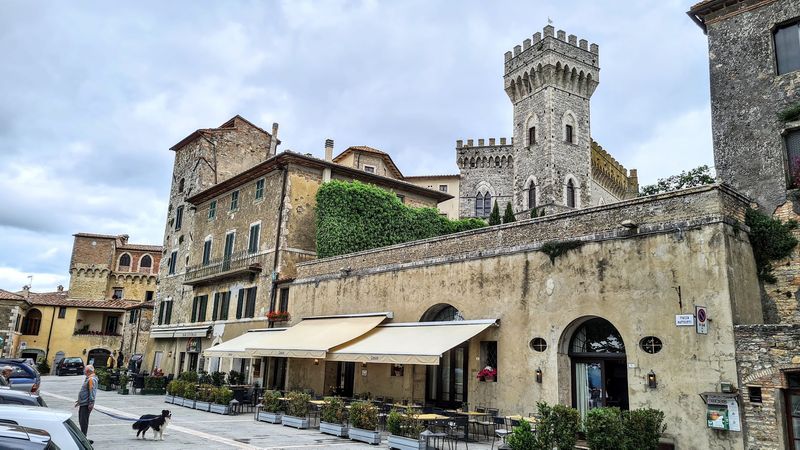
In late 2022, archaeologists digging beneath San Casciano dei Bagni pulled off one of the most spectacular ancient finds in decades: over two dozen bronze statues submerged in a sacred thermal pool, dating back more than two thousand years. The discovery made international headlines and reminded the world that this quiet Tuscan hill town had been considered holy ground since at least the Etruscan period.
The thermal springs are still very much in use today.
The town itself is genuinely lovely, with stone streets, a handful of good restaurants, and views across the rolling countryside toward Umbria and Lazio that stretch impressively in three directions. Its position near the meeting point of three Italian regions gives it a slightly different character from towns deeper in Tuscany’s heartland, with local food traditions reflecting that border-zone geography.
Terme San Filippo and other nearby thermal facilities offer outdoor bathing experiences in naturally heated mineral water, ranging from rustic free pools to more polished spa settings. The combination of ancient history, archaeological excitement, therapeutic waters, and excellent countryside scenery makes San Casciano dei Bagni one of southern Tuscany’s most complete small-town experiences.
It works equally well as a day trip destination or as a peaceful base for exploring the wider area at a genuinely relaxed pace.
Peccioli
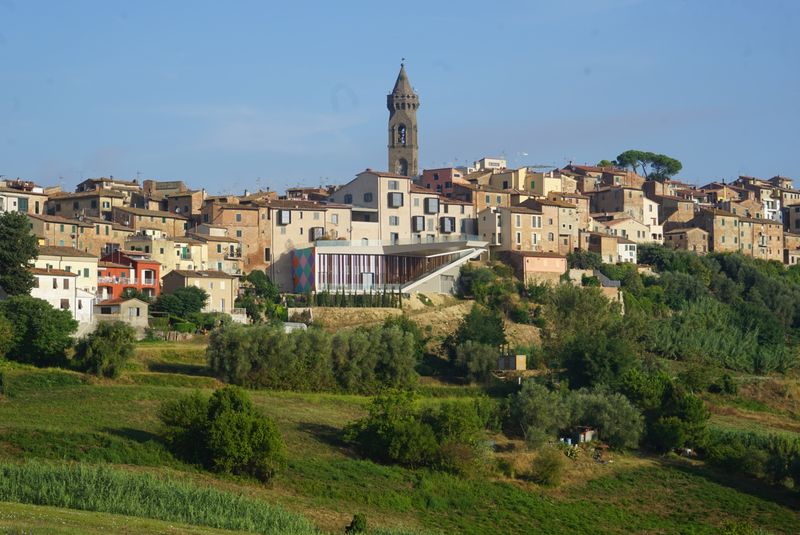
Peccioli decided a few decades ago that being a small Tuscan hill town was not enough, and the results of that decision are scattered across its streets in the form of bold contemporary art installations that sit comfortably alongside medieval stone buildings. The town has invested significantly in public art, cultural events, and creative projects funded in part by innovative local waste management initiatives.
Yes, really. The garbage business helped pay for the art.
Walking through Peccioli feels like a genuinely unpredictable experience. A sculpture appears at the end of an alley.
A mural covers a wall that might otherwise be forgettable. A performance space occupies a building that once served a completely different purpose.
The town has developed a cultural identity that feels earned rather than imported, rooted in genuine community investment rather than tourist strategy.
The surrounding countryside views are classic Tuscan: rolling hills, isolated farmhouses, cypress trees lining gravel roads, and a quality of light in the late afternoon that makes everything look slightly more beautiful than it has any right to. Peccioli is located in the Valdera area between Volterra and Pisa, making it an easy addition to any Tuscan itinerary passing through that corridor.
It proves that reinvention and tradition can share the same hilltop without any awkwardness whatsoever.
Share this story