 Unearth The Voyage
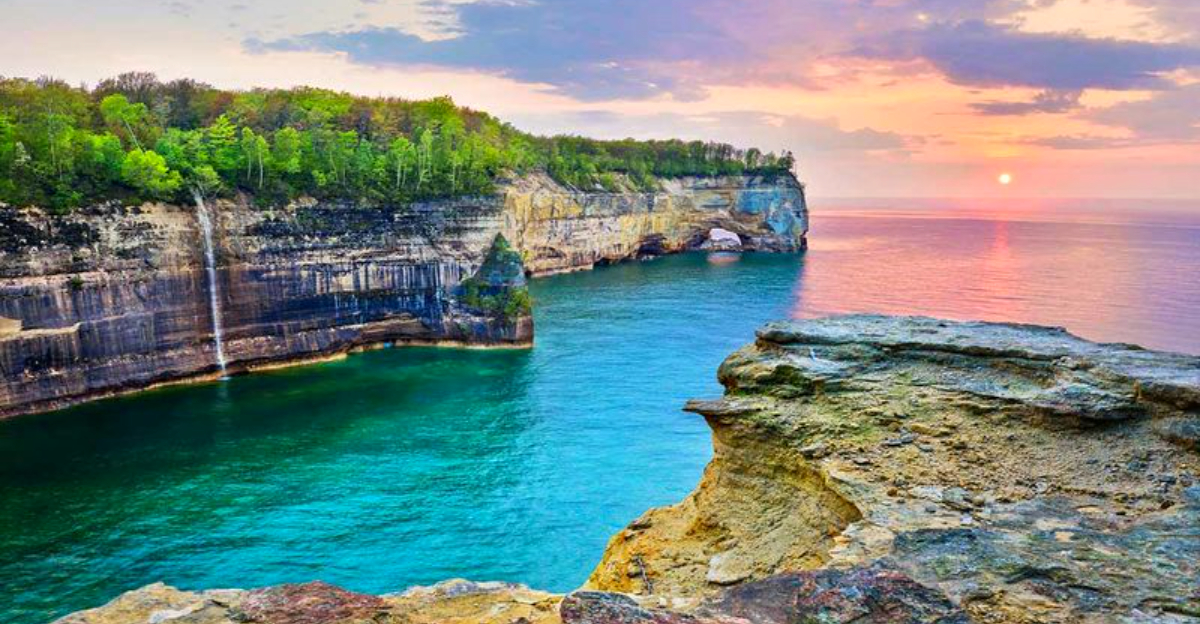
Spring is one of the best times to visit a lake in the United States. The crowds are smaller, the weather is mild, and nature is waking up in the most beautiful ways.
From turquoise mountain waters to mysterious swamp lakes draped in Spanish moss, there is something magical waiting at every shoreline. Whether you want adventure, relaxation, or just a breathtaking view, these 15 lakes are ready to deliver.
Lake Tahoe — California/Nevada
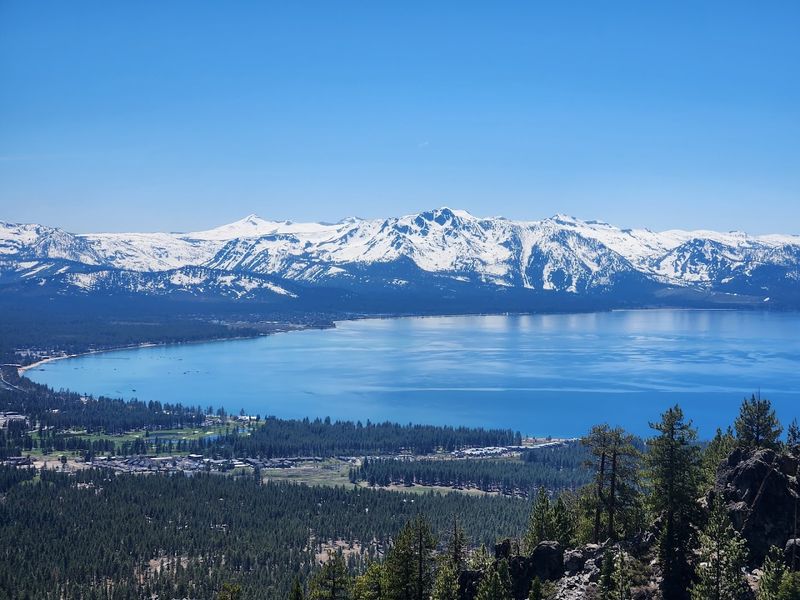
Few places on Earth can pull off the combo of snow and sunshine quite like Lake Tahoe does in spring. Straddling the California-Nevada border at over 6,000 feet above sea level, this lake is famous for water so clear you can see up to 70 feet deep on a calm day.
That kind of clarity makes every photo look like it was edited — but it’s completely real.
As winter loosens its grip, hiking trails reopen and waterfalls like Eagle Falls roar back to life with snowmelt. Spring visitors get to enjoy these sights without the summer traffic jams that clog the roads in July and August.
Scenic drives along Highway 89 offer jaw-dropping views at nearly every turn.
Kayaking and paddleboarding on the lake feel almost meditative when the water is this calm and the mountains are still dusted with snow. Local towns like South Lake Tahoe and Tahoe City offer cozy cafes, lakeside restaurants, and easy access to trailheads.
Spring pricing on lodging is also significantly lower, making this a smart time to visit without sacrificing any of the beauty.
Crater Lake — Oregon
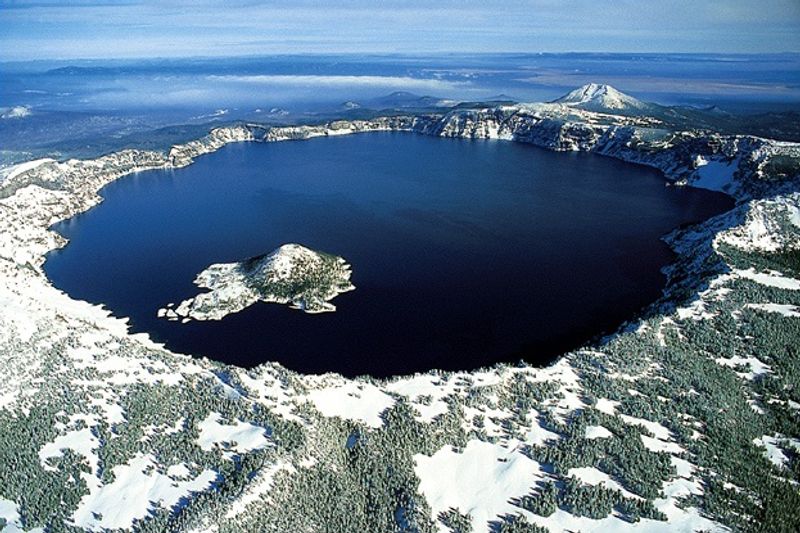
Formed roughly 7,700 years ago when a massive volcano collapsed in on itself, Crater Lake is basically nature showing off. The water here reaches depths of nearly 1,900 feet, making it the deepest lake in the United States.
That depth, combined with the lack of sediment inflow, gives it a blue so vivid it almost looks painted.
Spring at Crater Lake is a study in dramatic contrasts. Snow still clings to the rim well into May and sometimes June, framing the brilliant blue water in white.
The park sees far fewer visitors in spring than summer, so you can stand at the overlooks and actually hear the silence — which, honestly, is its own kind of luxury.
Rim Drive, the scenic road circling the lake, may still be partially closed in early spring due to snow, but accessible viewpoints are stunning enough to make the trip worthwhile. Wizard Island, a cinder cone rising from the water, adds an otherworldly touch to every panoramic shot.
Rangers lead snowshoe walks in spring, offering a guided way to experience the park’s quiet, frozen beauty before the summer rush arrives.
Lake George — New York
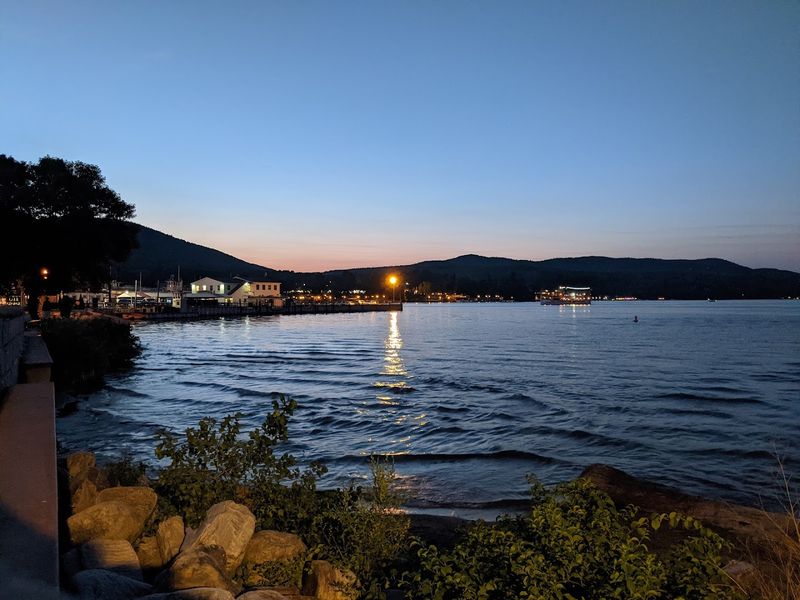
Thomas Jefferson once called Lake George the most beautiful water he had ever seen, and honestly, the man had a point. Tucked in the southern Adirondacks of upstate New York, this 32-mile-long lake is known for water so clean it has historically required no filtration for drinking.
That kind of purity is rare, and you can feel it the moment you arrive.
Spring here is a slow, lovely awakening. The surrounding mountains shift from bare brown to a soft, hopeful green, and the lake itself reflects the changing sky with mirror-like precision.
Boat tours start operating again in May, giving visitors a relaxed way to take in the scenery from the water without needing their own vessel.
The town of Lake George Village offers plenty of shops, restaurants, and lakeside spots to linger without feeling rushed. Hiking trails like Tongue Mountain Range provide rewarding views for those willing to break a sweat.
Spring also means lower hotel rates compared to peak summer, so you can score a lakeside cabin at a fraction of the cost. It is the kind of destination that rewards those who show up a little early.
Lake Ouachita — Arkansas
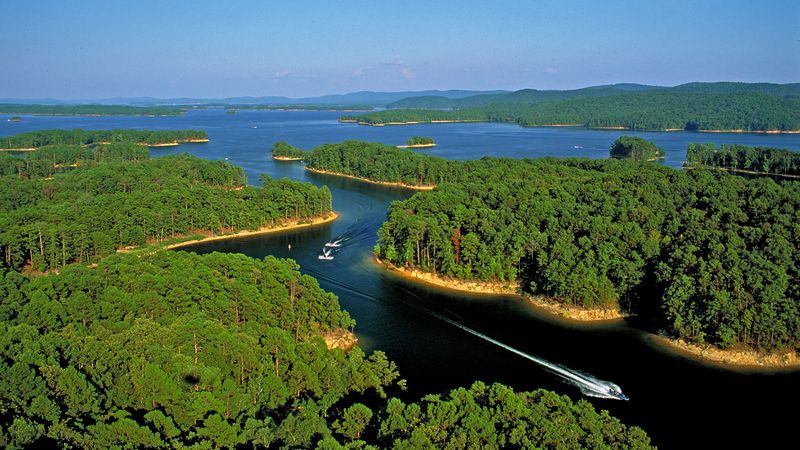
Arkansas does not always get the credit it deserves when it comes to natural beauty, but Lake Ouachita makes a compelling case for the state. Consistently ranked among the clearest lakes in the entire country, this reservoir in the Ouachita Mountains offers visibility that rivals lakes in the American West.
The water glows with a greenish-blue tint that feels almost tropical on a sunny spring day.
Spring temperatures in the region hover in the comfortable 60s and 70s, making it the sweet spot before summer humidity kicks in. Kayakers love paddling the quieter coves and inlets, where the forest comes right down to the water’s edge.
Fishing enthusiasts target bass and crappie, which become more active as the water warms through April and May.
The lake covers over 40,000 acres and has more than 200 miles of shoreline, so finding your own private slice of it is entirely possible. Nearby Hot Springs National Park adds another layer of interest to any trip, offering historic bathhouses and scenic hiking trails just a short drive away.
Camping spots fill up fast on summer weekends, but spring visitors often snag prime waterfront sites with ease.
Flathead Lake — Montana
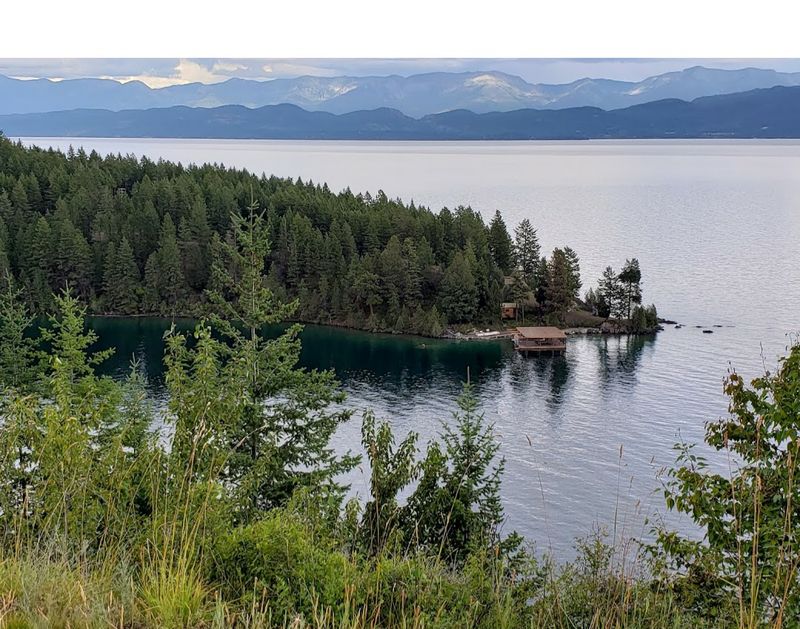
At roughly 30 miles long and 15 miles wide, Flathead Lake is the largest natural freshwater lake west of the Mississippi River — and it earns every bit of that title. Located in northwestern Montana near Glacier National Park, the lake sits in a wide valley ringed by mountains that still hold snow well into May.
The combination of glassy water and jagged peaks creates a view that stops people mid-sentence.
One of spring’s best-kept secrets here is the cherry blossom season along the lake’s eastern shore. The Flathead Valley has a thriving cherry orchard culture, and when those trees bloom in late April and early May, the shoreline becomes absolutely stunning.
It feels like a Montana version of Washington, D.C.’s famous cherry blossoms, but without the crowds.
Wildlife sightings are common in spring, including bald eagles, osprey, and the occasional white-tailed deer wandering near the water. The town of Polson at the lake’s southern end offers boat rentals, local restaurants, and a relaxed small-town vibe.
Spring fishing for lake trout and yellow perch draws anglers from across the region. Glacier National Park is close enough for a day trip, making this area one of Montana’s most rewarding spring destinations.
Lake Havasu — Arizona/California
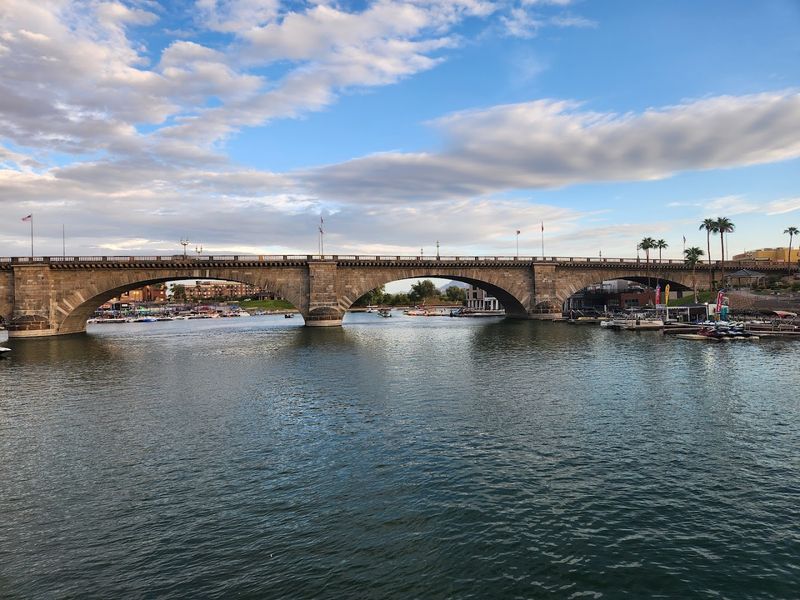
Yes, that is actually the London Bridge — the real one, relocated stone by stone from England to the Arizona desert in the late 1960s. Lake Havasu City was built around this quirky centerpiece, and somehow it works.
The lake itself stretches along the Colorado River between Arizona and California, offering warm, blue water set against a dramatic red rock backdrop.
Spring is arguably the best season to visit Lake Havasu. Temperatures in March and April sit in the ideal 70s and 80s, warm enough for swimming and boating but without the scorching summer heat that sends temperatures above 110 degrees.
Jet skiing, wakeboarding, and paddleboarding are all popular, and the lake has plenty of calm coves for those who prefer a slower pace.
Sunsets over the water are genuinely spectacular, painting the desert sky in deep oranges and purples. The London Bridge area has restaurants, shops, and a waterfront walkway that is pleasant for an evening stroll.
Spring break draws a lively crowd in March, but by April the lake settles into a more relaxed rhythm. Camping along the shoreline is available at several spots, making it easy to fall asleep to the sound of gentle water.
Lake Champlain — Vermont/New York

Shared between Vermont, New York, and a small slice of Quebec, Lake Champlain has been a crossroads of history for centuries. Revolutionary War battles were fought on its waters, and today the lake is better known for its scenic bike paths, charming waterfront towns, and sweeping views of both the Green Mountains and the Adirondacks.
Spring here feels like the whole region exhales after a long winter.
Burlington, Vermont’s largest city, sits right on the eastern shore and comes alive in spring with outdoor markets, live music, and lakeside dining. The waterfront bike path is a flat, easy ride with gorgeous views in both directions.
Ferries crossing the lake offer a fun and affordable way to explore both the Vermont and New York sides in a single afternoon.
Wildlife returns in full force by May, with migratory birds making Lake Champlain a hotspot for birdwatchers. The lake is also home to Champ, Vermont’s legendary lake monster — a local myth that adds a playful layer of intrigue to any visit.
Fishing picks up significantly in spring, with walleye, salmon, and bass all active near the surface. Whether you arrive by bike, boat, or car, Lake Champlain delivers a spring experience that feels both historic and refreshingly alive.
Lake Powell — Utah/Arizona
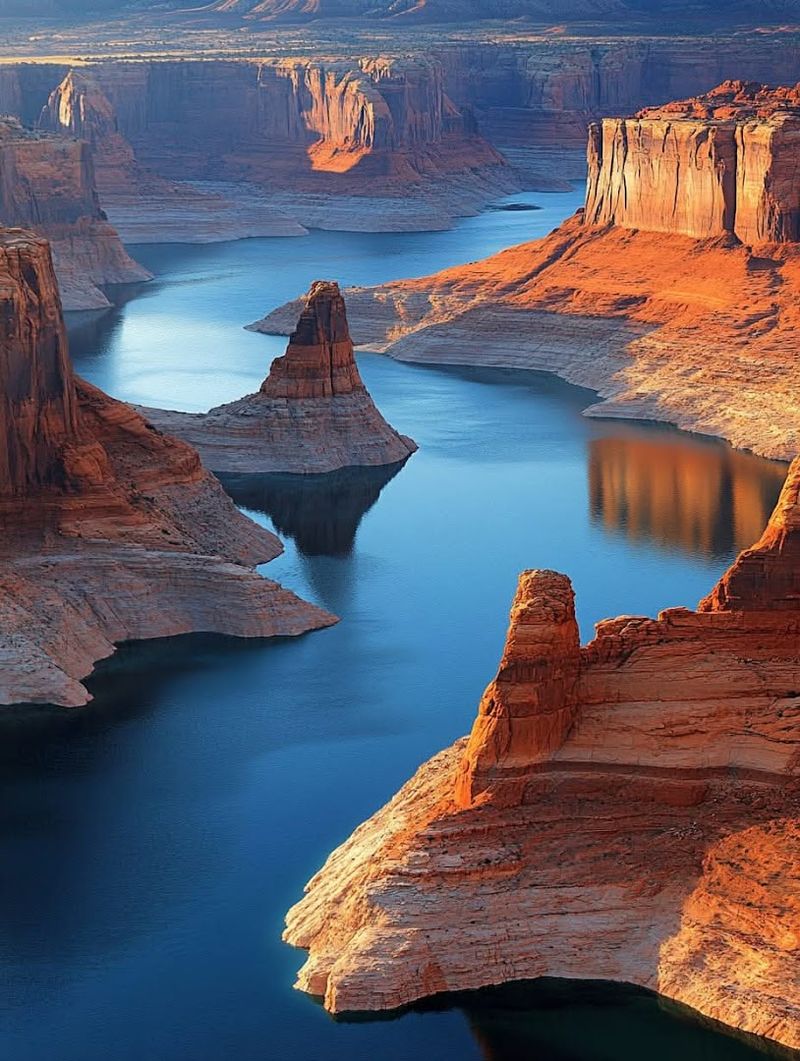
Carved into the red rock landscape of the Colorado Plateau, Lake Powell looks less like a lake and more like something out of a science fiction film. The water — a striking shade of blue-green — winds through hundreds of miles of narrow sandstone canyons, creating a maze of hidden coves and secret beaches that reward curious explorers.
Spring is when the magic really happens here.
Water levels tend to be higher in spring due to snowmelt from the Rocky Mountains, which opens up more of the canyon arms for exploration by kayak or motorboat. Temperatures in April and May are ideal — warm enough for water activities but cool enough to hike the surrounding canyon trails without overheating.
Antelope Canyon, one of the most photographed slot canyons in the world, is just a short drive away.
Houseboating is a Lake Powell tradition, and spring is a fantastic time to rent one since summer pricing and crowds haven’t yet arrived. Waking up inside a canyon with still water reflecting the rust-colored walls above is an experience that’s genuinely hard to describe.
Rainbow Bridge National Monument, one of the world’s largest natural bridges, is accessible by boat and makes for an unforgettable day trip from the lake.
Lake Superior — Michigan/Wisconsin/Minnesota
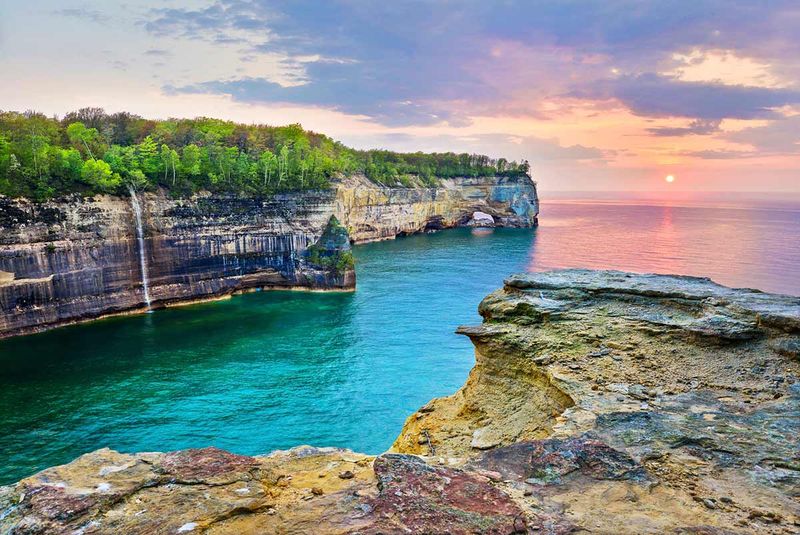
Standing at the edge of Lake Superior in spring, it is easy to forget you are looking at a lake. The horizon disappears into open water, waves crash against rocky cliffs with serious force, and the air carries that sharp, clean coldness that makes you feel alive.
Superior is so large that it contains about 10 percent of the world’s surface fresh water — a statistic that only makes sense once you see it in person.
Spring along the South Shore and Upper Peninsula of Michigan brings dramatic wave action and moody skies that photographers absolutely love. The Pictured Rocks National Lakeshore, with its multicolored sandstone cliffs, is one of the most visually striking places in the Midwest and best explored before summer kayak tours fill up weeks in advance.
Waterfalls fed by snowmelt cascade through the surrounding forests, many just a short hike from the shoreline.
Duluth, Minnesota serves as a vibrant gateway to the western end of the lake, with a lively restaurant scene, the famous Aerial Lift Bridge, and easy access to trails and scenic overlooks. Wildlife including black bears, wolves, and loons are more commonly spotted in spring.
The lake’s raw, untamed character in this season creates an experience that feels genuinely rare and hard to replicate elsewhere in the country.
Moosehead Lake — Maine
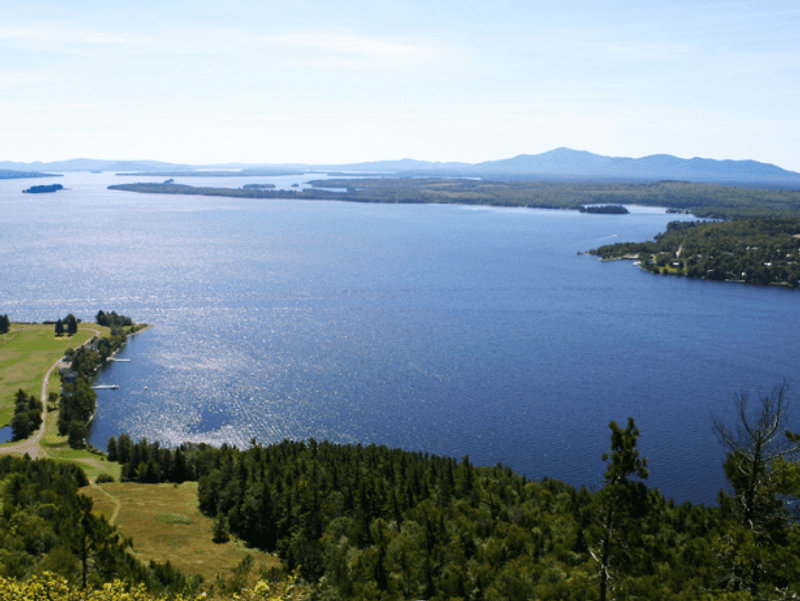
Moosehead Lake earns its name honestly. Spring here means moose — lots of them — emerging from the forest to feed along the boggy shoreline as the ice melts away.
Maine’s largest lake stretches nearly 40 miles long and sits in a remote stretch of the state that feels genuinely wild, far removed from the tourist circuits of coastal Maine. Getting here takes effort, but that is exactly the point.
The town of Greenville sits at the southern tip and serves as the main hub for outfitters, seaplane tours, and canoe rentals. Paddling the lake’s quieter bays in early morning, with mist still rising off the water and loons calling in the distance, is the kind of experience that resets your nervous system completely.
Spring fishing for landlocked salmon and brook trout is excellent, drawing anglers who know this lake’s reputation.
Hiking trails around the lake lead to rewarding summit views, with Mount Kineo — a dramatic cliff rising directly from the water — being the most iconic. A small ferry connects visitors to the Kineo peninsula during the warmer months.
Spring in this part of Maine is raw, quiet, and deeply satisfying in a way that polished tourist destinations rarely manage. Pack layers, bring bug spray, and prepare to be genuinely moved.
Lake Willoughby — Vermont
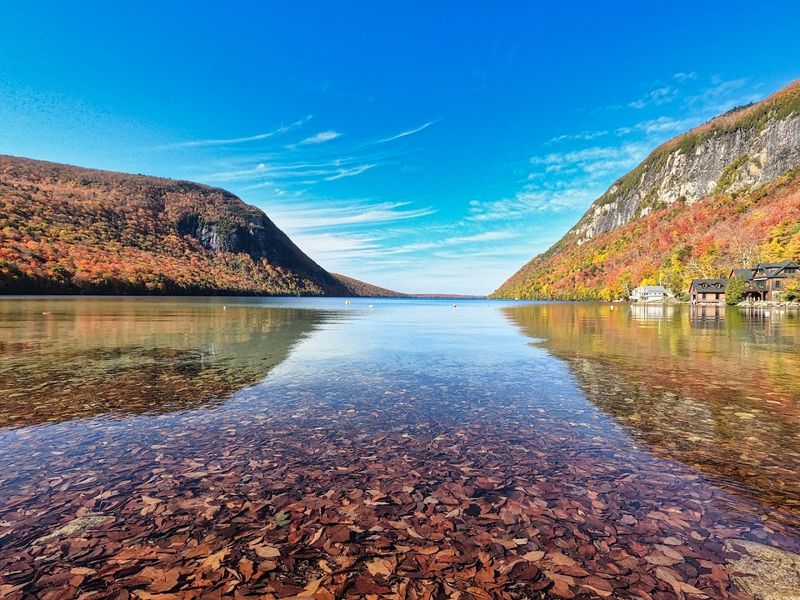
Wedged dramatically between two sheer cliffs — Mount Pisgah on one side and Mount Hor on the other — Lake Willoughby has been called the Lucerne of America, and the comparison is not exaggerated. This narrow, glacier-carved lake in Vermont’s Northeast Kingdom plunges to depths of over 300 feet, giving the water a deep, cold blue that looks extraordinary in spring light.
It is the kind of place that makes you stop the car and stare.
Spring snowmelt sends waterfalls tumbling down the cliffs on both sides of the lake, creating a visual spectacle that feels almost theatrical. Peregrine falcons nest on the rock faces above, and spotting them swooping along the cliffs is a genuine thrill.
The hiking trails up both Mount Pisgah and Mount Hor are manageable for most fitness levels and reward climbers with panoramic views of the lake below.
The Northeast Kingdom is one of Vermont’s least-visited regions, which means spring here is wonderfully uncrowded. A small beach area at the north end of the lake is a peaceful spot to sit and take in the surroundings.
Local maple sugarhouses are still active in early spring, so picking up fresh syrup on the way to or from the lake is practically mandatory. Willoughby is Vermont’s best-kept secret, and spring is its finest hour.
Table Rock Lake — Missouri/Arkansas
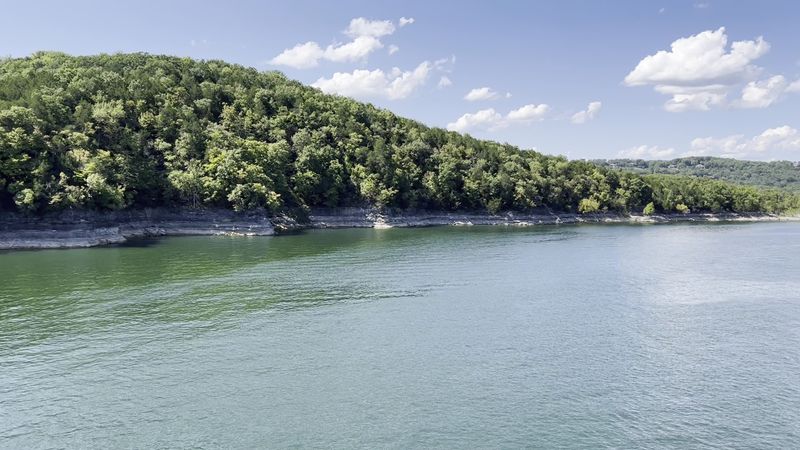
Dogwood trees blooming pink and white against the green Ozark hillsides make Table Rock Lake one of the most visually rewarding spring destinations in the Midwest. The lake was created by damming the White River in the late 1950s, and its irregular, cove-filled shoreline stretches over 800 miles — meaning you can almost always find a quiet spot away from everyone else.
That sense of spaciousness is one of Table Rock’s greatest strengths.
Branson, Missouri sits just a few miles north and adds an entertainment dimension to any visit, with live music venues, miniature golf, and family attractions that keep non-water-lovers happily occupied. But the lake itself is the real draw, offering excellent bass fishing, smooth water for wakeboarding, and calm coves perfect for swimming.
Houseboat rentals are popular and reasonably priced compared to more famous lake destinations.
Spring weather in the Ozarks tends to be mild and unpredictable — sunny mornings can give way to afternoon thunderstorms — so packing a light rain jacket is always smart. Hiking trails in the surrounding Mark Twain National Forest are lush and green in spring, with wildflowers lining the paths.
The overall vibe at Table Rock is relaxed and unhurried, the kind of place where a long afternoon on the water feels like the most productive thing you could possibly do.
Diablo Lake — Washington
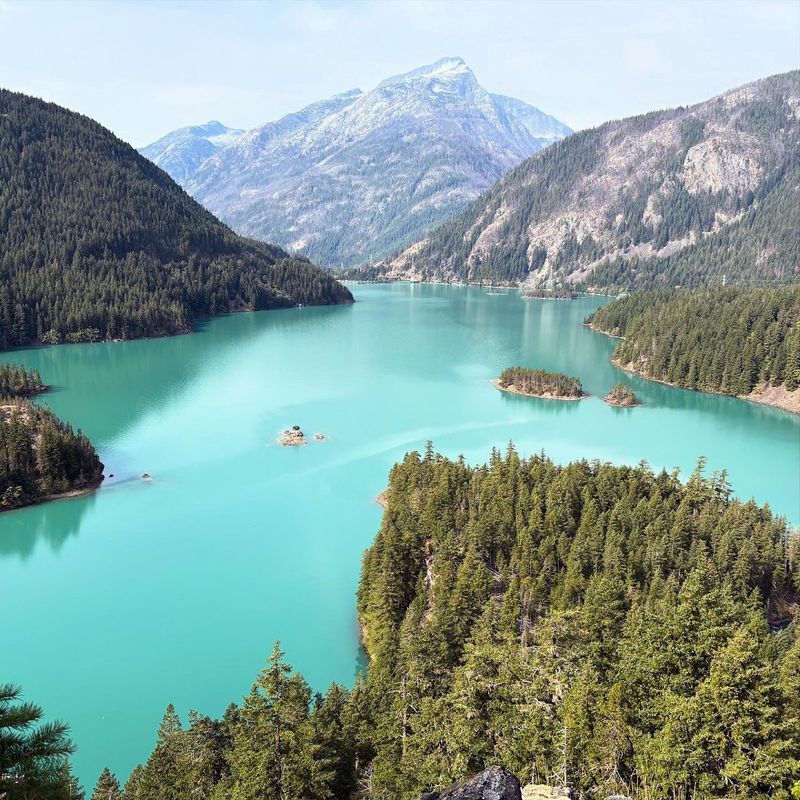
The color of Diablo Lake is not a filter or a trick of the camera — it is genuinely, almost unnervingly turquoise, and the reason is science. Glacial flour, ultrafine rock particles ground up by the surrounding glaciers of the North Cascades, flows into the lake and suspends in the water, scattering sunlight in a way that produces that electric blue-green hue.
Spring snowmelt sends a fresh surge of glacial water into the lake, making the color even more intense from May onward.
The North Cascades Highway, which passes directly alongside the lake, is one of the most scenic drives in the entire country and reopens each spring after winter closure — sometimes as late as April depending on snowpack. Pulling off at the Diablo Lake Overlook is a mandatory stop, offering a bird’s-eye view of the water framed by jagged white peaks.
The sight genuinely stops people in their tracks.
Hiking trails in the area range from easy lakeshore walks to more demanding ridge climbs with panoramic Cascade views. Kayaking on the lake is possible with a permit and offers an up-close look at the water’s remarkable color from the surface.
The area is remote and services are limited, so bringing your own food and supplies is essential. Diablo Lake rewards preparation with some of the most extraordinary scenery in the Pacific Northwest.
Lake Cumberland — Kentucky
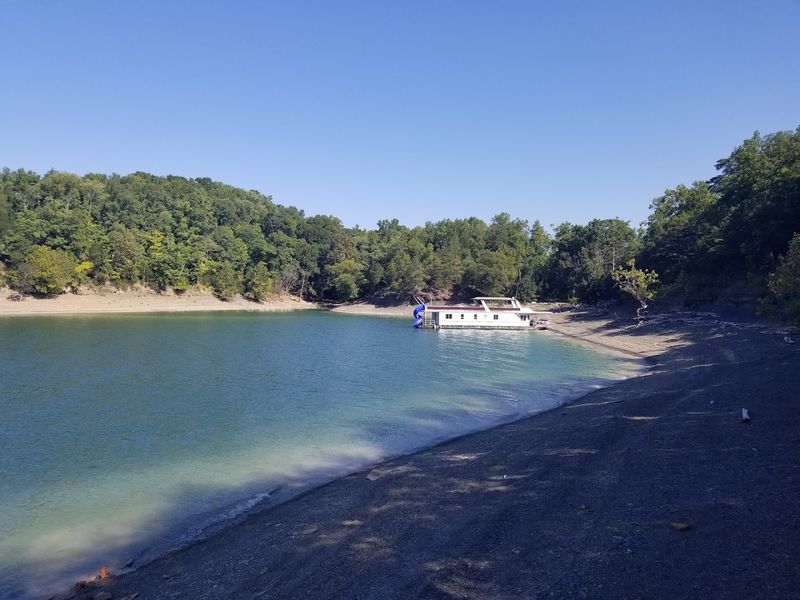
Kentucky’s Lake Cumberland has a shoreline longer than the entire coast of Florida — a fact that surprises most people the first time they hear it. This massive reservoir in the southern part of the state stretches over 1,200 miles of shoreline, creating countless coves, inlets, and quiet backwaters that feel like private discoveries.
Spring is when the lake shakes off winter and gets back to business in the best possible way.
Houseboating is practically a Lake Cumberland religion. Locals and visitors alike rent floating homes equipped with kitchens, decks, and water slides, spending long spring weekends drifting between coves with no agenda whatsoever.
Rentals are more affordable in spring than peak summer, and the water is calm enough to make the experience genuinely luxurious. Fishing for striped bass and walleye is excellent throughout April and May.
The surrounding hills are lush and green in spring, with redbuds and dogwoods adding splashes of color along the water’s edge. Wolf Creek Dam, one of the largest earthen dams in the country, is an interesting stop for those curious about the lake’s engineering history.
State Resort Parks around the lake offer lodge accommodations, marinas, and hiking trails for visitors who prefer land-based comfort. Lake Cumberland is proudly unhyped — and that is precisely what makes it so good.
Caddo Lake — Texas/Louisiana
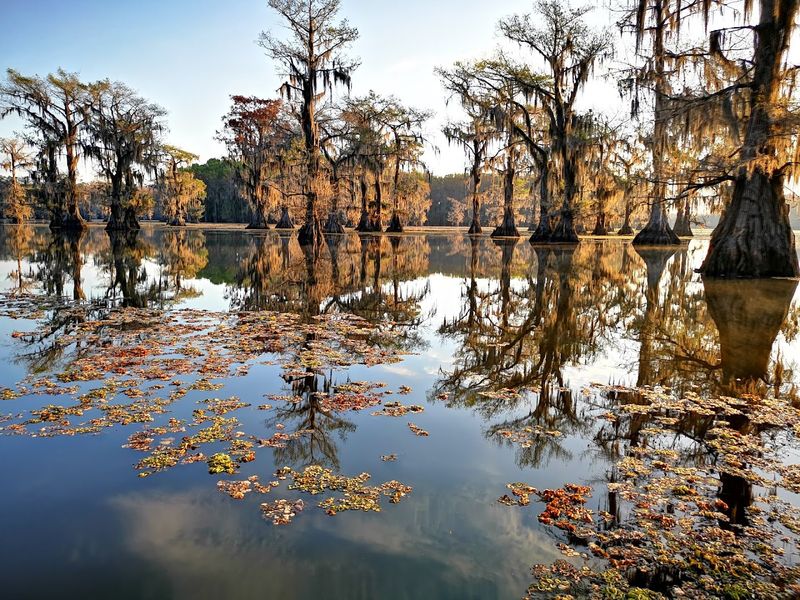
Caddo Lake does not look like any other lake on this list — and that is entirely the point. Ancient bald cypress trees rise from the murky water in every direction, their gnarled roots gripping the lakebed while Spanish moss drapes from their branches like curtains.
The whole place has an atmospheric, slightly eerie quality that makes it feel like a setting from a Southern gothic novel. In spring, it transforms into something genuinely magical.
Emerald green growth explodes across the lake in April and May as the cypress trees leaf out and water hyacinths bloom in vivid purple. Paddling a canoe through the narrow channels between the trees — called sloughs — feels like navigating a living maze.
Great blue herons, wood ducks, and alligators share the water with kayakers, making wildlife encounters a near certainty on any given morning.
Caddo is the only natural lake in Texas and holds significant cultural importance to the Caddo Nation, whose ancestors called this area home for centuries. The small town of Uncertain, Texas — yes, that is actually the town’s name — sits on the western shore and offers boat rentals and a handful of local eateries with serious charm.
Fishing for largemouth bass is world-class here in spring. Caddo Lake rewards those willing to embrace something beautifully unfamiliar.



