Some surnames carry centuries of history, power, and tradition behind them. The family names of royal dynasties tell stories of wars, alliances, and empires that shaped the world we live in today.
From the rolling hills of Wales to the grand palaces of Russia, these surnames have left marks on history that are hard to ignore. Here is a look at 15 surnames that have deep and fascinating royal connections.
1. Windsor
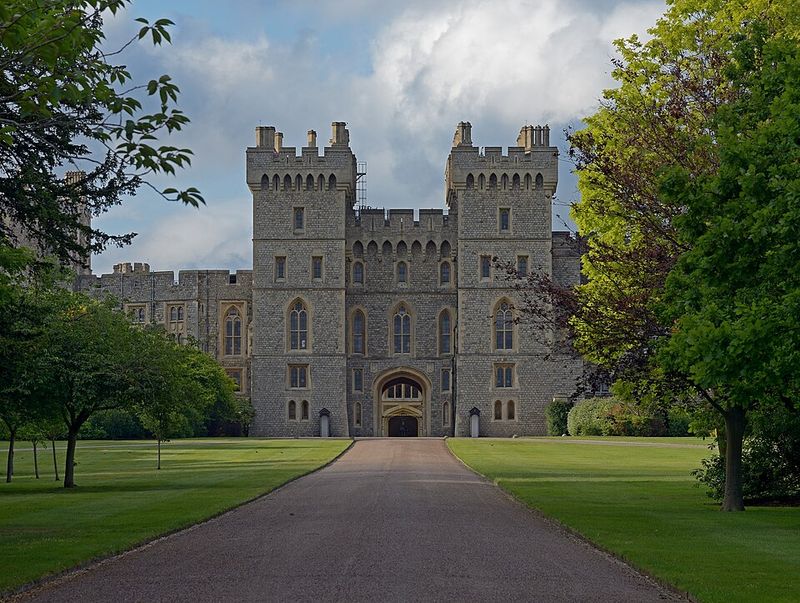
Few surnames in the world carry as much modern recognition as Windsor. It became the official name of Britain’s royal family in 1917, when King George V made a deliberate decision to distance the monarchy from its German roots during World War I.
The original family name, Saxe-Coburg and Gotha, sounded far too German for a nation at war.
The name Windsor was chosen partly because of Windsor Castle, one of the oldest and most iconic royal residences in England. That single decision reshaped how the public connected with the monarchy.
Today, King Charles III and his family continue to carry the Windsor name with pride.
The House of Windsor has navigated two world wars, dramatic social change, and the rise of modern media. It remains one of the most recognized royal surnames on the planet.
2. Tudor
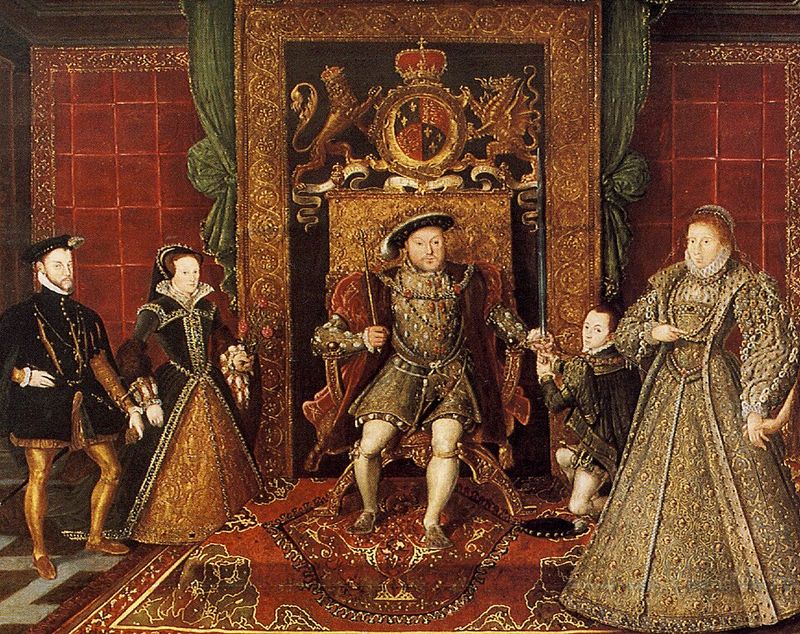
Bold, ambitious, and often ruthless, the Tudors redefined what it meant to rule England. The dynasty began in 1485 when Henry VII defeated Richard III at the Battle of Bosworth Field, ending the Wars of the Roses and starting a new era in English history.
The surname itself has Welsh roots, tracing back to Owain Tudor.
Henry VIII, perhaps the most famous Tudor of all, is remembered for his six marriages and his dramatic break from the Roman Catholic Church. His daughter Elizabeth I later brought a golden age of exploration and culture to England.
The Tudor period lasted 118 years but left an impression that lasted forever.
Art, literature, and architecture all flourished under Tudor rule. Even today, the name Tudor is instantly associated with power, drama, and one of the most colorful chapters in British royal history.
3. Stuart
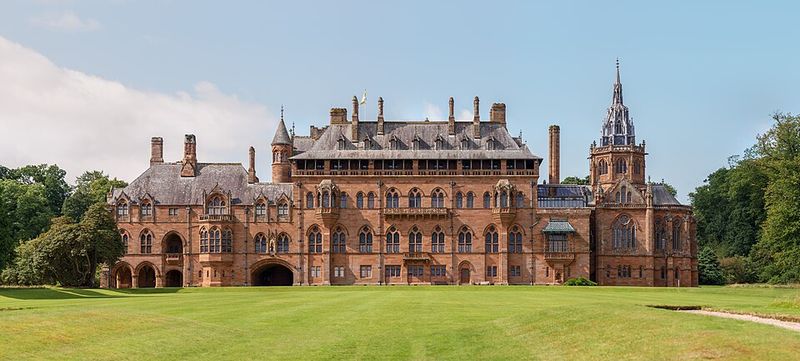
Scotland’s royal house of Stuart has one of the most dramatic stories in European history. The family ruled Scotland from 1371, and when Queen Elizabeth I of England died without an heir in 1603, King James VI of Scotland inherited the English throne, uniting two kingdoms under one crown.
The Stuart name is linked to some of history’s most turbulent moments, including the English Civil War, the execution of King Charles I, and the Glorious Revolution of 1688. Mary Queen of Scots, one of the most romanticized figures in royal history, was also a Stuart.
Her life ended on the executioner’s block, ordered by her own cousin, Elizabeth I.
Despite the turbulence, the Stuarts shaped modern ideas about the relationship between monarchs and parliaments. Their legacy continues to influence British constitutional history in meaningful ways.
4. Plantagenet
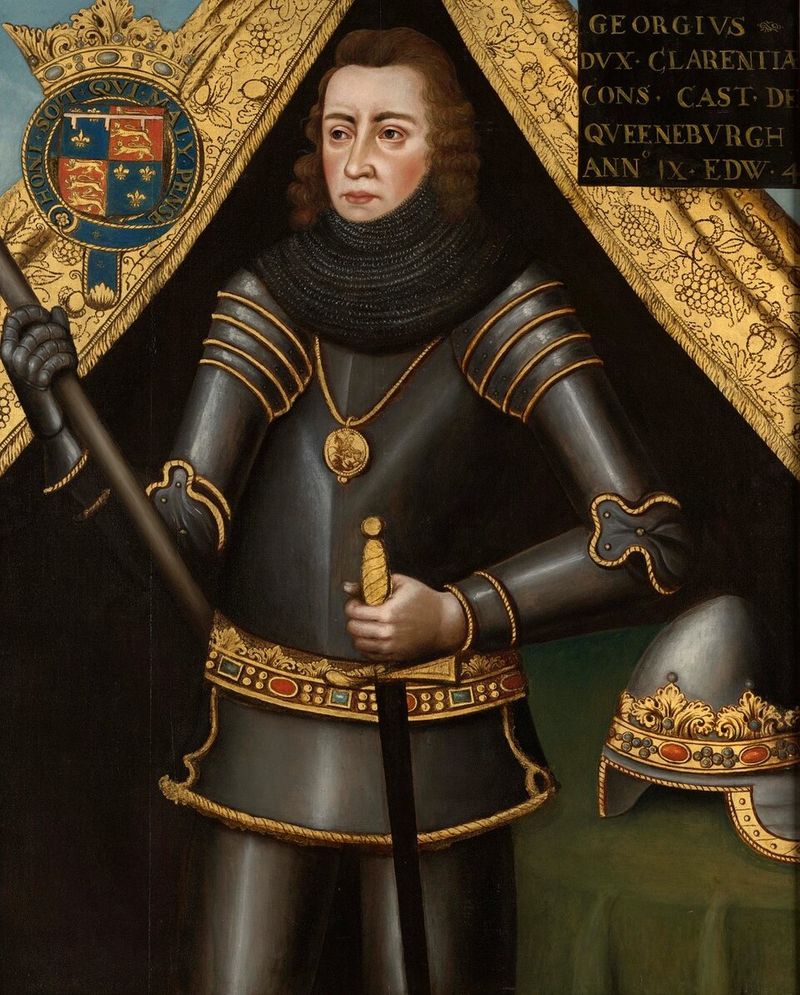
The Plantagenets ruled England for over 300 years, making them one of the longest-reigning dynasties in the country’s history. Their rule began in 1154 with King Henry II and ended in 1485 with the defeat of Richard III.
During that time, they produced some of England’s most legendary monarchs.
Richard I, known as Richard the Lionheart, led crusades to the Holy Land and became one of the most celebrated warrior kings in medieval Europe. Edward III transformed England into a formidable military power and sparked the Hundred Years War with France.
The name Plantagenet actually comes from the Latin for a common broom plant, which the family used as a symbol.
Their reign saw the signing of the Magna Carta in 1215, a document that laid early foundations for modern democratic rights. Few dynasties have left such a lasting mark on law and governance.
5. York
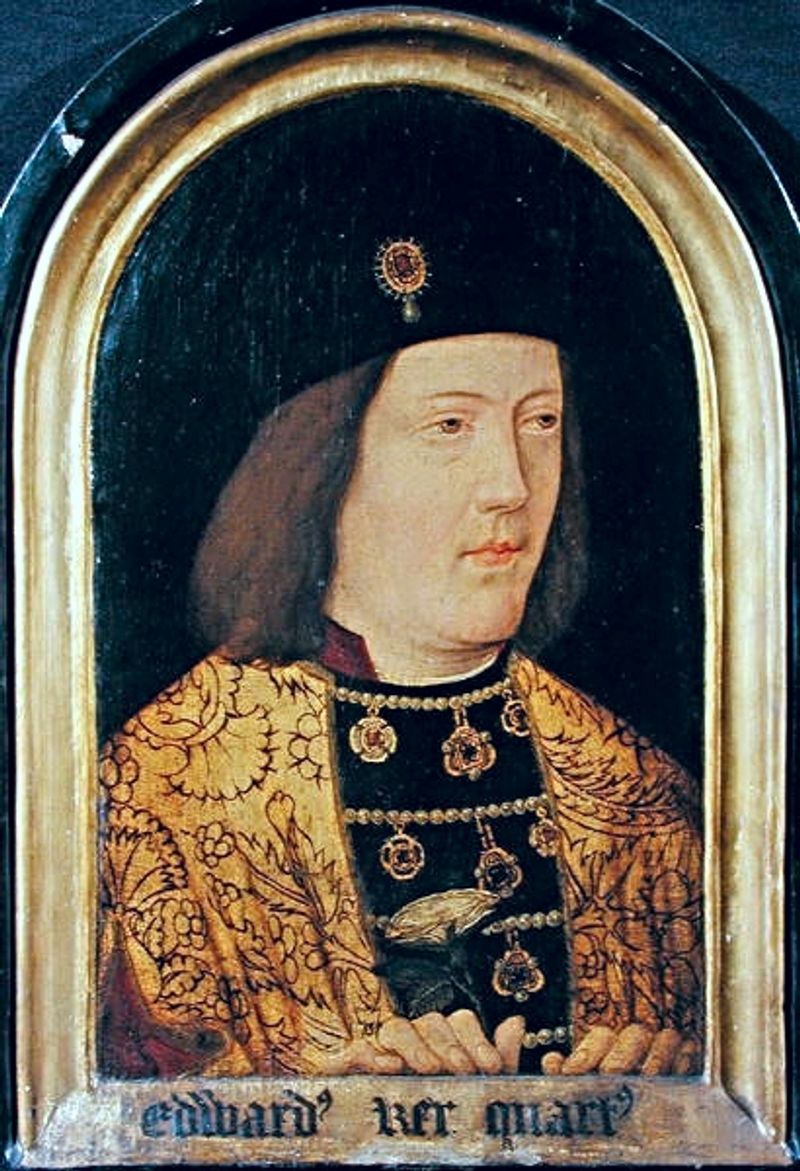
The House of York was one of the most powerful branches of the Plantagenet family tree, and their rivalry with the House of Lancaster gave history one of its most gripping conflicts. The Wars of the Roses, fought between 1455 and 1487, pitted the white rose of York against the red rose of Lancaster in a brutal struggle for the English throne.
Edward IV was the first Yorkist king, known for his commanding presence and political shrewdness. His brother Richard III became one of history’s most controversial monarchs, immortalized by Shakespeare as a scheming villain, though historians continue to debate his true character.
Richard’s defeat at Bosworth Field ended both his reign and the Yorkist dynasty.
Today, the Duke of York remains a title in the British royal family. The city of York in northern England still proudly reflects this royal heritage through its medieval walls and history.
6. Lancaster
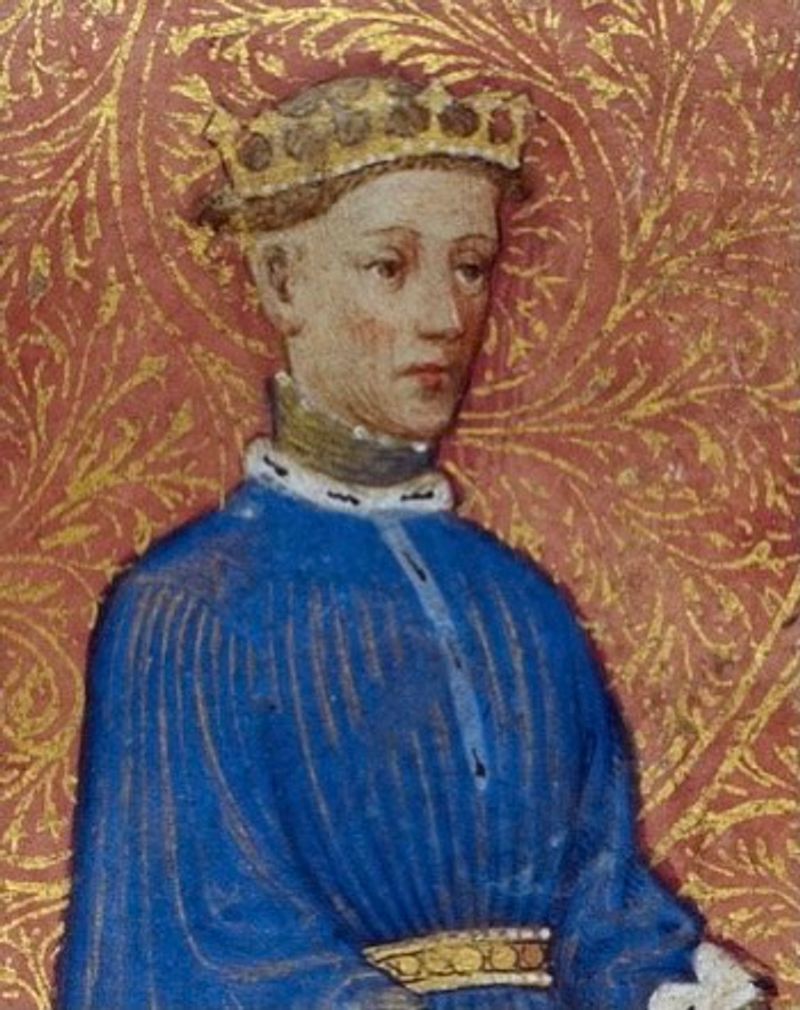
Red roses and royal ambition go hand in hand when it comes to the House of Lancaster. As a branch of the Plantagenet family, the Lancasters produced three English kings: Henry IV, Henry V, and Henry VI.
Henry V is perhaps the most celebrated, winning the famous Battle of Agincourt in 1415 against a much larger French army.
That stunning victory was immortalized by Shakespeare in his play Henry V, making the Lancaster name synonymous with English pride and military courage. Henry VI, however, struggled with mental illness and weak leadership, which eventually allowed the Yorkists to seize power.
The rivalry between Lancaster and York defined a generation of English politics.
When Henry Tudor, with Lancastrian roots, won the Battle of Bosworth in 1485, it effectively ended the conflict. The Duchy of Lancaster still exists today and provides income to the British monarch.
7. Habsburg
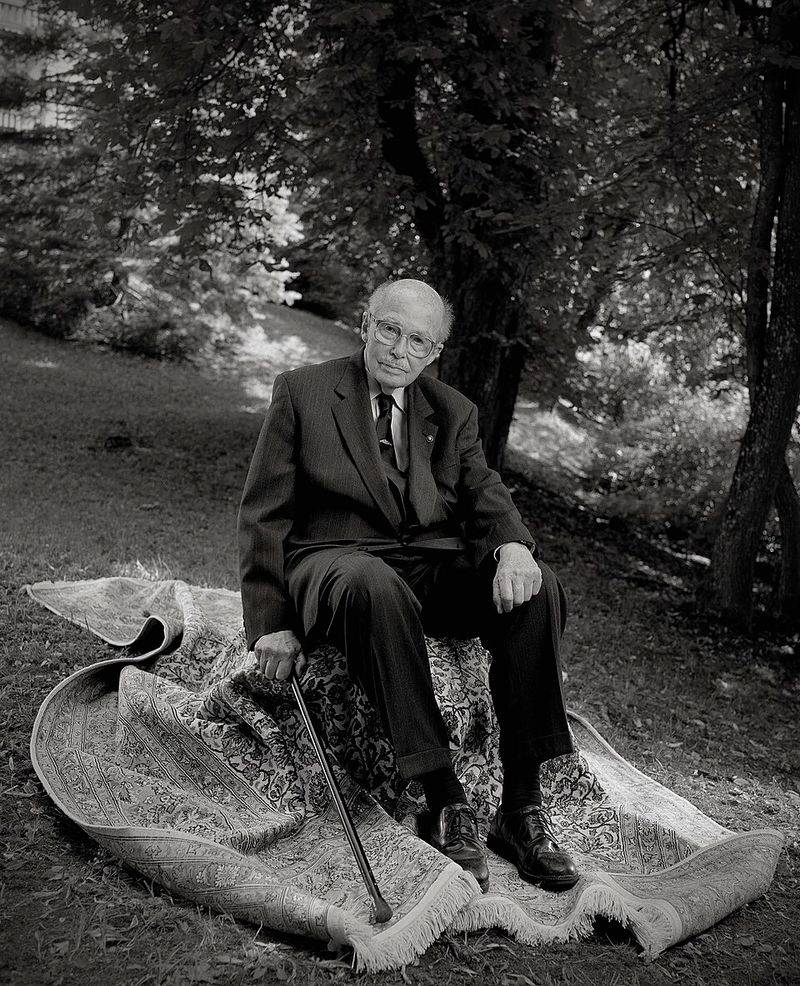
At the height of their power, the Habsburgs controlled more of Europe than almost any other royal family in history. They ruled Austria, Spain, Hungary, Bohemia, and the Holy Roman Empire, and their influence stretched from the Americas to the Philippines.
The phrase often used to describe their empire was that the sun never set on it.
Their rise to dominance came largely through strategic marriages rather than military conquest alone. A famous Latin phrase associated with the family translates roughly as: let others wage war, you happy Austria, marry.
Charles V, who ruled in the 16th century, held more titles than almost any monarch before or after him.
The Habsburg jaw, a prominent lower jaw caused by centuries of intermarriage, became one of history’s most recognizable genetic traits. The dynasty officially ended after World War I, but their cultural footprint remains deeply visible across Central Europe.
8. Bourbon
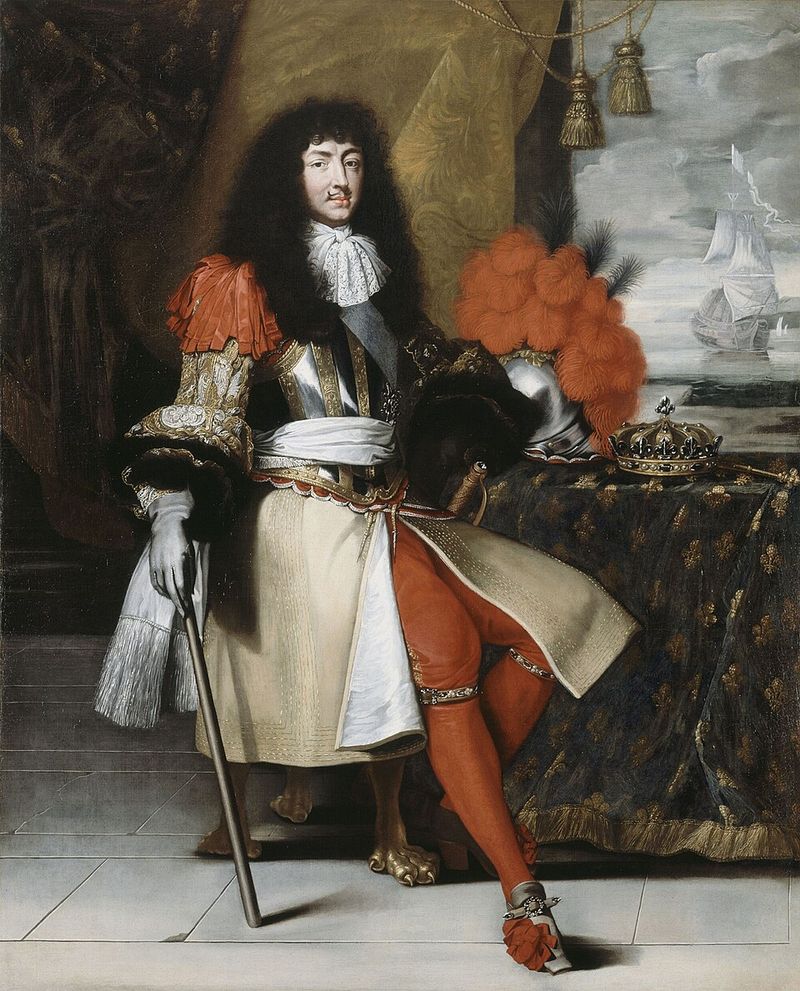
Versailles, powdered wigs, and absolute monarchy all come to mind when the name Bourbon appears. This French royal dynasty produced some of the most extravagant rulers in European history, including Louis XIV, known as the Sun King, who famously declared himself the state itself.
The Bourbons ruled France for over two centuries before the French Revolution swept them from power in 1792.
But the story did not end there. The Bourbon name survived and branched out across Europe.
They ruled Spain, Naples, and parts of Italy at various points in history. Today, King Felipe VI of Spain is a Bourbon, keeping the dynasty alive and relevant in the 21st century.
The name Bourbon is also associated with American whiskey, named after Bourbon County in Kentucky, which itself was named in honor of the French royal family. Few surnames have managed to span both palaces and distilleries quite so effectively.
9. Romanov
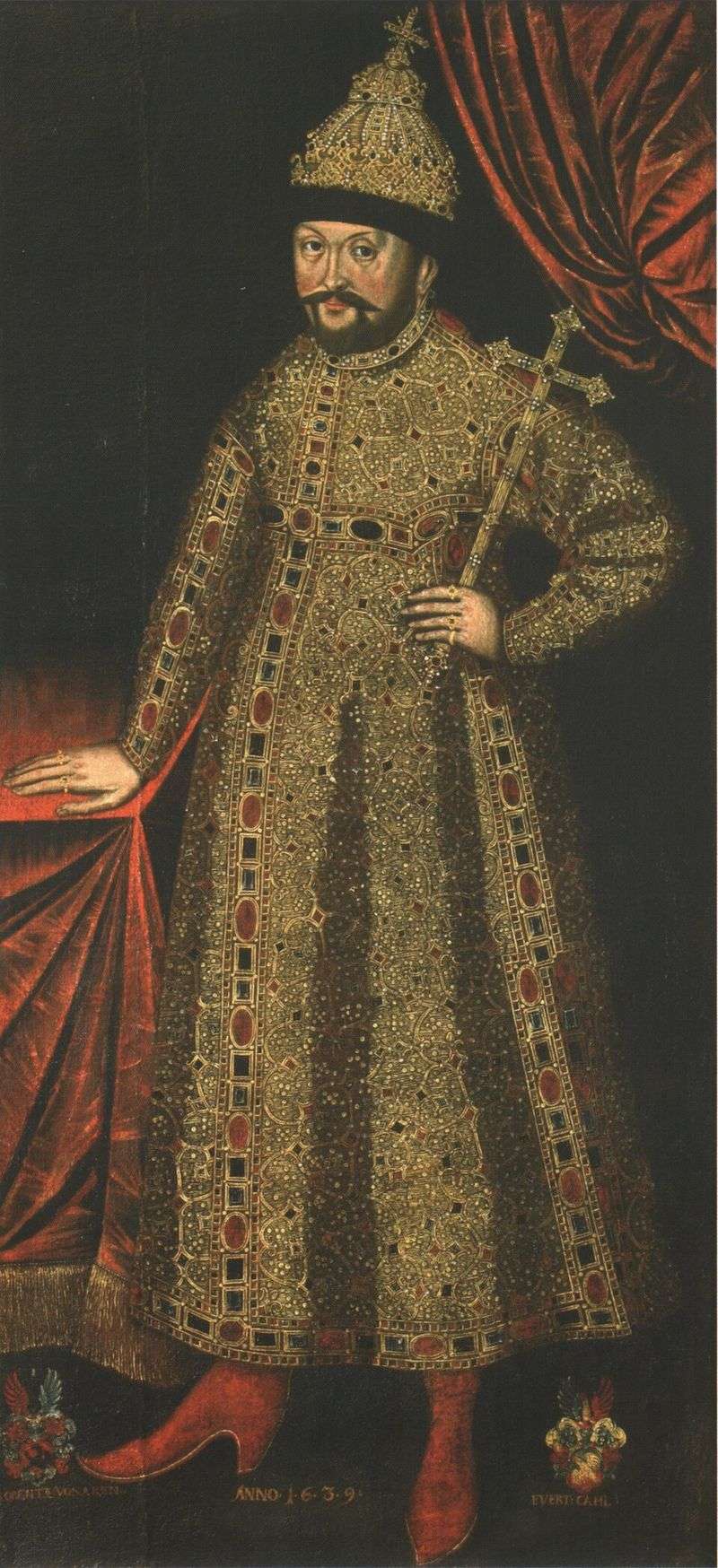
Russia’s last imperial family carries one of history’s most haunting surnames. The Romanovs ruled Russia from 1613, beginning with Tsar Michael I, and built one of the largest empires the world had ever seen.
At its peak, the Russian Empire stretched across 11 time zones and covered one-sixth of Earth’s land surface.
Tsar Nicholas II, the final Romanov ruler, was known for being deeply devoted to his family but poorly suited for the demands of modern leadership. The Russian Revolution of 1917 forced him to abdicate, and in 1918, he and his entire family were executed by Bolshevik forces in Yekaterinburg.
The tragedy captured the world’s attention and has never been forgotten.
DNA testing in the 1990s and 2000s finally confirmed the identities of the remains found decades later. The Romanov story remains one of the most studied and emotionally resonant chapters in royal history.
10. Grimaldi
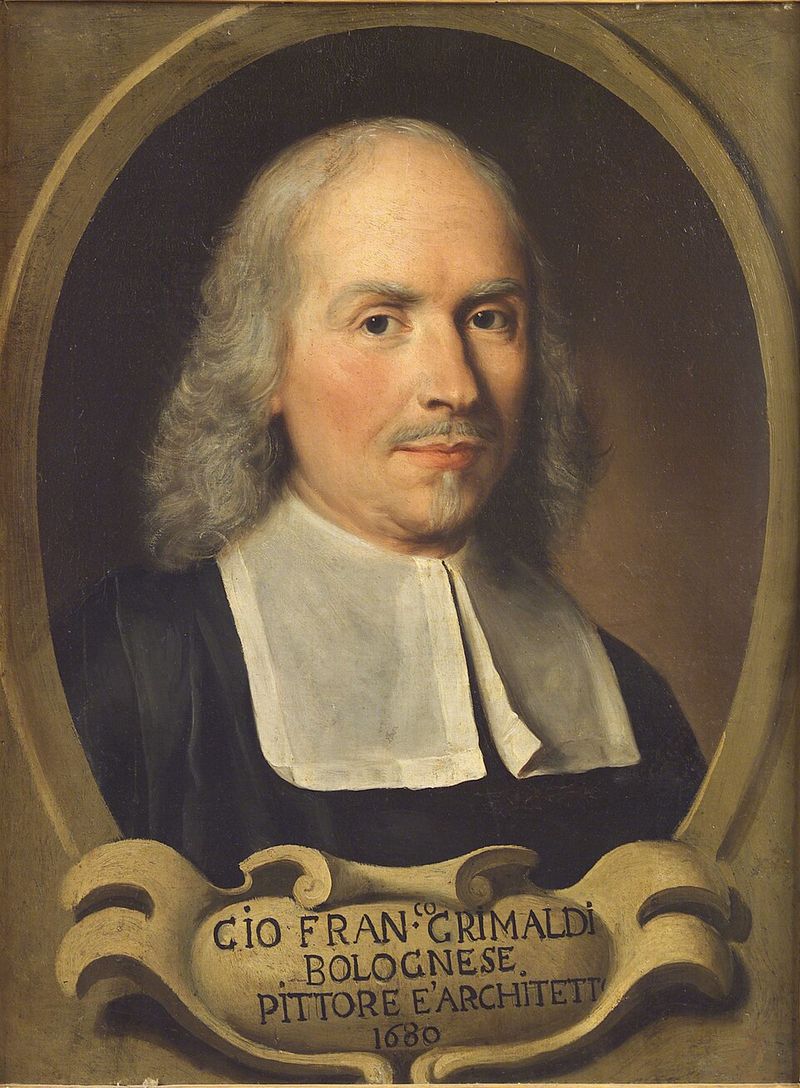
Perched on a rocky cliff overlooking the Mediterranean Sea, Monaco is one of the smallest countries in the world, and its ruling family has held power there since the 13th century. The Grimaldis are the oldest ruling dynasty in Europe, a fact that makes their tiny principality one of history’s most remarkable stories of continuity.
The family first seized Monaco in 1297 when Francois Grimaldi reportedly disguised himself as a monk to enter and capture the fortress. That legendary moment is even depicted on the Grimaldi coat of arms.
Centuries later, Prince Rainier III brought global attention to Monaco when he married Hollywood actress Grace Kelly in 1956, creating one of the most glamorous royal unions of the 20th century.
Today, Prince Albert II continues the Grimaldi legacy. Monaco remains a symbol of elegance, wealth, and a royal tradition that has outlasted empires many times its size.
11. Bernadotte
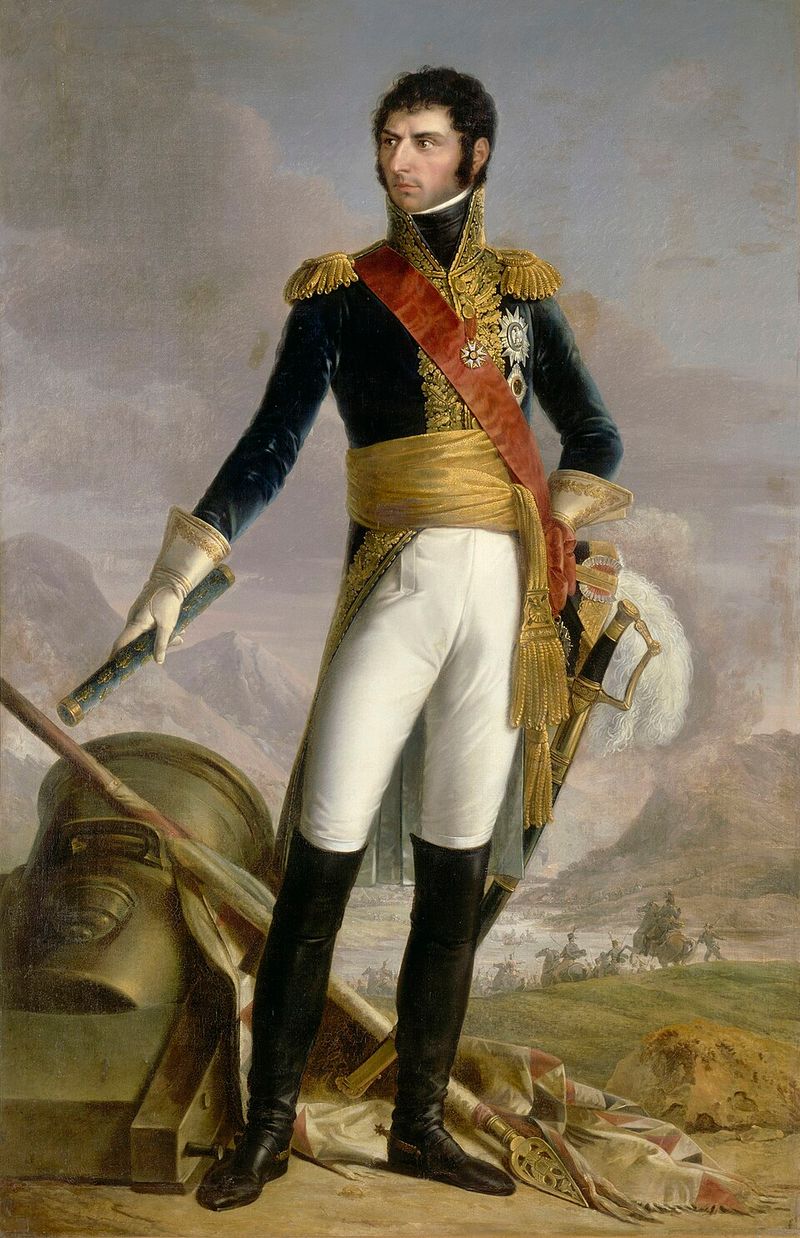
Not many royal dynasties begin with a soldier of fortune, but Sweden’s House of Bernadotte is genuinely one of a kind. Jean-Baptiste Bernadotte was a French military marshal who served under Napoleon Bonaparte.
In 1810, the Swedish parliament, desperate for a capable leader, elected him as heir to the Swedish throne. He adopted the name Charles John and converted to Lutheranism to take the role.
He became King Charles XIV John in 1818 and founded a dynasty that still rules Sweden today. What makes this story so unusual is that Bernadotte had no royal blood at all.
He rose from a modest background in southern France to become king of a Scandinavian nation through sheer talent and political timing.
King Carl XVI Gustaf, Sweden’s current monarch, is a direct descendant of that remarkable French soldier. The Bernadotte name stands as proof that royal history can take the most unexpected turns.
12. Orange-Nassau
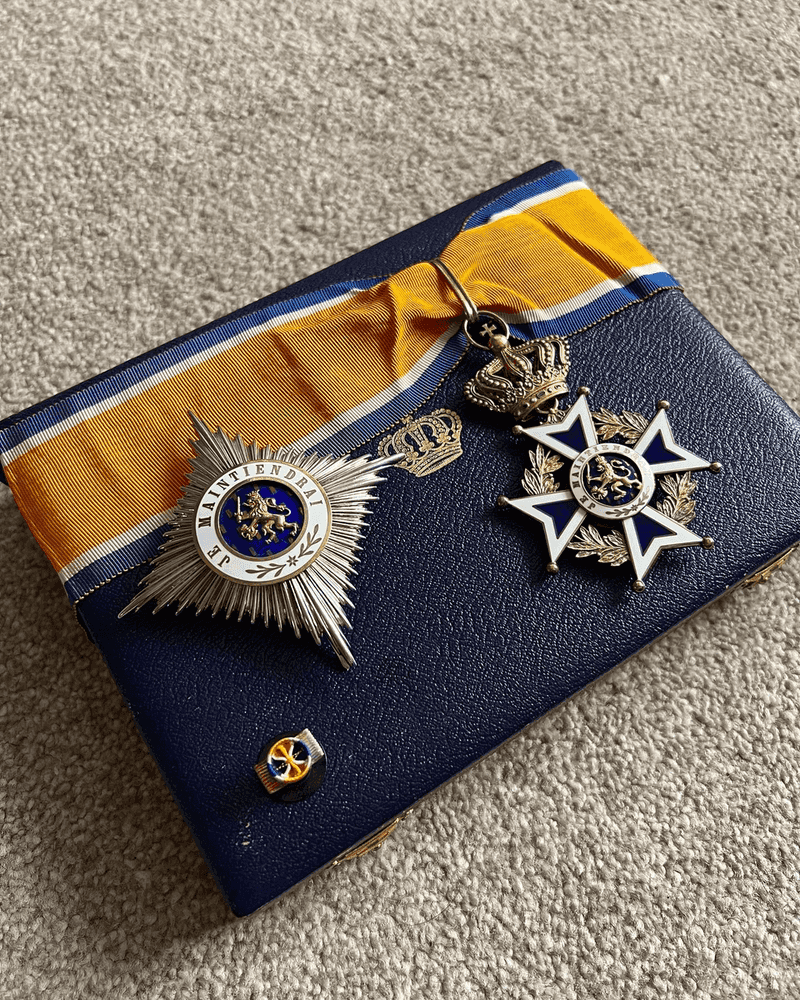
The House of Orange-Nassau is woven into the very fabric of Dutch national identity. William the Silent, Prince of Orange, led the Dutch revolt against Spanish rule in the 16th century and became the founding father of the Netherlands as an independent nation.
His courage under pressure earned him a permanent place in Dutch hearts and history books.
The color orange, worn by Dutch sports fans worldwide, is a direct tribute to this royal house. The family name combines two distinct noble lines: the French principality of Orange and the German House of Nassau.
Their union created one of Europe’s most enduring royal brands.
King Willem-Alexander, who became the Netherlands’ first male monarch in over a century when he took the throne in 2013, continues this proud tradition. The orange jersey worn by Dutch athletes is not just a sports color.
It is a living symbol of centuries of royal heritage.
13. Oldenburg
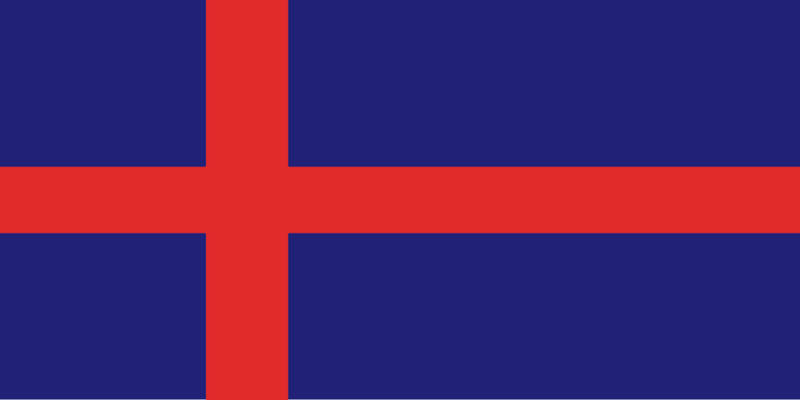
The House of Oldenburg is one of Europe’s quieter giants, a dynasty that has shaped multiple nations without always getting the attention it deserves. Originally from the Oldenburg region of northern Germany, this royal house spread its branches across the continent in ways that few other families managed.
At various points, Oldenburg rulers sat on the thrones of Denmark, Norway, Sweden, Russia, and Greece.
Denmark’s current royal family, including Queen Margrethe II, who abdicated in 2024, belongs to a branch of this dynasty. The Greek royal family, before the monarchy was abolished, was also part of the Oldenburg line.
Russia’s Romanovs were technically a branch of Oldenburg as well, through marriage and succession.
Despite never ruling a superpower directly under their own name, the Oldenburgs quietly became one of the most influential dynasties in European history. Their story is a masterclass in royal diplomacy and strategic marriage alliances.
14. Savoy
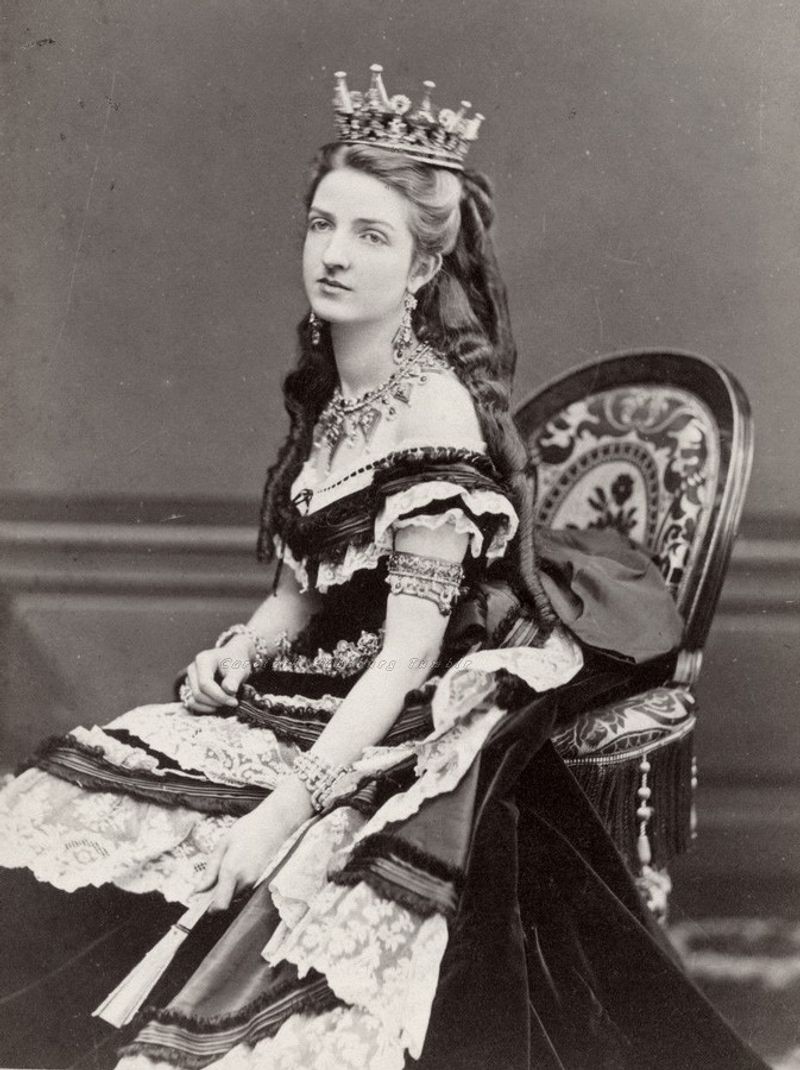
Italy as a unified nation is a relatively recent creation, and the House of Savoy played a central role in making it happen. Originally rulers of a small alpine territory straddling what is now France and Switzerland, the Savoys gradually expanded their power over centuries.
By the 19th century, they were positioned to lead the movement that would unite dozens of separate Italian states into one kingdom.
Victor Emmanuel II became the first king of unified Italy in 1861, with statesman Camillo di Cavour and military hero Giuseppe Garibaldi helping to make unification a reality. The Savoy dynasty ruled Italy through two world wars, though their reputation suffered due to associations with Mussolini’s fascist government during World War II.
In 1946, Italians voted in a referendum to abolish the monarchy, and the Savoys went into exile. Their legacy remains complicated but undeniably significant in shaping the modern Italian state.
15. Luxembourg
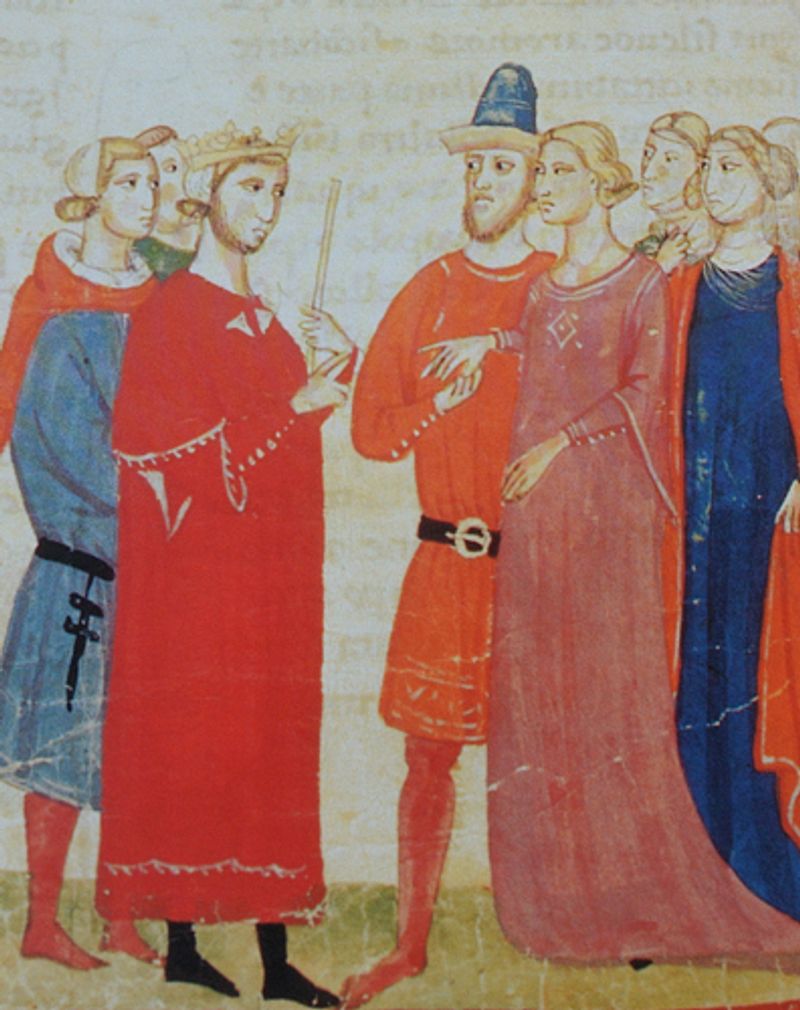
Luxembourg might be small, but its royal name carries enormous historical weight. During the Middle Ages, the House of Luxembourg produced four Holy Roman Emperors, including Charles IV, who issued the Golden Bull of 1356, a document that essentially served as a constitution for the Holy Roman Empire.
That kind of political influence far exceeded what the family’s modest territory might suggest.
The dynasty faded from major European power politics over the centuries, but the name survived. Today, the Grand Duchy of Luxembourg is ruled by Grand Duke Henri, making it one of only three remaining grand duchies in the world.
Luxembourg is also one of the wealthiest nations on Earth, known for its financial sector and European Union institutions.
From medieval emperors to a modern grand duke, the Luxembourg name has traveled a remarkable distance through time. It is a reminder that royal legacies can adapt and endure across very different eras.
Share this story