 Unearth The Voyage
Some places on Earth are so extreme, so dangerous, or so secretive that almost no one ever gets to visit them. Whether it’s deadly wildlife, radioactive fallout, crushing ocean pressure, or tribes that want nothing to do with us, these spots are off-limits for very good reasons.
From fiery craters in the desert to frozen wastelands at the bottom of the world, the planet has some seriously wild corners. Get ready to explore 15 of the most terrifying places humans rarely set foot in.
North Sentinel Island, India
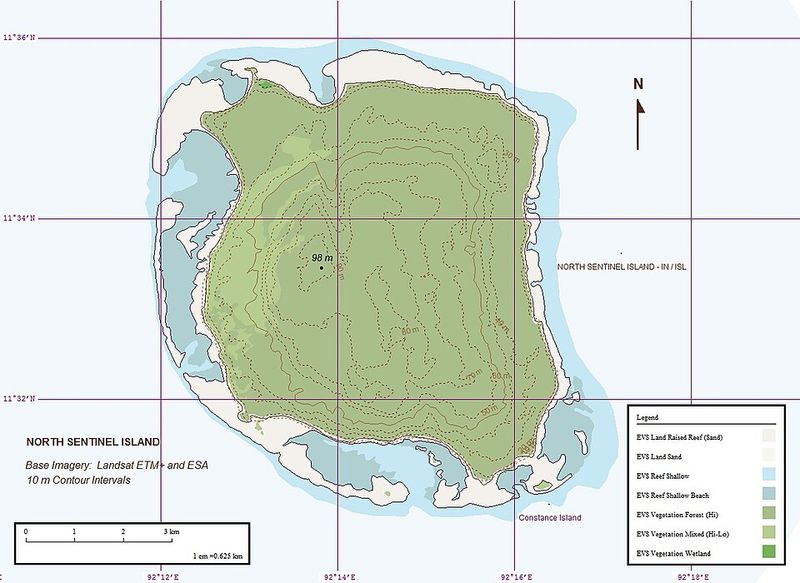
You could be watching paradise from a boat and still be in serious danger — that is North Sentinel Island in a nutshell. Nestled in the Bay of Bengal, this lush, forested island looks like a postcard.
But the moment you get close, arrows start flying.
The Sentinelese have lived here for an estimated 60,000 years without outside contact. That is not a typo.
They have rejected every attempt at communication, sometimes violently, and honestly, you can’t blame them. The outside world hasn’t exactly been kind to isolated peoples throughout history.
India’s government enforces a strict exclusion zone around the island, making it illegal to approach within five nautical miles. The law exists to protect both visitors and the tribe.
In 2018, an American missionary illegally landed on the island and was killed. The Sentinelese have no immunity to common diseases, so even a handshake could trigger a catastrophic outbreak for them.
This island is one of the last places where modern civilization simply has no reach, and that is both humbling and a little terrifying.
Snake Island (Ilha da Queimada Grande), Brazil
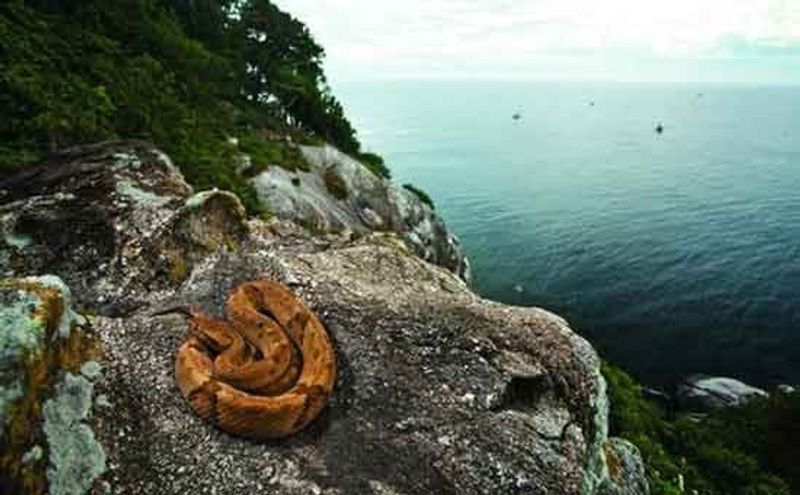
Forget haunted houses — Snake Island is the real nightmare fuel. Located about 90 miles off the coast of São Paulo, Ilha da Queimada Grande is home to the golden lancehead viper, one of the most venomous snakes on the planet.
Its venom can melt human flesh. Sleep tight.
The Brazilian Navy banned public access to the island decades ago, and for excellent reasons. Estimates suggest anywhere from 2,000 to 4,000 snakes live on this 110-acre island.
Some researchers claim densities reach one snake per square meter in certain areas, though others debate the exact numbers.
How did so many snakes end up there? When sea levels rose thousands of years ago, the island separated from the mainland, trapping a population of snakes with no predators.
Over time, they evolved into super-venomous killing machines. The only humans allowed on the island today are occasional Brazilian Navy personnel and scientists with special permits.
Even the lighthouse that once operated there was eventually automated after a keeper and his family were reportedly killed by snakes slithering through the windows. Yikes.
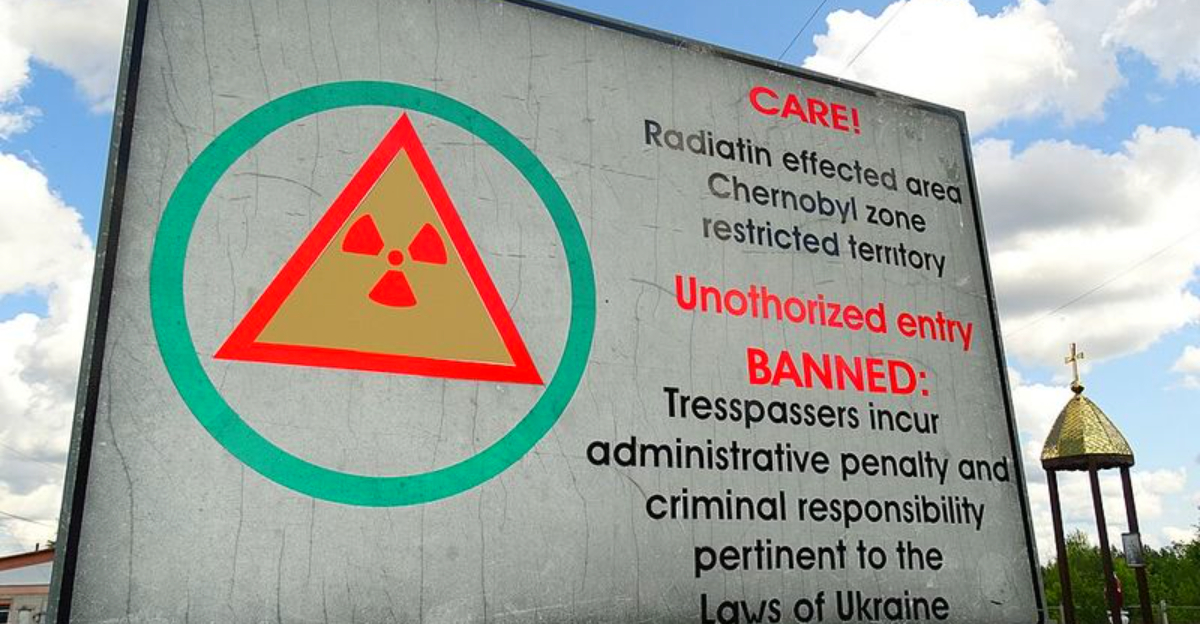
Chernobyl Exclusion Zone, Ukraine
Walking through Pripyat feels like stepping into a world that got paused mid-sentence. Toys still sit on classroom floors.
A rusted Ferris wheel stands frozen in the amusement park that never opened. The 1986 nuclear disaster at Chernobyl forced nearly 350,000 people to flee overnight, leaving behind everything they owned.
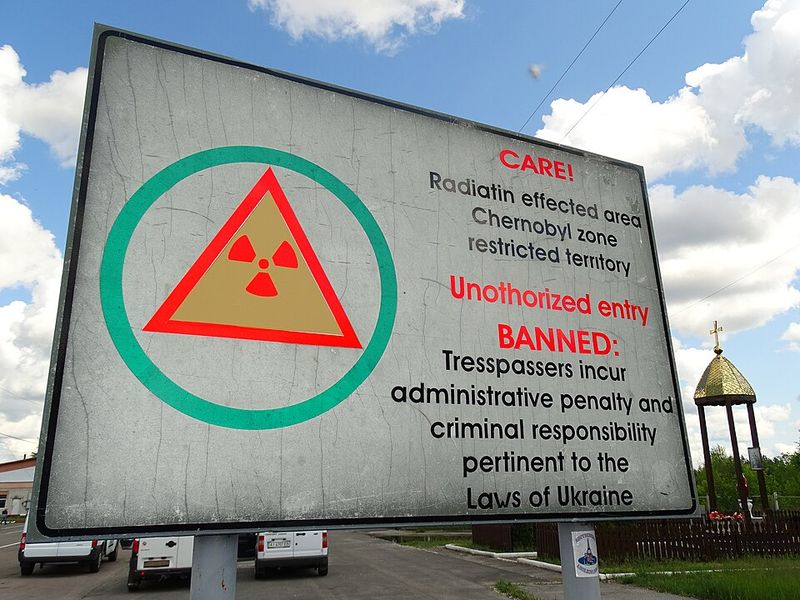
The Chernobyl Exclusion Zone covers roughly 2,600 square kilometers of northern Ukraine. While limited tours do operate in safer sections, vast stretches of the zone remain dangerously radioactive.
Certain hotspots still register radiation levels high enough to be harmful after just a few hours of exposure.
Strangely, wildlife has made a massive comeback. Wolves, bears, lynx, and wild horses now roam freely through abandoned streets and forests.
Nature, it turns out, handles radiation better than humans do — at least over time. Scientists continue studying the area to understand long-term effects of nuclear contamination.
For most people, though, the exclusion zone is a haunting reminder of what happens when technology goes catastrophically wrong. The invisible danger is what makes it truly chilling — you cannot see, smell, or taste what might be harming you.
Area 51, USA
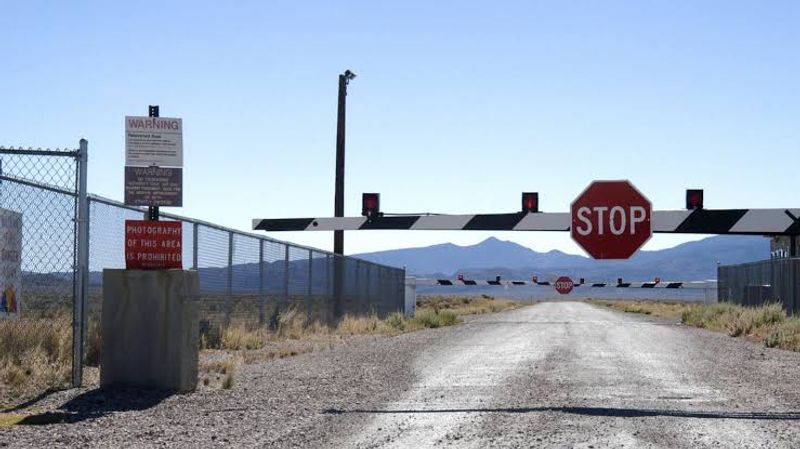
Somewhere in the Nevada desert, behind layers of security cameras, motion sensors, armed guards, and unmarked warning signs, sits one of the most talked-about military bases on Earth. Area 51 has inspired more conspiracy theories than possibly any other location on the planet.
The base officially exists — the CIA acknowledged it in 2013 — but what goes on inside remains classified. Over the decades, Area 51 has been linked to UFO sightings, alien autopsies, and secret aircraft programs.
The more grounded reality is that the site was used to develop top-secret aircraft like the U-2 spy plane and the SR-71 Blackbird. Still, the government’s tight-lipped approach kept imaginations running wild for generations.
Getting anywhere near the perimeter is a seriously bad idea. Armed guards patrol the surrounding desert, and signs clearly warn that deadly force is authorized.
In 2019, a viral joke about storming Area 51 attracted over a million online sign-ups, but only a few hundred people actually showed up near the gates — and none got inside. The real danger is not aliens; it is the very human consequences of crossing a restricted military boundary.
Curiosity has limits here.
The Door to Hell, Turkmenistan
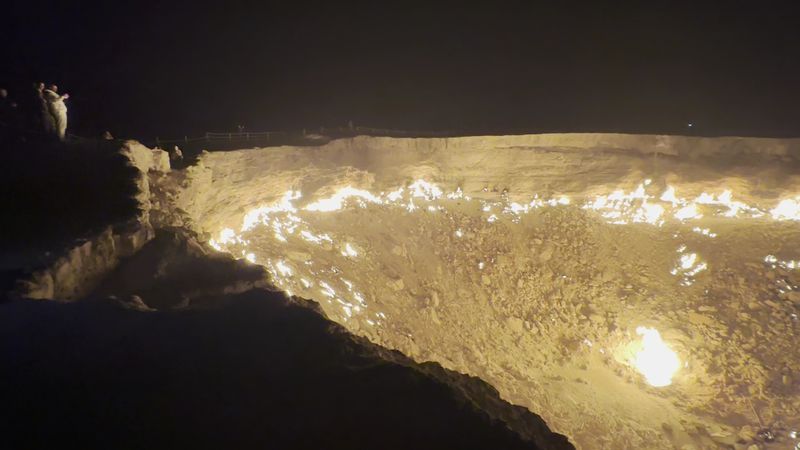
Picture a hole in the desert roughly the size of a football field, filled entirely with fire, burning nonstop for over 50 years. That is the Darvaza Gas Crater in Turkmenistan, and locals call it the Door to Hell for a reason.
Back in 1971, Soviet engineers were drilling for natural gas when the ground collapsed, creating a massive sinkhole. To prevent dangerous methane from spreading, they set the crater on fire, expecting it to burn out in a few weeks.
Half a century later, it is still going strong. Turkmenistan’s president actually ordered it extinguished in 2022, but the fire continues to burn as of recent reports.
Temperatures near the crater’s edge are brutally hot, and the fumes rising from the pit are toxic. Getting too close without protective gear is a genuinely terrible idea.
Explorer George Kourounis became the first person to descend into the crater in 2013, wearing a specially designed heat suit. He collected soil samples and found bacteria living inside — which is somehow both fascinating and unsettling.
The crater sits in one of the most remote deserts in Central Asia, making any visit an extreme adventure that very few people ever attempt.
Mariana Trench, Pacific Ocean
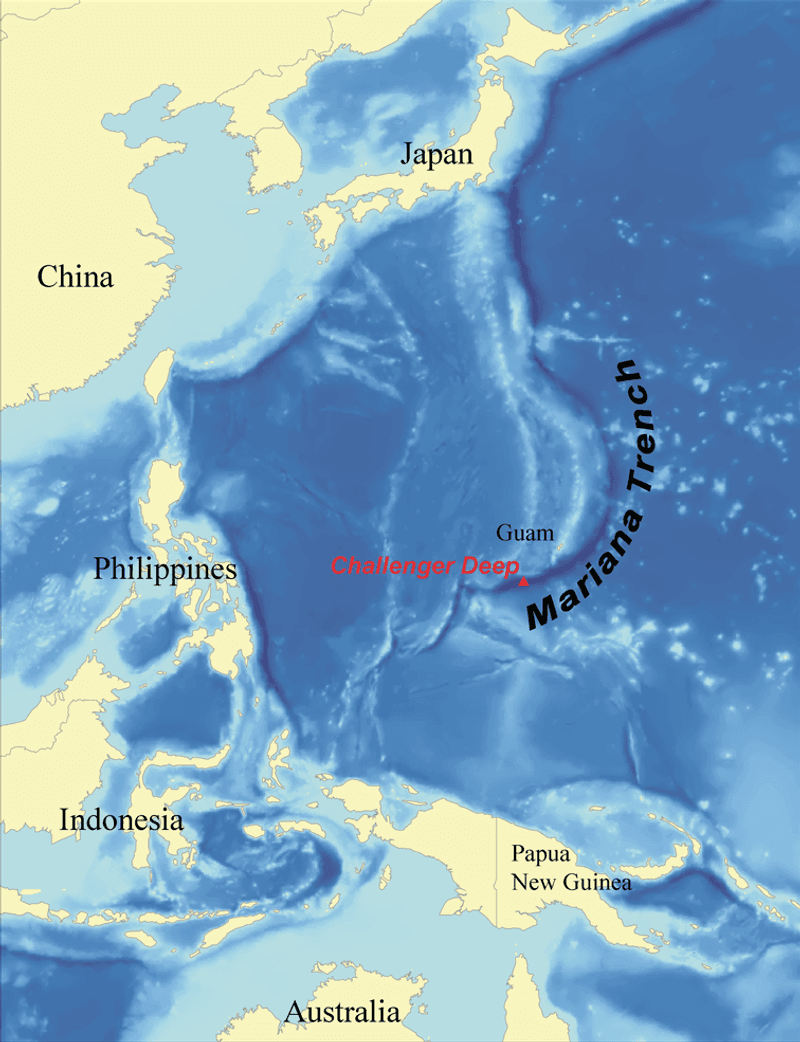
At nearly 36,000 feet below sea level, the Mariana Trench is so deep that Mount Everest could be dropped inside it and still have over a mile of water above its peak. That fact alone should give you a sense of how insane this place is.
The pressure at the bottom is about 1,000 times greater than at the ocean’s surface — enough to crush unprotected submarines and certainly any unprotected human. Temperatures hover just above freezing, and no sunlight has ever touched the deepest sections.
Yet life exists down there: bizarre fish, shrimp-like creatures, and microorganisms that seem to thrive in conditions that would obliterate most living things.
Only a handful of humans have ever reached the deepest point, called Challenger Deep. Filmmaker James Cameron made the trip solo in 2012, and a few other expeditions have followed.
Each dive requires years of engineering preparation and vehicles built to withstand extraordinary forces. Scientists believe the trench still holds countless undiscovered species.
The ocean covers about 71 percent of Earth’s surface, yet humans have explored less than 20 percent of it. The Mariana Trench represents the ultimate frontier — dark, cold, and crushingly inhospitable.
Mount Everest’s Death Zone, Nepal/Tibet
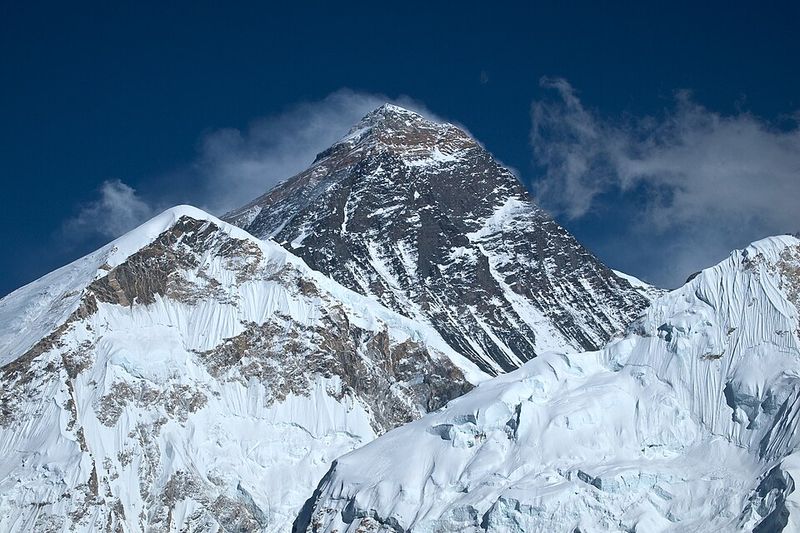
Above 8,000 meters on Mount Everest, the human body begins to die — slowly but surely. This region is officially called the Death Zone, and the name is not dramatic marketing.
It is a straightforward description of what happens to your body up there.
Oxygen levels in the Death Zone are roughly one-third of what they are at sea level. Without supplemental oxygen, the brain starts making poor decisions, muscles stop cooperating, and the body begins consuming itself for energy.
Frostbite can claim fingers and toes within minutes. Wind speeds can exceed 200 kilometers per hour, and temperatures regularly plunge below -40°C.
Around 300 bodies remain on Everest because retrieving them is too dangerous and costly. Some frozen climbers have become grim landmarks that other climbers pass on their way to the summit.
Despite all of this, thousands of people attempt Everest every year, drawn by the challenge and the bragging rights. The mountain has claimed over 300 lives since records began.
Experienced guides and modern equipment improve survival odds, but nothing eliminates the danger completely. The Death Zone is proof that there are places on Earth where nature still holds all the power, no matter how prepared you think you are.
Svalbard Global Seed Vault, Norway
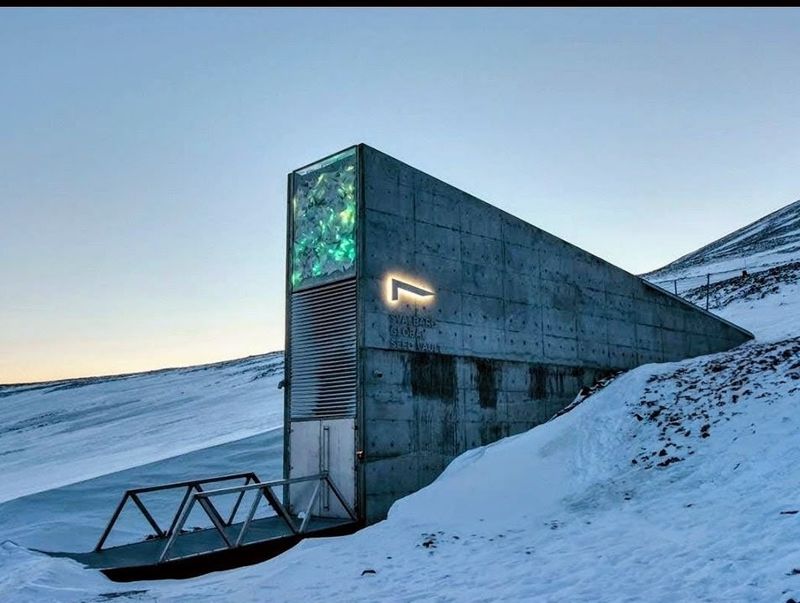
Buried inside a frozen mountain on a remote Arctic island, the Svalbard Global Seed Vault quietly holds the world’s most important insurance policy. Its job is simple and sobering: make sure that if civilization collapses, we can still grow food.
The vault is located about 1,300 kilometers from the North Pole, on the Norwegian archipelago of Svalbard. It currently stores over 1.3 million seed varieties from nearly every country on Earth, sealed in foil packets inside rooms kept at -18°C.
The permafrost surrounding the vault provides a natural backup cooling system in case power fails. Access is extremely restricted — only authorized personnel from depositing nations can retrieve seeds, and visits require serious logistical planning.
The vault made headlines in 2017 when melting permafrost caused water to seep into its entrance tunnel — a jarring reminder that even our backup plan has vulnerabilities. Engineers have since reinforced the structure.
The Arctic conditions, polar bears roaming the island, and sheer remoteness make it one of the least-visited important buildings on Earth. There is something deeply unsettling about a place designed specifically to outlast human civilization.
It is not terrifying in a jump-scare way — it is terrifying in a slow, creeping, existential kind of way.
Tomb of Qin Shi Huang, China
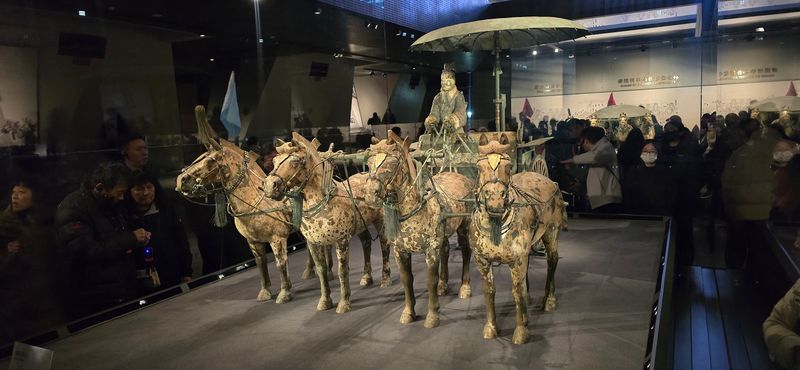
China’s first emperor spent his entire reign preparing for death — and apparently, he went all out. The tomb of Qin Shi Huang, buried beneath a massive earthen mound in Shaanxi Province, is believed to be one of the most elaborate burial sites ever constructed.
And almost none of it has been opened.
The famous Terracotta Army — over 8,000 clay soldiers discovered nearby — was just the outer guard. Ancient texts describe the tomb’s interior as containing rivers of flowing mercury, crossbow traps set to fire automatically, and a ceiling mapped with constellations in pearls.
Modern soil testing has confirmed unusually high mercury levels around the burial mound, lending credibility to those ancient accounts.
Chinese archaeologists have deliberately chosen not to excavate the main chamber, partly out of respect and partly because current technology cannot preserve the artifacts inside once exposed to air. Previous excavations of Terracotta Army pits showed painted figures losing their color within seconds of exposure.
The tomb has sat undisturbed for over 2,200 years. Booby traps, toxic mercury, and the sheer weight of history make this one of the most intentionally avoided places on Earth.
Some mysteries, it seems, are better left sealed.
Samaesan Hole, Thailand
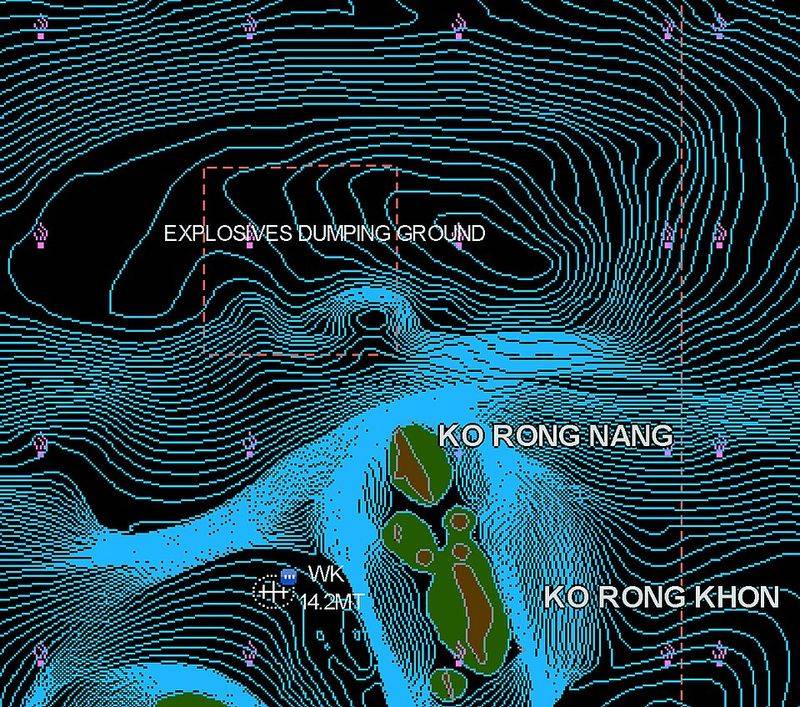
Thailand is famous for crystal-clear waters and colorful coral reefs — and then there is Samaesan Hole, which is none of those things. This underwater pit near the Gulf of Thailand plunges to around 85 meters, and it has earned a genuinely grim reputation among the diving community.
Strong, unpredictable currents sweep through the hole without warning, and visibility can drop to nearly zero in seconds. The depth alone pushes divers well into the range where nitrogen narcosis — a disorienting, almost drunk-like state caused by breathing compressed air at depth — becomes a serious risk.
Several divers have lost their lives here, making it one of the deadliest recreational dive sites in Southeast Asia.
Military equipment, including unexploded ordnance, has reportedly been found in and around the hole, adding another layer of danger to an already extreme environment. Only highly experienced technical divers with specialized equipment attempt Samaesan, and even they approach with extreme caution.
The site sits in contrast to Thailand’s otherwise welcoming dive scene, a dark outlier in paradise. For most divers, the Samaesan Hole is something you hear about in hushed tones at dive bars — a place you respect from a very safe distance rather than ever actually visit.
Lake Natron, Tanzania
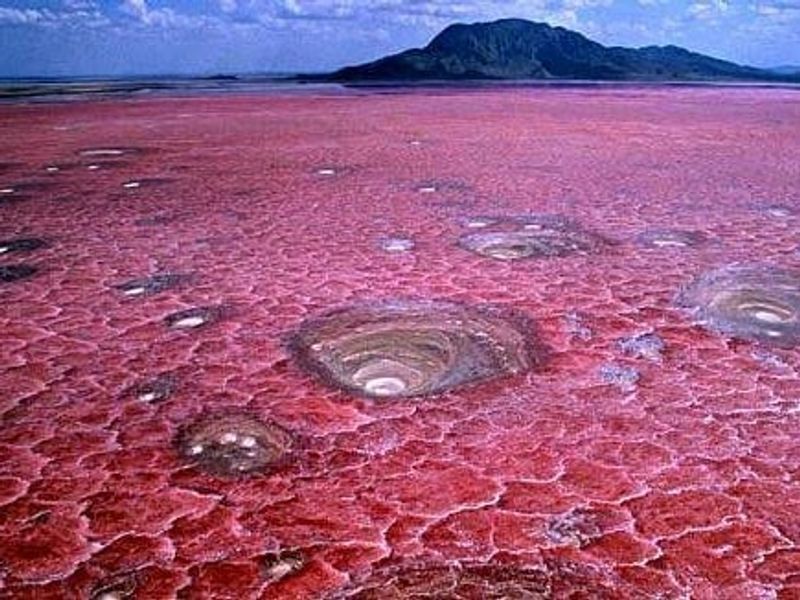
From above, Lake Natron in northern Tanzania looks like something painted by a fever dream — swirling shades of red, orange, and pink stretching across a shallow, steaming lake. Up close, the story gets much darker.
The lake’s water is extremely alkaline, with a pH as high as 10.5, similar to ammonia. Temperatures near the surface can reach 60°C in places.
Most animals that accidentally fall in or drink the water die and become calcified — preserved in a ghostly mineral coating. Photographer Nick Brandt captured haunting images of calcified birds and bats along the shoreline, frozen mid-pose like stone statues.
Ironically, Lake Natron supports one of the world’s largest breeding populations of lesser flamingos. The extreme conditions that kill most other animals actually protect the flamingos’ nesting grounds from predators, which cannot tolerate the environment.
About 75 percent of the world’s lesser flamingos are born here each year. Scientists and researchers visit with serious protective precautions, but casual tourism near the water’s edge is strongly discouraged.
The lake looks alien, smells harsh, and punishes anything not specifically adapted to its brutal chemistry. Beautiful?
Absolutely. Approachable?
Absolutely not.
Bikini Atoll, Marshall Islands
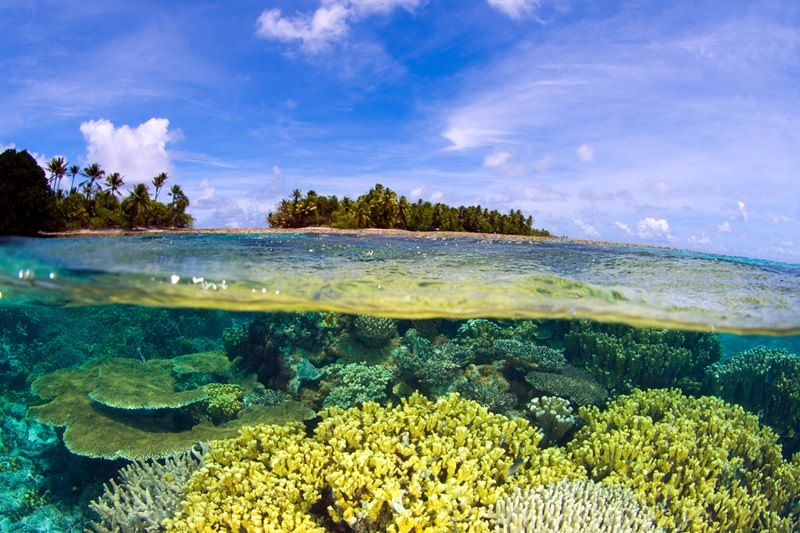
The name sounds like a vacation destination, but Bikini Atoll carries one of the heaviest histories of any place on Earth. Between 1946 and 1958, the United States detonated 23 nuclear weapons here, including the largest nuclear explosion ever conducted by the US — the Castle Bravo test in 1954, which was 1,000 times more powerful than the Hiroshima bomb.
The original Bikinian people were relocated before the tests began, promised they could return once the islands were safe. Decades passed.
The land remains contaminated with radioactive cesium-137, and coconuts grown on the atoll still contain radiation levels too high for regular consumption. Limited tourism exists today, primarily for scuba divers drawn to the ghostly fleet of sunken warships resting on the lagoon floor.
UNESCO designated Bikini Atoll a World Heritage Site in 2010, recognizing both its historical significance and its ongoing role in nuclear awareness. The Bikinian people, now living on other islands, have never truly been able to return home permanently.
The atoll is a place where paradise and catastrophe exist side by side, where clear turquoise water hides radioactive sediment below. Few places on Earth demonstrate the lasting consequences of nuclear weapons testing more starkly than this remote Pacific atoll.
The Bermuda Triangle, Atlantic Ocean
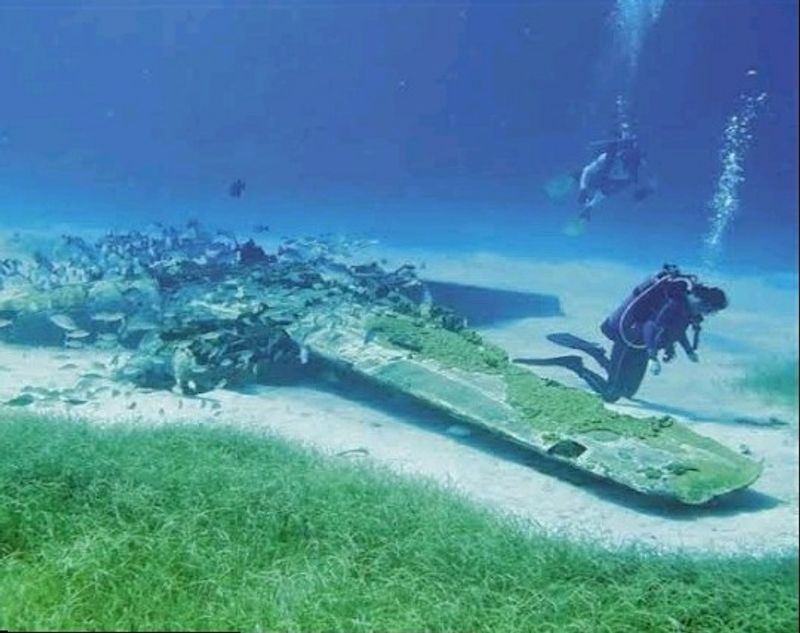
Stretching between Miami, Bermuda, and Puerto Rico, the Bermuda Triangle has swallowed ships, planes, and sailors into its mythology for decades. Whether or not you believe in the mystery, something about this stretch of ocean has captured human imagination like almost nowhere else.
Over the years, hundreds of ships and aircraft have reportedly vanished in the region without explanation. Theories range from methane gas bubbles rising from the seafloor and destabilizing ships, to rogue waves, compass anomalies caused by the area’s unique geography, and — of course — alien abductions.
Most scientists and insurance companies, however, classify the Bermuda Triangle as no more statistically dangerous than other heavily traveled ocean regions.
Lloyd’s of London, one of the world’s oldest insurance markets, does not charge higher premiums for ships crossing the Triangle. The US Coast Guard officially does not recognize it as a uniquely hazardous area.
So is it dangerous or just deeply misunderstood? The honest answer is probably both — the ocean is genuinely unpredictable and unforgiving in that region, and human storytelling has done the rest.
The Bermuda Triangle thrives on mystery, and that reputation alone is enough to make even seasoned sailors feel a little uneasy crossing those waters.
Danakil Depression, Ethiopia
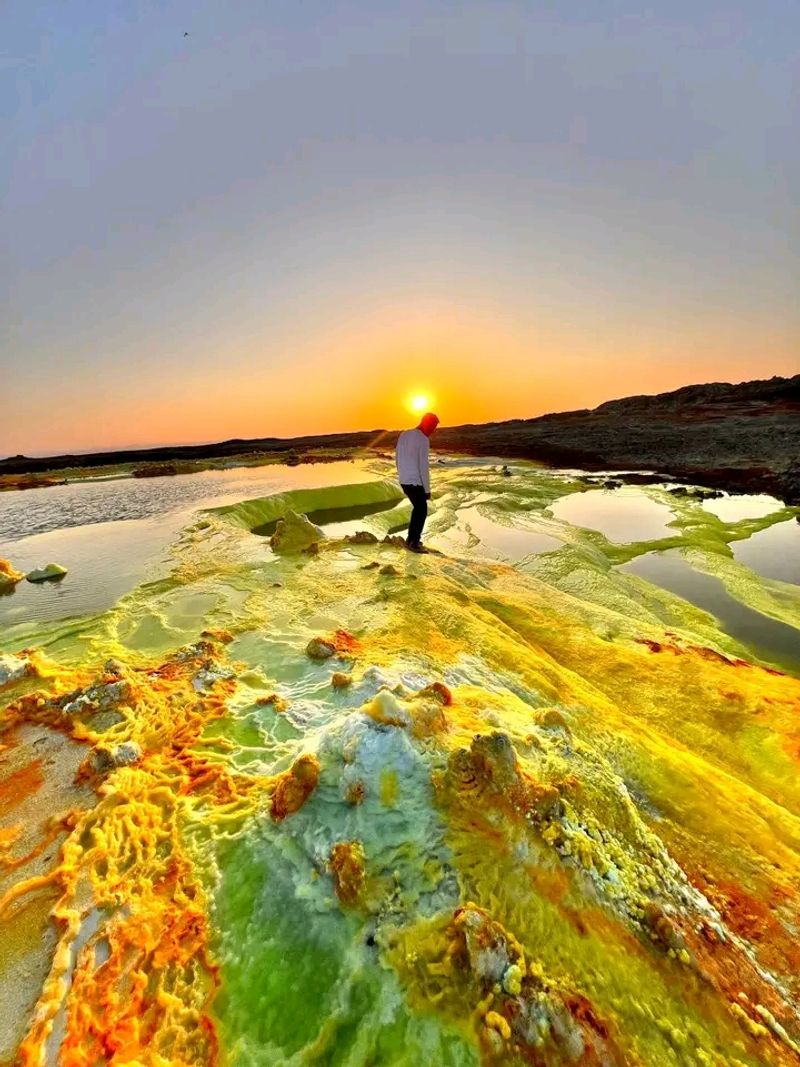
Stepping into the Danakil Depression in northeastern Ethiopia feels less like visiting Earth and more like landing on a hostile alien planet. Acid pools bubble in neon yellows and greens.
Sulfur vents hiss toxic gas into superheated air. And the temperature regularly tops 50°C — making it one of the hottest permanently inhabited areas on the planet.
Sitting about 100 meters below sea level, the Danakil Depression is geologically one of the most active places on Earth. Three tectonic plates are slowly pulling apart here, creating a landscape of active volcanoes, lava lakes, and hydrothermal fields.
The Afar people have lived in the surrounding region for centuries, harvesting salt from the flats in a tradition that stretches back thousands of years. Their resilience in this environment is extraordinary.
Small guided tours do operate in the area, but they come with serious warnings about toxic gas exposure, volcanic instability, and the brutal heat. Travelers must bring enormous amounts of water, and even then, the conditions test physical limits quickly.
Scientists are fascinated by the Danakil because its extreme chemistry mimics conditions on early Earth — and possibly on other planets. It is one of the few places where looking at the ground makes you question whether you are still on the same planet you woke up on.
Antarctica’s Interior
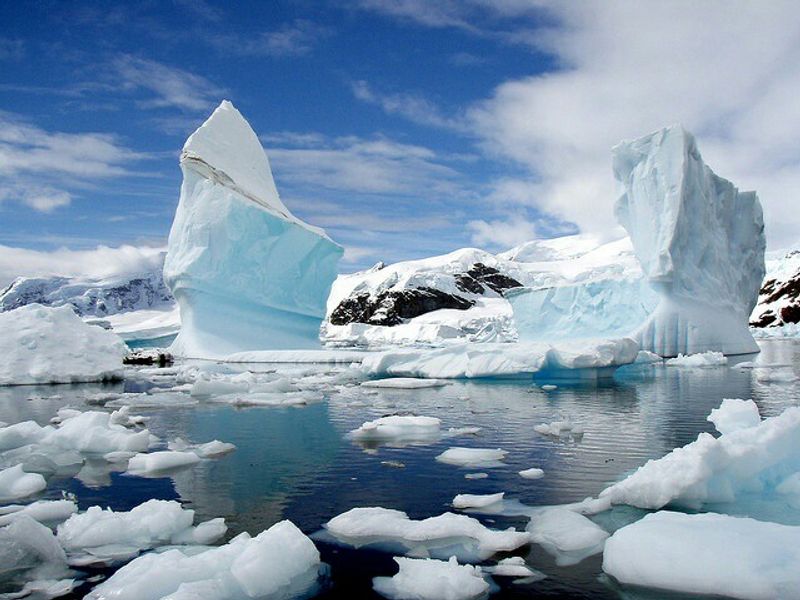
Antarctica’s coastline gets occasional visitors — penguins, scientists, the odd adventurous tourist. But the interior of the continent is a completely different story.
Deep in the heart of Antarctica lies one of the most hostile environments on Earth, a frozen desert so extreme that surviving there without specialized equipment is essentially impossible.
Temperatures in the interior regularly drop below -60°C, and the record low sits at a bone-chilling -89.2°C, recorded at the Soviet Vostok Station in 1983. Winds called katabatic winds can accelerate to over 300 kilometers per hour, blasting ice crystals with enough force to strip skin.
The altitude of the polar plateau — sitting around 3,500 meters above sea level — adds altitude sickness to the already brutal list of hazards.
There are no permanent human settlements in Antarctica’s interior, and even research stations are only staffed seasonally. During winter months, no flights can land or take off, meaning anyone stationed there is completely cut off from the rest of the world for months at a time.
Beneath the ice, however, lies a hidden world of subglacial lakes, ancient air bubbles containing atmospheric records going back 800,000 years, and geological mysteries still being uncovered. The interior of Antarctica is not just remote — it is a place where the Earth keeps its oldest secrets buried under miles of ice.



