Malta may be small, but it packs an incredible mix of ancient history, crystal-clear waters, charming towns, and vibrant culture into a compact Mediterranean destination. Spread across three main islands, Malta, Gozo, and Comino, it offers everything from prehistoric temples to stunning lagoons.
For first-time visitors, the key is balancing iconic sights with local experiences. Whether you’re exploring centuries-old cities or swimming in turquoise bays, these must-do experiences capture the very best of Malta.
Wander the Streets of Valletta
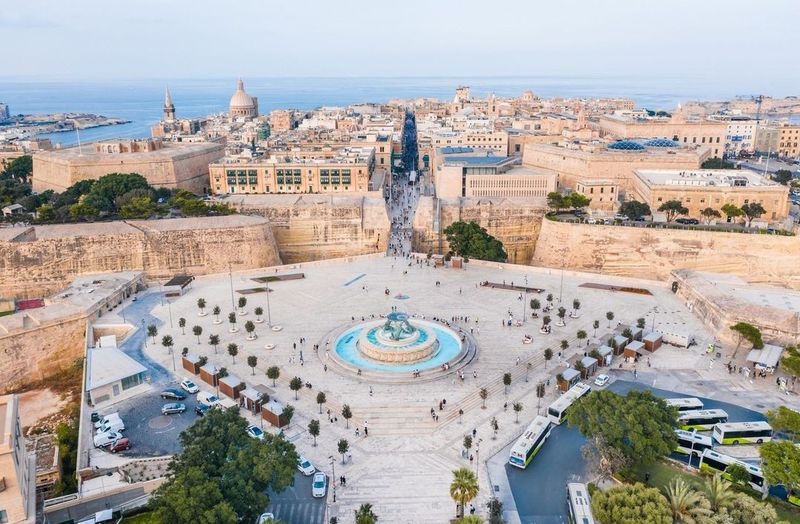
Few capital cities in the world can fit inside a single square kilometer and still feel endlessly explorable, but Valletta pulls it off with serious style. This UNESCO World Heritage city was built by the Knights of St. John in the 16th century, and it shows at every corner.
The golden limestone buildings glow warmly in the afternoon sun, making even a casual stroll feel cinematic.
Start your walk at City Gate and head down Republic Street, the main artery lined with shops, cafes, and impressive facades. Don’t rush past St. John’s Co-Cathedral, which hides one of Europe’s most jaw-dropping baroque interiors behind a surprisingly plain exterior.
The Caravaggio paintings inside are genuinely breathtaking.
The Grand Harbour views from the city’s bastions are equally unforgettable. Grab a pastizzi, Malta’s beloved flaky pastry filled with ricotta or mushy peas, from a nearby kiosk and eat it while watching ferries glide across the harbor below.
Valletta rewards slow walkers who peek down side streets and linger at viewpoints. Budget at least half a day here, and you’ll still leave wishing you had more time.
Swim in the Blue Lagoon (Comino)
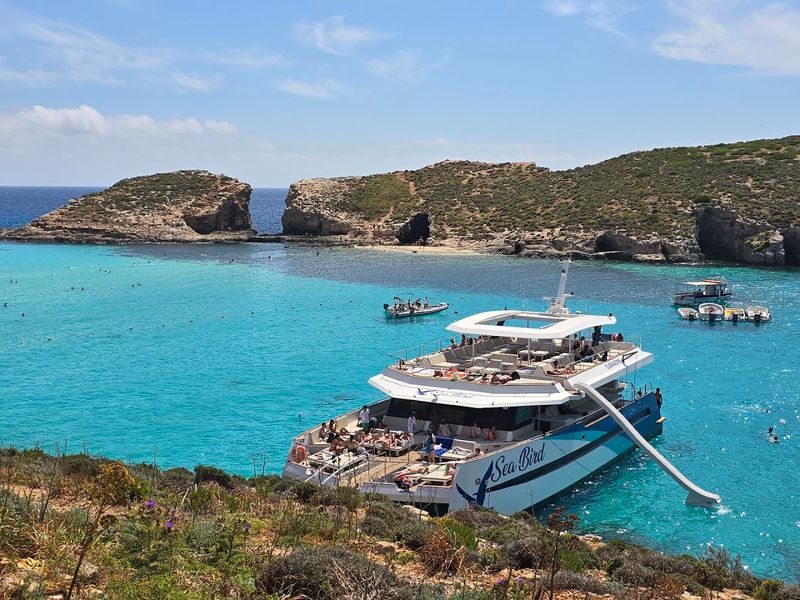
There’s a reason every Malta travel photo seems to feature this exact shade of impossible blue. The Blue Lagoon on the tiny island of Comino is one of those rare places that actually looks better in real life than in photos, which is saying something.
The water is so clear you can see the sandy bottom even where it’s several meters deep.
Getting there is half the fun. Regular ferries depart from Cirkewwa on Malta’s northern tip and from Mgarr Harbour on Gozo.
The boat ride takes about 25 minutes and offers great views of the rocky coastline along the way. Arriving early is highly recommended, especially in summer, when the lagoon gets very busy by midday.
Swimming and snorkeling are the main activities here. The shallow areas are calm and perfect for non-swimmers or kids paddling around.
For snorkelers, the rocky edges of the lagoon reveal colorful sea life hiding in crevices. There are no hotels on Comino, which keeps the island refreshingly undeveloped.
Pack your own snacks and sunscreen, as facilities are limited. Most visitors combine the Blue Lagoon with a stop in Valletta or Gozo for a full and satisfying day out.
Take a Day Trip to Gozo
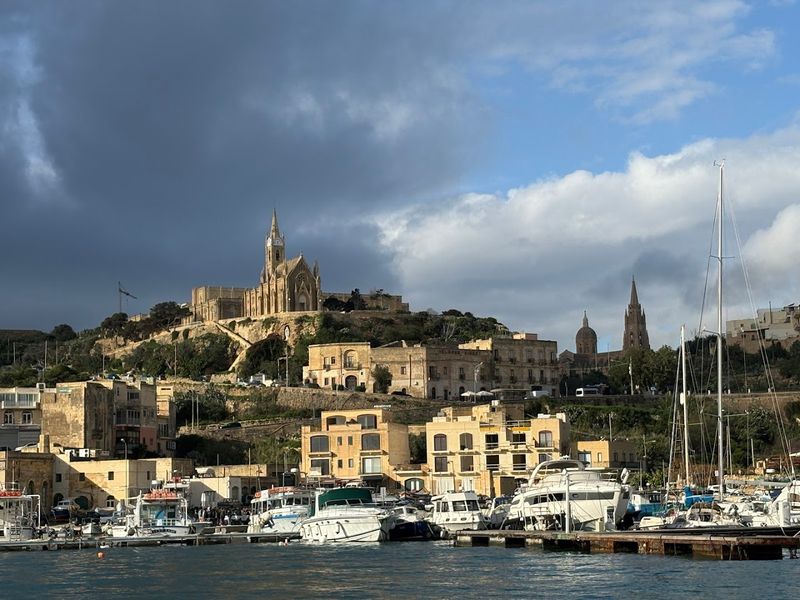
Gozo feels like Malta’s quieter, slightly dreamier sibling, and once you arrive, you’ll completely understand why so many visitors end up wishing they had booked more nights here. The island moves at its own relaxed pace, with rolling farmland, honey-colored villages, and a coastline dotted with coves and rocky swimming spots.
It’s genuinely lovely.
The ferry from Cirkewwa to Mgarr takes about 25 minutes and runs frequently throughout the day. Once on the island, renting a car or joining a guided tour makes it easy to cover the highlights.
The Citadel in Victoria, Gozo’s capital, offers sweeping panoramic views and a fascinating small museum inside its ancient walls. Ramla Bay, with its distinctive reddish-orange sand, is one of the most beautiful beaches in the entire Maltese archipelago.
Food lovers will enjoy Gozo’s strong culinary identity. Local restaurants serve ftajjar, a traditional flatbread, along with fresh seafood and Gozitan cheeselets made from sheep’s milk.
The island also has excellent diving spots, including the famous Blue Hole near Dwejra. Whether you spend a full day or stay overnight, Gozo offers a refreshingly unhurried escape that perfectly complements the busier energy of mainland Malta.
Visit Mdina, the “Silent City”
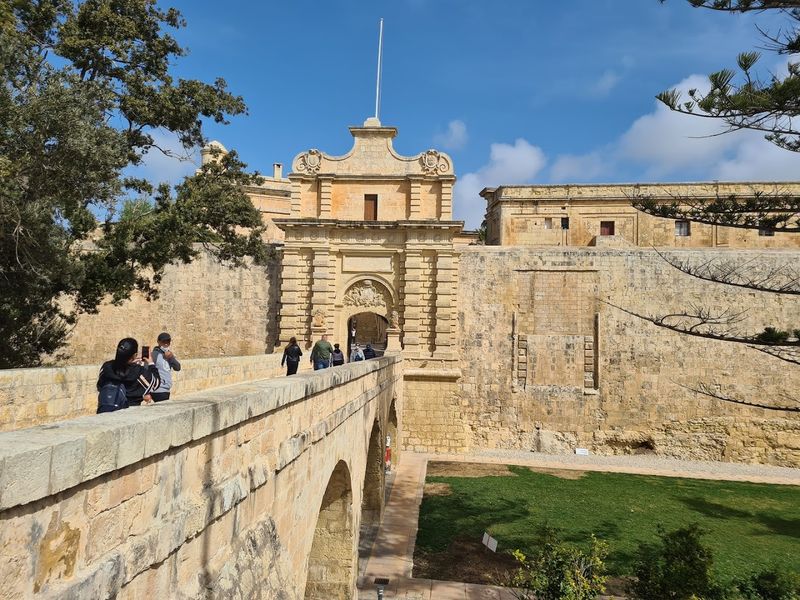
Nicknamed the Silent City for good reason, Mdina enforces a strict no-cars policy that makes it feel like an entirely different world from the rest of Malta. Walking through its ancient gates immediately quiets the noise of modern life, replacing it with the soft echo of footsteps on centuries-old stone.
The atmosphere here is genuinely unlike anywhere else on the island.
Mdina served as Malta’s capital for centuries before Valletta took over in the 16th century. Today, fewer than 300 people actually live within its walls, which means the streets stay impressively peaceful even during peak tourist season.
The Cathedral of St. Paul dominates the skyline and is worth a visit for its beautifully decorated interior and the eerie crypt below.
The best time to visit is early morning or late afternoon, when the golden light hits the limestone buildings just right and most tour groups haven’t arrived yet. Grab a table at one of the small cafes near the main square and order a hot chocolate, which Mdina is oddly famous for among locals.
The city also has excellent views from its bastions, looking out over the Maltese countryside toward the coast. It’s a short but deeply memorable visit.
Explore the Three Cities
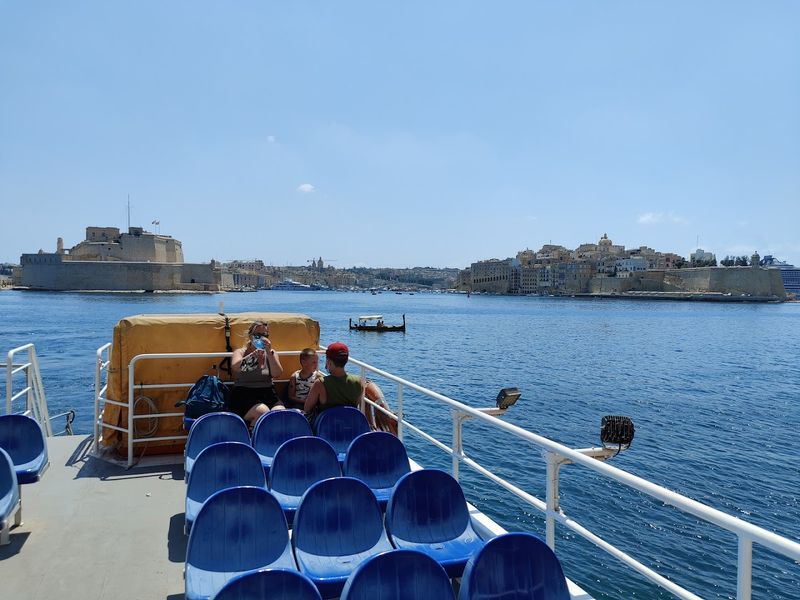
While most tourists head straight for Valletta, the Three Cities sit just across the Grand Harbour and offer an equally rich historical experience with a fraction of the crowds. Birgu, Senglea, and Cospicua were fortified long before Valletta even existed, and walking their tight, winding streets feels delightfully off the beaten path.
Local life here is real and unfiltered.
Birgu, also called Vittoriosa, is the most visited of the three and is home to the impressive Fort St. Angelo, which played a key role during the Great Siege of 1565. The Maritime Museum nearby is excellent and covers Malta’s long seafaring history with well-curated exhibits.
Senglea’s Gardjola Garden offers one of the most photographed views in all of Malta, looking directly across to Valletta with the harbor in between.
Getting there is easy and fun. A traditional water taxi called a dgħajsa can ferry you across the Grand Harbour from Valletta’s waterfront in just a few minutes.
These flat-bottomed wooden boats have been used for centuries and the short crossing is a memorable experience in itself. The Three Cities also have some excellent local restaurants and wine bars tucked into restored historic buildings, making them a great spot for a long, leisurely evening.
See the Blue Grotto
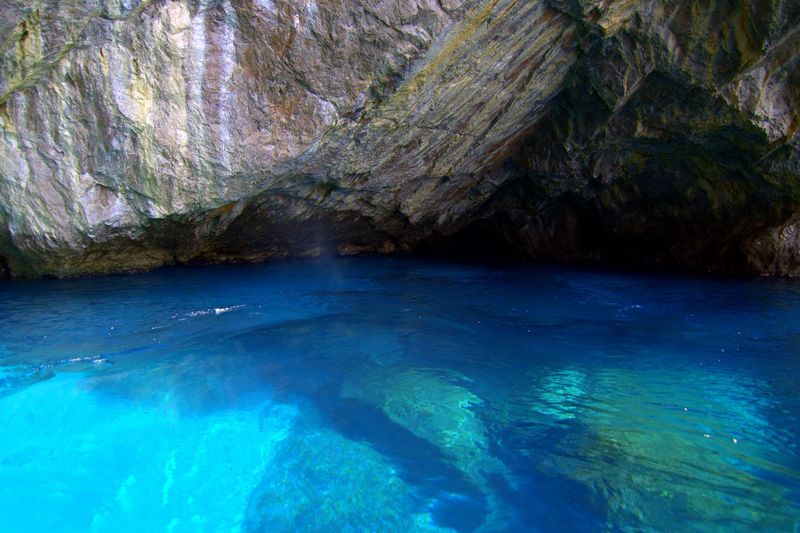
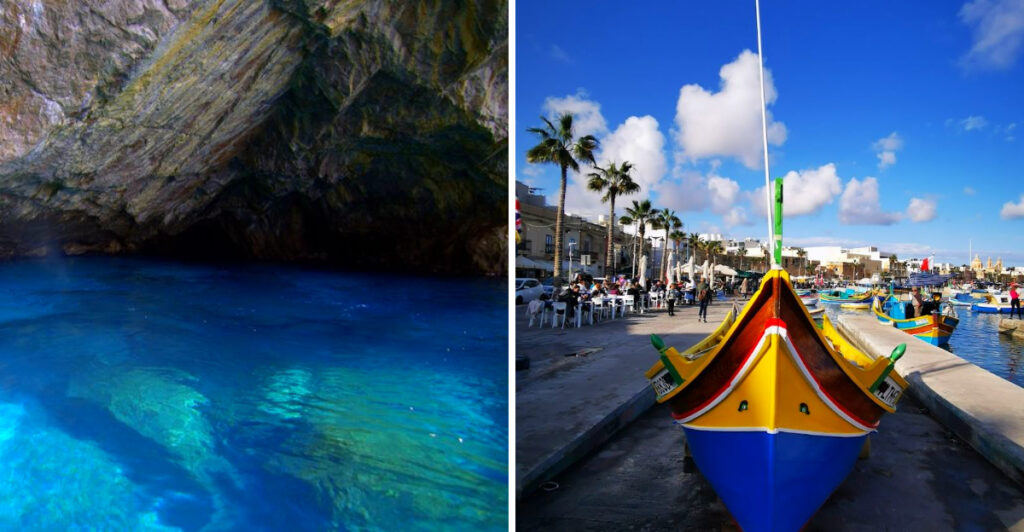
Sunlight does something truly magical inside the Blue Grotto, bouncing off the white sandy seabed and turning the water into an almost neon shade of electric blue. This cluster of sea caves along Malta’s southern coastline is one of those natural wonders that earns every bit of its reputation.
Even on a standard sunny morning, the colors inside the caves feel almost unreal.
Boat trips depart from a small jetty at Wied iż-Żurrieq village and run throughout the morning, weather permitting. The boats are small and open, carrying around eight passengers each, which makes the experience feel personal and up-close rather than like a crowded tourist attraction.
The full trip lasts about 25 minutes and passes through several caves, each with its own character and shade of blue.
Trips typically run from dawn until around noon, as afternoon winds can make the water too choppy for safe access. Arriving early not only increases your chances of smooth water but also means you’ll get the best light inside the caves.
The cliffside viewpoint above the jetty is free to visit and offers a dramatic bird’s-eye perspective of the caves and coastline below. Combine it with a visit to the nearby temples at Hagar Qim for a well-rounded southern Malta day trip.
Discover Ancient Megalithic Temples
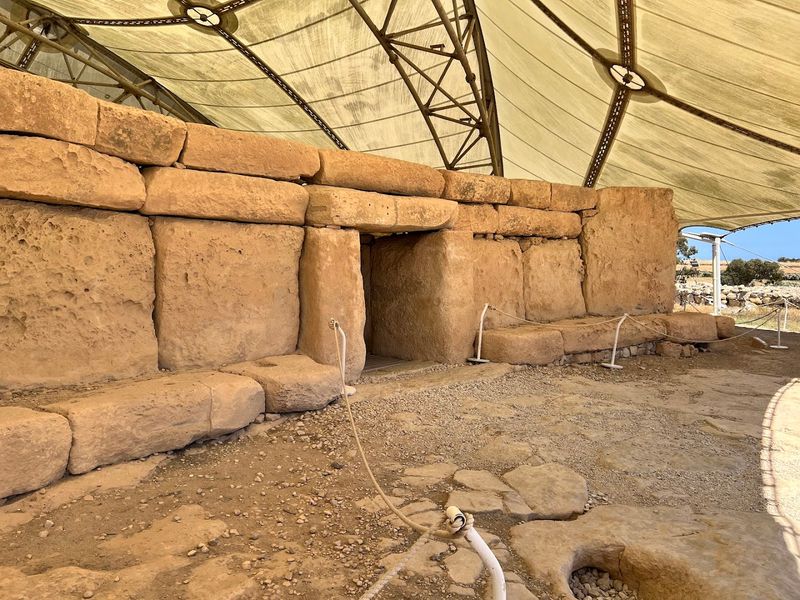
Malta holds a genuinely astonishing world record: its megalithic temples are among the oldest freestanding structures on Earth, predating both Stonehenge and the Egyptian pyramids by thousands of years. That fact alone makes them worth the trip.
Standing inside Hagar Qim or Mnajdra and realizing humans built these walls around 3600 BCE is a quietly mind-blowing experience.
Both sites sit close together on Malta’s southern cliffs, offering stunning sea views along with the archaeology. Protective tent structures now cover the temples to shield them from weathering, which some visitors find slightly industrial-looking but which genuinely helps preserve the stones.
Informative panels around the site explain the layout, purpose, and fascinating astronomical alignments built into the structures.
The on-site Heritage Malta visitor center is worth spending time in before entering the temples. It provides excellent context through scale models, original artifacts, and interactive displays that help bring the ancient civilization behind these stones to life.
The figurines found here, particularly the famous Venus of Malta, are remarkable examples of prehistoric art. Entry tickets cover both sites and are reasonably priced.
Visiting in the morning before the sun gets too intense makes the experience more comfortable, especially in summer. These temples are a reminder that human creativity is very, very old.
Visit Marsaxlokk Fishing Village
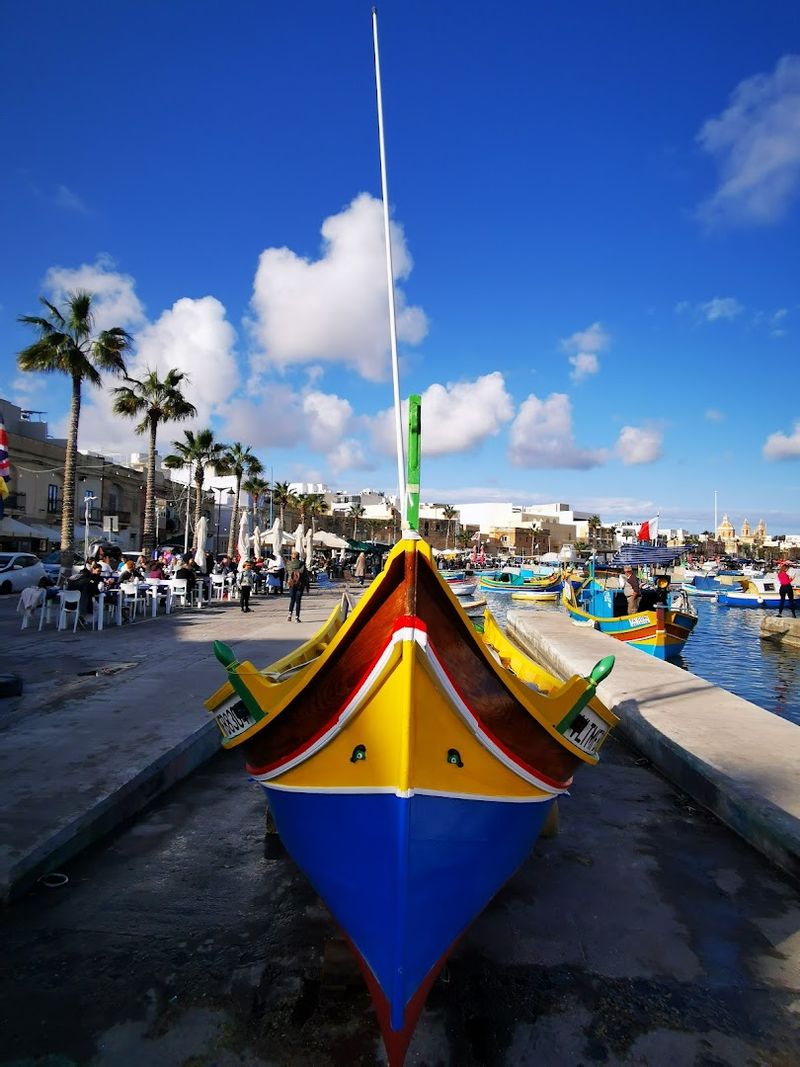
Bright yellow, red, and blue boats bobbing in a calm harbor, painted with the iconic Eye of Osiris on their prows, this is Marsaxlokk in a single image, and it’s as charming in person as it looks in every postcard. This traditional fishing village in Malta’s southeast is one of the most photogenic spots on the island, and it’s refreshingly authentic rather than tourist-polished.
Sunday mornings are the best time to visit, when a large open-air market runs along the waterfront selling fresh fish, local produce, lace, and souvenirs. Locals and visitors mix easily here, and the atmosphere is lively without feeling overwhelming.
The smell of fresh seafood drifts from the market stalls and from the restaurants lining the promenade, most of which serve fish caught that same morning.
Lampuki, a local fish also known as mahi-mahi, is the village specialty and appears on most menus during its season in autumn. Even outside peak season, grilled sea bream or swordfish served with local bread and olive oil is hard to beat here.
The village is also close to St. Peter’s Pool, a natural rocky swimming area carved by the sea that’s popular with locals. Marsaxlokk is an easy half-day trip from Valletta and well worth the short drive south.
Relax at Golden Bay
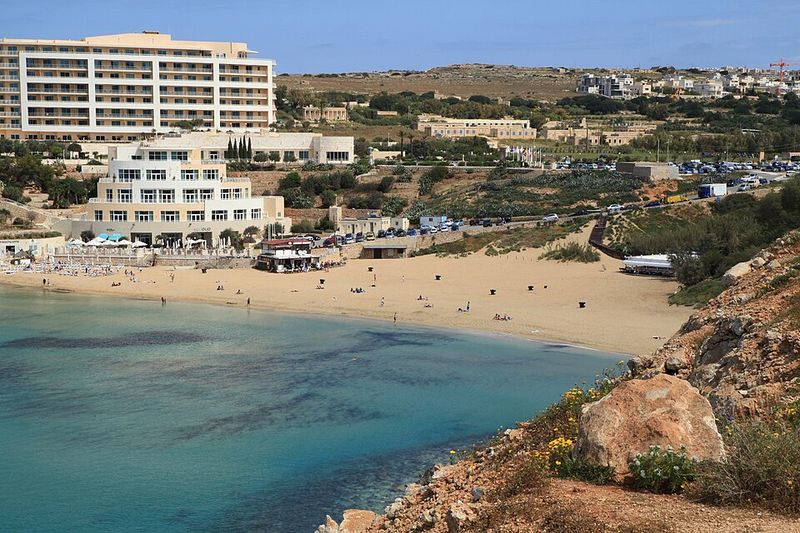
Malta isn’t primarily known for sandy beaches, which makes Golden Bay feel like a genuine treat when you arrive. Most of the island’s coastline is rocky, so finding a wide stretch of soft, warm sand backed by low green hills is a welcome surprise.
On a calm day, the water here shifts from pale turquoise near the shore to a deeper cobalt blue further out.
Located on Malta’s northwest coast near Mellieha, Golden Bay is one of the few beaches on the island with proper facilities including sunbed rentals, a beach bar, showers, and a lifeguard service during summer months. The beach gets busy on weekends with locals, especially from June through September, so arriving mid-morning on a weekday gives you the best balance of good conditions without the crowds.
The surrounding area has some nice walking trails along the headland that offer excellent coastal views. Ghajn Tuffieha Bay, just a short walk away over the hill, is another beautiful sandy beach that sees fewer visitors and has a wilder, more natural feel.
Both beaches are easily accessible by bus from Valletta or Sliema. Golden Bay also has a hotel right on the beachfront if you want to wake up to the sound of the Mediterranean just outside your window.
Explore St. Paul’s Catacombs
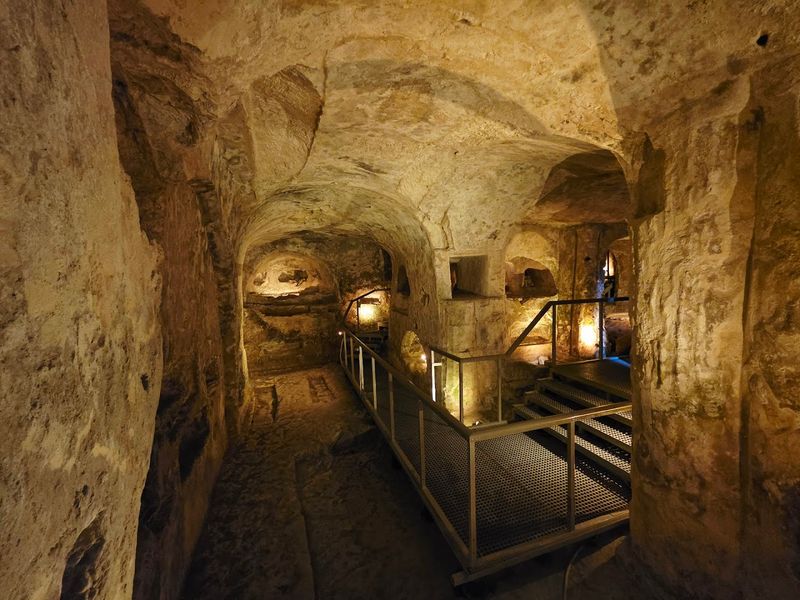
Somewhere beneath the quiet town of Rabat lies a surprisingly vast underground city of the dead, and exploring it is one of Malta’s most fascinating and slightly spine-tingling experiences. St. Paul’s Catacombs are the largest known prehistoric and early Christian burial complex in Malta, with a network of tunnels stretching under the ground in ways that genuinely disorient your sense of direction.
Carved entirely by hand into the soft globigerina limestone, the catacombs date back to the 3rd and 4th centuries CE and were used by early Christian and Jewish communities. The round stone tables called agape tables, where mourners would gather to share meals in memory of the deceased, are one of the most distinctive and memorable features.
They look almost like something from a surreal dream.
A self-guided audio tour is included with admission and does an excellent job of explaining the history and layout without making it feel like a school lesson. The temperature underground stays noticeably cool year-round, making it a welcome escape on a hot summer afternoon.
The catacombs are located right next to the town of Mdina, so combining both visits in a single half-day trip makes perfect logistical sense. Heritage Malta manages the site and keeps it very well maintained.
Visit the Upper Barrakka Gardens
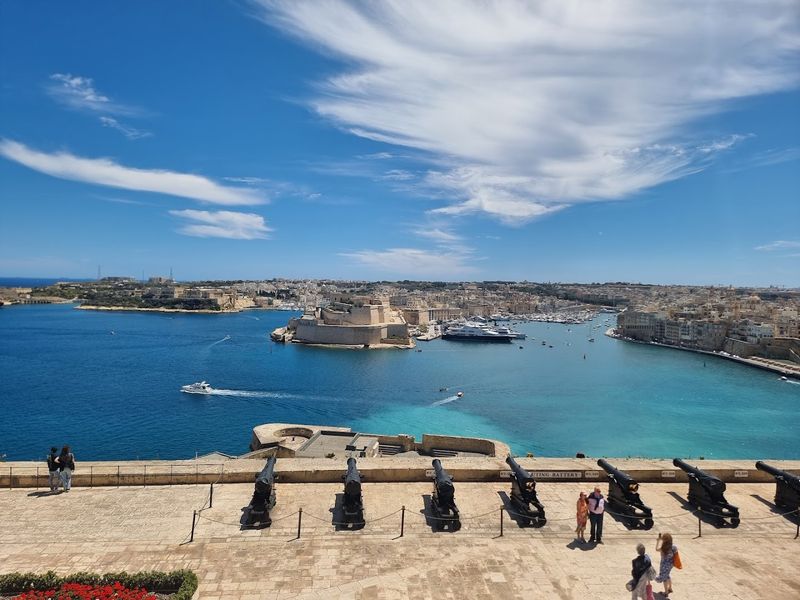
Perched high above the Grand Harbour on Valletta’s southern bastions, the Upper Barrakka Gardens offer arguably the finest view in Malta, and locals have known this for centuries. Originally a private garden for the Italian Knights of St. John in the 16th century, the space is now open to everyone and remains one of the most relaxing spots in the capital.
The arched colonnade framing the view is endlessly photogenic.
The panorama from the gardens takes in the full sweep of the Grand Harbour, with the Three Cities of Birgu, Senglea, and Cospicua spread across the opposite shore. On clear days, you can see as far as the open Mediterranean beyond the harbor entrance.
The view is spectacular at any time of day, but the warm evening light before sunset gives the limestone fortifications a rich amber glow that’s particularly beautiful.
Every day at noon and at 4 PM, the Saluting Battery just below the gardens fires a ceremonial cannon, a tradition dating back to the Knights. Watching the cannon fire while standing on the bastions with the harbor spread out below is a genuinely memorable moment.
The gardens themselves are well maintained with shaded benches, fountains, and sculptures, making them a perfect rest stop between sightseeing sessions in Valletta. Entry is completely free.
Experience a Traditional Festa
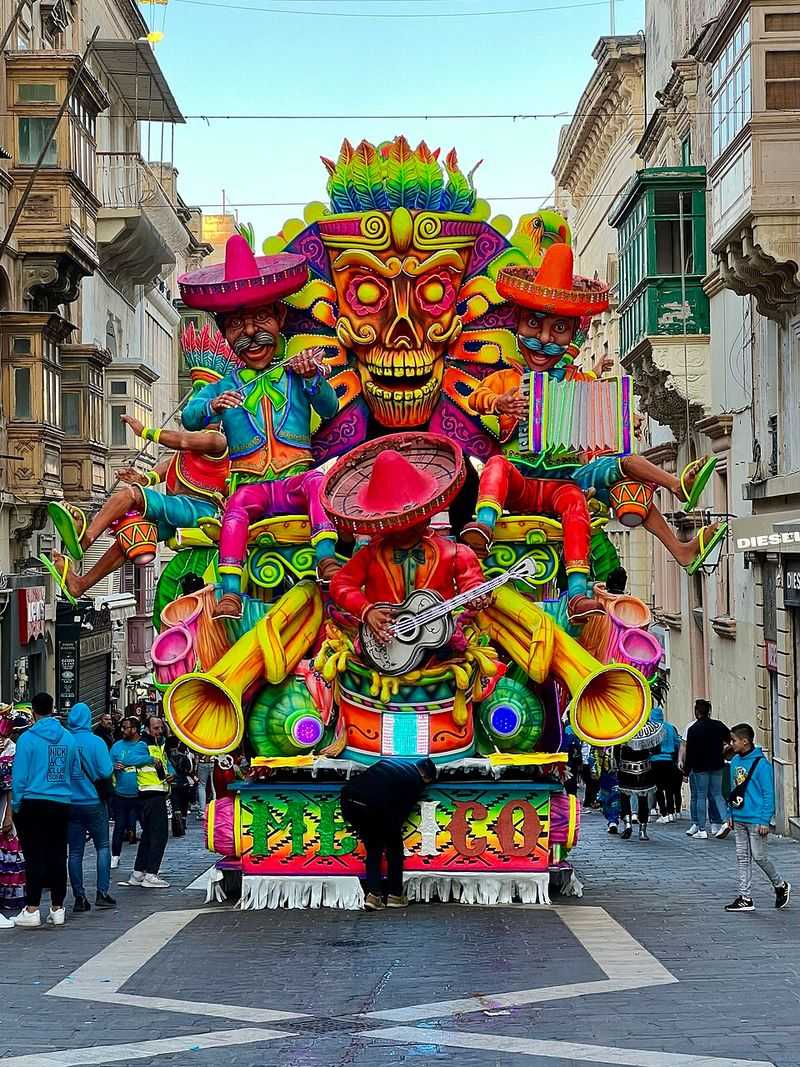
If you happen to be in Malta between May and September and hear distant fireworks going off on a Tuesday evening, congratulations, you’ve stumbled into festa season, and you should absolutely follow the noise. These village street festivals celebrating patron saints are one of the most joyfully chaotic and genuinely Maltese things you can experience, and tourists are warmly welcomed to join in.
Every village has its own festa, each one fiercely proud of its own traditions, decorations, and fireworks display. The church facade is lit up with thousands of lights, elaborate street banners hang overhead, and brass bands march through the narrow streets playing traditional hymns and marches that have been passed down through generations.
The energy is infectious and completely unpretentious.
Food stalls selling nougat, hot dogs, and local sweets line the streets, and the smell of gunpowder from the fireworks hangs pleasantly in the warm night air. Maltese fireworks are taken extremely seriously here, with local pyrotechnic clubs competing to produce the most spectacular ground-level and aerial displays.
The village of Mqabba is particularly famous for its fireworks craftsmanship. Checking the Malta Tourism Authority website before your trip will show you which festas are happening during your stay.
Missing a festa would genuinely be a shame.
Go Snorkeling or Diving
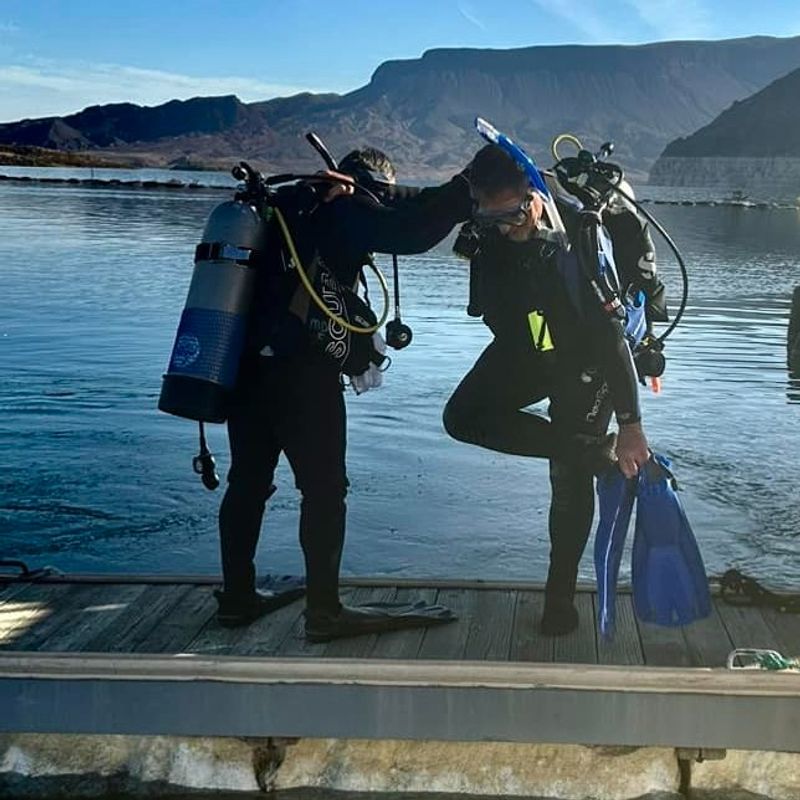
Malta’s underwater world is just as impressive as everything above the surface, and the island consistently ranks among the top diving destinations in Europe for very good reasons. Visibility in Maltese waters regularly exceeds 30 meters, the sea temperature stays comfortable from May through November, and the variety of sites caters to everyone from nervous first-timers to experienced technical divers.
The wrecks are a particular highlight. The HMS Maori, a British destroyer sunk during World War II, now rests in shallow water off Valletta and is accessible to snorkelers as well as divers.
The Um El Faroud, a Libyan oil tanker deliberately sunk as an artificial reef, is one of the largest wreck dives in the Mediterranean and hosts an incredible variety of marine life. Gozo’s Blue Hole is another legendary site, a natural rock chimney dropping into an underwater arch and open sea beyond.
For complete beginners, numerous dive schools along the coast offer PADI-certified introductory dives with fully trained instructors. Most schools supply all equipment, so you don’t need to travel with your own gear.
Snorkeling is excellent at many accessible rocky coves, particularly around St. Peter’s Pool and the areas around Comino. Even without any formal training, putting on a mask and looking below the surface of Maltese water is a genuinely rewarding experience.
Visit Popeye Village
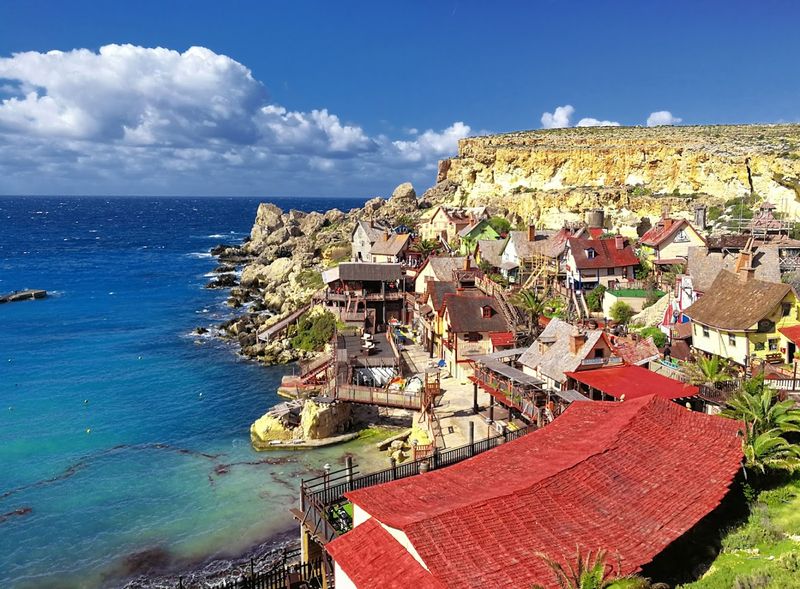
Built entirely from wood and painted in cheerful primary colors, Popeye Village looks like someone took a cartoon strip and physically assembled it on the Maltese coastline, which is essentially exactly what happened. Originally constructed in 1980 as the film set for Robert Altman’s live-action Popeye movie starring Robin Williams, this collection of 19 wooden buildings was simply too charming to demolish after filming wrapped.
Today it operates as a family-friendly theme park set in the sheltered Anchor Bay on Malta’s northwest coast. The site has expanded over the years to include boat rides, a small museum about the film’s production, an outdoor pool, and various interactive activities for children.
The whole place has an endearingly low-tech, handmade quality that makes it stand out from slicker modern attractions.
Admission includes access to all the main activities, and the colorful buildings make for genuinely fun photos regardless of whether you’ve ever seen the original film. The bay itself is pretty, with calm water and rocky shores, and the village is positioned right at the water’s edge so boats can be seen bobbing alongside the wooden structures.
It’s located close to Golden Bay and Mellieha, making it easy to combine with a beach day. Kids tend to absolutely love it, and honestly, so do most adults who let themselves enjoy the silliness of it all.
Watch Sunset at Dingli Cliffs
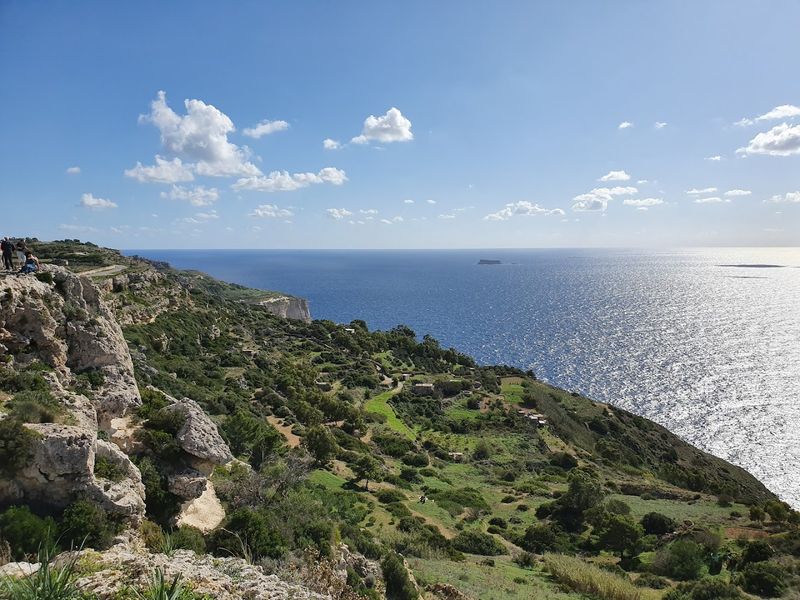
Standing at the edge of Dingli Cliffs as the sun drops toward the horizon is one of those travel moments that earns its place in your memory without trying. At 253 meters above sea level, these are the highest points in Malta, and on a clear evening the views stretch uninterrupted across the open Mediterranean with nothing between you and the horizon.
It’s quietly spectacular.
The cliffs run for several kilometers along Malta’s western coastline and are largely undeveloped, which is genuinely refreshing on an island that can feel busy elsewhere. A narrow road runs along the cliff edge, and there are several natural viewing spots where you can pull over, step out of the car, and stand right at the precipice with the wind in your hair and the sea far below.
The sound of waves crashing against the rocks drifts up from below.
A small chapel dedicated to the Annunciation sits near the cliff edge and makes for a picturesque foreground element in sunset photos. The area is also popular with local joggers and walkers in the early evening.
There are no fences along much of the cliff edge, so sensible caution is advised, especially with young children. Bringing a light jacket is wise even in summer, as the exposed clifftop gets breezy after dark.
Stay until the sky turns deep purple. It’s worth every minute.
Share this story