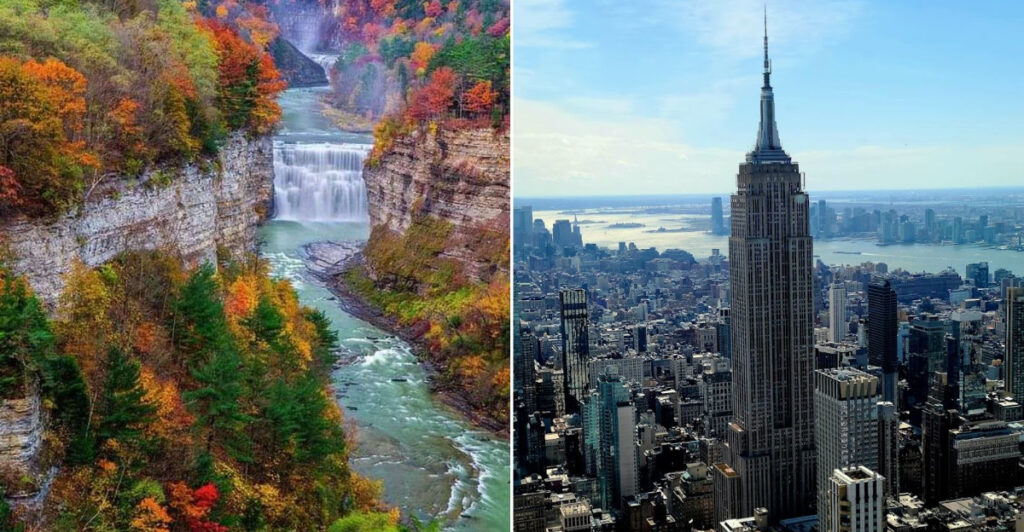
New York State is one of those places that surprises you even when you think you already know it. Most people picture Times Square or the subway, but the state stretches from thundering waterfalls near the Canadian border all the way down to one of the most iconic city skylines on earth.
Between those two points, you will find underground caves, outdoor sculpture parks, castle islands, gorges with 19 waterfalls, and museums that could hold your attention for an entire day. This list covers 15 places across the state that genuinely deserve a spot on your travel calendar, whether you are a lifelong New Yorker or planning your first visit from out of town.
Niagara Falls State Park, Niagara Falls
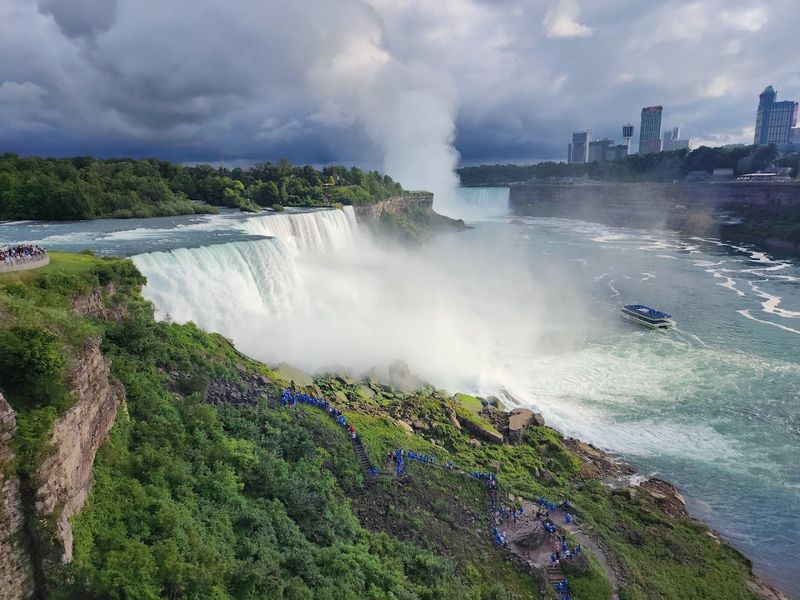
America’s oldest state park still manages to feel like something you cannot fully prepare for. Niagara Falls State Park is open 365 days a year, and the basic admission to walk the grounds and experience the falls from the New York side is free.
That accessibility makes it one of the most democratic big-ticket natural wonders in the country.
The views from the overlooks put you close enough to feel the spray and understand the scale of what you are looking at. Beyond the falls themselves, the park includes walking paths, seasonal dining, nearby exhibits, and boat tours that get you even closer to the water.
Each season brings a completely different version of the experience, from frozen mist formations in winter to full summer roar.
For a New York State bucket list, this is the natural starting point. The falls have been drawing visitors since the 1800s, and the park has only gotten better at helping people see them well.
Watkins Glen State Park, Watkins Glen
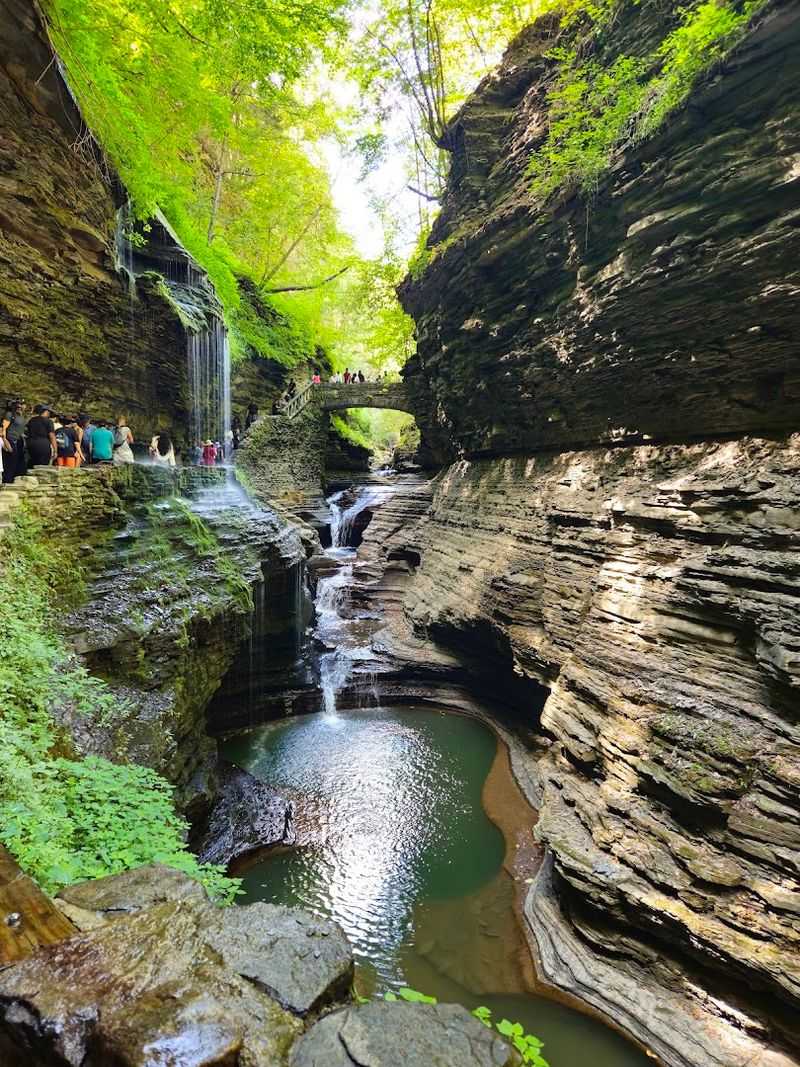
Few walks in New York State match what the Gorge Trail at Watkins Glen delivers in under two miles. The trail threads through a narrow sandstone gorge with 19 waterfalls appearing one after another, connected by stone steps and stone bridges that feel like they were carved out of the landscape rather than built on top of it.
It is one of the most visually concentrated natural experiences in the Finger Lakes.
The Gorge Trail is seasonal, typically opening in early May and closing in mid-October, so timing your visit matters. The 2026 season opened on May 9, according to the official New York State Parks page, which is worth checking before you plan your trip.
The surrounding Finger Lakes region adds context to the stop. Watkins Glen sits at the southern tip of Seneca Lake, so a drive through wine country or a stop at the nearby village can round out a full day trip worth making more than once.
Letchworth State Park, Castile

Letchworth State Park earns its reputation through sheer scale. The Genesee River cuts through a gorge stretching roughly 17 miles, dropping over three major waterfalls and exposing canyon walls that rise up to 600 feet in some sections.
It is the kind of landscape that makes you stop mid-trail and just look.
The park is open year-round and offers more than just scenery. The Humphrey Nature Center provides environmental education programming throughout the year, and seasonal activities range from hiking and fishing to cross-country skiing.
Trails range in difficulty, making it accessible for most fitness levels.
What separates Letchworth from other upstate parks is how dramatically the scenery shifts by season. Fall foliage transforms the gorge into something that looks almost painted, while spring brings heavy water flow that makes the falls louder and more powerful.
For travelers who want a dramatic natural landscape without committing to a full Adirondacks expedition, this park delivers consistently.
Ausable Chasm, Ausable Chasm

Ausable Chasm has been welcoming visitors since 1870, which makes it one of the oldest natural tourist attractions in the United States. The gorge cuts through Cambrian sandstone and stretches roughly two miles, with formations that have names like Elephant’s Head, Column Rock, Hyde’s Cave, and Mystic Gorge.
Rainbow Falls is one of the most photographed spots along the route.
What makes this place stand out from a typical scenic overlook is the variety of ways to experience it. Visitors can hike the rim trails, float through the lower gorge on an inner tube, or take a guided walking tour depending on the season and their comfort level.
The attraction is open seven days a week during posted seasonal periods, with tour and trail closing times that vary by date.
The self-described “Grand Canyon of the Adirondacks” label is not just marketing. The walls rise dramatically on both sides, and the scale of the canyon relative to its surroundings gives it a genuinely unexpected presence in northern New York.
Storm King Art Center, New Windsor
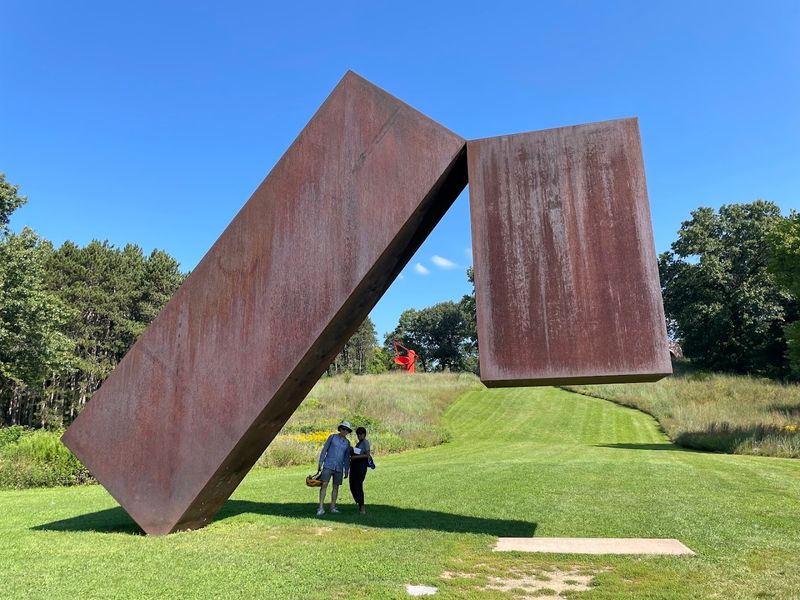
Storm King Art Center is not a building you walk through. It is 500 acres of rolling hills, open fields, and wooded paths where large-scale sculptures are placed with the kind of care usually reserved for gallery walls.
The setting is part of the experience, and the relationship between each piece and its surrounding landscape changes depending on where you stand, what the light is doing, and what season you visit.
The center is open Wednesday through Monday from 10 a.m. to 6 p.m., rain or shine, though weather alerts can still affect operations. Artists like Alexander Calder, Mark di Suvero, and Richard Serra are represented in the collection, giving the grounds an impressive range of scale and style.
First-time visitors often underestimate how much ground there is to cover. Comfortable walking shoes are worth the thought, and the site offers trams for those who want a broader overview before exploring on foot.
It is one of the Hudson Valley’s most genuinely original destinations.
Corning Museum of Glass, Corning
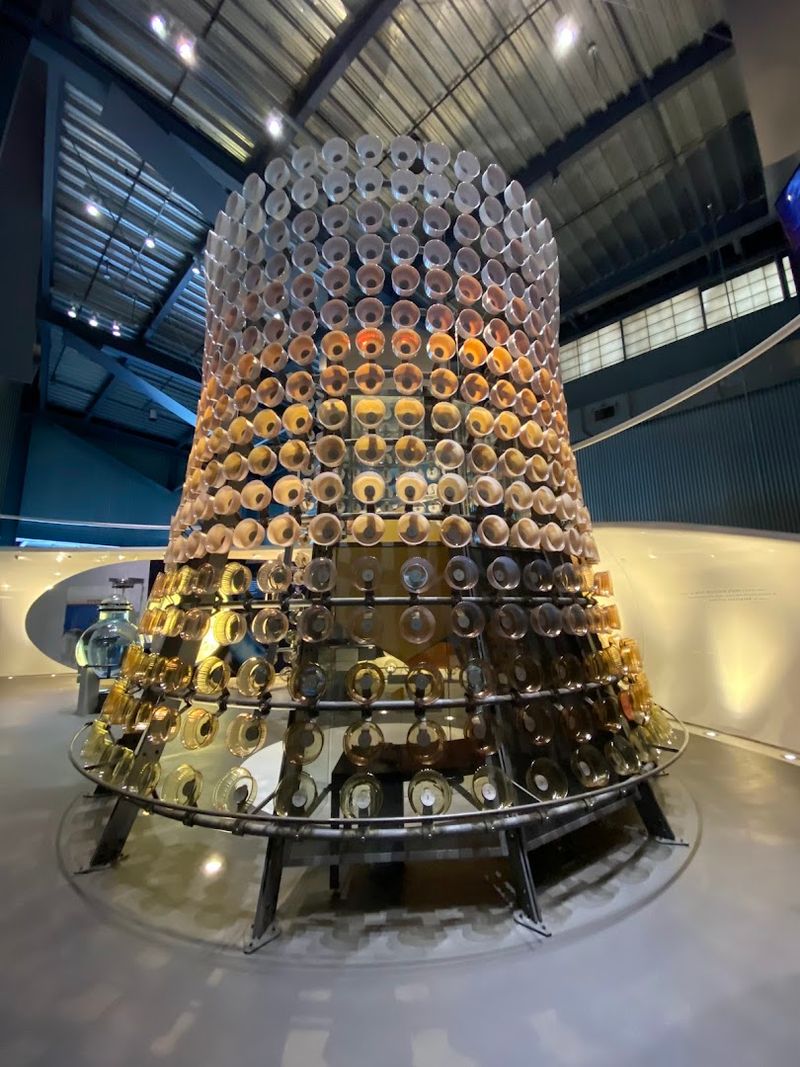
Glass has been made in Corning since the mid-1800s, and the Corning Museum of Glass turns that history into one of the most engaging museum experiences in Upstate New York. The collection spans more than 3,500 years of glassmaking, covering ancient vessels, scientific innovations, and contemporary art in a way that moves fluidly between beauty and function.
Live glassmaking demonstrations run throughout the day, and visitors can participate in hands-on experiences where they actually make glass themselves. That combination of watching and doing is what sets this museum apart from a standard collection walkthrough.
Regular hours from April through December run daily from 9 a.m. to 5 p.m., with shops staying open later.
The building itself is worth noting. The museum has been significantly expanded over the decades and now includes a dedicated contemporary art wing that regularly rotates exhibitions.
Corning is a small city, but this museum punches well above its weight class and draws visitors from across the country who come specifically for this stop.
The Strong National Museum of Play, Rochester

The Strong National Museum of Play is the only museum in the world solely dedicated to the history and exploration of play. That focus might sound narrow, but the collection covers toys, games, video games, dolls, board games, and pop culture in a way that genuinely holds attention across age groups.
The National Toy Hall of Fame is housed here, which adds a layer of historical recognition to the exhibits.
Interactive elements are built into the experience throughout. Kids can move through themed play environments while adults find themselves pausing over toys and games they had completely forgotten about.
The museum is open daily from 10 a.m. to 5 p.m., with extended hours until 8 p.m. on Friday and Saturday.
Rochester does not always get the same travel attention as Buffalo or Albany, but The Strong gives the city a genuine destination anchor. For families planning an upstate road trip, this stop tends to be one that everyone agrees was worth including, regardless of age.
Adirondack Experience, Blue Mountain Lake

Most people experience the Adirondacks through windshields and trailheads. Adirondack Experience on Blue Mountain Lake offers something different: a 121-acre museum campus that turns the region’s history, culture, and outdoor life into a structured, walkable story.
It is one of the best places in the state to understand the Adirondacks as a place people actually lived in, worked in, and built a distinct way of life around.
The campus includes more than 20 historic structures, indoor galleries, and interactive exhibits covering logging, guideboat culture, wilderness recreation, and Adirondack art. The 2026 season runs from May 22 through October 12, with daily hours from 10 a.m. to 5 p.m.
Blue Mountain Lake is a remote destination by New York State standards, but that remoteness is part of what makes the visit feel complete. Arriving at the museum after a long drive through the park gives you context before you even walk through the door, and the exhibits build on what you already saw out the window.
Boldt Castle, Alexandria Bay
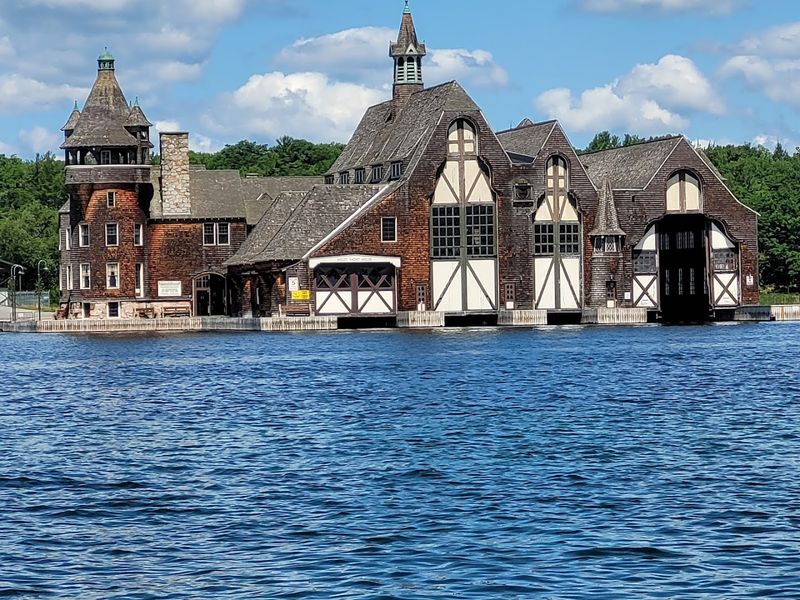
Boldt Castle sits on Heart Island in the St. Lawrence River, and the setting alone makes it one of the most unusual destinations in New York State. The castle was built in the early 1900s by hotel magnate George Boldt as a gift for his wife.
Construction stopped abruptly in 1904 and the island sat unfinished for decades before the Thousand Islands Bridge Authority took over and began restoring it.
Today visitors reach the island by ferry from Alexandria Bay, and the 2026 operating season runs from May 9 through October 12. The architecture, the island grounds, the river views, and the story behind the castle all contribute to an experience that feels genuinely different from any other historic site in the state.
The Thousand Islands region is worth exploring beyond just the castle. The area includes over 1,800 islands scattered across the river, and a boat tour gives you a broader sense of the landscape that no single stop can fully capture on its own.
Sonnenberg Gardens and Mansion State Historic Park, Canandaigua
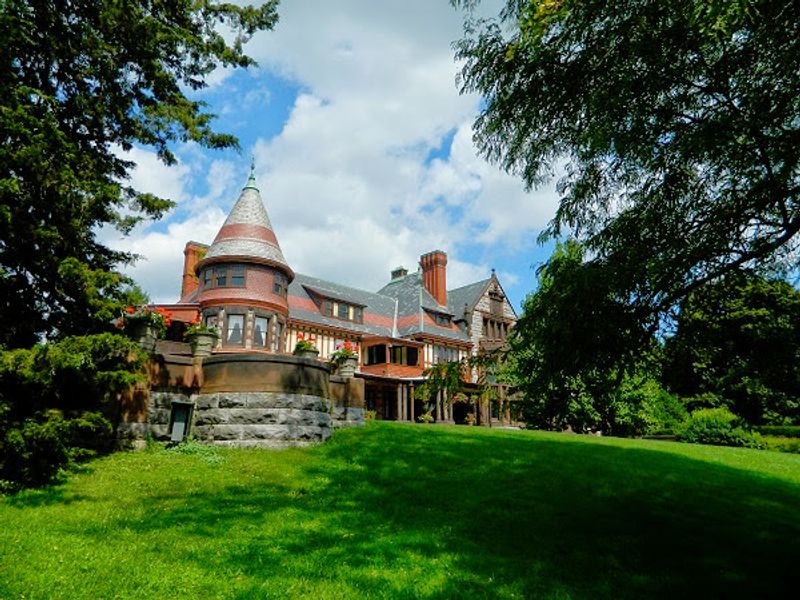
Sonnenberg Gardens and Mansion State Historic Park covers 50 acres on the edge of Canandaigua Lake, and it is one of only two public gardens within the New York State Parks system. The estate was built in the late 1800s and includes nine distinct formal gardens with Victorian, Italian, Colonial, Japanese, and other design influences layered across the grounds.
The mansion itself reflects the Gilded Age tastes of its original owners, Frederick and Mary Clark Thompson. Guided tours of the house are available during the garden season, giving visitors a look inside a preserved historic home alongside the outdoor gardens.
Visitors should check the official seasonal hours before planning a trip, as both the gardens and mansion operate on a seasonal schedule.
Canandaigua is already a popular Finger Lakes destination, and Sonnenberg fits naturally into a day that might also include a drive along the lakeshore or a stop at a nearby winery. The gardens are at their most striking in late spring and early summer when the formal plantings are in full bloom.
Statue of Liberty and Ellis Island, New York Harbor
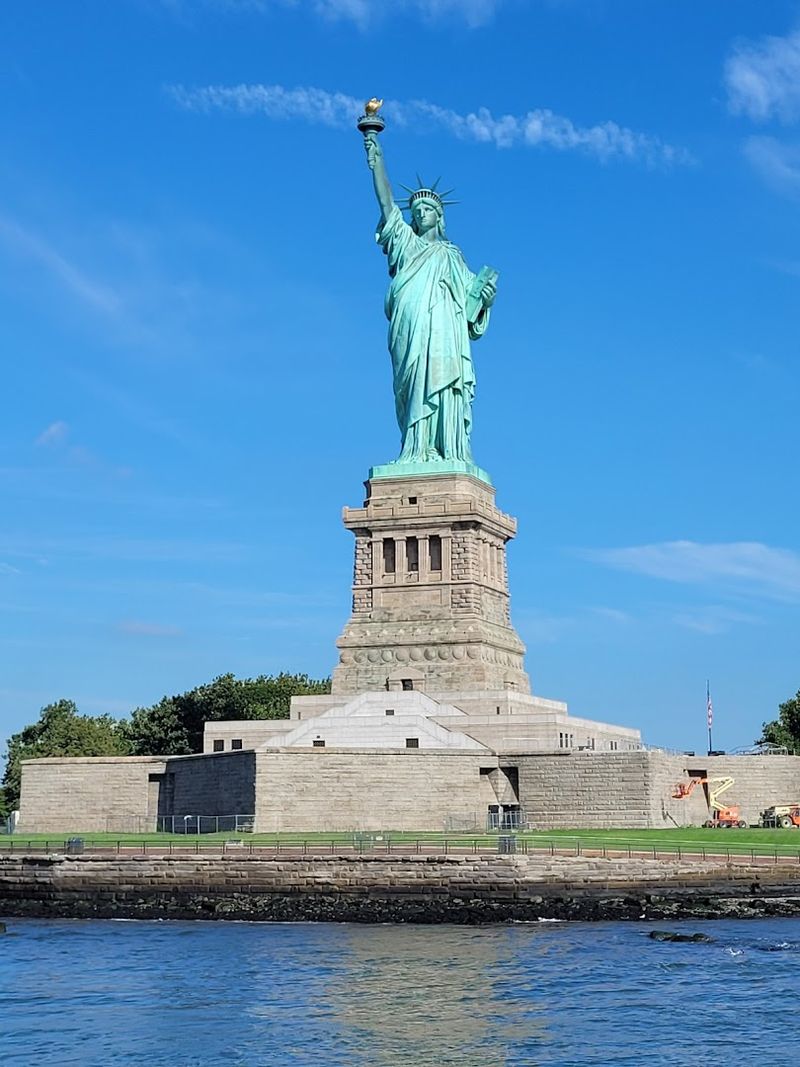
There is a reason the Statue of Liberty appears on more New York travel lists than almost any other landmark. Standing on Liberty Island with the harbor around you and the Manhattan skyline behind you puts American history into a physical space that photographs simply cannot replicate.
The statue has stood in the harbor since 1886, and the experience of being near it still carries weight.
A visit covers both Liberty Island and Ellis Island, where the Ellis Island National Museum of Immigration documents the millions of people who entered the country through that port between 1892 and 1954. The museum’s exhibits, passenger records, and preserved Great Hall make it one of the most meaningful history stops in the state.
Ellis Island is open every day except Thanksgiving and Christmas, though weather can affect ferry service. The Statue of Liberty Museum on Liberty Island provides additional historical context without requiring a climb to the crown, which requires advance reservations booked well ahead of your visit date.
The Metropolitan Museum of Art, New York City
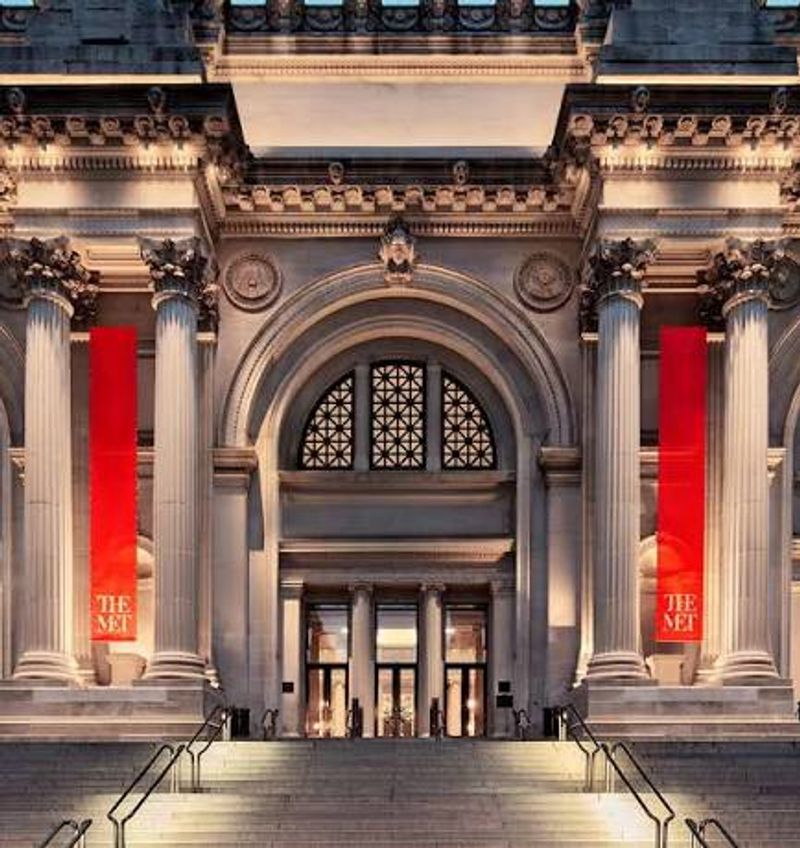
The Met covers more than two million square feet and holds a permanent collection of over two million objects. That scale can feel overwhelming until you realize that most visitors naturally find their own path through it, whether that means spending an hour with Egyptian artifacts, European paintings, Japanese armor, or contemporary photography.
The collection rewards both focused visits and open-ended wandering.
Located along Fifth Avenue on the eastern edge of Central Park, the museum is one of the most visited in the world and one of the most accessible major art institutions in New York City. The official visitor page confirms current operating details for those planning ahead.
Even people who do not typically seek out art museums find something at The Met that holds their attention longer than expected. The fashion and costume collection, the rooftop garden with city views, and the Arms and Armor galleries tend to surprise first-time visitors who arrived expecting a more traditional fine art experience.
It rewards returning visits just as well as first ones.
National September 11 Memorial and Museum, New York City

The National September 11 Memorial and Museum occupies the footprints of the original Twin Towers in lower Manhattan, and the design of the site reflects that history in a direct, physical way. The two reflecting pools are among the largest man-made waterfalls in North America, and the names of the nearly 3,000 people lost on September 11, 2001 and in the 1993 World Trade Center bombing are inscribed around their edges.
The outdoor memorial is open daily from 8 a.m. to 8 p.m. The museum is generally open Wednesday through Monday from 9 a.m. to 7 p.m., with additional Tuesday openings scheduled for parts of 2026.
Inside, the museum holds thousands of artifacts, photographs, oral histories, and preserved sections of the original towers.
This is not a quick or easy stop, and it is not meant to be. Visitors typically spend several hours moving through the exhibits at a measured pace.
For anyone visiting New York State, it stands as one of the most historically significant places in the entire country.
Empire State Building Observatory, New York City
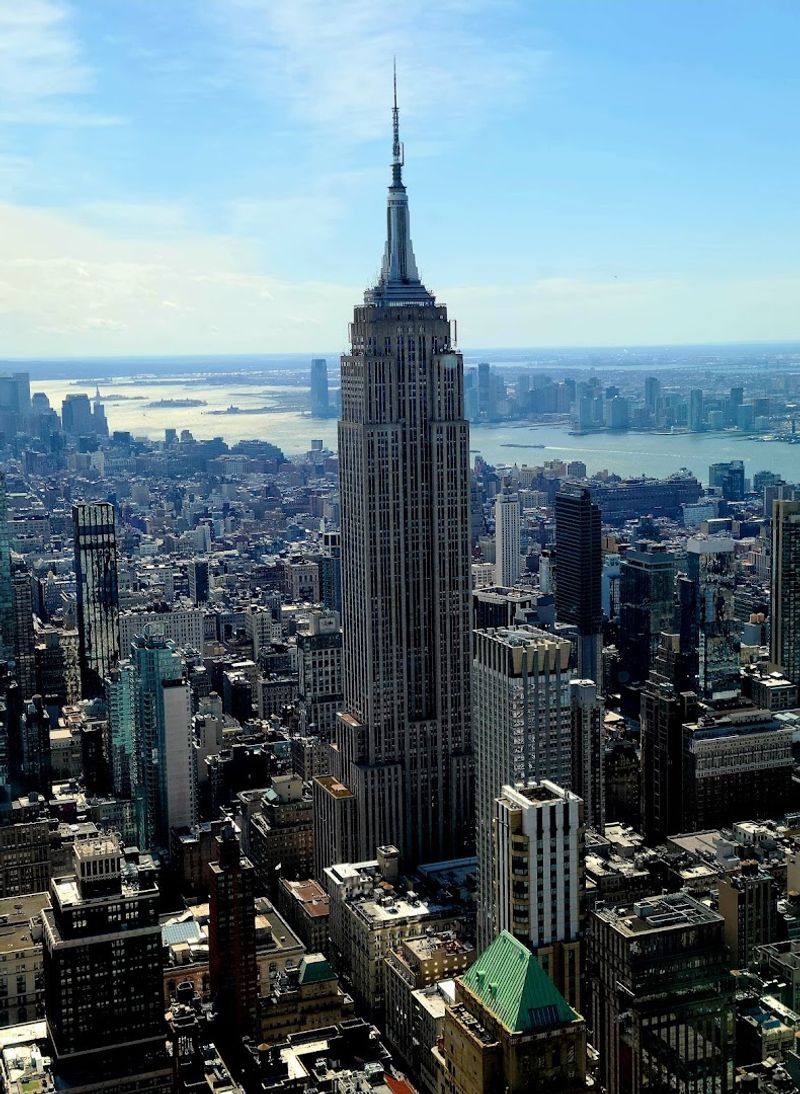
At 1,454 feet to the top of its antenna, the Empire State Building held the title of world’s tallest building for over 40 years after it opened in 1931. The 86th-floor observatory sits at 1,050 feet and offers a 360-degree open-air view of Manhattan that puts the entire city grid into perspective.
It is one of those experiences that feels earned once you are actually standing there.
The building is open 365 days a year, with hours varying by season. The view at sunset is particularly strong, as the light shifts across the skyline and the city transitions from afternoon to evening.
After dark, the illuminated streets and bridges create a completely different visual experience from the same platform.
Timed entry tickets are available online and are worth booking in advance, especially during peak travel seasons. The 102nd-floor Top Deck is an additional option for those who want the highest enclosed observation point.
For first-time New York City visitors, this remains one of the most reliably memorable stops on any itinerary.
Walkway Over the Hudson, Poughkeepsie and Highland
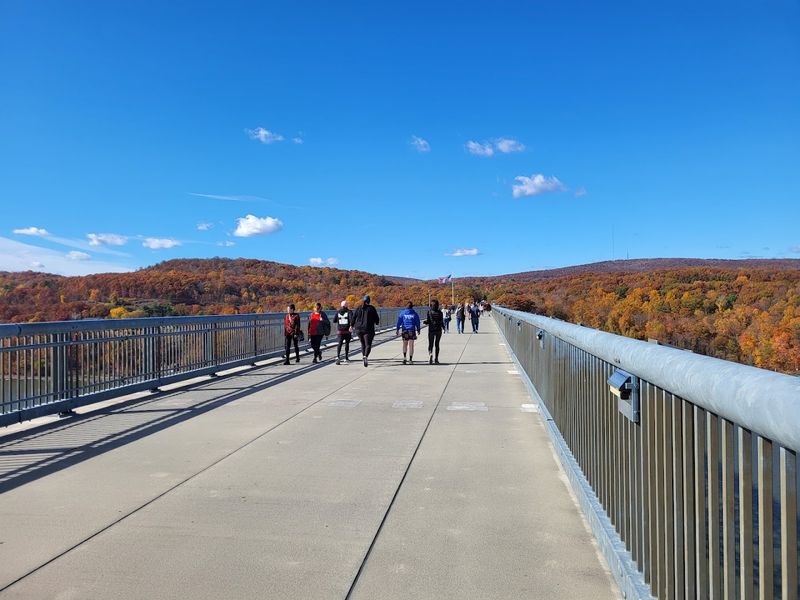
The Walkway Over the Hudson started as a railroad bridge in 1889 and sat unused for decades after a fire damaged it in 1974. In 2009 it reopened as the world’s longest elevated pedestrian bridge, stretching 1.28 miles from gate to gate over the Hudson River.
The conversion from industrial relic to public walkway is one of the more satisfying infrastructure stories in New York State history.
The bridge is open seven days a week, 365 days a year from 7 a.m. to sunset, weather permitting, and admission during regular hours is free. It connects with the Dutchess Rail Trail, the Hudson Valley Rail Trail, and the Empire State Trail, making it a natural hub for longer bike rides or walks through the valley.
The river views from the center of the bridge are the main draw. Standing 212 feet above the Hudson with the valley spreading out in both directions gives you a sense of the landscape that no roadside pullout can replicate.
It is one of the most straightforward big-view experiences New York offers.
Share this story