 Unearth The Voyage
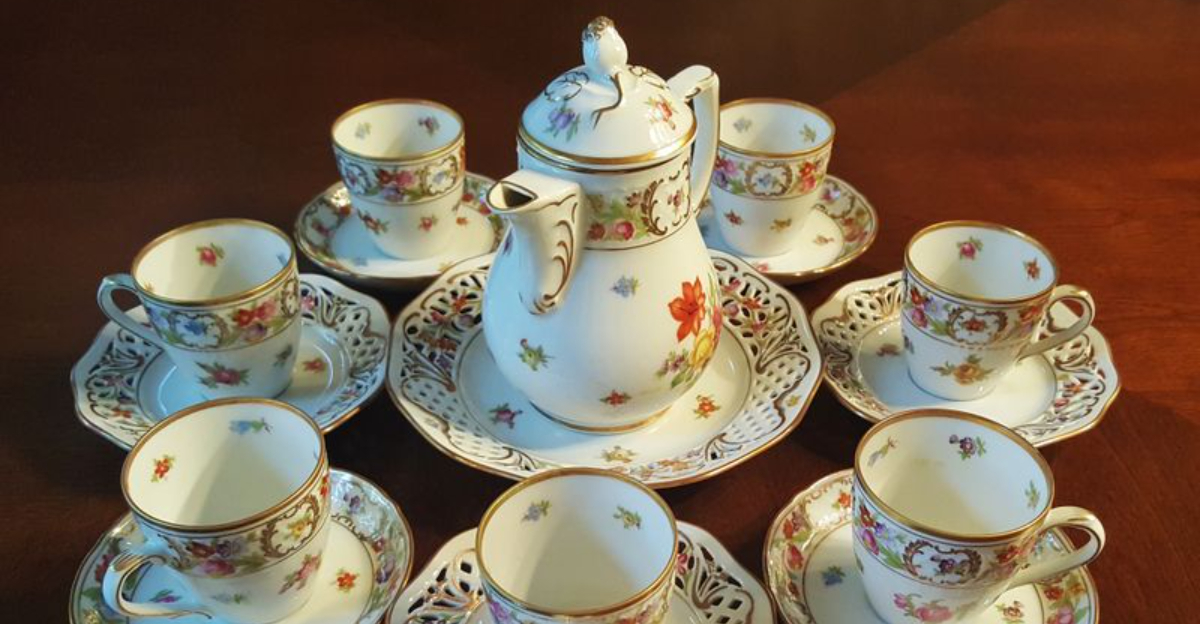
Most of us hold onto things we think we might need someday, but that day rarely comes. Closets, drawers, and storage bins fill up with items that seemed useful once but now just sit there gathering dust.
Letting go of these forgotten belongings can free up space, reduce stress, and make your home feel lighter and more organized.
1. Stacks of old magazines and newspapers
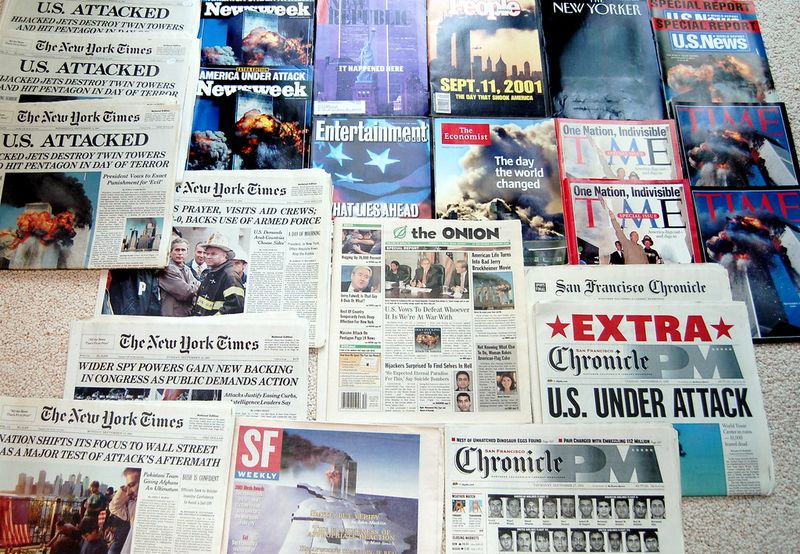
Magazines pile up fast. You tell yourself you’ll read that article or try that recipe, but weeks turn into months and the stack just grows taller.
Before you know it, you’re dedicating entire shelves or corners to glossy pages you never flip through.
Newspapers are even worse because they yellow and take up surprising amounts of room. If you haven’t touched them in six months, chances are you never will.
Most content is available online anyway, so keeping physical copies is like renting storage space for information you can access anytime on your phone.
Recycling these paper piles feels great. You’ll instantly notice how much more breathing room you have.
If there’s a specific article you want to remember, snap a photo or bookmark the digital version instead.
Letting go of old magazines and newspapers isn’t about throwing away memories. It’s about making room for the life you’re living now, not the one you thought you’d have time for.
Your home will thank you, and so will your peace of mind when you’re not constantly shuffling stacks around.
2. Piles of old greeting cards
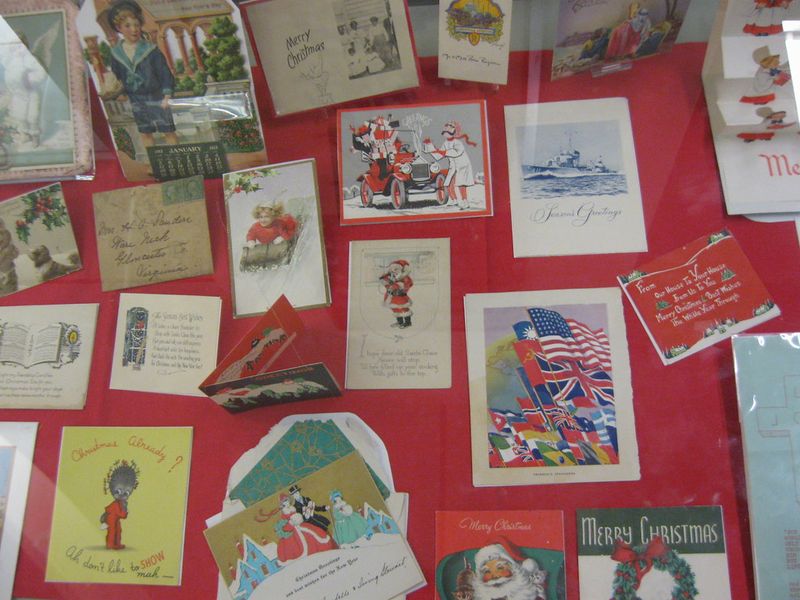
Birthday cards, holiday greetings, thank-you notes – they all carry sweet sentiments that make them hard to toss. You save them because someone took the time to write a message, and throwing them away feels like dismissing that kindness.
But here’s the truth: those kind words live in your memory, not in a shoebox under your bed.
Over the years, these cards multiply. One box becomes two, then three, and suddenly you’re storing hundreds of cards you never look at.
The guilt of discarding them keeps them around, but they’re not bringing you joy if they’re hidden away in the back of a closet.
Consider keeping only the most meaningful ones – maybe a handful with heartfelt messages or from people no longer in your life. Take photos of special cards before recycling the rest.
This way, you preserve the sentiment without sacrificing valuable storage space.
Your loved ones would understand. They gave you those cards to make you smile in the moment, not to create a storage burden for years to come.
Freeing yourself from greeting card guilt is liberating and makes room for things you actually use and enjoy.
3. Instruction manuals you could find online in 10 seconds
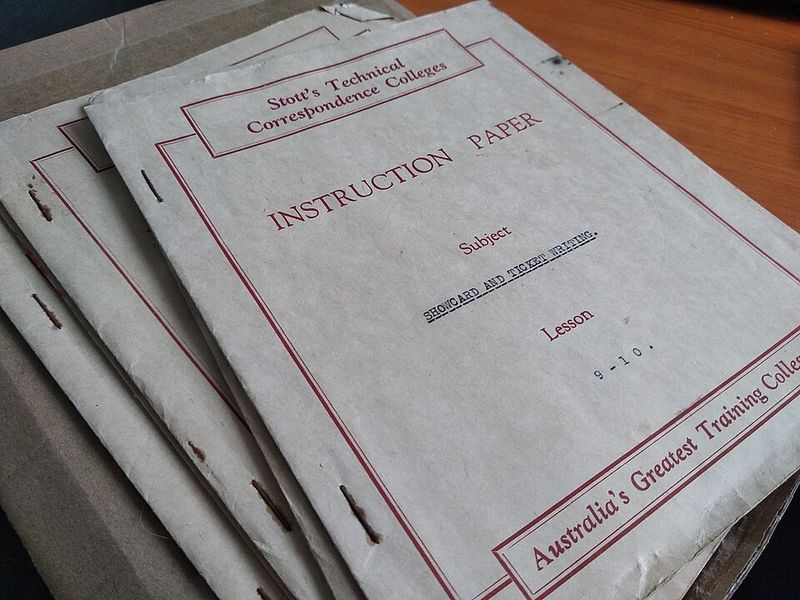
Remember when every appliance came with a thick manual you felt obligated to keep? Those booklets promised to solve future problems, so you filed them away in a drawer that’s now overflowing with paper.
The irony is that when you actually need help, you probably Google it instead of digging through that messy drawer.
Nearly every product manual is available online as a PDF. Manufacturers post them on their websites, and third-party sites archive millions of user guides.
A quick search with your product’s model number usually gets you the answer faster than flipping through pages.
Holding onto paper manuals made sense twenty years ago, but now they’re just taking up space. If you’re worried about losing access, bookmark the digital version or save the PDF to a cloud folder.
You’ll have it whenever you need it, without the clutter.
Go through that drawer and recycle the manuals for products you no longer own or can easily find online. Keep only the truly obscure ones if you must.
Your drawers will close easier, and you’ll stop that nagging feeling every time you see the pile growing with each new purchase.
4. Mystery cords, chargers, and maybe-this-fits-something cables
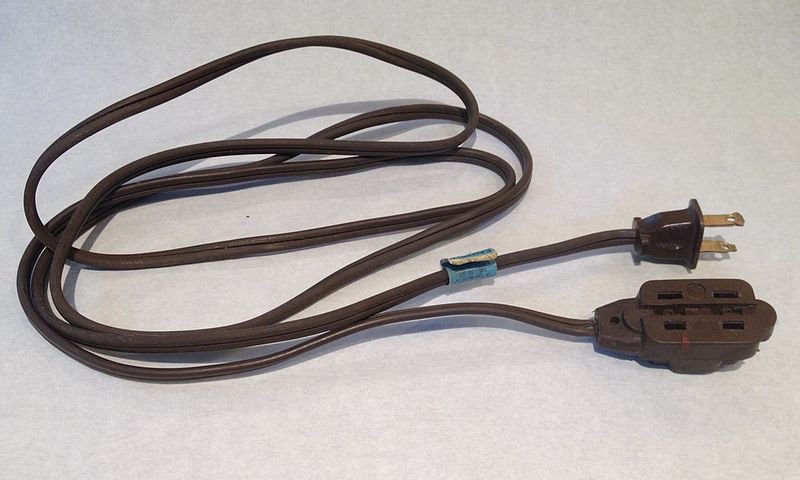
Every home has that tangled nest of cables no one can identify. You keep them because throwing away a cord feels risky—what if you need it next week?
So they sit in a box or drawer, knotted together, accumulating dust and mystery.
The problem is most of these cables belong to devices you replaced years ago. Old phone chargers, random USB cords, power adapters for gadgets long gone – they serve no purpose except making you feel prepared for a scenario that will never happen.
Meanwhile, they’re hogging space and creating visual chaos.
Here’s a better approach: identify what you actually use right now. Match cables to current devices and recycle or properly dispose of the rest.
Many electronics stores and recycling centers accept old cables and chargers, so they don’t have to end up in a landfill.
Tossing mystery cords might feel uncomfortable at first, but the relief afterward is real. You’ll have a neat, organized tech drawer where you can actually find what you need.
And if by some miracle you do need a specific cable later, replacements are inexpensive and easy to find online or at any store.
5. Outdated media collections (VHS, cassettes, CDs, DVDs)
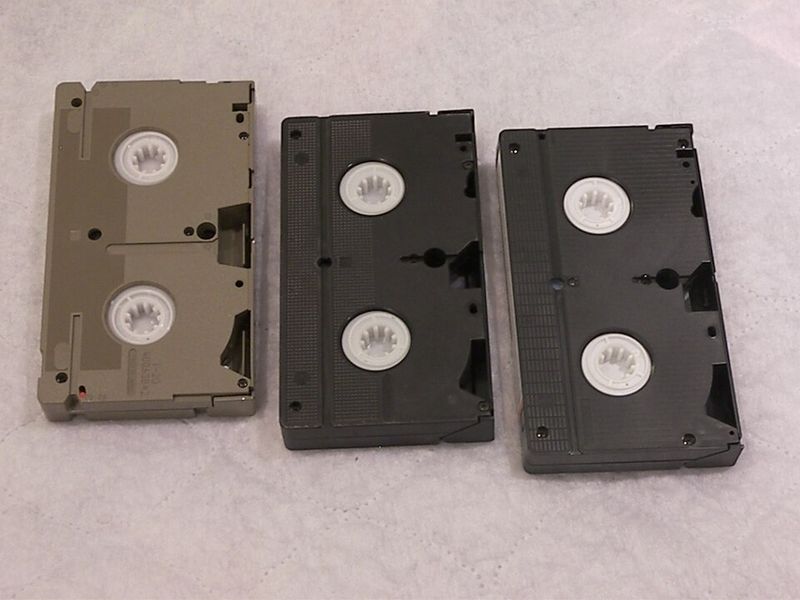
VHS tapes, cassette tapes, CDs, and DVDs once represented your entire entertainment library. You spent money building that collection, so parting with it feels like losing a piece of your past.
But when was the last time you actually played one?
Most people no longer own devices that play these formats. VCRs and cassette players are rare, and even DVD players are disappearing as streaming takes over.
Your media collection sits on a shelf, a nostalgic monument you never interact with, quietly taking up valuable space.
If you truly love certain movies or albums, they’re likely available digitally. Streaming services, digital downloads, and online archives mean you can access almost anything without physical storage.
For rare or sentimental items, consider digitizing them before letting the physical copies go.
Donate, sell, or recycle selectively. Some thrift stores accept media in good condition, and specialty buyers collect vintage formats.
Letting go doesn’t erase your memories – it just makes room for your current lifestyle. You’ll be surprised how much lighter your shelves feel when they’re not weighed down by formats you’ve moved on from years ago.
6. Fine china and special occasion dishware that never gets used
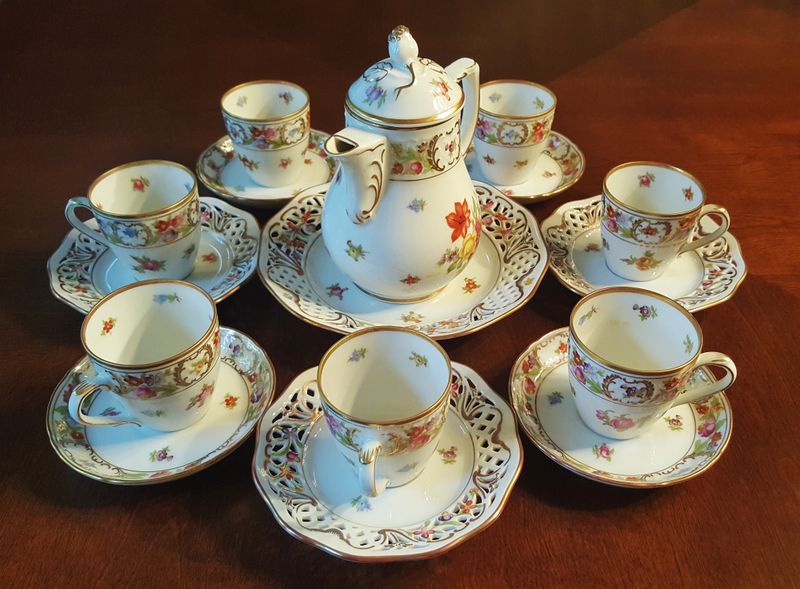
Fine china often comes from weddings, inheritances, or well-meaning gifts. It sits in boxes or high cabinets, waiting for a special occasion fancy enough to justify using it.
But those occasions rarely come, and even when they do, you might choose easier, dishwasher-safe options instead.
Home retailers and organizing experts note that fine china is one of the most commonly stored and underused items in American homes. It represents a formal dining culture that many people no longer practice.
Meanwhile, it occupies prime real estate in your cabinets or closets, space you could use for things you actually reach for daily.
If you love your china and display it beautifully, that’s wonderful. But if it’s been boxed up for years, ask yourself honestly whether you’ll ever use it.
Selling, donating, or passing it along to someone who will appreciate it can be more respectful than letting it gather dust.
You don’t need to keep things out of obligation. Your grandmother would probably rather see you enjoy your space than feel burdened by dishes you never touch.
Letting go of unused fine china can be surprisingly freeing, making room for the life you’re actually living, not the one you think you should be.
7. Extra dinnerware and duplicates for guests (you never host)
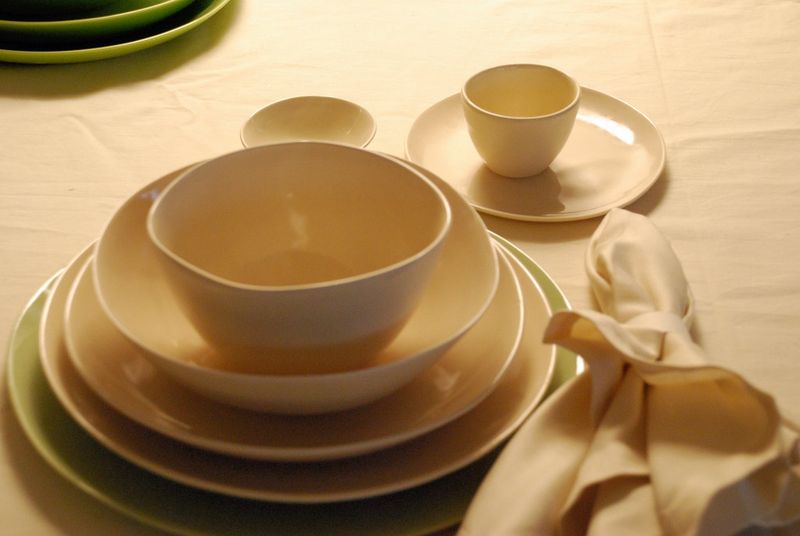
You bought extra plates, bowls, and glasses for when you have guests over. It seemed practical at the time—who wants to run out of dishes during a dinner party?
But if you’re honest, those gatherings happen far less often than you imagined, and the extra dishware just sits there taking up cabinet space.
Professional organizers commonly recommend moving rarely used items out of your most accessible kitchen storage. Those prime lower shelves and easy-to-reach cabinets should hold what you use daily, not dishes reserved for hypothetical dinner parties.
Every time you reach past the guest plates to grab your everyday bowl, you’re reminded of space wasted on good intentions.
Consider how often you actually host. If it’s once or twice a year, you can borrow or use disposable options for those rare occasions.
If you never host at all, keeping a full set of guest dishes is just cluttering your kitchen and making daily life less convenient.
Donate the extras or sell them if they’re in good condition. You’ll be amazed at how much easier it is to organize your kitchen when you’re not working around dishes you never use.
Your cabinets will breathe, and so will you every time you open them without an avalanche of excess plates.
8. Rarely used small appliances taking up counters and cabinets
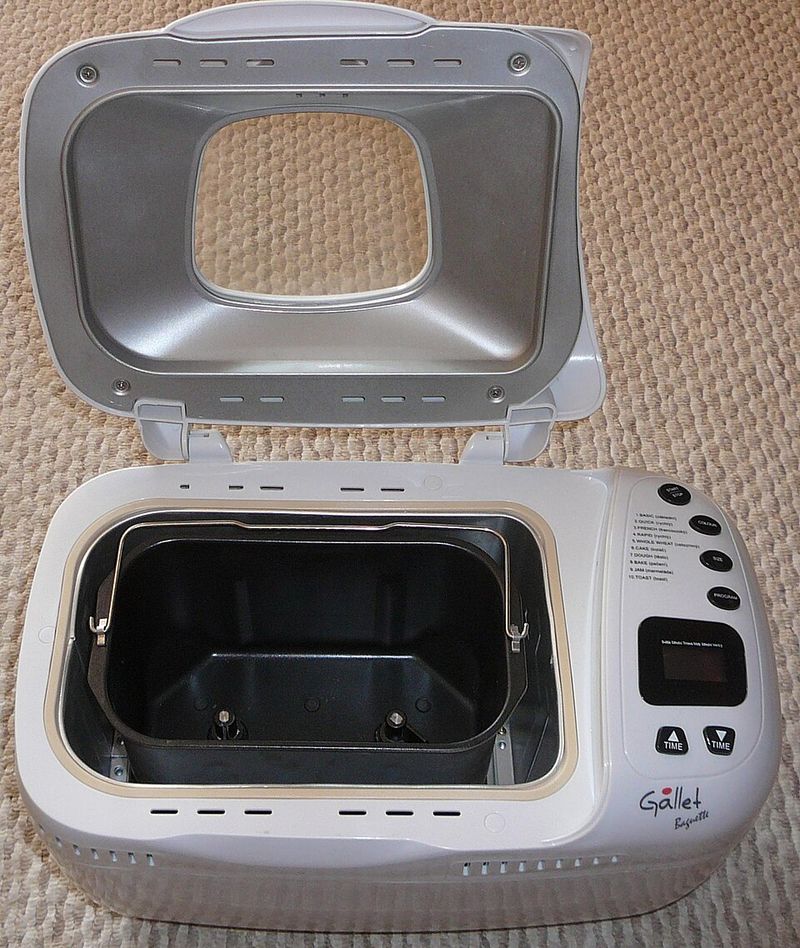
Bread makers, juicers, waffle irons, specialty blenders—small kitchen appliances promise to transform your cooking routine. You buy them with genuine excitement, use them once or twice, and then they become permanent counter or cabinet residents.
They’re too bulky to store easily but too expensive-feeling to get rid of, so they just sit there, making you feel guilty every time you see them.
If an appliance isn’t part of your regular routine, it’s stealing valuable space from things you actually use. Countertops are prime real estate in any kitchen, and cabinets fill up fast.
Every unused gadget makes your kitchen feel more crowded and less functional.
Be honest about your cooking habits. That panini press might have seemed essential, but if you’ve made two sandwiches in three years, it’s not earning its keep.
Consider selling appliances in good condition or donating them to someone who will actually use them.
Clearing out rarely used appliances makes cooking easier and more enjoyable. You’ll have room to work, and your kitchen will feel less chaotic.
Keep only what you truly use at least monthly, and let go of the rest without guilt. Your counters and your sanity will thank you for the breathing room.
9. Plastic containers with missing lids (and lids with missing containers)
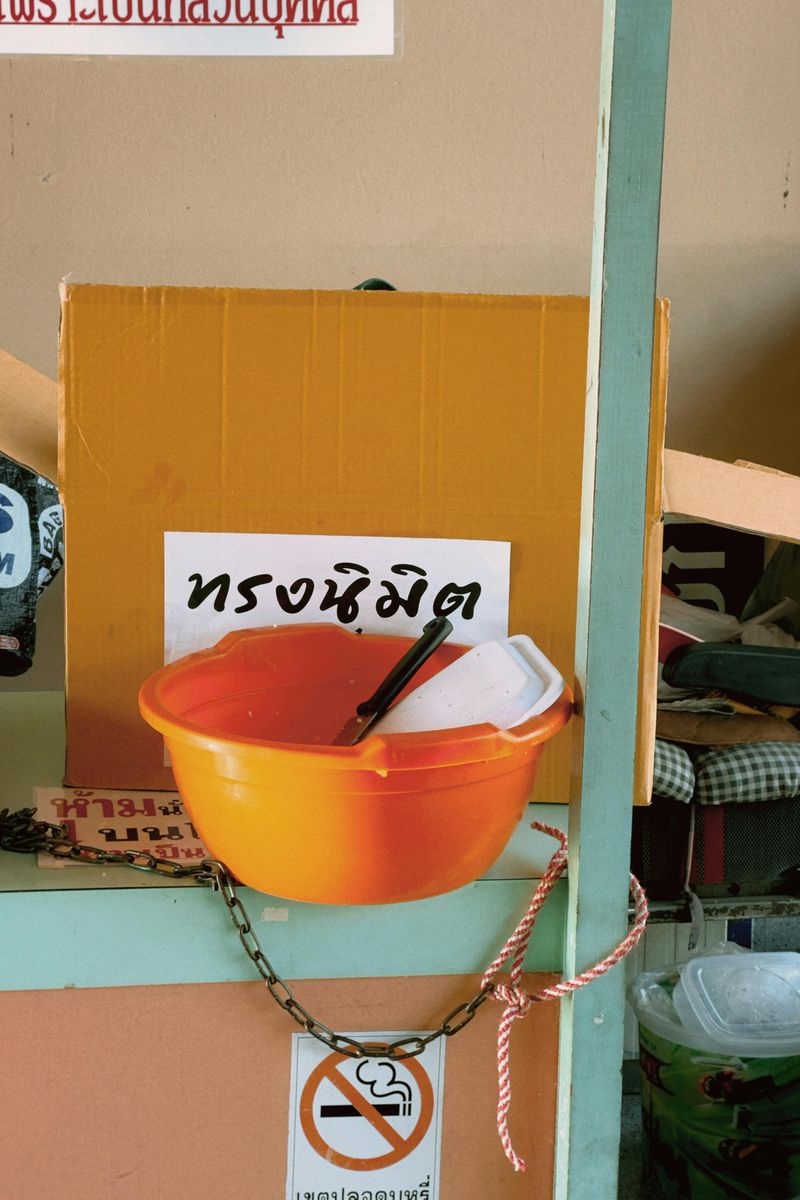
Open any kitchen cabinet and you’ll likely find a chaotic avalanche of mismatched plastic containers and orphaned lids. You keep them because throwing away a perfectly good container or lid feels wasteful, even though you can never find a matching pair when you actually need one.
This is one of the most universal clutter problems in homes everywhere.
Organizing professionals point out that incomplete container sets are essentially donation dead-ends—most places won’t accept them, and they’re not useful to anyone without their match. They just take up space and create frustration every time you dig through the pile looking for a lid that fits.
Set aside thirty minutes and match every container to its lid. Be ruthless: if there’s no match, recycle it.
You’ll probably end up with far fewer containers than you thought, but they’ll all be functional and easy to organize.
Consider investing in a single set of matching, stackable containers to replace the mismatched mess. Your cabinets will close properly again, and you’ll actually be able to find what you need without a frustrating search.
The peace of mind that comes from an organized container cabinet is worth far more than hoarding lids that fit nothing.
10. Old linens (worn towels, extra sheets, backup blankets)
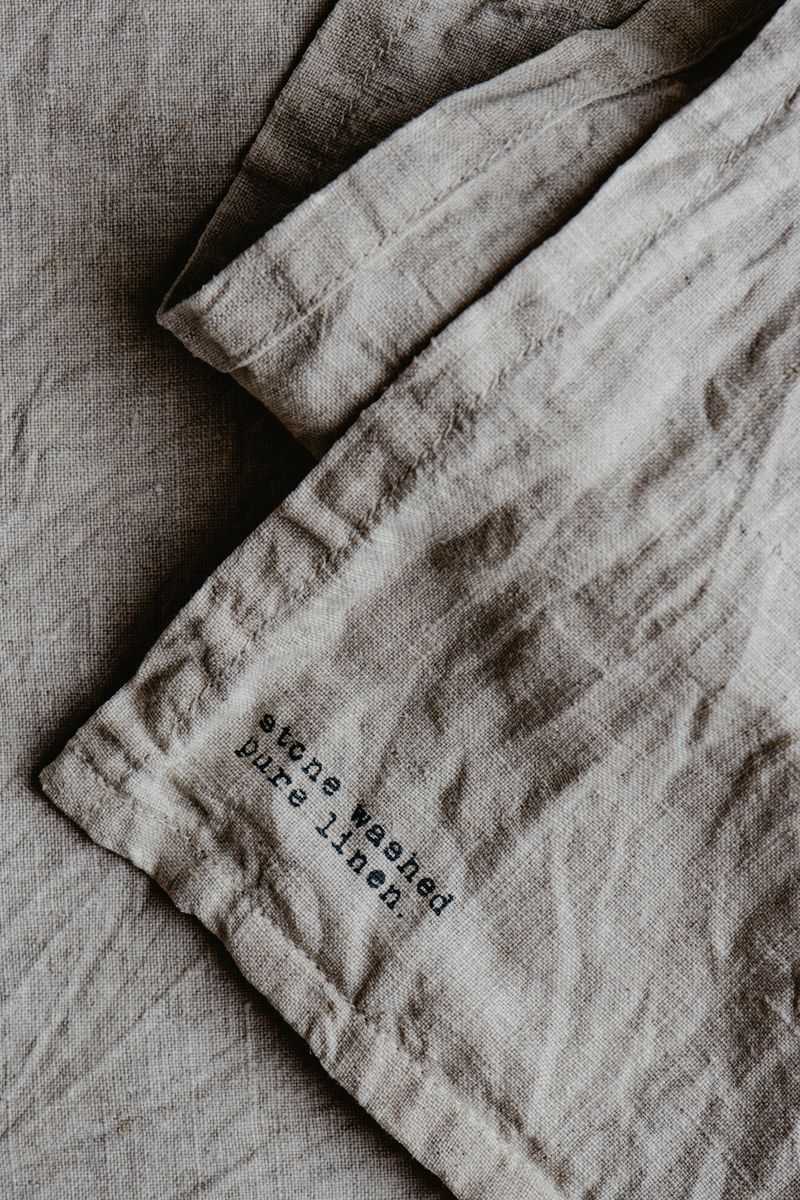
Towels that are threadbare, sheets you replaced years ago, blankets you never pull out—linens have a way of accumulating in closets long after they’ve served their purpose. You keep them thinking they might be useful for guests or emergencies, but they mostly just take up space and make your linen closet impossible to organize.
Many people assume they can donate old linens anywhere, but most thrift stores won’t accept them for hygiene reasons. This doesn’t mean they’re worthless, though.
Animal shelters, wildlife rehabilitation centers, and some homeless shelters often welcome clean towels and blankets, giving your old linens a meaningful second life.
Go through your linen closet and pull out anything stained, torn, or that you haven’t used in over a year. Be realistic about how many backup sets you actually need.
Most households function perfectly well with two sets of sheets per bed and enough towels for the people who live there plus a few extras.
Donating usable linens to animal shelters feels good and clears space for what you actually use. For items too worn to donate, cut them into cleaning rags or check if your community has textile recycling programs.
You’ll love how easy it is to find what you need when your linen closet isn’t bursting at the seams.
11. Expired medicine, skincare, and bathroom samples
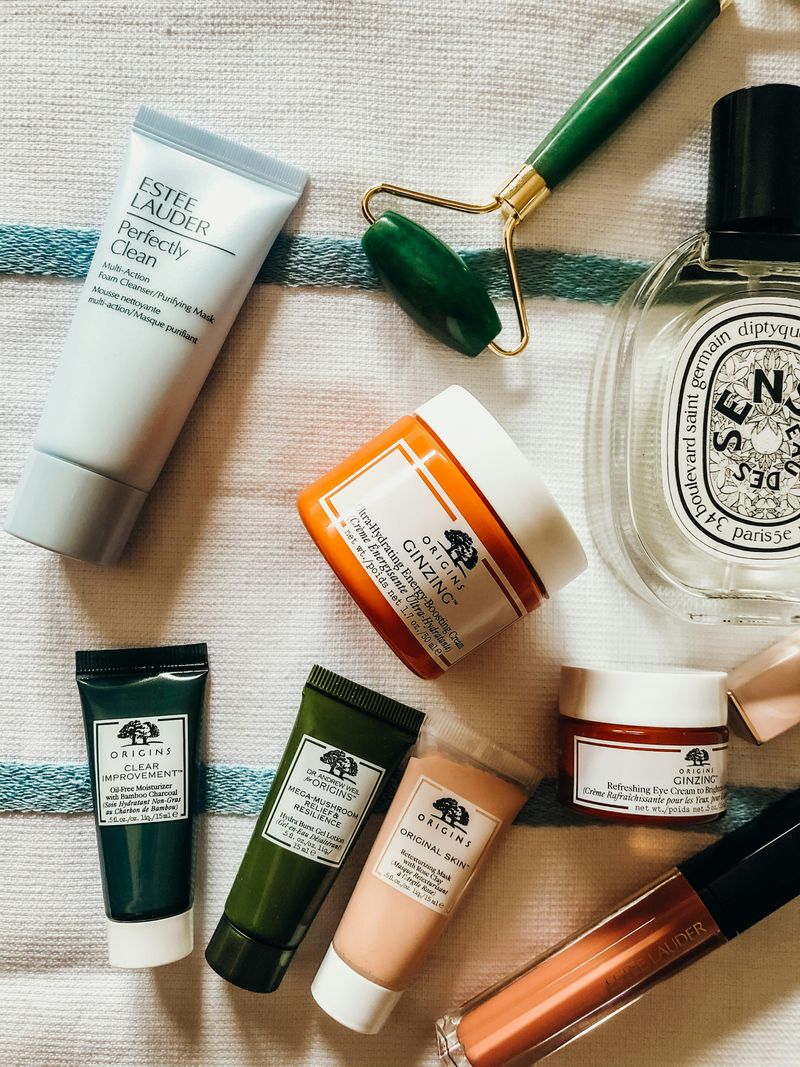
Bathroom cabinets and drawers become black holes for expired medications, old skincare products, and those tiny hotel samples you never use. You save them thinking you might need them someday, but medications lose effectiveness after expiration dates, and skincare products can actually become unsafe as ingredients break down over time.
Home organizing experts consistently warn that these items accumulate faster than almost anything else in the house. Every doctor’s visit, hotel stay, or impulse purchase adds to the pile.
Before you know it, you’re digging through a dozen expired bottles just to find the pain reliever you actually need.
Set aside time to check expiration dates on all medications and toss anything past its prime. Many pharmacies have take-back programs for safe disposal of old medications—never flush them down the toilet, as that can contaminate water supplies.
For skincare, if you don’t remember when you bought it or it smells off, throw it out.
Those free samples seemed like a good deal, but if you haven’t used them in six months, you probably never will. Keep only what you’ll genuinely use within the next month, and donate unopened, unexpired items to shelters if possible.
A clean, organized medicine cabinet makes your morning routine easier and safer.
12. Paper clutter: old receipts, bills, and documents past retention needs
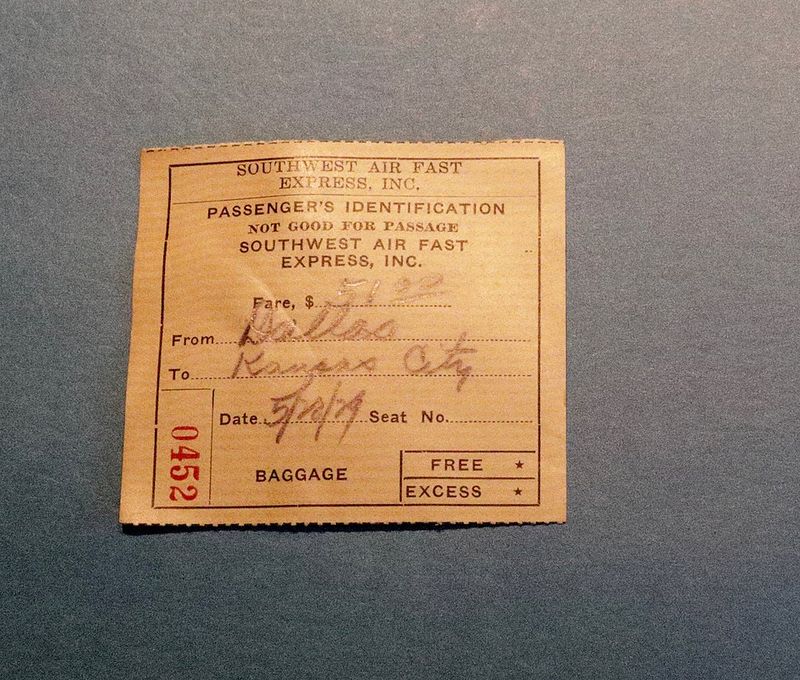
Receipts from years ago, old utility bills, bank statements from accounts you closed—paper clutter sneaks into drawers, file cabinets, and countertop piles. You keep everything because you’re not sure what’s important and what’s safe to toss.
But most of this paper serves no purpose beyond creating stress and taking up space.
Financial experts provide clear guidelines on how long to keep various documents. Most routine receipts can be discarded immediately unless needed for returns or taxes.
Old bank statements and utility bills can be shredded once you’re outside the recommended retention window, especially since most are available online now. Tax returns and supporting documents typically need seven years, but everyday paperwork rarely needs to be kept that long.
Invest an afternoon in sorting your paper piles. Shred anything with personal information that’s past its retention period, and recycle the rest.
If you’re unsure about specific documents, a quick online search will tell you how long to keep them.
Going paperless for bills and statements prevents future buildup and makes your financial life easier to manage. The relief of clearing out old paper clutter is immediate—you’ll have functional drawers again and won’t feel that nagging anxiety every time you see the pile.
Your home will feel lighter, and so will your mind.
13. Obsolete electronics you don’t use (old printers, old gadgets, random tech)
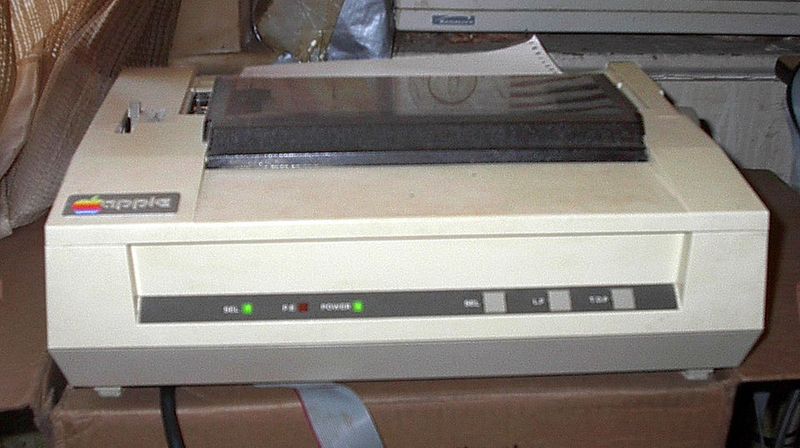
Old printers that no longer connect to modern computers, outdated tablets, random gadgets that seemed cool at the time—obsolete electronics pile up in closets, garages, and spare rooms. You hold onto them thinking they might still have value or that you’ll fix them someday, but that day never comes and they just sit there, slowly becoming more outdated.
These items are notoriously difficult to donate because many organizations won’t accept broken or outdated technology. They also shouldn’t go in regular trash because electronics contain materials that can harm the environment.
This leaves many people stuck in limbo, keeping old tech they’ll never use because they don’t know what else to do with it.
The good news is that proper e-waste recycling programs exist in most communities. Electronics retailers often accept old devices for recycling, and many cities have designated e-waste drop-off locations or periodic collection events.
A quick search for e-waste recycling in your area will usually reveal several options.
Clearing out obsolete electronics frees up surprising amounts of space and eliminates that vague guilt you feel every time you see them. Technology moves fast, and holding onto devices you haven’t touched in years doesn’t make sense.
Recycle them responsibly and enjoy the reclaimed storage space for things you actually use in your current life.
14. Outdated reference books and cookbooks you never open

Reference books, encyclopedias, and cookbooks once held essential information you couldn’t access any other way. Now, the internet provides instant answers to nearly any question, yet these books continue occupying valuable shelf space.
You walk past them daily without ever pulling one down, but getting rid of books feels somehow wrong, even when they serve no practical purpose anymore.
Professional organizers frequently identify rarely used books as an easy clutter category that quietly eats up shelves. That encyclopedia set from 1995 is wildly outdated, and cookbooks you’ve never cooked from are just collecting dust.
If you haven’t referenced a book in over a year, chances are you never will, especially when you can search any recipe or fact online in seconds.
Be selective about what you keep. Hold onto books you genuinely love, reference regularly, or that have sentimental value.
Everything else can go to libraries, schools, thrift stores, or used bookstores where someone else might actually use them.
Clearing outdated reference materials from your shelves creates space for books you’ll actually read or items that bring you joy. You can always find information when you need it—you don’t need to physically store it.
Your bookshelves will look better, dust less, and hold things you care about rather than obligations you’ve been ignoring for years.
15. Just in case toiletries and half-used products you don’t even like
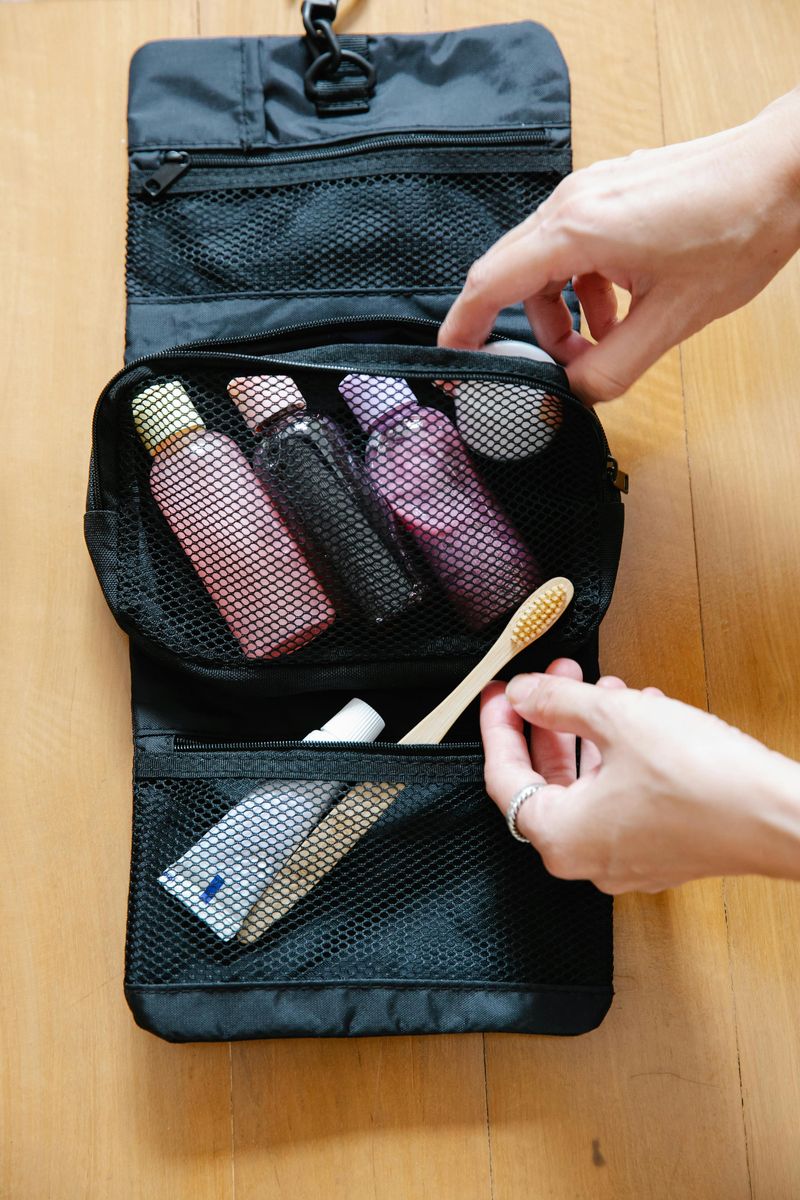
That shampoo you didn’t like but kept just in case, half-empty bottles of lotion from gift sets, travel-size products from every hotel stay—these items multiply silently under bathroom sinks and in linen closets. You convince yourself they might come in handy someday, but they mostly just create clutter and make it harder to find the products you actually want to use.
Organizing professionals repeatedly call out this category because it grows one mini bottle at a time, almost invisibly. Each individual item seems too small to matter, but collectively they take over entire cabinets.
Plus, many of these products are things you actively dislike—keeping them makes no sense when you have to dig past them to reach what you actually prefer.
Go through your toiletries with a critical eye. If you haven’t used something in six months, you probably won’t.
Products you don’t like won’t suddenly become appealing just because you’re out of your favorite. Unopened items can sometimes be donated to shelters, but most half-used bottles need to be disposed of.
Clearing out unwanted toiletries is incredibly satisfying. You’ll rediscover products you forgot you had and actually like.
Your bathroom will feel more spacious and organized, and your morning routine becomes easier when you’re not shuffling through bottles you’ll never use. Keep only what you love and will actually use—everything else is just taking up space.



