 Unearth The Voyage
Celebrities might seem untouchable, but even the most famous faces have limits when it comes to public jokes. Whether it was a cutting remark at an awards show or a tasteless ad on social media, some moments pushed stars past their breaking point.
These reactions ranged from viral social media posts to real-world confrontations that made headlines around the world. Here is a look at 15 memorable times celebrities pushed back hard against jokes made at their expense.
1. Rihanna vs. Snapchat’s Offensive Ad
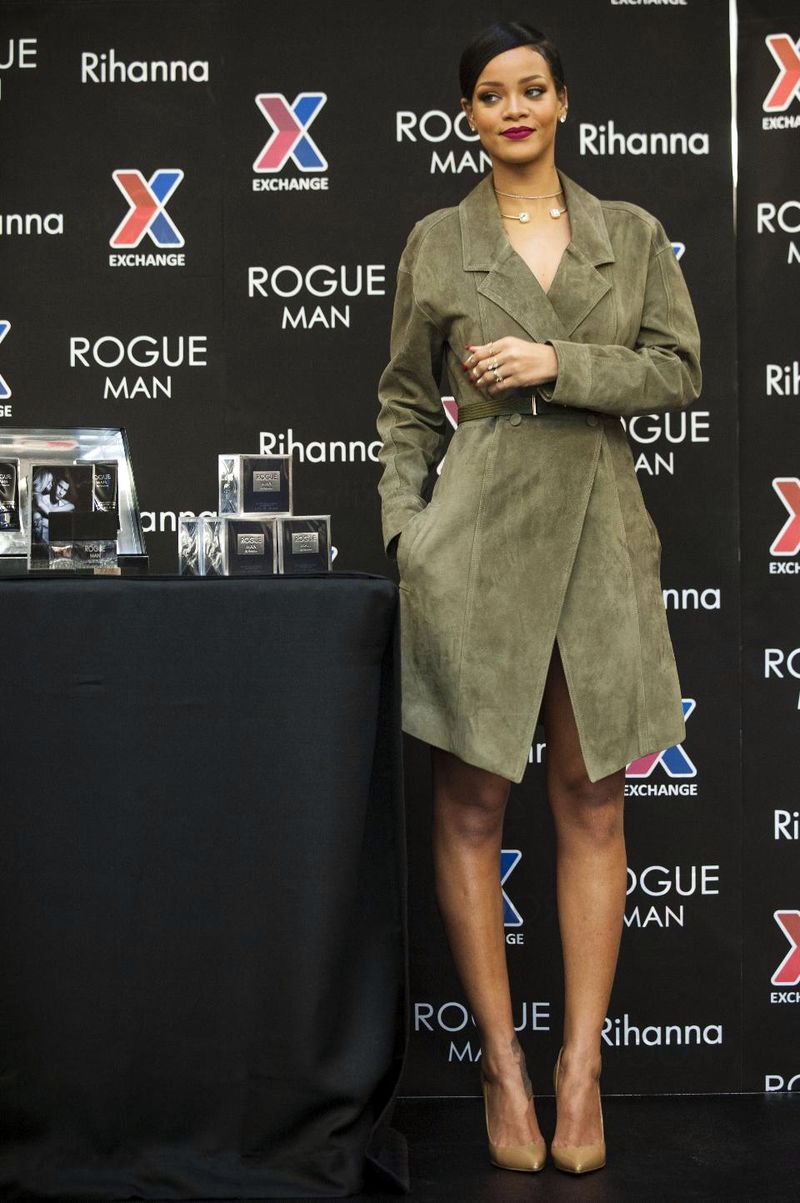
Few people expected a social media ad to spark a global backlash, but that is exactly what happened in 2018 when Snapchat ran a promotion asking users, “Would You Rather: Slap Rihanna or Punch Chris Brown?” The ad referenced real domestic violence, and Rihanna was rightfully furious.
She publicly called the ad ignorant and shameful, pointing out that it made light of a traumatic experience many survivors live with every day. Her response was direct, emotional, and powerful.
The backlash spread quickly across social media, with fans and public figures rallying behind her. Snapchat’s parent company, Snap Inc., saw its stock drop by roughly 4% following the controversy.
The incident became a clear example of how tone-deaf advertising can have real financial consequences. Rihanna’s willingness to speak up showed that celebrities can hold corporations accountable.
2. Kanye West Fires Back at Critics and Comedians
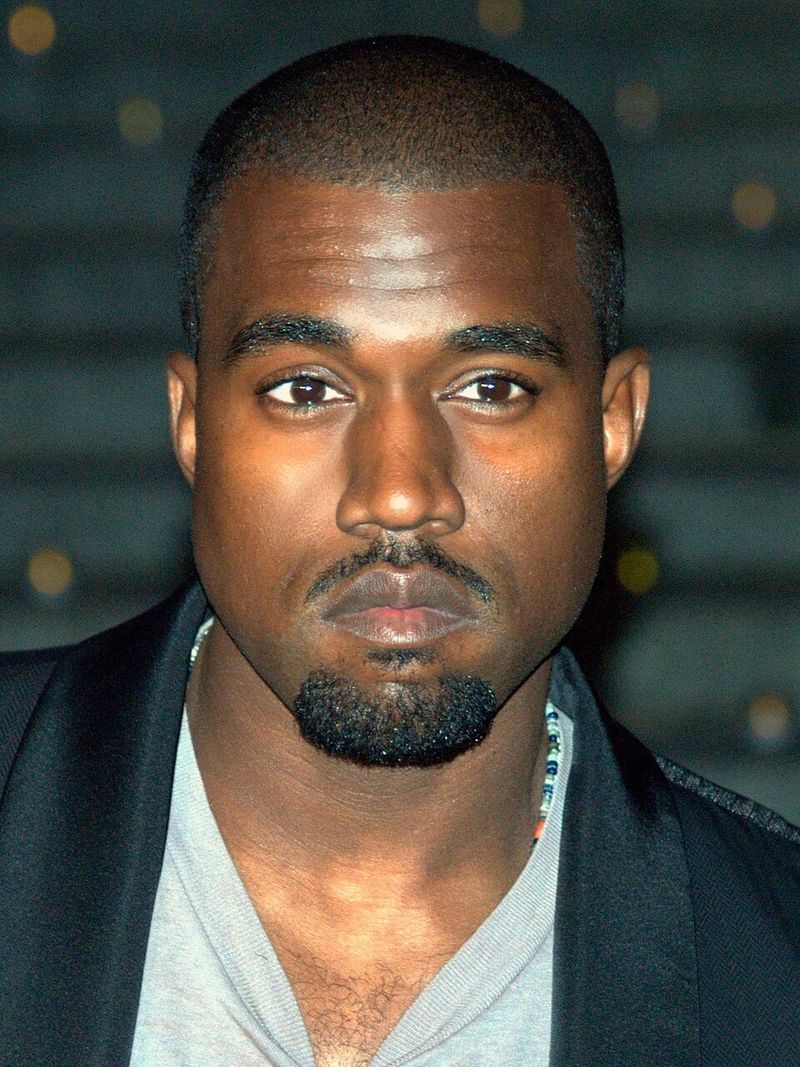
Kanye West has never been shy about defending himself, and over the years he has clashed with media figures, comedians, and satirists in very public ways. His social media presence became a battleground where he called out people he felt misrepresented or mocked him unfairly.
From long Twitter threads to surprise press appearances, West made it clear that he took criticism personally and seriously. He has disputed portrayals in parody content and publicly challenged journalists who questioned his mental health or artistic choices.
What makes his reactions stand out is their unpredictability. One moment he might post a thoughtful response, and the next he could deliver a stream-of-consciousness rant that confused as many people as it convinced.
Love him or not, West has consistently refused to let criticism go unanswered, making him one of the most vocal celebrities when it comes to defending his public image.
3. Will Smith’s Slap Heard Around the World
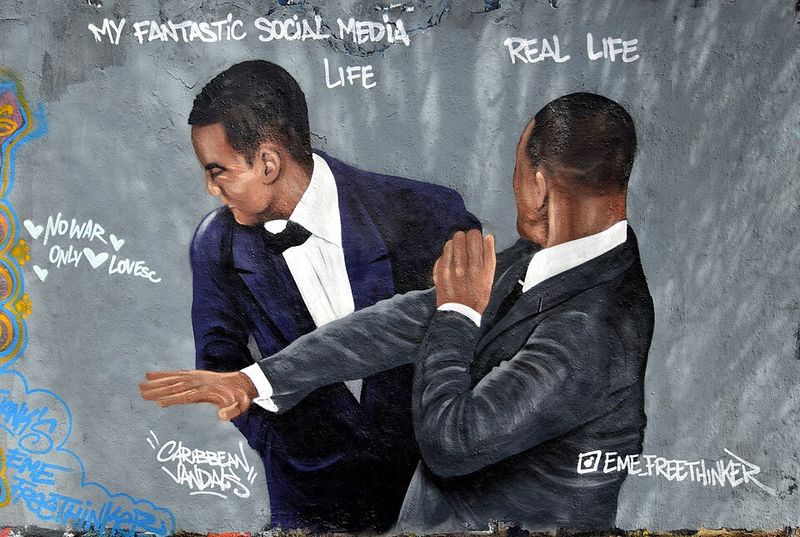
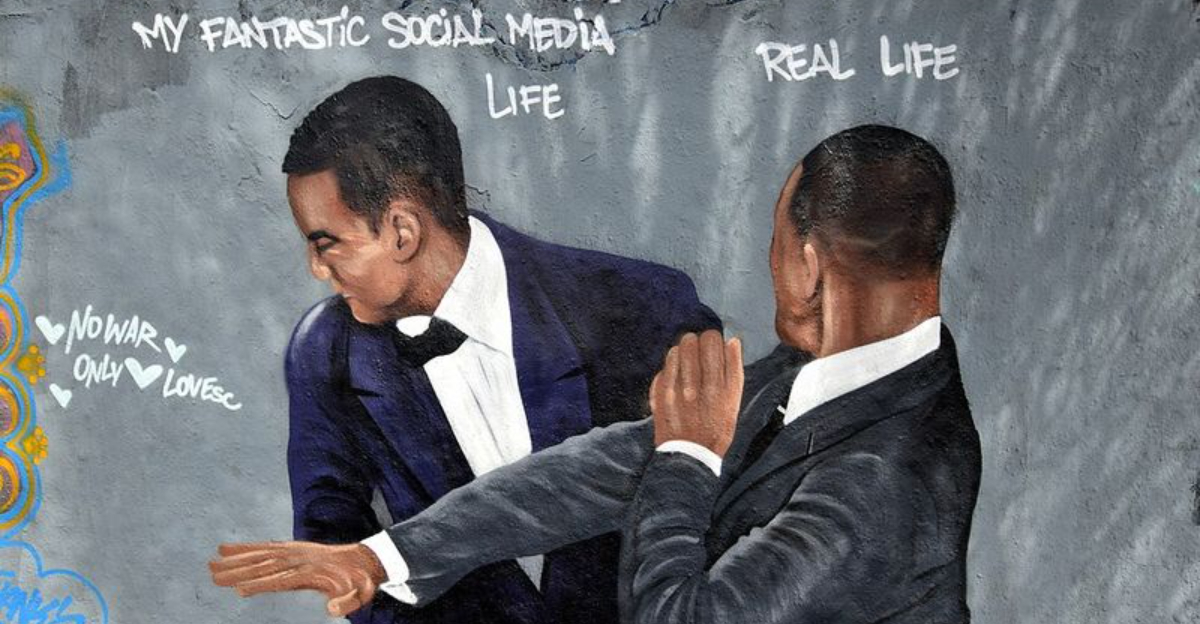
The 2022 Academy Awards will be remembered for a moment that stunned millions of viewers worldwide. Comedian Chris Rock made a joke about Jada Pinkett Smith’s shaved head, comparing her to the movie “G.I.
Jane.” What Rock may not have realized is that Jada has alopecia, a condition that causes hair loss.
Will Smith walked onstage and slapped Rock across the face in front of a live audience and global television viewers. The room fell silent.
Smith later returned to his seat and shouted at Rock to keep his wife’s name out of his mouth.
He won Best Actor that same night but later resigned from the Academy and issued a public apology. The moment sparked intense debate about celebrity behavior, personal boundaries, and the responsibilities of comedians.
It remains one of the most discussed incidents in awards show history.
4. Prince and the Famous Dave Chappelle Sketch
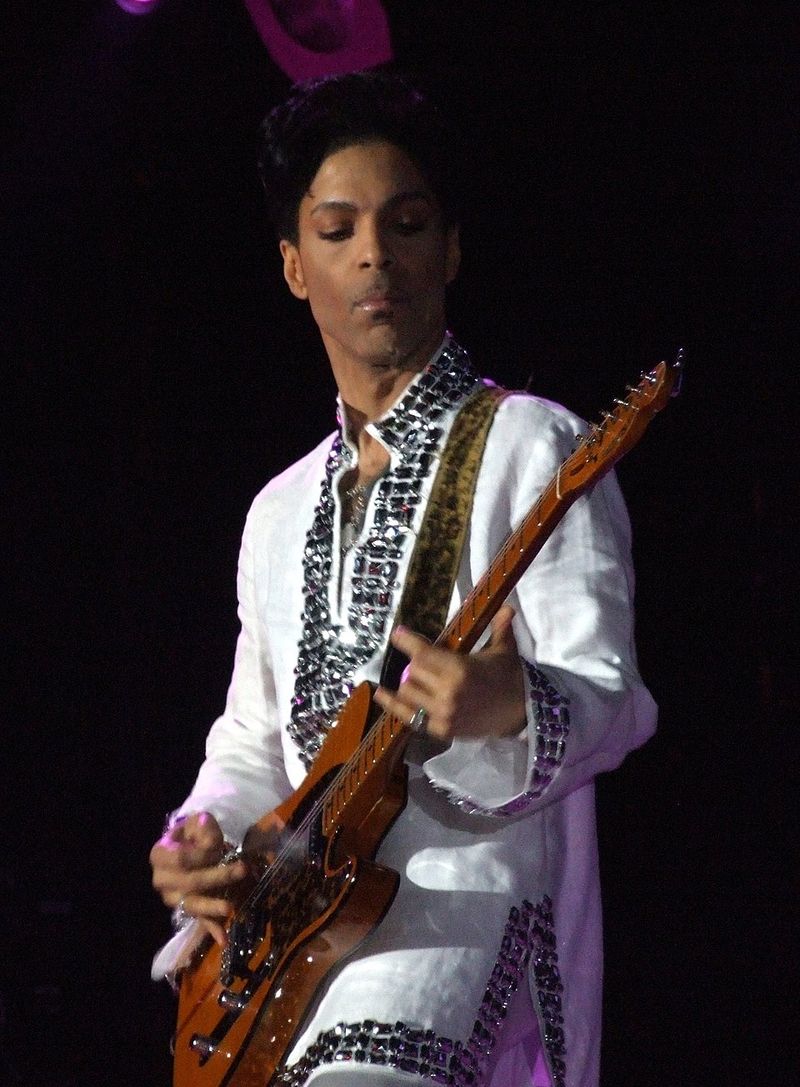
Dave Chappelle’s “Charlie Murphy’s True Hollywood Stories” sketch about Prince became one of the most beloved moments in comedy history. The bit portrayed Prince as an eccentric, competitive, and slightly bizarre figure who challenged celebrities to basketball and then served them pancakes.
It was absurd, hilarious, and oddly specific.
Prince reportedly had complicated feelings about the sketch. He was known for fiercely controlling his image and had a history of disapproving of unauthorized portrayals.
His tight grip on his music catalog and persona was legendary in the industry.
Interestingly, Chappelle later revealed that Prince had some level of awareness about the bit and even used imagery from it in his own work, suggesting he found some humor in the portrayal. It became a rare case where a celebrity’s initial discomfort with a joke softened over time into something almost like appreciation.
5. Tom Cruise and the South Park Scientology Episode
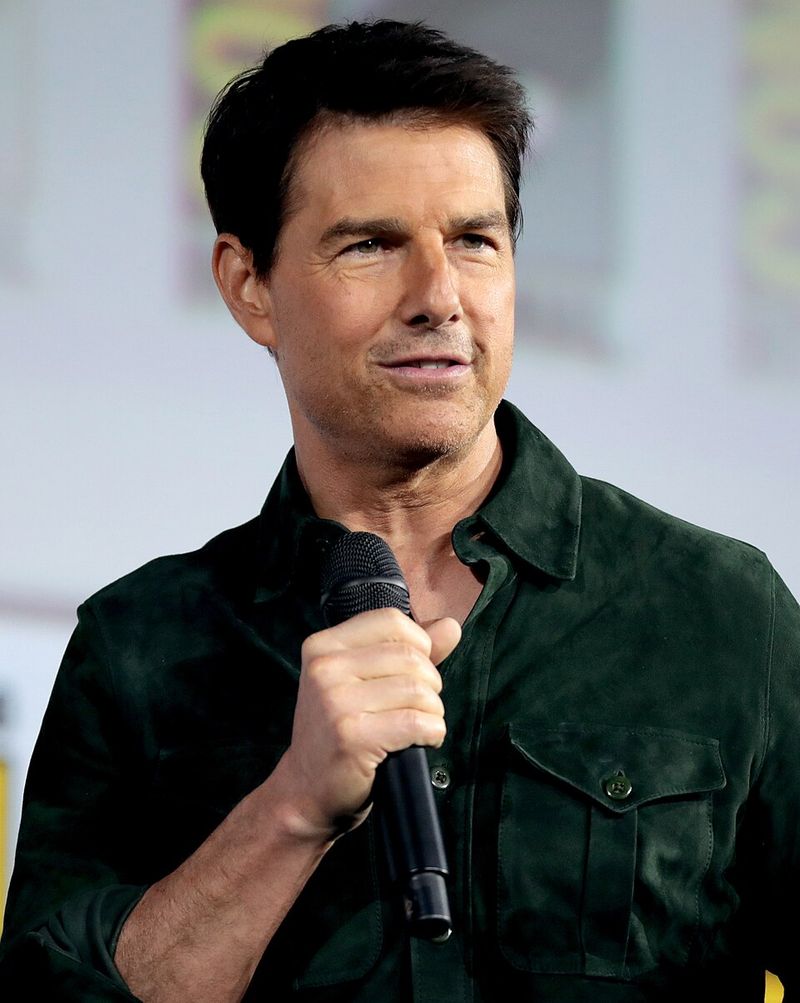
South Park has never held back when targeting celebrities, but the 2005 episode “Trapped in the Closet” hit particularly close to home for Tom Cruise. The episode mocked Scientology and depicted Cruise literally hiding in a closet, which many interpreted as commentary on rumors about his personal life.
Reports surfaced suggesting that Cruise used his Hollywood influence to pressure Viacom, the parent company of Comedy Central, to pull reruns of the episode. The network denied this, but the timing of the episode’s disappearance from the schedule raised eyebrows.
South Park creators Trey Parker and Matt Stone responded boldly, releasing a statement that poked fun at the situation. The episode eventually returned to air and became one of the show’s most talked-about installments.
For a show built on controversy, the reaction surrounding Cruise only added to its legend.
6. Bruce Willis Walks Out of a Live Interview
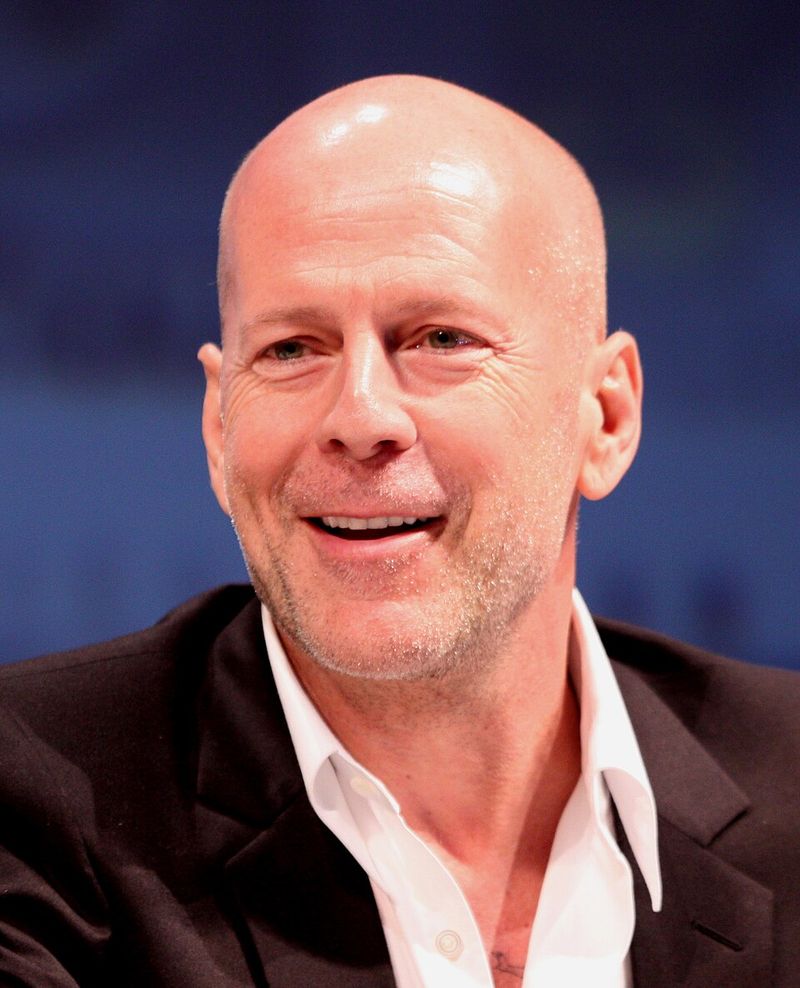
Most celebrities sit through awkward interviews with a smile, but Bruce Willis made headlines in 2009 when he appeared visibly irritated during a live TV appearance with British host Jamie Edwards. The interview quickly turned tense, and Willis did not hide his discomfort.
Rather than push through the segment professionally, Willis abruptly ended the interview, leaving the host and crew scrambling. The moment was captured and circulated widely, painting a picture of a star who had little patience for what he perceived as disrespectful or inappropriate questioning.
Willis has long had a reputation for being selective and sometimes guarded with press interactions. This incident reinforced that image in a very public way.
While some viewers sympathized with him, others felt the reaction was unnecessarily dramatic. Either way, the walkout became a memorable example of a celebrity reaching their limit with media scrutiny.
7. Sean Penn’s Long History with the Press
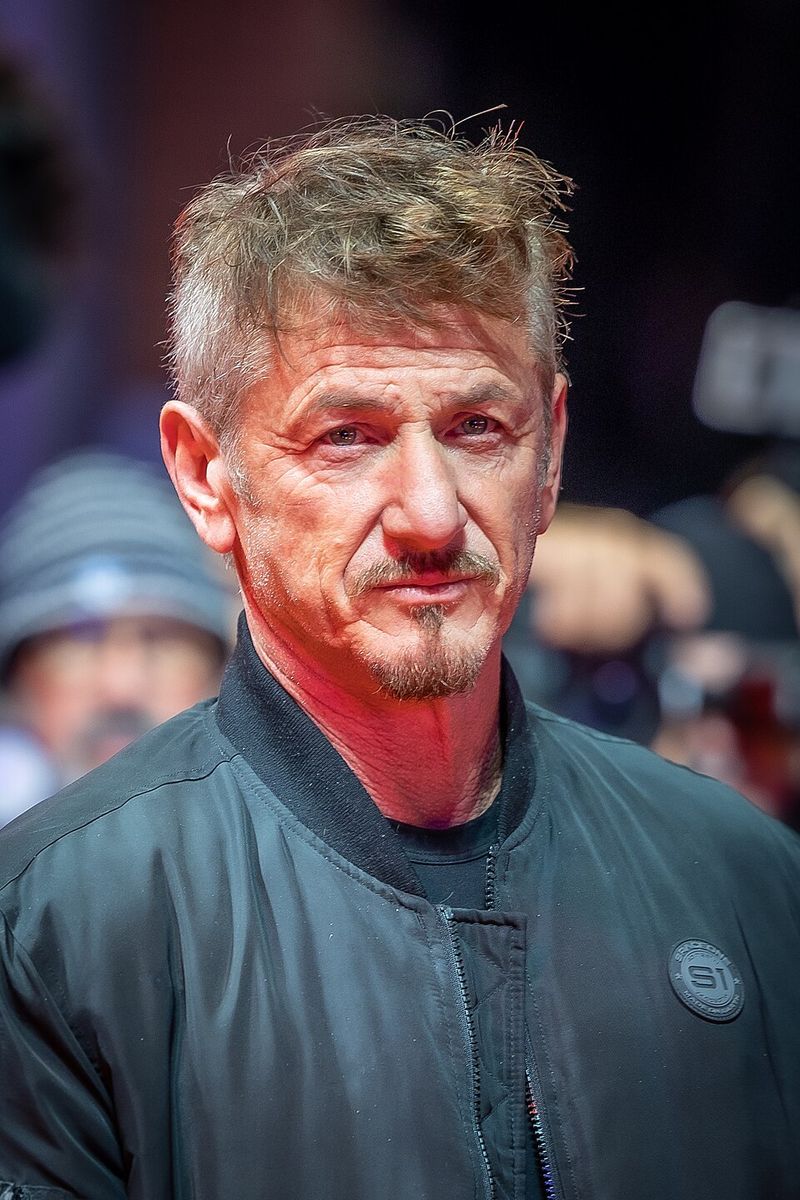
Sean Penn is one of Hollywood’s most talented actors, but he is also one of its most combative personalities when it comes to the press. Over the decades, he has had tense exchanges with journalists, photographers, and critics that have sometimes crossed the line from frustration into open confrontation.
Penn has never been afraid to call out what he views as unfair or irresponsible reporting. He has spoken bluntly in interviews, pushed back against questions he finds intrusive, and made his feelings about tabloid culture very clear over the years.
While his directness earns him respect in some circles, it has also landed him in hot water with media organizations and the public. Penn seems to view his willingness to fight back as a matter of integrity rather than ego.
Whether you agree with his methods or not, few celebrities have been more consistently outspoken about media treatment.
8. Russell Crowe’s Infamous Phone-Throwing Incident
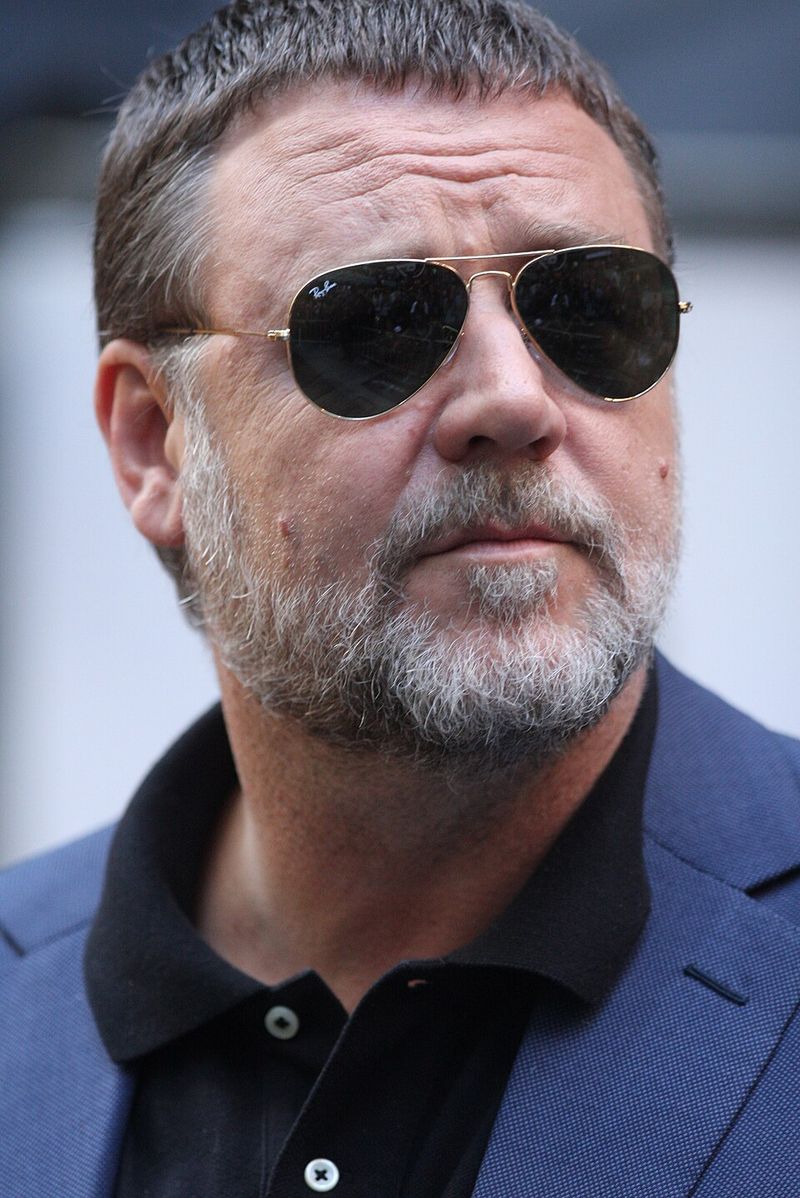
Russell Crowe built his career playing tough, uncompromising characters, and in 2005 he gave the public a real-life version of that persona. After a dispute at a New York hotel, Crowe threw a telephone at an employee, resulting in his arrest.
The incident made front pages around the world.
While this particular event was not tied to a joke or parody, it fit squarely into a pattern of behavior that showed Crowe’s short temper when he felt disrespected or frustrated. His public image had already taken hits from reports of difficult behavior on film sets and at public appearances.
Crowe eventually settled the case and apologized, but the damage to his reputation lingered. The phone-throwing story became shorthand for celebrity entitlement and lost tempers.
It serves as a striking reminder that even critically acclaimed actors can let frustration get the better of their judgment in very public ways.
9. Barbra Streisand and the Birth of the Streisand Effect
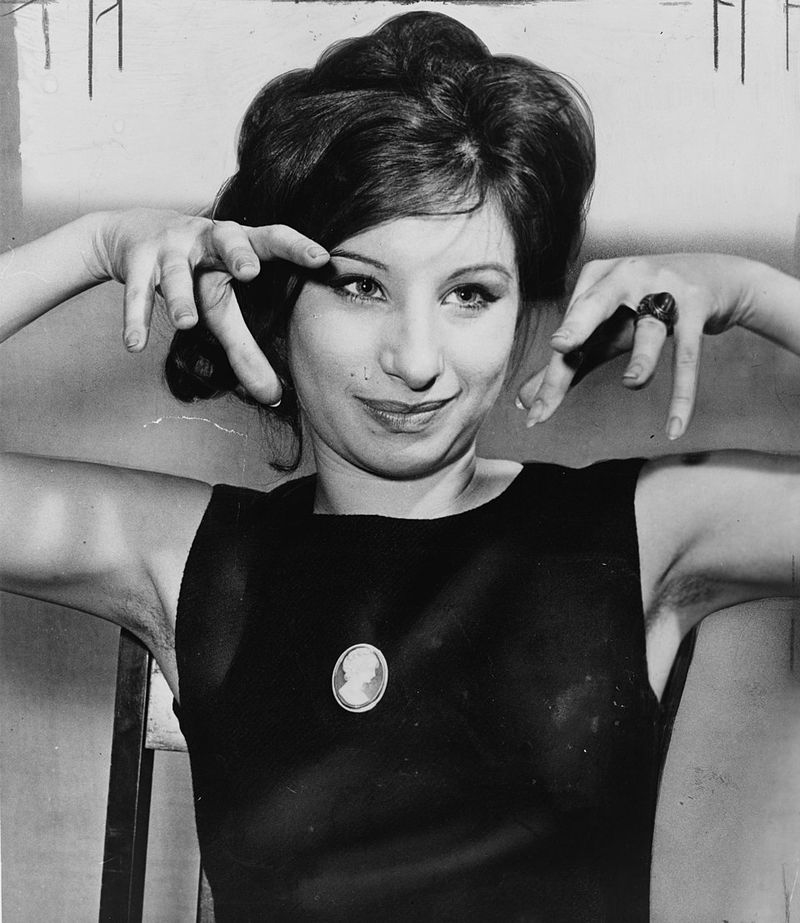
Back in 2003, photographer Kenneth Adelman took aerial photos of the California coastline as part of an environmental documentation project. One of those photos happened to include Barbra Streisand’s Malibu estate.
Rather than ignore it, Streisand sued him for $50 million, demanding the image be removed.
Before the lawsuit, the photo had been downloaded just six times online. After the lawsuit made headlines, it was viewed by nearly half a million people within a month.
The legal action meant to suppress the image had the opposite effect entirely.
This unintended consequence gave birth to a now widely recognized concept called the Streisand Effect, which describes how attempting to hide or censor information often makes it spread further. The term is used by media scholars, journalists, and internet culture writers to this day.
It stands as one of the most ironic outcomes of any celebrity legal dispute in modern history.
10. George Clooney Calls Out Tabloid Misinformation
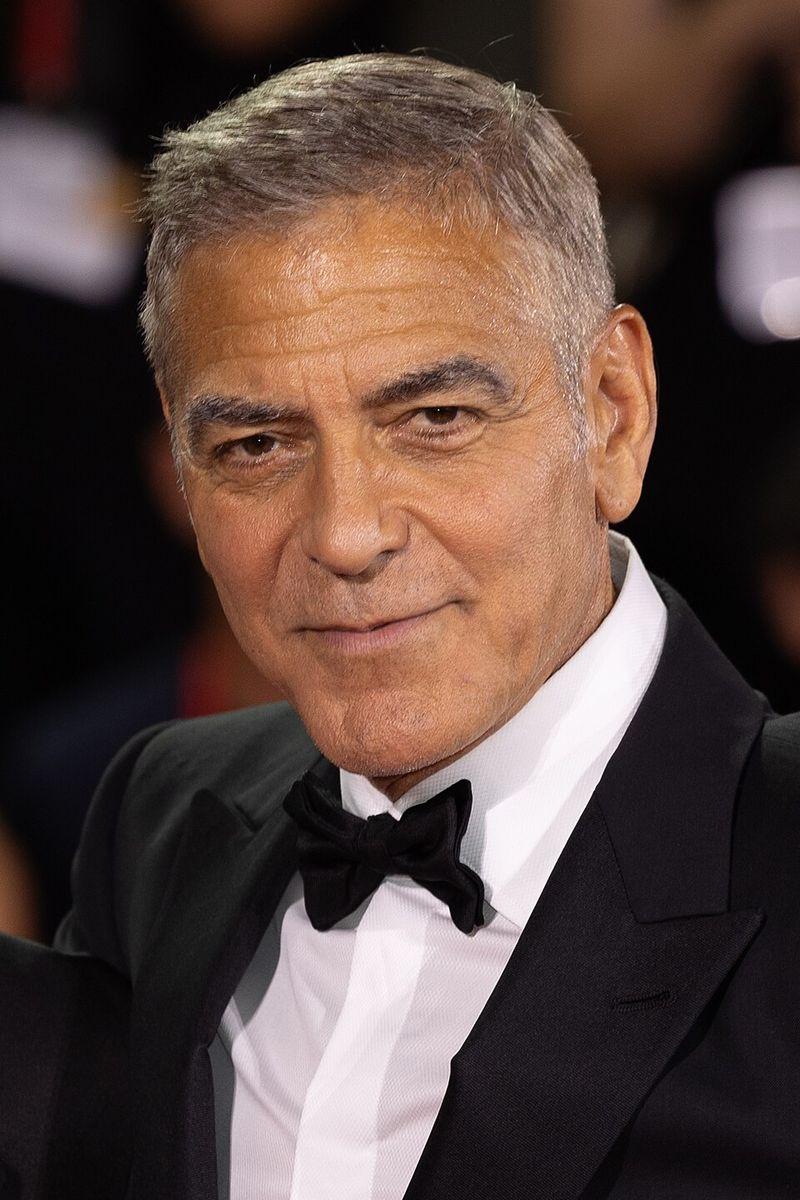
George Clooney is known for his charm and polished public persona, but he has shown a firm side when it comes to inaccurate media coverage. Over the years, he has taken aim at tabloids that published stories he considered false, exaggerated, or damaging to people he cares about.
One notable moment came when a British tabloid published a story about his wife’s family that Clooney publicly called out as completely fabricated. He wrote an op-ed demanding a correction and put the publication on blast for irresponsible journalism.
The paper eventually issued an apology.
Clooney’s approach was measured but firm, using his platform to hold media outlets to a higher standard rather than simply venting emotion. His response was widely praised as thoughtful and effective.
It showed that celebrities can push back against press coverage in ways that are credible, composed, and genuinely impactful without resorting to drama.
11. Paris Hilton Reflects on Being the Punchline
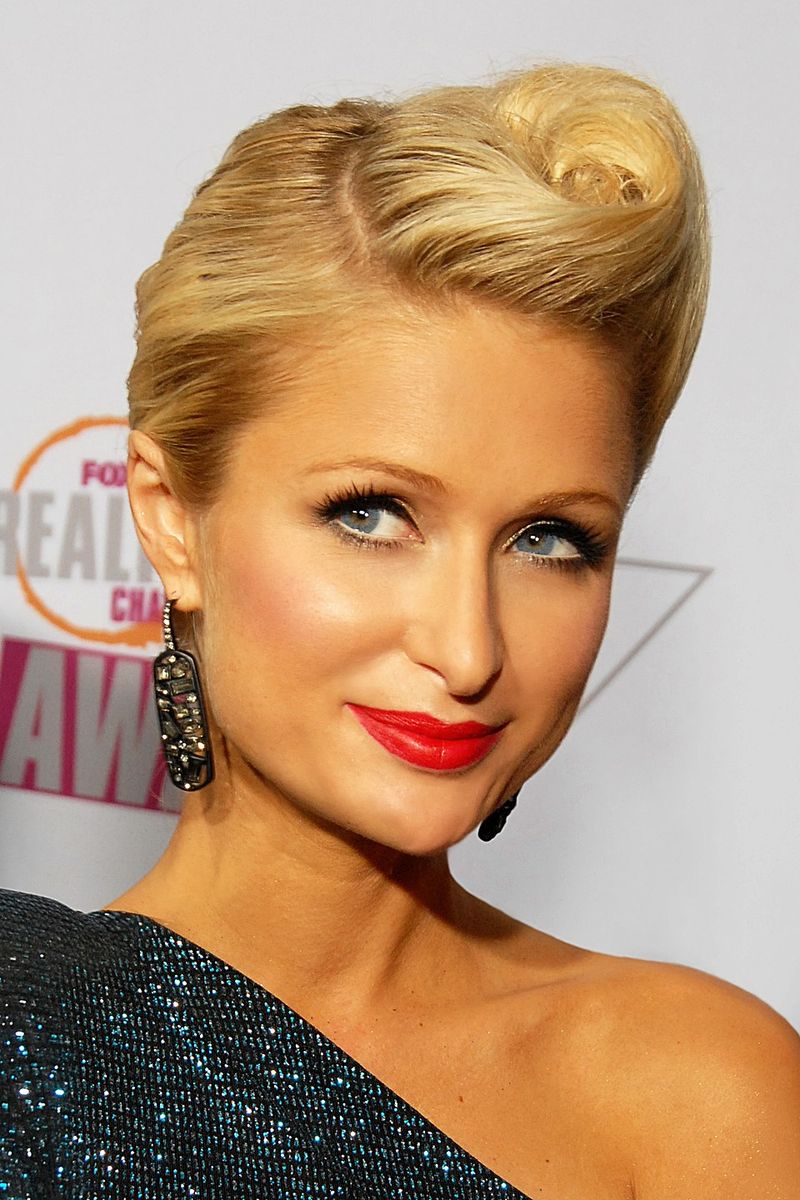
During the early 2000s, Paris Hilton was one of the most mocked figures in pop culture. Late-night hosts, comedians, and tabloids treated her as a constant source of easy jokes, often reducing her to a caricature of wealth and superficiality.
For years, she laughed it off publicly.
But in later interviews and her 2020 documentary “This Is Paris,” Hilton opened up about how deeply those years affected her. She described feeling hurt, misunderstood, and trapped by an image she had partially created as a form of self-protection.
The jokes that seemed harmless to audiences were genuinely painful for her.
Her honesty sparked a broader cultural conversation about how society treats young women in the spotlight. Many people who had laughed along with those jokes reconsidered their participation.
Hilton’s story became a compelling example of the real human cost behind celebrity punchlines that the public rarely stops to consider.
12. Kim Kardashian Pushes Back Against Online Ridicule
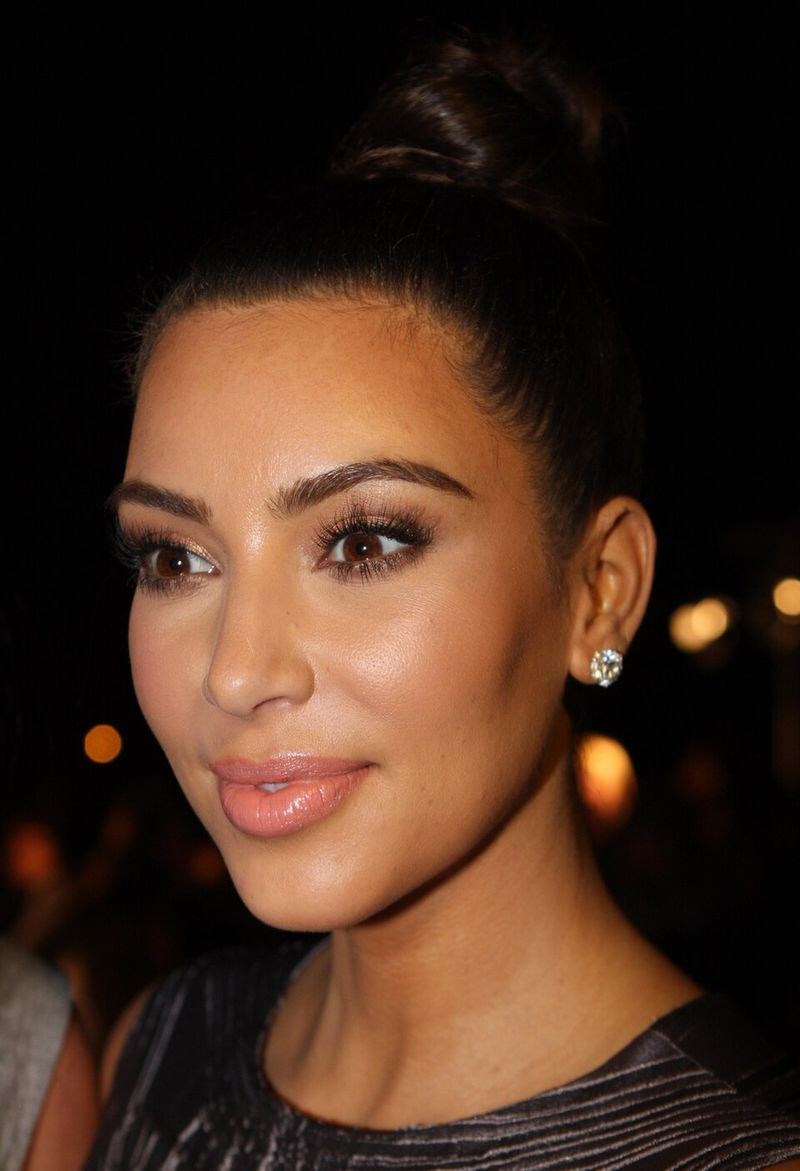
Kim Kardashian has been at the center of internet culture for well over a decade, and not always in flattering ways. Parody accounts, memes, and public mockery have followed her throughout her career.
While she has often brushed it off, there have been moments when she chose to address it directly.
Kardashian has spoken in interviews about the frustration of having misinformation spread about her, particularly when jokes or parodies present false narratives as fact. She has used her own social media platforms to correct stories and push back against portrayals she views as unfair or misleading.
Her approach reflects a broader shift among celebrities who no longer stay silent about how they are portrayed online. Rather than letting narratives build unchecked, Kardashian has shown a willingness to engage directly with her critics.
Whether effective or not, her responses have kept public conversations about media accuracy and celebrity dignity very much alive.
13. Justin Bieber From Media Target to Roast Participant

For much of the early 2010s, Justin Bieber was the internet’s favorite target. Media outlets, bloggers, and comedians piled on relentlessly, mocking everything from his music to his personal choices.
Bieber sometimes pushed back through social media posts and candid interviews where he expressed genuine frustration with the treatment.
What makes his story interesting is the turnaround. In 2015, Bieber agreed to participate in a Comedy Central Roast, sitting in the hot seat while comedians delivered brutal jokes to his face.
It was a bold move that many saw as a sign of growth and self-awareness.
He laughed, winced, and even delivered a few decent jokes himself. The roast helped shift public perception, showing a young man willing to poke fun at himself rather than run from criticism.
It remains one of the more fascinating examples of a celebrity choosing humor as a path toward reclaiming their narrative.
14. Madonna Speaks Out Against Unfair Portrayals
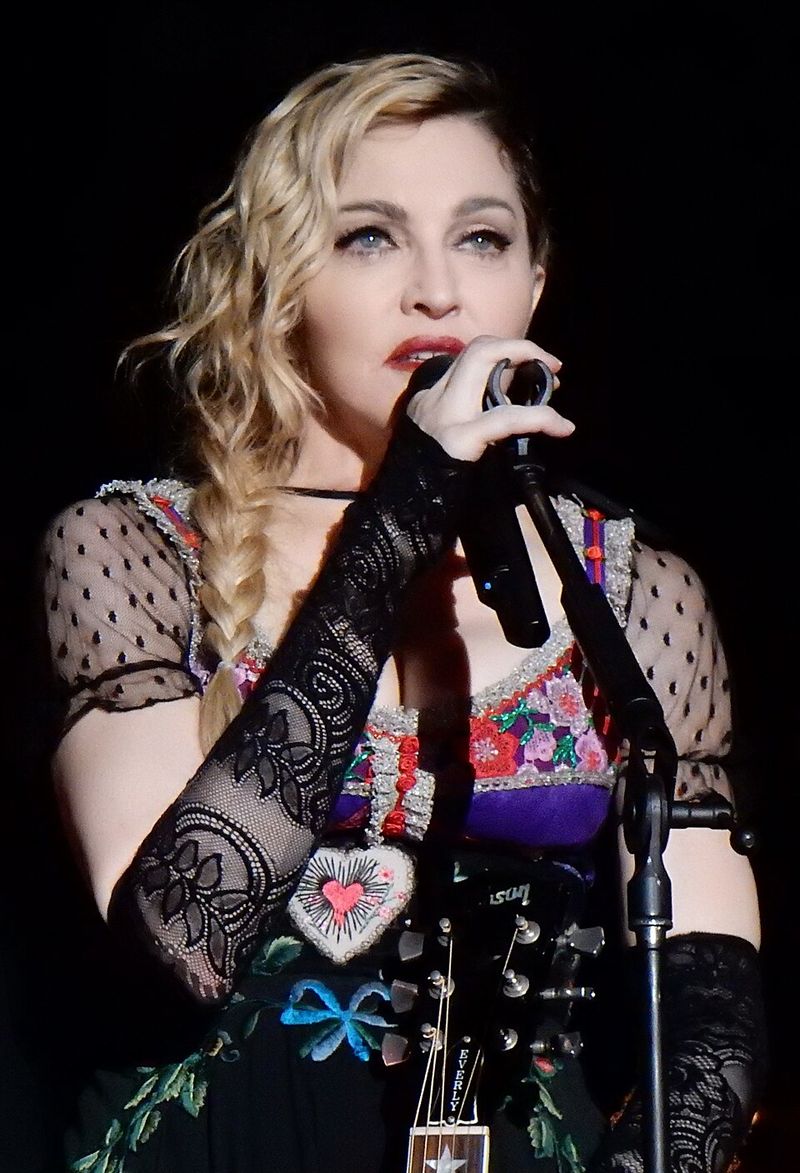
Madonna has spent decades at the top of the entertainment world, which means she has also spent decades being scrutinized, parodied, and criticized. During periods of intense media attention, she has made clear that not all portrayals of her are ones she accepts quietly or with a smile.
She has spoken in interviews about feeling caricatured by comedians and journalists who focus on her age, her personal life, or her artistic choices in ways she considers reductive. Madonna has called out what she sees as a double standard applied to women in entertainment who refuse to fade quietly from public life.
Her responses have ranged from pointed interview remarks to public statements challenging the media’s treatment of older women in pop culture. Whether or not audiences agree with her perspective, Madonna’s willingness to name the problem out loud has made her one of the more vocal critics of how the entertainment press handles female celebrities.
15. Bill Cosby’s Aggressive Reactions to Accusation-Based Jokes
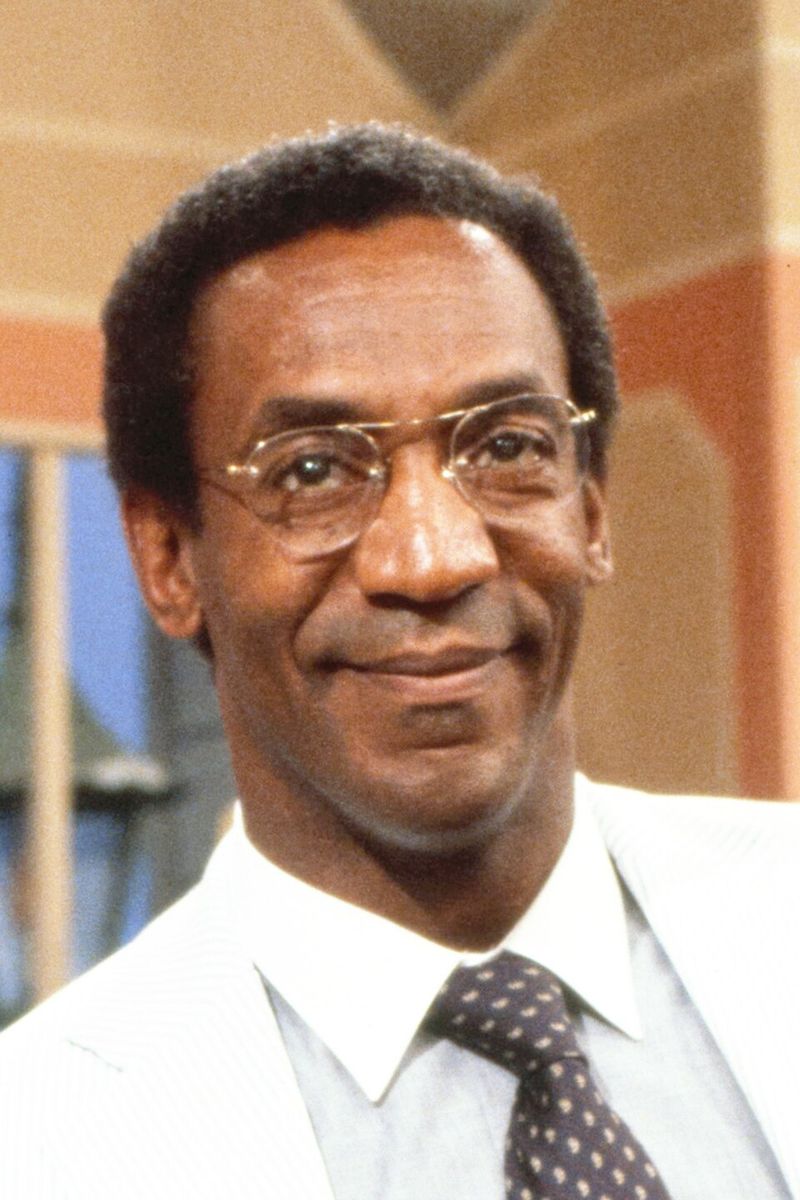
As serious allegations began to surface and gain public attention, Bill Cosby found himself the subject of jokes from comedians who were among the first to openly reference the accusations in their acts. Rather than respond with calm or silence, Cosby reacted with open hostility in several public settings.
During interviews, he became visibly agitated when journalists brought up the allegations, at one point instructing a reporter not to air a portion of their conversation where he had declined to answer questions about the accusations. That move backfired significantly when the network aired the footage anyway.
His aggressive reactions drew more attention to the story rather than less, fueling further media coverage and public scrutiny. Comedians like Hannibal Buress, whose stand-up bit about Cosby went viral, helped bring the allegations to a much wider audience.
The pattern of hostile responses ultimately contributed to the collapse of a legacy that had taken decades to build.



