 Unearth The Voyage
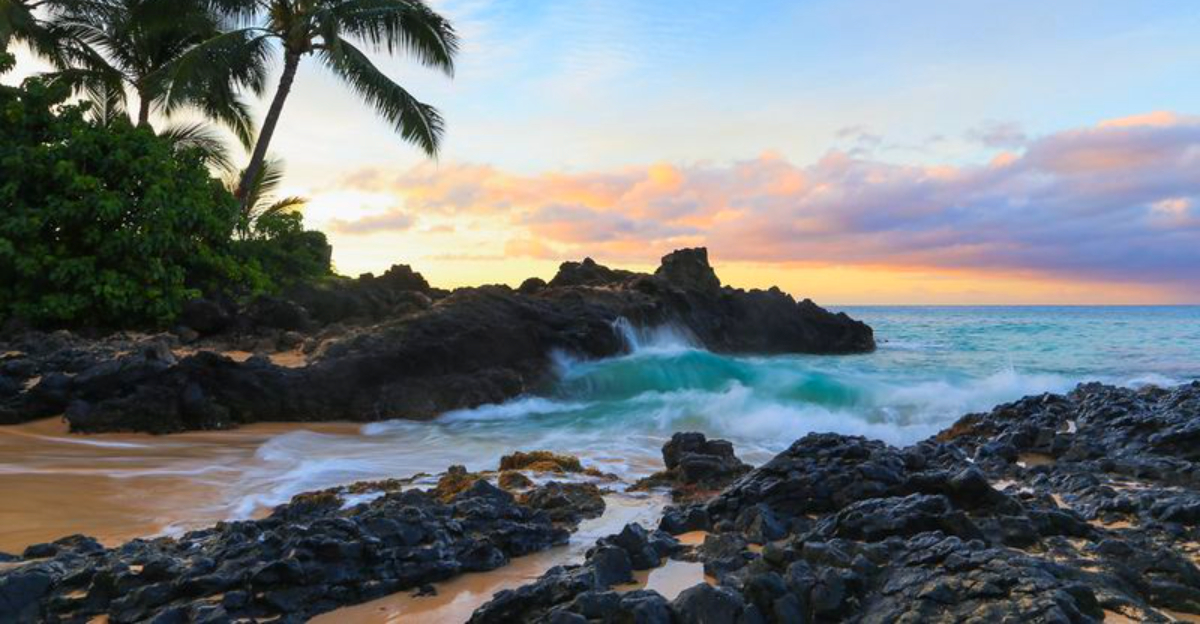
Maui is one of those places that feels almost too good to be true — golden beaches, lush rainforests, and sunsets that look like a painter got carried away. Whether you are a first-time visitor or a returning fan of the island, planning ahead makes all the difference between a stressful trip and an unforgettable adventure.
With so much to see and do, knowing where to start can feel overwhelming. These tips will help you plan a Maui getaway that is relaxed, exciting, and totally worth every penny.
Choose the Best Time to Visit
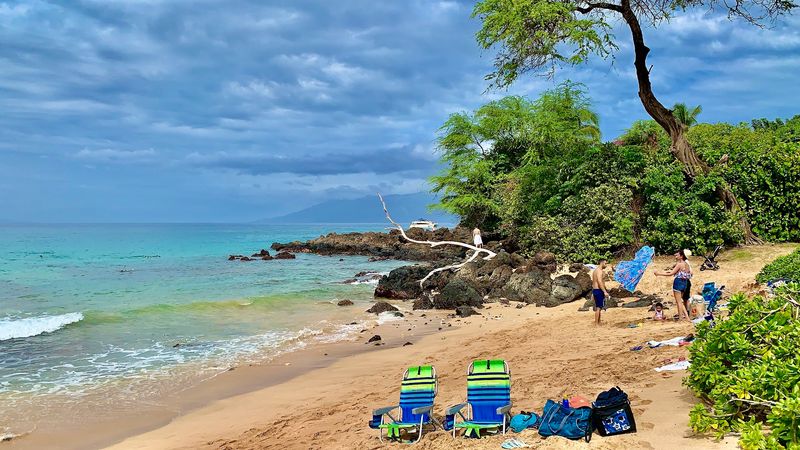
Timing your trip to Maui can completely change the kind of vacation you have. The island enjoys warm, tropical weather all year, but each season has its own personality.
Winter months, roughly December through April, bring cooler temperatures and the incredible spectacle of humpback whales migrating through Hawaiian waters.
Spring and fall are considered sweet spots by seasoned travelers. Crowds thin out, hotel prices often drop, and the weather stays beautiful.
Summer is popular with families because school is out, but expect busier beaches and higher rates. If you prefer quieter experiences, aim for September or May.
Rain patterns also vary by location on the island. The west and south sides of Maui tend to stay drier and sunnier, while the north and east sides receive more rainfall.
Knowing this helps you choose the right area to stay based on your plans. No matter when you visit, Maui always delivers something spectacular.
Decide Where to Stay on the Island
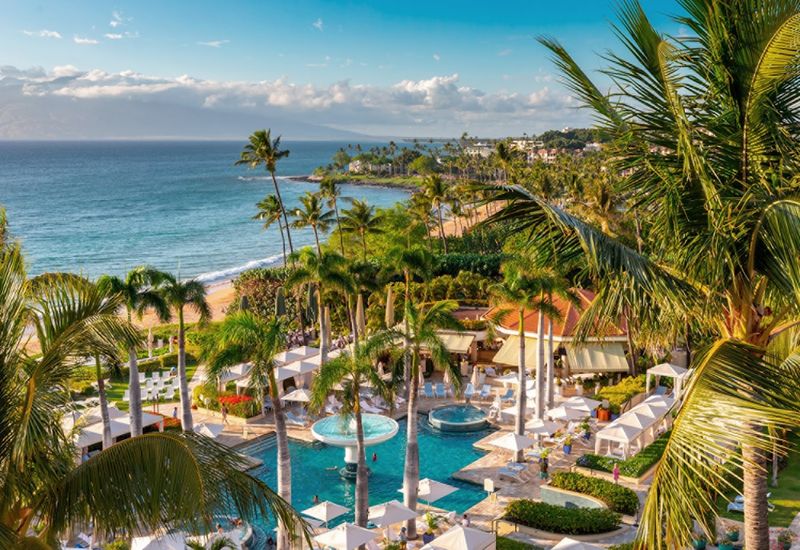
Where you drop your bags on Maui shapes your entire trip more than most people realize. West Maui, home to Kaanapali and Kapalua, is packed with luxury resorts, high-end restaurants, and gorgeous sunset views over the ocean.
It feels glamorous and lively, perfect for travelers who want a full resort experience.
South Maui, covering Kihei and Wailea, offers some of the sunniest and driest weather on the island. It is a favorite for snorkelers and beach lovers who want easy access to calm, clear water.
Wailea leans upscale, while Kihei has more budget-friendly options and a laid-back local vibe.
If you want something off the beaten path, consider staying in Paia or Haiku on the north shore. These areas feel more like authentic island living with local cafes, art studios, and a cooler, greener landscape.
Renting a vacation home or condo instead of a hotel can also save money and give you more space. Think carefully about what kind of trip you want before booking your room.
Plan a Sunrise at Haleakalā National Park
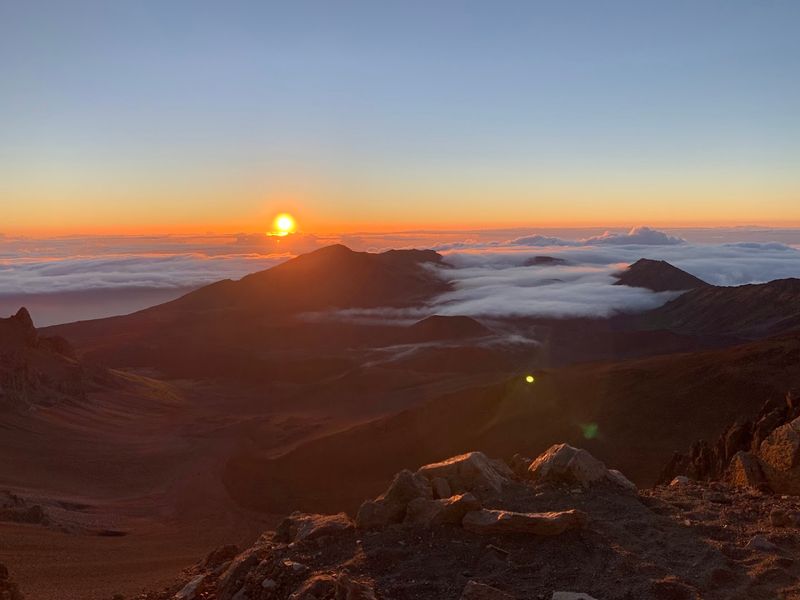
Standing above the clouds at 10,023 feet while the sun slowly paints the sky in shades of orange and gold is an experience that genuinely makes your jaw drop. Watching the sunrise from Haleakala volcano is considered one of the most magical moments you can have in all of Hawaii.
Mark Twain once called it the sublimest spectacle he had ever witnessed — and he traveled a lot.
Getting there requires serious planning. The National Park Service requires advance reservations for sunrise access, and spots fill up weeks or even months ahead of time.
You will need to arrive at the summit before dawn, which means leaving your hotel around 3 a.m. depending on where you are staying.
Bring layers because it gets surprisingly cold at the summit, sometimes dropping below 40 degrees Fahrenheit even in summer. A jacket, hat, and gloves are not overkill — they are essential.
After sunrise, stick around to explore the crater trails or drive back down through the clouds at your own pace. This is one activity worth every bit of effort it takes to plan.
Drive the Famous Road to Hana
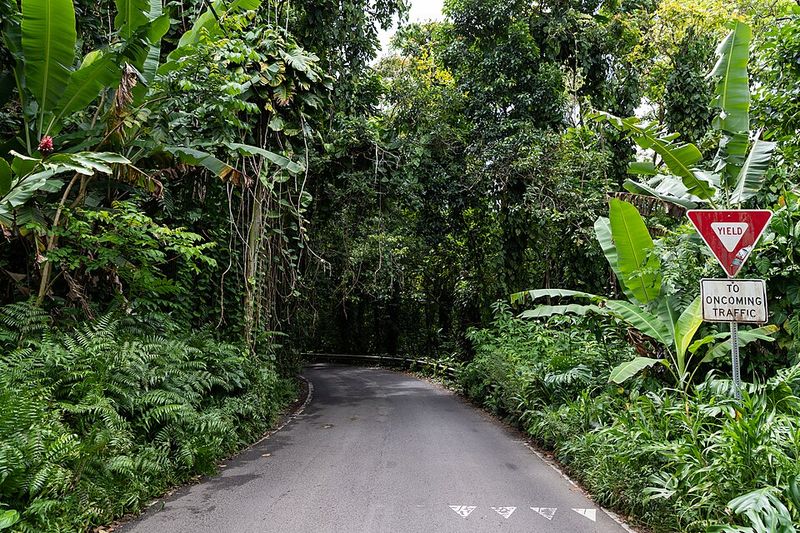
Few drives in the world pack as much drama into a single road as the Road to Hana. Stretching about 64 miles along Maui’s northeastern coastline, this legendary highway twists through dense rainforests, past cascading waterfalls, across narrow one-lane bridges, and along dramatic sea cliffs.
It is less of a drive and more of an all-day adventure.
Starting early is key. Hitting the road by 7 a.m. puts you ahead of the midday rush, giving you first pick of parking spots at popular stops like Twin Falls, Wailua Falls, and the black sand beach at Waianapanapa State Park.
That last one requires reservations, so book it before you leave home.
Do not treat this like a race to get to Hana town. The real magic is in the stops along the way — roadside fruit stands selling fresh banana bread, hidden swimming holes, and ocean overlooks that beg you to pull over.
Driving back the same day is totally doable but exhausting. Some travelers choose to stay overnight in Hana to soak up the slower pace.
Either way, pack snacks, charge your camera, and enjoy every curve.
Rent a Car for Maximum Flexibility
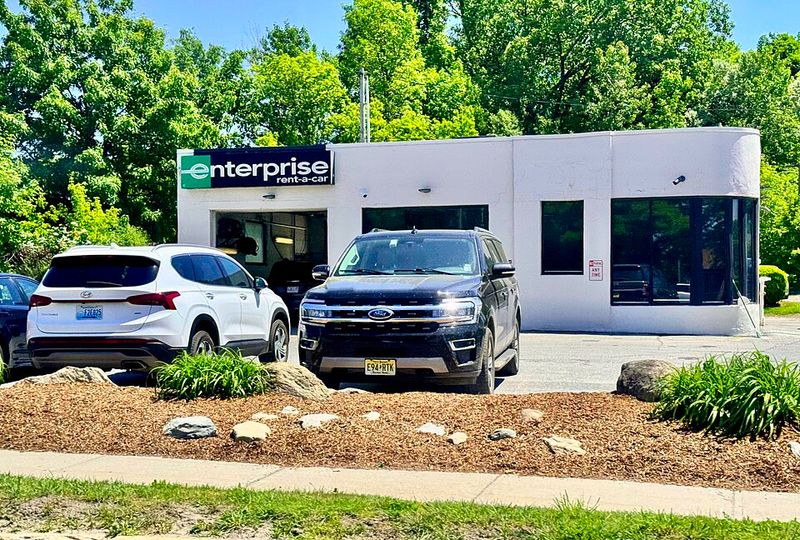
Maui is not a place where you can rely on buses and rideshares to get around easily. Public transportation exists but is limited, and popular attractions are spread across the island.
Renting a car is not just convenient here — it is practically a requirement for making the most of your trip.
Book your rental car early, especially if you are visiting during peak seasons like summer or the holidays. Inventory runs low fast, and last-minute rentals can cost significantly more.
A standard sedan works fine for most of the island, but if you plan to explore unpaved roads or venture to remote areas like the back road to Hana, consider upgrading to a four-wheel-drive vehicle.
Gas stations are not as frequent in remote parts of the island, so fill up whenever you have the chance. Also, some rental companies restrict driving on certain roads, so read the fine print before signing anything.
Parking at popular spots like Waianapanapa State Park now requires reservations, so plan those stops in advance too. Having your own wheels means you set the schedule, stop whenever something catches your eye, and explore Maui entirely on your own terms.
Spend Time on Maui’s Best Beaches
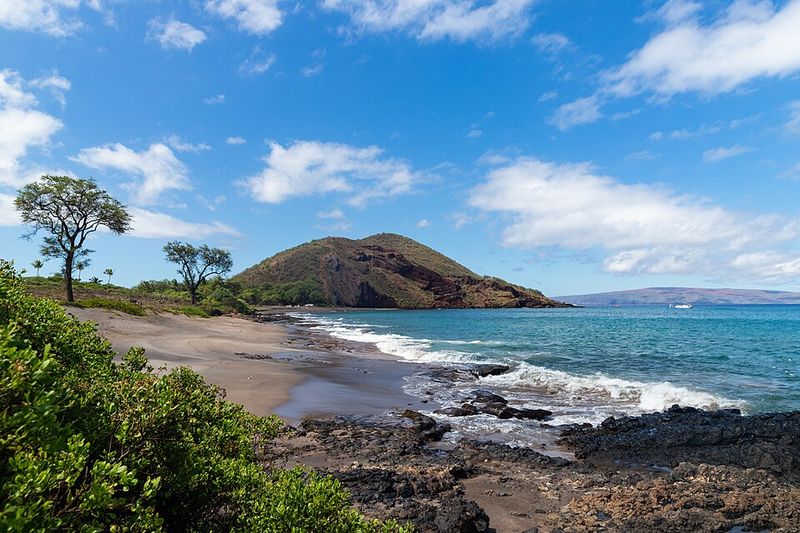
Maui has a ridiculous number of incredible beaches, and picking just a few feels like being forced to choose a favorite dessert. Kaanapali Beach stretches nearly three miles along the west coast and offers calm water, plenty of shade, and a lively strip of restaurants and shops nearby.
It is the kind of beach that makes you want to cancel your flight home.
Wailea Beach on the south shore is elegant and pristine, often ranked among the best beaches in the entire country. The water is crystal clear, the sand is soft, and the surrounding resorts keep things polished.
For something wilder and more remote, Makena Beach — also called Big Beach — delivers powerful waves, dramatic scenery, and a sense of wide-open freedom.
Do not overlook smaller, lesser-known beaches either. Secret Beach near Makena, Baby Beach in Lahaina, and Hamoa Beach near Hana each offer something unique and often with fewer crowds.
Always check ocean conditions before swimming, as some Maui beaches have strong currents. Lifeguards are not present at every spot.
Bring reef-safe sunscreen, a reusable water bottle, and a good book, then let the waves do the rest.
Book Popular Activities Early
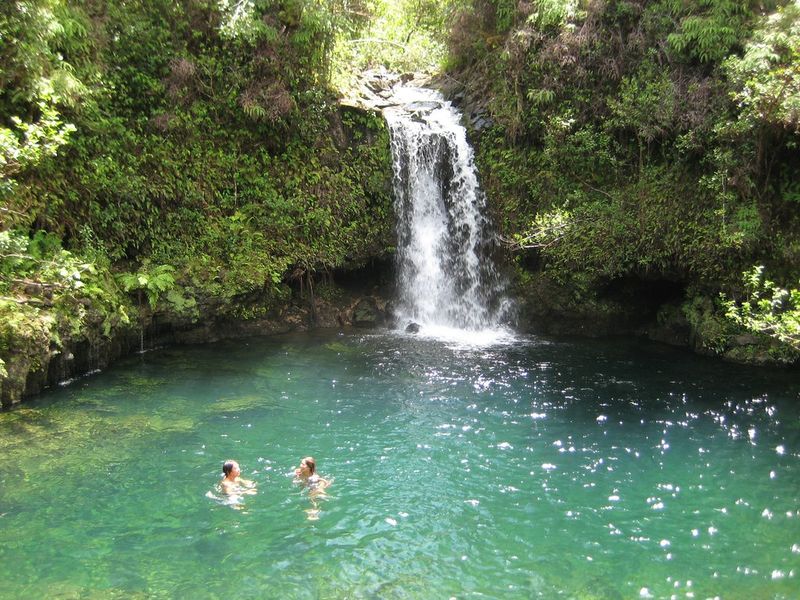
Maui’s most beloved experiences have a sneaky habit of selling out weeks before you even land on the island. Snorkeling tours to Molokini Crater, whale-watching cruises, sunrise reservations at Haleakala, and spots at popular luaus disappear fast — especially during peak travel periods.
Waiting until you arrive is a gamble that rarely pays off.
Start booking key activities at least four to six weeks in advance. Some experiences, like the Haleakala sunrise permit, require planning even further ahead.
Most booking platforms allow free cancellations up to a certain point, so locking in a spot early does not mean you are stuck if your plans shift.
Think about what matters most to you on this trip and prioritize those first. If whale watching is your dream, secure that cruise before you even book your hotel.
If a cooking class or a helicopter tour is on your list, those also fill up quickly. Having a rough activity schedule before you leave home takes pressure off your vacation and lets you focus on actually enjoying each experience.
A little planning now means a lot more fun later — trust the process.
Explore Local Food and Food Trucks

Forget the resort buffet for a night — Maui’s real culinary soul lives in its food trucks, roadside stands, and neighborhood plate lunch spots. The island’s food scene is a delicious mashup of Hawaiian, Japanese, Filipino, and Pacific Rim flavors, and you can eat incredibly well without spending a fortune.
Fresh fish is practically everywhere, and it shows up in everything.
Poke bowls are a must-try, made with fresh ahi tuna marinated in soy sauce, sesame oil, and green onions. Shaved ice is the island’s answer to a hot afternoon — skip the tourist traps and find a local shop that uses real fruit syrup.
Plate lunches, typically two scoops of rice with macaroni salad and a protein, are filling, affordable, and absolutely satisfying.
The Kihei Caffe, Tin Roof in Kahului, and the food trucks along South Kihei Road are local favorites worth seeking out. Lahaina also has a strong dining scene with oceanfront restaurants serving everything from fresh-caught mahi-mahi to wood-fired pizza.
Eat where the locals eat, follow the long lines, and say yes to anything you cannot pronounce. That is usually where the best stuff hides.
Pack for Both Beaches and Hiking
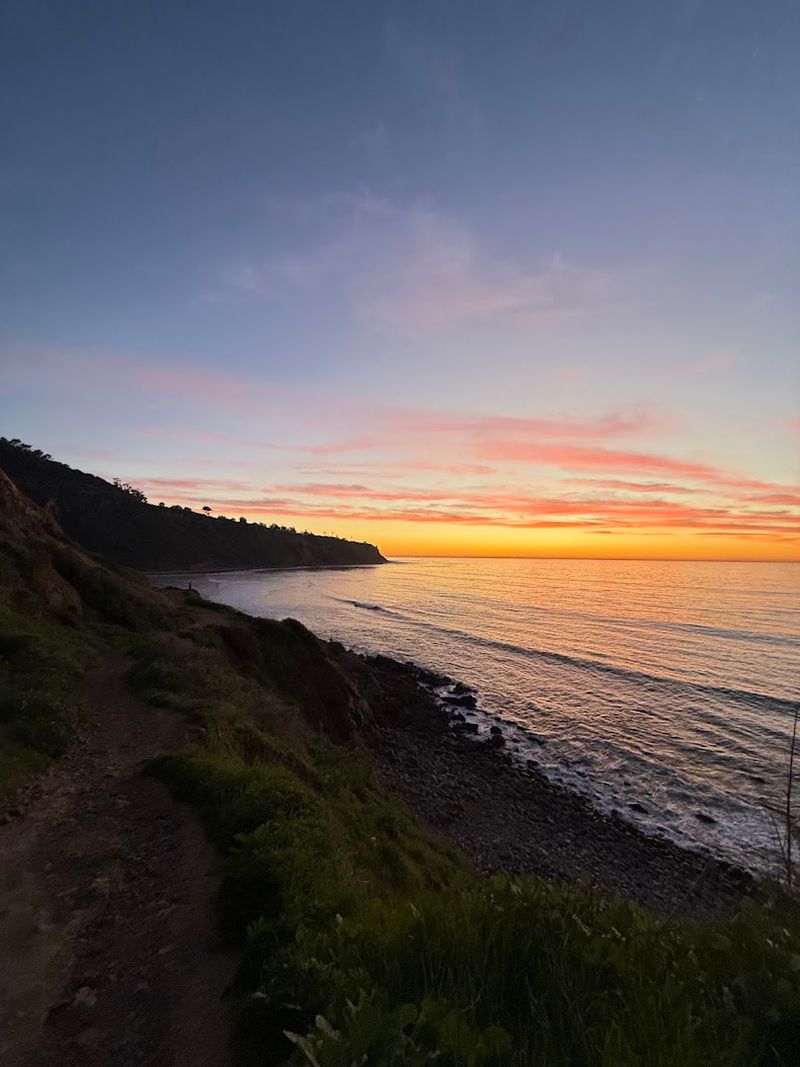
Most people picture Maui as one long beach vacation, and while that is partly true, the island also has some seriously impressive hiking trails that deserve a spot on your itinerary. From bamboo forests and volcanic craters to coastal cliffs and hidden waterfalls, the terrain here is wildly diverse.
Packing smart means you can say yes to all of it.
Comfortable, closed-toe walking shoes or light hiking shoes are essential. Flip-flops will not cut it on rocky trails or muddy forest paths.
A small daypack for water, snacks, and a rain jacket is also worth bringing. Maui’s weather can shift quickly, especially at higher elevations, so a lightweight layer goes a long way.
Reef-safe sunscreen is a must for beach days, and it is also the law in Hawaii — regular sunscreens containing harmful chemicals are banned to protect coral reefs. Pack a reusable water bottle since staying hydrated in the tropical heat is non-negotiable.
A dry bag or waterproof phone case is handy for boat tours or beach days near the waves. Packing with both sand and trail in mind means you never have to skip an adventure just because you left the right gear at home.
Plan Time for Snorkeling
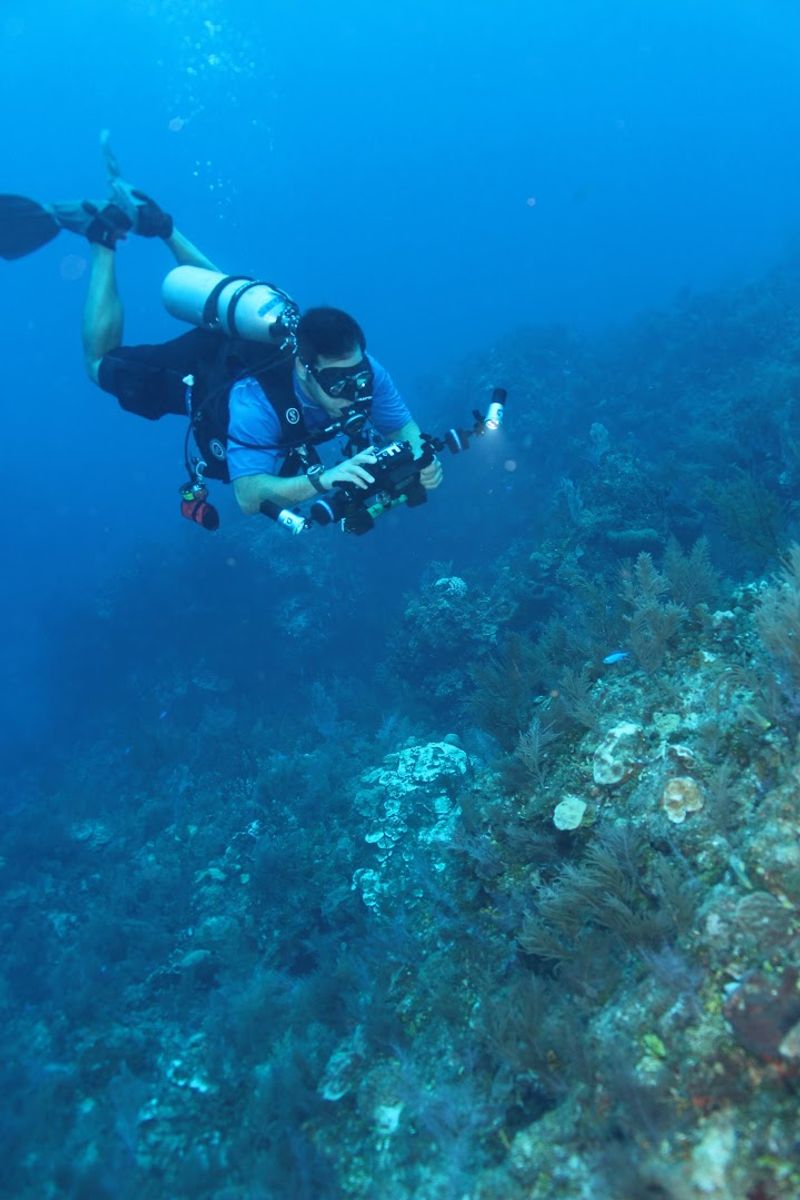
Strap on a mask and fins in Maui and you will quickly understand why snorkelers from around the world put this island on their bucket lists. The water clarity here is remarkable, and the marine life is even better.
Spinner dolphins, green sea turtles, and hundreds of species of tropical fish are regular sightings just a few feet below the surface.
Molokini Crater is arguably the crown jewel of Maui snorkeling. This partially submerged volcanic crater sits about three miles off the south coast and creates a natural sanctuary for fish and coral.
Visibility can reach up to 150 feet on a calm day. Most visitors access it via guided boat tour, which typically includes gear, instruction, and sometimes breakfast.
Honolua Bay on the northwest coast is another standout spot, especially during summer when conditions are calmest. Kapalua Bay and Ulua Beach in Wailea are excellent for beginners because the water stays shallow and protected.
Even some sections of Kaanapali Beach offer good snorkeling right from the shore. Renting gear from a local shop is affordable and easy.
Whether you are a first-timer or a seasoned snorkeler, Maui’s underwater world is guaranteed to leave you speechless.
Leave Time for Relaxation

There is a real temptation when visiting somewhere as exciting as Maui to cram every single hour with activities, tours, and sightseeing. Resist that urge.
Some of the best memories from a Maui trip come from doing absolutely nothing — watching the sun melt into the ocean from a beach chair, listening to waves, or sipping coffee on a lanai as the morning light filters through palm trees.
Maui operates on a slower, gentler rhythm than most places, and leaning into that pace is part of the experience. A quiet afternoon at a beach park with no agenda feels luxurious in a way that no scheduled tour can replicate.
Let yourself wander into a little town without a plan, sit at a cafe, and watch island life unfold.
Building in at least one or two unscheduled days on your trip calendar is genuinely smart planning. Overloaded itineraries lead to exhaustion, and exhaustion turns paradise into a chore.
You can always squeeze in one more activity, but you cannot get back a vacation spent rushing. The best version of your Maui trip probably involves at least one afternoon where the biggest decision you make is which flavor of shaved ice to order.
Visit Local Markets and Small Towns
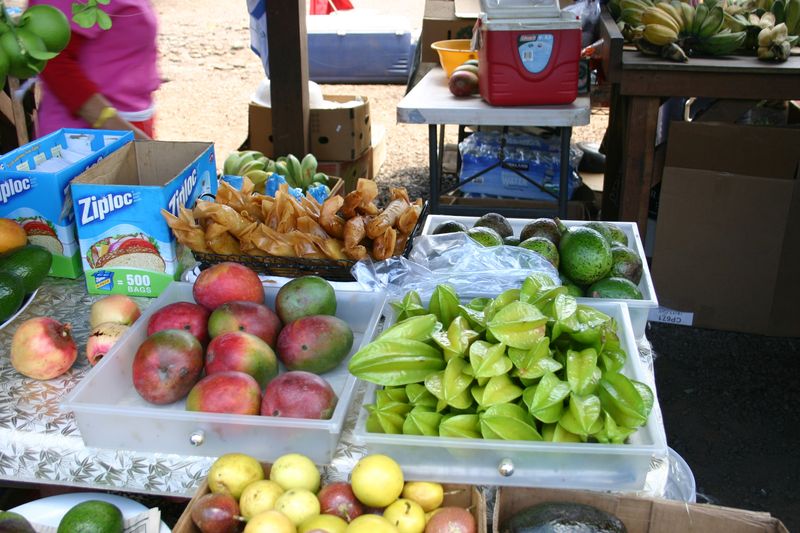
Maui has a soul that goes well beyond its beaches, and you find it most clearly in the small towns and local markets scattered across the island. Paia, a quirky little surf town on the north shore, is packed with vintage clothing shops, local art galleries, and some of the best acai bowls you will ever eat.
It has a laid-back, creative energy that feels completely its own.
Makawao, up in the upcountry hills, blends paniolo (Hawaiian cowboy) heritage with a thriving arts community. The town center has boutique shops, a beloved local bakery, and a Fourth of July rodeo that draws crowds from across the island.
It is the kind of place where every storefront has a story.
Wailuku, Maui’s county seat, is often overlooked by tourists but rewards those who visit with its authentic neighborhood restaurants, antique shops, and the beautiful Iao Valley State Monument just minutes away. The Maui Swap Meet, held Saturday mornings at the University of Hawaii Maui College, is a fantastic place to find locally made goods, fresh produce, and genuine aloha spirit.
Shopping and eating local keeps money in the community and gives your trip a texture that no resort package can offer.
Give Yourself Enough Time
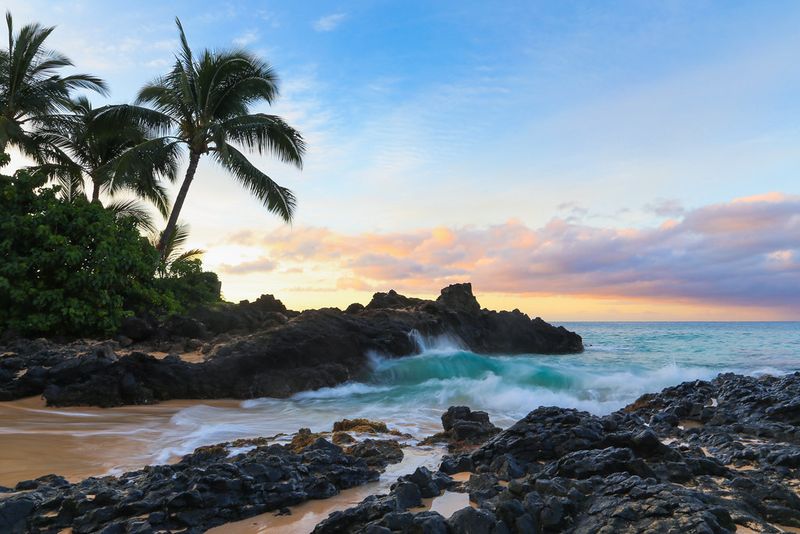
Maui has a way of making even a week feel like it passed in about forty minutes. The island is bigger and more packed with experiences than most first-time visitors expect, and trying to squeeze it all into three or four days leads to a rushed, exhausting trip that barely scratches the surface.
Give yourself room to breathe — and explore.
A minimum of five to seven days is the sweet spot for a well-rounded Maui vacation. That gives you enough time for the Road to Hana, a Haleakala sunrise, beach days, snorkeling, and still leaves room for a couple of slow mornings with nowhere to be.
If you are combining Maui with another Hawaiian island, factor in the travel time and energy that island-hopping requires.
Longer stays also open up opportunities you might miss on a short trip — a second visit to a favorite beach, a spontaneous hike you spotted from the road, or a lazy evening at a farmers market. Maui rewards slow exploration far more than speed.
Book enough nights that you never feel the clock ticking too loudly. The island will fill every extra day you give it with something worth remembering, guaranteed.



