 Unearth The Voyage
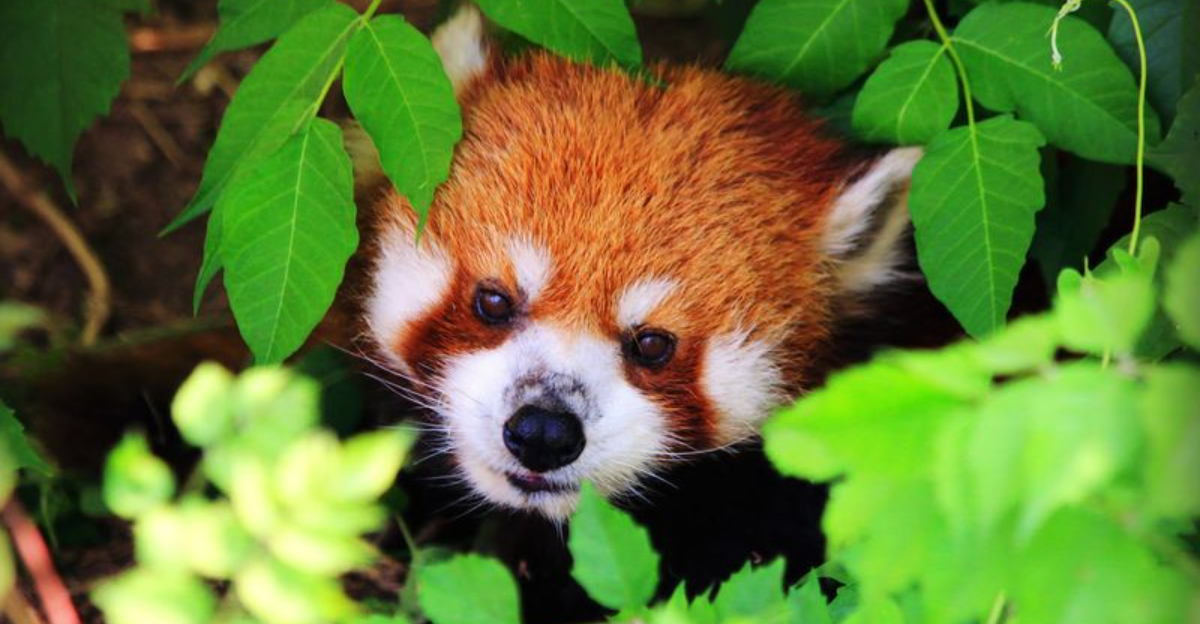
Seeing wildlife up close while supporting conservation and education makes visiting a great zoo one of the most rewarding day trips you can plan in the U.S. From sprawling safari-style parks to world-class urban zoos with rare exhibits, these destinations offer unforgettable experiences for families, animal lovers, and adventurers alike.
Below are 15 of the most highly regarded and impactful zoos in the United States, each offering unique encounters, immersive exhibits, and missions that extend far beyond entertainment.
San Diego Zoo (California)
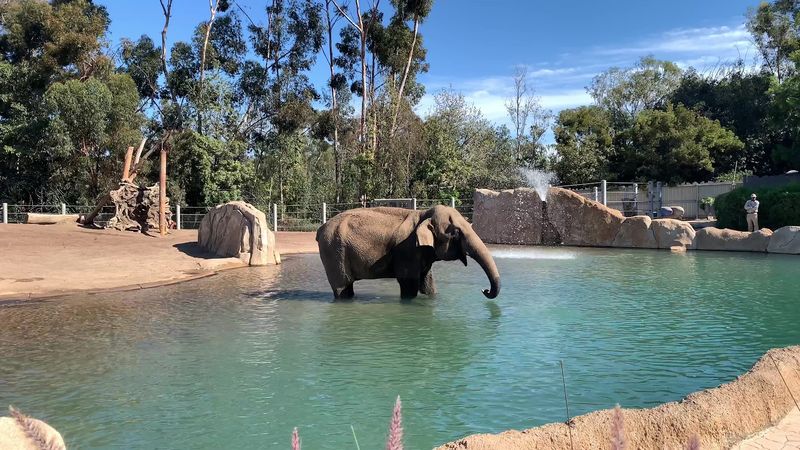
Welcome to arguably the most famous zoo address on the planet — 100 sun-drenched acres in Balboa Park where over 4,000 animals from 650-plus species call home. The San Diego Zoo pioneered the concept of open-air, cage-free enclosures, and that philosophy still shapes every corner of the park today.
Walking through themed biomes feels less like a zoo visit and more like a world tour.
Elephant Odyssey transports you back to prehistoric California, while Polar Bear Plunge puts you face-to-face with one of nature’s most powerful swimmers. The Skyfari aerial tram gives a bird’s-eye view that honestly rivals any theme park ride.
Guided bus tours are perfect for first-timers who want a solid lay of the land before exploring on foot.
What really sets San Diego apart is the depth of its conservation science. The zoo partners with global wildlife programs and runs one of the most respected breeding programs for endangered species anywhere.
Ticket prices run higher than average, but the sheer volume of experiences packed into one visit makes every dollar feel justified. Families easily spend a full day here without running out of things to discover.
Henry Doorly Zoo & Aquarium (Omaha, Nebraska)
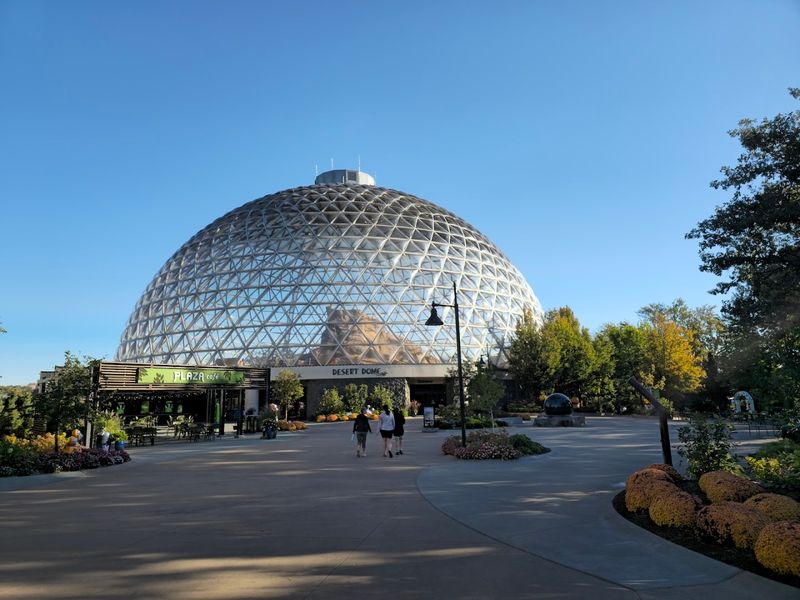
Buried in the heart of the Midwest, Henry Doorly Zoo holds a jaw-dropping secret: it houses the world’s largest indoor desert under one roof. That alone is worth the drive to Omaha, but the surprises keep stacking up from there.
The Scott Aquarium, the Lied Jungle rainforest, and the Kingdoms of the Night nocturnal exhibit each feel like entirely separate destinations packed into one admission price.
Kingdoms of the Night is particularly special — a reversed-lighting environment where nocturnal animals are active during visitor hours, letting you observe behavior most people never get to witness. The indoor rainforest spans over 1.5 acres and rises six stories high, filled with free-roaming birds and primates.
It genuinely feels like stepping into a different continent.
Henry Doorly consistently ranks among the top two or three zoos in the entire country, and frequent visitors say it never gets old because exhibits rotate and animals change seasonally. The zoo also runs serious conservation science programs that contribute to global wildlife research.
For a Midwestern city that might not seem like a top travel destination, this zoo absolutely makes Omaha worth the trip. Budget a full day — you will need it.
Bronx Zoo (New York)
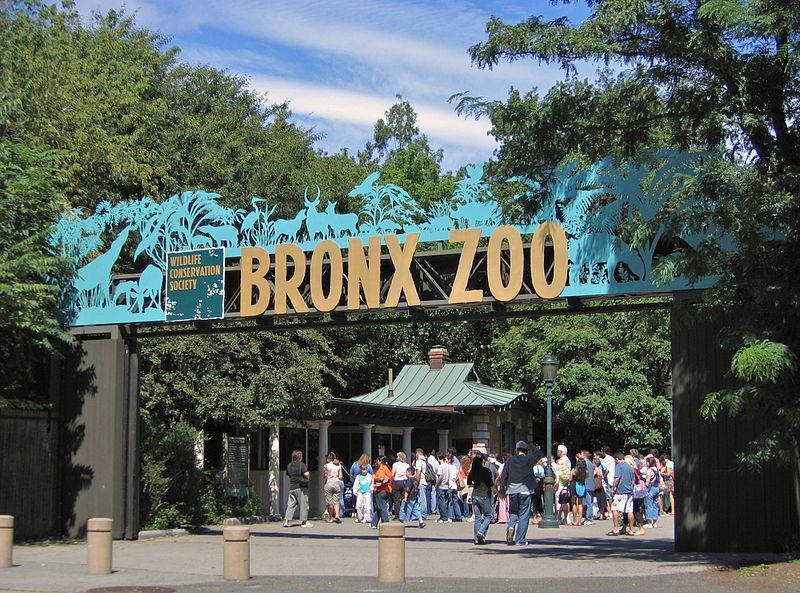
Two hundred and sixty-five acres inside New York City — that sentence alone should tell you the Bronx Zoo is no ordinary urban attraction. Founded in 1899, it is the largest metropolitan zoo in the United States and remains one of the most visited anywhere in the world.
The scale is almost hard to grasp until you are actually there, realizing a full day still might not cover everything.
Congo Gorilla Forest is a showstopper, an immersive 6.5-acre rainforest habitat where western lowland gorillas live in family groups you can observe up close through massive viewing windows. Tiger Mountain puts you remarkably near Amur tigers, one of the most endangered big cat subspecies on Earth.
The recently reopened World of Darkness gallery brings the eerie thrill of nocturnal animal behavior right to your face.
Beyond the spectacle, the Wildlife Conservation Society — which operates the Bronx Zoo — is one of the most respected conservation organizations globally, working to protect wildlife in over 60 countries. Admission fees directly fund that mission.
Seasonal programs, keeper talks, and educational events add even more layers to a visit. For first-time visitors and longtime New Yorkers alike, the Bronx Zoo consistently delivers experiences that feel genuinely world-class.
Brookfield Zoo (Illinois)
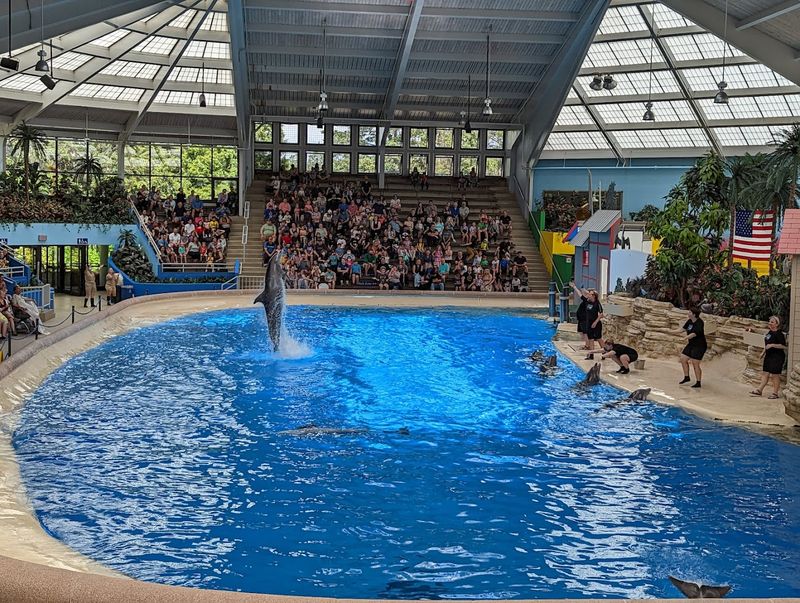
Just 14 miles west of downtown Chicago, Brookfield Zoo has been wowing visitors since 1934 — and it has absolutely kept up with the times. Spanning 216 acres, it houses more than 3,400 animals across habitats that shift from Arctic tundra to lush tropical rainforest within a single afternoon’s walk.
The variety here is genuinely impressive for a Midwestern zoo of any era.
The award-winning Dolphin Show is a crowd favorite that blends entertainment with real education about marine mammal behavior and intelligence. Tropic World, one of the world’s largest indoor zoo exhibits, recreates three separate rainforest environments — South America, Africa, and Asia — under a single roof.
Wild Encounters let visitors get hands-on with select animals, which kids absolutely love.
Seasonal programming at Brookfield is consistently creative — from Spring Fling animal enrichment demonstrations to winter holiday light experiences that transform the grounds after dark. Animal feedings and keeper talks run throughout the day, giving curious visitors a behind-the-scenes peek at daily care routines.
The zoo also maintains strong conservation partnerships focused on both local and global species. Whether you are visiting for the first time or returning after years away, Brookfield Zoo always manages to offer something that feels fresh and worth your afternoon.
Cincinnati Zoo & Botanical Garden (Ohio)
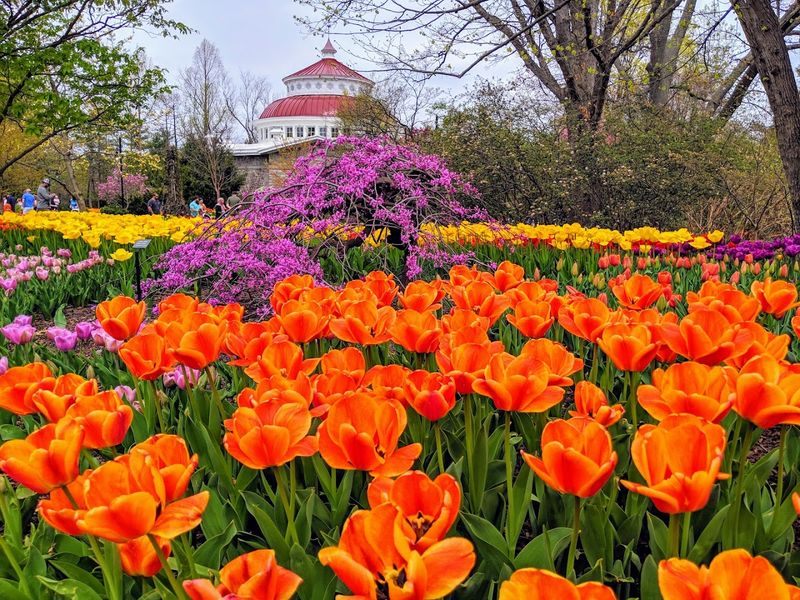
The second oldest zoo in the United States opened its gates in 1875, and Cincinnati Zoo has been raising the bar ever since. What makes it genuinely unique is the seamless blend of world-class animal exhibits with breathtaking botanical gardens — two experiences that somehow make each other better.
Walking past a gorilla habitat framed by flowering trees hits differently than a standard zoo path.
Cincinnati is internationally recognized for its endangered species breeding programs, particularly with cheetahs, Sumatran rhinos, and manatees. The Manatee Springs exhibit is a fan favorite, giving visitors an underwater view of these gentle giants as they glide through warm water.
The cheetah program has contributed to global population recovery efforts in meaningful, measurable ways.
Zoo in Bloom is a spring event that layers floral installations throughout the grounds, turning an already beautiful space into something truly spectacular. Holiday in Lights draws massive crowds in winter, proving this zoo has mastered the art of year-round appeal.
Educational programming here is exceptionally strong, with school programs, keeper experiences, and research tours available. If you are anywhere near southwestern Ohio, skipping Cincinnati Zoo would be a genuine mistake.
The botanical garden component alone elevates it above most competitors on the national list.
Columbus Zoo and Aquarium (Ohio)
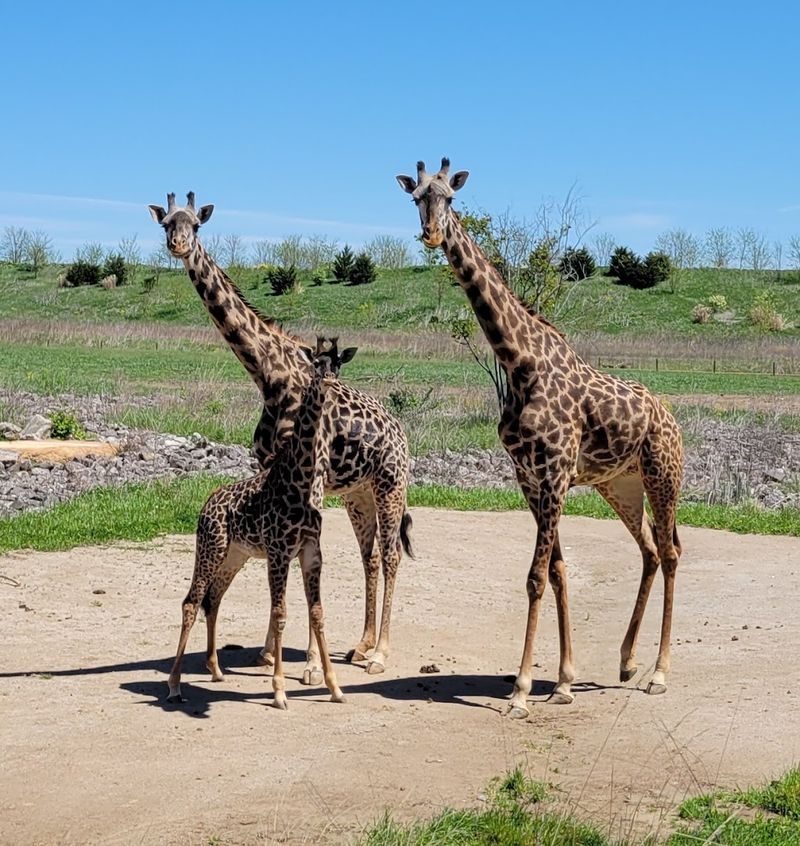
At 580 sprawling acres, Columbus Zoo is one of the largest zoo campuses in the entire country — and it uses every inch well. The park is organized into continent-themed regions, so a single visit takes you from the African savanna to the Australian Outback to North American wilderness without ever leaving central Ohio.
That geographic ambition is part of what makes Columbus so compelling.
Africa Quest is a standout zone featuring giraffes, elephants, and meerkats in expansive, naturalistic settings that genuinely feel designed around the animals first. Congo Expedition brings you face-to-face with bonobos and other Central African species in richly detailed environments.
The Shores and Aquarium section adds marine life to the mix, making Columbus one of the few parks that truly earns the title of combined zoo and aquarium.
Optional train rides and boat tours offer a relaxing way to cover ground and give younger visitors a break between walking stretches. The zoo’s conservation fund has supported hundreds of projects worldwide, from sea turtle protection to snow leopard research.
Jack Hanna, the legendary zookeeper and TV personality, served as director here for decades and helped transform Columbus into a national powerhouse. His legacy shows in every thoughtfully designed corner of this remarkable park.
Dallas Zoo (Texas)
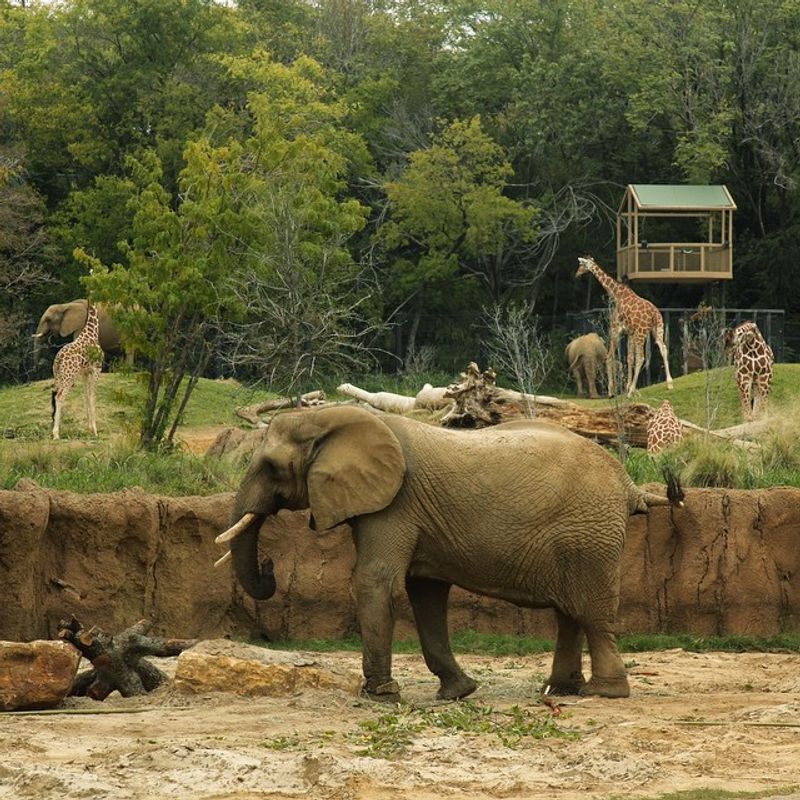
Since 1888, Dallas Zoo has been the oldest zoo in Texas — and it wears that history with pride while constantly modernizing. The park covers 106 acres in the heart of Dallas, making it surprisingly accessible for a major urban zoo.
What it lacks in raw acreage compared to some competitors, it more than makes up for in exhibit quality and animal diversity.
Giants of the Savanna is the crown jewel — a 25-acre African savanna habitat where elephants, giraffes, zebras, and lions share naturalistic space with sight lines that feel genuinely wild. The Gorilla Research Center provides an intimate look at western lowland gorilla family dynamics, and the primatology work conducted here contributes to real conservation science.
Cheetahs, hippos, and Komodo dragons round out a roster that keeps visitors moving from one highlight to the next.
Interactive bird shows and feeding experiences add a participatory element that children particularly enjoy. The ZooNorth section houses North American wildlife, giving visitors a chance to appreciate local biodiversity alongside exotic species.
Dallas Zoo also runs strong community education programs and hosts popular seasonal events throughout the year. For a Texas road trip or a local family outing, it delivers the kind of big, bold wildlife experience you expect from everything in the Lone Star State.
Smithsonian National Zoo (Washington, D.C.)
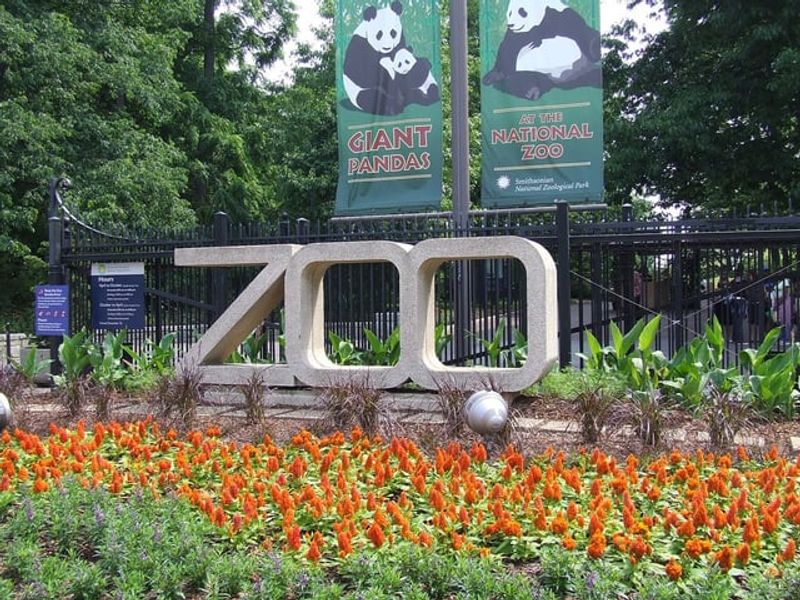
Free admission to one of the world’s great zoos — yes, that is actually real. The Smithsonian National Zoo in Washington, D.C. charges nothing at the gate, yet delivers an experience that rivals institutions charging $30 or more.
Operated by the Smithsonian Institution, it is backed by federal research funding and a conservation mission that spans continents.
The giant panda habitat is the zoo’s most iconic attraction, drawing visitors from around the world to watch these famously photogenic bears munch bamboo with remarkable dedication. Asia Trail is a winding path past sloth bears, fishing cats, clouded leopards, and red pandas — all species that rarely get headline billing but are endlessly fascinating up close.
Amazonia recreates a tropical river ecosystem indoors, complete with free-flying birds and giant river otters.
The zoo covers 163 acres in Rock Creek Park, making it a genuinely beautiful place to spend a day even beyond the animals. Research conducted here has contributed to giant panda breeding science, cheetah reproduction studies, and migratory bird tracking.
Keeper talks and behind-the-scenes tours are available for those who want deeper access. For anyone visiting Washington, D.C., skipping the National Zoo because it seems too casual would be a serious oversight.
This place earns its reputation every single day.
Denver Zoo (Colorado)
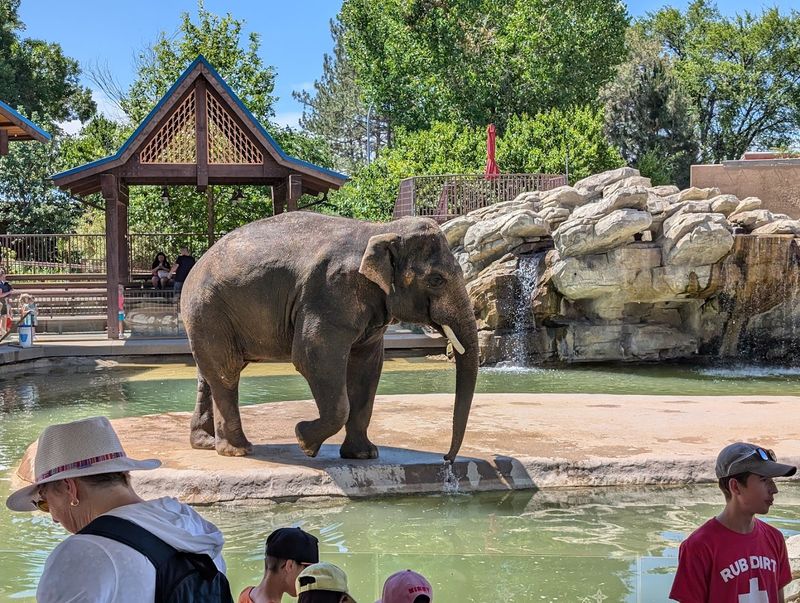
Perched at a mile above sea level with the Rocky Mountains as a backdrop, Denver Zoo has one of the most scenic settings of any urban zoo in America. The 80-acre campus in City Park has been welcoming visitors since 1896, making it one of the older zoos in the West.
But age has not slowed its ambition — recent renovations have transformed several key exhibits into genuinely world-class spaces.
The zoo is home to more than 25,000 animals representing over 600 species, a number that surprises most first-time visitors who expect a smaller regional experience. Predator Ridge is a highlight, placing African lions, spotted hyenas, and African wild dogs in a shared landscape that mimics real ecological relationships.
The Toyota Elephant Passage is one of the largest and most thoughtfully designed elephant habitats in North America.
Daily keeper talks and animal enrichment demonstrations run throughout the park, giving curious visitors real insight into how animals are cared for and what conservation actually looks like in practice. Denver Zoo also runs an aggressive sustainability program, including solar energy use and waste reduction initiatives.
For Colorado residents and travelers passing through, this zoo consistently earns rave reviews and offers tremendous value for a full family day out in one of America’s most beautiful cities.
Oregon Zoo (Portland, Oregon)
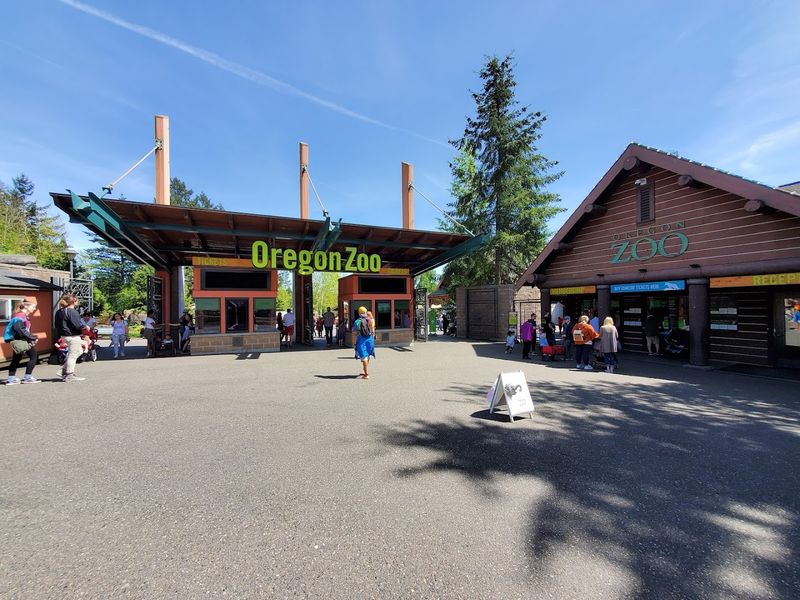
Tucked inside Washington Park in Portland, the Oregon Zoo feels like it grew organically from the surrounding Pacific Northwest forest — because in many ways, it did. The park’s design philosophy emphasizes naturalistic habitats that reflect real ecosystems, making animal behavior here noticeably more active and authentic than in more traditional enclosures.
Even on a gray Oregon day, this place has a special energy.
Polar Passage is a standout exhibit where polar bears swim, play, and lounge in a carefully maintained Arctic environment with underwater viewing panels that produce genuinely stunning close-up moments. The Great Northwest section celebrates local biodiversity with Steller sea lions, California condors, and Pacific giant octopuses — species that connect visitors to their own regional wildlife heritage.
Africa Savanna brings a warmer contrast with giraffes, zebras, and hippos.
The zoo houses more than 2,000 animals across 165-plus species and maintains a strong focus on animal welfare science, regularly publishing research on enrichment and behavioral health. Community engagement is a core value here — the zoo hosts outdoor concerts, educational camps, and volunteer programs that keep it deeply woven into Portland’s cultural fabric.
Conservation partnerships extend to sea turtle protection and California condor recovery programs. For West Coast wildlife lovers, the Oregon Zoo is an absolute must-see destination.
Phoenix Zoo (Arizona)
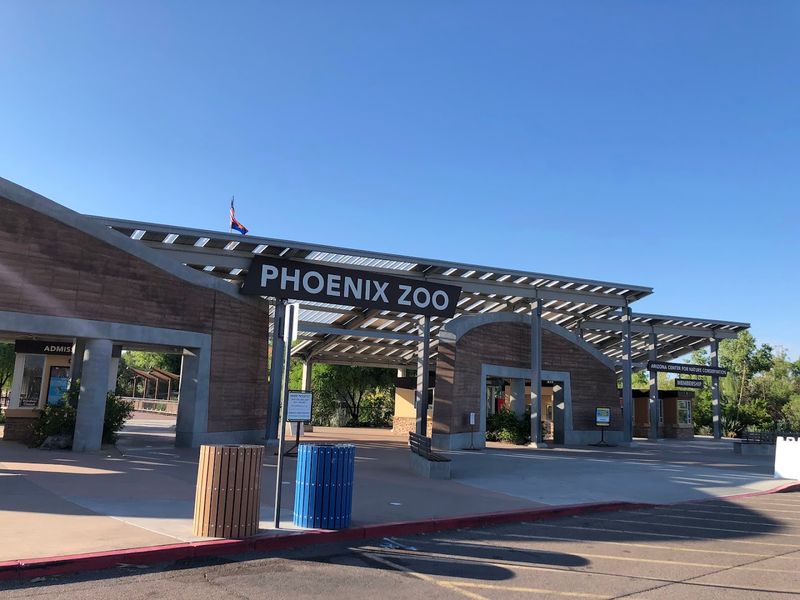
Only in Arizona would a zoo need its own sunscreen advisory — and the Phoenix Zoo leans into its desert identity with genuine pride. As the largest nonprofit, privately owned zoo in the United States, it operates independently of government funding, meaning every ticket purchase directly supports animal care and conservation programs.
That sense of community ownership gives the place a warm, personal atmosphere you can actually feel.
Four themed trails — the Arizona Trail, Africa Trail, Tropics Trail, and Discovery Trail — take visitors through dramatically different ecosystems across 125 acres of beautifully maintained grounds. The Arizona Trail is particularly special, showcasing native desert wildlife like Sonoran pronghorn, Mexican wolves, and Gila monsters in habitats that reflect their real home environments.
Africa Trail delivers the expected dramatic encounters with giraffes, rhinos, and lions.
Over 1,400 animals call the Phoenix Zoo home, and the park’s conservation programs have contributed to the recovery of the Arabian oryx, a species that was actually extinct in the wild before zoo breeding programs helped restore wild populations. That success story alone makes a visit feel meaningful.
ZooLights, the annual winter holiday event, transforms the park into a million-light spectacle that draws enormous crowds. For families in the Southwest, Phoenix Zoo is a year-round treasure that consistently earns its top-rated status.
Memphis Zoo (Tennessee)

TripAdvisor once ranked Memphis Zoo number one in the entire United States based on traveler votes — a title earned by consistently delivering experiences that leave visitors genuinely impressed. Sitting inside the beautiful Overton Park in midtown Memphis, the zoo has been part of the city’s identity since 1906.
There is a warmth to this place that feels distinctly Southern, unhurried and welcoming.
Home to roughly 3,500 animals representing more than 500 species, Memphis Zoo covers a lot of ground both literally and figuratively. The China exhibit, featuring giant pandas, is one of the most beloved attractions and draws visitors from across the region.
Cat Country houses an impressive collection of big cats, while Animals of the Night gives visitors a rare look at nocturnal species in a darkened, atmospheric environment.
Northwest Passage showcases polar bears and sea lions in a dramatic Arctic-themed zone, while the Primate Canyon section provides fascinating views of chimpanzees and other primates in active, engaging habitats. The zoo’s educational programming is robust, with school field trips, overnight experiences, and keeper encounters available for all age groups.
Memphis Zoo also supports global conservation initiatives across multiple continents. Whether you are on a Southern road trip or a Memphis local looking for a great family day, this zoo delivers far more than most people expect from a mid-sized American city.
Saint Louis Zoo (Missouri)

Free admission, world-class animals, and a conservation mission that spans the globe — Saint Louis Zoo is genuinely one of the best deals in American tourism, full stop. Situated in Forest Park, the zoo has welcomed visitors without charging an entry fee since 1916, making wildlife education accessible to everyone regardless of income.
That democratic spirit shapes everything about how the place operates.
Over 16,000 animals representing nearly 700 species call Saint Louis Zoo home, a number that places it among the most species-diverse zoos in the country. Penguin and Puffin Coast is a fan-favorite exhibit with dramatic underwater viewing of both species swimming in crisp, cold water.
The Living World building houses thousands of smaller species — insects, reptiles, and invertebrates — that rarely get top billing but are endlessly fascinating.
Sea Lion Sound offers daily demonstrations that blend entertainment with genuine education about marine mammal intelligence and adaptability. The River’s Edge exhibit takes visitors through four global river ecosystems, encountering hippos, cheetahs, and Asian elephants along the way.
Saint Louis Zoo’s conservation science programs operate in over 60 countries, making it a genuine global player in wildlife preservation. For families visiting or living in the St. Louis area, this zoo is not just a great outing — it is a civic treasure that the entire region should be proud of.
Oakland Zoo (California)
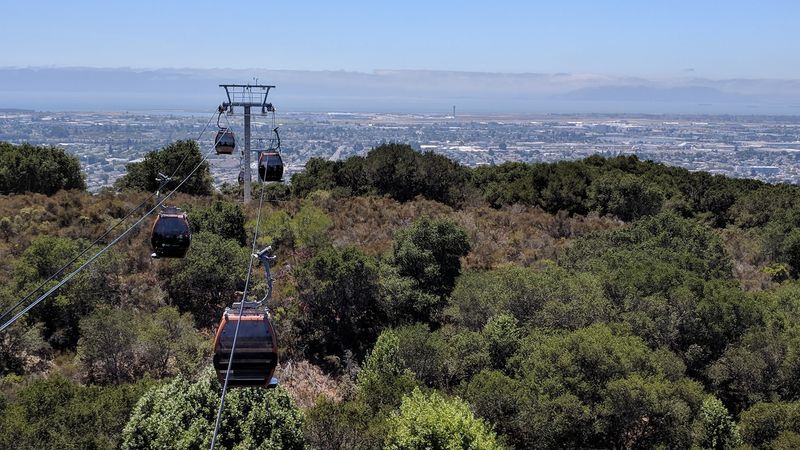
On a clear day from the upper section of Oakland Zoo, you can see San Francisco Bay shimmering in the distance — and honestly, the views alone are worth mentioning. But this 100-acre nonprofit zoo in the Oakland Hills offers far more than scenery.
Its commitment to animal welfare, conservation science, and community education makes it one of the most thoughtfully operated zoos on the West Coast.
The California Trail section is a crown achievement — a 56-acre expansion dedicated entirely to California native species, including grizzly bears, California condors, and gray wolves. It opened in 2018 and immediately became a model for how modern zoos can celebrate and protect regional biodiversity.
The gondola ride up to this section offers panoramic views that are genuinely unforgettable on a sunny Bay Area afternoon.
Oakland Zoo’s veterinary hospital is one of the most advanced at any American zoo, and the institution regularly responds to wildlife emergencies, including treating injured pelicans and sea lions rescued from the Bay. Conservation partnerships extend to elephant protection in Africa and big cat research in South America.
Seasonal events, school programs, and behind-the-scenes tours round out an already rich visitor experience. For Bay Area families and wildlife enthusiasts visiting Northern California, Oakland Zoo is a hidden gem that deserves far more national recognition than it typically receives.
Roger Williams Park Zoo (Rhode Island)
Rhode Island may be the smallest state in the country, but Roger Williams Park Zoo has been delivering big wildlife experiences since 1872 — making it one of the three oldest zoos in the entire United States. Nestled inside the gorgeous 435-acre Roger Williams Park in Providence, the zoo benefits from one of the most beautiful natural settings of any zoo in New England.
The surroundings alone make a visit feel special before you even reach the first exhibit.
The zoo is home to more than 800 animals across 100-plus species, with exhibits covering African plains, wetlands, and North American woodlands. Marco Polo’s Adventure Trek takes younger visitors on an exploratory journey through Asian habitats, while the Wetlands Trail provides a peaceful walk through native New England ecosystems.
The Fabric of Africa exhibit brings zebras, giraffes, and African painted dogs to the Northeast in a well-designed savanna environment.
Conservation education is central to Roger Williams Zoo’s identity, with programs focused on local species like wood turtles and New England cottontail rabbits alongside global efforts. The historic carousel in the park adds a charming, old-fashioned element that families love.
Seasonal events including ZooLights and Brew at the Zoo keep the calendar lively year-round. For New England residents seeking a quality wildlife experience without a long drive, this zoo is a genuinely rewarding destination that punches well above its size.



