National parks protect some of the planet’s most spectacular landscapes, wildlife habitats, and natural wonders. Based on traveler reviews, expert recommendations, and consistently high visitor ratings, these parks rank among the most admired destinations on Earth.
From African safaris and volcanic islands to glaciers, mountains, and tropical rainforests, these are the parks that leave visitors completely awestruck. Pack your bags and get ready to explore fifteen of the most breathtaking protected places our world has to offer.
Galápagos National Park, Ecuador

Nowhere else on Earth can you snorkel alongside sea lions, wave hello to marine iguanas, and watch a giant tortoise stroll past like it owns the place. The Galápagos Islands sit about 600 miles off the coast of Ecuador, and their remote location is exactly why the wildlife here evolved so differently from anywhere else on the planet.
Charles Darwin visited in 1835, and what he observed here helped shape his groundbreaking theory of evolution.
Today, around 97 percent of the archipelago is protected national park land. Visitors can explore volcanic landscapes, dive into crystal-clear waters, and get remarkably close to animals that show almost no fear of humans.
Blue-footed boobies perform their goofy mating dance right in front of you, and frigatebirds puff up their bright red throat pouches overhead.
Strict visitor rules help protect the fragile ecosystem, so guided tours are required in most areas. Only a limited number of tourists are allowed at any given time.
If you want a wildlife experience that feels truly otherworldly, the Galápagos delivers something no zoo or nature documentary ever could.
Torres del Paine National Park, Chile
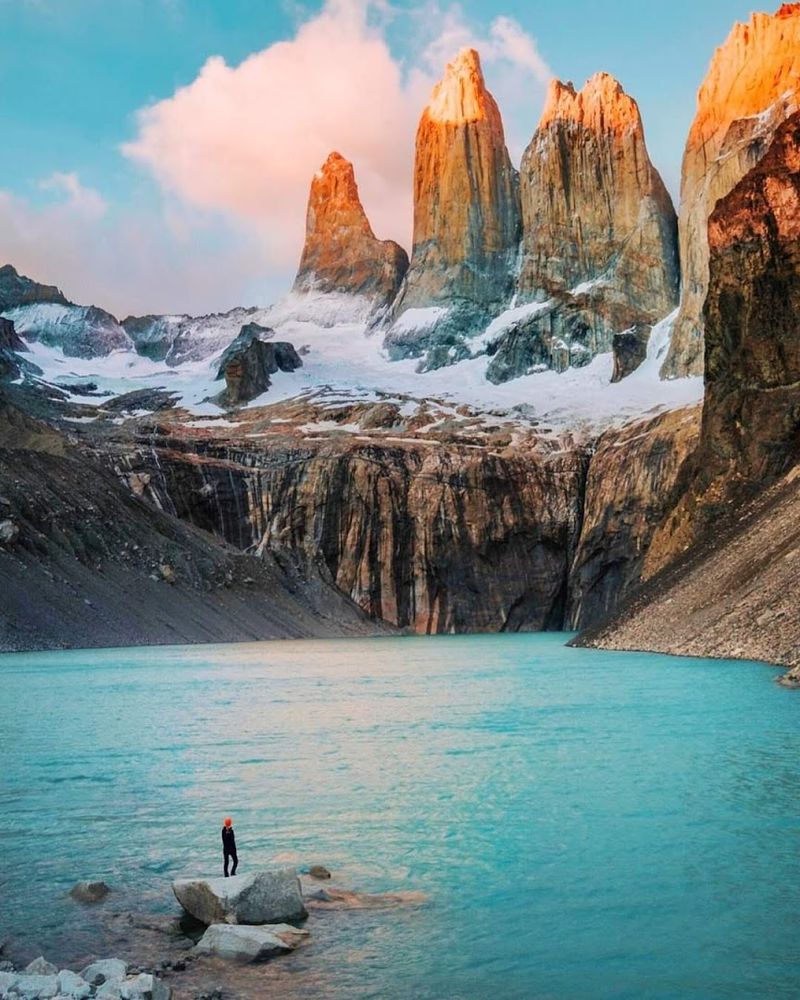
Patagonia’s crown jewel has a way of making people stop mid-hike and just stare. The three iconic granite towers soar nearly 9,000 feet above sea level, their jagged silhouettes reflected in lakes so blue they look digitally enhanced.
Torres del Paine sits at the southern tip of Chile, where the Andes meet the wind-swept plains of Patagonia.
The park’s famous W Trek and Circuit routes attract hikers from every corner of the globe. Along the way, travelers pass through beech forests, cross suspension bridges, and spot Andean condors riding thermals overhead.
Pumas, guanacos, and rheas roam the open grasslands with surprising confidence.
Wind is practically the park’s unofficial mascot. Gusts can knock you sideways mid-trail, so layering up is non-negotiable.
The best time to visit is between November and March when daylight hours are long and trails are most accessible. Refugios and campsites dot the main routes, making multi-day treks manageable even for intermediate hikers.
Many travelers say that once they visit Torres del Paine, every other mountain destination feels just a little ordinary by comparison.
Kruger National Park, South Africa
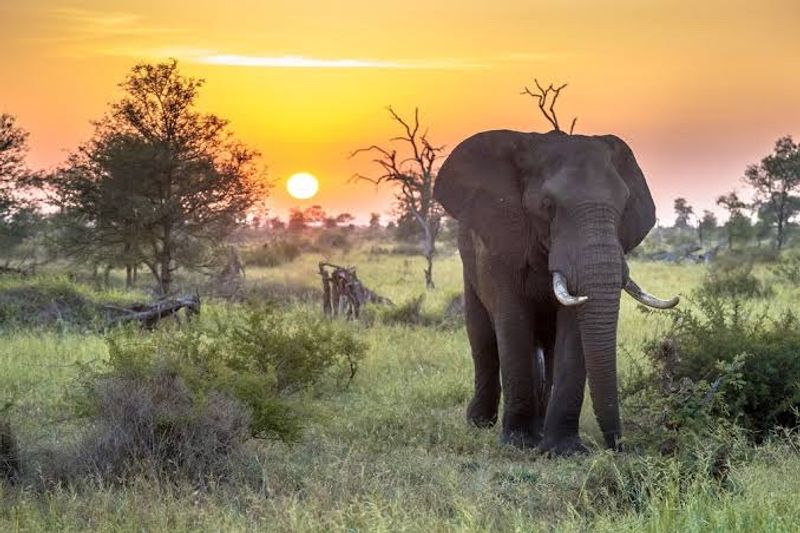
Spotting a leopard draped lazily over an acacia branch is the kind of moment that makes Kruger National Park visitors forget to breathe. Covering nearly 7,500 square miles in northeastern South Africa, Kruger is one of the largest game reserves on the continent and one of the most celebrated safari destinations in the world.
The park is home to all of the Big Five: lions, elephants, leopards, rhinos, and buffalo.
What sets Kruger apart from many other African parks is the flexibility it offers travelers. Self-drive safaris are completely allowed, meaning you can explore the park at your own pace in a rental car.
Dozens of well-maintained rest camps provide accommodation ranging from basic camping to comfortable bungalows.
The diversity of wildlife here goes far beyond the Big Five. Kruger shelters over 500 bird species, 147 mammal species, and 114 reptile species.
Cheetahs, wild dogs, hippos, and crocodiles all call this park home. Early morning and late afternoon game drives offer the best chances of spotting predators on the move.
Kruger consistently earns top marks from safari veterans who have traveled across Africa.
Banff National Park, Canada
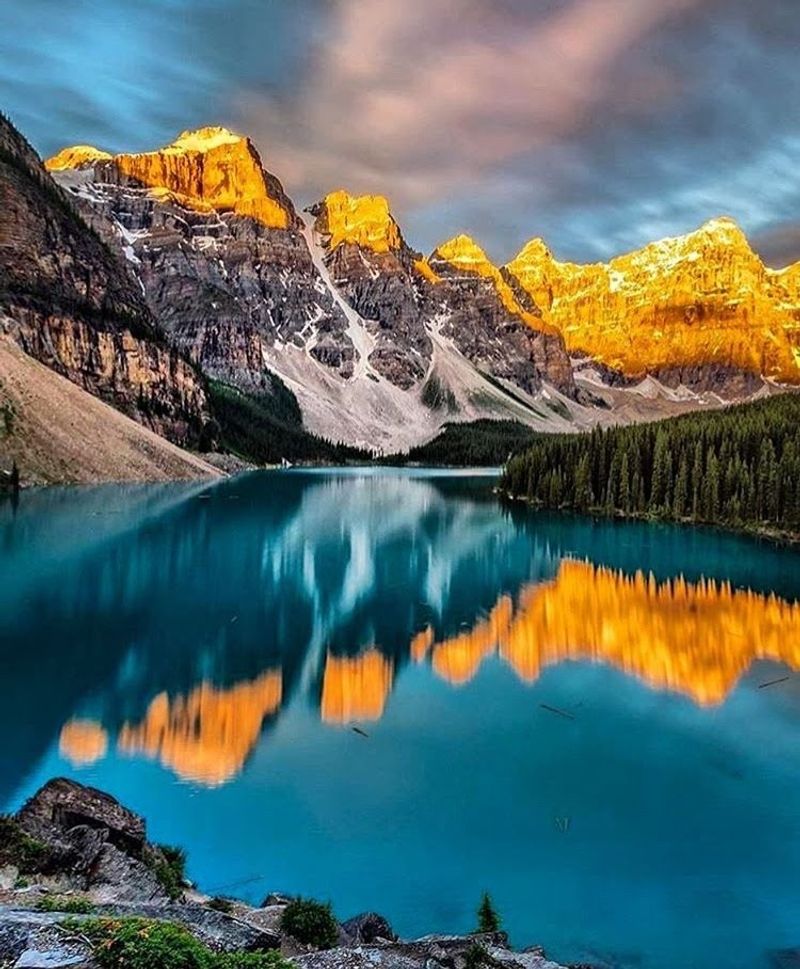
The water at Moraine Lake is so impossibly turquoise that first-time visitors often wonder if the photos online are edited. They are not.
Banff National Park sits in the heart of the Canadian Rockies in Alberta, and it holds the title of Canada’s oldest national park, established back in 1885. The scenery here operates on a scale that feels almost unfair to the rest of the world.
Lake Louise is equally jaw-dropping, with its glacier-fed waters framed by Victoria Glacier and the elegant Fairmont Chateau hotel. Hiking trails range from easy lakeside strolls to challenging summit scrambles.
Wildlife sightings are frequent, with elk, black bears, grizzly bears, and bighorn sheep regularly spotted along roadsides and trails.
Winter transforms Banff into a world-class ski destination, with Lake Louise and Sunshine Village drawing skiers from around the globe. Summer fills the park with hikers, cyclists, and kayakers.
The Icefields Parkway, connecting Banff to Jasper, is widely considered one of the most scenic drives on the planet. Banff attracts over four million visitors annually, so booking accommodation well in advance is strongly recommended, especially during peak summer months.
Yellowstone National Park, United States
Every 90 minutes or so, Old Faithful reminds visitors exactly why Yellowstone became the world’s first national park back in 1872. The geyser shoots boiling water over 100 feet into the air with clockwork reliability, and the crowd gathered around it never seems to get tired of watching.
Yellowstone sits on top of one of the world’s largest active volcanic systems, and that underground heat powers over 10,000 geothermal features across the park.
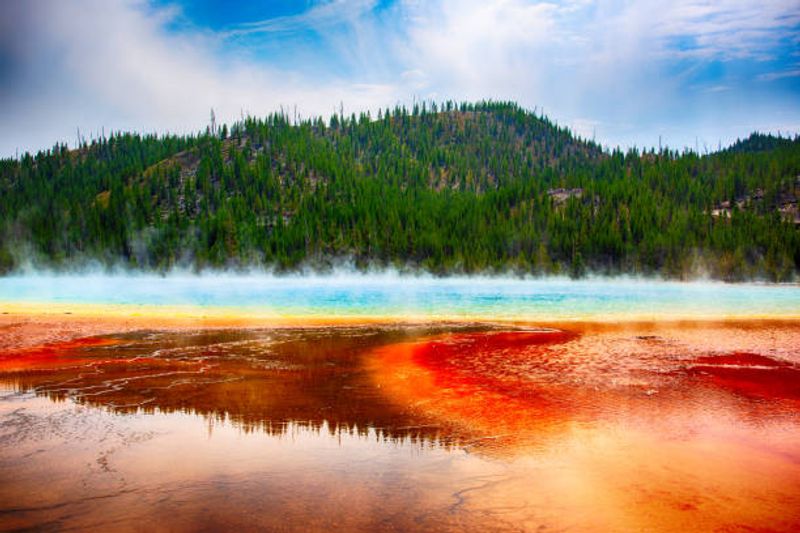
Grand Prismatic Spring, with its vivid rings of orange, yellow, and deep blue, looks like something painted by a very imaginative artist. Mammoth Hot Springs terraces, bubbling mud pots, and fumaroles round out the geothermal highlights.
But Yellowstone is far more than hot water and steam.
Bison herds numbering in the thousands roam the Lamar Valley, earning it the nickname “America’s Serengeti.” Wolves, grizzly bears, elk, and pronghorn antelope are all regularly spotted. The park spans parts of Wyoming, Montana, and Idaho, covering over 2.2 million acres.
Summer is peak season, but fall offers fewer crowds and stunning golden foliage. Yellowstone is one of those rare places that genuinely exceeds its own legendary reputation.
Serengeti National Park, Tanzania
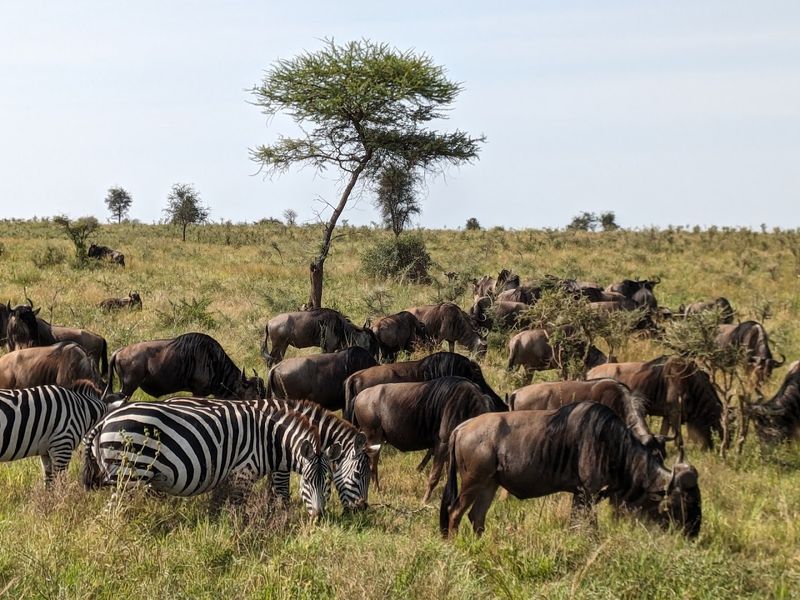
Nothing on television fully prepares you for the sound of two million wildebeest on the move. The Great Migration is the largest overland wildlife movement on Earth, and the Serengeti is its main stage.
Every year, enormous herds of wildebeest, zebras, and gazelles circle through Tanzania and Kenya in search of fresh grass and water. The river crossings, where crocodiles wait with unsettling patience, are among the most dramatic wildlife spectacles imaginable.
Serengeti National Park covers about 5,700 square miles of open savanna, woodlands, and riverine forest. The park supports staggering concentrations of predators, including lions, leopards, cheetahs, hyenas, and wild dogs.
Hot air balloon safaris offer a breathtaking bird’s-eye view of the plains at sunrise.
The timing of your visit determines what you experience. Calving season between January and March fills the southern Serengeti with newborn wildebeest and the predators that follow them.
The river crossings happen between July and October in the northern Serengeti near the Kenyan border. Year-round, the park delivers exceptional game viewing.
Tanzania’s Serengeti routinely tops global lists of the best safari destinations, and travelers who visit rarely describe it as anything less than life-changing.
Fiordland National Park, New Zealand
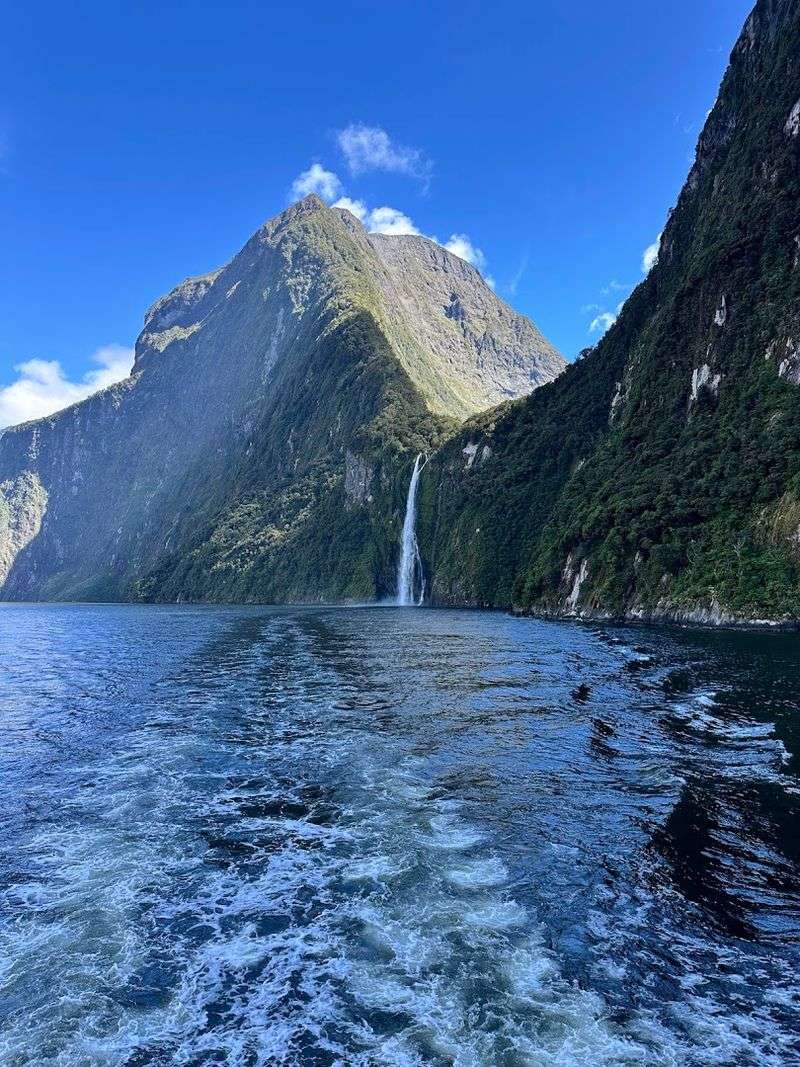
Rain falls at Milford Sound around 182 days per year, and somehow that only makes it more spectacular. When the clouds lift, hundreds of temporary waterfalls appear on the sheer cliff faces, streaming down into the dark, mirror-like water below.
Fiordland National Park occupies the remote southwest corner of New Zealand’s South Island, and its sheer scale is staggering. At over 3 million acres, it is one of the largest national parks in the world.
Milford Sound is the park’s most famous attraction, drawing over a million visitors annually by boat, kayak, and seaplane. Doubtful Sound, accessible only by boat or a combination of boat and bus, offers a quieter and arguably even more dramatic alternative.
Bottlenose dolphins, fur seals, and Fiordland crested penguins are regularly spotted in the fiords.
The Milford Track is widely regarded as one of the greatest walks on Earth, a 33-mile route through ancient beech forests, alpine meadows, and past roaring waterfalls. Sandflies are legendary in their persistence, so insect repellent is absolutely essential.
New Zealand’s Fiordland reminds visitors that some of the planet’s most awe-inspiring places are still wonderfully, deliberately difficult to reach.
Grand Canyon National Park, United States
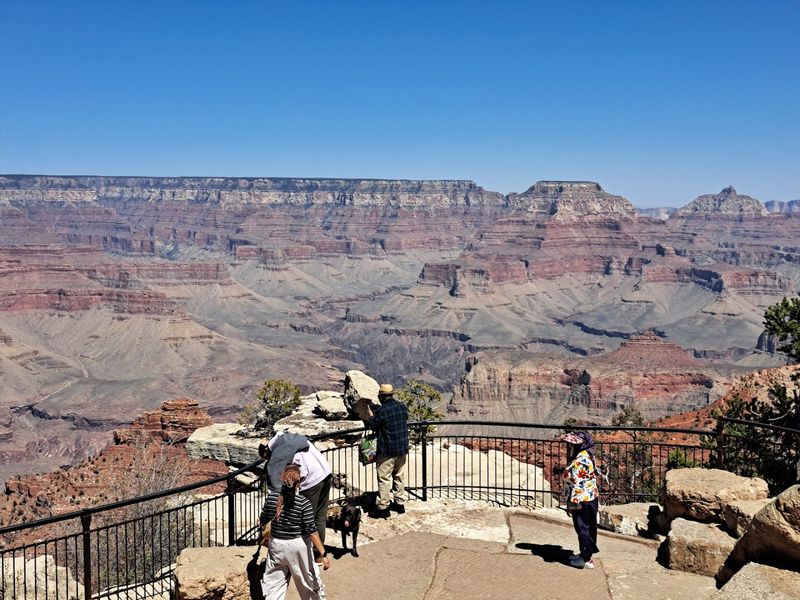
Standing at the South Rim for the first time, most visitors go completely quiet. The Grand Canyon is 277 miles long, up to 18 miles wide, and over a mile deep, and no photograph has ever fully captured what it looks like in person.
The Colorado River spent about 5 to 6 million years carving through layers of ancient rock to create this masterpiece, exposing geological history stretching back nearly two billion years.
Hiking below the rim reveals a completely different world. The Bright Angel Trail descends through multiple climate zones, from the cool pinyon pine forest at the top to the hot desert scrub near the canyon floor.
Mule rides, white-water rafting on the Colorado, and helicopter tours offer alternative ways to experience the canyon’s scale.
The North Rim, open only from mid-May to mid-October, is far less crowded than the South Rim and offers equally spectacular views from a higher elevation. Sunrise and sunset transform the canyon walls into a shifting canvas of purples, reds, and golds.
The Grand Canyon receives about six million visitors every year, making it one of the most visited national parks in the United States, and for very good reason.
Plitvice Lakes National Park, Croatia
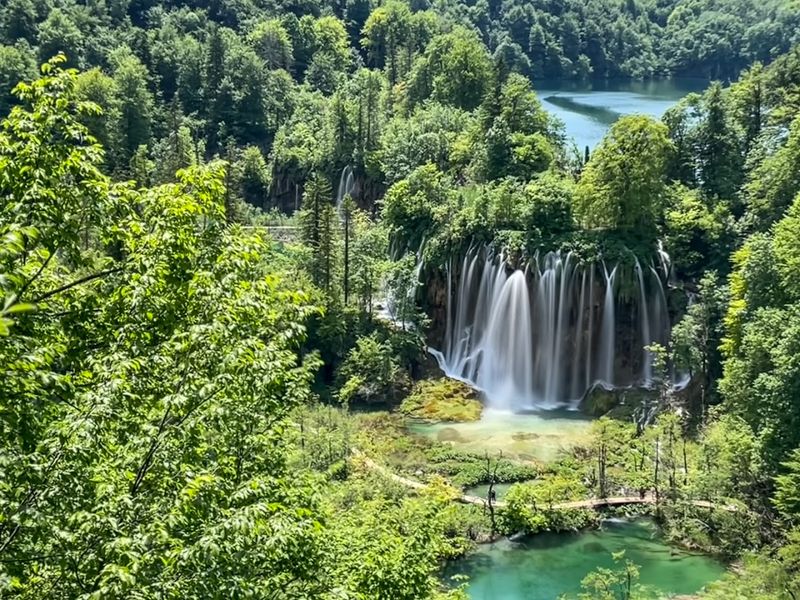
Turquoise water tumbling over travertine barriers into pools below sounds like something from a fairy tale, but Plitvice Lakes National Park is very real and very stunning. Located in central Croatia, the park features 16 terraced lakes connected by a series of waterfalls, all linked by wooden boardwalks that wind directly over the water.
The color of the lakes shifts from bright green to vivid turquoise depending on the minerals, algae, and sunlight at any given moment.
UNESCO recognized Plitvice as a World Heritage Site back in 1979, making it one of Croatia’s most treasured natural landmarks. The park covers about 115 square miles and shelters brown bears, wolves, lynx, and over 120 bird species.
Spring and early summer bring the highest water levels and most dramatic waterfalls, while autumn paints the surrounding forests in warm reds and golds.
Visitor numbers have grown significantly in recent years, so arriving early in the morning or booking timed entry tickets in advance is genuinely important. Two main entry points divide the park into upper and lower lake sections.
Most visitors complete both sections in a single day. Plitvice consistently ranks as one of the most photographed natural destinations in all of Europe.
Jasper National Park, Canada
Look up on a clear night in Jasper and you might feel like you are floating in space. Jasper National Park holds UNESCO Dark Sky Preserve status, making it one of the largest protected dark sky areas on Earth.
The Milky Way stretches across the sky in full, unfiltered glory here, something most city dwellers never actually get to experience. But the park delivers just as dramatically in daylight.
Jasper sits directly north of Banff along the Icefields Parkway in Alberta, Canada. Columbia Icefield, one of the largest non-polar icefields in North America, straddles the boundary between the two parks.
Athabasca Glacier, part of the Columbia Icefield, allows visitors to walk directly onto an ancient glacier, though it is retreating noticeably due to climate change.
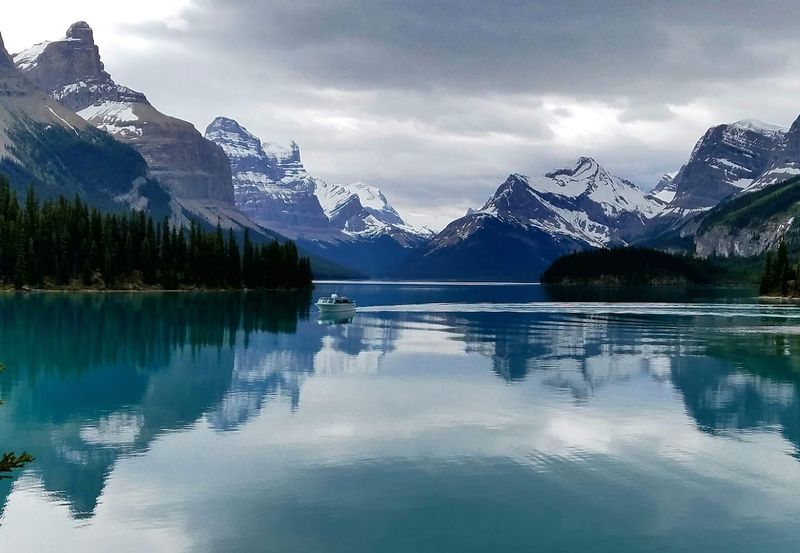
Maligne Lake and Spirit Island rank among the most photographed spots in the Canadian Rockies. Wildlife is abundant throughout the park, with moose, caribou, elk, wolves, and black bears commonly spotted.
Jasper townsite is smaller and less commercial than Banff, giving the whole park a more relaxed, unhurried atmosphere. Hikers, cyclists, kayakers, and stargazers all find exactly what they are looking for here.
Jasper rewards those willing to venture a little farther north.
Komodo National Park, Indonesia
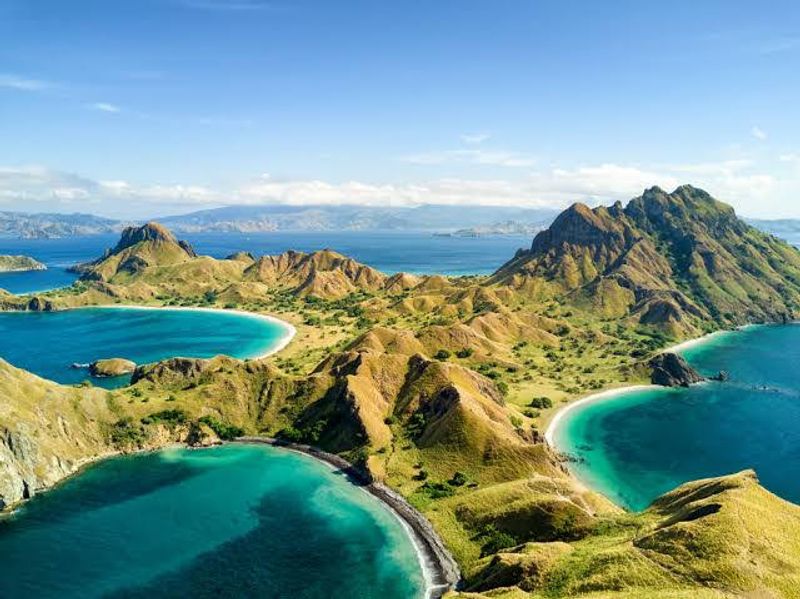
Pink sand beaches and prehistoric reptiles sound like an unlikely combination, but Komodo National Park somehow makes it work brilliantly. Located in eastern Indonesia between the islands of Sumbawa and Flores, the park protects about 5,700 Komodo dragons, the world’s largest living lizards.
These ancient reptiles can grow over 10 feet long and have been known to take down prey as large as water buffalo using their venomous saliva.
Pink Beach, one of only seven pink sand beaches in the world, gets its rosy hue from red coral fragments mixed with white sand. Snorkeling and diving around Komodo reveal some of the richest marine biodiversity on the planet, with manta rays, sea turtles, reef sharks, and thousands of colorful fish species.
Strong currents in the area create nutrient-rich waters that support extraordinary coral reef ecosystems.
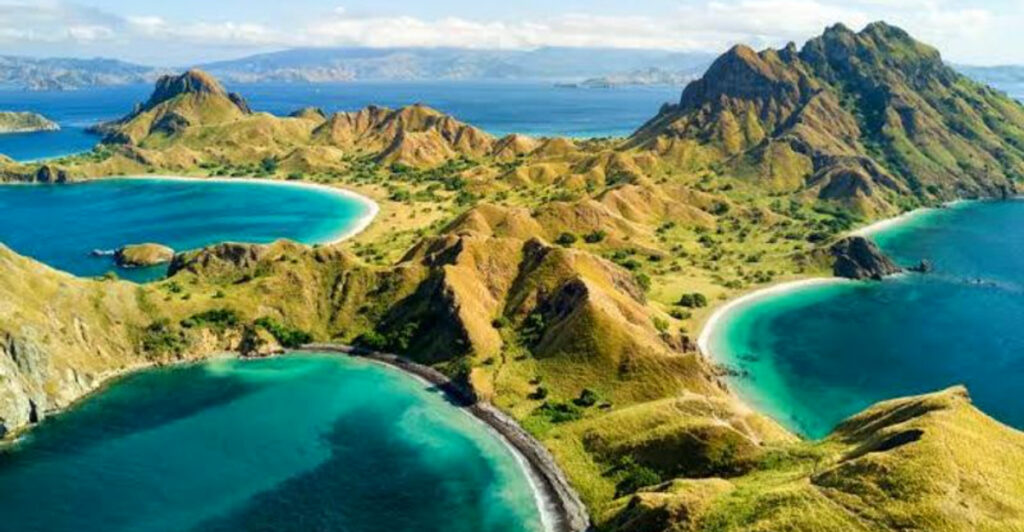
Rangers accompany all visitors during dragon encounters, keeping groups at a safe distance from these unpredictable animals. Sunrise hikes to Padar Island viewpoint offer panoramic views of multiple bays in dramatically different colors.
Komodo was designated a UNESCO World Heritage Site in 1991. Travelers who combine a Komodo visit with a liveaboard diving trip often describe it as the most exhilarating week of their lives.
Iguazú National Park, Argentina and Brazil
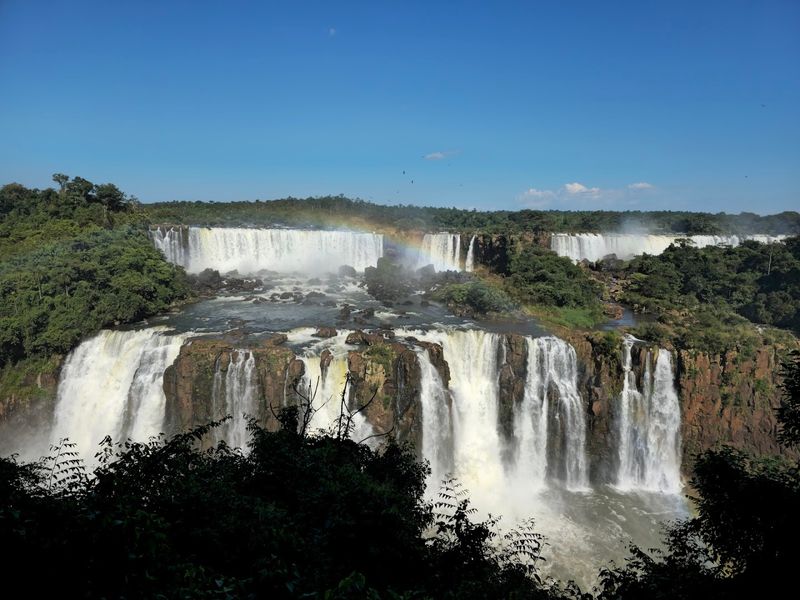
Eleanor Roosevelt reportedly looked at Iguazú Falls and said, “Poor Niagara.” Once you see it, you will understand completely. Stretching nearly two miles wide and featuring up to 275 individual waterfalls, Iguazú is the largest waterfall system in the world.
The park straddles the border of Argentina and Brazil, and visiting both sides gives travelers dramatically different perspectives on the same thundering spectacle.
The Argentine side offers elevated walkways and boat rides that take visitors terrifyingly close to the falls. The Brazilian side provides sweeping panoramic views of the entire system, including the famous Devil’s Throat, a U-shaped chasm where the water roars down with staggering force.
Rainbows appear almost constantly in the mist rising from the falls.
The surrounding subtropical rainforest shelters jaguars, tapirs, giant anteaters, and hundreds of bird species, including the vivid toucans that have become unofficial mascots of the park. Coatis, raccoon-like animals with zero fear of humans, wander the walkways looking for snack opportunities.
Both the Argentine and Brazilian sections hold UNESCO World Heritage status. Iguazú consistently ranks among the top natural wonders on Earth, and travelers who stand at Devil’s Throat often describe it as the most powerful natural experience of their lives.
Great Smoky Mountains National Park, United States
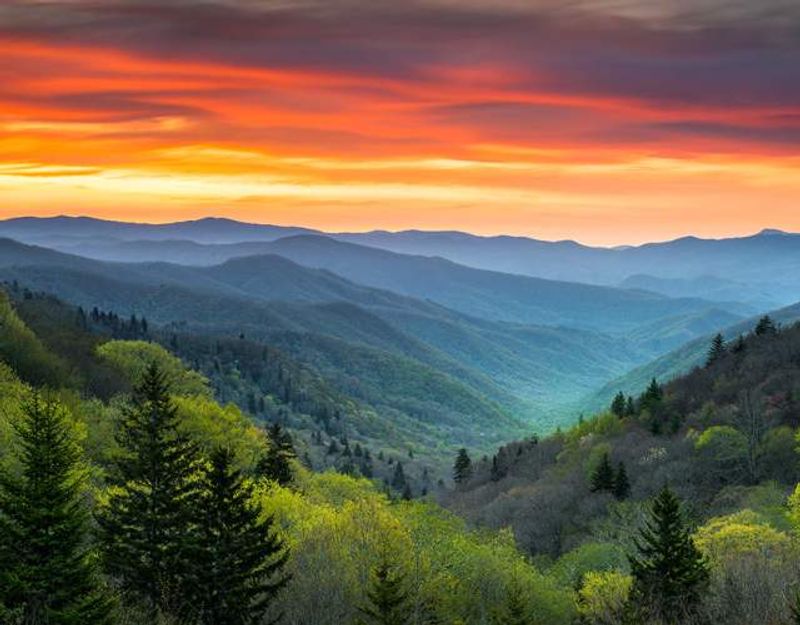
That trademark blue haze drifting over the mountain ridges is not pollution. It comes from the trees themselves, releasing organic compounds that scatter sunlight and create the soft, smoky appearance that gave these mountains their name.
Great Smoky Mountains National Park straddles the border of Tennessee and North Carolina, and it holds the title of America’s most visited national park, drawing over 12 million visitors in a single year.
The park’s biodiversity is genuinely remarkable. It shelters over 19,000 documented species and is considered one of the most biologically diverse temperate forests on Earth.
Black bears are the park’s most famous residents, with an estimated 1,500 living within park boundaries. Elk, white-tailed deer, wild turkeys, and synchronous fireflies also call the Smokies home.
Cades Cove, a scenic valley with historic homesteads and exceptional wildlife viewing, is one of the most popular drives in the entire national park system. Waterfall hikes, including Laurel Falls and Alum Cave Trail, attract visitors of all fitness levels.
The best part? Unlike most U.S. national parks, the Great Smoky Mountains charges no entrance fee.
Free, spectacular, and endlessly rewarding, this park proves that the best things in life sometimes cost nothing at all.
Swiss National Park, Switzerland
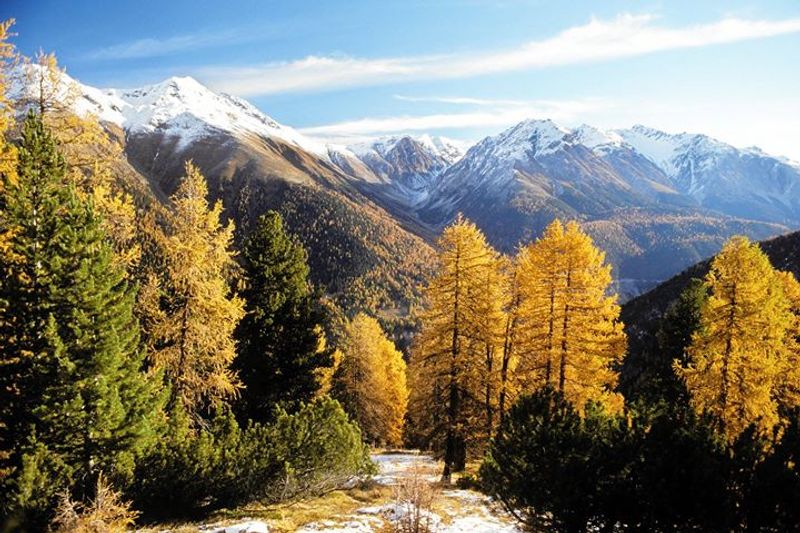
Established in 1914, the Swiss National Park is the oldest national park in the Alps and one of the oldest in Europe. What makes it genuinely unusual is the strict hands-off management philosophy: no logging, no hunting, no feeding animals, and no leaving the marked trails.
Nature here is allowed to do exactly as it pleases, and the results after more than a century of protection are extraordinary.
The park covers about 65 square miles in the Engadin valley of southeastern Switzerland. Alpine ibex, chamois, red deer, golden eagles, and bearded vultures all thrive here in numbers that would have been unthinkable a hundred years ago when hunting had devastated local wildlife populations.
Forests that were once cleared have grown back into dense stands of Swiss stone pine and larch.
Hiking is the primary activity, with about 50 miles of well-marked trails winding through the park’s valleys, forests, and high alpine terrain. Guided ranger walks help visitors understand the ecological restoration happening around them.
The park sits adjacent to the charming town of Zernez, which serves as the main visitor hub. For travelers who want to experience the Alps in their most natural, undisturbed state, the Swiss National Park offers something genuinely rare and quietly magnificent.
Zhangjiajie National Forest Park, China
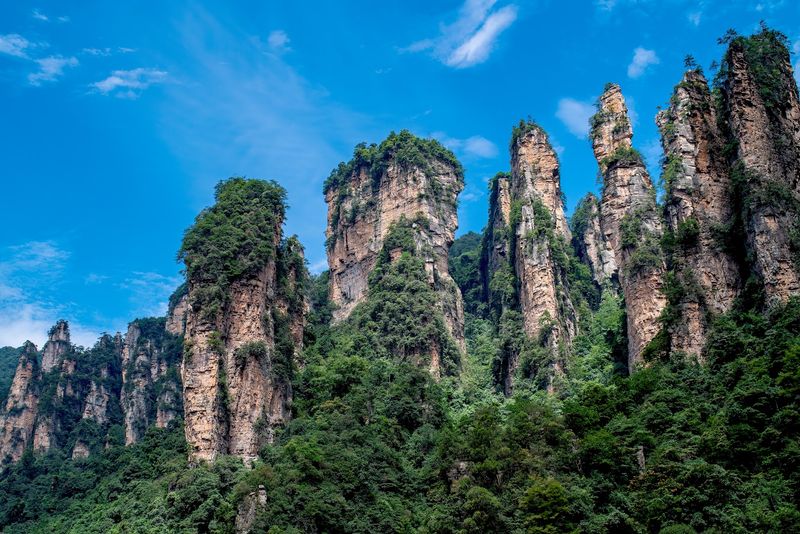
When the filmmakers behind Avatar needed inspiration for their floating Hallelujah Mountains, they looked at Zhangjiajie and essentially said, “Yes, exactly that.” The park’s signature sandstone pillars rise hundreds of meters straight up from the forest floor, their tops draped in mist and greenery, creating a landscape that genuinely looks like science fiction made real. Located in Hunan Province in central China, Zhangjiajie became China’s first national forest park in 1982.
The Bailong Elevator, the world’s tallest outdoor elevator, carries visitors 1,070 feet up a sheer cliff face to reach the plateau walkways above. Glass-bottomed bridges and cliff-hugging boardwalks offer heart-stopping views down into the forested valleys below.
The Tianmen Mountain cable car, at nearly four miles long, is one of the longest in the world.
Over 3,000 quartzite sandstone columns populate the park, with the tallest reaching over 4,000 feet above sea level. Morning mist rolling through the pillars creates an atmosphere that photographers absolutely love.
Monkeys, giant salamanders, and hundreds of bird species inhabit the forests around the formations. Visitor numbers have increased dramatically since Avatar’s release, so weekday visits are noticeably quieter than weekends.
Zhangjiajie is the kind of place that makes you question whether you accidentally walked into a painting.
Share this story