 Unearth The Voyage
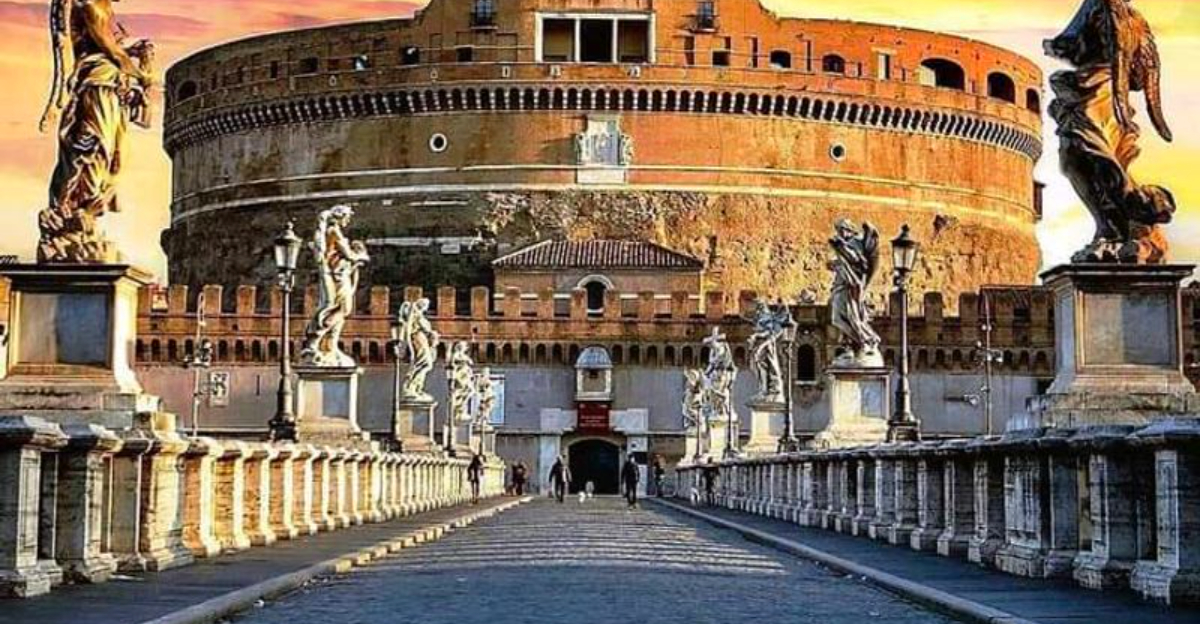
Rome wasn’t built in a day, and you definitely can’t see it all in one either. This ancient city offers thousands of years of history packed into every cobblestone street, piazza, and monument.
Whether you’re tossing coins into fountains, exploring underground catacombs, or biting into the best carbonara of your life, Rome delivers unforgettable experiences at every turn. Here are the top 15 things travelers say you absolutely can’t miss when visiting the Eternal City.
Explore the Colosseum — Rome’s Most Iconic Ancient Monument
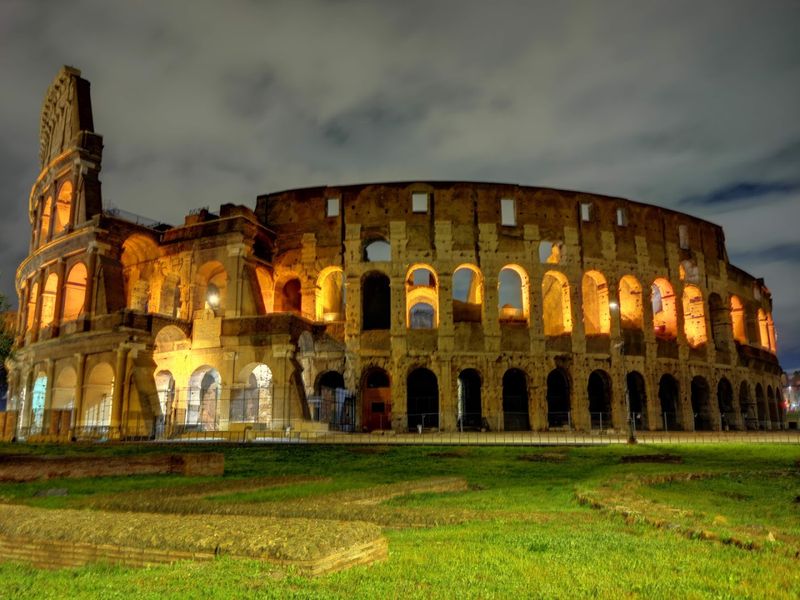
Standing before the Colosseum feels like stepping into a time machine that drops you straight into 80 AD. This massive amphitheater once held 50,000 screaming fans who gathered to watch gladiators battle, wild animals charge, and dramatic public spectacles unfold.
The engineering alone will blow your mind—Romans built this without modern tools, yet it’s still standing strong nearly 2,000 years later.
Walking through the arena floor, you can almost hear the roar of ancient crowds echoing off the stone walls. Every crack and crevice tells a story of emperors, warriors, and everyday Romans who filled these seats.
Travelers consistently rank this as Rome’s number one must-see, and for good reason—nowhere else on Earth captures the grandeur and brutality of ancient civilization quite like this.
Smart visitors book skip-the-line tickets and combine their Colosseum visit with the nearby Roman Forum and Palatine Hill, since one ticket covers all three sites. Early morning or late afternoon visits help you dodge the worst crowds and heat.
Bring water, wear comfortable shoes, and prepare to have your expectations completely shattered by how impressive this place really is in person.
Wander the Roman Forum & Palatine Hill — The Epicenter of Ancient Life
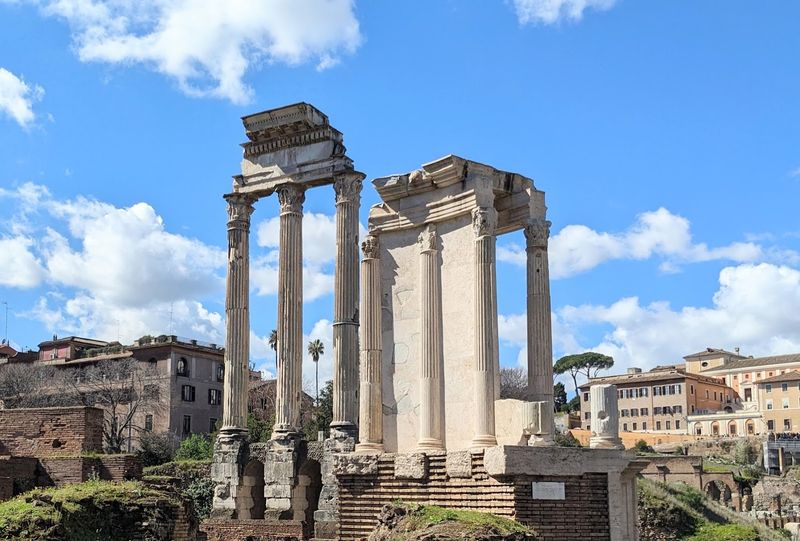
Forget everything you learned from boring history textbooks—the Roman Forum makes ancient Rome feel alive and real. This sprawling complex of ruins was once the beating heart of the empire, where senators debated, merchants traded, and priests performed sacred rituals.
Crumbling columns, half-standing temples, and ancient pathways wind through what was essentially downtown Rome 2,000 years ago.
Palatine Hill rises above the Forum, offering sweeping views that’ll make your Instagram followers seriously jealous. Legend says this is where Romulus founded Rome itself, and later emperors built massive palaces here to show off their power.
Walking these grounds, you’ll pass the House of the Vestals, the Arch of Titus, and countless other structures that once defined Roman civilization.
Travelers recommend downloading an audio guide or hiring a local guide to really understand what you’re looking at—otherwise it’s just a bunch of old rocks. The combined ticket with the Colosseum makes this an easy add-on, and you’ll want at least two hours to explore properly.
Wear sunscreen and bring shade because there’s not much cover among the ruins, especially during summer months when Rome turns into an oven.
Visit St. Peter’s Basilica — Spiritual and Architectural Masterpiece
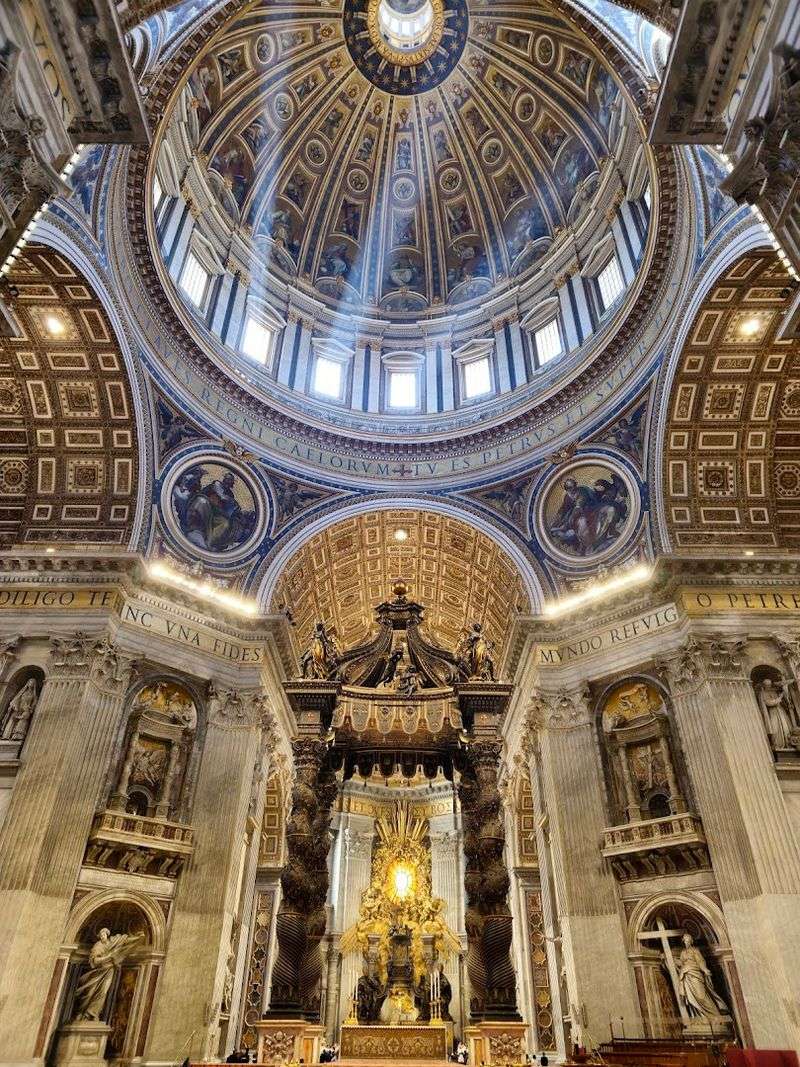
Walking into St. Peter’s Basilica literally stops people in their tracks—the sheer scale and beauty of this place is overwhelming in the best possible way. Renaissance masters poured their genius into every inch, from the towering dome Michelangelo designed to the intricate mosaics that look like paintings but are actually millions of tiny colored stones.
His Pietà sculpture alone is worth the visit, showing Mary cradling Jesus with such emotion carved into cold marble that it seems impossible.
The basilica sits at the heart of Vatican City, the world’s smallest country, and serves as the spiritual center for over a billion Catholics worldwide. Even if you’re not religious, the artistic and architectural achievement here is mind-blowing.
Travelers often climb the 551 steps to the dome’s top for panoramic views across Rome that stretch for miles in every direction.
Entry to the basilica itself is free, though you’ll wait in security lines that can stretch forever during peak season. Dress modestly—shoulders and knees must be covered or you’ll be turned away at the door.
Early morning visits beat the crowds, and attending a papal audience or mass adds a special dimension to the experience that guidebooks can’t quite capture.
Admire the Vatican Museums & Sistine Chapel — World’s Greatest Art Collection
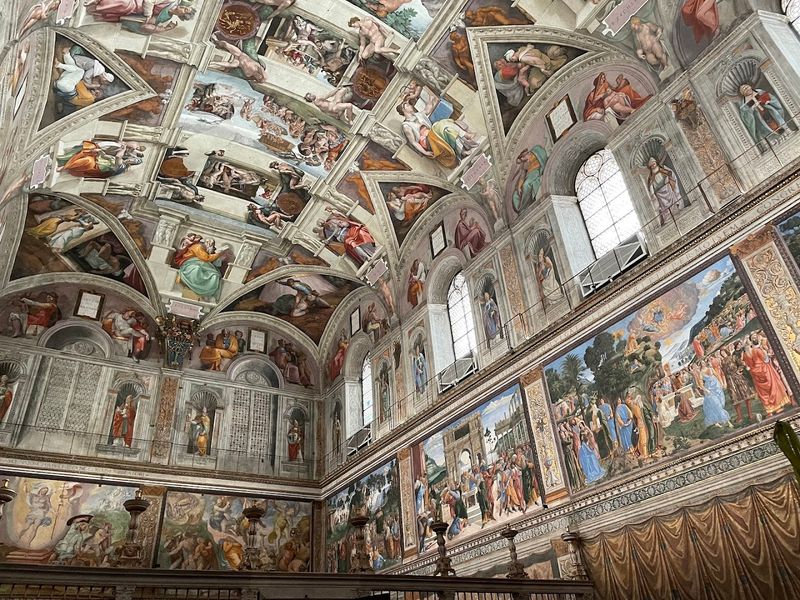
The Vatican Museums house so much incredible art that you could spend weeks exploring and still not see everything. Popes spent centuries collecting masterpieces from across the world, creating what might be the most impressive art collection on planet Earth.
Gallery after gallery showcases ancient sculptures, Renaissance paintings, Egyptian mummies, and treasures that most museums would kill to own.
But everyone’s really here for one thing—the Sistine Chapel. Michelangelo’s ceiling frescoes, especially The Creation of Adam with those famous almost-touching fingers, represent one of humanity’s greatest artistic achievements.
His Last Judgment covering the altar wall is equally stunning, packed with hundreds of figures that seem to move and breathe despite being painted centuries ago.
Book tickets online weeks in advance or you’ll waste hours standing in lines that wrap around city blocks. The museums are massive, so travelers suggest arriving right when they open and heading straight to the Sistine Chapel before tour groups clog the space.
Guards constantly shush people and ban photography inside the chapel, creating an atmosphere that’s simultaneously sacred and slightly stressful. Comfortable shoes are non-negotiable—you’ll walk miles through these halls, and your feet will hate you if you wear sandals or dress shoes.
Throw a Coin in the Trevi Fountain — A Must-Do Roman Tradition
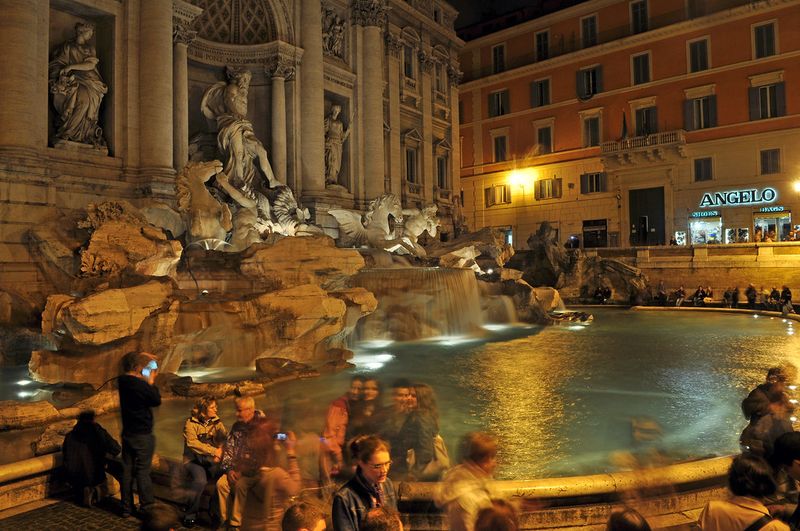
Legend says tossing a coin over your shoulder into the Trevi Fountain guarantees you’ll return to Rome someday—and judging by the estimated 3,000 euros collected daily, plenty of people believe it. This Baroque masterpiece features dramatic sculptures of sea gods, horses, and mythological figures all carved from gleaming white marble, with water cascading down into a pool that’s always packed with tourists and their cameras.
Built in the 1700s, the fountain stands about 85 feet high and 160 feet wide, making it the largest Baroque fountain in Rome and possibly the most photographed fountain anywhere. The theatrical design was meant to wow people, and it still works—first-time visitors consistently gasp when they round the corner and see it in person.
The water comes from an ancient Roman aqueduct that’s been supplying the city for over 2,000 years.
Visit super early in the morning or late at night to avoid the shoulder-to-shoulder crowds that make midday visits frustrating. The fountain looks magical when lit up after dark, creating a romantic atmosphere that’s perfect for couples.
Use your right hand to throw the coin over your left shoulder while facing away from the fountain—that’s the proper technique according to tradition, though honestly nobody’s checking.
Step Into the Pantheon — Best-Preserved Monument of Ancient Rome
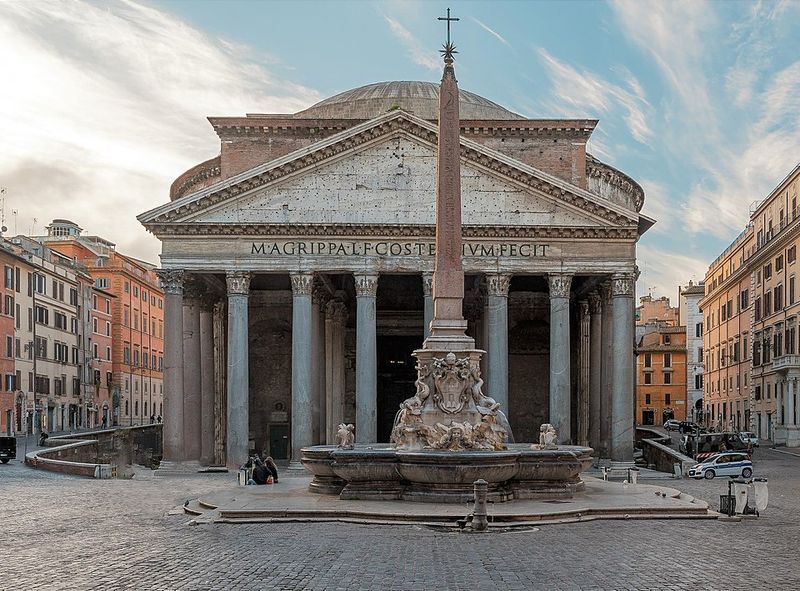
The Pantheon’s massive dome shouldn’t exist according to modern engineers—yet here it stands, perfectly intact after nearly 2,000 years. Built around 125 AD, its unreinforced concrete dome remains the world’s largest, with a circular opening at the top called an oculus that lets in rain, sunlight, and an almost spiritual sense of connection to the sky above.
Romans were absolute geniuses at engineering, and this building proves it better than anything else they left behind.
Originally a temple to all Roman gods, the Pantheon later became a Christian church, which ironically saved it from being stripped for building materials like so many other ancient structures. The interior feels both massive and intimate, with shafts of light moving across marble floors as the day progresses.
Several famous Italians are buried here, including the Renaissance painter Raphael, adding historical weight to the already impressive atmosphere.
Best of all? Entry is completely free, making this one of Rome’s greatest bargains.
The Pantheon sits in a charming piazza surrounded by cafés and gelato shops, perfect for soaking up the scene after your visit. Travelers love how accessible it is—no long lines, no advance tickets, just walk right in and prepare to have your mind blown by ancient Roman engineering that modern builders still can’t fully explain.
Stroll Piazza Navona — Baroque Beauty and Street Life
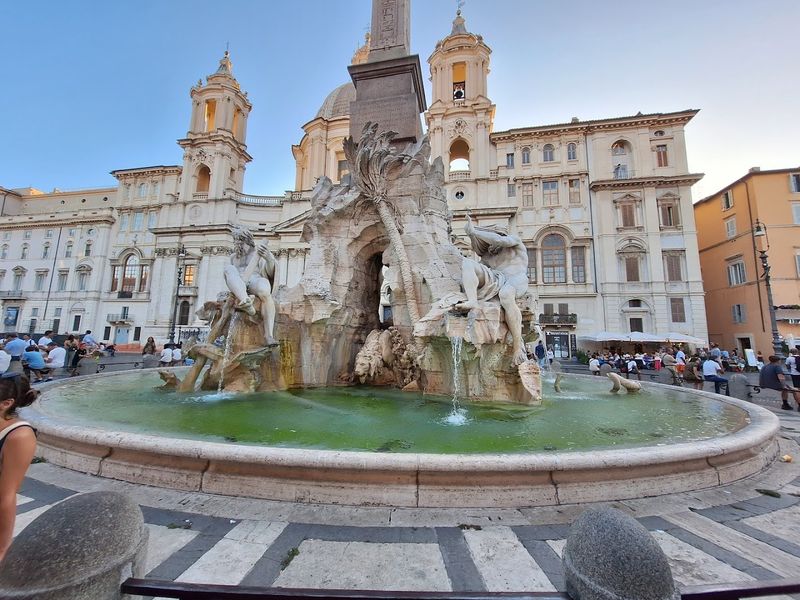
Piazza Navona captures Rome’s theatrical spirit better than almost anywhere else in the city. Built on the footprint of an ancient Roman stadium, this elongated square showcases three magnificent fountains, with Bernini’s Fountain of the Four Rivers as the showstopping centerpiece.
Four muscular figures represent major world rivers, surrounding an Egyptian obelisk that adds exotic flair to the Baroque drama unfolding in marble and water.
Street performers, artists, and musicians fill the piazza daily, creating a carnival atmosphere that locals and tourists both enjoy. Cafés line the edges with outdoor seating that’s perfect for people-watching, though you’ll pay premium prices for the prime location.
The twin-towered church of Sant’Agnese dominates one end of the square, its concave façade creating visual tension with Bernini’s fountain in a rivalry that’s entertained visitors for centuries.
Christmas season transforms Piazza Navona into a magical market filled with toy stalls, candy vendors, and festive decorations that draw huge crowds. Summer evenings bring a different energy, with the square becoming an outdoor living room where Romans gather to socialize and enjoy the warm night air.
Skip the overpriced restaurants directly on the piazza and grab gelato from a nearby shop instead—you’ll get better quality and save money for experiences that matter more.
Climb the Spanish Steps — Iconic Meeting Place & Views
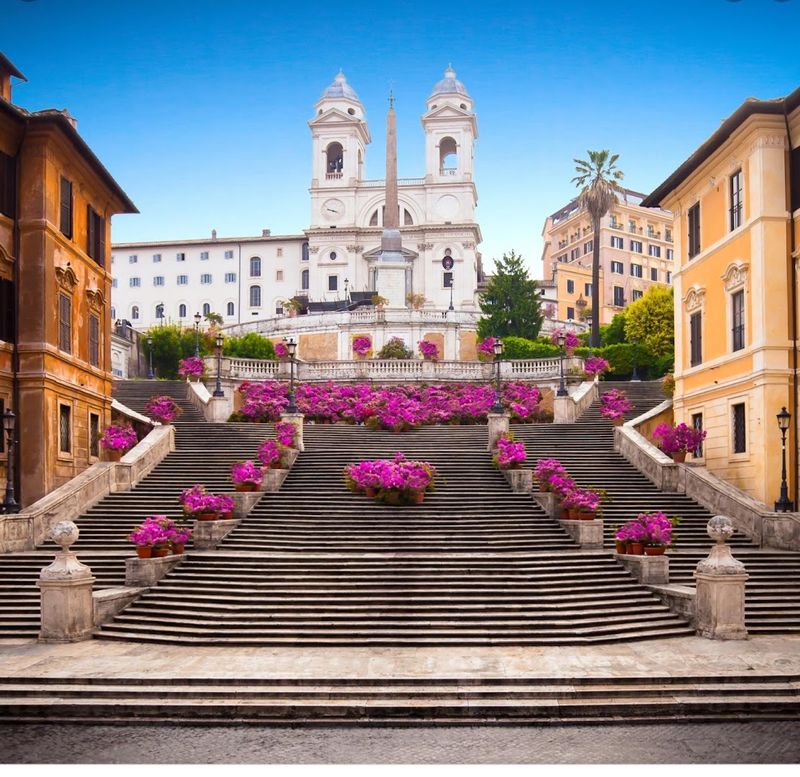
The Spanish Steps have been Rome’s most popular hangout spot since the 1700s, connecting the busy Piazza di Spagna below with the Trinità dei Monti church perched elegantly above. These 135 travertine steps curve and flow in a design that feels more like a theatrical stage than a staircase, which makes sense since they were meant to impress pilgrims and visitors arriving in Rome.
Springtime brings azalea flowers that line the steps in brilliant pink and white, creating one of the city’s most photographed scenes.
Travelers gather here to rest tired feet, meet friends, and watch the endless parade of humanity flowing up and down throughout the day. The Barcaccia fountain at the base, designed by Bernini’s father, adds to the romantic atmosphere that’s made this spot famous in countless movies and novels.
Luxury shopping streets radiate from the square below, where designer boutiques tempt visitors with Italian fashion at eye-watering prices.
Recent rules ban sitting on the steps themselves, with fines for anyone who breaks the regulation meant to preserve the historic stone. Early morning visits offer the best photo opportunities before crowds arrive and harsh midday sun washes out your pictures.
The view from the top stretches across Rome’s terracotta rooftops toward St. Peter’s dome in the distance, rewarding the climb with a perspective that captures the city’s timeless beauty.
Wander Trastevere — Charming Streets & Food Culture
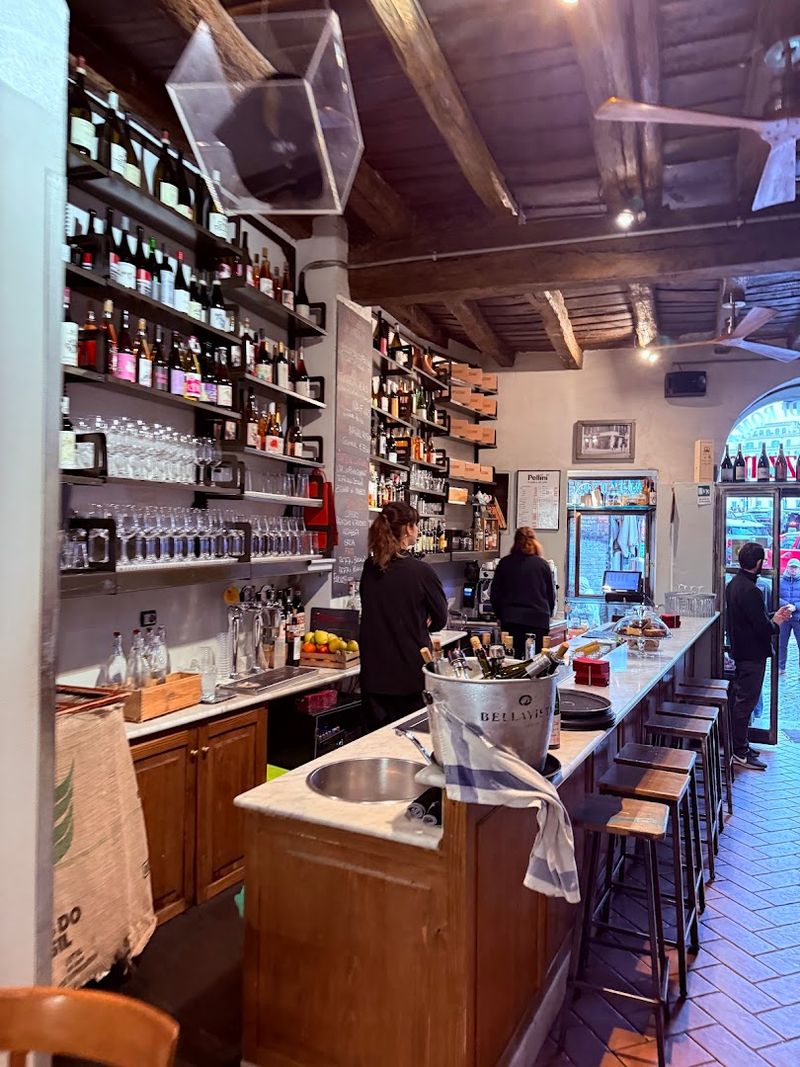
Cross the Tiber River into Trastevere and Rome suddenly feels like a medieval village that somehow survived into the modern age. Narrow cobblestone lanes twist between ochre-colored buildings draped with ivy, laundry hanging from windows, and tiny piazzas where neighbors gossip and kids play soccer.
This neighborhood keeps its authentic working-class character despite becoming incredibly popular with travelers who want to experience Rome beyond the major monuments.
Food is serious business here—family-run trattorias serve Roman classics like cacio e pepe, amatriciana, and carbonara made the traditional way without cream (adding cream to carbonara will get you dirty looks from locals). Night brings magical energy as restaurants fill up, bars overflow onto the streets, and the whole neighborhood transforms into one big outdoor party.
Street musicians add soundtracks to your evening stroll, creating memories that stick with you long after you’ve left Rome.
Start at Piazza Santa Maria in Trastevere, where a beautiful medieval church and fountain anchor the neighborhood’s social hub. Wander aimlessly through the side streets—getting lost is part of the experience and you’ll stumble upon hidden gems that guidebooks miss.
Sunday mornings feature the Porta Portese flea market where you can hunt for vintage treasures, antiques, and random stuff that ranges from worthless junk to legitimate finds.
Discover Castel Sant’Angelo — Fortress on the Tiber
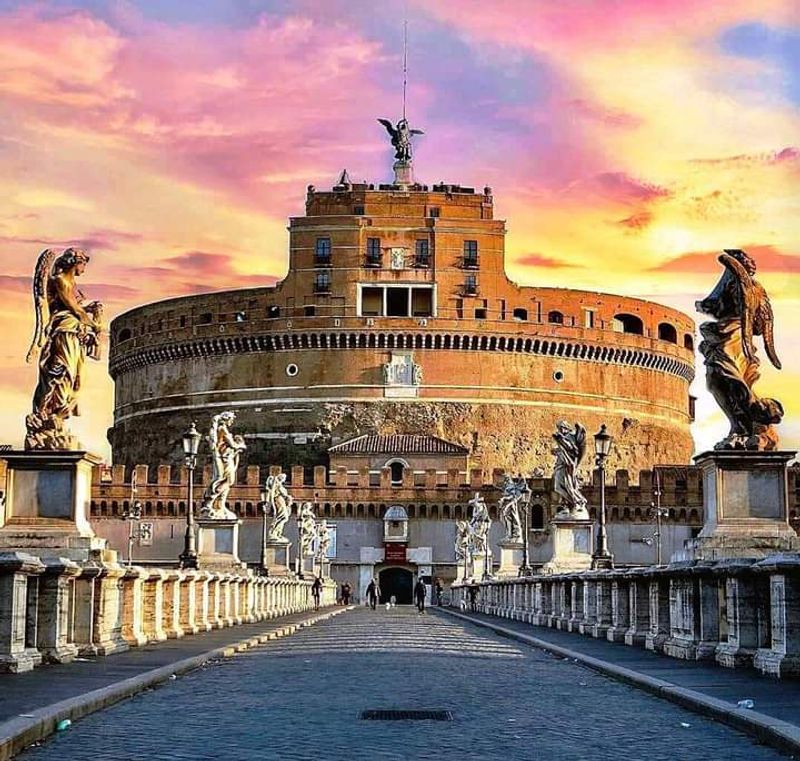
Emperor Hadrian originally built this massive cylinder as his family tomb around 135 AD, but Castel Sant’Angelo has worn many hats over the centuries—fortress, prison, papal residence, and now museum. The building’s transformation mirrors Rome’s own evolution from ancient empire to medieval city to Renaissance capital.
A secret elevated passageway called the Passetto di Borgo once let popes escape from the Vatican during attacks, adding intrigue to an already fascinating structure.
Climbing through the castle’s multiple levels reveals prison cells where famous captives suffered, luxurious papal apartments decorated with frescoes, and military fortifications built to withstand sieges. The rooftop terrace delivers knockout views across the Tiber River toward St. Peter’s dome and over Rome’s historic center, making the climb absolutely worth the effort.
An angel statue tops the building, referencing the legend that Archangel Michael appeared here during a plague, signaling the epidemic’s end.
The ornate Sant’Angelo Bridge leading to the castle features ten angel statues designed by Bernini, creating a dramatic approach that sets the mood perfectly. Sunset visits offer the best light for photography and smaller crowds than midday tours.
The museum inside isn’t as famous as others in Rome, which means you can actually enjoy the exhibits without fighting through tour groups—a rare luxury in this perpetually crowded city that travelers really appreciate.
Explore the Capitoline Museums — Art, History and Panoramas
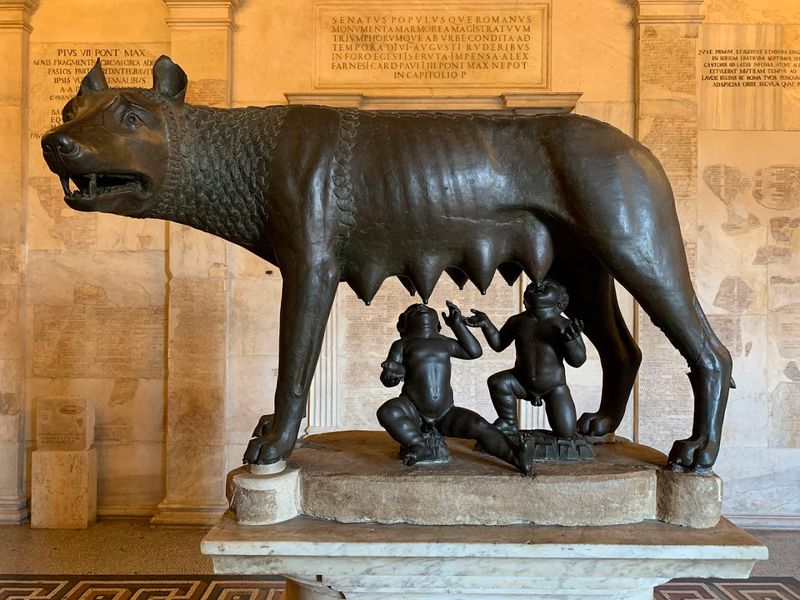
Perched atop Capitoline Hill in a piazza designed by Michelangelo himself, the Capitoline Museums claim the title of world’s oldest public museums, opening to visitors way back in 1734. The collection focuses on classical sculpture and Renaissance art, with famous pieces like the bronze Capitoline Wolf that’s become a symbol of Rome.
Galleries filled with marble emperors, gods, and everyday Romans from antiquity offer intimate glimpses into ancient life that massive monuments can’t provide.
The museums occupy two facing palaces connected by an underground tunnel that passes beneath the piazza, making the whole complex feel like a treasure hunt. From certain windows and the rooftop café, you’ll catch stunning views over the Roman Forum that most tourists never see.
The Dying Gaul sculpture and the giant marble head and hand fragments from a colossal statue of Constantine rank among the most impressive individual pieces.
Art lovers appreciate how manageable these museums feel compared to the overwhelming Vatican collections—you can see everything worthwhile in a couple hours without exhausting yourself. The central Piazza del Campidoglio, with its geometric paving pattern radiating from a central point, is worth admiring even if you skip the museums entirely.
Combined tickets with other city museums offer good value, and audio guides help context-starved visitors understand what they’re actually looking at beyond just pretty old stuff.
Walk the Appian Way — Ancient Road with Ruins and Catacombs
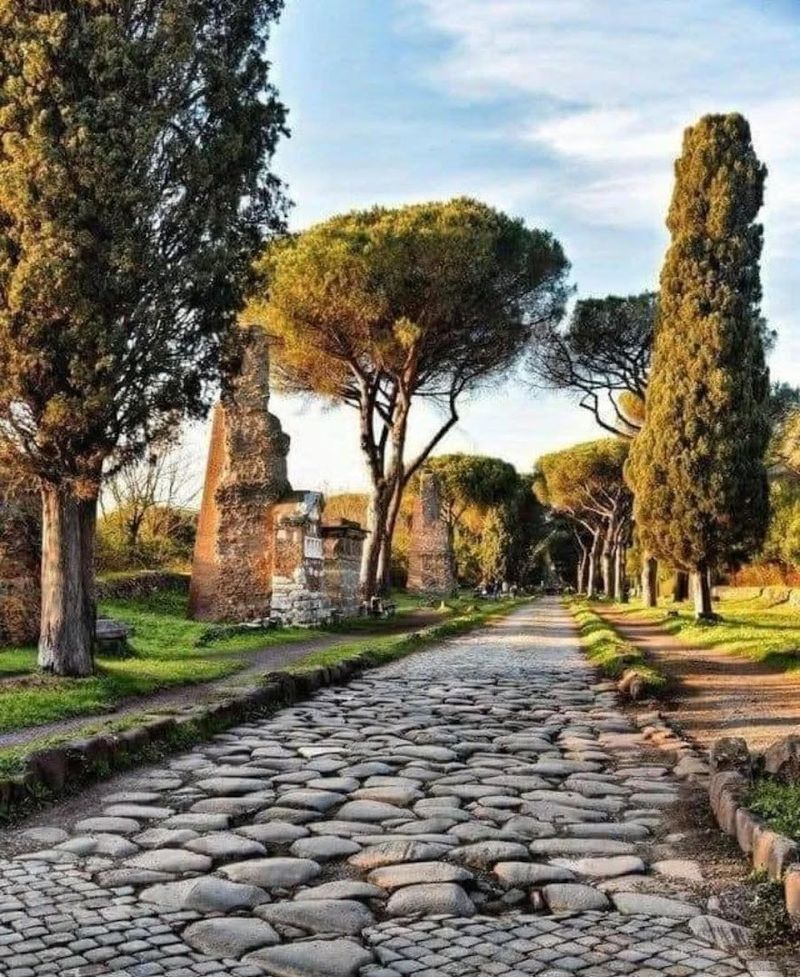
The Appian Way earned the nickname “Queen of Roads” when it was built starting in 312 BC, and sections of the original basalt paving stones still exist over 2,300 years later. This ancient highway once connected Rome to southern Italy, carrying armies, merchants, and eventually Christian pilgrims past tombs, monuments, and villas lining the route.
Walking or biking here feels like traveling through layers of history, with ancient ruins appearing around every bend in landscapes that mix pastoral countryside with archaeological wonders.
Underground catacombs honeycomb the area, where early Christians buried their dead in miles of tunnels carved from soft volcanic rock. Tours of the Catacombs of San Callisto or San Sebastiano reveal ancient frescoes, inscriptions, and burial chambers that bring early Christian history to life in ways textbooks never could.
Above ground, the Circus of Maxentius and Tomb of Cecilia Metella showcase Roman engineering and wealth frozen in time.
UNESCO recently recognized the Appian Way as a World Heritage site, cementing its importance to human history. Sundays see the road closed to cars, making it perfect for renting bikes and pedaling past aqueduct ruins and grazing sheep.
The area offers peaceful escape from central Rome’s crowds and chaos while delivering authentic historical experiences that feel more adventurous than museum visits. Bring snacks and water since facilities are limited along this ancient route that’s more rural retreat than tourist trap.
Relax in Villa Borghese & Visit Galleria Borghese
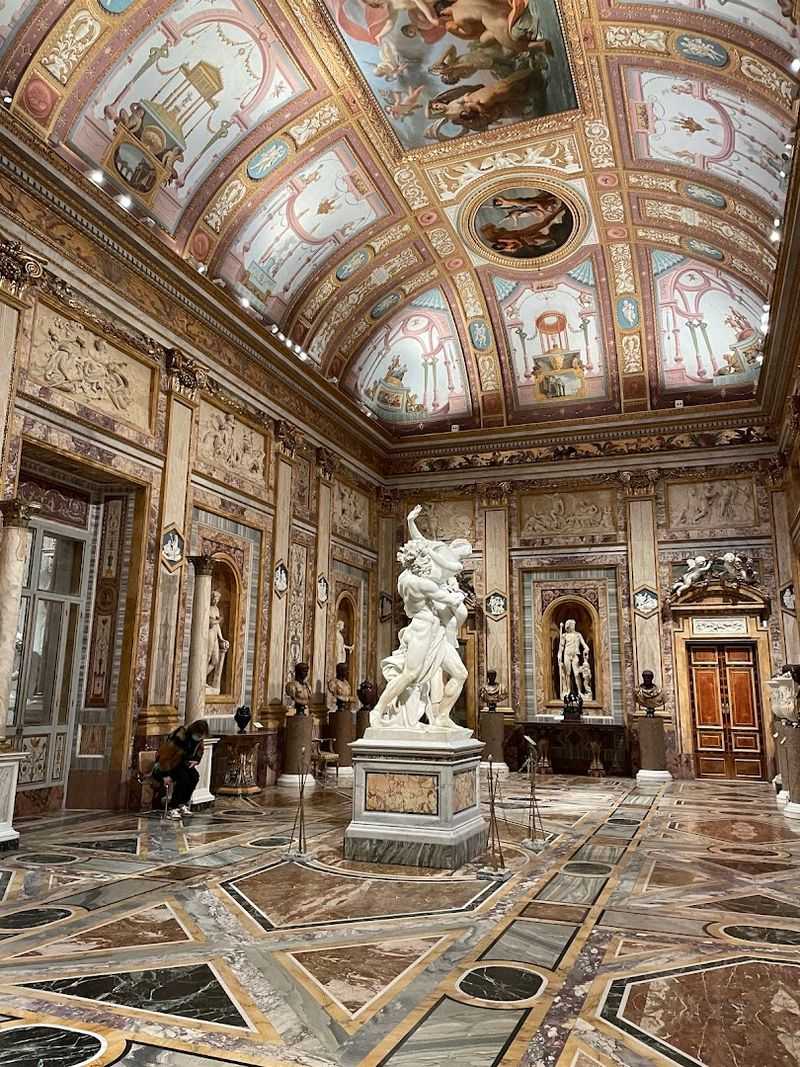
Rome’s grandest park sprawls across 200 acres of gardens, fountains, museums, and shaded pathways where locals jog, families picnic, and couples rent rowboats on the artificial lake. Villa Borghese offers the perfect antidote to monument overload, with enough green space to forget you’re in a major city.
Street performers entertain near the Pincio terrace, which overlooks Piazza del Popolo and delivers sunset views that rival any paid attraction.
The star attraction is definitely Galleria Borghese, a relatively small museum housing absolutely killer masterpieces by Caravaggio, Bernini, Raphael, and Titian. Bernini’s sculptures seem to defy the limits of marble—his Apollo and Daphne captures the moment of transformation so perfectly that you can practically see Daphne’s fingers sprouting into laurel leaves.
Caravaggio’s paintings demonstrate his revolutionary use of light and shadow that changed art history forever.
Here’s the catch—you must book Galleria Borghese tickets weeks in advance since they limit visitors to preserve the intimate atmosphere and protect the art. Two-hour time slots keep crowds manageable, making this one of Rome’s most pleasant museum experiences.
The park itself is free and perfect for a relaxing afternoon between intense sightseeing sessions. Rent bikes near the entrance to cover more ground, or just sprawl on the grass with gelato and watch Rome’s beautiful people stroll past in their effortlessly stylish way.
Take in Panoramic Views from Janiculum Hill
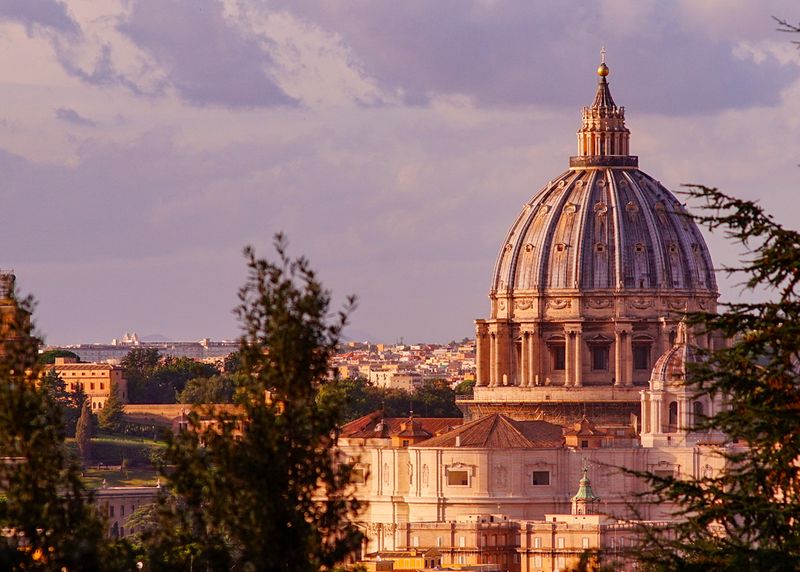
Janiculum Hill doesn’t count among Rome’s famous seven hills, but it delivers the absolute best panoramic views of the entire city spread out below like a living map. St. Peter’s dome dominates the skyline, with the Victor Emmanuel Monument’s white marble and countless church domes punctuating the sea of terracotta roofs stretching to the horizon.
Sunset transforms the scene into pure magic, with golden light washing over ancient and modern Rome simultaneously.
Every day at noon, a cannon fires from the hilltop—a tradition dating back to 1847 that once helped Romans synchronize their clocks but now mostly startles unsuspecting tourists. The surrounding park features statues, fountains, and the beautiful Fontana dell’Acqua Paola, often called “Il Fontanone” by locals.
Street vendors sell snacks and drinks, though prices reflect the prime location and captive audience.
Getting here requires a decent uphill walk or a bus ride, but the effort pays off with views that capture Rome’s incredible scale and beauty without costing a single euro. Many travelers time their visit for late afternoon, watching the light change as the sun sinks toward the horizon and the city transitions from day to evening.
Couples find this spot particularly romantic, while photographers obsess over the perfect angle to capture St. Peter’s dome rising above the urban landscape in all its Renaissance glory.
Visit Campo de’ Fiori Market — Fresh Produce and Local Life
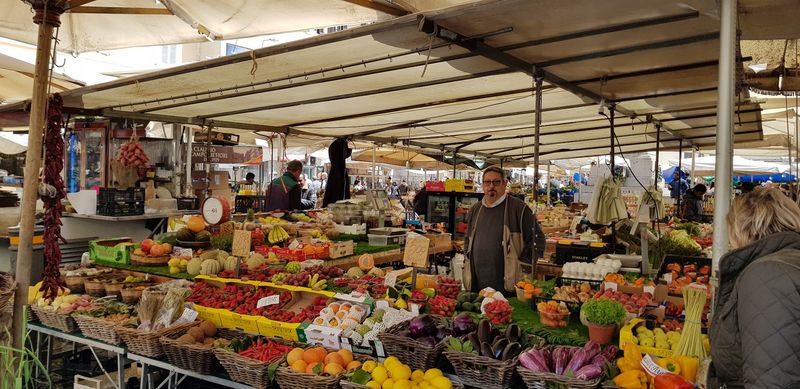
Campo de’ Fiori transforms every morning into a vibrant marketplace where Romans shop for the freshest produce, aromatic spices, colorful flowers, and artisan products that make Italian cooking so incredible. Vendors call out their prices, shoppers squeeze tomatoes to check ripeness, and the whole square buzzes with the kind of authentic local energy that guidebooks promise but rarely deliver.
This isn’t a tourist trap selling overpriced souvenirs—it’s a real working market where neighborhood residents do their daily shopping.
The square’s name translates to “Field of Flowers,” though its history includes darker chapters as an execution site during the Renaissance. A brooding statue of philosopher Giordano Bruno, burned at the stake here for heresy, reminds visitors of those grim times.
Today the atmosphere couldn’t be more different, with the market creating a cheerful, sensory-rich experience that engages all your senses at once.
Arrive early for the best selection and to experience the market at its most authentic before tourist crowds arrive around mid-morning. By evening, the stalls disappear and Campo de’ Fiori becomes a popular nightlife spot where bars and restaurants fill with young Romans and international visitors.
Grab fresh mozzarella, sun-ripened tomatoes, and crusty bread for an impromptu picnic, or just wander through soaking up the colors, smells, and sounds of Roman daily life that’s remained essentially unchanged for generations.



