 Unearth The Voyage
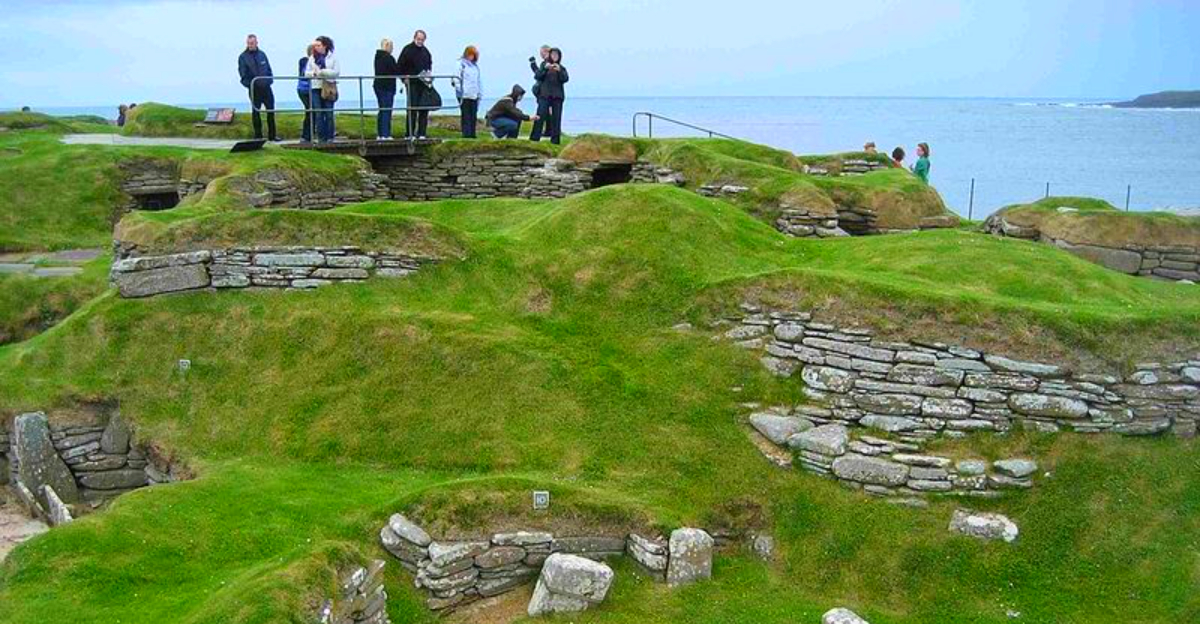
Whole towns can disappear so completely that even experts argue over what happened. Some were swallowed by water or fire, others emptied after sudden shocks, and a few simply faded until maps forgot them.
You will see patterns emerge droughts, broken trade, shifting rivers, and human conflict yet each case holds its own riddle. Keep reading to trace clues, challenge assumptions, and rethink how fragile permanence really is.
1. Roanoke Colony, North Carolina, USA
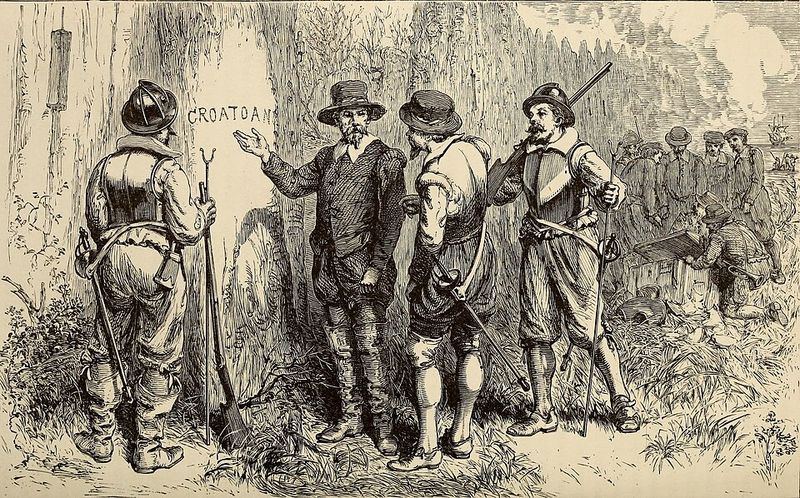
Roanoke remains the archetype of a town that vanished without closure. Founded in 1587, the colony was deserted by 1590, leaving the word CROATOAN carved on a post.
No bodies, no battle signs, just questions. You imagine the shoreline wind carrying secrets.
Modern theories point to relocation, assimilation with Croatan tribes, starvation, or storms. Archaeology has suggested scattered English goods on Hatteras, yet proof stays elusive.
The lesson for you is simple do not mistake absence of evidence for evidence of absence. In mysteries like Roanoke, humility and patience become tools as important as shovels.
2. Great Zimbabwe’s Surrounding Settlements, Zimbabwe
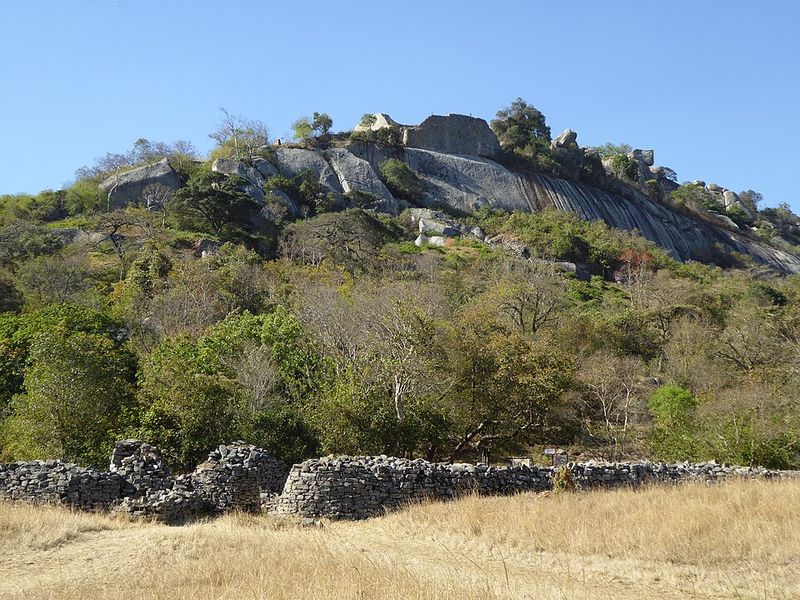
Great Zimbabwe’s massive stone enclosures still stand, but the neighboring settlements that once fed its markets faded. By the 15th century, people dispersed, leaving hard questions.
Climate stress, depleted grazing, and shifting trade routes likely converged. You can almost hear the echo of empty granaries.
Studies of paleoclimate and trade beads suggest a system strained by drought and reoriented commerce along coastal nodes. There is no smoking gun, just accumulated fragility.
For you, the takeaway is resilience depends on many small supports. When several crack at once, even powerful centers watch their satellites vanish quietly.
3. Cahokia, Illinois, USA
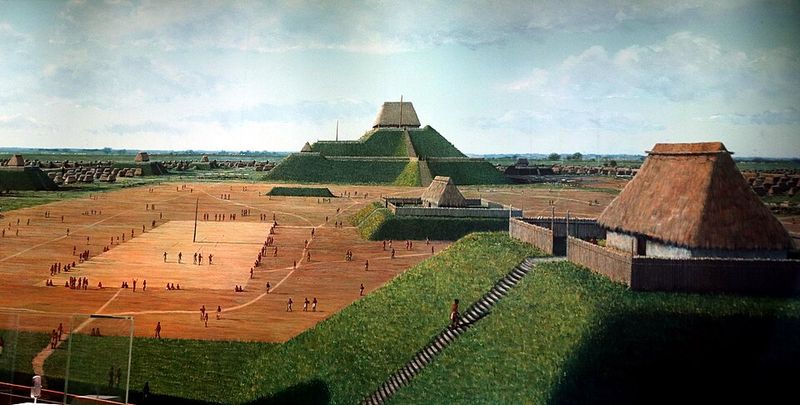
Cahokia rose fast near the Mississippi, then dimmed by the 14th century, leaving a hush over its mounds. Archaeologists find population stress, deforestation, floods, and political fracture.
You walk the boardwalks today and feel the weight of unasked questions. No single villain explains the decline.
Core samples point to increased flooding and land use changes that undercut food security. Social unrest likely followed environmental whiplash.
The practical lesson think in systems, not stories. When climate variability meets crowded governance, departures scale quickly.
Cahokia’s empty plazas whisper that prosperity without buffers can vanish strangely quickly.
4. Angkor’s Residential Cities, Cambodia
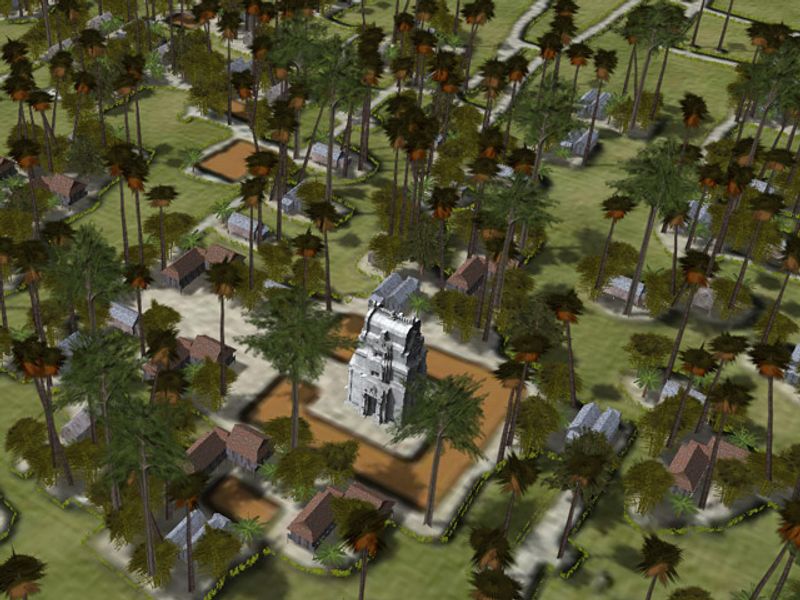
Angkor’s temples survive, but the surrounding neighborhoods that once buzzed with life thinned out in the 15th century. Drought followed by floods stressed the elaborate water network.
You can read the story in canals clogged with sediment. The city’s edges went quiet first.
Recent LIDAR mapping reveals sprawling suburbs and hydraulic engineering vulnerable to climate swings. Scholars argue that infrastructure rigidity made adaptation slower.
For you, the lesson is to build systems that fail softly. When weather flips rapidly, brittle networks break, and residents quietly migrate, leaving stone monuments standing like eloquent survivors of a dispersed populace.
5. Skara Brae, Orkney, Scotland
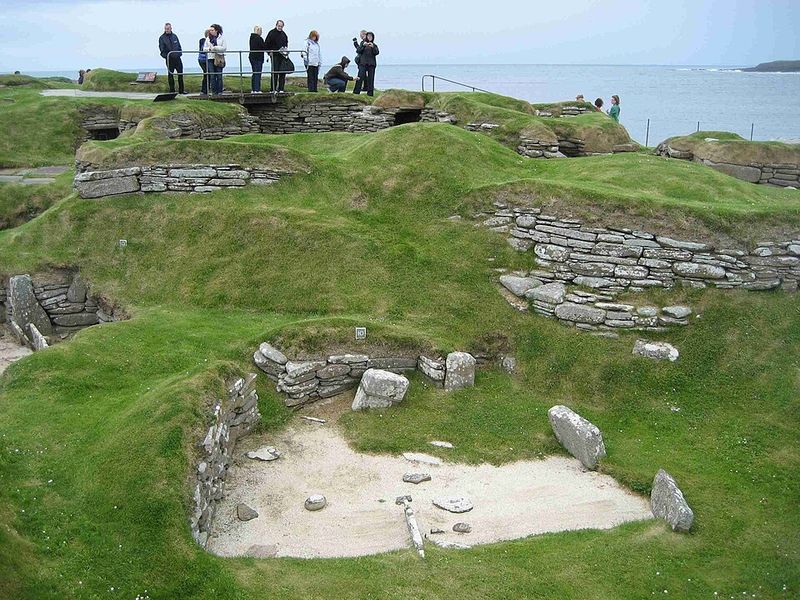
Skara Brae feels intimate stone beds, hearths, and shelves still in place. Yet around 2500 BCE, people withdrew, leaving their tidy lives half buried by sand.
Storms and climate shifts likely pushed families away. You picture doors shut against gales one last time.
Rediscovered after a 19th century storm, the site reminds you that preservation can be accidental. Evidence points to gradual, not catastrophic, departure.
The big idea small environmental nudges can cascade into permanent moves. When coastlines turn harsh, communities choose safety over sentiment, leaving settlements to slip into dunes without a formal goodbye.
6. Nan Madol, Pohnpei, Micronesia
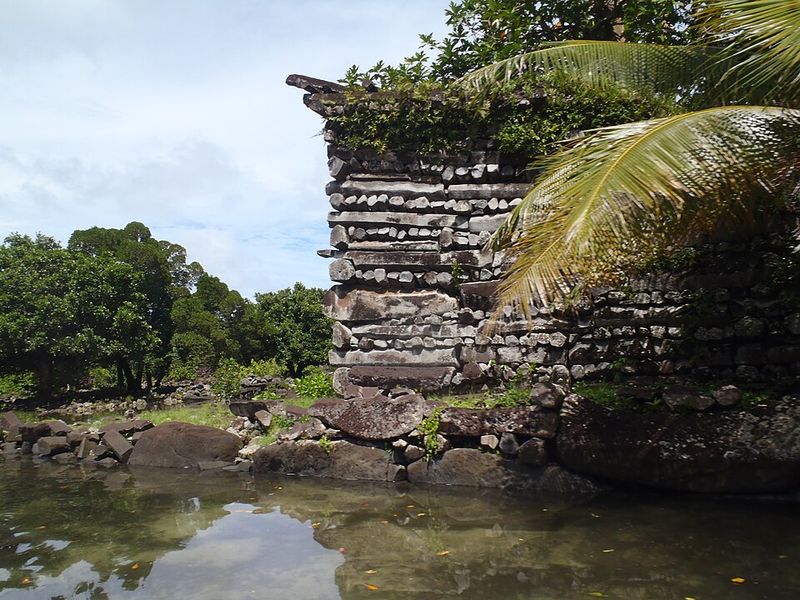
Nan Madol rises from the lagoon like a riddle, stacked basalt logs forming canals and courtyards. By the 19th century it was largely empty.
Oral histories hint at political shifts, taboos, or resource strain. You drift by in a boat, feeling silence press in.
Archaeology shows elite ritual spaces that depended on hinterland labor. When support waned, ceremonial cores lost momentum.
The takeaway for you rituals rely on logistics as much as belief. Once supply lines falter, grandeur fades, and people leave structures intact, allowing the sea to reclaim edges without dramatic collapse or tidy explanations.
7. Dhanushkodi, Tamil Nadu, India
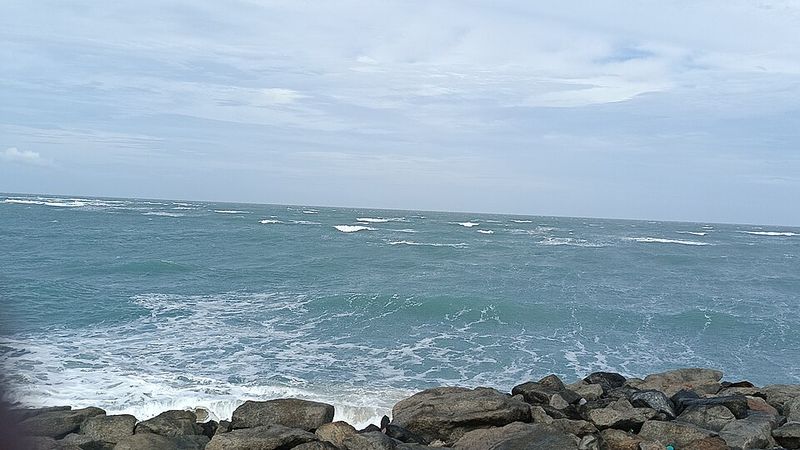
Dhanushkodi’s end was sudden the 1964 Rameswaram cyclone tore through, derailing trains and flattening homes. Survivors fled, and officials declared it uninhabitable.
You can still walk the skeletal station and church, where wind sounds like memory. Nature closed the chapter quickly.
Though the cause is known, the permanence of abandonment feels eerie. India’s cyclone statistics show rising disaster risk over decades, reminding you that coastal vulnerability stacks.
Practical takeaway respect retreat lines. Rebuilding does not always equal resilience, particularly on shifting sand spits that invite the sea back whenever it wishes.
8. Ani, Kars Province, Turkey
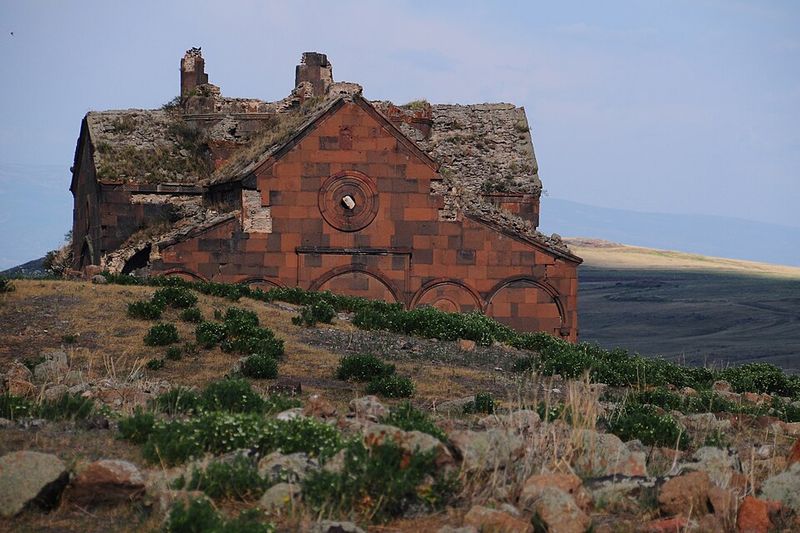
Ani once rang with bells and trade, the City of 1,001 Churches. Invasions, earthquakes, and rerouted commerce chipped away at its lifelines.
People departed, and wind moved in. You wander through arches that frame open sky like stained glass of air.
Even with known pressures, recovery never took hold. Borders shifted, markets moved, and earthquakes unsettled stone confidence.
The lesson for you is momentum matters once it breaks, restoring population is harder than rebuilding walls. Ani shows how geography and geopolitics can quietly erase towns, not with a bang, but with a patient unspooling.
9. Helike, Achaea, Greece
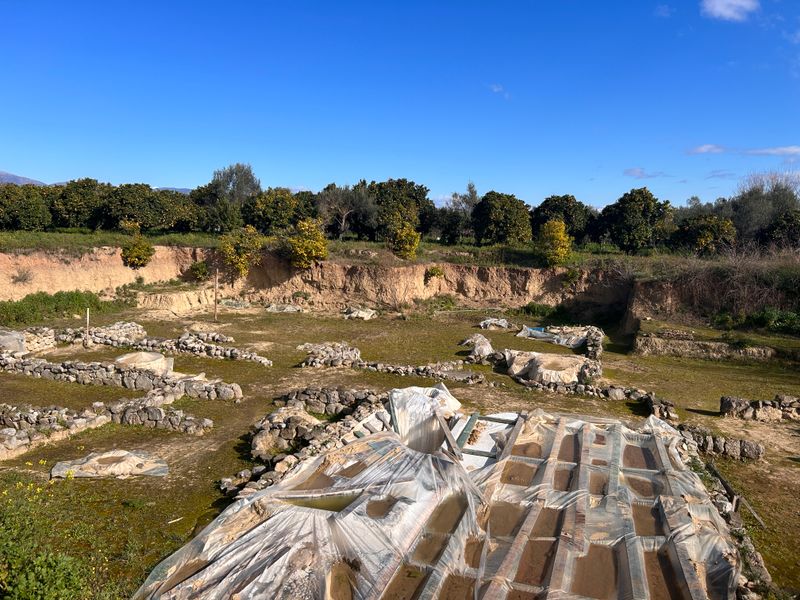
In 373 BCE, Helike reportedly sank overnight after an earthquake and tsunami. Ancient writers described a submerged city visible beneath waves.
You imagine lamps bobbing on black water while streets disappeared. It felt like myth until modern finds echoed the tale.
Archaeologists uncovered ruins buried in sediment on the plain, suggesting subsidence and inundation. The event reminds you that shorelines are negotiations, not borders.
For practical insight, watch tsunami risk where faults meet deltas. Sudden drowning can erase civic memory in hours, leaving stories to carry what stone can no longer hold.
10. Mohenjo daro’s Surrounding Towns, Pakistan
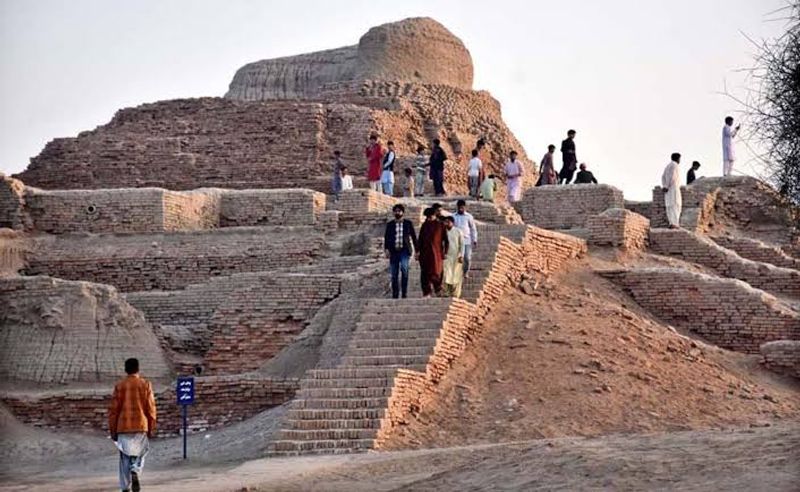
Mohenjo daro stands famous, but its satellite towns slipped away. River migrations, changing monsoons, and trade adjustments likely thinned populations.
You picture caravans choosing new routes while kilns cool. The great web loosened thread by thread.
Recent paleoclimate work links Indus decline to weakened summer monsoons and altered river courses. There is nuance here it was not a single collapse, but a reorganization.
Your takeaway embrace mobility in planning. When water moves, people do too, and towns that cannot track resources become archaeological footnotes rather than living places.
11. Port Royal, Jamaica
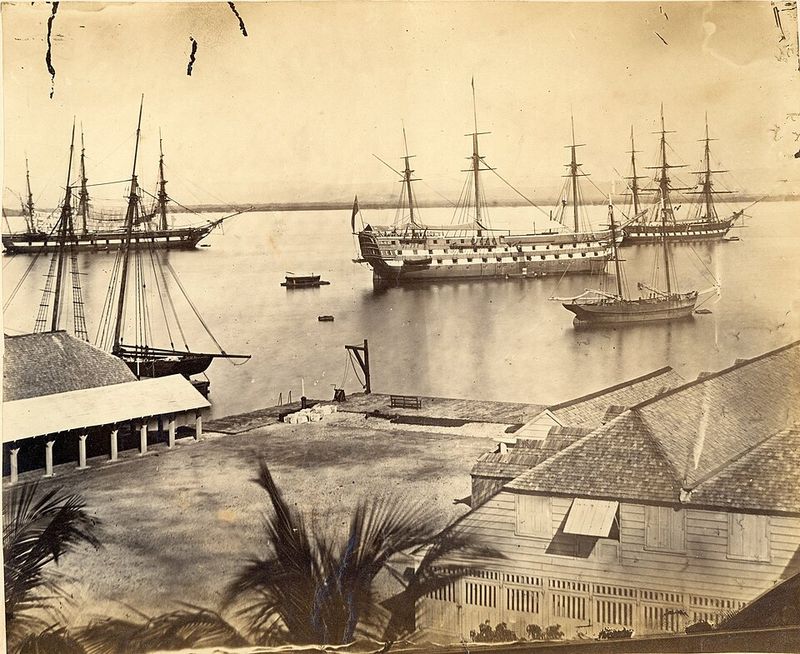
Port Royal was infamous and rich until the 1692 earthquake snapped the sand spit. Liquefaction dropped streets into the harbor within minutes.
You can stand on shore and imagine taverns sinking still. Divers later mapped a drowned grid.
It is documented, yet the suddenness feels unreal. Subsurface sands turned fluid under shaking, a reminder that soil matters as much as stone.
For you, the lesson is to test foundations and plan for rare shocks. Port Royal’s disappearance proves that geotechnical blind spots can erase a city before anyone can even gather their ledgers.
12. Thonis Heracleion, Egypt
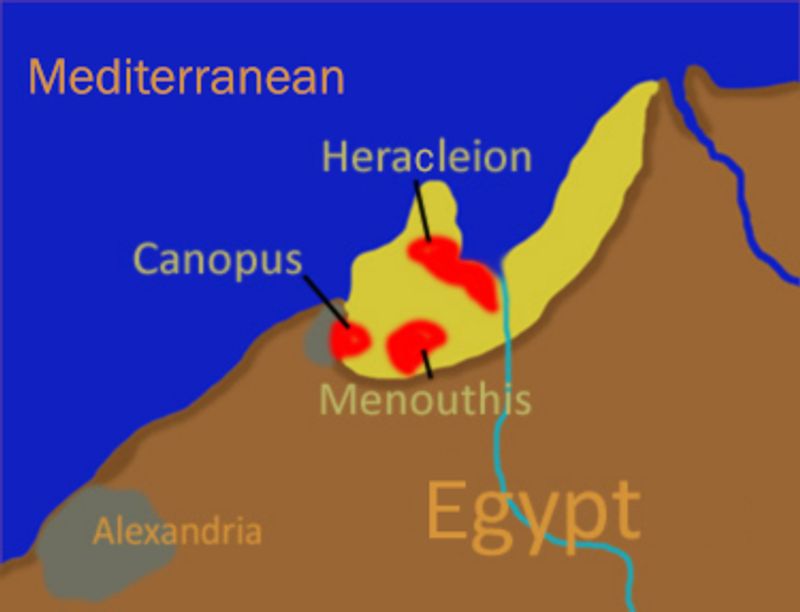
Thonis Heracleion vanished beneath the Mediterranean about 1,200 years ago. For centuries it lived as rumor in texts until divers found colossal statues and harbor works.
You can see silt softening sharp edges of empire. Submergence rewrote its address.
Land subsidence, floods, and earthquakes likely tipped the balance. Rediscovery in 2000 reframed trade maps for the Nile delta.
Your takeaway record keeping fails where coastlines move faster than scribes. Ports are partnerships with sediment, and when that trust breaks, entire towns take the long, quiet road to the seafloor.
13. Kayaköy, Muğla, Turkey
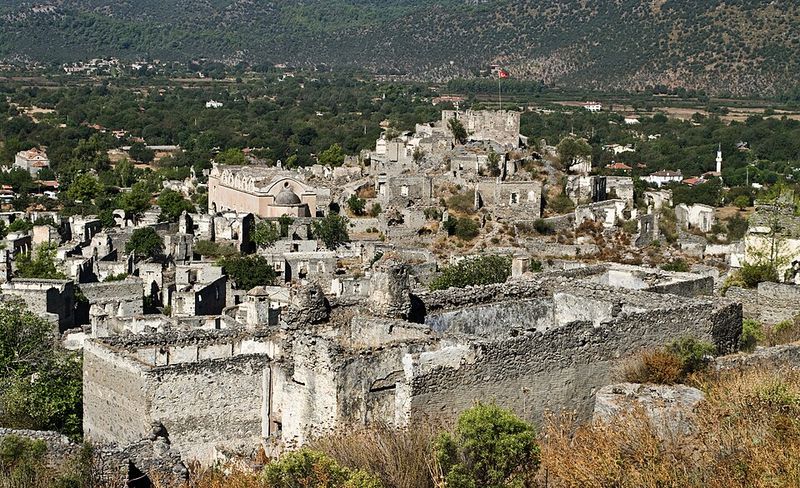
Kayaköy froze in place in the 1920s during population exchanges between Greece and Turkey. Doors stayed shut, ovens cooled, and a village became a museum of absence.
You wander alleys where footsteps do not echo back. Politics emptied homes faster than time could.
Though not supernatural, the disappearance feels abrupt. Social agreements can move whole communities in a season.
Your practical note plan for human factors as seriously as natural hazards. Borders and treaties can unmake a town, leaving stone intact but life relocated, a different kind of vanishing that still aches when wind moves through windows.
14. San Juan Parangaricutiro, Michoacán, Mexico
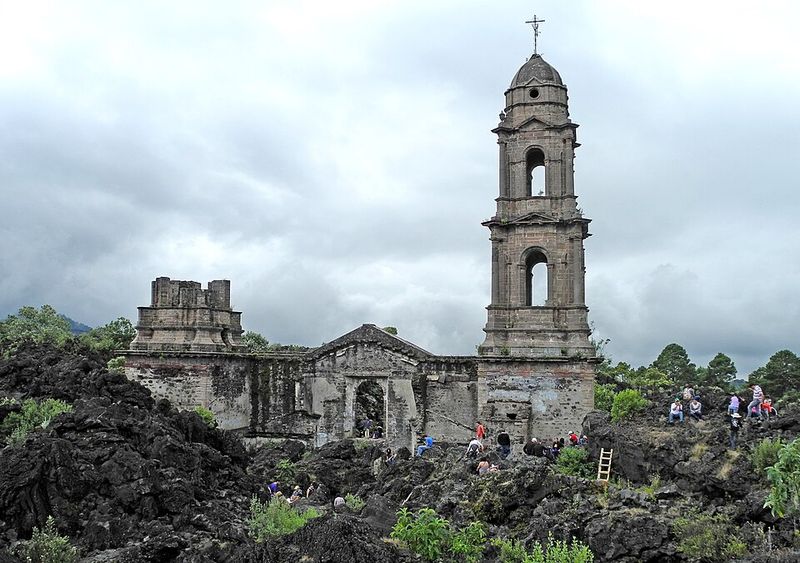
In 1943, a cornfield birthed Paricutin, and within a year lava consumed San Juan Parangaricutiro. Residents evacuated while ash turned noon to dusk.
Today, a church tower rises from cooled rock like a stubborn memory. You cannot help feeling small here.
Volcanologists track around 1,500 potentially active volcanoes worldwide, a sobering number when towns sit nearby. The lesson for you is to respect hazard maps and early warnings.
Eruptions may be predictable enough to save people, not places. Sometimes the only winning move is dignified retreat, leaving a landmark to tell the tale.
15. Centralia, Pennsylvania, USA
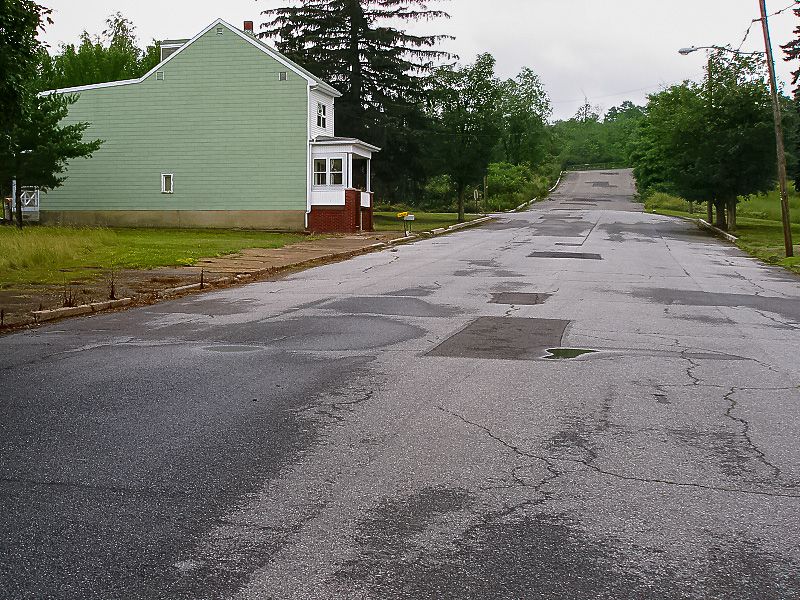
Centralia looks normal until you see smoke rising from the ground. An underground coal seam ignited in 1962 and still burns, undermining streets and releasing gases.
By 1982, relocation accelerated, and the town essentially vanished. You feel the ground remind you it is alive.
According to USGS reports, hundreds of underground coal fires smolder globally at any time, turning towns into long emergencies. Practical takeaway plan for slow disasters, not just sudden ones.
Centralia’s disappearance was a drawn out whisper, teaching that invisible heat can be as destructive as earthquakes or floods if ignored.



