 Unearth The Voyage
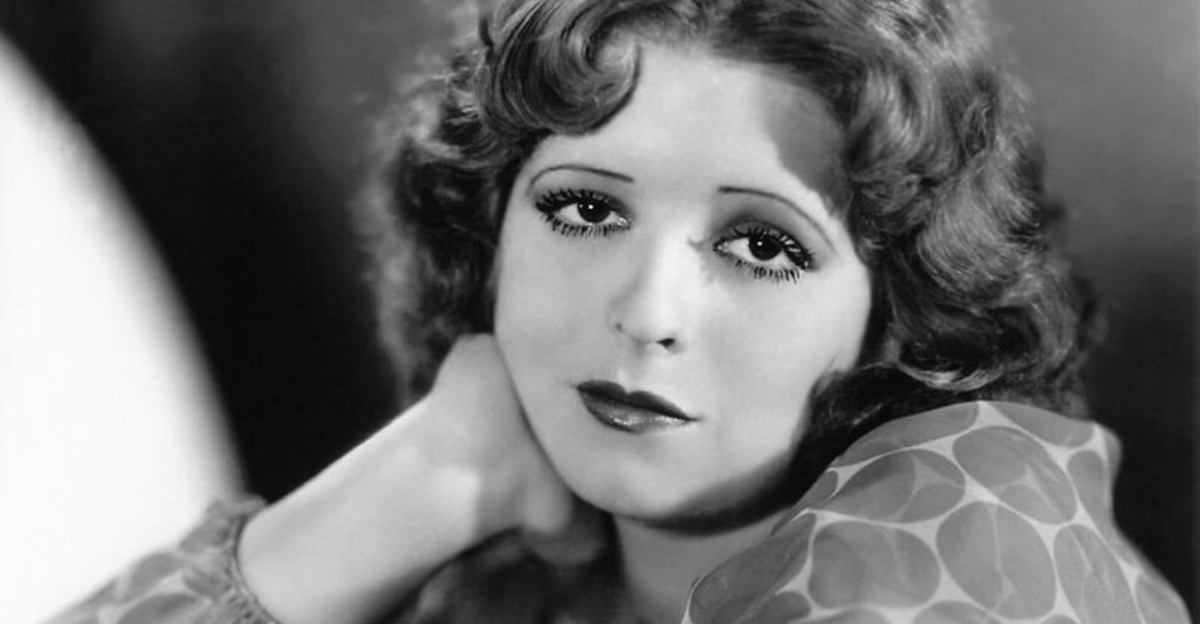
Hollywood history glitters with famous names, but behind the bright lights lived countless talented women whose stories faded into darkness. Some died too young, others were forgotten by an industry that moved on without them.
Their tragedies remind us that fame can be fleeting and the price of stardom sometimes unbearably high. These fifteen actresses once captivated audiences but now exist mostly in dusty archives and fading photographs, their remarkable lives and heartbreaking endings nearly lost to time.
1. Texas Guinan (1884-1933)
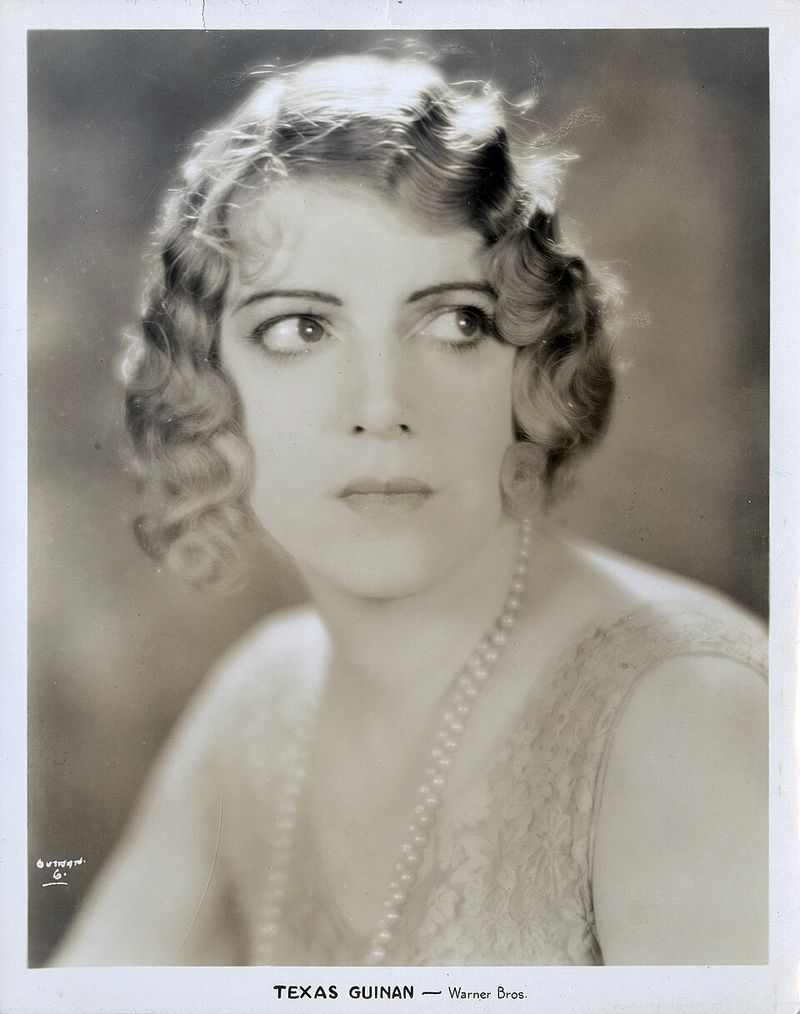
Before speakeasies became legendary, Texas Guinan ruled them with an iron fist and a sparkling personality. This bold woman started her career starring in Western films during the silent era, appearing in roughly 33 movies where she played tough, independent characters.
Her transition from screen to nightlife made her one of Prohibition’s most famous hostesses.
Guinan’s catchphrase “Hello, suckers!” greeted patrons at her illegal clubs where bootleg liquor flowed freely. She commanded respect in a dangerous world dominated by gangsters and corrupt officials.
Her establishments attracted celebrities, politicians, and anyone seeking excitement during America’s dry years.
The actress-turned-entrepreneur faced multiple arrests for violating Prohibition laws but always bounced back with another venue. Her charisma and business savvy made her wealthy and famous beyond her film career.
Sadly, most of her movies have been lost to time, erasing much of her cinematic legacy.
At just 49 years old, Guinan died from dysentery contracted during a performance tour. Her death came suddenly, cutting short a life that had already lived through remarkable transformations.
Today, few remember the woman who embodied both Hollywood glamour and speakeasy rebellion.
2. Joyzelle Joyner (1905-1980)
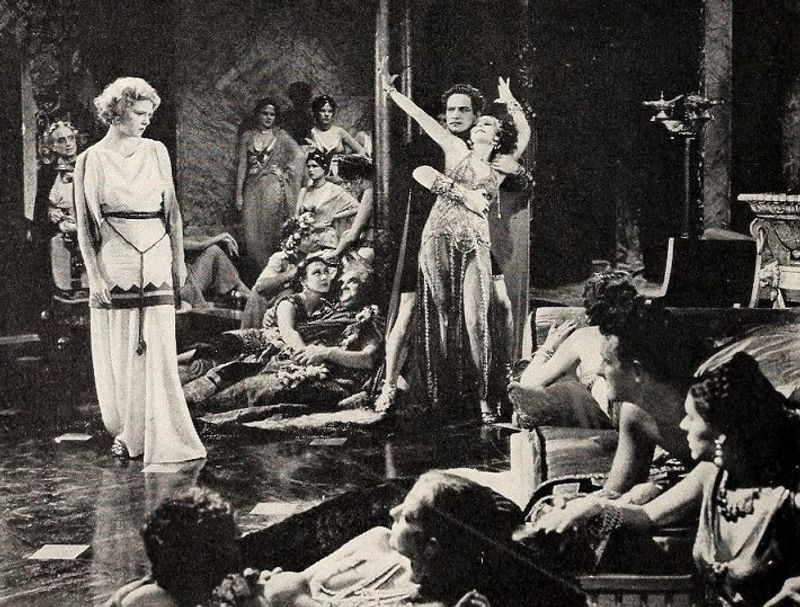
Dancing across the screen with grace and beauty, Joyzelle Joyner captured attention in one of early Hollywood’s most spectacular productions. Her performance in “The Sign of the Cross” (1932) showcased her talents as both actress and dancer.
The film’s lavish sets and controversial content made it a sensation, briefly elevating Joyner into the spotlight.
Behind the glamorous facade, however, darkness lurked in her personal life. Joyner survived a terrifying murder attempt by her own husband, an attack that could have ended her life.
The trauma from this violent relationship left deep scars that extended far beyond physical wounds.
Her career never reached the heights that early success suggested it might. Hollywood proved fickle, and roles became increasingly scarce as the years passed.
The combination of personal turmoil and professional disappointment created a downward spiral difficult to escape.
Joyner lived until 1980, but spent her later decades in relative obscurity. The woman who once danced in one of cinema’s grandest spectacles faded from public memory.
Her story represents countless performers who briefly touched stardom before circumstances pulled them back into shadows, their potential never fully realized.
3. Patricia Medina (1919-2012)
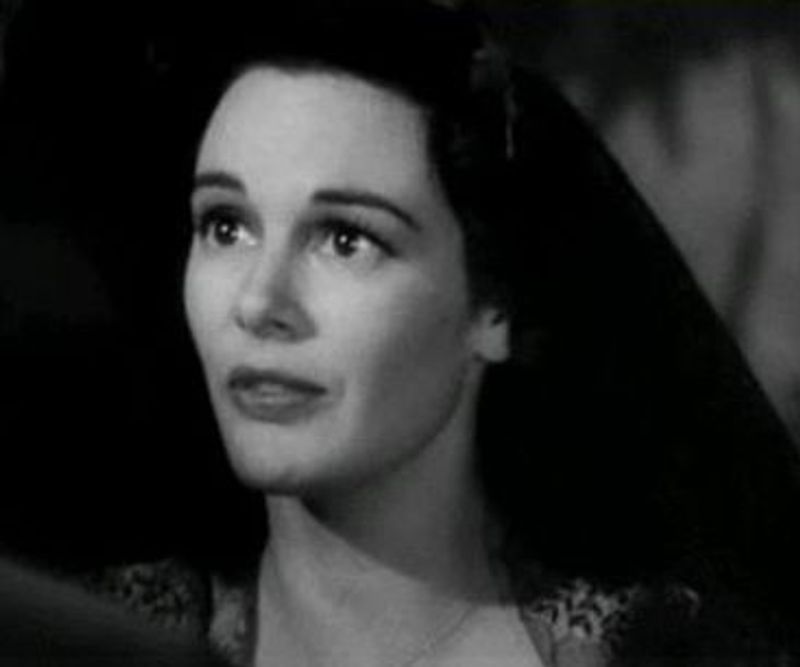
Elegance and dramatic intensity defined Patricia Medina’s lengthy film career that spanned multiple decades. Born in England, she brought sophistication to numerous productions during Hollywood’s golden years.
Her roles often showcased strong, complex female characters in adventure films and period dramas.
Medina worked alongside major stars and appeared in well-regarded productions throughout the 1940s and 1950s. Her performances demonstrated genuine talent and screen presence that should have secured lasting fame.
Critics praised her work, and audiences responded positively to her compelling portrayals.
Despite consistent employment and quality performances, Medina never achieved the iconic status of some contemporaries. The film industry’s focus shifted toward newer faces and different styles.
Her contributions, though substantial, gradually slipped from cultural memory as decades passed.
She lived to 93 years old, experiencing both the heights of Hollywood’s classic era and its transformation. Medina married actor Joseph Cotten and maintained connections to the entertainment world throughout her life.
Yet today, even film enthusiasts struggle to recall her name or significant roles.
Her career demonstrates how talent alone cannot guarantee remembrance. Time and changing tastes erased much recognition she deserved, leaving her as another forgotten figure from cinema’s past.
4. Martine Carol (1920-1967)
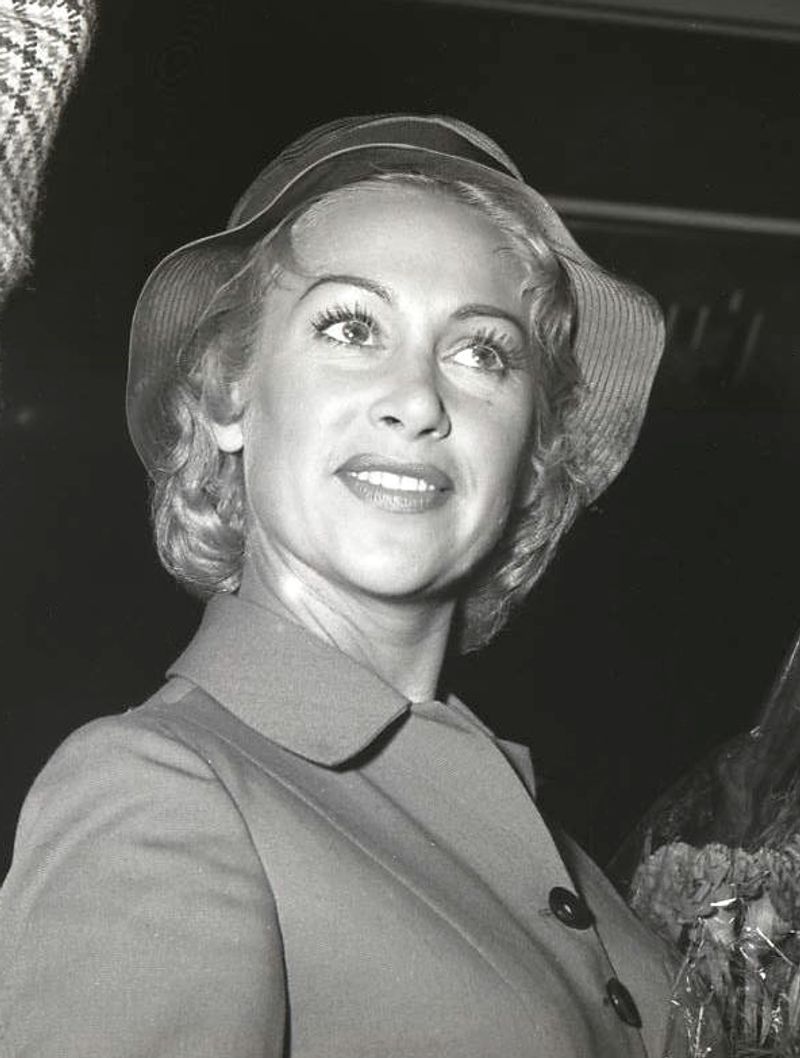
French cinema had few bigger stars than Martine Carol during the postwar years. Her beauty and sensuality made her the highest-paid actress in France throughout the 1950s.
Films like “Caroline Chérie” and “Lola Montès” established her as a major international presence in European cinema.
Carol embodied a particular type of glamorous femininity that captivated audiences across Europe. Directors sought her for roles requiring both physical beauty and emotional depth.
Her performances balanced commercial appeal with artistic credibility, a difficult combination to achieve.
As the 1960s arrived, however, changing tastes in French cinema left Carol behind. The French New Wave movement favored different aesthetics and storytelling approaches.
Younger actresses with different styles began dominating screens, and Carol’s opportunities diminished rapidly.
Her death came shockingly in 1967 from a sudden heart attack at just 47 years old. The woman who had commanded top billing and enormous salaries died with her star already faded.
Financial troubles and personal struggles had marked her final years.
Today, even classic film enthusiasts rarely mention Carol’s name despite her once-dominant position. Her films remain largely unseen outside France, and her contributions to cinema have been nearly forgotten by subsequent generations.
5. Joi Lansing (1929-1972)
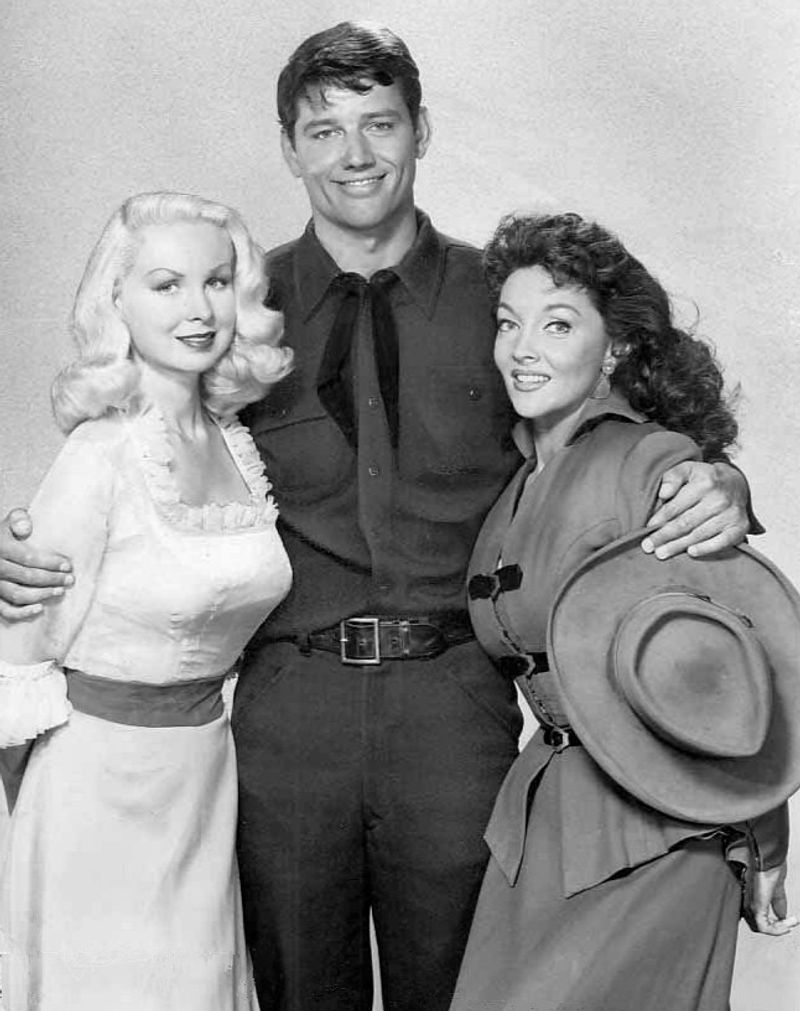
Platinum blonde hair and stunning curves made Joi Lansing a fixture in 1950s and 1960s entertainment. Magazine covers featured her regularly, and she became known as a television sex symbol.
Her appearances on shows and in films capitalized primarily on her physical appearance rather than acting range.
Hollywood often relegated Lansing to decorative roles that required little beyond looking beautiful. Many of her film appearances went uncredited, treating her as scenery rather than a performer.
This typecasting prevented her from demonstrating whatever deeper talents she might have possessed.
The entertainment industry’s obsession with her figure overshadowed any attempts at serious work. Lansing appeared in numerous productions but rarely received substantial roles or recognition.
Her career became a cycle of brief appearances that paid bills but built no lasting legacy.
Breast cancer claimed her life at just 43 years old in 1972. The disease cut short a life that had already been limited by industry prejudices.
Her death received minimal attention from media that had once eagerly published her photographs.
Lansing’s story reflects Hollywood’s harsh treatment of women valued only for appearance. Her name survives mostly in obscure film credits and vintage pin-up collections.
The person behind the image remains almost entirely unknown, erased by an industry that never cared to know her.
6. Julia Bruns (1895-1927)
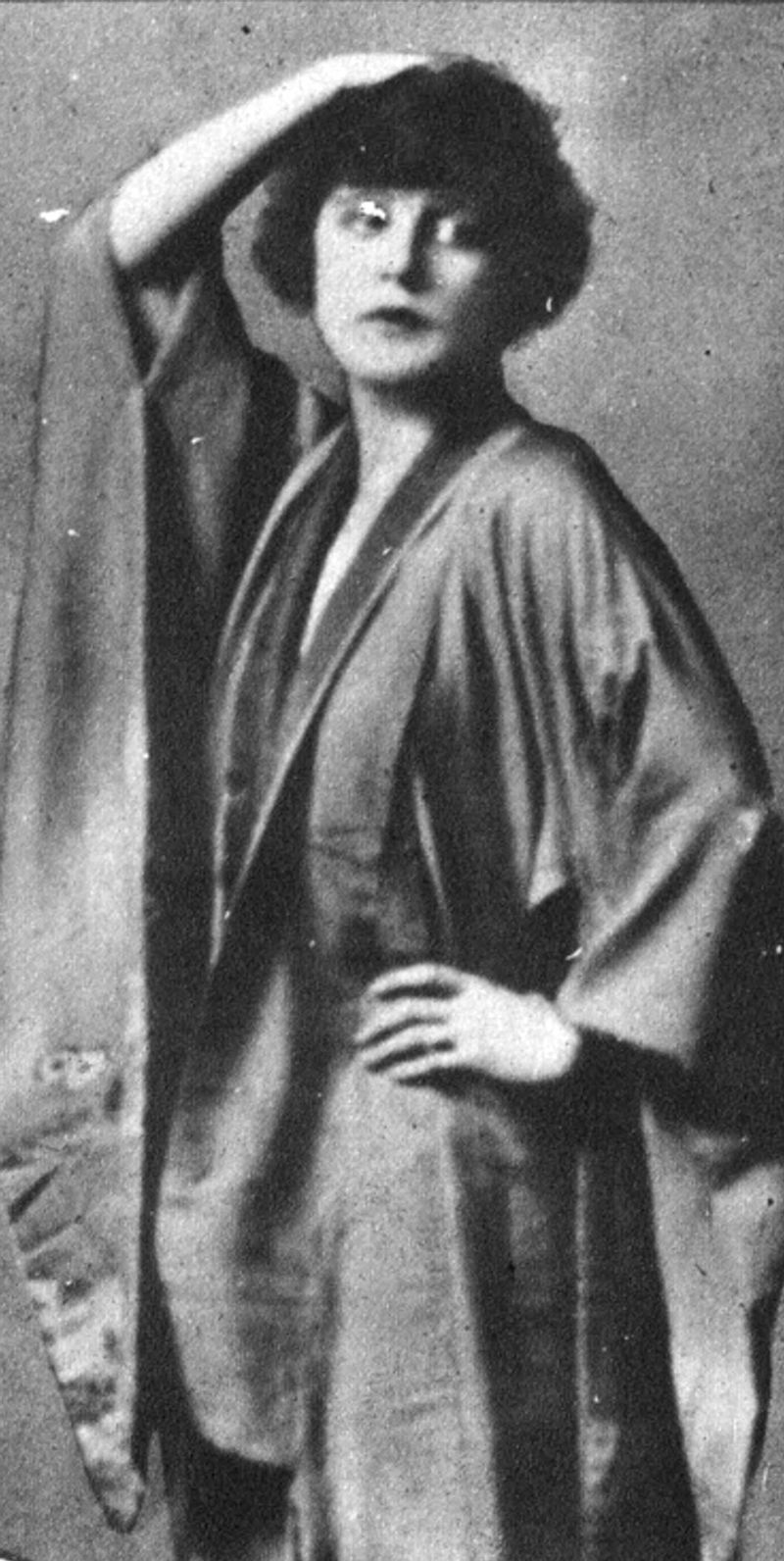
Crowned “America’s most beautiful girl,” Julia Bruns seemed destined for greatness in early Hollywood. Her ethereal beauty caught attention during the silent film era when physical appearance often mattered more than acting ability.
Modeling and small film roles brought her initial success and public adoration.
Beneath the surface beauty, however, serious problems were developing. Bruns struggled with alcohol addiction that progressively worsened as pressures mounted.
The entertainment industry of the 1920s offered little support for performers battling personal demons.
Her career collapsed as addiction took control of her life. Opportunities disappeared, and the public that once celebrated her beauty turned away.
The downward spiral accelerated with frightening speed, leaving Bruns isolated and desperate.
At only 32 years old, Bruns died from alcohol poisoning in 1927. Her death barely registered in newspapers that had once praised her looks.
The tragedy highlighted Hollywood’s callous treatment of troubled performers, especially women.
Today, Julia Bruns exists only in a few surviving photographs and brief mentions in silent film histories. Her story serves as an early example of fame’s destructive potential.
The title of “most beautiful” could not protect her from addiction’s grip or Hollywood’s indifference to human suffering behind the glamour.
7. Renée Adorée (1898-1933)
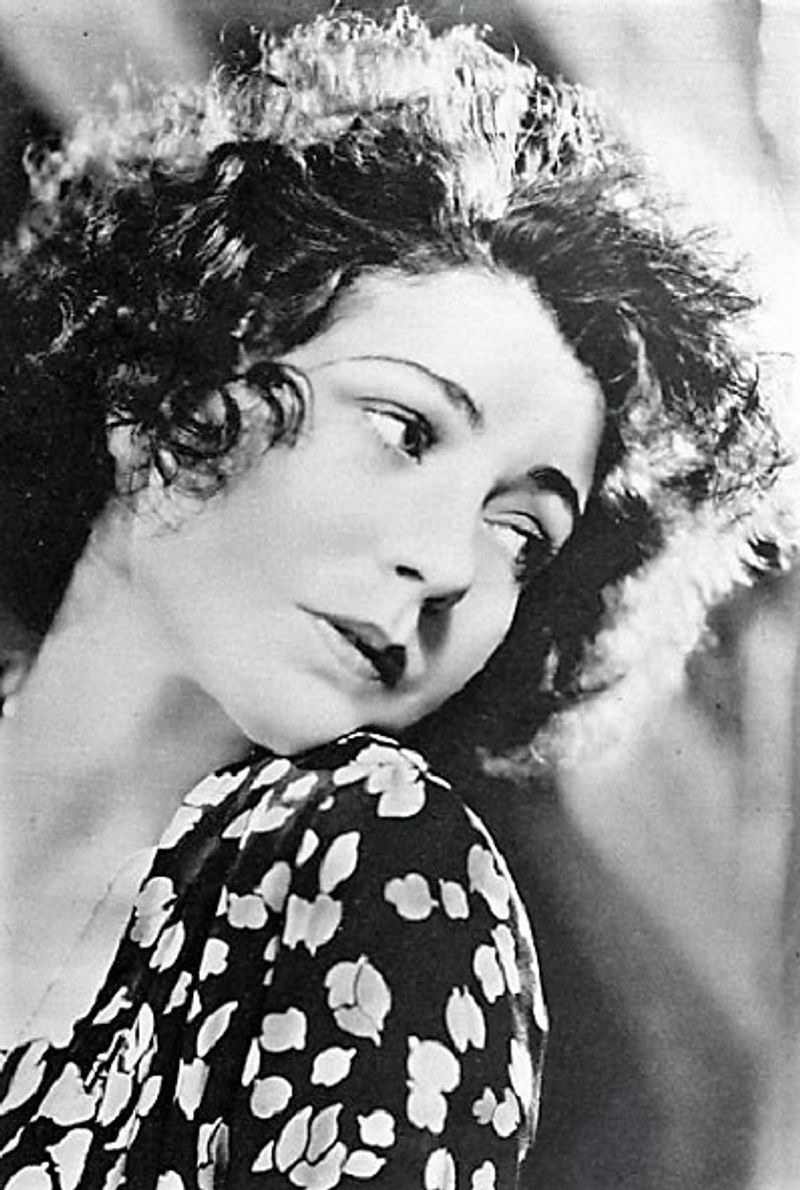
From French stages to Hollywood screens, Renée Adorée brought genuine emotion to silent cinema. Her performance opposite John Gilbert in “The Big Parade” (1925) remains one of silent film’s most touching romances.
Critics and audiences alike praised her ability to convey deep feeling without words.
“The Big Parade” became one of the highest-grossing silent films ever made. Adorée’s portrayal of a French farm girl who falls for an American soldier demonstrated her considerable talent.
The role should have launched her into permanent stardom with countless future opportunities.
Instead, tuberculosis began ravaging her body shortly after her greatest triumph. The disease progressively weakened her throughout the late 1920s and early 1930s.
Medical treatments of that era offered little hope for recovery from this deadly illness.
Adorée struggled to continue working as her health deteriorated, but roles became impossible. She died in 1933 at just 35 years old, her potential unfulfilled.
The actress who had moved millions with her silent performances was silenced forever by disease.
Modern audiences rarely encounter Adorée’s work despite its quality. Her films have been overshadowed by those of contemporaries who lived longer.
Tuberculosis not only killed her but also erased much of her legacy from popular memory.
8. Clara Bow (1905-1965)
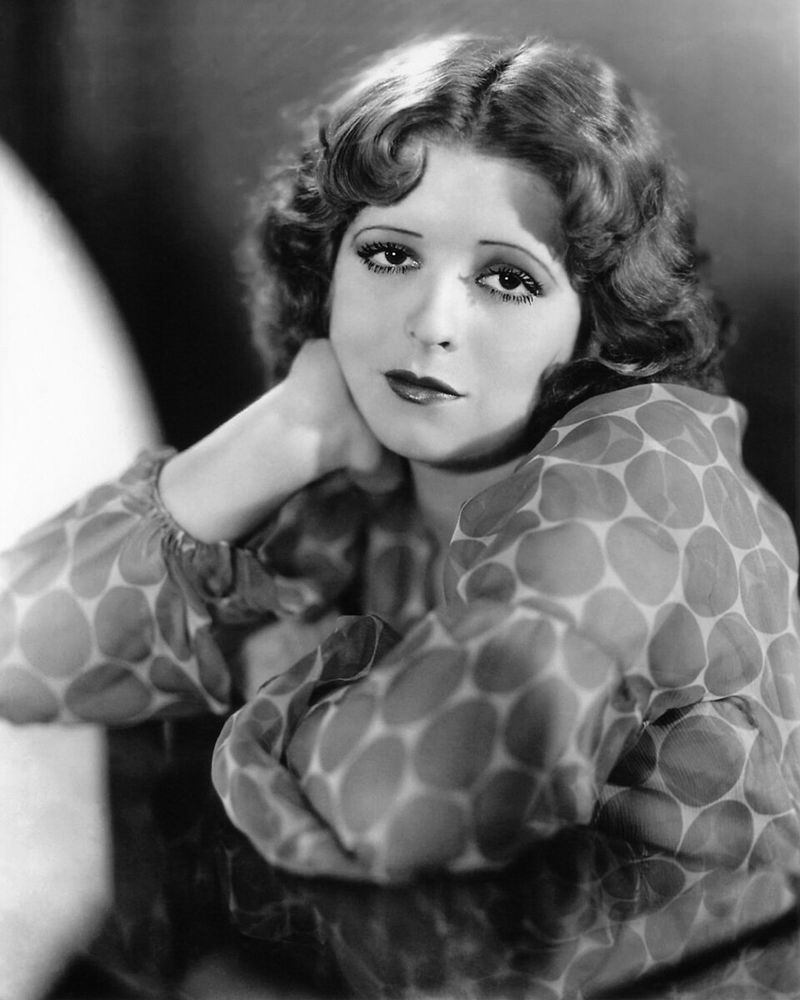
Nobody embodied the Jazz Age quite like Clara Bow, the original “It Girl.” Her electric personality and natural charisma made her the biggest female star of the late 1920s. Films like “It” (1927) and “Wings” (1927) showcased her unique ability to project both sexuality and innocence simultaneously.
Bow’s appeal came from her genuine, unaffected screen presence. Unlike many silent stars who seemed theatrical, she appeared natural and relatable.
Audiences adored her energy and the way she seemed to truly live her roles rather than merely performing them.
The transition to sound films proved devastating for Bow’s career. Her thick Brooklyn accent did not match her image, and microphones captured her nervousness.
Studio executives who had promoted her now considered her a liability in the new talking picture era.
Personal struggles including mental health issues and scandals accelerated her retreat from Hollywood. Bow retired from acting in her late twenties, living quietly for decades afterward.
The woman who had defined an era disappeared from public life almost completely.
She died in 1965 at 60, largely forgotten by younger generations. While film historians recognize Bow’s importance, mainstream culture has mostly erased her from memory.
The “It Girl” lost her magic when Hollywood decided it no longer needed her particular brand of charm.
9. Marie Prevost (1896-1937)
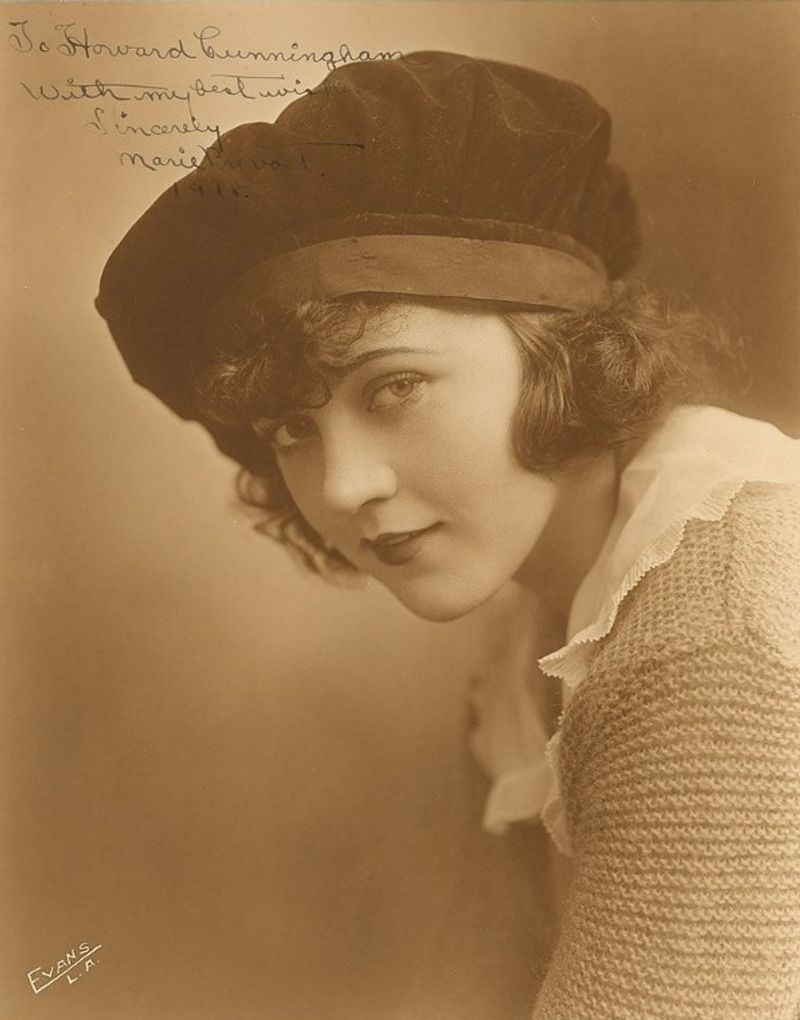
Canadian-born Marie Prevost achieved significant success in both silent films and early talkies. Her comedic timing and attractive appearance made her popular throughout the 1920s.
Major studios kept her consistently employed in a variety of roles that showcased her versatility.
When sound arrived, Prevost successfully transitioned unlike many silent stars. Her voice recorded well, and she continued working regularly into the 1930s.
Everything seemed to be progressing smoothly for her career despite the industry’s dramatic technological changes.
Personal demons, however, were destroying her behind the scenes. Prevost developed serious problems with both alcohol and eating disorders.
The combination proved devastating as she spiraled into anorexia while simultaneously drinking heavily.
Her career collapsed as her physical and mental health deteriorated. Studios stopped hiring her, and friends drifted away.
Prevost died alone in her apartment in 1937 at just 40 years old, her body undiscovered for several days.
The circumstances of her death were particularly tragic and undignified. Tabloids sensationalized the story, focusing on gruesome details rather than her accomplished career.
Today, Prevost is remembered more for how she died than for her considerable talents, another actress whose struggles overshadowed her achievements and whose name has nearly vanished from Hollywood history.
10. Barbara La Marr (1896-1926)
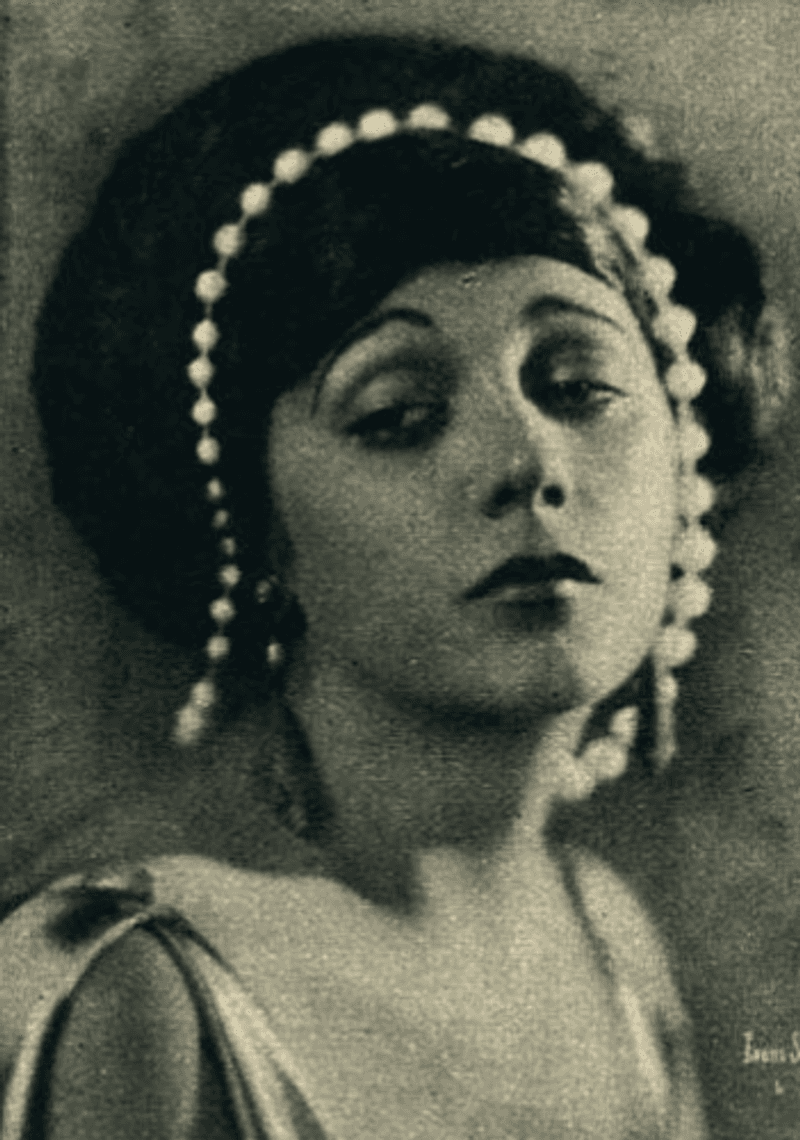
Hollywood dubbed her “The Girl Who Was Too Beautiful,” and Barbara La Marr seemed determined to live up to that dangerous title. Her exotic looks and magnetic screen presence made her one of silent cinema’s most popular vamps.
Studios rushed to cast her in roles that emphasized her sensuality and mystery.
La Marr lived as intensely off-screen as her characters did on film. Multiple marriages, affairs, and a lifestyle of excess defined her personal life.
She reportedly slept only two hours nightly, filling her days and nights with work, parties, and relationships.
Her beauty and fame came with a price that La Marr paid in full. The constant activity, combined with substance use and eating disorders, ravaged her body.
Friends watched helplessly as she refused to slow down or seek help for her self-destructive behaviors.
At just 29 years old, La Marr died in 1926 from complications related to her hard living. Tuberculosis and nephritis finished what years of abuse had started.
Her death shocked Hollywood but also served as a cautionary tale that few heeded.
Despite her significant popularity during her brief career, La Marr has been largely forgotten. Her films rarely screen, and her name means nothing to modern audiences.
The “too beautiful” girl became just another casualty of 1920s Hollywood excess.
11. Peg Entwistle (1908-1932)
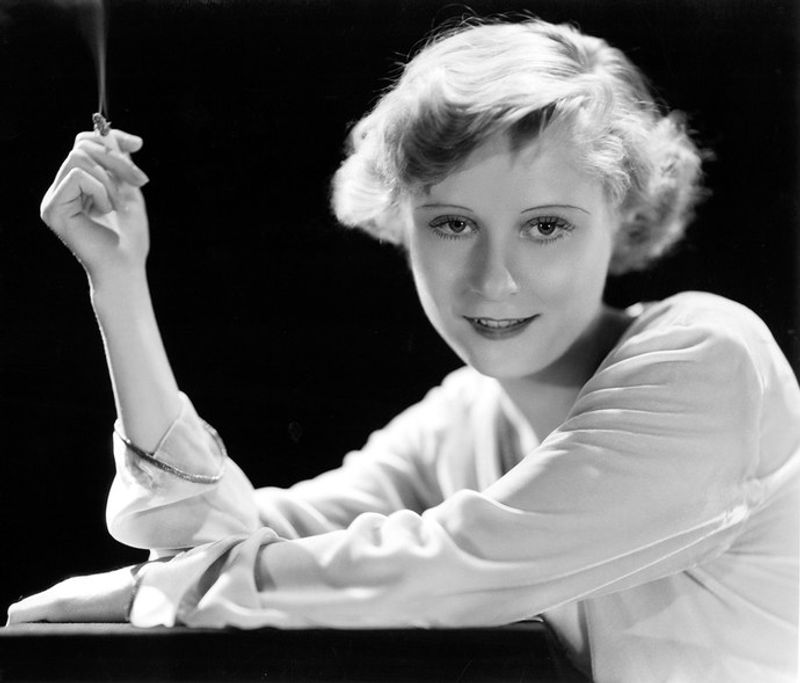
Stage success brought Peg Entwistle to Hollywood with high hopes for film stardom. The British-born actress had earned excellent reviews for her theater work in New York.
When RKO Pictures offered her a contract, it seemed her dreams were finally coming true.
Her only film appearance was in “Thirteen Women” (1932), a thriller that studio executives heavily edited before release. Most of Entwistle’s performance ended up on the cutting room floor.
The disappointing result crushed her hopes of becoming a movie star.
Depression and desperation overwhelmed the young actress as rejection letters piled up. Unable to find more film work, she saw her Hollywood dreams dying.
The contrast between her theatrical success and film failure became unbearable.
On September 16, 1932, Entwistle climbed to the top of the “H” in the Hollywoodland sign and jumped to her death. She was just 24 years old.
Her suicide note simply read: “I am afraid I am a coward.
I am sorry for everything.”
Tragically, a letter offering her a role in a play arrived at her home the day after her death. Entwistle’s story became Hollywood legend, but the person behind it remains largely unknown.
Her name is remembered primarily for the shocking manner of her death rather than her talents or aspirations.
12. Lupe Velez (1908-1944)
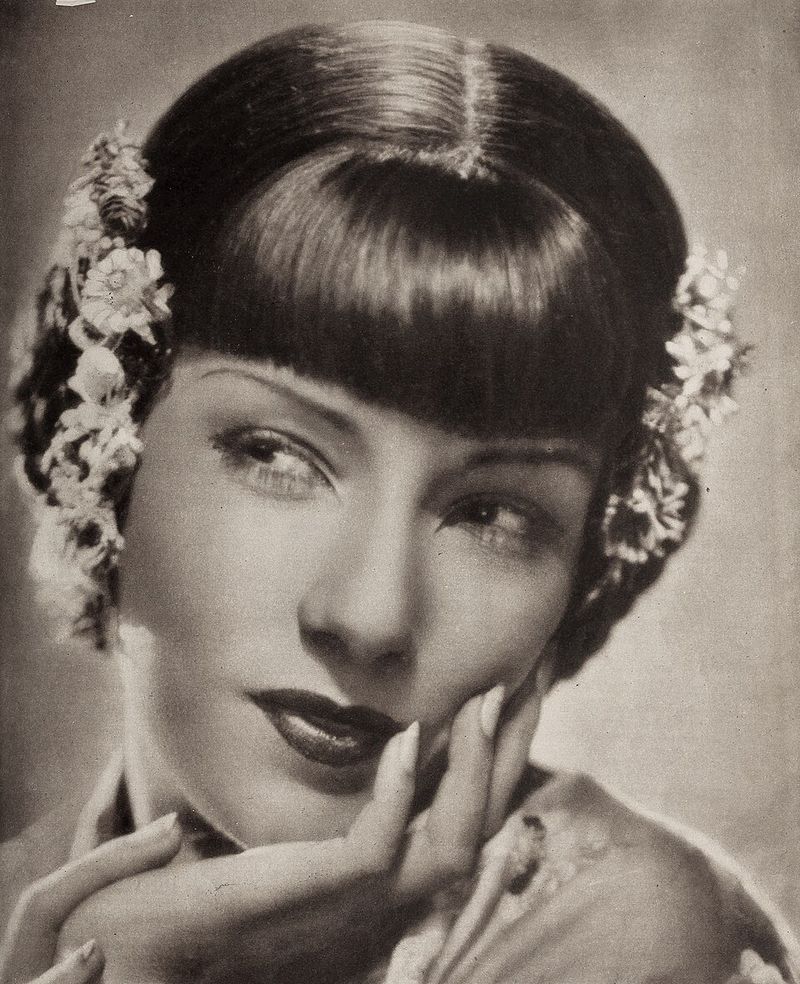
Mexican spitfire Lupe Velez brought genuine Latin American representation to Hollywood during an era of stereotypes. Her vibrant personality and comedic talents made her popular in both dramatic roles and the “Mexican Spitfire” comedy series.
Audiences loved her energetic performances and authentic cultural presence.
Velez’s personal life generated as many headlines as her professional work. Tempestuous relationships, particularly her volatile marriage to Johnny Weissmuller, kept gossip columns busy.
Her passionate nature, celebrated on screen, created chaos in her private affairs.
Career difficulties mounted as she aged in an industry obsessed with youth. The comedy series that had sustained her ended, and dramatic roles became scarce.
Financial pressures added to her stress as income decreased while expenses remained high.
Personal crisis came when Velez discovered she was pregnant by a man who refused to marry her. Facing scandal and shame in 1940s society, she felt trapped without options.
Depression overwhelmed her as she contemplated her situation.
On December 13, 1944, Velez died by suicide at age 36 after taking an overdose of sleeping pills. Her death shocked Hollywood and her many fans.
Today, while some film historians remember her contributions, mainstream culture has largely forgotten the actress who brought authentic Mexican representation to American screens during a difficult era for diversity.
13. Olive Thomas (1894-1920)
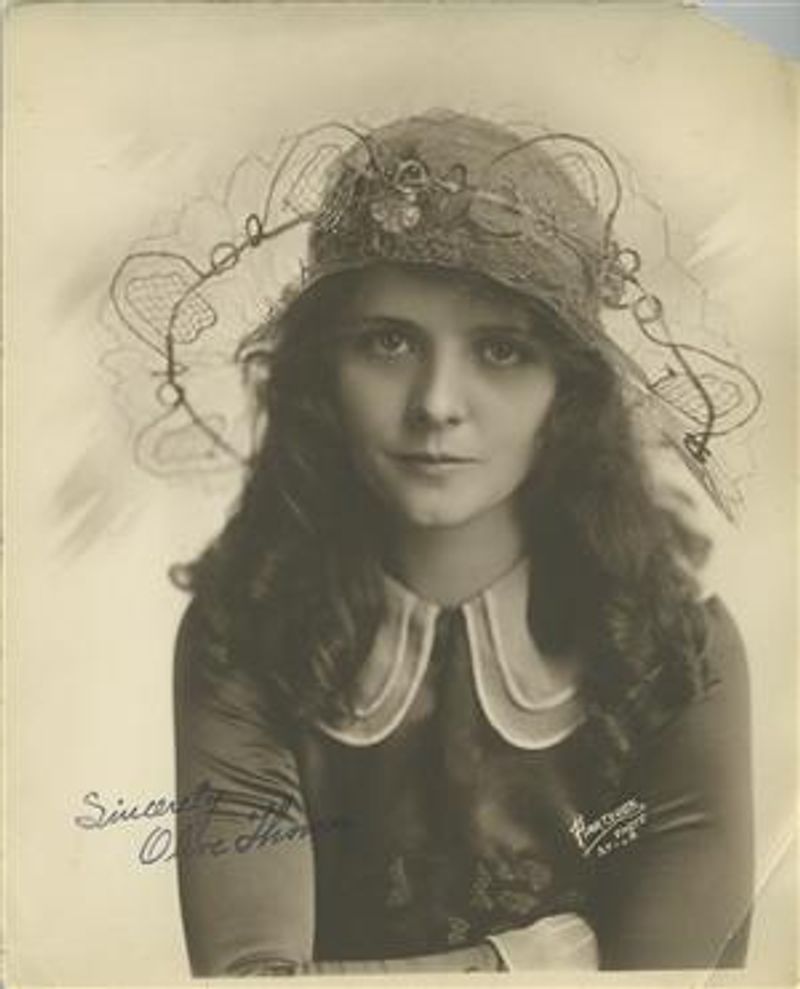
Ziegfeld Follies showgirl Olive Thomas transitioned successfully into silent films, becoming one of early Hollywood’s brightest rising stars. Her beauty was legendary, with photographers and artists celebrating her as an ideal of feminine perfection.
Major studios competed for her services as her popularity soared.
Thomas married actor Jack Pickford, brother of superstar Mary Pickford, joining Hollywood royalty. The union brought her even more attention and opportunities.
Her career trajectory suggested she would become one of the era’s most important actresses.
Everything ended abruptly during a 1920 trip to Paris with her husband. In their hotel room, Thomas accidentally ingested mercury bichloride, a toxic substance used for treating syphilis.
Whether the poisoning was truly accidental remains debated, with some suggesting suicide or even foul play.
She died in agony five days later at just 25 years old. The tragedy shocked the entertainment world and devastated her fans.
Rumors and scandal surrounded the circumstances, with whispers about the couple’s wild lifestyle and possible drug use.
Thomas’s death occurred at the very beginning of her potential greatness. The handful of films she completed show promise but not the full flowering of her talents.
Time has erased her from popular memory, leaving her as merely a footnote about early Hollywood’s dangers and excesses.
14. Diana Miller (1902-1927)
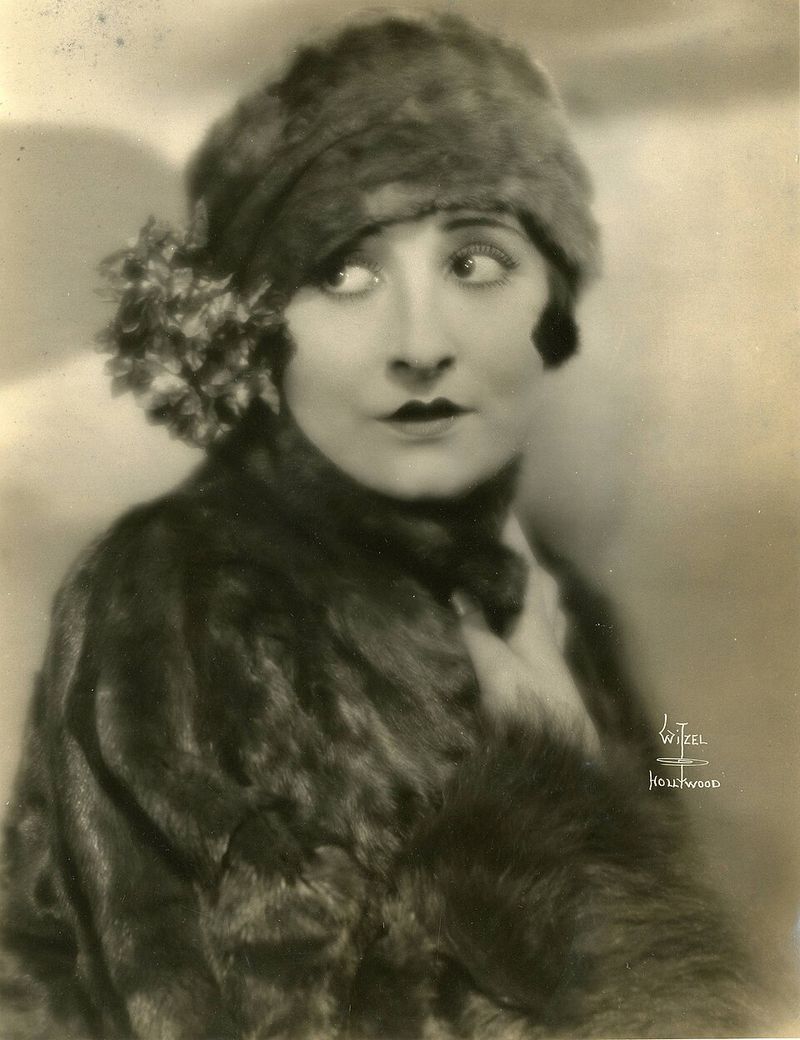
Silent film actress Diana Miller worked steadily during the early 1920s in supporting roles. While never a major star, she found consistent employment in Hollywood’s booming film industry.
Her attractive appearance and competent acting kept her working when many others struggled to find roles.
Little documentation exists about Miller’s personal life or inner struggles. Like many minor players of the silent era, her story was not considered important enough to preserve.
The limited information available suggests someone who lived quietly outside the spotlight.
What is known is that Miller’s life ended tragically in 1927 when she was just 25 years old. The circumstances surrounding her death remain unclear, with different sources suggesting suicide, illness, or other causes.
The lack of clear information reflects how quickly Hollywood forgot its lesser-known players.
Her films, mostly lost to time, cannot be evaluated for quality or her performance abilities. Miller exists now only in brief mentions in film databases and archives.
She represents countless performers who worked in early Hollywood without achieving lasting fame.
The tragedy of Diana Miller lies not just in her early death but in her near-total erasure from history. Even the details of her passing remain murky and disputed.
She embodies how thoroughly time can erase those who were not quite famous enough to be remembered.
15. Judy Garland (1922-1969)
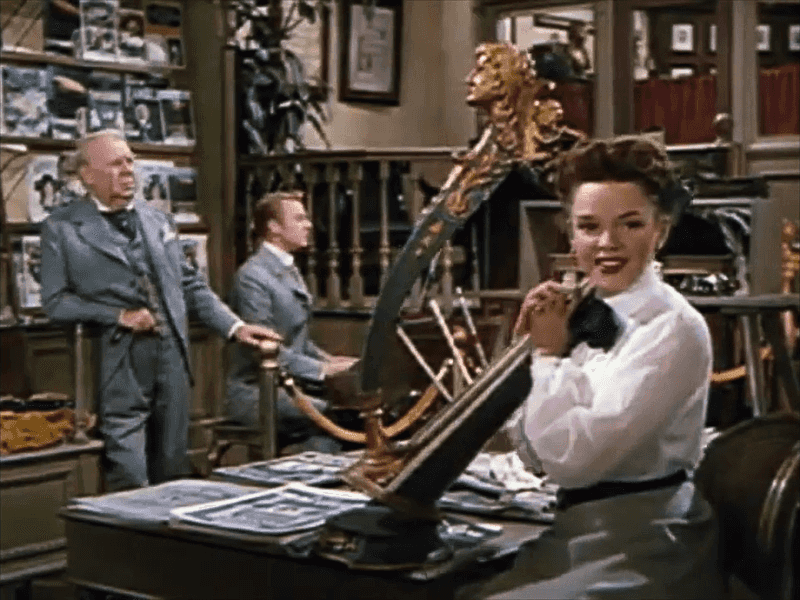
Unlike others on this list, Judy Garland achieved legendary status that endures today. However, her inclusion reflects the tragic cost of that fame.
MGM Studios began feeding her amphetamines at age 13 to control her weight and energy levels for grueling filming schedules.
“The Wizard of Oz” made her immortal, but the studio system nearly destroyed her in the process. Pills to wake up, pills to sleep, pills to lose weight became her daily routine.
This studio-imposed drug use created addictions that plagued her entire life.
Garland’s extraordinary talent kept her working despite increasing personal problems. Her concerts were legendary, her acting acclaimed, her voice incomparable.
Yet behind the performances lay constant struggles with addiction, failed relationships, and financial disasters.
Mental health issues, exacerbated by years of substance abuse, made her behavior increasingly erratic. Studios that once exploited her now considered her unreliable.
The industry that created her problems abandoned her when she needed support most.
Garland died in 1969 at just 47 years old from an accidental barbiturate overdose. Her death was not surprising to those who knew her struggles.
While her fame prevents her from being truly “forgotten,” her story epitomizes Hollywood’s cruel treatment of women stars, using them until they broke and then discarding them without remorse or responsibility for the damage inflicted.



