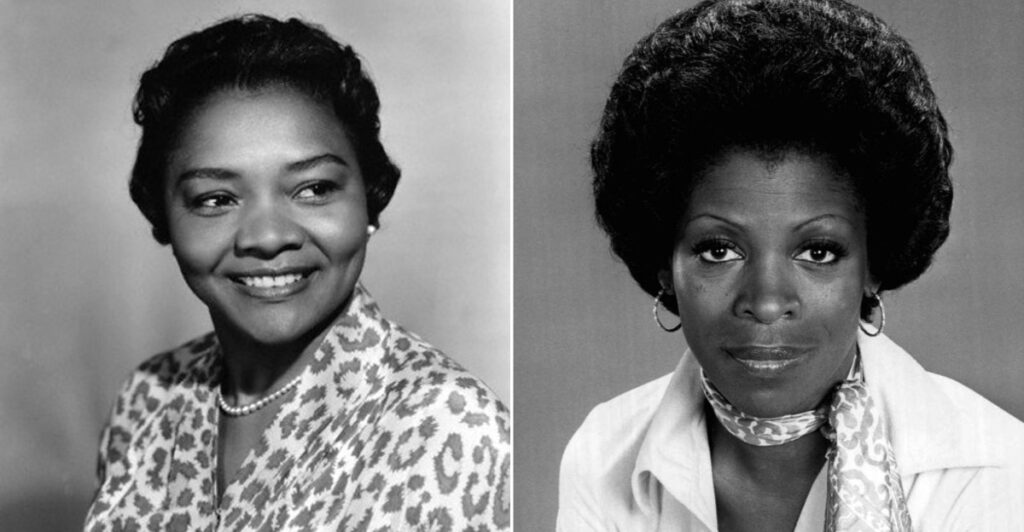
Hollywood has a short memory, and that is putting it kindly. Some of the most talented Black actresses in history gave jaw-dropping performances, broke barriers, and paved the way for every star you see on screen today, yet their names have quietly slipped from the spotlight.
I stumbled across a photo of Nina Mae McKinney in an old film magazine at a garage sale, and honestly, I felt a little ashamed I had no idea who she was. These 15 women deserve to be remembered, celebrated, and talked about at every dinner table, movie night, and history class in the country.
Nina Mae McKinney
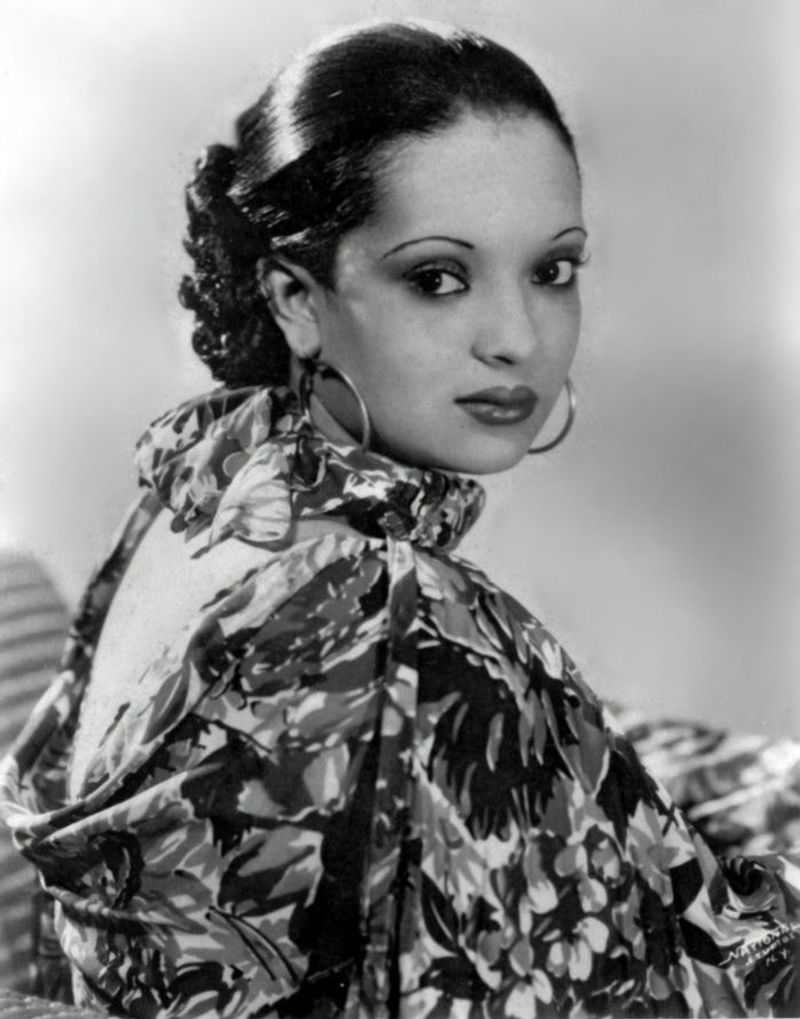
Called the “Black Garbo” by the press, Nina Mae McKinney was so magnetic on screen that Hollywood barely knew what to do with her. She starred in Hallelujah in 1929, becoming one of the first Black actresses to land a major role in a Hollywood sound film.
That is a huge deal, and most people have never even heard her name.
Born in South Carolina, McKinney moved to New York and found her way to Broadway before King Vidor spotted her and cast her opposite a full studio production. Europe loved her far more than America did, which says a lot about the era she lived in.
She performed internationally when Hollywood doors kept closing.
McKinney’s story is a reminder that talent was never the barrier. Racism was.
She lit up every frame she appeared in, and history owes her a much louder round of applause.
Theresa Harris
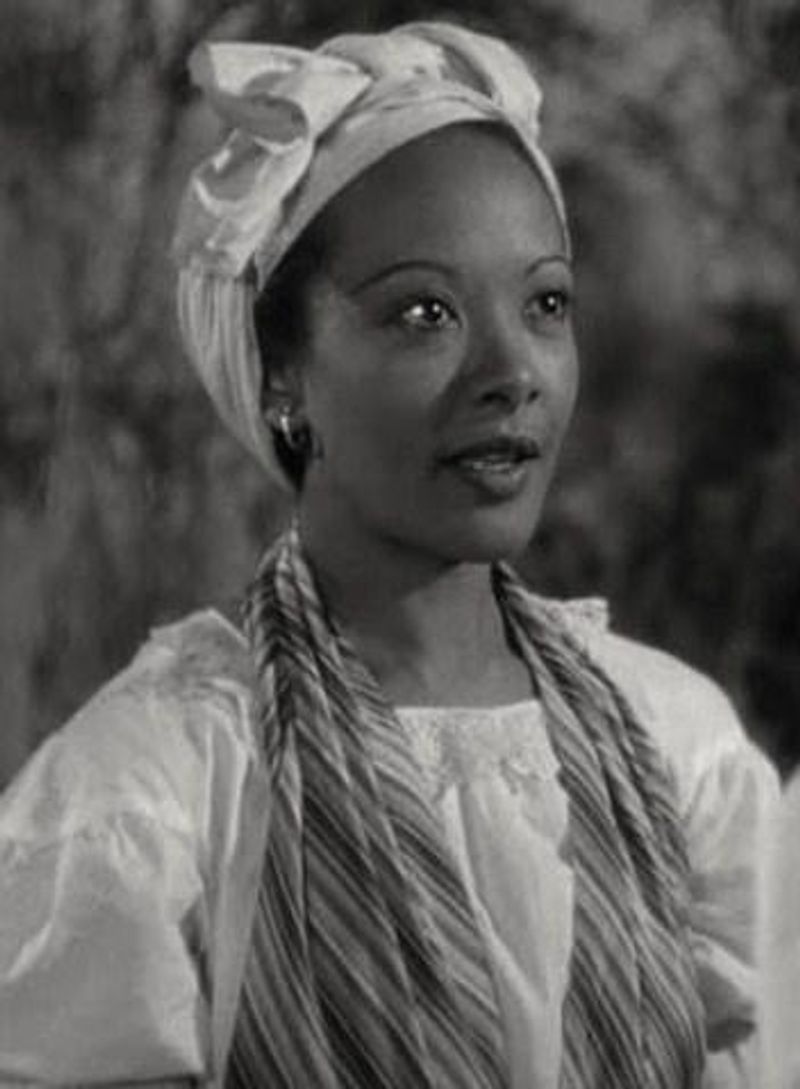
Theresa Harris had the kind of screen presence that could steal a scene without saying a single word. She appeared in dozens of Hollywood films during the 1930s and 1940s, often playing maids and servants because the industry refused to offer her anything more.
That was their loss and a massive injustice.
What made Harris remarkable was her ability to bring real depth to roles that were written as afterthoughts. Critics noticed.
Co-stars noticed. The studio system just did not care enough to change.
She worked alongside Barbara Stanwyck and other major stars of the era, holding her own every single time.
Harris eventually stepped away from film, reportedly frustrated by the limitations placed on Black actresses. Her dignity never wavered, even when the industry tried its hardest to shrink her.
Rediscovering her work today feels like finding a hidden treasure that should have been in a museum all along.
Louise Beavers
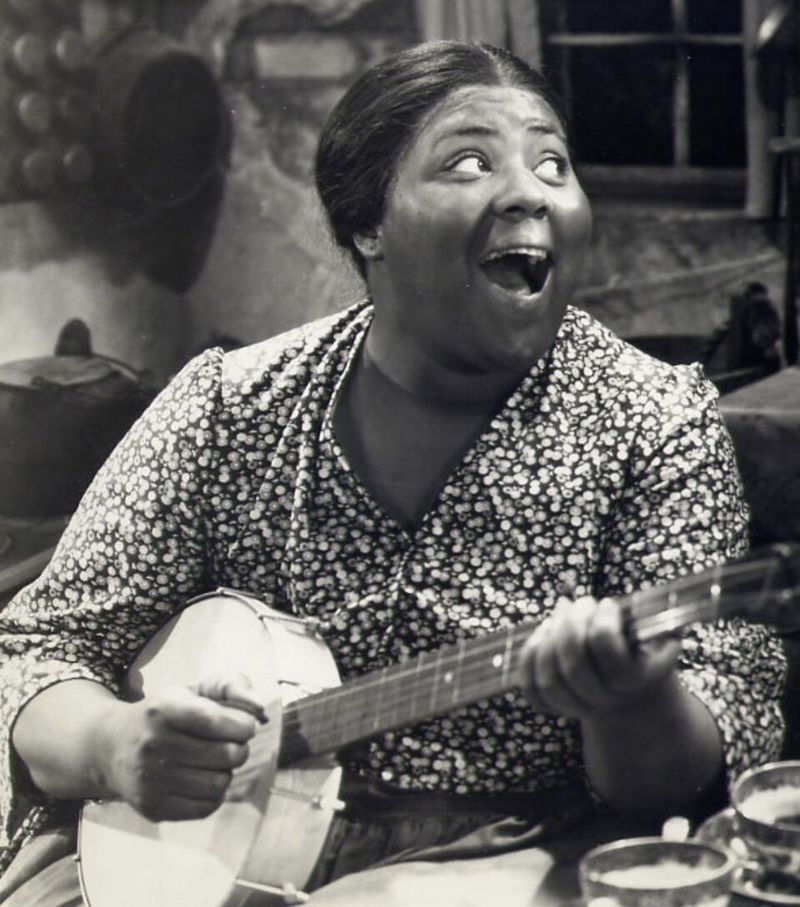
Louise Beavers made audiences feel something real every time she stepped in front of a camera. She is best remembered for her role in Imitation of Life (1934), a film that tackled race and identity in ways that were almost unheard of at the time.
Her performance was quietly devastating in the best possible way.
Beavers worked consistently for decades, appearing in over 100 films and TV productions. She was one of the first Black actresses to play a lead role on an American television series, starring in Beulah in the early 1950s.
That is a milestone worth shouting from the rooftops.
Despite her enormous output and talent, Louise Beavers rarely received the critical recognition she deserved during her lifetime. She kept showing up, kept delivering, and kept proving that Black women belonged in front of the camera.
Her legacy is finally getting a second look, and it is well overdue.
Fredi Washington
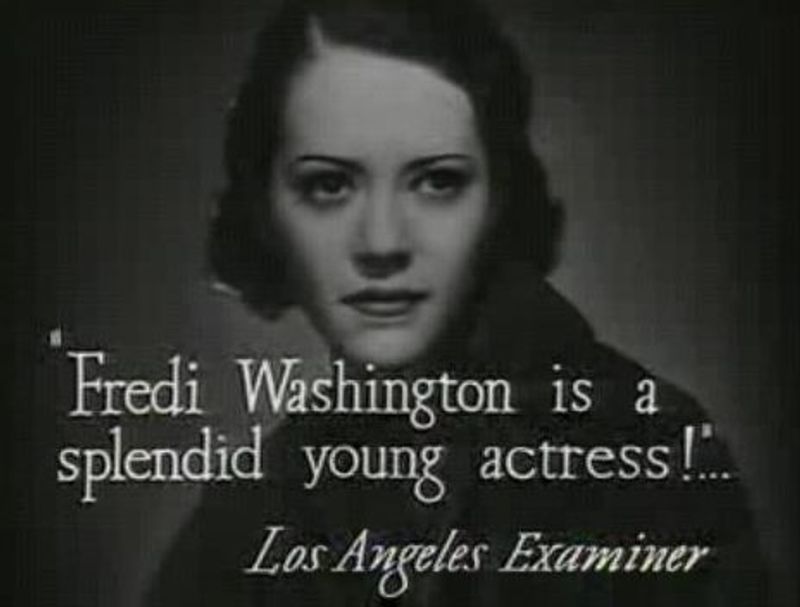
Fredi Washington was so light-skinned that Hollywood studios actually suggested she pass as white to further her career. She refused, flat out, every single time.
That kind of courage in 1930s America is almost impossible to overstate.
Washington starred alongside Louise Beavers in Imitation of Life, playing a young Black woman who tries to deny her heritage. The irony of that role was not lost on anyone who knew her real-life story.
Her performance was raw, complex, and completely unforgettable.
Off screen, Washington was just as fearless. She co-founded the Negro Actors Guild and spent years fighting for better representation and fair treatment in the entertainment industry.
She was an activist long before that word became trendy. Washington’s refusal to compromise her identity, at great personal and professional cost, makes her one of the most genuinely inspiring figures in Hollywood history.
Full stop.
Butterfly McQueen
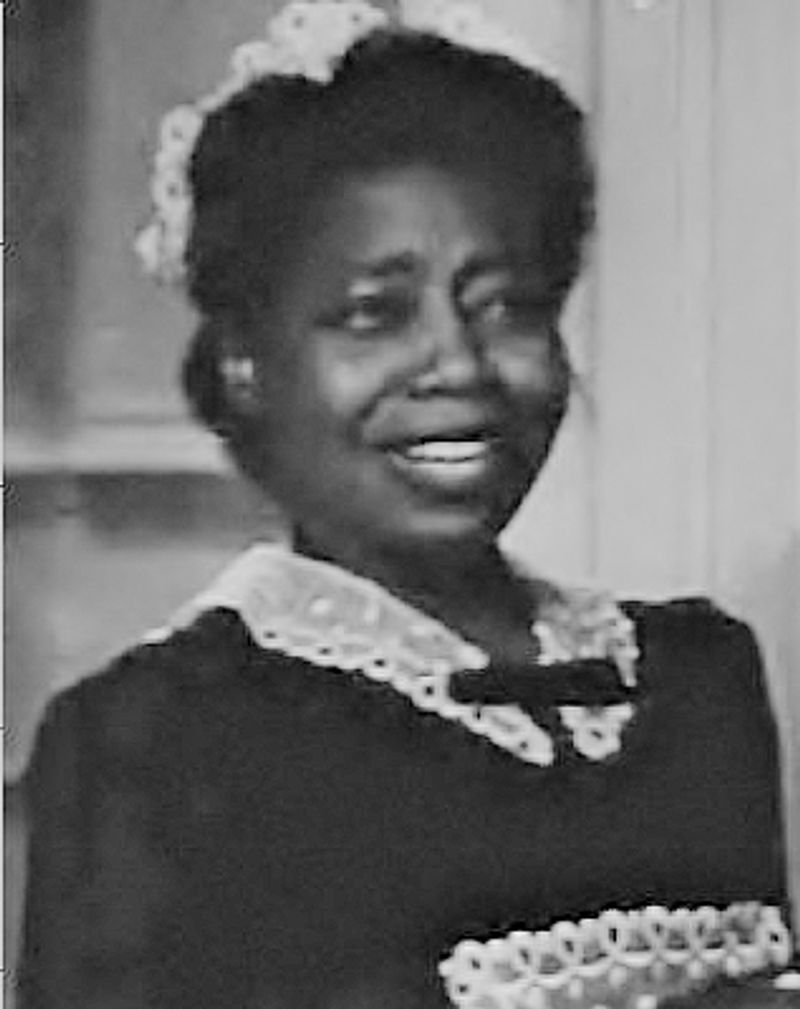
Most people know the squeaky voice and wide eyes from Gone with the Wind, but very few know the full story of the woman behind them. Butterfly McQueen played Prissy in that 1939 epic, delivering one of cinema’s most quoted lines, yet her career after that film was a frustrating exercise in Hollywood’s narrowmindedness.
McQueen openly despised the stereotypical roles she was offered and eventually walked away from acting in protest. She refused to play degrading parts, even when it meant financial hardship.
That took serious guts. She later earned a bachelor’s degree at age 64, just because she wanted to.
Her life outside Hollywood was rich with activism, education, and a sharp wit that never dulled. McQueen was funny, fierce, and deeply principled.
She deserves to be remembered as much more than a punchline in a Civil War epic. She was a whole, complex, extraordinary human being.
Ethel Waters
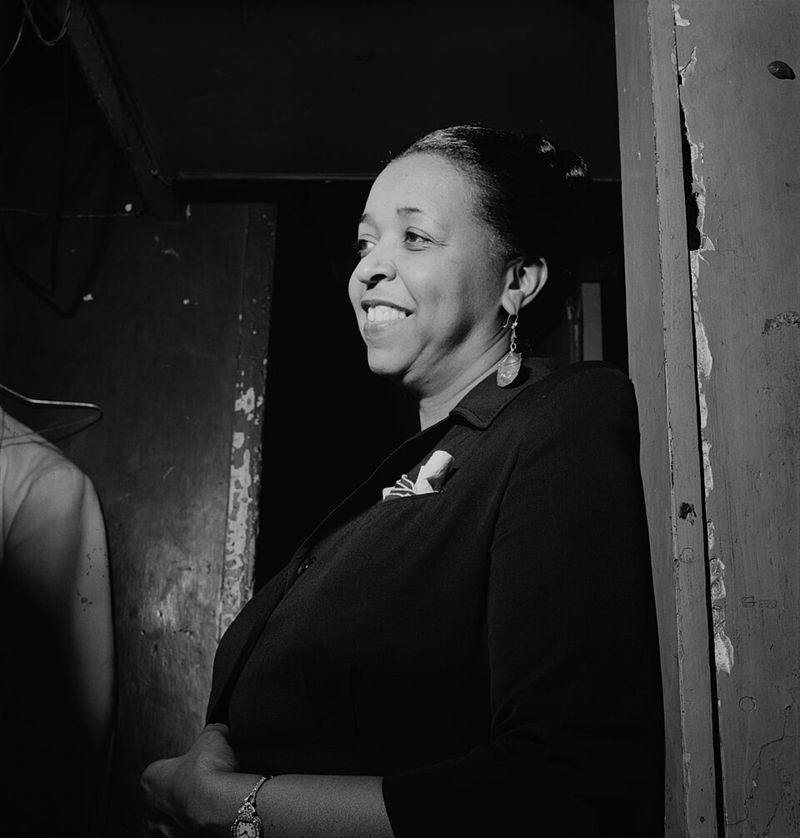
Ethel Waters had a voice that could rearrange your whole emotional state in about thirty seconds. She was a pioneering blues and jazz singer before she ever set foot on a Hollywood set, and she brought every ounce of that soul into her acting.
Her performance in Pinky (1949) earned her an Academy Award nomination, making her just the second Black actress to receive that honor.
Waters also starred in Member of the Wedding on Broadway and in film, earning a Tony nomination along the way. The woman collected accolades like most people collect grocery receipts.
She was also deeply religious, later dedicating much of her life to Billy Graham’s evangelical crusades.
Her journey from extreme poverty in Pennsylvania to Hollywood legend is the kind of story that should be taught in schools. Waters was a survivor, a trailblazer, and an artist of the highest order.
Her name belongs in every conversation about American entertainment history.
Lillian Randolph
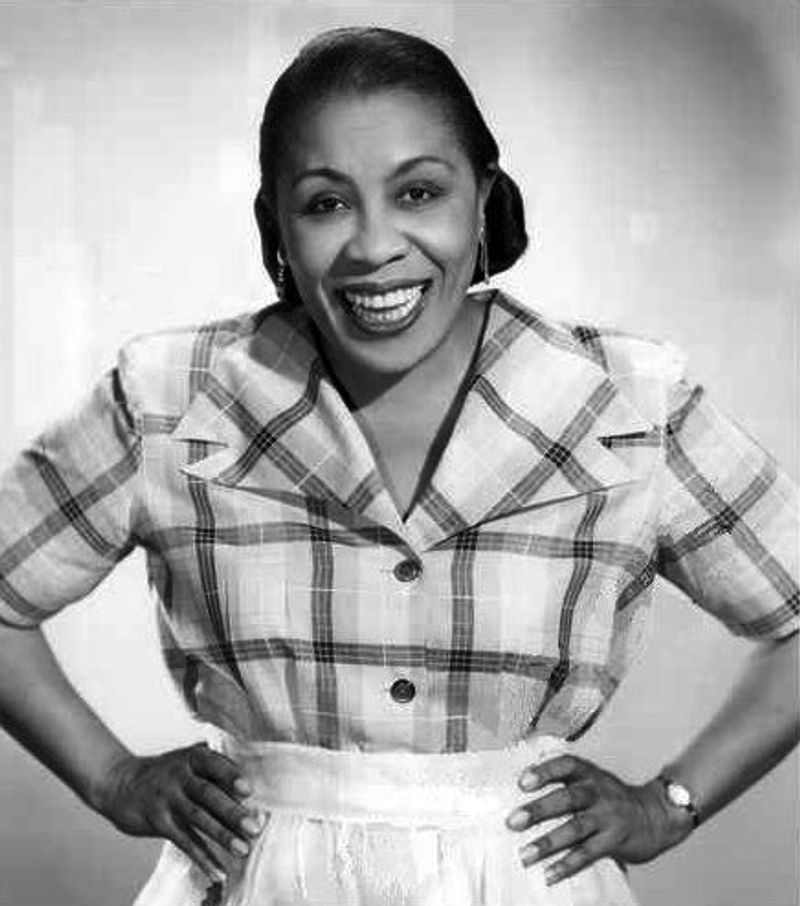
Before there was much television to speak of, Lillian Randolph was already a household name on the radio. She played Birdie Lee Coggins on the enormously popular The Great Gildersleeve radio program for years, bringing warmth and humor to millions of listeners who tuned in every week.
Radio stardom was real stardom back then.
Randolph also appeared in films and later transitioned to television with ease. She had that rare ability to make any character feel lived-in and real within about two minutes of screen time.
Not everyone can do that. It is a genuine skill.
What is particularly striking about Randolph is how consistently she worked across multiple decades and platforms without ever quite breaking through to the level of fame her talent warranted. She was a constant, reliable, brilliant presence in American entertainment.
Audiences loved her even if the industry never fully rewarded her. That story sounds familiar, does it not?
Amanda Randolph
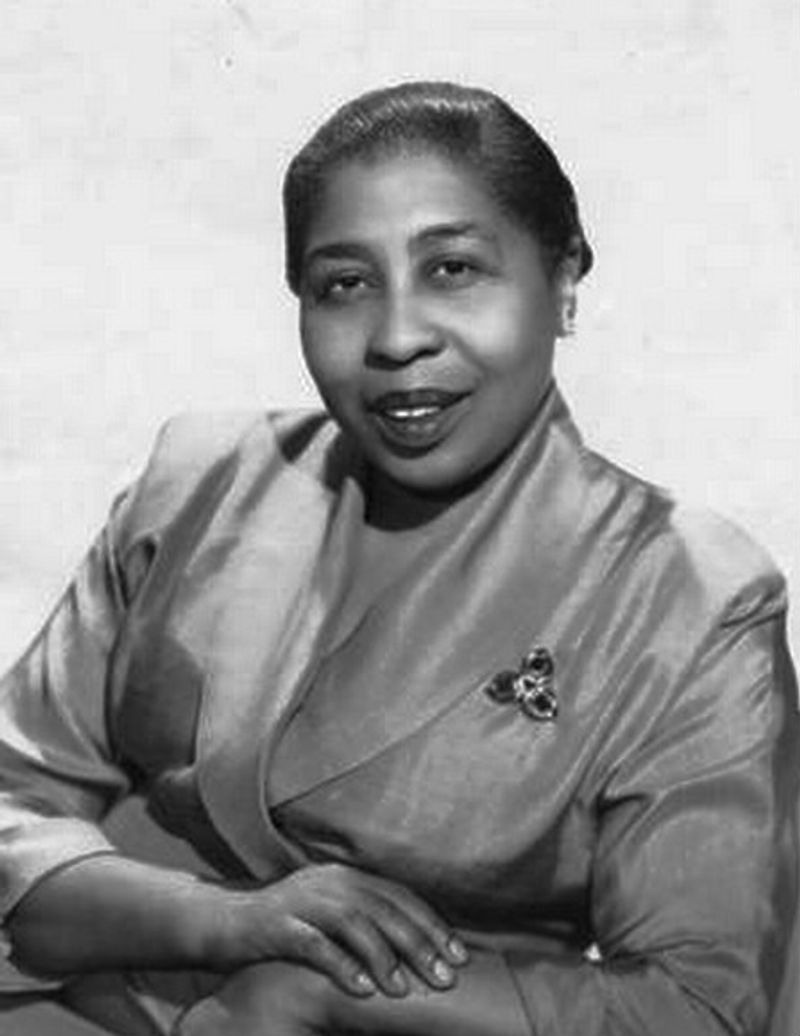
Here is a fun fact that surprises almost everyone: Amanda Randolph was Lillian Randolph’s older sister, and both women carved out remarkable careers in an era that offered Black actresses almost nothing. Amanda appeared on The Danny Thomas Show as Louise, making her one of the very first Black performers to appear regularly on an American television series.
That is a landmark moment in TV history.
She also worked in early sound films and on stage, building a career that spanned several decades and multiple mediums. Amanda had a commanding, grounded presence that made every scene she was in feel more real and more human.
The Randolph sisters together represent something powerful: two Black women from the same family, both fighting for space in an industry that barely acknowledged their existence, and both winning on their own terms. Amanda’s contributions to early television deserve far more recognition than a footnote.
She helped build the medium we all love today.
Hilda Simms
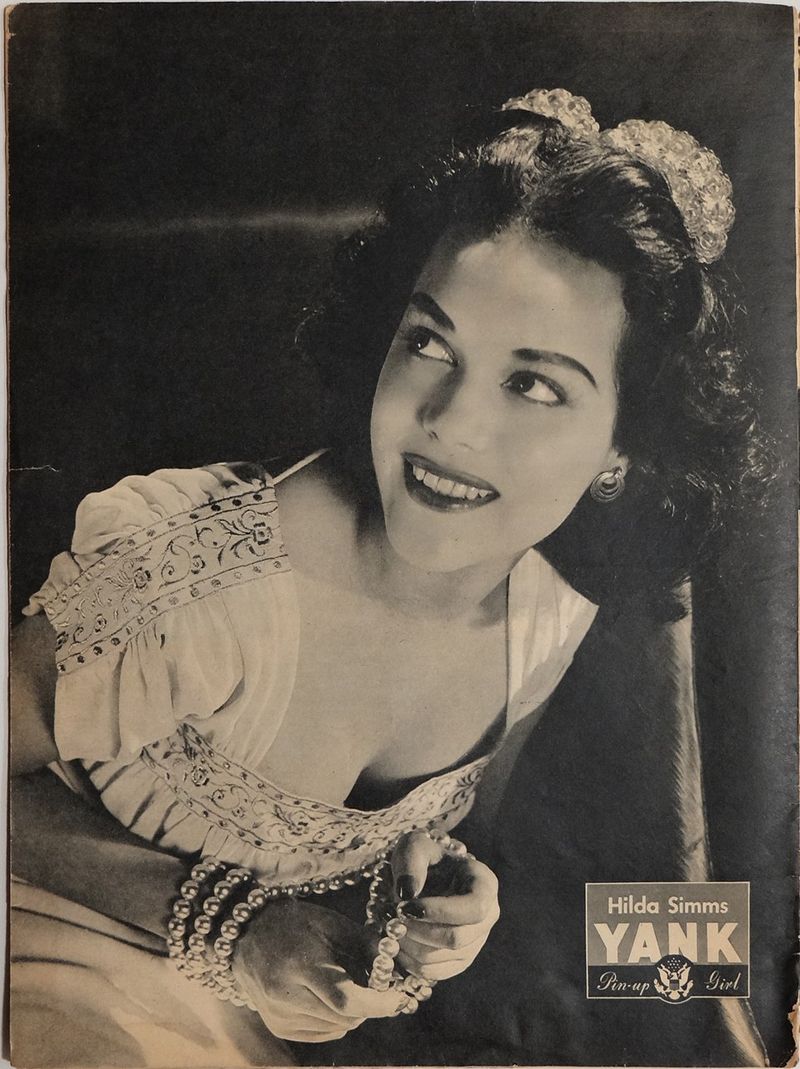
Hilda Simms was a Broadway force before Broadway fully knew what to do with her. She starred in Anna Lucasta in 1944, a play originally written for a white cast that was reimagined with an all-Black ensemble.
The show became a massive hit, running for nearly 1,000 performances. Simms was the reason people kept coming back.
Her performance earned glowing reviews from critics who had never seen anything quite like her on stage. She later took the role to London, where audiences adored her.
International recognition seemed to follow Simms wherever Hollywood refused to look.
Beyond performing, Simms was deeply involved in advocacy work and later pursued a career in public health education. She was always thinking bigger than just the next role.
Her life story reads like three different inspiring biographies rolled into one. Hilda Simms was a woman of extraordinary range, both on the stage and off it, and she deserves to be remembered clearly.
Juanita Moore
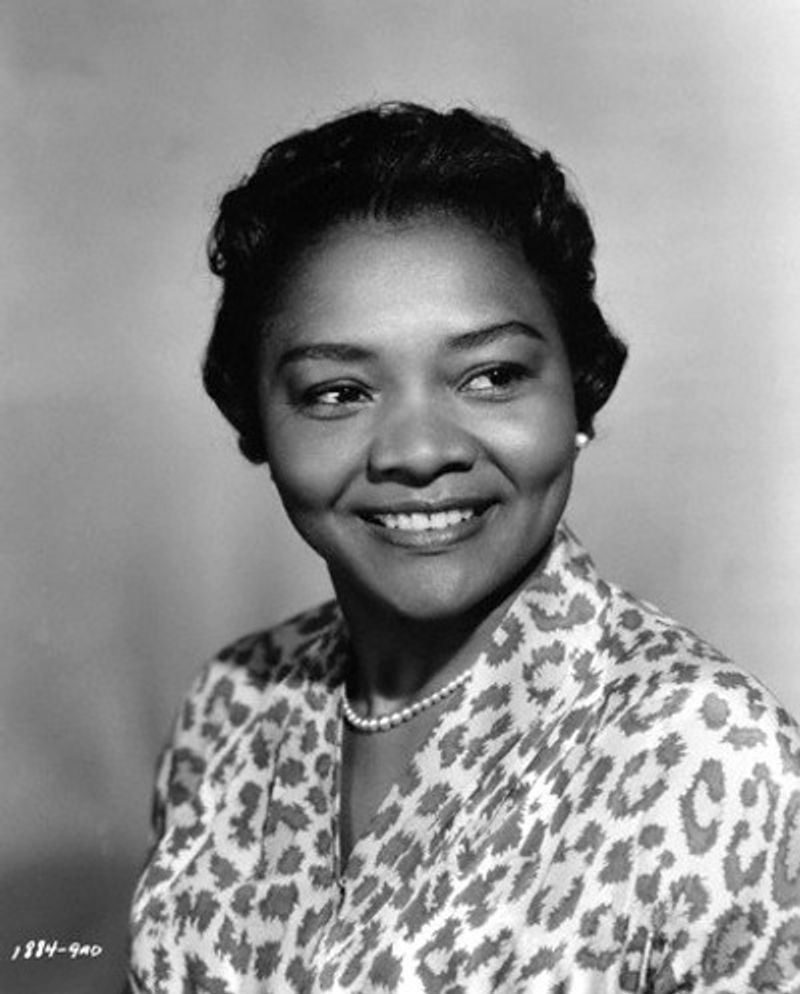
Juanita Moore’s performance in the 1959 remake of Imitation of Life is one of the most emotionally powerful things ever committed to film. She played Annie Johnson, a devoted mother whose daughter rejects her to pass as white, and she made every single viewer feel the full weight of that heartbreak.
The Academy nominated her for Best Supporting Actress, making her only the third Black actress to receive that honor at the time.
Despite that nomination and despite the overwhelming response to her performance, Moore’s career never reached the heights it should have. Hollywood handed her a near-miss and then moved on.
That is honestly infuriating to think about.
Moore continued working steadily in film and television for decades, never losing the warmth or the craft that made her unforgettable. She was gracious, talented, and deeply committed to her work until the very end.
Her performance in Imitation of Life remains a masterclass that film students should be studying right now.
Paula Kelly
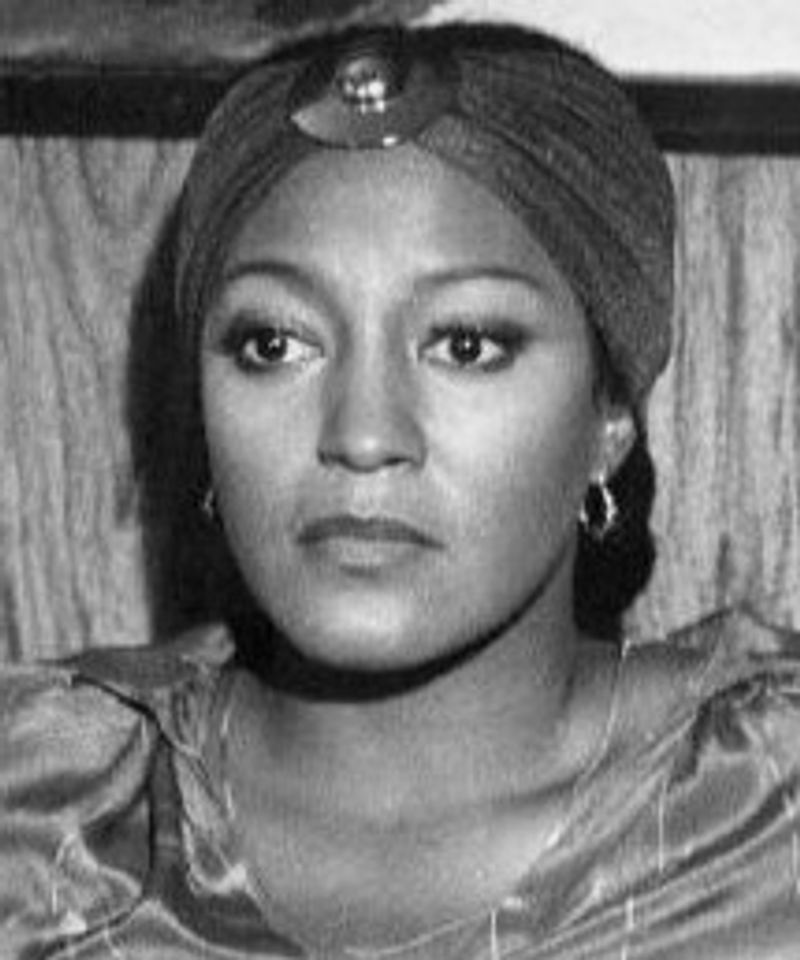
Paula Kelly was cool in a way that very few people in Hollywood have ever managed to pull off. She earned a Tony nomination for her Broadway work in Sweet Charity and then translated that same electric energy into film roles that crackled with personality.
She was also nominated for an Emmy for her television work, proving she could dominate every screen available to her.
Kelly appeared in Soylent Green and The Andromeda Strain, holding her own in major studio productions at a time when Black women were rarely given meaningful roles in science fiction or thriller films. She was quietly breaking genre barriers while looking absolutely effortless doing it.
What strikes me most about Paula Kelly is how fully she committed to every role, no matter the size. She never phoned it in.
Her career deserves a proper retrospective, a documentary, something that gives modern audiences a chance to finally discover what they have been missing all this time.
Diana Sands
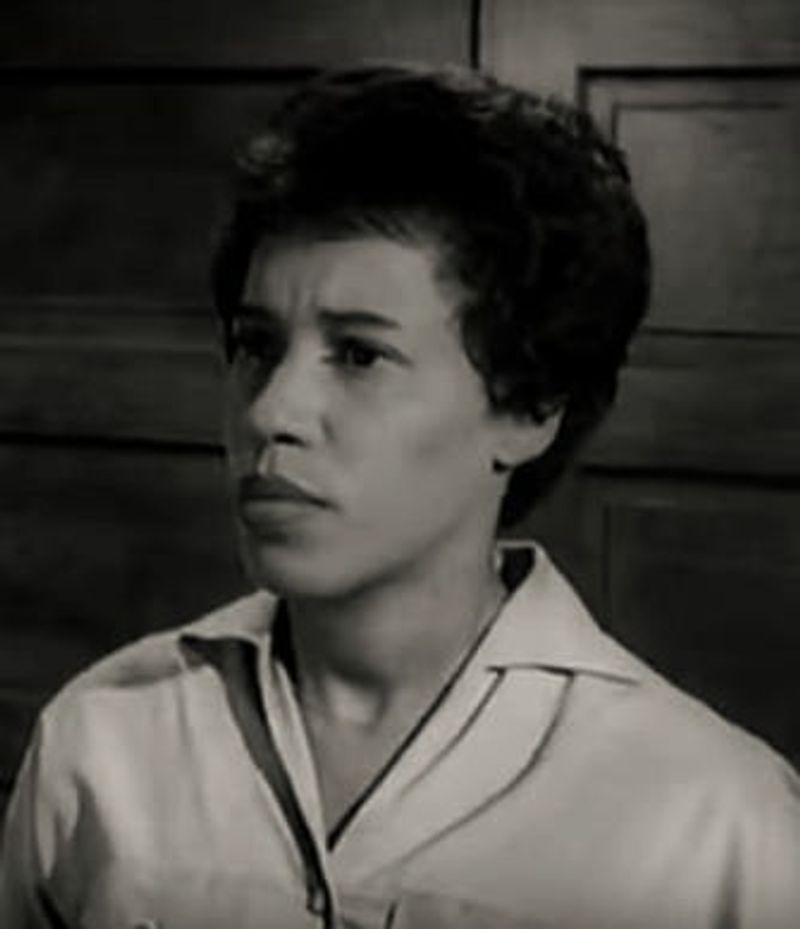
Diana Sands was one of the most gifted actresses of her generation, full stop, and the fact that her name is not immediately recognizable today is a genuine loss for pop culture. She originated the role of Beneatha Younger in A Raisin in the Sun on Broadway in 1959, earning enormous praise for a performance that was simultaneously funny, sharp, and deeply moving.
Sands brought that same electric intelligence to her film and television work, earning an Emmy nomination and continuing to push boundaries throughout the 1960s and early 1970s. She was fiercely selective about her roles, refusing to accept parts that diminished Black women.
That principle cost her opportunities, but it also protected her artistic integrity.
Tragically, Diana Sands died of cancer in 1973 at just 39 years old. The career she had built in such a short time was extraordinary.
The career she never got to have is the real heartbreak. She was one of a kind, and the stage has never quite replaced her.
Mary Alice
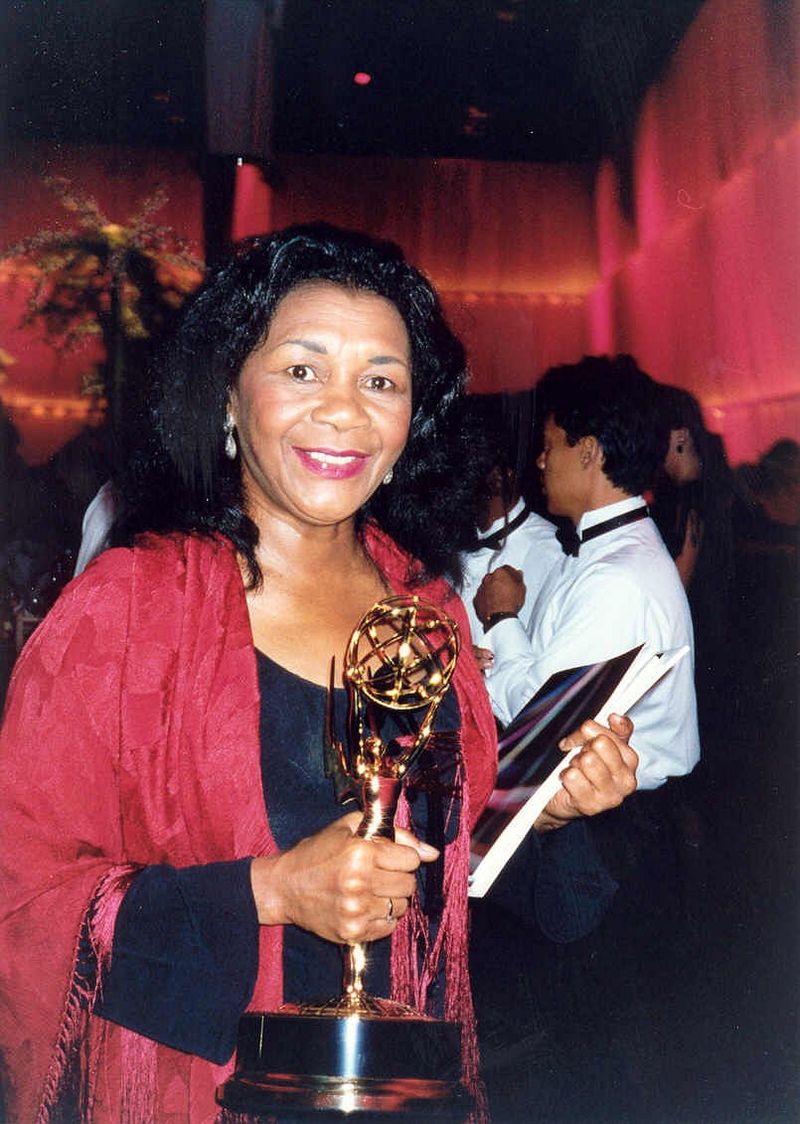
Mary Alice won a Tony Award for Best Actress in a Play for her work in Having Our Say: The Delany Sisters’ First 100 Years in 1995, and if that does not immediately ring a bell, that is exactly the problem this article exists to address. She was a powerhouse on stage and an equally commanding presence on screen.
Alice appeared in films like SparkleThe WizI’ll Fly Away and , and she had recurring roles in beloved television series including , for which she won an Emmy Award. A Tony and an Emmy on the same resume is not a small thing.
That is a career most actors only dream about.
Her performances always carried an extraordinary emotional weight, the kind that lingers with you long after the credits roll. Mary Alice brought truth to every character she played.
She is a legend of the American stage and screen who deserves every spotlight she never quite received during her peak years.
Roxie Roker
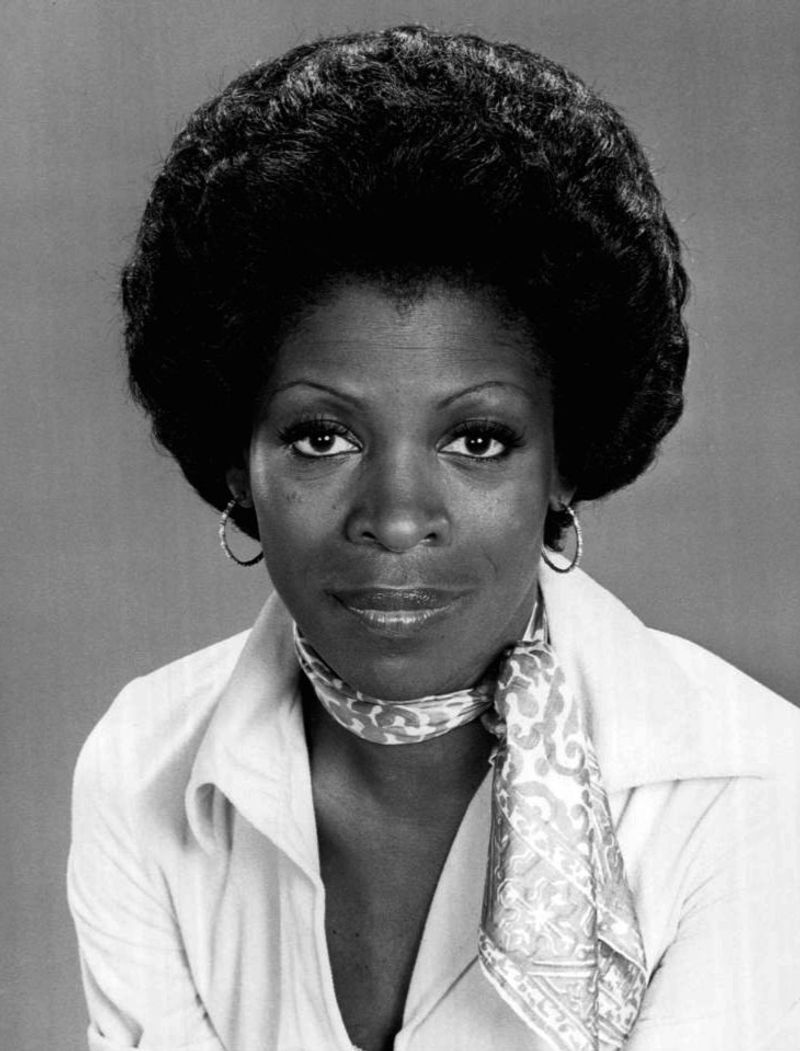
Roxie Roker played Helen Willis on The Jeffersons, one of the most groundbreaking sitcoms in American television history, and she did it with such natural warmth that viewers adored her immediately. Her character was part of one of the first interracial couples depicted on American primetime TV.
That was a bold creative choice in the 1970s, and Roker made it feel completely normal and human.
What many people do not know is that Roxie Roker is also Lenny Kravitz’s mother, which makes her family tree arguably one of the most talented in entertainment history. But her legacy stands entirely on its own without that fun footnote.
Roker was a trained actress with serious theatrical roots, and it showed in every episode she appeared in. She brought depth and dignity to a role that could have easily been played for laughs alone.
The Jeffersons ran for eleven seasons, and she was a cornerstone of everything that made it work so well.
Ketty Lester
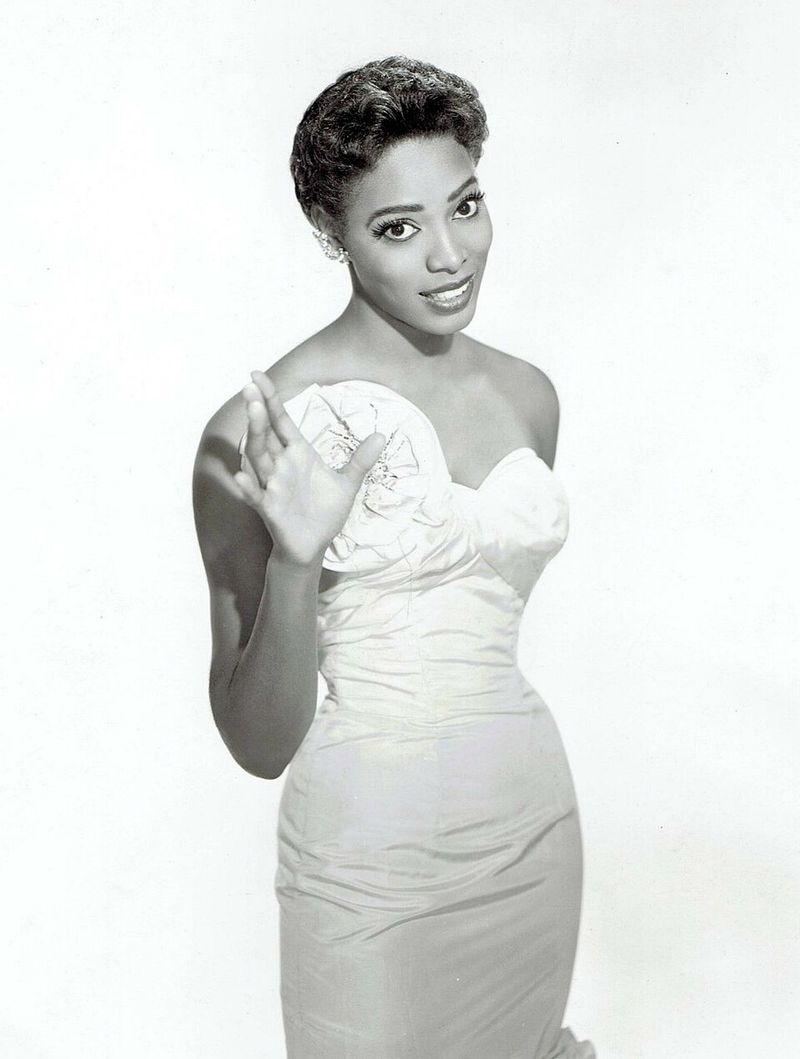
Ketty Lester had a hit song called “Love Letters” in 1962 that climbed the charts on both sides of the Atlantic, but her story does not stop at one gorgeous recording. She pivoted into acting with the same effortless grace she brought to music, building a career in film and television that spanned several decades and dozens of memorable appearances.
She is perhaps best known to younger audiences for her recurring role on Little House on the Prairie, where she played Hester Sue Terhune. That role gave her a whole new generation of fans who had no idea she had once been a pop star.
Turns out she was excellent at pretty much everything she tried.
Lester’s ability to move between music and dramatic acting without losing her identity in either is genuinely impressive. She had a quiet, soulful authority that made every character she played feel grounded and real.
Her career is a fascinating journey through American entertainment history that more people should take the time to explore.
Share this story