Not every great travel experience happens at a famous landmark or a packed tourist square. Sometimes, the most stunning architecture in a city is the place where trains come and go.
Germany has some seriously impressive railway stations, and a few of them are so beautiful that they deserve a visit all on their own. Whether you are a train enthusiast or just someone who appreciates great buildings, this list will give you plenty of reasons to linger on the platform.
Leipzig Hauptbahnhof
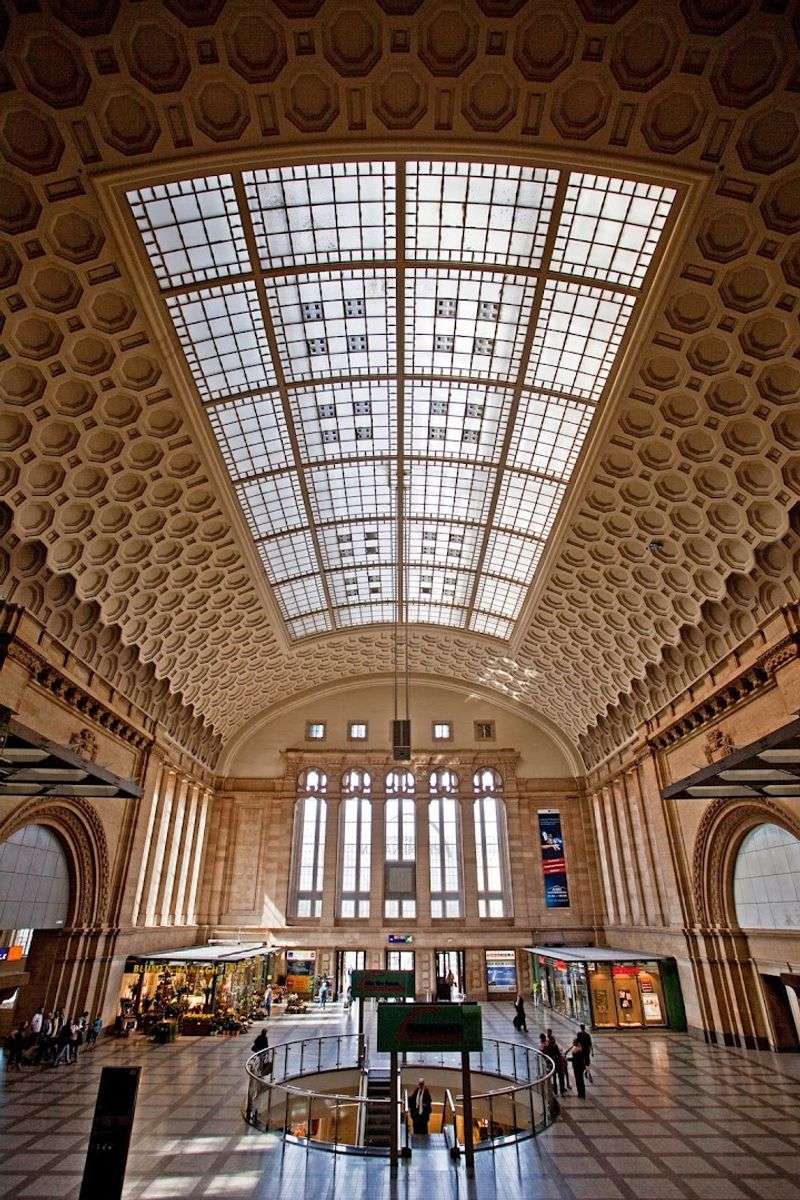
Europe’s largest terminus is not a title handed out lightly, and Leipzig Hauptbahnhof has earned it. The station covers a jaw-dropping footprint, with 26 platforms spread across two separate train halls sitting side by side.
It opened in 1915 after years of construction, and somehow it still feels like a grand event just walking through the front doors.
What makes this station extra special is how it blends the old with the new. Three floors of shops and restaurants fill the lower levels, yet the historic upper concourse remains beautifully preserved.
It is basically a shopping mall wearing a tuxedo.
I once missed a connection here on purpose just to keep exploring the building. The ornate facades and vaulted ceilings make every corridor feel like a history lesson.
Leipzig Hbf is a genuine architectural landmark, not just a transit stop. Budget extra time before your train departs.
Dresden Hauptbahnhof
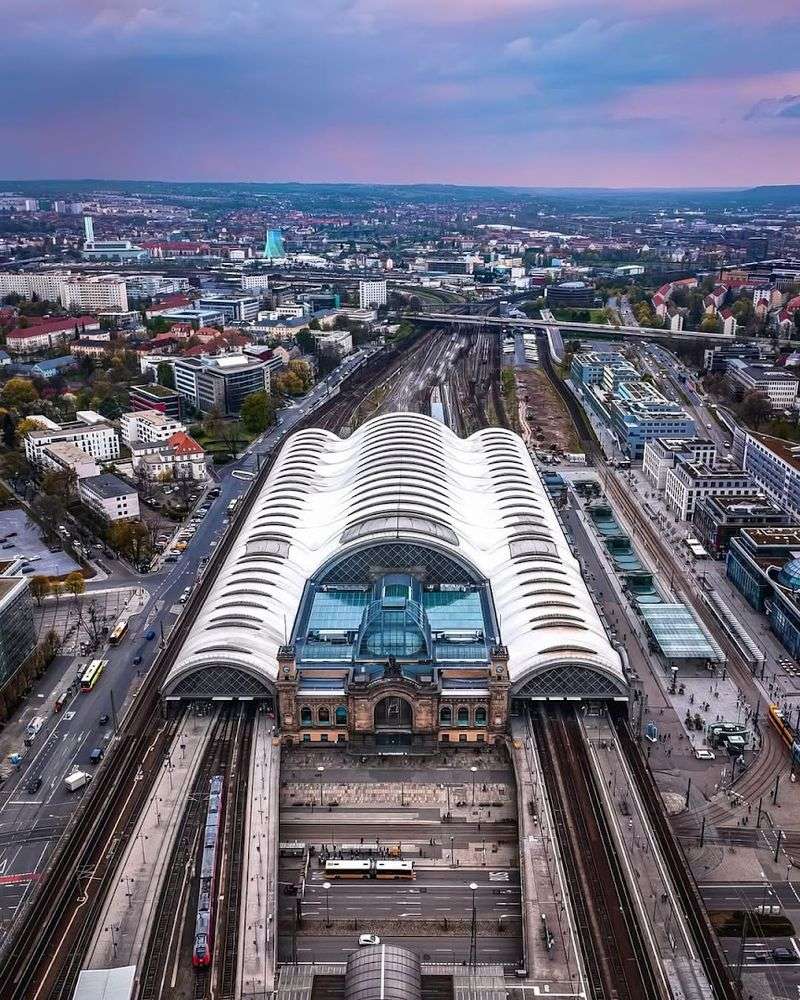
Norman Foster does not do boring, and Dresden Hauptbahnhof is proof of that. The British architect oversaw a major renovation completed in 2006, adding a stunning translucent roof membrane made from PTFE fabric that floods the interior with soft, diffused light.
The result is a station that somehow feels both futuristic and timeless at once.
Built between 1892 and 1898, the original structure is a grand Historicist ensemble that survived World War II bombing raids. The combination of that preserved 19th-century shell with Foster’s modern roof is genuinely striking.
Dresden knows it has something special here and is not shy about promoting it.
The station sits just a short walk from the city center, so it works as both a starting point and a destination. Arriving in Dresden for the first time and walking into that glowing hall is a proper introduction to a city full of architectural surprises.
Well played, Dresden.
Köln Hauptbahnhof
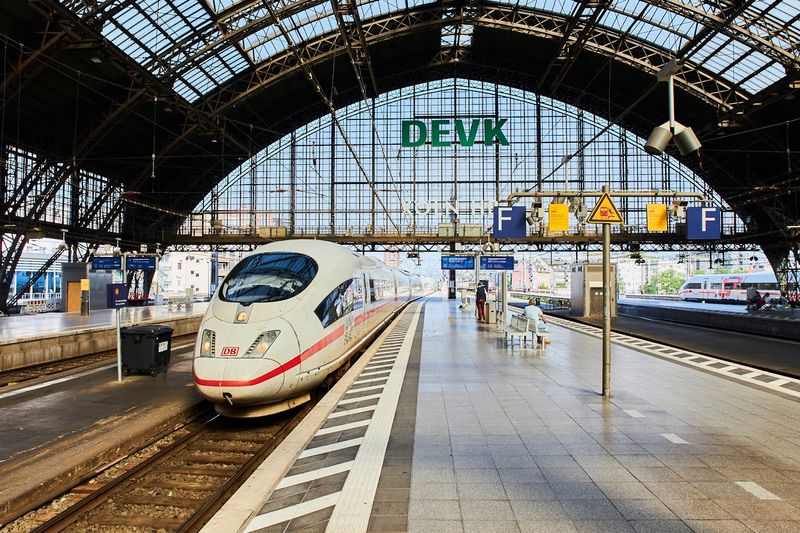
No other station in Germany has a neighbor quite like this one. Step out of Cologne Central Station and you are immediately face-to-face with the twin Gothic spires of Cologne Cathedral, one of the most recognizable buildings on the planet.
The pairing is so dramatic that it honestly feels staged.
The station itself dates back to 1894 and handles an extraordinary volume of passengers every day, making it one of the busiest in Germany. It is loud, lively, and constantly moving.
Yet somehow, that cathedral view never gets old no matter how many times you arrive here.
The Rhine riverfront is just steps away, adding another layer to what is already a spectacular urban setting. Cologne Hbf is the kind of station that turns a simple train journey into a genuine arrival moment.
Even seasoned travelers tend to pause outside and take a photo. The cathedral earns that reaction every single time.
Berlin Hauptbahnhof
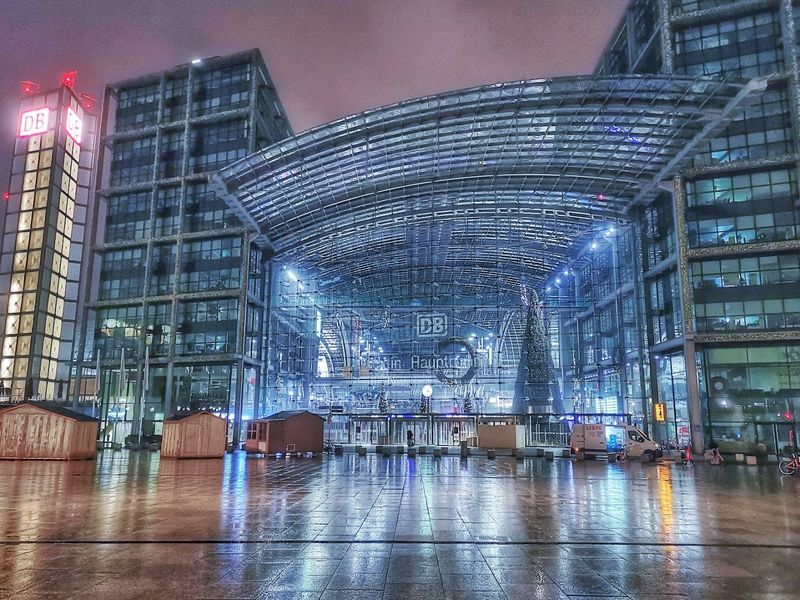
Berlin Central Station opened in 2006 and immediately set a new standard for what a European railway hub could look like. The building is a massive glass and steel structure designed by architect Meinhard von Gerkan, stacking multiple rail levels on top of each other in a way that feels genuinely futuristic.
It is a station built to make a statement.
The concept behind the design is a major European transport crossroads, where east-west and north-south rail lines literally intersect inside the same building. That is not just clever engineering, it is a piece of urban philosophy made physical.
Visit Berlin rightly highlights it as an architectural must-see.
On my first visit, I spent nearly an hour just riding the escalators between floors and watching trains arrive from different directions. The transparent facade lets natural light pour through every level.
Berlin Hbf is not just a gateway to the city. It is one of the city’s finest modern buildings, full stop.
Hamburg Hauptbahnhof
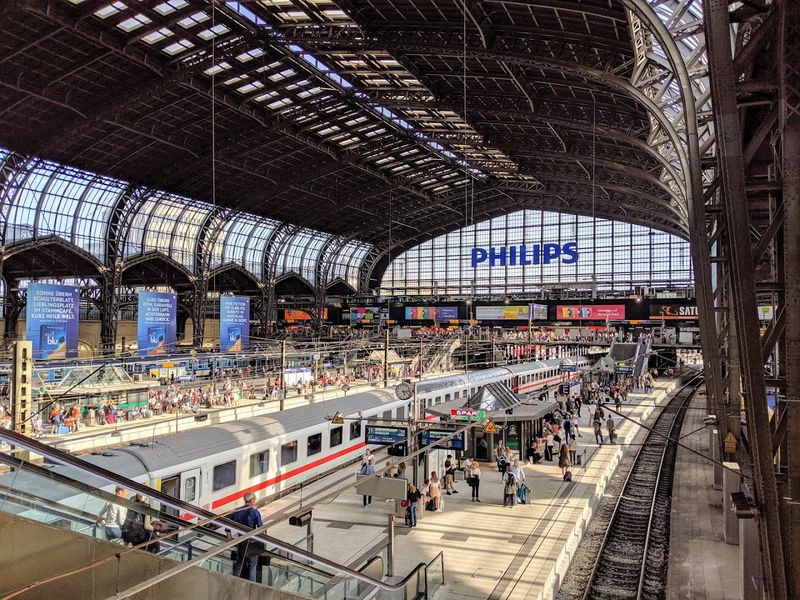
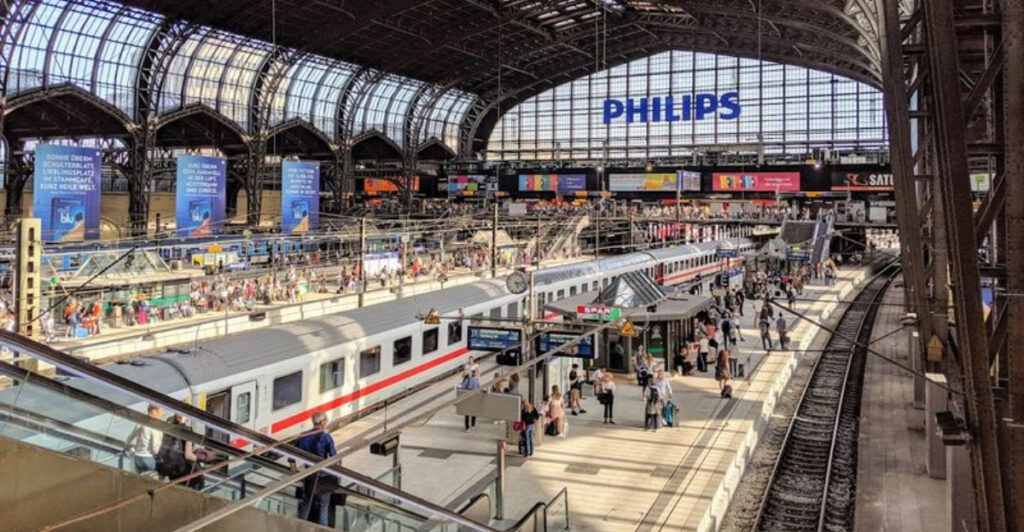
Hamburg Hauptbahnhof has been welcoming travelers since 1906, and over a century later it remains one of the busiest railway stations in all of Europe. The station’s defining feature is its enormous steel and glass roof, a single dramatic span that stretches over all the platforms and fills the hall with natural light on clear days.
Hamburg Tourism is proud of the station’s history, and rightly so. The building has a muscular, confident presence that suits a city known for its port and its no-nonsense attitude.
It is grand without being fussy, which feels very Hamburg.
The surrounding area is packed with shops, cafes, and easy connections to the rest of the city. Getting lost inside Hamburg Hbf is actually quite easy given its size, but that is half the fun.
The platform-level views of trains arriving under that sweeping roof are worth pulling out your phone for. This station rewards the curious visitor.
Frankfurt (Main) Hauptbahnhof
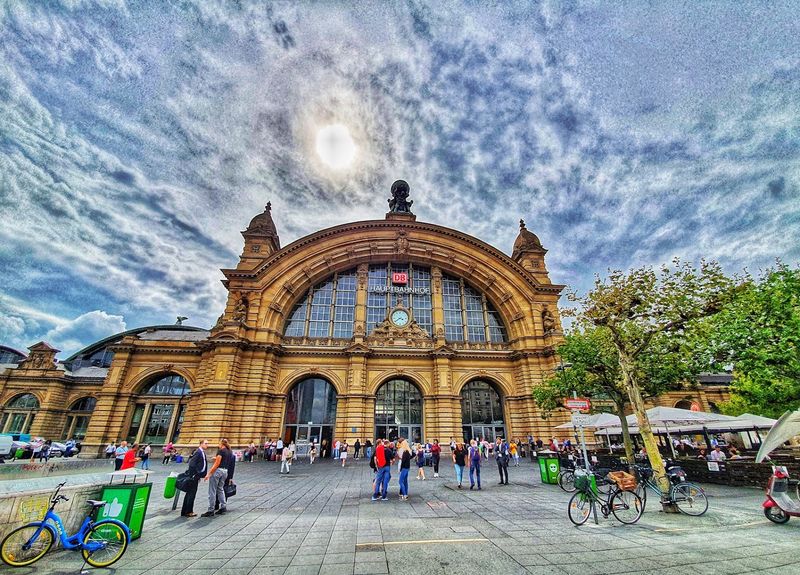
Frankfurt Hauptbahnhof opened in 1888 and was considered one of the most advanced railway stations in the world at the time. That ambition shows in the architecture.
The facade is an impressive stretch of stone arches and decorative detail that announces itself loudly on the Frankfurt skyline. This is what a serious 19th-century city looked like when it wanted to impress visitors.
Inside, the station operates at a relentless pace. Frankfurt Hbf is one of Germany’s busiest long-distance hubs, connecting high-speed trains to cities across the country and beyond.
The sheer scale of the place, with 25 platforms and constant announcements, gives it an energy unlike anywhere else.
The arrival hall ceiling is something worth looking up at, even if you are rushing for a connection. Frankfurt Hbf is the classic big-city German station experience in concentrated form.
Busy, historic, slightly overwhelming, and completely unforgettable. Pack your patience and your camera in equal measure.
Wiesbaden Hauptbahnhof
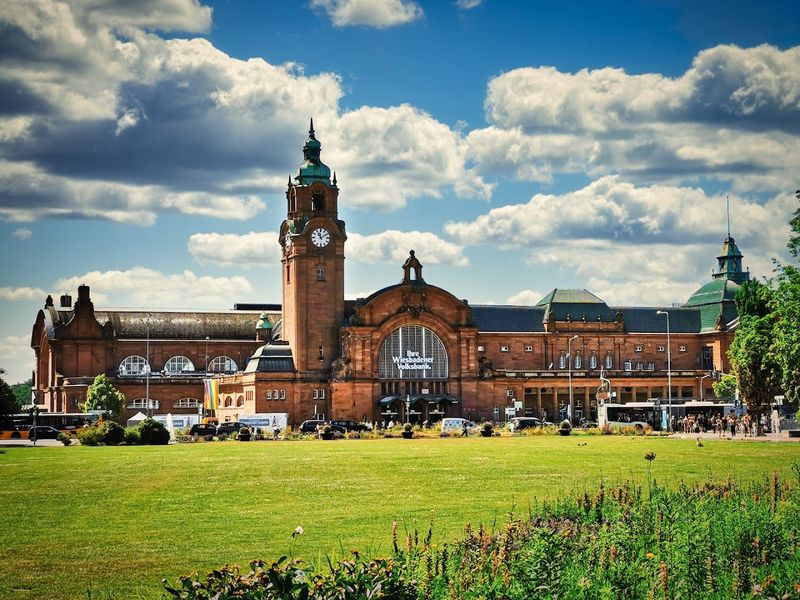
Red sandstone, a 40-meter tower, and neo-baroque detailing that would not look out of place on a royal palace. Wiesbaden Hauptbahnhof, opened in 1906, is the kind of station that makes you wonder why more buildings are not built this way.
The city’s tourism office describes it with obvious pride, and honestly that pride is completely justified.
Wiesbaden is a spa town with a long history of catering to well-heeled visitors, and the station reflects that identity perfectly. It was designed to make an impression from the moment travelers stepped off the train, and over a hundred years later it still does exactly that.
The decorative composition is rich without tipping into excess.
The tower is the real showstopper, visible from a good distance and giving the building a sense of civic importance that most modern stations completely lack. Wiesbaden Hbf is a reminder that train travel was once considered an occasion worth dressing up for.
Those days had something going for them.
Görlitz Station
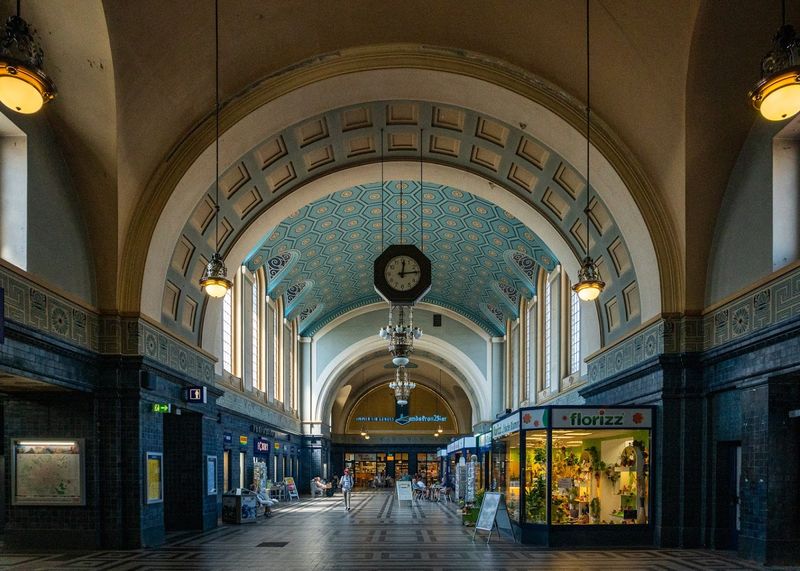
Görlitz is one of Germany’s best-kept architectural secrets, and the station fits right into that theme. Completed in 1917 in the Jugendstil style, it features a grand reception hall that stops most first-time visitors in their tracks.
The decorative details are elaborate and lovingly maintained, which is not something you can say about every station on this list.
The city of Görlitz has a remarkable track record of preserving its pre-war architecture, having escaped significant wartime destruction. The station is a natural extension of that heritage.
Walking through the main hall feels like a genuine step back in time, but without the inconvenient lack of Wi-Fi.
Görlitz also sits right on the Polish border, giving the whole visit an extra layer of intrigue. The station serves as a gateway between two countries and two architectural traditions.
For a relatively small city, Görlitz punches well above its weight in the beautiful buildings department. The station alone is worth the detour.
Lübeck Hauptbahnhof
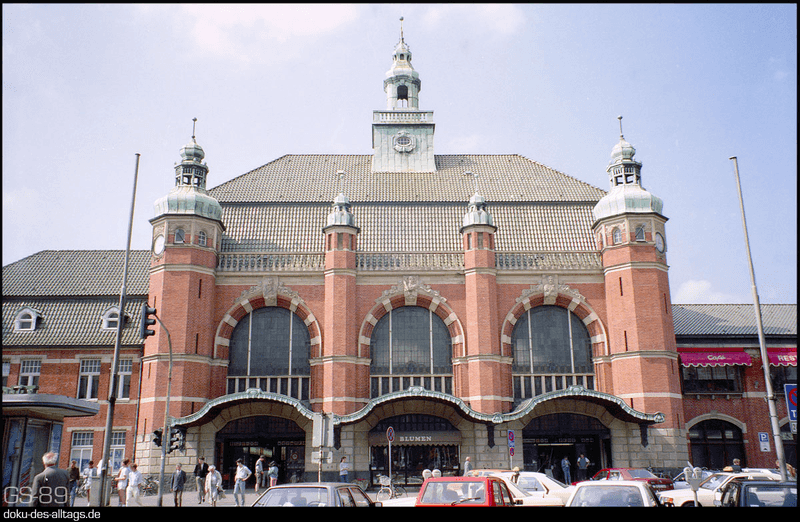
After a major renovation, Lübeck Hauptbahnhof came back looking sharper than ever. The city made sure that both the reception hall and the train hall were comprehensively restored, respecting the original character of the building while bringing it firmly into the present.
The result is a station that feels cared for, which matters more than people realize.
Lübeck itself is a UNESCO World Heritage city, famous for its medieval brick architecture and its marzipan. The station sets the tone for the whole visit.
Arriving here feels like the city is already showing you its best face before you have even reached the old town.
The northern German brick aesthetic runs through the building with a satisfying consistency. It is sturdy, handsome, and quietly confident.
No dramatic gestures, no flashy materials, just solid craftsmanship that ages well. Lübeck Hbf might not be the most flamboyant station on this list, but it has a dignified charm that grows on you quickly.
Bremen Hauptbahnhof
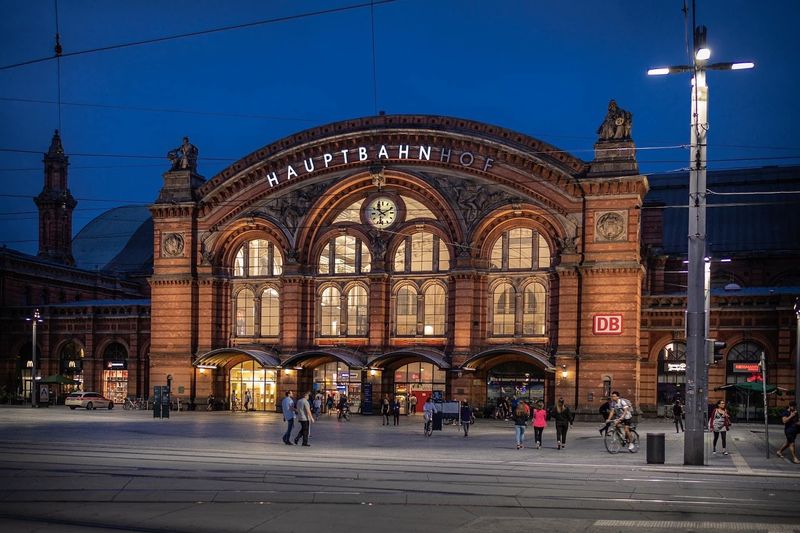
Bremen’s main station wears its Neo-Renaissance style with a confident swagger. Bremen’s official tourism site calls it both an architectural feature and a key northern rail hub, which is a neat double act for a single building.
Opened in 1889, the station has the kind of imposing stone facade that reminds you railway companies once had serious money and even more serious ambitions.
The interior carries that sense of occasion forward with high ceilings and well-preserved period details. Bremen is a city that takes its history seriously, and the Hauptbahnhof is a natural part of that civic pride.
It anchors the city center in a way that more modern stations rarely manage.
Getting off a train here for the first time genuinely sets the mood for exploring Bremen. The famous Town Musicians of Bremen statue is a short walk away, making the whole arrival feel like the start of a proper fairytale adventure.
Bremen delivers on first impressions.
Heidelberg Hauptbahnhof
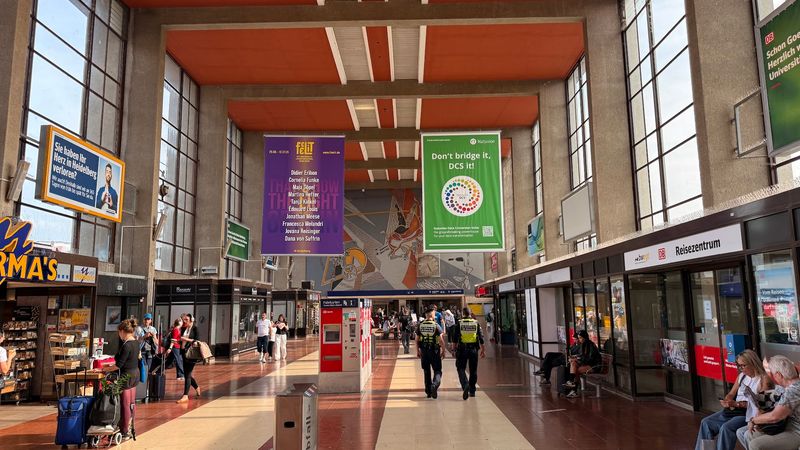
Heidelberg Hbf has the rare distinction of being a listed historic building that is actively getting better. Deutsche Bahn has modernization work underway on the station right now, which makes visiting it feel like catching something mid-transformation.
That is actually a compelling reason to go sooner rather than later, before the scaffolding comes down and everyone else shows up.
The station was relocated from its original central position in 1955 to allow the old town to breathe, which is a planning decision Heidelberg has never quite stopped debating. The current building has a clean, mid-century character that suits the city’s mix of ancient and modern.
It is not the most ornate station on this list, but it has real personality.
Heidelberg itself is one of Germany’s most visited cities, famous for its castle and its old university. The station is the starting point for all of that.
Catching it during its current upgrade phase gives the visit an interesting behind-the-scenes quality.
Baden-Baden Station
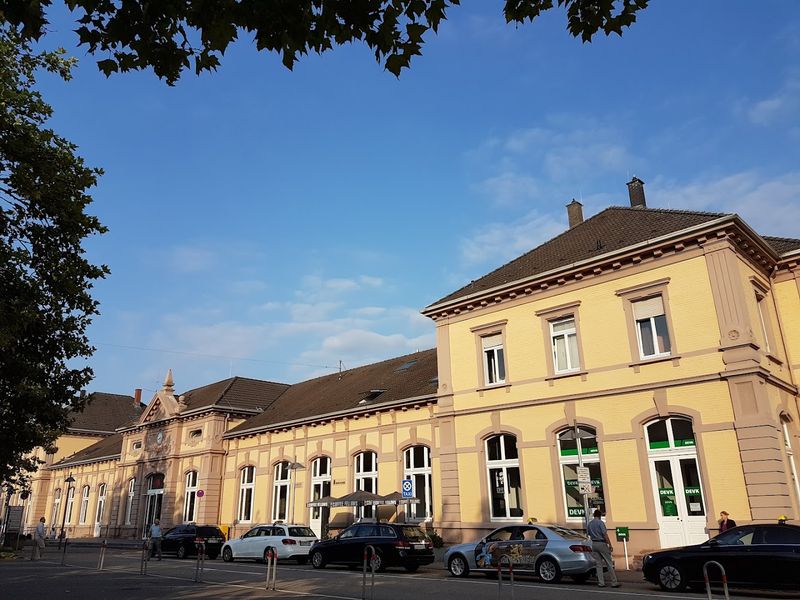
Baden-Baden has always been about elegance, and the station has been upgraded to match. Deutsche Bahn completed a modernization that included an artistic design concept tied directly to the city’s identity as a world-famous spa destination.
The result is a station that feels like it has had a proper wellness treatment of its own.
The building’s refined aesthetic gives arriving visitors an immediate sense of the kind of city they are entering. Baden-Baden attracts a crowd that appreciates quality, and the station does not disappoint them at the door.
It is a small but genuinely considered piece of design that punches above its modest size.
The artworks integrated into the station are worth slowing down for, rather than rushing past to catch a connection. Baden-Baden Hbf is proof that railway modernization does not have to mean sterile and generic.
Sometimes a station can reflect the soul of its city, and this one does it with real style. Spa town energy, fully delivered.
Ulm Hauptbahnhof
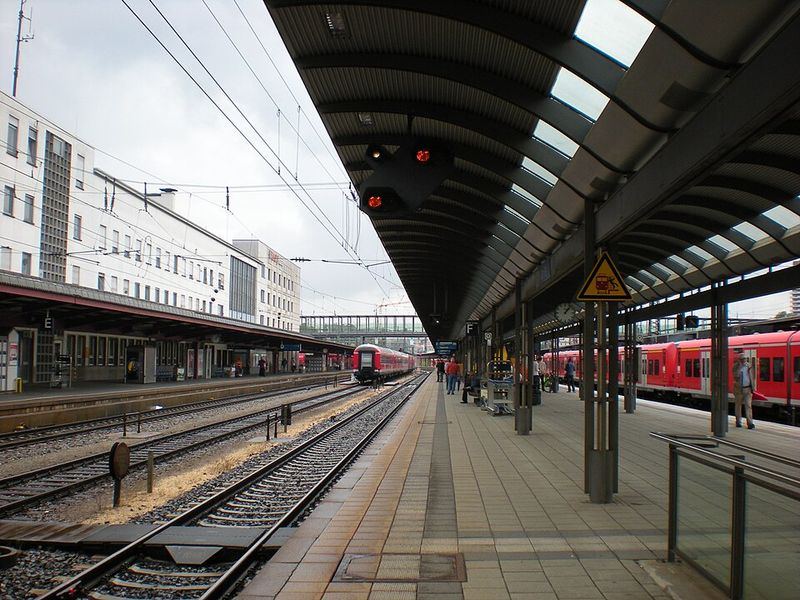
Ulm Hbf is one of those stations where the story is not just inside the building but all around it. The city and Deutsche Bahn are deep into the Citybahnhof project, a sweeping modernization that will eventually sink the rail lines underground and transform the urban landscape above.
Visiting now means watching that transformation happen in real time.
There is something genuinely exciting about a city actively reinventing itself around its railway infrastructure. Ulm has been bold enough to take on a project that will reshape the city center for generations.
The current station sits at the center of all that ambition, slightly surrounded by construction but still very much open for business.
Ulm is also home to the world’s tallest church steeple, just a short walk from the station. Combining a visit to the Minster with a look at the ongoing Citybahnhof works makes for an unexpectedly fascinating afternoon.
Old city, new station, and a whole lot of cranes. Ulm is going places, literally.
Stuttgart Hauptbahnhof
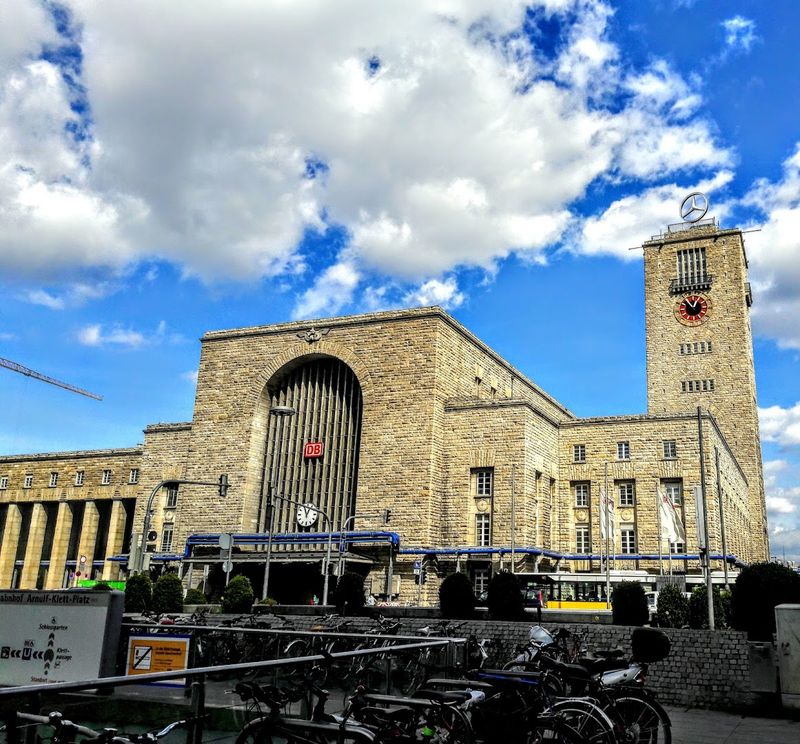
Stuttgart Hbf is arguably the most controversial station in Germany right now, and that alone makes it worth a visit. The Bonatz building, completed in 1928 and designed by Paul Bonatz, is a masterpiece of restrained monumental architecture.
Stuttgart Tourism still presents it as a major architectural highlight, even as the enormous Stuttgart 21 rail project reshapes everything around it.
The project aims to convert the current terminus into an underground through-station, a plan that has sparked protests, legal battles, and more passionate debate than most countries reserve for actual elections. Walking around the station today means walking through one of Germany’s most contested pieces of urban planning.
The tower and the main facade of the Bonatz building stand firm through all of it, looking dignified and slightly unbothered. Seeing the historic structure surrounded by the scale of the ongoing construction is a genuinely striking contrast.
Stuttgart Hbf is history and the future in an awkward but fascinating standoff. Go now, before it all changes.
Hannover Hauptbahnhof
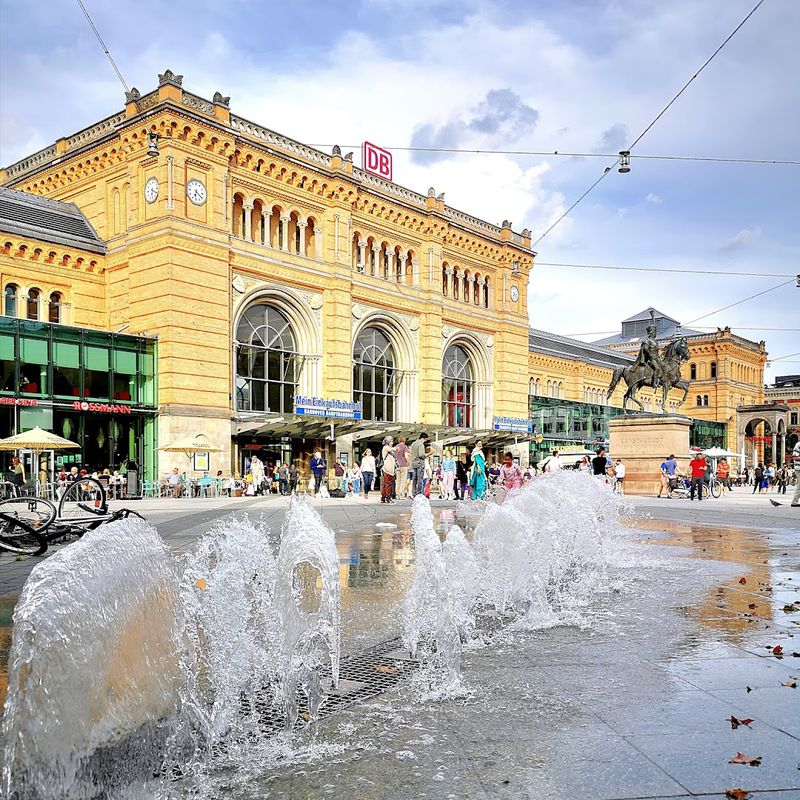
Hannover Hbf has a longer and more layered history than most visitors ever realize, and local tourism sources are happy to point that out. The current building opened in 1879, was heavily damaged in World War II, and was rebuilt and modified over the following decades.
What stands today is a building that carries multiple chapters of German history in its walls.
The station sits right in the heart of the city, making it both a transport hub and a genuine city landmark. Hannover is not always the first name on travelers’ lists, but the Hauptbahnhof gives the city a confident, well-anchored center that rewards those who stop and look properly.
The underground shopping arcade beneath the station connects to the broader Hannover city tunnel system, adding a surprisingly extensive layer to explore. Hannover Hbf is not just a place to catch a train.
It is a building with stories to tell, and a city that is quietly worth more of your time than the itinerary usually allows.
Share this story