Every country has a story, and sometimes that story gets summed up in just a few words. Nicknames like “The Land of the Rising Sun” or “The Emerald Isle” have been used for centuries to capture something true and meaningful about a place.
These names come from geography, history, culture, and even ancient languages. Read on to find out where 15 of the world’s most recognized country nicknames actually came from.
1. Japan: The Land of the Rising Sun

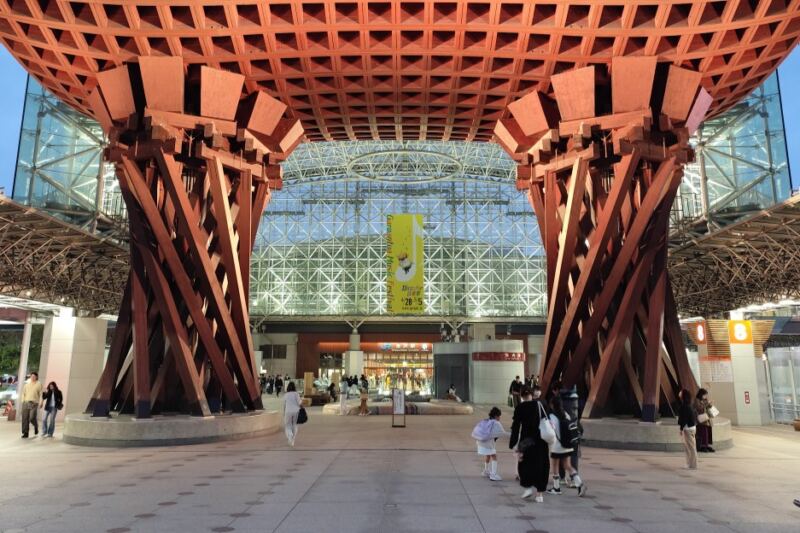
Long before modern maps existed, China looked eastward and noticed that the sun seemed to rise from Japan’s direction. That observation shaped one of the oldest and most poetic country nicknames in the world.
Japan’s own name, written as Nippon or Nihon in Japanese, literally translates to “origin of the sun.”
The kanji characters used mean “sun” and “origin,” making the nickname more than just a label. It reflects a genuine geographic reality.
Japan sits to the east of the Asian mainland, so sunlight reaches it before most of the surrounding region.
This nickname has appeared on Japan’s flag for centuries, represented by the bold red circle symbolizing the sun. It is one of the few country nicknames that is also baked directly into the country’s official name, making it both a cultural identity and a geographic fact.
2. Canada: The Great White North
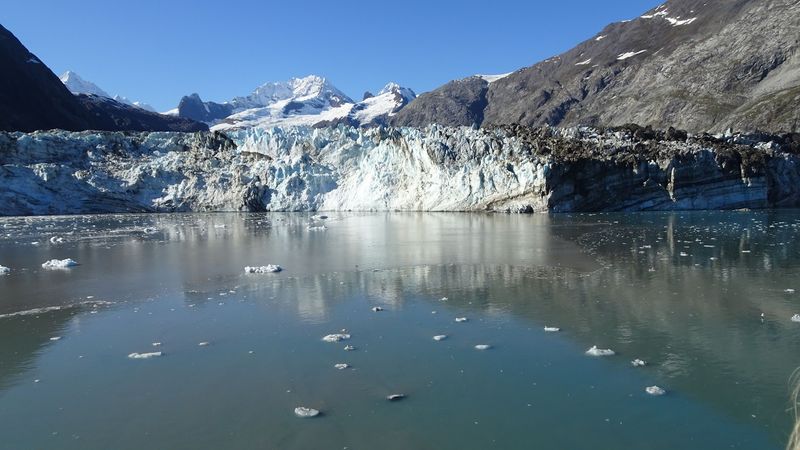
Ask almost anyone to picture Canada, and chances are they will imagine snow-covered forests, frozen lakes, and wide-open tundra stretching toward the Arctic. That image is exactly where this nickname comes from.
Canada is the second-largest country in the world by land area, and a huge portion of it sits in some seriously cold northern territory.
Winters across much of Canada are long, harsh, and buried in white. Cities like Winnipeg and Yellowknife regularly record temperatures that drop well below freezing for months at a time.
The northern regions near the Arctic Circle are covered in permafrost year-round.
The nickname was also popularized by a Canadian comedy sketch show called SCTV in the 1980s, which used “The Great White North” as a running joke about Canadian identity. Today, Canadians often embrace the nickname with pride, humor, and a warm cup of something hot.
3. Ireland: The Emerald Isle
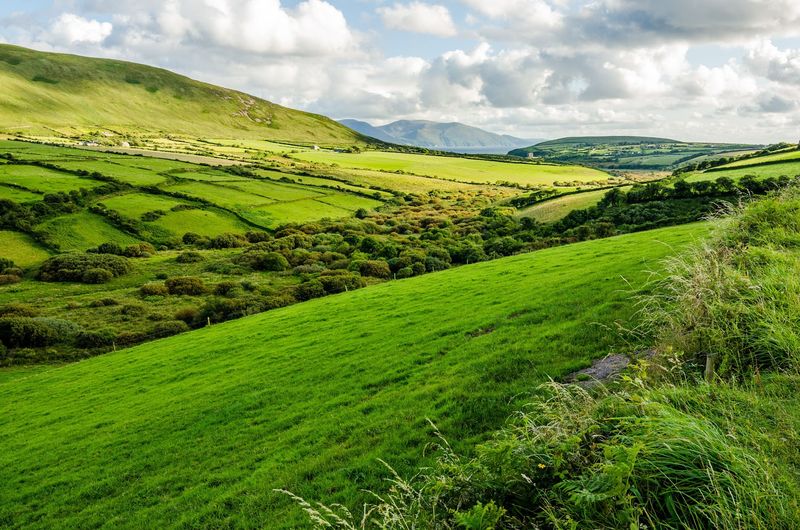
There are few places on Earth where the color green feels as alive and overwhelming as it does in Ireland. Rain falls frequently across the island, and the mild Atlantic climate keeps the grass growing in a shade of green so rich it almost looks unreal.
Travelers who visit for the first time often say photographs simply do not do it justice.
The nickname “The Emerald Isle” has roots going back at least to the 18th century. Irish poet William Drennan is often credited with popularizing the phrase in his 1795 poem “When Erin First Rose,” though the association between Ireland and its green landscape is much older.
Beyond the fields and hills, Ireland’s hedgerows, mossy stone walls, and forested valleys all add to the lush visual identity. The nickname has since become one of the most recognized and beloved geographic labels in the English-speaking world.
4. Norway: The Land of the Midnight Sun
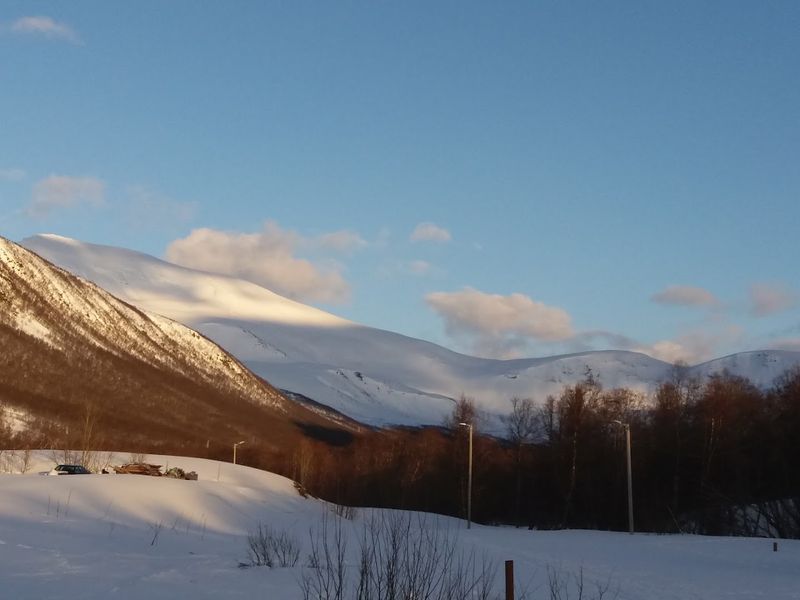
Imagine stepping outside at midnight and finding the sky still bright with sunlight. That is not a dream or a trick of the light.
In northern Norway during summer, the sun genuinely does not set for weeks at a time. This natural phenomenon, called the midnight sun, is what earned Norway its striking nickname.
Norway stretches far into the Arctic Circle, and the areas above that line experience continuous daylight during the summer solstice period. Towns like Tromsø and Nordkapp are famous destinations for travelers who want to witness the sun glowing above the horizon at 1 or 2 in the morning.
The science behind it comes down to Earth’s axial tilt. During summer in the Northern Hemisphere, the pole tilts toward the sun, keeping high-latitude regions in constant daylight.
Norway’s dramatic fjords bathed in midnight sunlight create some of the most breathtaking scenery on the planet.
5. Finland: The Land of a Thousand Lakes
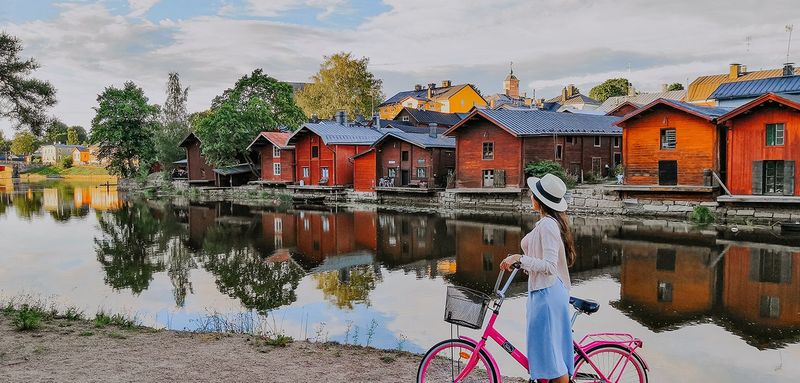
A thousand lakes sounds like an exaggeration, but Finland’s actual count puts that number to shame. The country contains over 180,000 lakes, giving it one of the highest lake densities of any nation on Earth.
The nickname actually undersells the reality by a significant margin.
Finland’s lake-heavy landscape was shaped during the last Ice Age. As massive glaciers retreated thousands of years ago, they carved out enormous basins across the land.
Over time, those basins filled with water, creating the vast network of lakes that defines so much of the Finnish countryside today.
For Finns, lakes are not just geography. They are a core part of the national identity.
Swimming, fishing, and relaxing in lakeside saunas are beloved traditions that most Finnish families take part in throughout the warmer months. The lakes also support rich ecosystems and provide clean drinking water to communities across the country.
6. Iceland: The Land of Fire and Ice
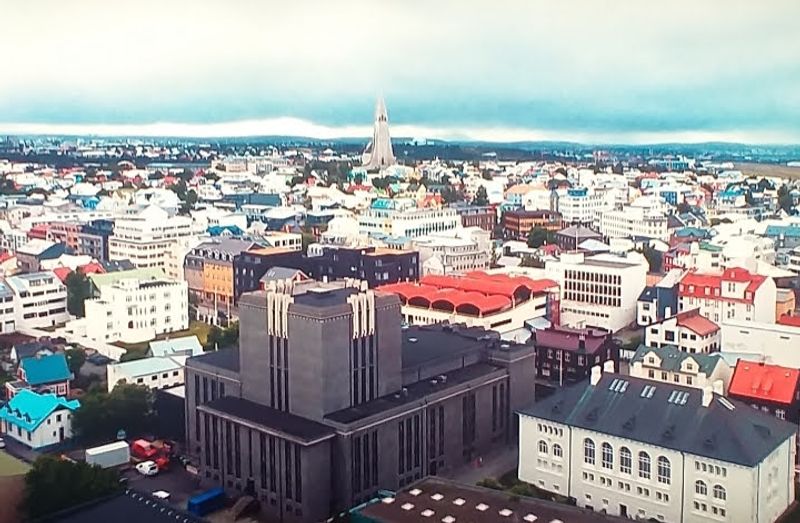
Few places on Earth pack as much geological drama into one island as Iceland does. Active volcanoes rumble beneath the surface while massive glaciers stretch for miles across the land above.
The contrast between scorching lava fields and frozen ice caps is not just a nickname. It is an everyday geographic reality for the people who live there.
Iceland sits directly on the Mid-Atlantic Ridge, where two tectonic plates meet and pull apart. This makes the island one of the most volcanically active places in the world.
Major eruptions happen regularly, with the 2010 Eyjafjallajokull eruption famously disrupting air travel across Europe.
At the same time, about 11 percent of Iceland’s total land area is covered by glaciers. Vatnajokull, the largest glacier in Europe, sits not far from active volcanic zones.
That combination of fire and ice in such close proximity makes Iceland a truly one-of-a-kind destination unlike anywhere else on the planet.
7. Egypt: The Gift of the Nile
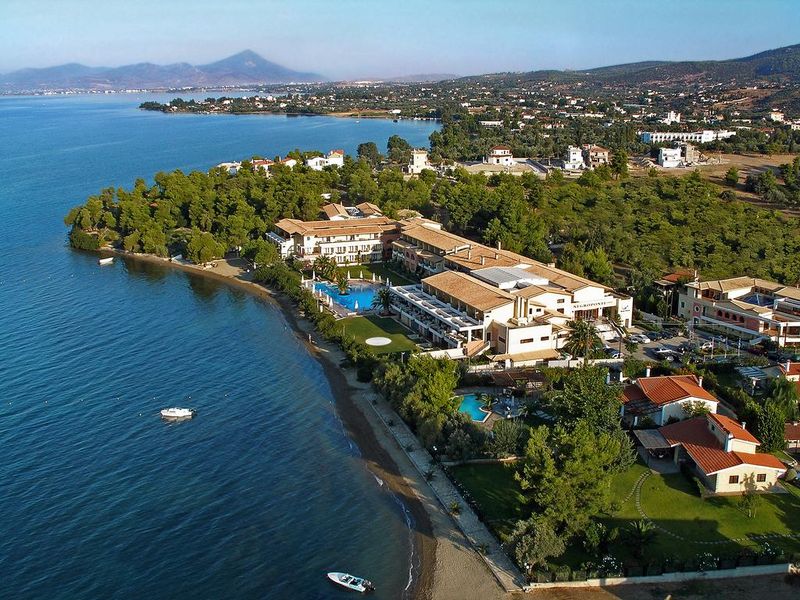
Over 2,500 years ago, the Greek historian Herodotus wrote that Egypt was “the gift of the Nile,” and that phrase has stuck ever since. Without the Nile River, one of the greatest civilizations in human history simply would not have existed.
The surrounding land is almost entirely desert, harsh and impossible to farm without a reliable water source.
Every year, the Nile flooded its banks and left behind a layer of rich, dark silt. That natural fertilizer allowed ancient Egyptians to grow crops in an otherwise unforgiving environment.
The narrow green strip along the Nile’s banks supported millions of people for thousands of years.
Even today, the vast majority of Egypt’s population lives within a short distance of the Nile. The river still powers agriculture, provides drinking water, and shapes daily life.
Herodotus got it exactly right. Egypt did not just use the Nile.
Egypt was built entirely because of it.
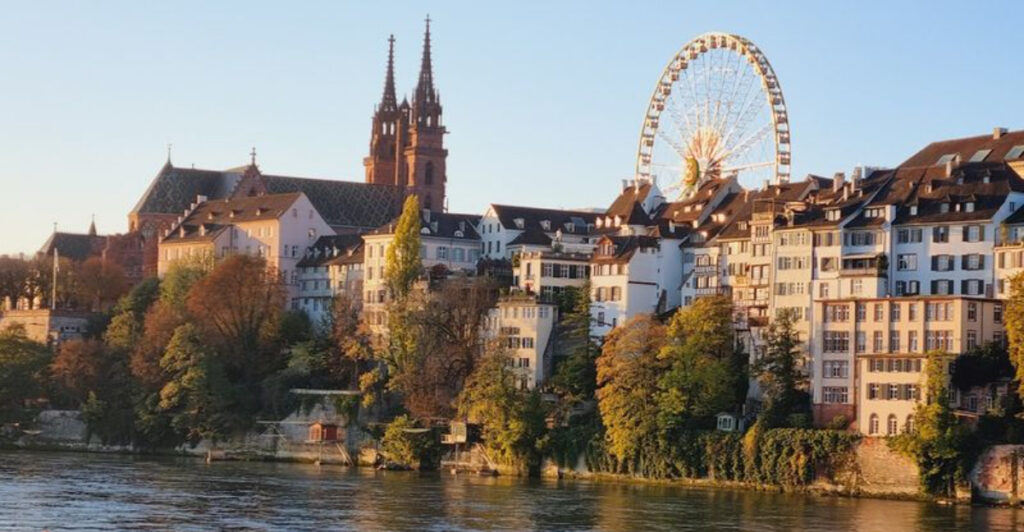
8. Switzerland: The Playground of Europe
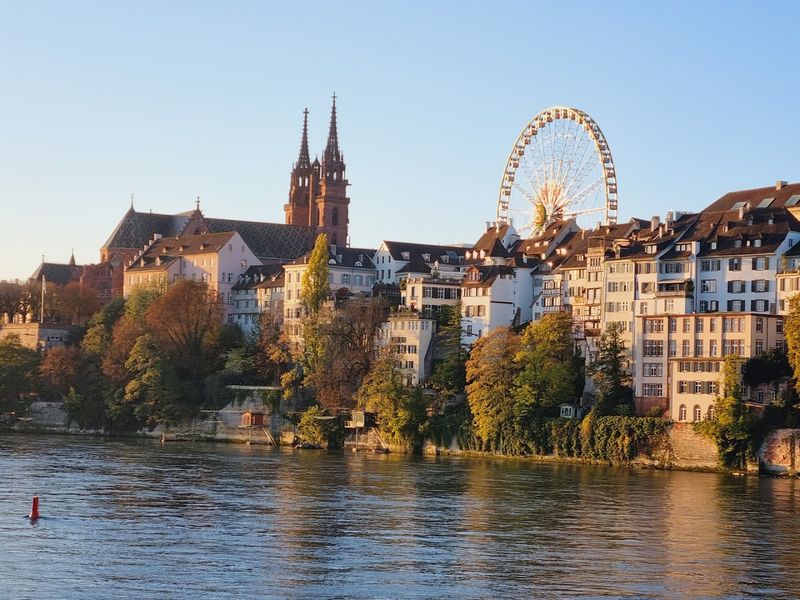
When wealthy Europeans in the 19th century wanted fresh air, stunning mountain scenery, and outdoor adventure, there was one destination that kept rising to the top of the list. Switzerland’s Alps drew tourists from across the continent who came to hike, ski, and breathe in some of the cleanest air imaginable.
The nickname “Playground of Europe” grew naturally out of that reputation.
Switzerland was a pioneer in the modern tourism industry. It built some of the world’s first mountain railways and luxury alpine hotels to accommodate the flood of visitors arriving from Britain, France, and Germany.
Towns like Zermatt, Interlaken, and St. Moritz became internationally famous resort destinations.
The country also hosted early mountaineering expeditions that captured the imagination of the entire Western world. Climbers from across Europe traveled to Switzerland to attempt the Matterhorn and other iconic peaks.
That adventurous spirit helped cement Switzerland’s identity as the ultimate European outdoor escape.
9. Thailand: The Land of Smiles
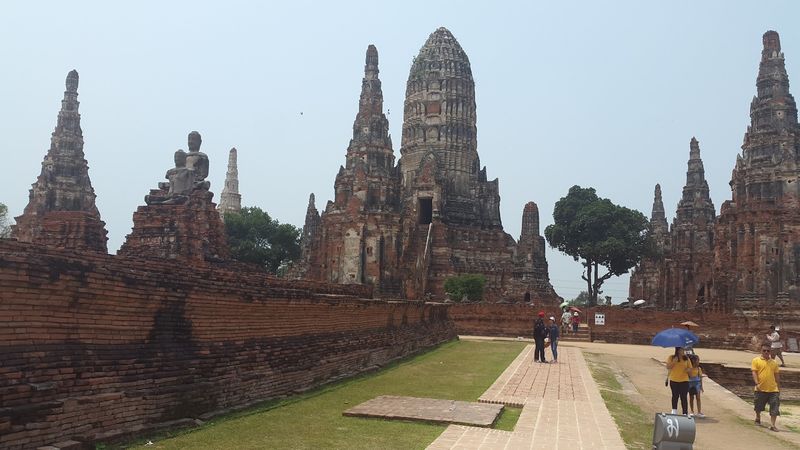
Thailand has been welcoming visitors with warmth and openness for generations, and the country’s reputation for friendliness is not just a tourism slogan. The smile holds deep cultural significance in Thai society.
It is used to express happiness, gratitude, apology, and even discomfort, making it a versatile and constant part of daily communication.
Thai culture places great importance on maintaining harmony and showing respect in social interactions. Greeting someone with a warm smile and a gentle bow, known as the wai, is a standard part of everyday life.
Visitors often comment that even brief interactions with strangers feel unusually warm and genuine.
The nickname has been used in Thai tourism campaigns since at least the 1980s and has become one of the most recognized travel slogans in Asia. While no country is without its complexities, Thailand’s reputation for hospitality has earned it a loyal base of repeat visitors from around the globe.
10. South Korea: The Land of Morning Calm
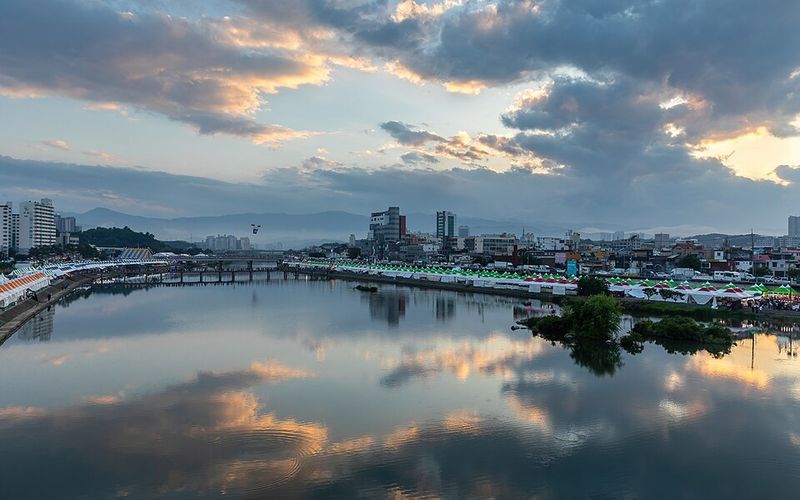
There is something almost poetic about South Korea’s nickname, and it comes straight from history. The phrase “Land of Morning Calm” is an English translation tied to the ancient Korean kingdom known as Joseon, which ruled the peninsula from 1392 to 1897.
Some interpretations of the name Joseon point to meanings related to morning and brightness.
The imagery of a calm, peaceful morning suited the kingdom’s self-image at the time. Korean culture traditionally valued Confucian ideals of order, balance, and harmony, all of which align with the quiet dignity of a still morning landscape.
Western writers and diplomats in the 19th century helped popularize the English version of the phrase, and it eventually became widely associated with Korea as a whole. Today, South Korea is known globally for its high-tech cities and pop culture, but the nickname remains a gentle reminder of the country’s deep and layered historical roots.
11. Bhutan: The Land of the Thunder Dragon
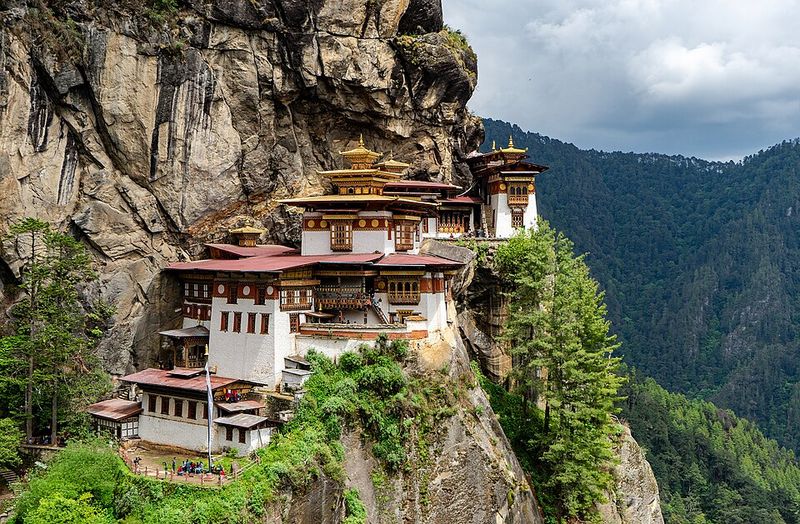
Bhutan’s traditional name, Druk Yul, translates directly to “Land of the Thunder Dragon” in the Dzongkha language. The thunder dragon, or Druk, is one of the most powerful symbols in Bhutanese culture and mythology.
It appears on the national flag, is referenced in the national anthem, and represents the country’s strength and spiritual identity.
The name has practical roots too. Bhutan’s location deep in the Himalayas means it experiences dramatic thunderstorms that roll through the mountain valleys with remarkable force.
Ancient Bhutanese people believed the roaring thunder was the voice of the dragon, giving the storms a mythological dimension that shaped the country’s name.
Bhutan remains one of the most isolated and carefully preserved nations in the world, limiting tourism to protect its culture and environment. That deliberate sense of mystery and tradition makes the Thunder Dragon nickname feel perfectly fitting for a kingdom that has always marched to its own beat.
12. Australia: The Land Down Under
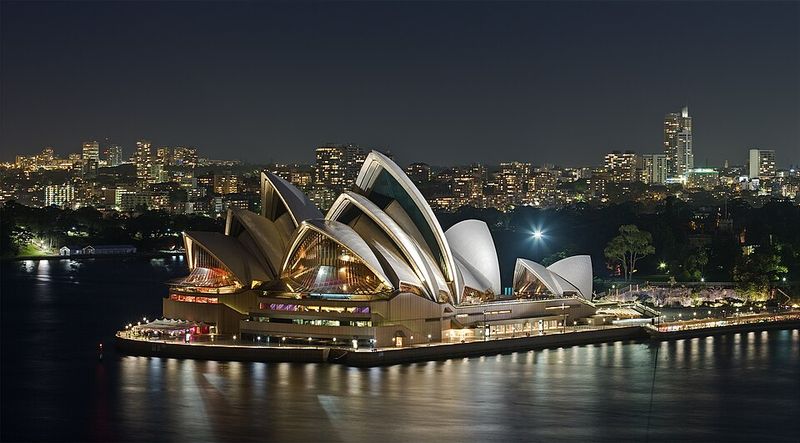
Flip a globe upside down and Australia suddenly appears at the top, which gives you a sense of why this nickname exists in the first place. From the perspective of Europe and North America, Australia sits at the very bottom of the world.
Sailors and travelers from the Northern Hemisphere who made the long voyage south often described it as going “down under” the equator.
The phrase started as a geographic description and gradually became a cultural identity. Australians have embraced it with characteristic humor and pride over the decades.
It appears in everything from tourism campaigns to song lyrics, most famously in the 1981 hit “Down Under” by the Australian band Men at Work.
Australia’s unique wildlife, vast outback, and laid-back culture have all added layers of meaning to the nickname over time. Today it represents not just a location on a map but an entire attitude, adventurous, sun-soaked, and proudly far from everywhere else.
13. China: The Middle Kingdom
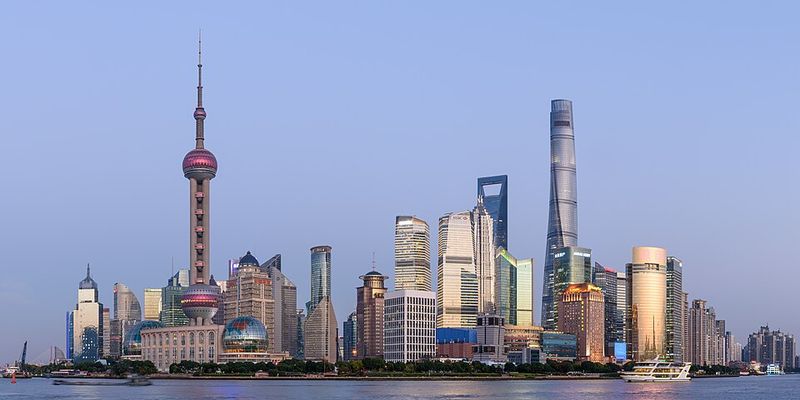
China’s nickname goes back thousands of years and comes directly from the country’s own name in Mandarin. Zhongguo, the Chinese word for China, literally means “Middle Kingdom” or “Central Kingdom.” The name reflected an ancient worldview in which China sat at the geographic and cultural center of civilization, surrounded by less developed territories on all sides.
This was not just arrogance. For much of early history, China was genuinely the most advanced civilization in the region.
It was a hub of trade, technology, art, and governance. The Silk Road connected China to the rest of the known world, reinforcing its central role in global exchange.
The concept of China as the middle of the world shaped its foreign policy and cultural identity for centuries. Even as global dynamics changed, the name stuck.
Today Zhongguo remains China’s official name in Mandarin, quietly carrying thousands of years of history in just two characters.
14. Cuba: The Pearl of the Antilles

Cuba earned its nickname through a combination of size, strategic location, and natural beauty that set it apart from every other island in the Caribbean. When Spanish colonizers arrived in the early 1500s, they quickly recognized that Cuba was no ordinary island.
Its large size, fertile land, and protected harbors made it the crown jewel of Spain’s Caribbean holdings.
The Antilles is the island chain that arcs from Cuba down through the Caribbean Sea, and Cuba is by far the largest island in the group. Havana became one of the most important ports in the entire Atlantic trade network, funneling gold, sugar, and goods between the Americas and Europe.
The nickname captures both the island’s physical beauty and its historical value. Cuba’s rich soil, tropical landscapes, and vibrant culture have made it a place that has fascinated outsiders for centuries.
Even today, the Pearl of the Antilles carries a sense of timeless allure that few other places can match.
15. Lebanon: The Switzerland of the Middle East
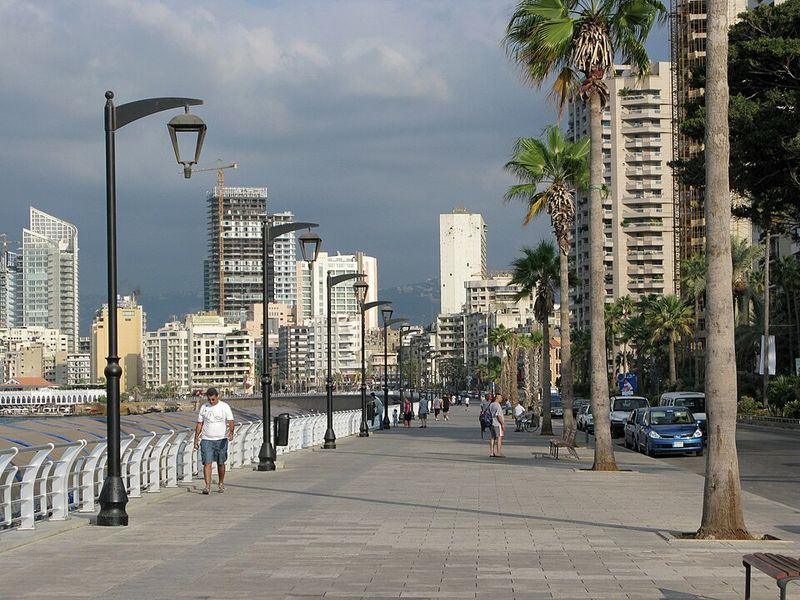
Before decades of conflict reshaped its reality, Lebanon was one of the most cosmopolitan and prosperous nations in the Middle East. Beirut was known as the Paris of the Middle East, and the country as a whole drew comparisons to Switzerland for reasons that went well beyond geography.
The Lebanese banking system was sophisticated, private, and internationally respected, much like Switzerland’s.
The mountain scenery added to the comparison in a very literal way. Lebanon has ski resorts in the mountains and beach resorts along the Mediterranean coast, sometimes within an hour’s drive of each other.
That mix of alpine landscapes and modern urban life reminded many visitors of Switzerland’s own blend of nature and refinement.
Lebanon also had a reputation for religious diversity, multiple languages, and a thriving arts and business scene. The nickname captured a golden era that many Lebanese still look back on with pride.
Efforts to rebuild and restore that legacy continue to this day.
Share this story