Not every trip ends with a “when can we go back?” feeling. Travel surveys have started revealing something honest: some U.S. cities, despite their size or fame, leave visitors with little urge to return.
Whether it is cost, crowds, traffic, or just unmet expectations, these destinations keep showing up on the wrong end of traveler polls. Here are 15 cities that, according to surveys, tourists may not be racing to revisit.
Detroit, Michigan
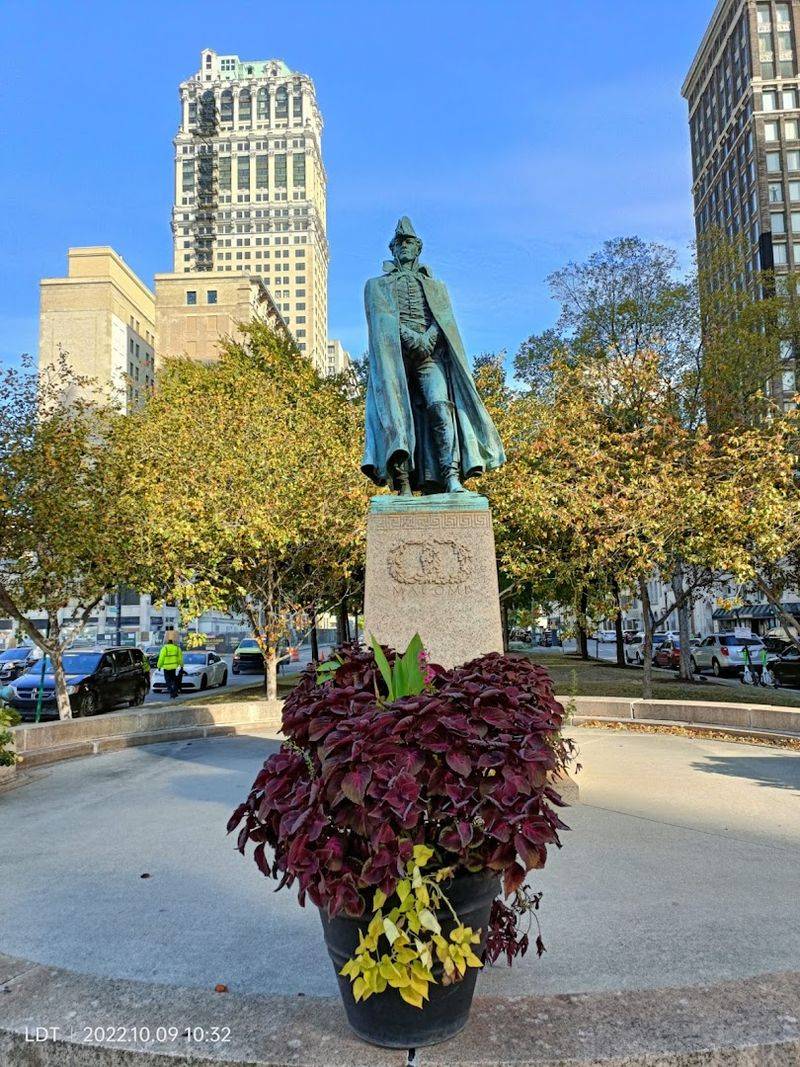
Detroit tops the list with 22.50% of survey respondents saying they would avoid it entirely. That is a heavy title to carry, especially for a city with genuine soul.
Detroit gave the world Motown, muscle cars, and some seriously underrated architecture.
Still, perception is a stubborn thing. Headlines about crime, urban decay, and bankruptcy have stuck around long after the city started rebuilding.
When tourists arrive expecting a warzone and find a gritty-but-growing city, the experience can feel confusing rather than charming.
The food scene is legitimately good, and the sports culture is fierce. But for first-time visitors without local guidance, Detroit can feel spread out and hard to navigate without a car.
Those who scratch the surface often leave impressed. Those who do not may never come back for a second look.
Detroit deserves more credit than it gets, but perception is still doing a lot of damage here.
Chicago, Illinois
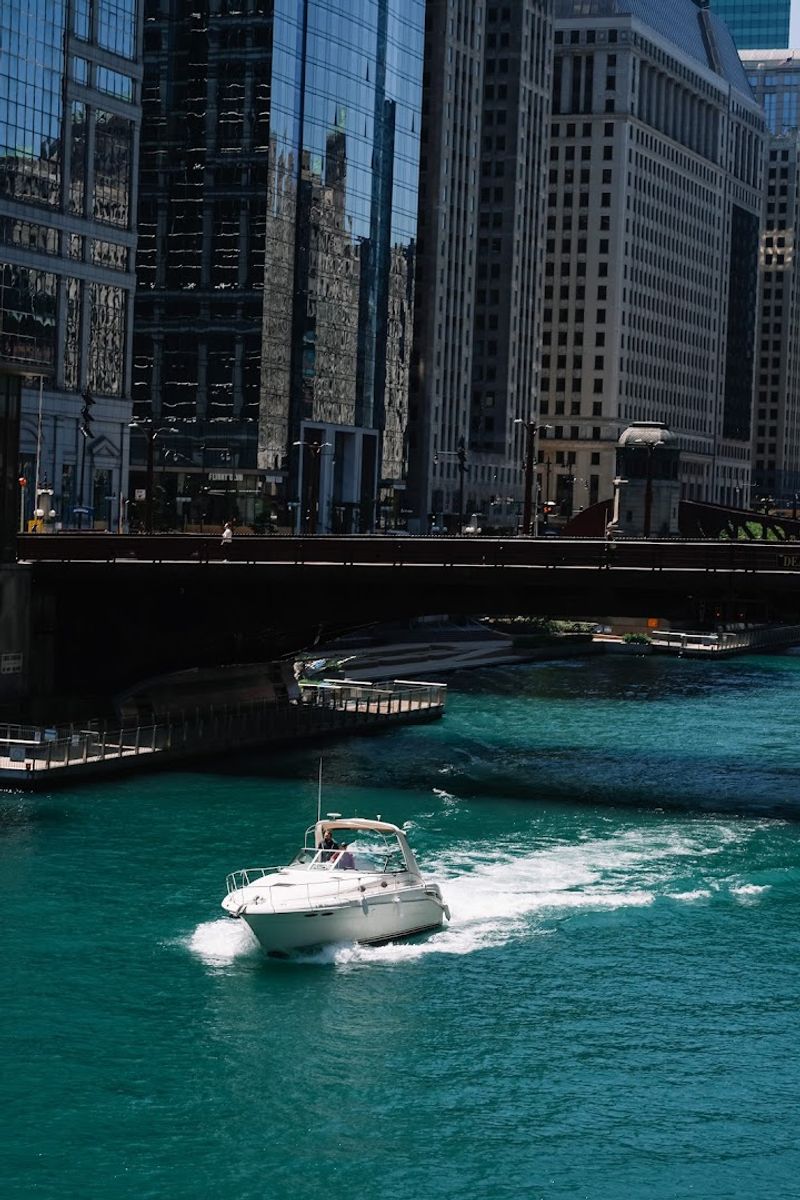
Second on the list, Chicago earned its spot with 21.71% of respondents saying they would skip it. That stings for a city with world-class architecture, deep-dish pizza, and a lakefront that genuinely earns its bragging rights.
The problem is the reputation Chicago cannot seem to shake. Crime headlines dominate national coverage, and brutal winters are not exactly a selling point in travel brochures.
I visited in January once, and let me tell you, the wind off Lake Michigan is not playing around.
Clever’s 2025 survey also ranked Chicago as the third least desirable major metro, which suggests these concerns go beyond just tourism. For many travelers, Chicago is a bucket-list city done right.
For others, the combination of cold weather, safety worries, and high costs makes a return trip a lower priority. The city is genuinely great, but it has a serious PR problem it has not solved yet.
Atlanta, Georgia
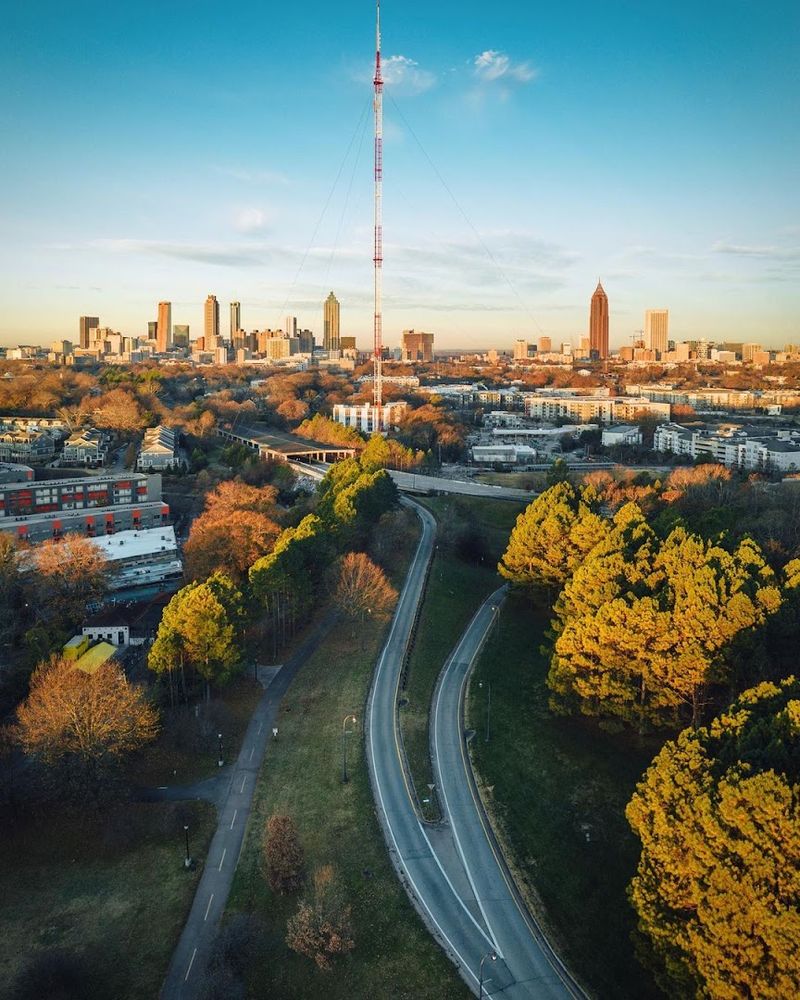
Atlanta ranked third, with 18.47% of Americans saying they would avoid it at all costs. For a city that hosts major film productions, has a legendary music scene, and serves as a civil rights landmark, that number is a tough pill to swallow.
Traffic is the big villain here. Atlanta’s gridlock is genuinely notorious, and for tourists without a local to guide them, getting around can feel like a full-time job.
Add in the sprawl, and a casual city break can quickly become an exhausting logistics puzzle.
Clever’s 2025 report also placed Atlanta among the 10 least desirable metros, even though it consistently ranks well in relocation and lifestyle surveys. That split tells you everything.
Locals and long-term residents love it. Short-term visitors who got stuck in traffic on I-285 for two hours may feel differently.
Atlanta rewards patience, but not every tourist has that kind of time to spare.
New York City, New York
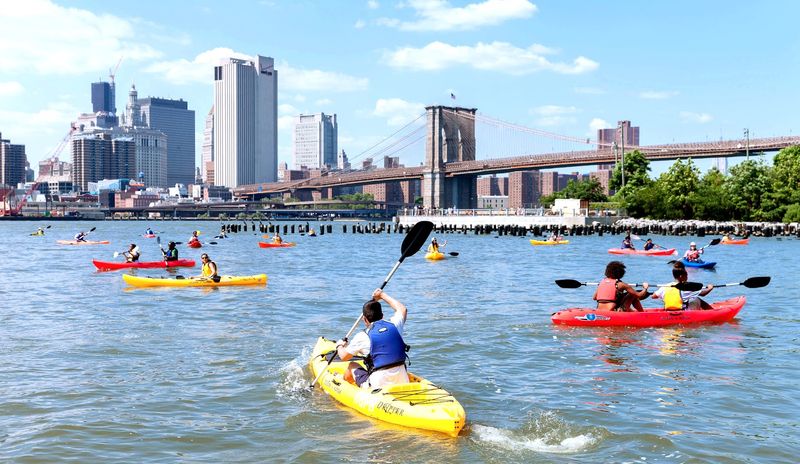
New York City at number four is genuinely surprising, with 18.07% of respondents choosing it as a destination to avoid. This is the city people spend years dreaming about visiting.
The issue is not a shortage of things to do. It is the full-body assault of actually being there.
Hotel rooms cost a fortune and are the size of a generous closet. Everything on the menu is pricier than expected.
The subway is loud, crowded, and occasionally confusing for first-timers. Times Square, which everyone visits once, is an experience best described as controlled chaos with neon lighting.
YouGov’s 2025 survey still shows New York City among the top domestic destinations Americans are planning to visit, so this is clearly a divided city. Half the country is counting down to their first trip.
The other half went once, spent too much money, got bumped by a stranger on the sidewalk, and quietly decided once was enough.
Baltimore, Maryland
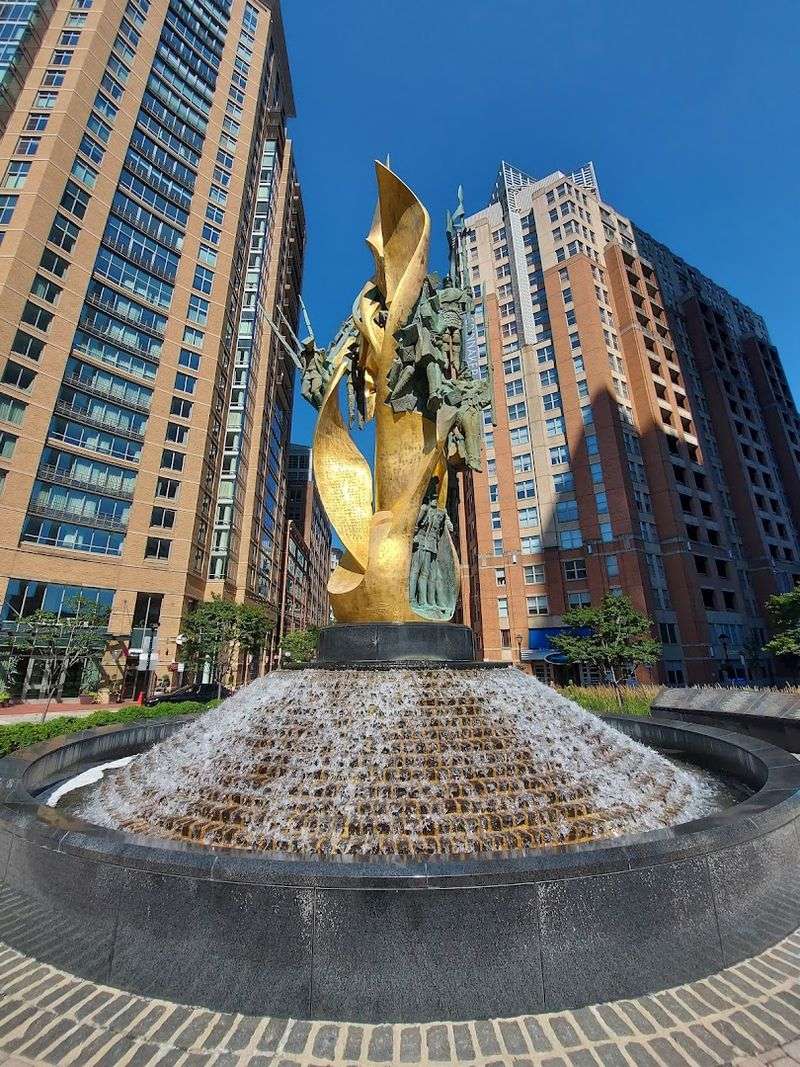
Baltimore ranked fifth, with 17.39% of respondents saying they would rather skip it. That is a tough number for a city with a charming waterfront, excellent seafood, strong neighborhood identity, and some genuinely underrated museums.
Safety concerns are the elephant in the room. Clever’s 2024 and 2025 surveys both placed Baltimore among the least desirable cities, with high crime listed as the top trait that makes any destination feel unwelcoming.
That reputation follows Baltimore everywhere, even as parts of the city have seen real investment and growth.
For cautious travelers, the perception alone can be a dealbreaker before they even book a flight. Those who do visit and stick to the Inner Harbor or Fells Point often leave pleasantly surprised.
But for someone whose first trip felt stressful or unsafe, a return visit is rarely at the top of the list. Baltimore has more to offer than its headlines suggest, but it has not yet won the perception battle.
Anaheim, California

Anaheim coming in sixth might raise eyebrows, considering it hosts one of the most visited theme parks on the planet. But 17.19% of respondents said they would avoid it, and that number makes more sense when you think about what the city actually offers beyond the mouse ears.
For many tourists, Anaheim is essentially a one-attraction destination. You go for Disneyland, you spend a small fortune, you stand in line for hours, and you leave exhausted.
WalletHub’s 2025 staycation ranking placed Anaheim near the bottom of more than 180 cities when judged on broader affordability and local leisure options.
Strip away the theme park, and Anaheim does not have the same pull as other California cities. No iconic beach, no buzzing downtown, no postcard scenery beyond the castle.
Visitors who built their entire trip around one expensive experience may come back for the park eventually, but they are probably not raving about the city itself.
San Francisco, California
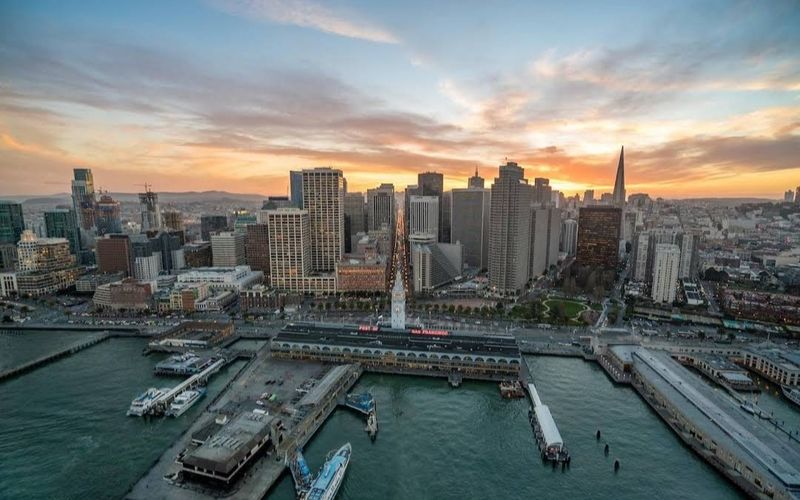
San Francisco ranked seventh, with 15.62% of respondents saying they would avoid it. That figure would have seemed unthinkable a decade ago for a city famous for its iconic bridge, sourdough bread, and some of the most photogenic streets in America.
The city’s reputation has taken a serious hit in recent years. Concerns about homelessness, property crime, and public disorder have dominated national headlines, and Clever’s 2025 survey named San Francisco the city Americans consider most “in decline.” That is a brutal label for a place that still has world-class food and genuinely stunning scenery.
Costs are also brutal. Hotel rooms, restaurant bills, and basic expenses in San Francisco can shock even well-traveled visitors.
Tourists who arrive expecting the Golden Gate and leave dealing with sticker shock and street-level struggles may not feel compelled to return quickly. The magic is still there for those who find it, but the effort required has increased considerably.
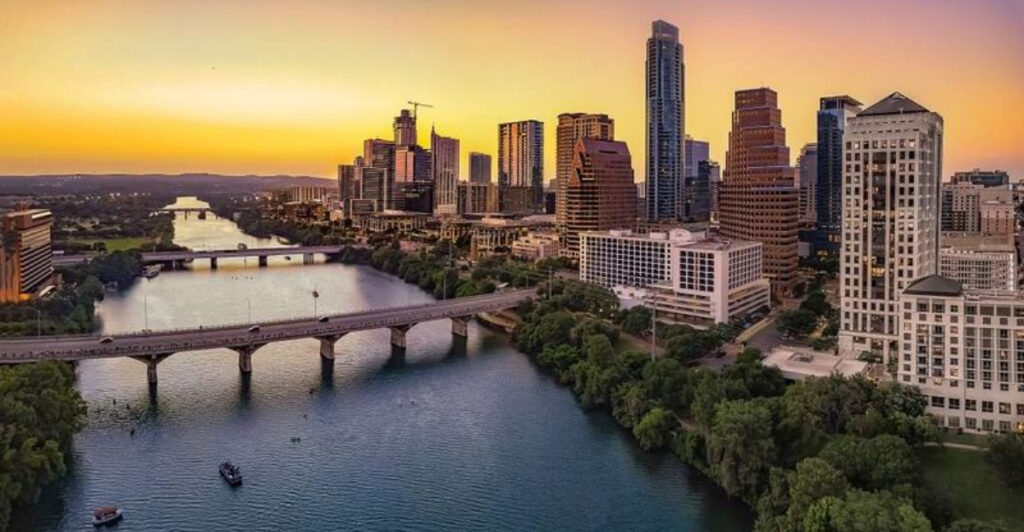
Austin, Texas
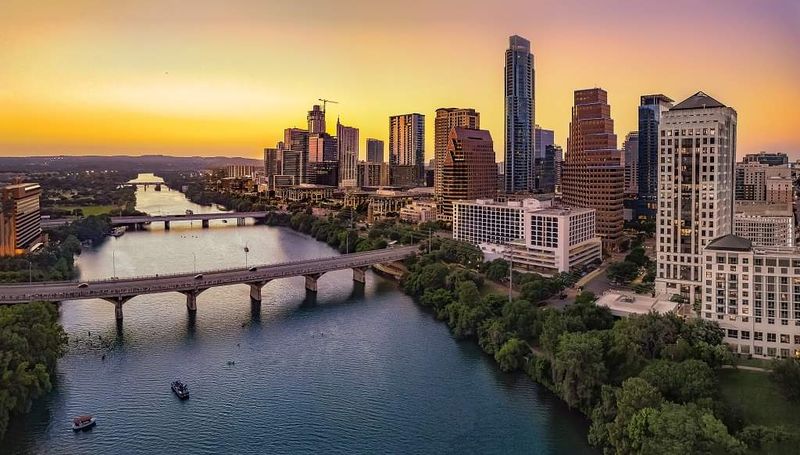
Austin at number eight surprises a lot of people. With a music-festival reputation, a beloved food scene, and a “Keep Austin Weird” motto that practically markets itself, 15.42% saying they would avoid it feels like a betrayal of the brand.
The problem is that Austin grew up fast and got expensive in the process. What was once a laid-back, affordable city with a cool indie vibe is now dealing with serious traffic, rising hotel prices, and the kind of crowds that make the famous Sixth Street feel more overwhelming than fun.
High expectations also play a role. Travelers who arrive chasing the quirky, effortless Austin of legend sometimes find a city that feels more like a hyped-up boomtown than a chill music destination.
When the reality does not match the marketing, tourists notice. Austin is still a good time, but it is no longer the hidden gem it once was, and some visitors leave feeling like they missed the best years.
Miami, Florida
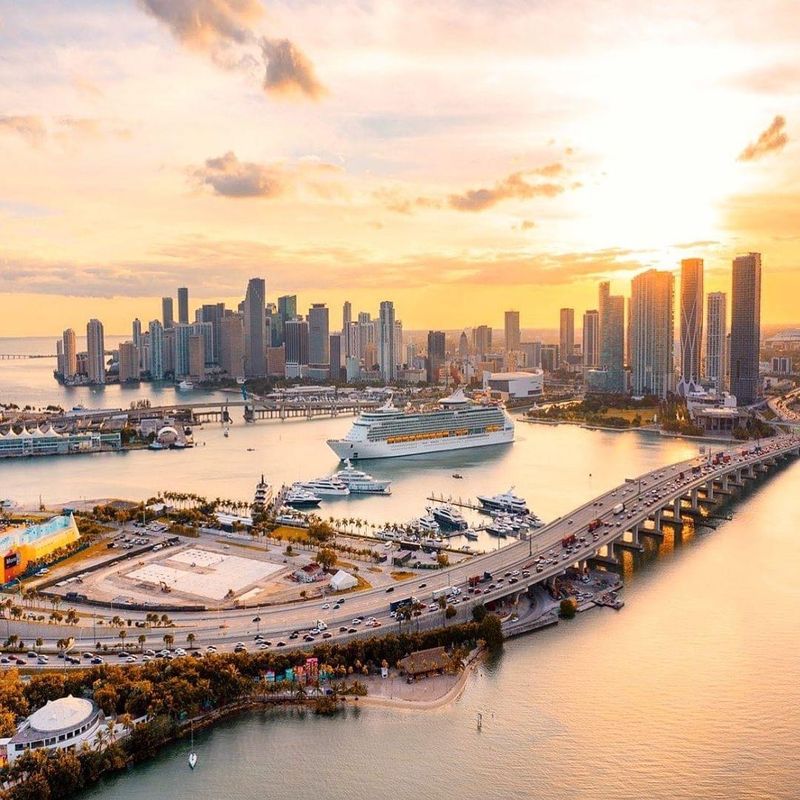
Miami came in ninth, with 14.83% of respondents saying they would skip it. Mental Floss also flagged Miami among the lowest-rated major cities based on Tripadvisor attraction data, which is a notable signal from actual visitors leaving reviews.
On paper, Miami has everything. Beaches, nightlife, world-class food, vibrant art scenes, and weather that makes the rest of the country jealous in February.
In practice, it can also be expensive, chaotic, and surprisingly hard to enjoy casually without a very specific plan.
Resort fees sneak onto hotel bills. Parking is a full-contact sport.
The humidity in summer is relentless. Traffic tests patience at every turn.
Miami rewards visitors who know exactly what they want from it, but those who show up expecting a breezy, affordable beach holiday can leave feeling financially bruised. It is a spectacular city for the right traveler, but it does not always make the return trip feel like an obvious choice.
Dallas, Texas
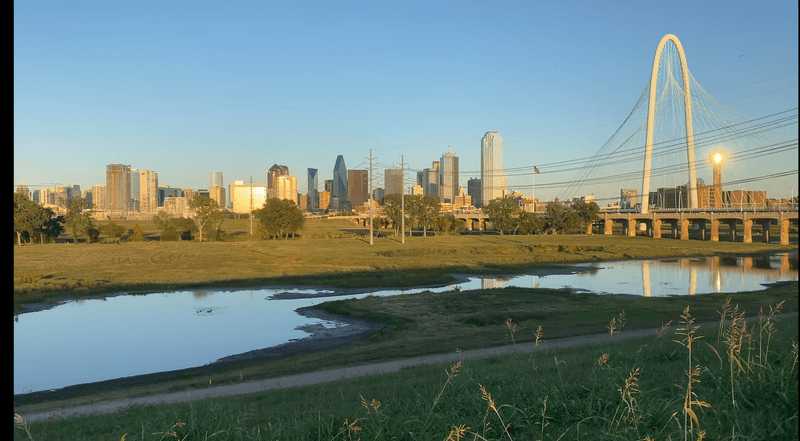
Dallas tied for tenth with 14.34% of respondents saying they would avoid it. The city has strong shopping, solid sports culture, a growing restaurant scene, and more museums than most people expect.
So why does it land on this list?
Sprawl is the honest answer. Dallas is enormous, car-dependent, and spread across a metro area that requires real planning to navigate as a tourist.
Visitors expecting a compact, walkable city experience often find themselves driving thirty minutes between attractions on highways that feel endless.
That experience can make Dallas feel like a business trip even when it is supposed to be a vacation. The city works brilliantly for people attending conventions, visiting family, or following a sports team.
For the leisure traveler who just wants to wander and stumble onto great things, Dallas demands more effort than it first appears to. Once was fine.
A second trip requires a very specific reason to return.
Jacksonville, Florida
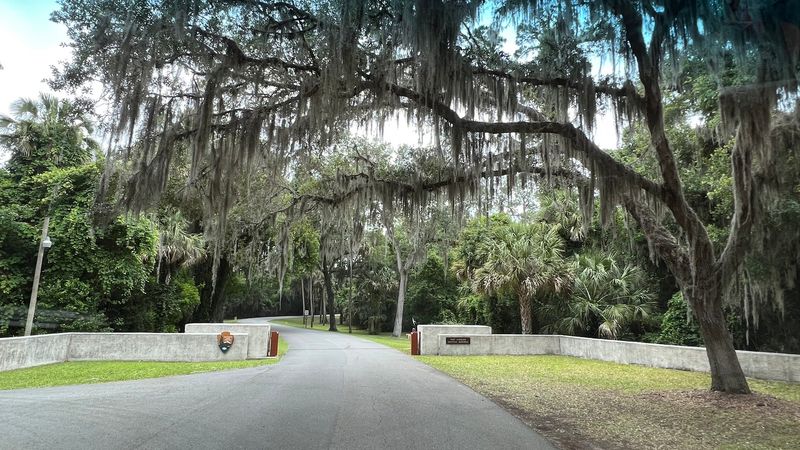
Jacksonville tied with Dallas at 14.34%, which is notable because it does not carry the same name recognition as most cities on this list. It is Florida’s largest city by area, which is both impressive and part of the problem.
The city has beaches, a riverfront, parks, and outdoor activities, but it lacks the clear tourist identity that places like Miami, Orlando, or Key West project effortlessly. Visitors who arrive without a detailed plan can find the size and spread of Jacksonville more disorienting than delightful.
There is a version of Jacksonville that works really well for travelers who want a slower, less commercialized Florida experience. But tourists chasing the classic Sunshine State energy may leave feeling like they chose the wrong city.
The absence of a strong repeat-visit hook hurts Jacksonville here. It is not that the city is unpleasant.
It simply does not always give tourists a compelling reason to come back for more.
Los Angeles, California
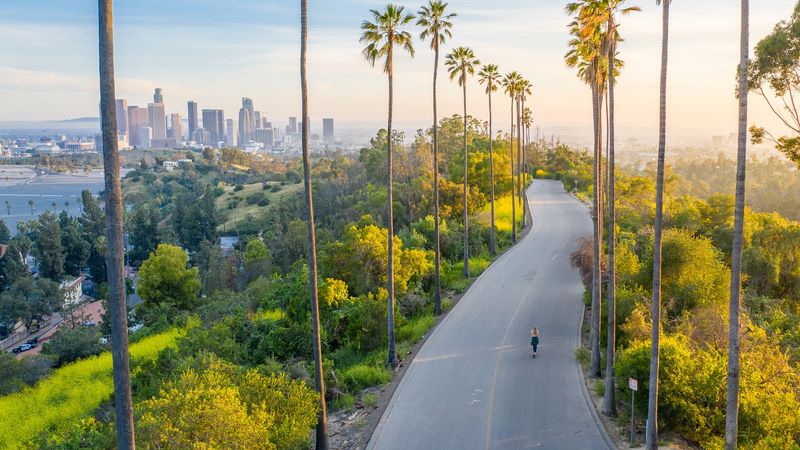
Los Angeles ranked twelfth, with 14.15% of respondents saying they would avoid it. It also appeared on Mental Floss’s list of most disliked U.S. cities based on Tripadvisor data, and Clever listed it among the least desirable metros in 2025.
That is quite a trifecta for a city that literally sells dreams for a living.
The gap between Hollywood fantasy and Los Angeles reality is wider than most tourists expect. Traffic is legendary in the worst way.
Parking costs are offensive. Distances between attractions require serious commitment.
A hotel near the beach and a restaurant in Silver Lake might as well be in different cities.
First-time visitors often leave with a complicated relationship with L.A. The highs are genuinely high.
The lows, which usually involve a freeway at rush hour, are genuinely demoralizing. Many people love it anyway.
But those who felt the city was more exhausting than enjoyable may happily cross it off the return list without much regret.
Houston, Texas
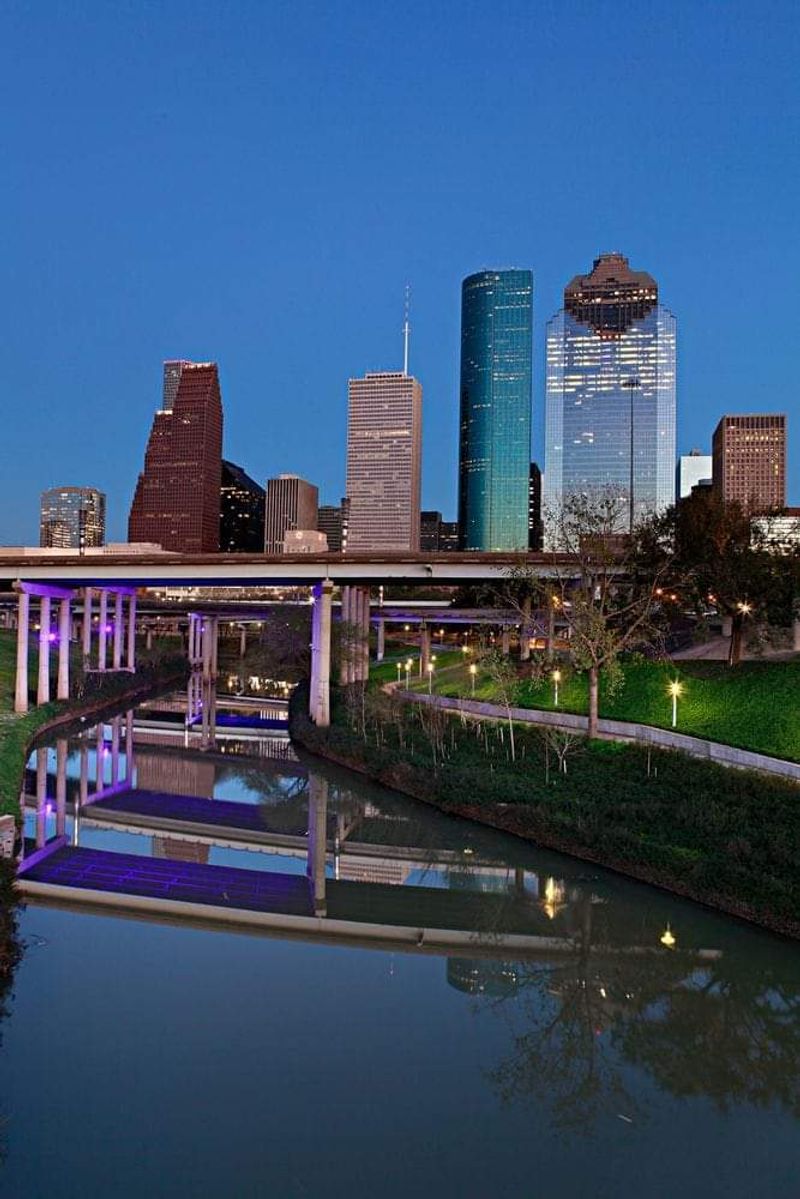
Houston ranked thirteenth, with 13.16% of respondents saying they would skip it. That is somewhat surprising given that Houston has one of the most genuinely diverse and exciting food scenes in the entire country.
The city is also home to NASA’s Johnson Space Center, which is a legitimately cool attraction that does not get nearly enough attention.
The challenge is the package deal. Houston is enormous, flat, car-dependent, and hot in a way that feels personal.
Summer temperatures and humidity levels make outdoor exploration feel less like tourism and more like a survival exercise.
For visitors without a local to show them the good parts, Houston can feel like one long highway connecting shopping centers. Those who find the right neighborhoods, the right restaurants, and the right museums often leave impressed.
But the city does not exactly make itself easy to love on a short visit. A second trip usually requires a specific pull, not just general curiosity.
San Jose, California
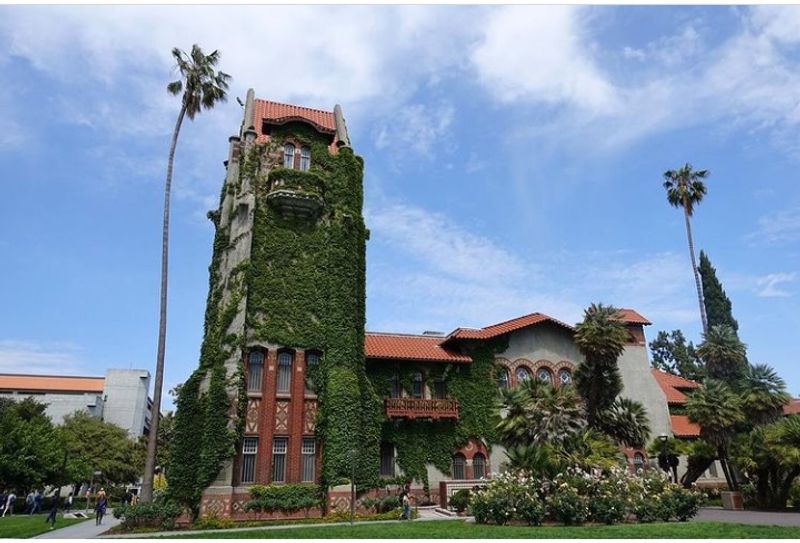
San Jose ranked fourteenth, with 11.69% of respondents saying they would avoid it. As the economic engine of Silicon Valley, San Jose is undeniably important.
As a tourist destination, it has always had a harder time making its case.
The city has good restaurants, museums, and access to the broader Bay Area, but it lacks the dramatic scenery of San Francisco, the beach culture of Southern California, and the wine-country romance of Napa. Travelers who come expecting postcard California moments can leave feeling like they visited a very expensive suburb with great tech campuses.
Bay Area costs do not help either. Spending serious money on hotels and meals in a city that does not immediately wow you is a recipe for a lukewarm review.
San Jose is a perfectly functional city, and tech enthusiasts may genuinely enjoy it. But for the average leisure traveler, it is the kind of place that ends up as a layover rather than a destination, and the survey numbers reflect that honestly.
Sacramento, California

Sacramento closes the list at fifteenth, with 11.49% of respondents saying they would avoid it. California’s capital has history, a farm-to-fork food culture that genuinely deserves more attention, and easy access to wine country and the Sierra Nevada mountains.
The problem is not that Sacramento is bad. The problem is that it is next to California.
Competing with San Francisco, Los Angeles, San Diego, and a coastline that runs for hundreds of miles is a tough assignment for any city. Sacramento often ends up as a detour rather than a destination.
Tourists who visit and lean into the Old Town, the food scene, and the river access often leave pleasantly surprised. But those who expected the full California experience and got a mid-sized government town may not feel the urgency to return.
Sacramento is the kind of city that rewards travelers who research it properly. For everyone else, the bigger names on the California map tend to win the booking battle every single time.
Share this story