Some city skylines are so distinct that you could spot them on a postcard, a movie poster, or even a blurry phone screen and know exactly where you are. From towering skyscrapers to waterfront silhouettes, these urban backdrops have become symbols of American identity.
I once flipped through an old travel magazine and correctly named every skyline before reading the captions. That little game made me realize just how deeply these cityscapes are burned into our collective memory.
New York City, New York
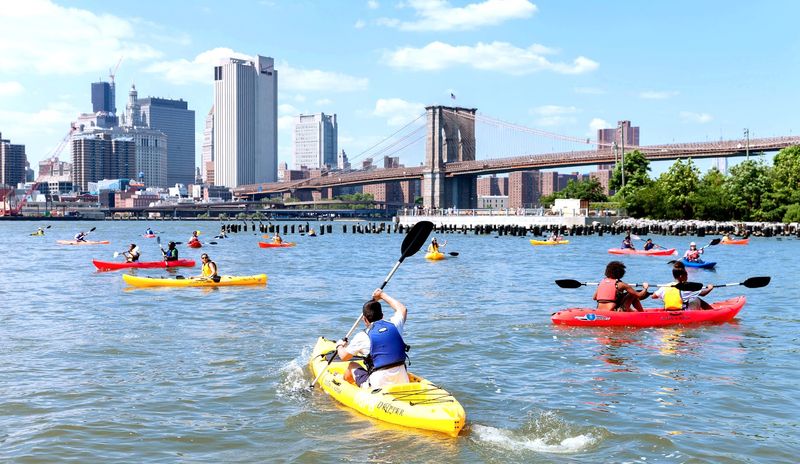
No skyline on Earth carries more weight than New York City’s. The Empire State Building alone has starred in more films than most A-list actors.
Manhattan’s grid of glass and steel towers over the Hudson River like it owns the place, which, honestly, it kind of does. Every borough adds its own flavor, but that midtown cluster is pure, unmistakable New York.
One World Trade Center now anchors the lower Manhattan skyline with quiet power. Standing at 1,776 feet, its height is a deliberate nod to American independence.
Tourists and locals alike stop mid-sidewalk to look up, which says everything about how commanding this skyline really is.
Fun fact: New York City has over 7,000 high-rise buildings. That is more than any other city in the Western Hemisphere.
The skyline literally never stops growing.
Chicago, Illinois
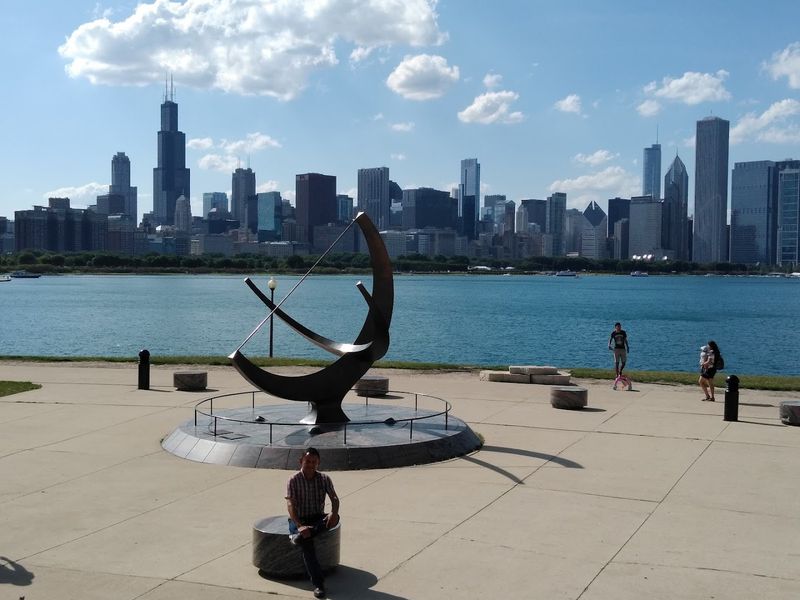
Chicago does not just have a skyline. It practically invented the modern one.
The city rebuilt itself after the Great Fire of 1871 and decided to go straight up.
Willis Tower, formerly known as the Sears Tower, held the title of world’s tallest building for over two decades. The John Hancock Center adds that unmistakable X-brace silhouette that makes architects weak in the knees.
What makes Chicago’s skyline extra special is Lake Michigan. The water acts like a giant mirror, doubling the drama at sunrise and sunset.
I have seen photos taken from Navy Pier that look almost too good to be real.
Chicago’s skyline is also a living architecture textbook. You can spot Art Deco, modernist, and postmodern styles all crammed into a few city blocks.
It is equal parts beautiful and nerdy, which is a combination I fully respect.
Seattle, Washington
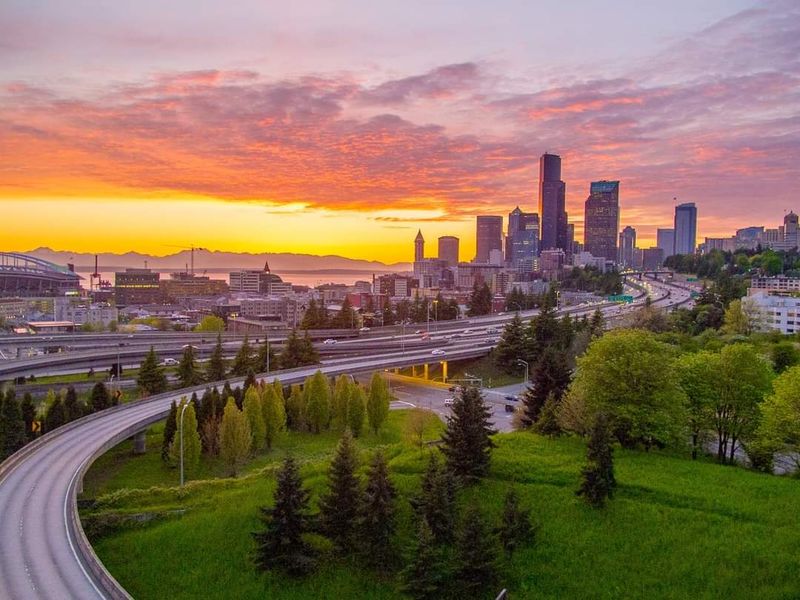
Seattle has a secret weapon that most cities can only dream about: a giant volcano in the background. Mount Rainier looms behind the skyline like nature showing off.
The Space Needle is Seattle’s most recognized landmark, and rightfully so. Built for the 1962 World’s Fair, it still looks like something out of a science fiction film.
On a clear day, it stands against the sky like a retro-futuristic lollipop, and I mean that as the highest compliment.
Elliott Bay adds a nautical charm to the whole scene. The waterfront, the ferries, and the distant Olympic Mountains make Seattle’s skyline feel almost cinematic.
It is moody, dramatic, and effortlessly cool.
Seattle has also been growing fast. New skyscrapers keep popping up around the original core, but the Space Needle remains the anchor that ties it all together.
No other city has a skyline quite like this one.
San Francisco, California
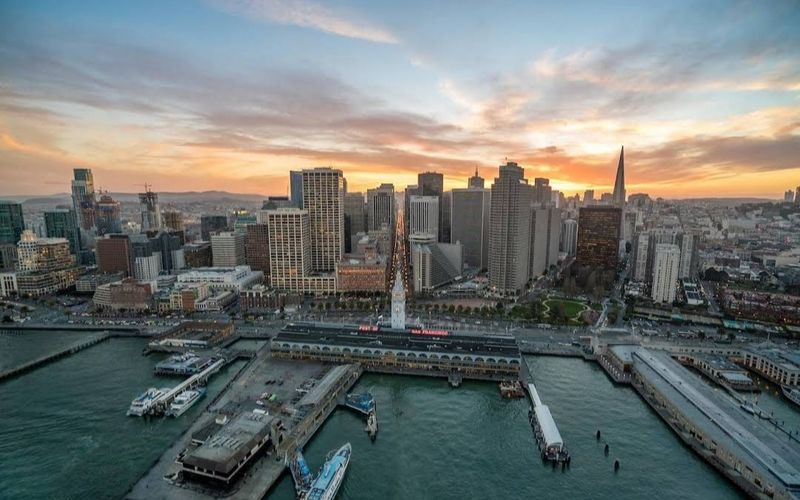
San Francisco has a skyline that earned its reputation the hard way. Built on hills, fog, and sheer stubbornness, this city refuses to look ordinary from any angle.
The Transamerica Pyramid is the crown jewel, a pointy little icon that has graced a million postcards. Next to it, the newer Salesforce Tower now stands as the tallest building in the city, adding a sleek modern contrast.
The Bay Bridge stretching toward Oakland gives the skyline a horizontal drama that most cities lack. When the fog rolls in and only the tops of buildings poke through, the effect is genuinely breathtaking.
San Francisco’s skyline is also famously compact. Unlike New York or Chicago, it is not trying to touch the sky at every corner.
That restraint, partly due to earthquake regulations, gives it a unique, approachable character. It is a skyline that feels like it belongs to real people.
Miami, Florida
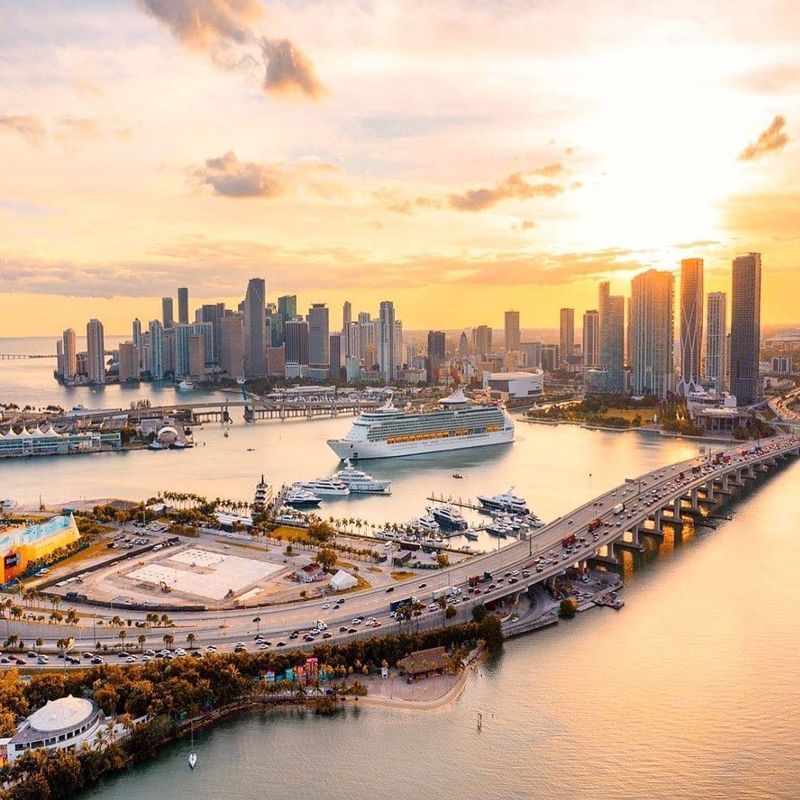
Miami’s skyline looks like it was designed by someone who had too much fun and zero regrets. The buildings are bold, the colors are vivid, and the whole thing glows at night like a neon fever dream.
Brickell, Miami’s financial district, has exploded with new towers over the past two decades. The skyline is now one of the most dramatic in the South, packed with glass high-rises that shimmer over Biscayne Bay.
What sets Miami apart is the tropical backdrop. Palm trees, turquoise water, and year-round sunshine make the skyline feel like a postcard that also happens to be a real place.
I once saw it from a boat at sunset and almost dropped my camera.
Miami’s skyline also reflects its cultural identity: flashy, diverse, and unapologetically vibrant. It is a city that dresses up every single day, and its buildings follow the same philosophy.
Zero subtlety, maximum impact.
Los Angeles, California
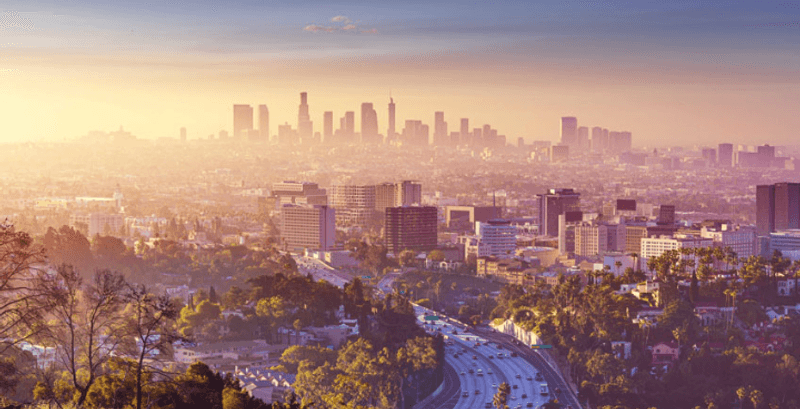
Los Angeles has a skyline that took decades to take seriously, and now it demands your full attention. For a city famous for sprawl, downtown LA packs a surprisingly punchy vertical punch.
The US Bank Tower, once the tallest building on the West Coast, anchors the cluster with authority. The surrounding mix of glass towers has transformed downtown into a legitimate skyline rather than just a collection of office parks.
What makes LA’s skyline unforgettable is the context. The Hollywood Hills loom behind it.
The Pacific Ocean sits not far to the west. On a rare smog-free day, you can see the mountains from downtown, which is genuinely wild for a major city.
Los Angeles is also one of the few cities where the skyline keeps surprising you. It looks completely different from every freeway, every hill, every rooftop.
There is no single definitive angle, which somehow makes it even more iconic.
Dallas, Texas
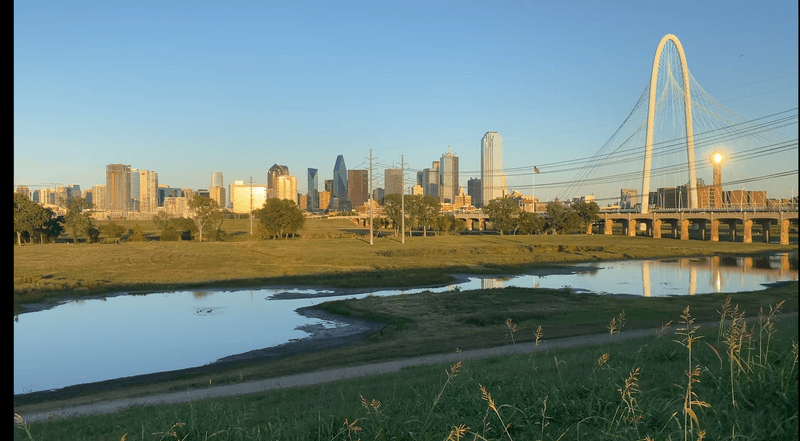
Everything is bigger in Texas, and Dallas took that motto personally. The skyline shoots straight up from the flat North Texas plains with absolutely no apology.
Reunion Tower is the city’s most recognizable landmark, a geodesic sphere perched on a tall stem that lights up at night like a disco ball with ambitions. It has anchored the Dallas skyline since 1978 and still draws every eye in the frame.
Bank of America Plaza, covered in a green argon lighting system, adds a dramatic glow after dark. The whole skyline comes alive at night in a way that feels almost theatrical.
Dallas knows how to put on a show.
The city has also been one of the fastest-growing in the country, and the skyline reflects that energy. New towers keep rising, but the core identity stays the same: tall, proud, and unmistakably Texan.
You always know you are looking at Dallas.
Houston, Texas
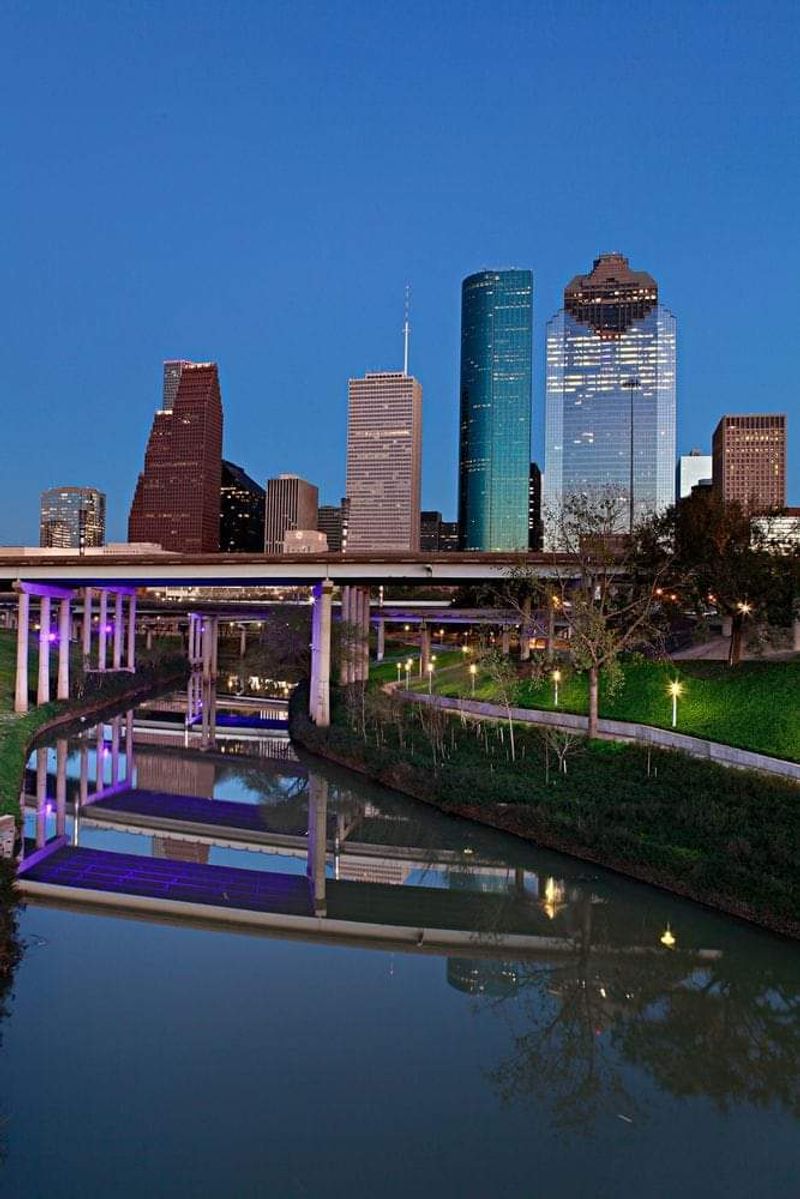
Houston is the fourth-largest city in the United States, and its skyline is not shy about making that point known. The downtown cluster is dense, tall, and all business.
JPMorgan Chase Tower, formerly known as Texas Commerce Tower, stands as the tallest building in Texas. At 75 stories, it commands the skyline with a quiet confidence that says it has seen everything.
Houston does not need flashy gimmicks when the sheer scale does the talking.
What surprises most visitors is how defined the Houston skyline actually is. The city is famous for its suburban sprawl, so the concentrated downtown core feels almost unexpected.
It rises out of flat terrain like a declaration of intent.
Houston also has one of the most diverse populations in the country, and that energy feeds into the city’s constant growth. New towers keep the skyline evolving, making it a snapshot of a city that is always in motion and never quite finished.
Atlanta, Georgia
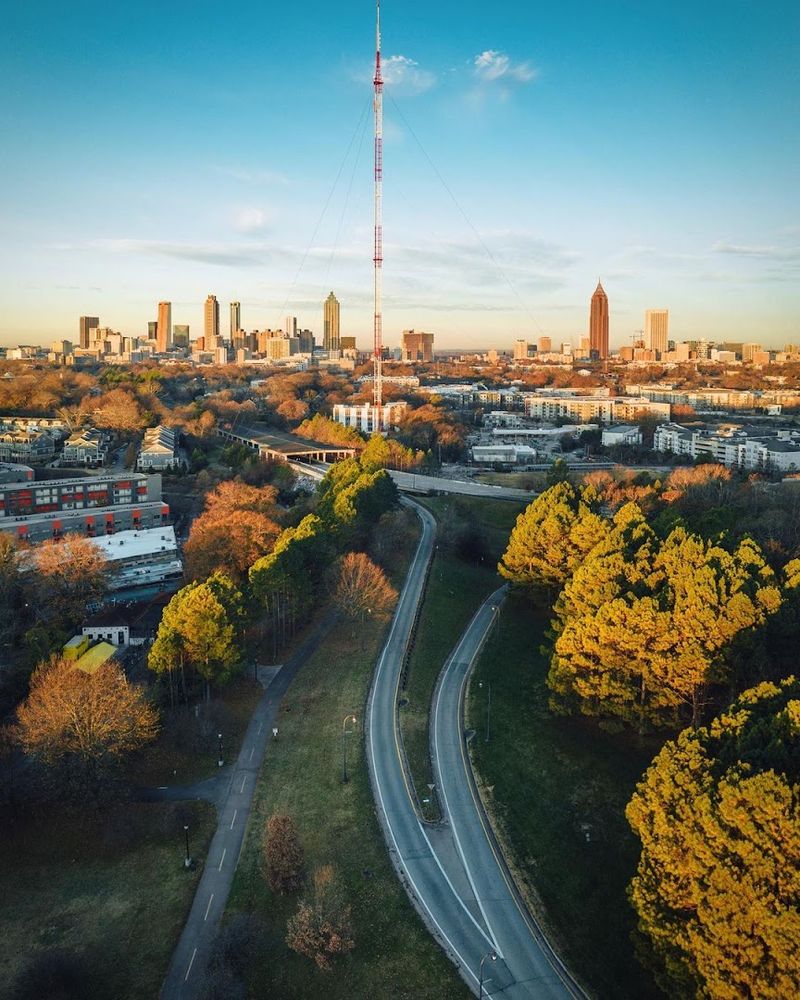
Atlanta’s skyline rose from the ashes, literally. Sherman burned the city during the Civil War, and Atlanta rebuilt itself into one of the most recognizable skylines in the American South.
Bank of America Plaza, with its distinctive golden spire, is the crown of the Atlanta skyline. That spire lights up at night and has become the city’s signature silhouette.
The Westin Peachtree Plaza, a cylindrical glass tower, adds a futuristic contrast right next to it.
Atlanta is also a major film and television production hub, so its skyline has appeared in more movies and TV shows than most people realize. I started noticing it in background shots constantly once I knew what to look for.
The city’s skyline keeps growing thanks to a booming economy and a steady wave of new residents. Cranes are practically part of the Atlanta scenery at this point.
It is a skyline that reflects a city with serious momentum.
Boston, Massachusetts
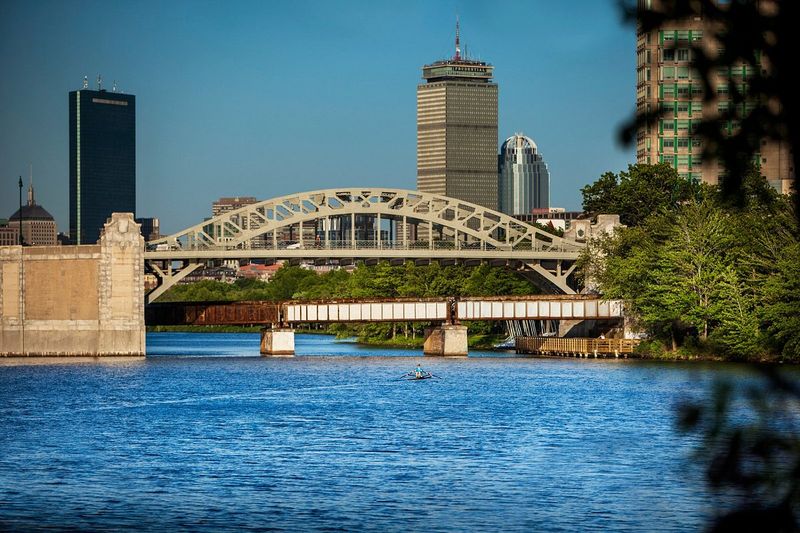
Boston is one of the oldest cities in America, but its skyline blends history and modernity in a way that feels completely natural. Old brick neighborhoods and gleaming glass towers somehow coexist without arguing.
The John Hancock Tower, now called 200 Clarendon, is Boston’s tallest building and one of the most elegant skyscrapers in the country. Its mirror-glass facade reflects the sky and the historic Trinity Church below it, creating a visual conversation between centuries.
The Prudential Center anchors the Back Bay skyline and has been a Boston landmark since 1964. Together, these two towers give the city its most recognizable profile.
Viewing them from the Charles River on a fall day is genuinely one of the best skyline experiences in the country.
Boston’s skyline is also compact and approachable. It does not try to overwhelm you.
Instead, it invites you in, which feels very on-brand for a city that prides itself on being walkable and deeply human in scale.
Philadelphia, Pennsylvania
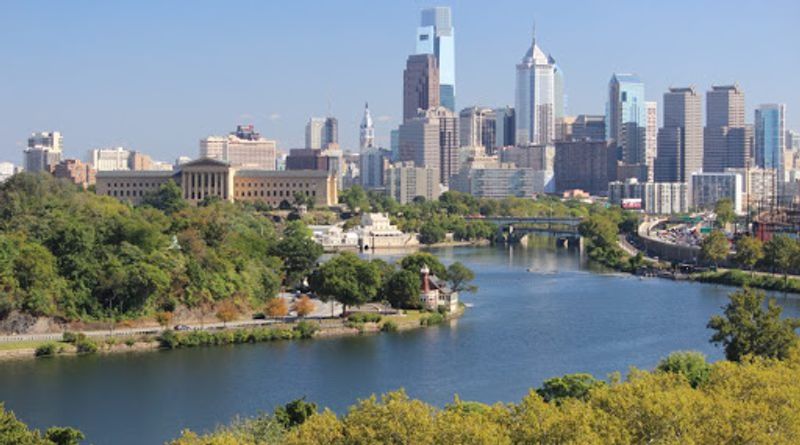
Philadelphia has a skyline with a rule built right into it. For decades, no building was allowed to rise above the hat of the William Penn statue on City Hall.
That gentleman’s agreement shaped the entire city profile.
One Liberty Place broke that tradition in 1987, and Philadelphia has never looked back. The twin Liberty Place towers now define the skyline with their Art Deco-meets-modern aesthetic.
They are elegant, pointed, and genuinely beautiful against a sunset sky.
The Delaware River gives the skyline a great viewing angle from New Jersey, which is one of the best-kept secrets in the area. The reflection on the water at dusk turns the whole scene into something almost painterly.
Philadelphia also carries serious historical weight. Knowing that the skyline rises just blocks from Independence Hall adds a layer of meaning that few other cities can match.
It is a skyline that stands on top of real American history, and that matters.
Denver, Colorado
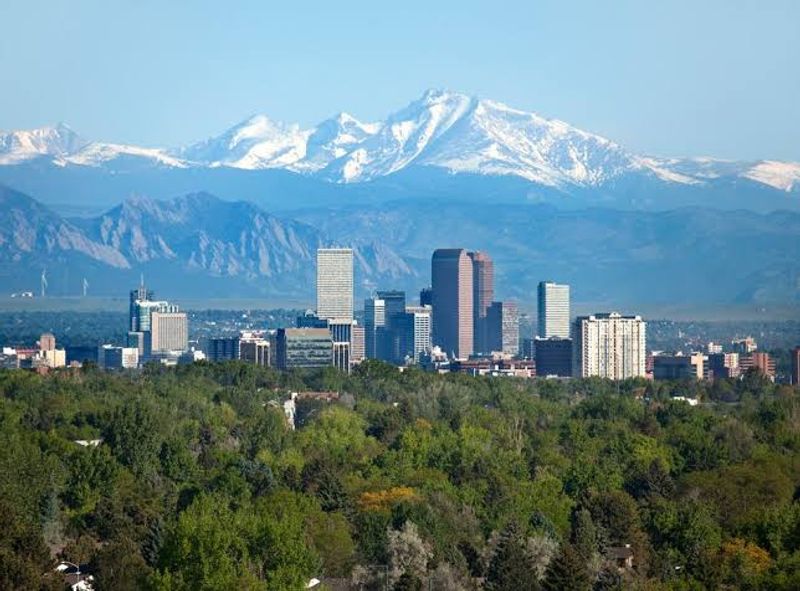
Denver has the single best skyline backdrop in the entire country, and it did not have to build a thing to earn it. The Rocky Mountains just sit there behind the city, doing all the heavy lifting.
The downtown skyline itself is solid and growing fast. The Republic Plaza is the tallest building in Colorado, and the cluster of towers around it has expanded significantly over the past decade.
Denver is booming, and the skyline proves it.
What makes Denver’s profile truly special is the contrast. Glass and steel in front, ancient snow-capped peaks behind.
On a clear day, that combination looks almost digitally enhanced. I have shown people photos and had them ask if it was a composite image.
Denver sits exactly one mile above sea level, earning its Mile High City nickname. That elevation means the air is thinner, the sky is bluer, and the mountains look even closer than they actually are.
The skyline benefits from all of it.
Nashville, Tennessee
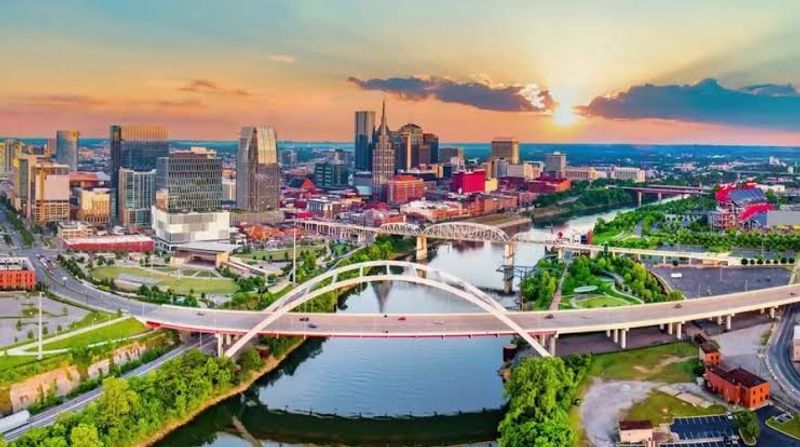
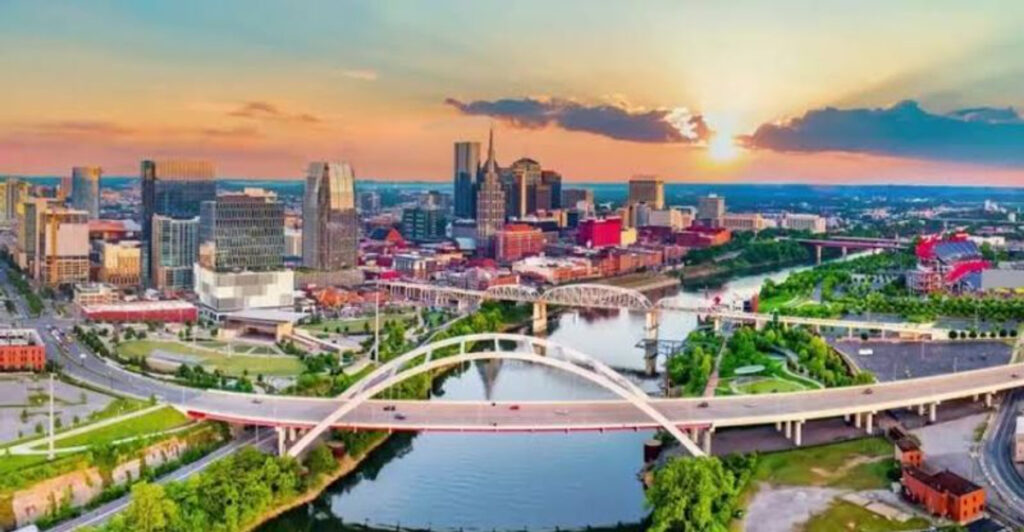
Nashville’s skyline has a superhero in it, and that is not a metaphor. The AT&T Building, nicknamed the Batman Building due to its twin antenna spires, is one of the most recognizable and delightfully weird skyscrapers in America.
The rest of the Nashville skyline has been growing at a jaw-dropping pace. The city has been one of the fastest-growing in the country for years, and new towers seem to appear overnight.
The skyline today looks nothing like it did just fifteen years ago.
The Cumberland River curves around the eastern edge of downtown, giving the skyline a gorgeous waterfront dimension. At night, the reflections on the river turn the whole scene into something that looks more like a music video than a real city.
Nashville also carries a cultural identity that few skylines can match. Country music, hot chicken, and now a booming tech scene all live under those spires.
It is a skyline that sounds as good as it looks.
Minneapolis, Minnesota
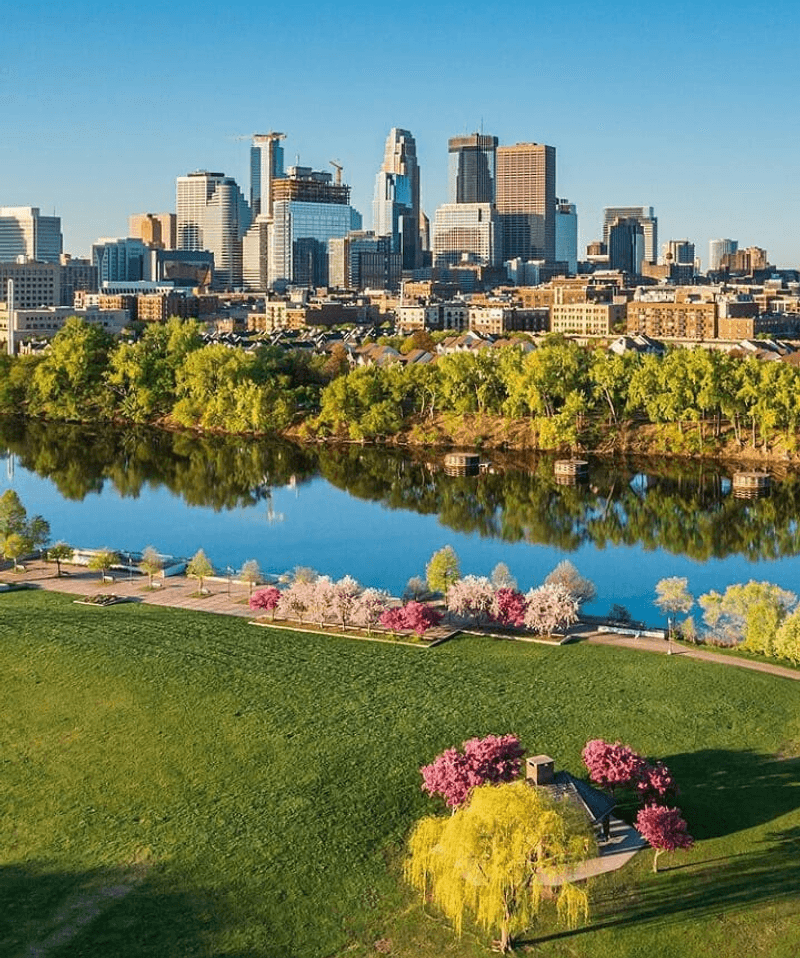
Minneapolis pulls off something most cold-weather cities fail at: it has a skyline that looks genuinely warm and inviting even when it is minus ten degrees outside. That takes real architectural talent.
The IDS Center has been the city’s tallest building since 1972 and remains the anchor of the downtown skyline. Its crystal-like facade catches light in a way that makes it look different at every hour of the day.
The nearby Foshay Tower, an Art Deco gem from 1929, adds historic charm right next to the modern glass towers.
The Mississippi River and Stone Arch Bridge in the foreground give the Minneapolis skyline a postcard-worthy framing. It is one of those cities where the waterfront and the skyline work together rather than competing.
Minneapolis also has the most extensive skyway system in the world, connecting 80 city blocks indoors. That means the city thrives underground in winter while the skyline above stays sharp and beautiful no matter the season.
Pittsburgh, Pennsylvania
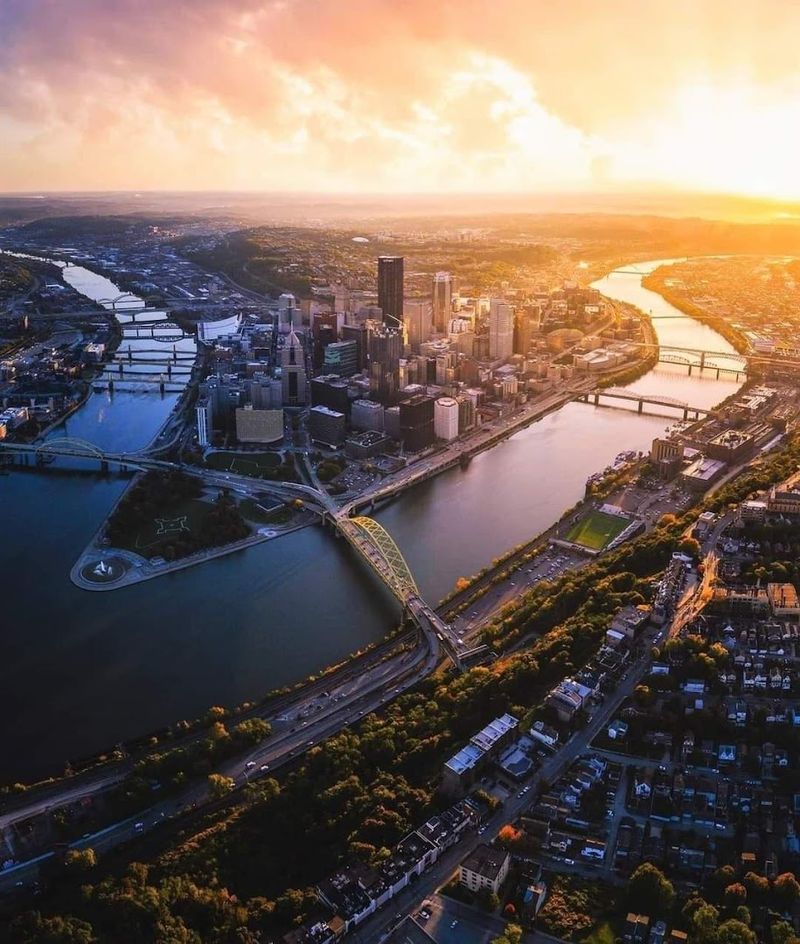
Pittsburgh might be the most underrated skyline in America, and I will stand by that claim all day. The Golden Triangle, where three rivers meet, frames the city in a way that no urban planner could ever engineer on purpose.
The view from Mount Washington is one of the most spectacular urban vistas in the entire country. Looking down at the skyline nestled between the Allegheny and Monongahela rivers, with bridges lit up at night, is the kind of sight that stops conversations cold.
Pittsburgh has more bridges than any other city in the world except Venice. Those bridges are not just practical, they are part of the skyline’s visual identity.
The yellow bridges against the river and the city lights create a scene that is uniquely and unmistakably Pittsburgh.
The city transformed itself from a steel town into a hub for technology and healthcare, and the skyline reflects that reinvention. Old industrial grit and modern ambition share the same waterfront, and somehow it all works perfectly together.
Share this story