 Unearth The Voyage
Climate change is reshaping where it’s safe to live, and some American cities are far better positioned than others to weather the storms ahead. From access to fresh water to protection from rising seas, these locations offer natural advantages and smart planning that could make all the difference. If you’re thinking about the future, these destinations deserve a closer look.
1. Duluth, Minnesota
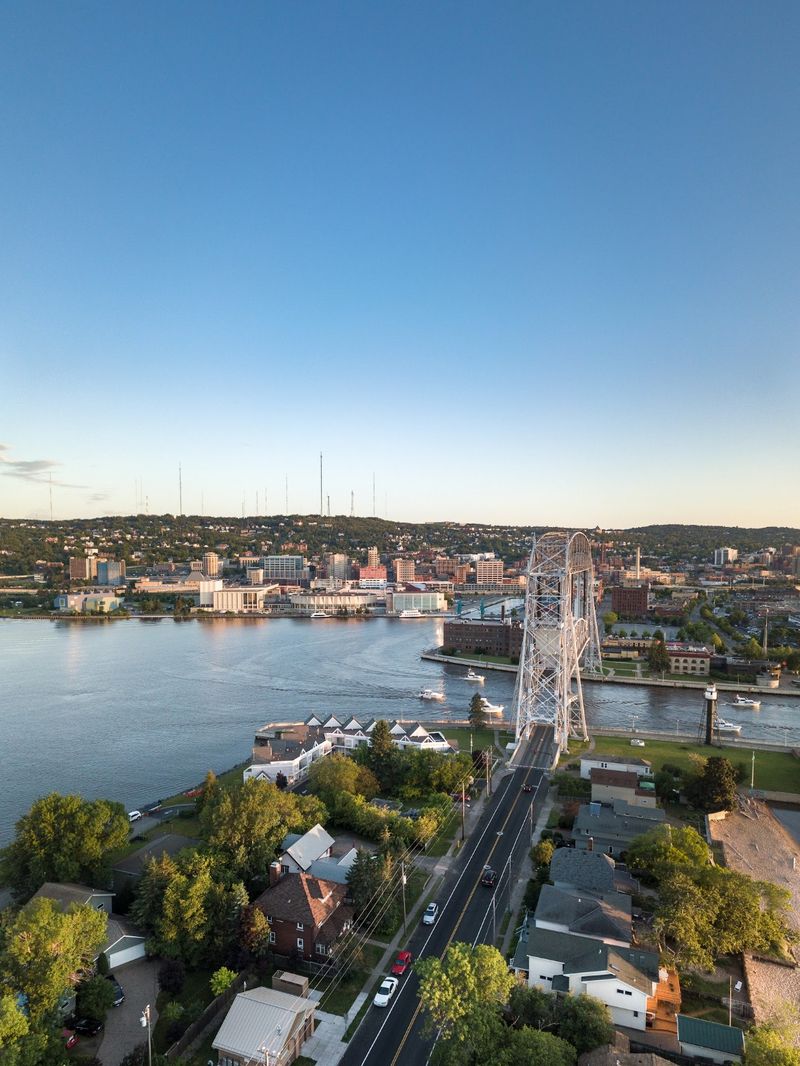
Duluth sits on the shore of Lake Superior, giving residents access to the world’s largest freshwater lake by surface area. The naturally cool climate means fewer scorching summer days compared to cities farther south.
City leaders have invested heavily in resilience projects after learning from past winter storms and shoreline erosion. Climate experts increasingly mention Duluth as a destination for people fleeing heat and water scarcity elsewhere.
Still, even refuge cities aren’t immune to surprises. Extreme weather events can strike anywhere, so staying informed about local risks remains essential for anyone considering a move.
2. Madison, Wisconsin
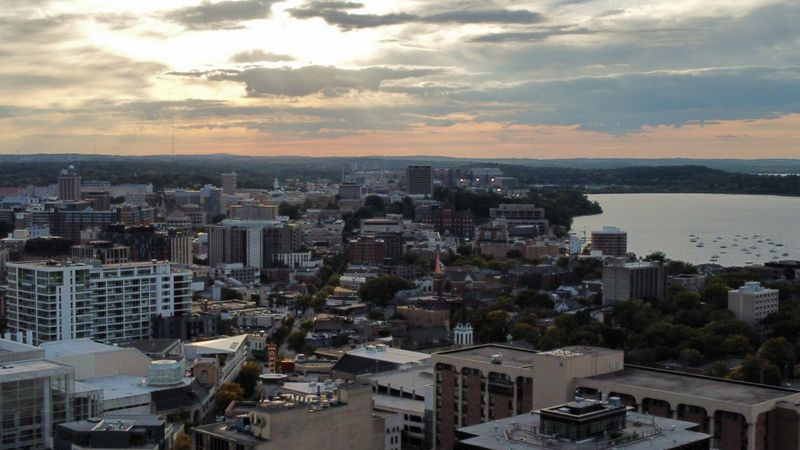
Home to a major research university, Madison brings academic firepower to its climate planning efforts. The city rolled out a detailed 2024 Sustainability Plan that tackles both emissions cuts and infrastructure upgrades, from better stormwater systems to heat-management strategies.
Being inland shields Madison from sea-level concerns, though the region will see more hot days as temperatures climb. Local flooding can still pop up in certain neighborhoods, so checking elevation and drainage before buying makes sense.
Madison’s combination of education resources and proactive policy gives it a strong foundation for adapting to whatever comes next.
3. Ann Arbor, Michigan
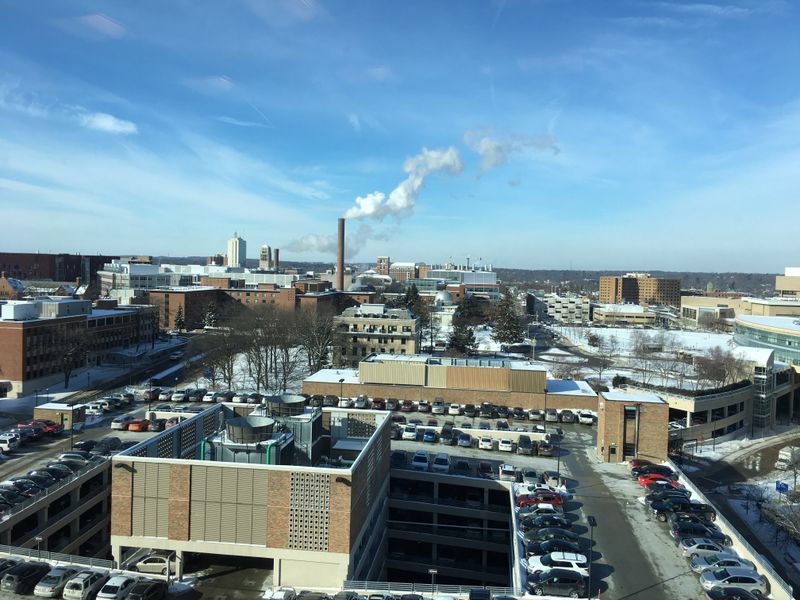
Ann Arbor has rolled up its sleeves and gotten to work on climate adaptation. Rain gardens, flood-control weirs, and other green infrastructure projects are already in place across the city, backed by long-term funding commitments.
The Huron River flows through town, and the Great Lakes system sits nearby, ensuring reliable freshwater access for decades to come. That’s a huge advantage as droughts tighten their grip on other parts of the country.
Combine that water security with the city’s hands-on approach to flood management, and you’ve got a place that’s thinking ahead instead of just reacting to disasters.
4. Rochester, New York
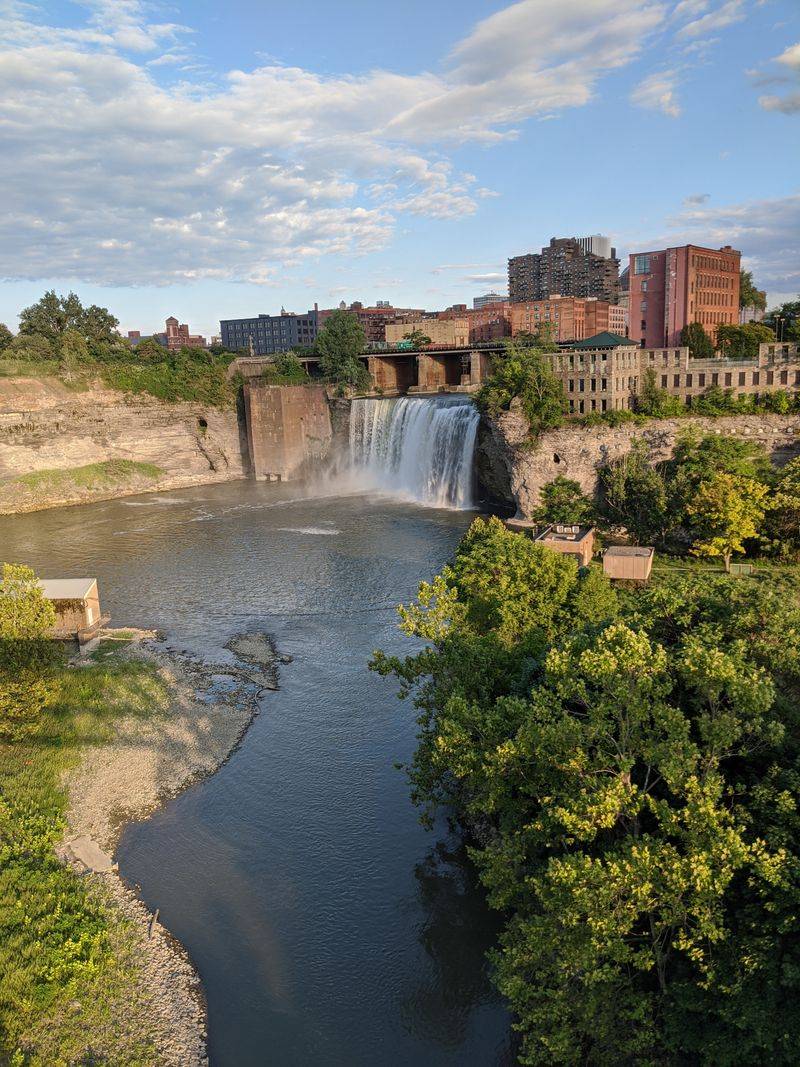
Nestled inland between the Finger Lakes and Lake Ontario, Rochester enjoys abundant freshwater without the threat of rising oceans. City officials have set clear emissions-reduction targets and are investing in the infrastructure needed to meet them.
Media outlets have started calling Rochester a climate haven, and the label fits. The region’s cooler baseline temperatures and distance from coastal hazards give it a natural edge over sunbaked or flood-prone metros.
As more Americans look for safer ground, Rochester’s combination of water, planning, and geography could make it a magnet for climate-conscious movers.
5. Syracuse, New York

Syracuse launched the Sustainable Syracuse initiative, a comprehensive program that addresses both cutting emissions and building resilience against future shocks. That dual focus means the city isn’t just talking about climate action but actually funding and implementing projects.
Geography works in Syracuse’s favor too. Sitting well inland, the city dodges sea-level rise worries that keep coastal planners up at night.
Water supply is secure thanks to regional sources, and the city’s commitment to sustainability planning shows it’s taking the long view. For families weighing relocation, Syracuse offers both natural advantages and smart policy.
6. Buffalo, New York
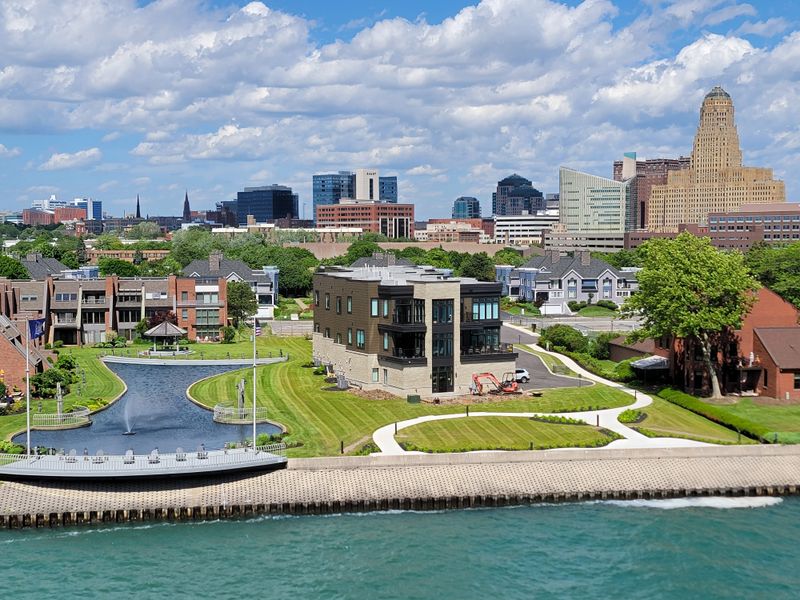
Buffalo’s cold-adapted infrastructure and abundant water from Lake Erie position it well for a warming world. City planners are already discussing how to welcome climate migrants, a sign that local leaders understand what’s coming.
Heavy rainfall and flooding have emerged as new risks, though, especially in low-lying areas. If you’re house-hunting in Buffalo, pay close attention to topography and drainage patterns to avoid future headaches.
The city’s combination of water security and growing climate awareness makes it a contender, but like anywhere, smart site selection within the metro area matters just as much as the city itself.
7. Lansing–East Lansing, Michigan
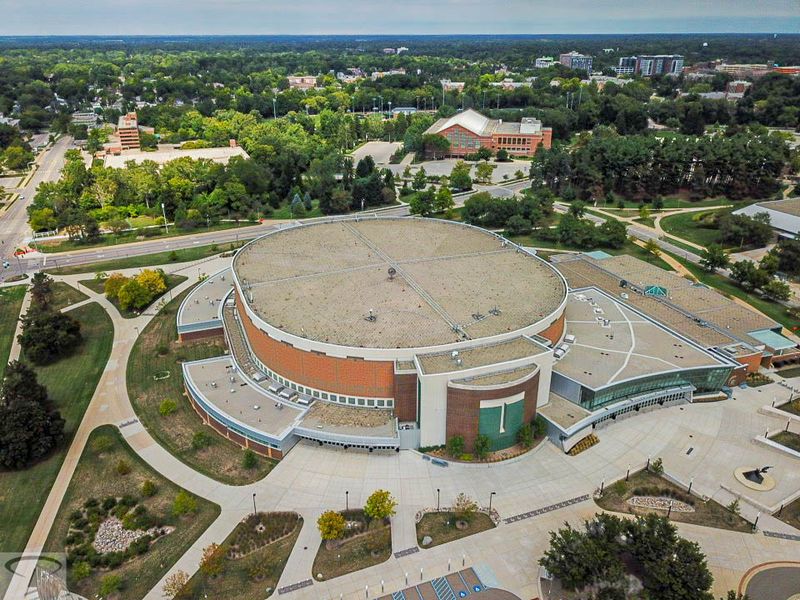
Being the state capital gives Lansing access to resources and political attention that smaller towns can’t match. Add in a major university in neighboring East Lansing, and you’ve got a hub of research and policy innovation.
Both cities participate in the 2030 District, a national network committed to slashing energy use and emissions in buildings. Their municipal climate plans lay out concrete steps for adaptation and mitigation.
Sitting inland keeps coastal hazards off the table entirely. For anyone seeking a stable, forward-thinking community with strong institutions, this twin-city region checks the boxes.
8. Grand Rapids, Michigan

Grand Rapids sits close enough to the Great Lakes to enjoy water security without the direct coastal exposure of lakefront towns. Michigan’s statewide resilience push has given local governments new tools and funding to tackle climate risks head-on.
The region is leaning into climate planning, with officials increasingly aware that proactive measures beat reactive scrambling. Before you buy, though, use FEMA’s online tools to compare flood risk at the neighborhood level.
Grand Rapids blends Midwestern affordability with growing climate awareness, making it an appealing option for families who want both stability and a forward-looking community.
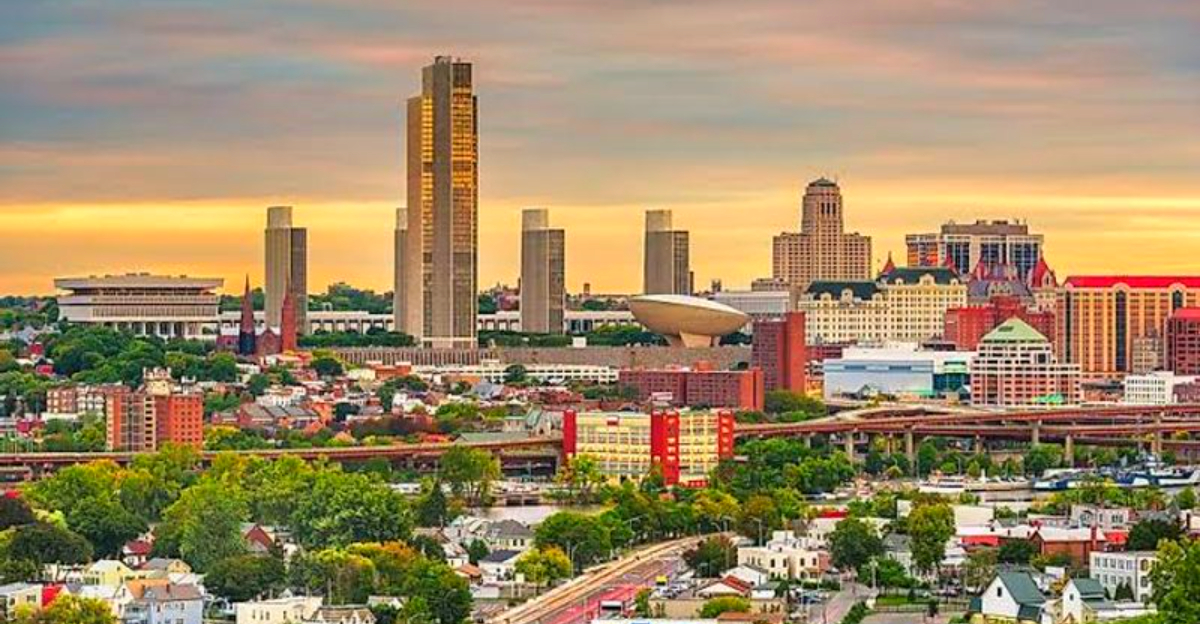
9. Albany, New York (Capital Region)

Albany benefits from being the state capital, which means access to state-backed resilience programs and funding that smaller cities can only dream of. Both county and city governments have adopted plans targeting flood risk and extreme-weather preparedness.
The Capital Region’s inland location keeps sea-level rise off the worry list. Instead, planners focus on river flooding and intense rainstorms, which are becoming more common.
With strong institutional capacity and political will behind climate action, Albany is building the kind of infrastructure and response systems that will matter when the next big storm rolls through.
10. Minneapolis–St. Paul, Minnesota (Twin Cities)

The Twin Cities metro combines a diversified economy with strong planning capacity, giving it resilience that goes beyond just geography. Starting from a cold baseline climate means extreme heat is less intense here than in the Sun Belt, though summers are definitely warming.
Being inland eliminates ocean threats, but the Mississippi River and its tributaries do create localized flood risks. Use FEMA or First Street Foundation tools to check flood zones before picking a neighborhood.
Minneapolis and St. Paul offer big-city amenities with better climate odds than many coastal metros, making them a practical choice for families thinking long-term.
11. Kalamazoo, Michigan
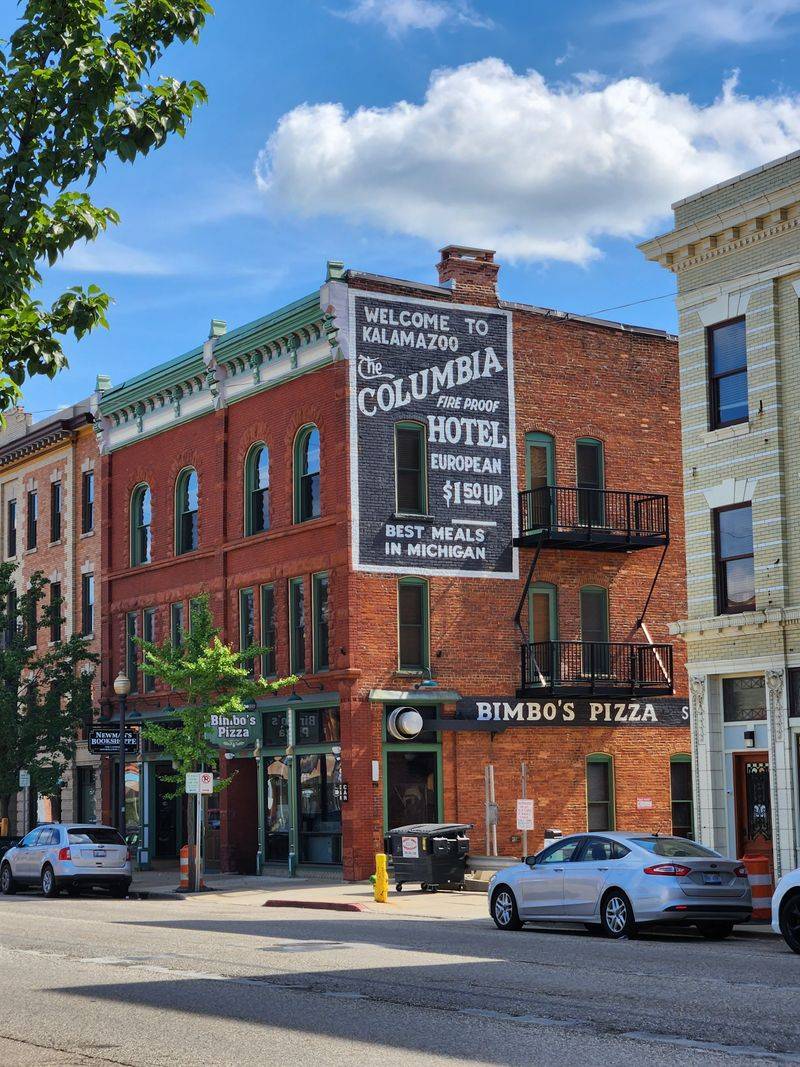
Kalamazoo sits comfortably inland within the Great Lakes watershed, ensuring long-term water security. The region participates in active sustainability networks, showing that climate awareness runs deep here.
Before you commit to a property, though, take the time to compare parcel-level risks using state and federal tools. Even within a generally safe city, individual lots can face different flood or drainage challenges.
Kalamazoo’s smaller size means less traffic and lower costs than bigger metros, but it still benefits from Michigan’s broader push toward climate resilience and smart planning.
12. Ithaca, New York
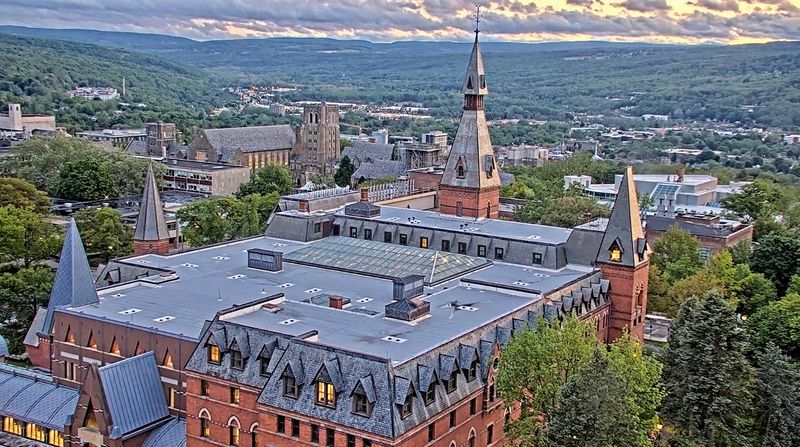
Perched at higher elevation in the scenic Finger Lakes region, Ithaca enjoys natural protection from many climate threats. The university community here has fostered a strong culture of environmental action, and local policies reflect that commitment.
Freshwater is plentiful, thanks to the lakes and regional watersheds. Still, heavy-rain events are intensifying, so checking slope and drainage before buying is smart.
Ithaca’s combination of elevation, water access, and progressive climate policies makes it a standout for anyone who values both natural beauty and forward-thinking governance.
13. Milwaukee, Wisconsin
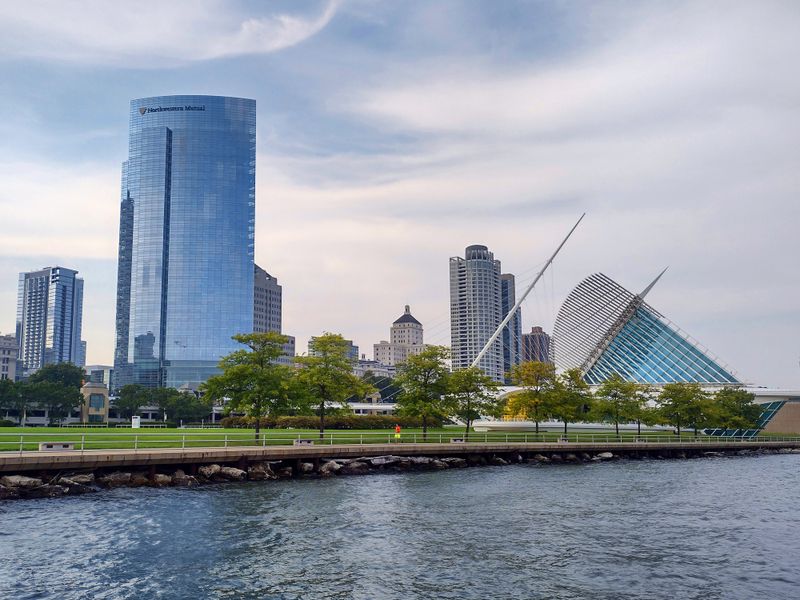
Milwaukee sits right on Lake Michigan, giving it direct access to one of the world’s great freshwater resources without any ocean exposure. The city’s robust Midwestern infrastructure and planning capacity mean it’s not starting from scratch on climate adaptation.
Riverine flooding does occur in some neighborhoods, though, so using FEMA’s National Risk Index at the census-tract level helps you steer clear of problem zones. Site selection within the metro matters just as much as the city itself.
Milwaukee offers big-city amenities, a strong job market, and the kind of water security that will become more valuable every year.
14. Pittsburgh, Pennsylvania
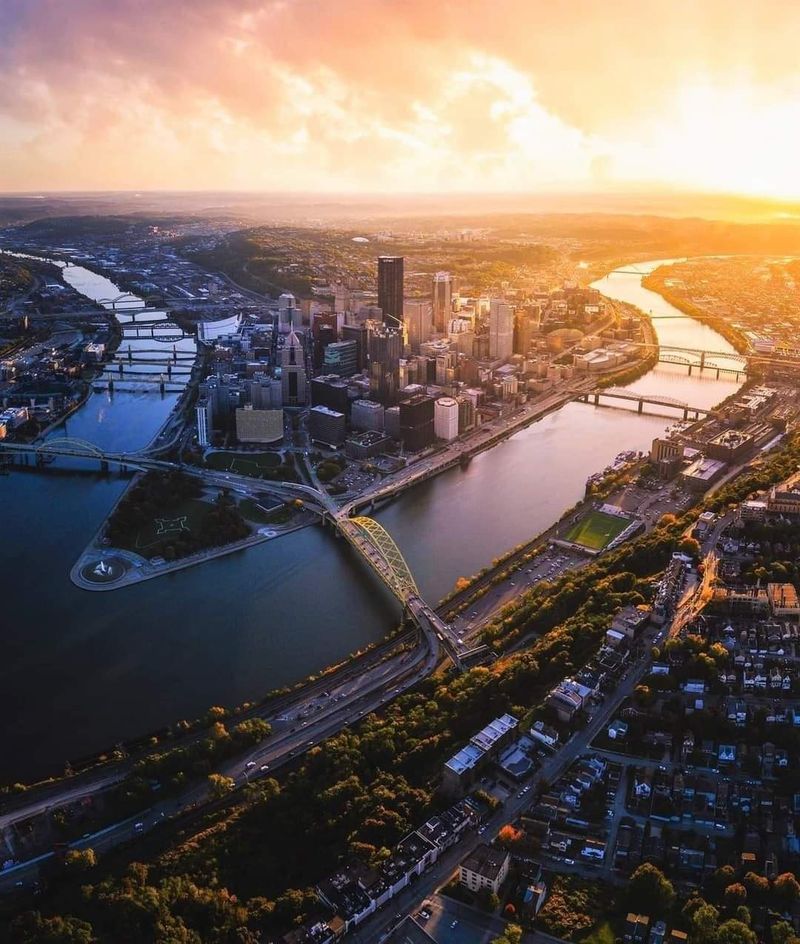
Pittsburgh faces zero threat from rising seas, and its universities have built a growing resilience community focused on climate adaptation. The city has shed its old industrial image and now invests in green infrastructure and sustainability.
River flooding is a real concern, though. Pittsburgh sits at the confluence of three rivers, and heavy rains can push water levels dangerously high in low-lying areas.
If you’re considering Pittsburgh, elevation and distance from floodplains should top your checklist. With smart site selection, the city offers solid climate odds and a lower cost of living than many coastal alternatives.
15. Burlington, Vermont (with caveats)
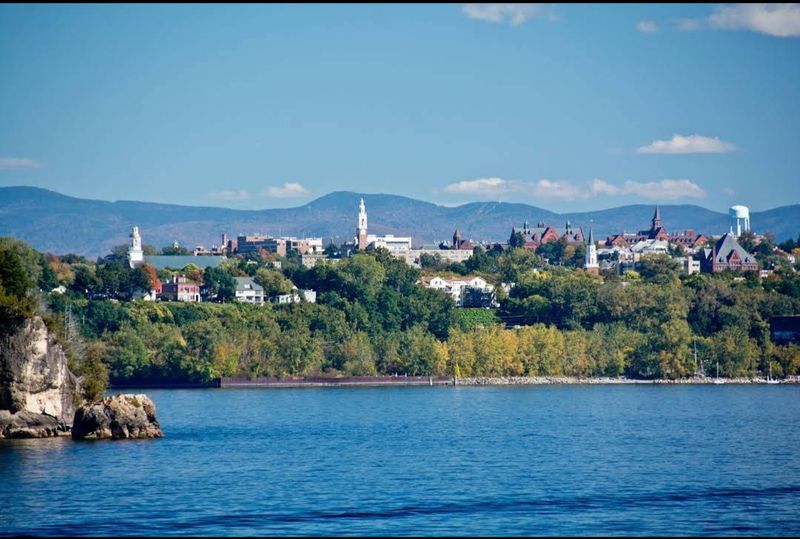
Burlington has long been a leader in progressive climate policy, and its inland location keeps ocean threats at bay. The city’s commitment to sustainability is real and runs deep.
However, devastating 2023 floods served as a harsh reminder that no place is risk-free. Vermont is warming faster than the national average, and intense rainstorms are becoming more common.
If you choose Burlington, focus on flood-resilient sites well above river and stream channels. The city’s policies are strong, but nature doesn’t care about good intentions, so local geography must guide your final decision.



