 Unearth The Voyage
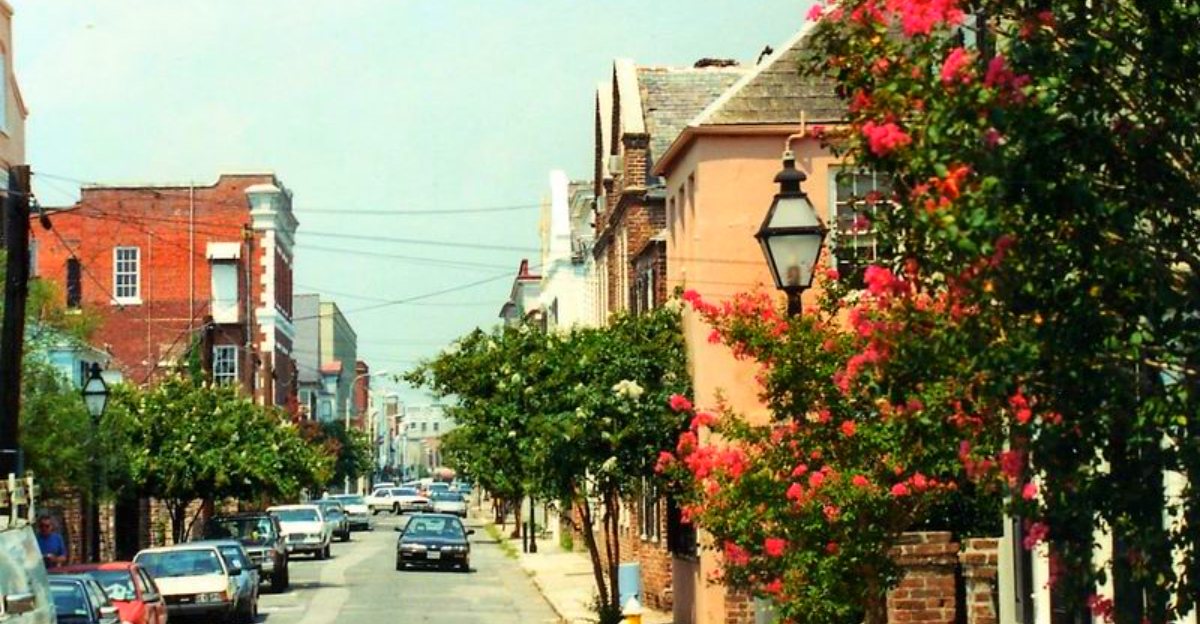
Some American cities treat old houses like background scenery, but the places on this list make them the main event. On the right block, you can spot brick row houses, pastel mansions, adobe compounds, and stately Victorians that still shape daily life instead of hiding behind museum ropes.
A few streets look so intact you half expect a horse-drawn carriage to roll past, though thankfully your actual challenge is just finding parking. Keep reading and you will get a fast tour of the cities where historic homes are not scattered curiosities, but the reason entire neighborhoods feel distinct, memorable, and proudly rooted in the past.
1. Savannah, Georgia

Savannah makes a strong opening argument with its famous squares. Around them sit Federal, Greek Revival, Gothic Revival, and Victorian homes that turn ordinary neighborhood wandering into a master class in American domestic architecture.
The city’s layout helps its historic housing shine because the green squares create breathing room between blocks of preserved residences. Jones Street often gets praise for good reason, yet plenty of nearby streets offer the same polished doors, tall windows, ironwork, and carefully maintained stoops without needing a spotlight.
Savannah also benefits from serious preservation culture. Many houses remain private residences, while others serve as museums, inns, or event spaces, so the architecture stays visible and useful.
Instead of feeling staged, the city feels inhabited by history, with each square offering another reminder that old homes can still run the neighborhood.
2. New Orleans, Louisiana
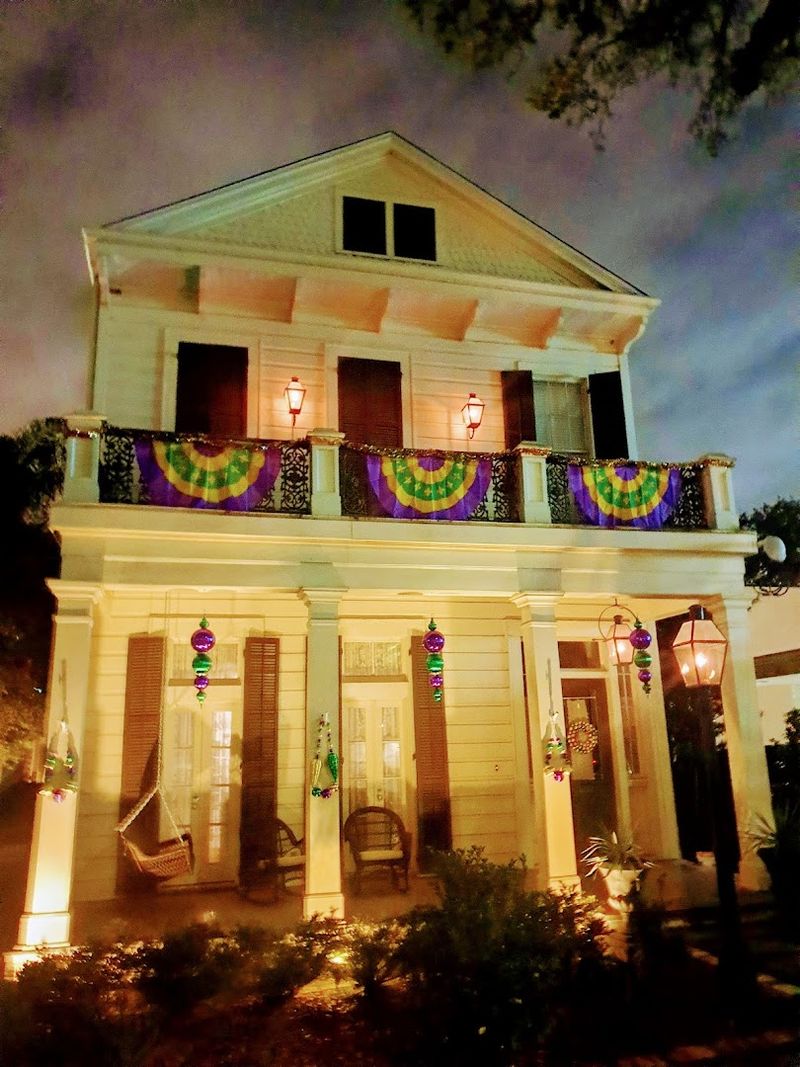
New Orleans refuses to choose just one architectural personality. French, Spanish, Creole, and American influences all appear in its historic homes, which means a short walk can include townhouses, cottages, and grand mansions with entirely different attitudes.
The French Quarter is the headline act, but the Garden District broadens the story with large antebellum homes and generous lots. Elsewhere, Creole cottages and shotgun houses show how practical design adapted to climate, density, and neighborhood life without sacrificing character or street presence.
That range is what gives New Orleans unusual depth. You are not seeing a single preserved style repeated for miles.
You are seeing layers of settlement, trade, rebuilding, and local creativity expressed through balconies, courtyards, rooflines, and façades. Historic homes here do not just decorate the city.
They explain how the city became itself.
3. Boston, Massachusetts
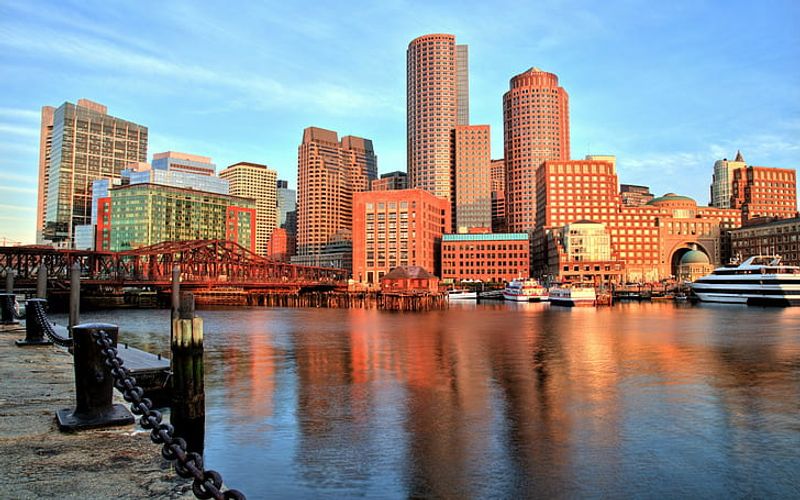
Boston keeps its age in plain view, and its housing proves it quickly. Beacon Hill’s brick row houses may be the stars, but they are part of a larger citywide collection of early American, Federal, and Victorian residences.
Much of Boston’s appeal comes from density and continuity. Streets in Beacon Hill, the South End, and parts of Charlestown present long, coherent runs of historic homes where original proportions, brickwork, iron railings, and stoops still define the block instead of modern replacements.
The city also links architecture directly to national history, which gives these homes extra weight without making them stiff. They sit near old churches, former meeting places, and landmark streets, so the residential fabric feels connected to the broader story of the country.
Boston’s historic houses are not scattered artifacts. They are active participants in the city’s daily rhythm.
4. Philadelphia, Pennsylvania
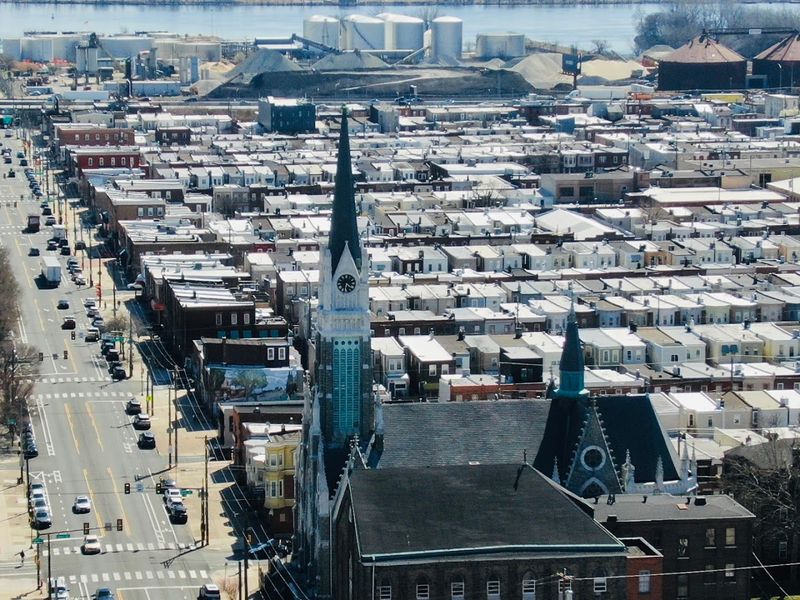
Philadelphia wears its historic housing with the calm confidence of a city that knows exactly what it contributed. Colonial houses, Georgian residences, and tidy brick row homes appear across neighborhoods where the street grid still supports a remarkably old urban pattern.
Old City and Society Hill show the strongest concentration, with preserved homes that sit near landmark civic sites without being overshadowed by them. Elfreth’s Alley is the famous postcard, yet many nearby blocks carry the same appeal through brick facades, dormers, shutters, and scaled-down details that feel distinctly livable.
What works here is the mix of grandeur and restraint. Philadelphia has important mansions, but it also excels at ordinary historic housing that reveals how people actually lived.
That everyday architectural continuity gives the city unusual texture. Its historic homes do not just celebrate the founding era.
They let you trace it one block at a time.
5. Annapolis, Maryland
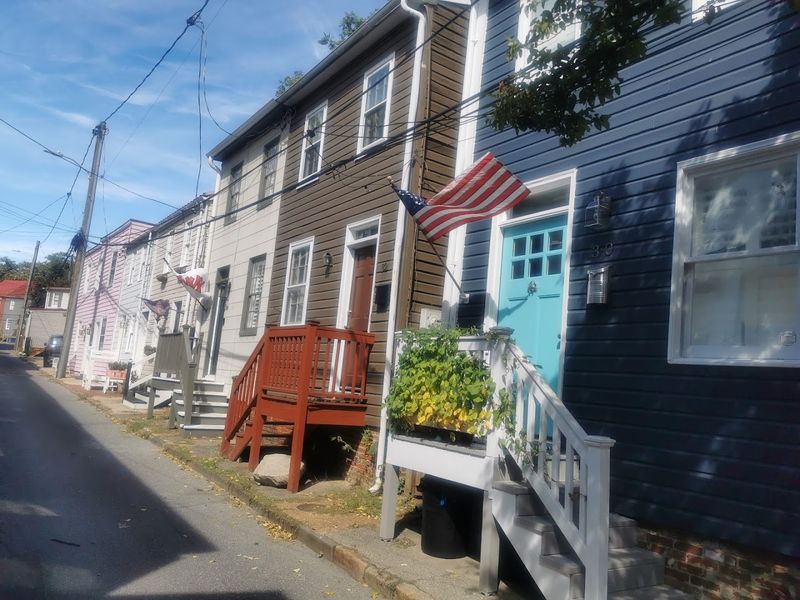
Annapolis proves that a smaller city can still deliver major historic-house credentials. Its colonial-era homes, brick streets, and compact layout make the past easy to read, especially around the old core near the waterfront and state buildings.
The city contains one of the country’s strongest collections of eighteenth-century architecture, and many residences are still beautifully maintained. Georgian and Federal homes line streets that remain human-scaled, so details like fanlights, chimneys, dormers, and symmetrical facades stand out without requiring a guided lecture.
Annapolis feels especially convincing because the houses are woven into everyday civic life. Government buildings, shops, churches, and homes all sit close together, creating a townscape that still works much as it was intended to.
You are not just admiring isolated landmarks here. You are seeing a colonial capital that never misplaced its residential backbone.
6. Charleston, South Carolina
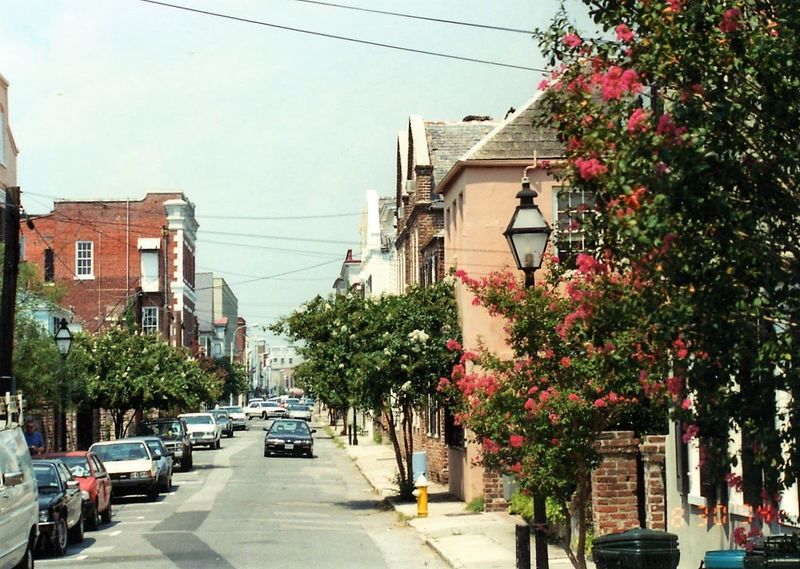
Charleston plays the historic-homes card with remarkable confidence. Block after block, you get antebellum residences, Federal details, and those famous side piazzas designed to catch coastal breezes while fitting narrow lots.
The city’s historic districts are packed with carefully protected buildings, especially south of Broad, where preservation rules help keep facades, materials, and streetscapes strikingly consistent. Rainbow Row gets the postcards, but many quieter streets deliver the real prize: long runs of houses that still function as homes, inns, and civic landmarks.
What makes Charleston stand out is scale as much as beauty. You are not hunting for one impressive mansion here.
You are moving through whole neighborhoods where gates, gardens, brickwork, and centuries-old floor plans still shape everyday life, proving history can be both elegant and stubbornly practical.
7. San Francisco, California

San Francisco brings color, drama, and an unfair number of photogenic facades to the historic-home conversation. Victorian and Edwardian houses climb hills, fill compact lots, and give entire neighborhoods a distinctive visual rhythm that modern buildings rarely match.
The Painted Ladies get celebrity treatment, but they are only one chapter. Areas like Pacific Heights, Alamo Square, and Haight-Ashbury display rich collections of preserved homes with bay windows, decorative trim, narrow fronts, and vertical proportions designed for dense urban living on difficult terrain.
What makes San Francisco special is how historic housing shapes the city’s public image while still serving practical residential use. These homes are not background extras hiding behind towers.
They remain central to neighborhood identity and daily life. Add the city’s hills and varied streetscapes, and even a short walk turns into a parade of architecture with excellent posture.
8. New York City, New York
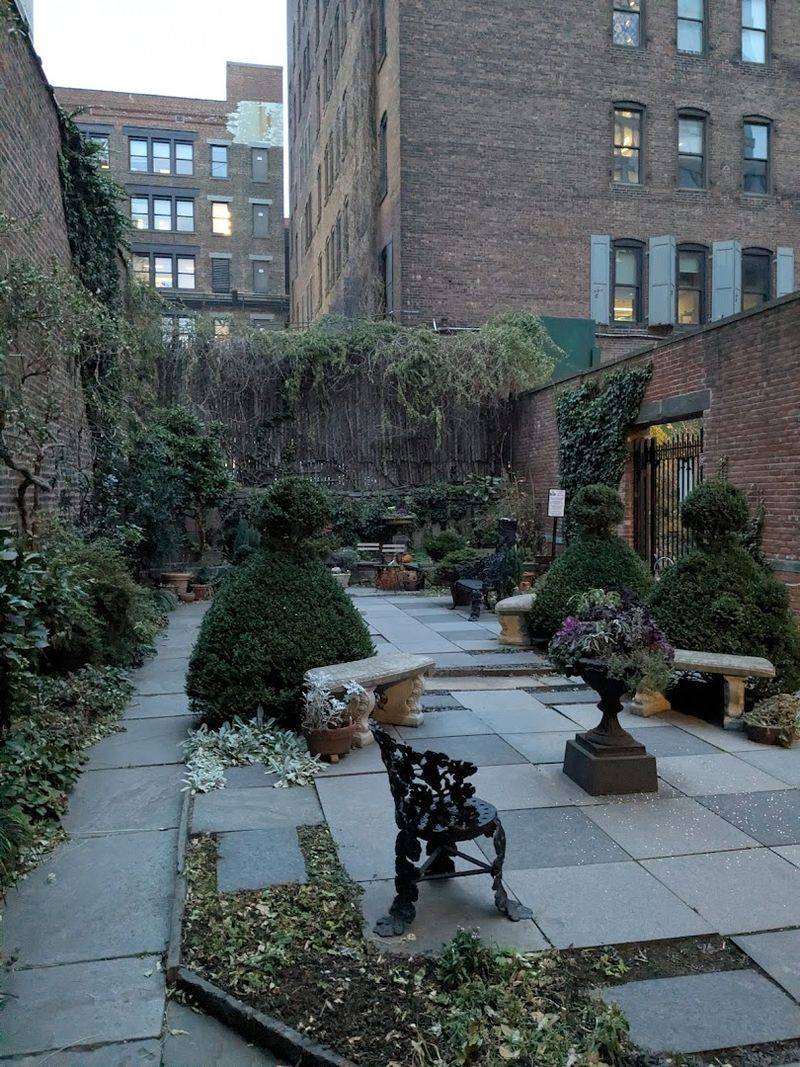
New York City hides historic homes in plain sight beneath its larger-than-life reputation. Beyond the towers, neighborhoods like Brooklyn Heights, Greenwich Village, and Harlem showcase brownstones, row houses, and townhomes that anchor the city’s older residential story.
Brooklyn Heights is especially persuasive, with blocks of nineteenth-century houses that remain impressively intact. Their stoops, cornices, and brick or brownstone facades create one of the country’s strongest urban ensembles, while other districts add Greek Revival, Italianate, and Neo-Grec examples to the mix.
The city also earns points for scale. Historic homes are not confined to one preserved corner but spread across multiple boroughs, each with its own flavor and timeline.
That variety makes New York less about one perfect street and more about layers of domestic architecture still doing daily work. Even here, the skyline does not get the final word.
9. Alexandria, Virginia
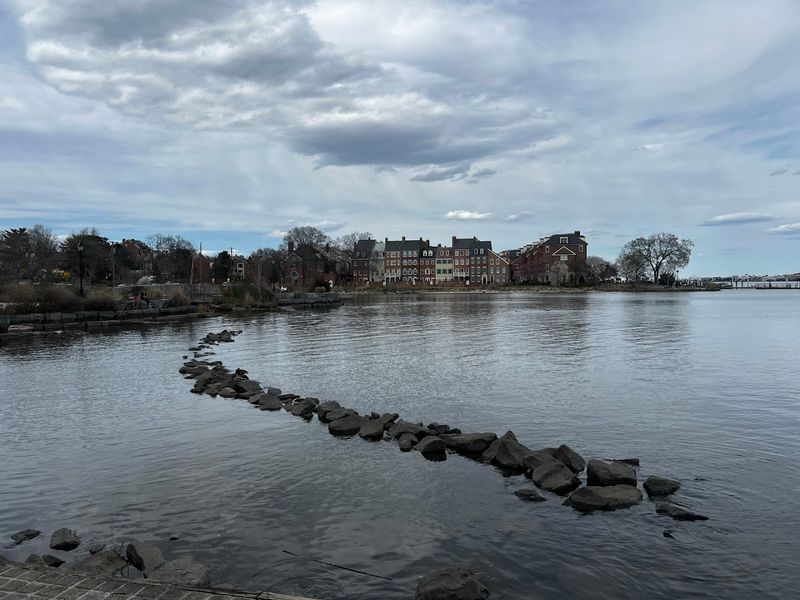
Alexandria keeps things orderly, elegant, and impressively old. Old Town’s colonial and early federal-era homes line cobblestone streets in a compact, walkable pattern that makes the city feel more established than many places twice its size.
The housing stock includes townhouses, detached homes, and brick row residences with restrained detailing that rewards close attention. You will notice dormers, fanlights, arched entries, and simple facades that reflect the area’s eighteenth- and nineteenth-century roots without drifting into excess.
Its real strength is consistency. Large stretches of Old Town preserve not only individual houses but entire streetscapes, so the neighborhood reads as a complete historic environment instead of a few surviving highlights.
Proximity to Washington might tempt some cities to play supporting role, but Alexandria never does. Its historic homes carry the place with poise, polish, and plenty of quiet authority.
10. St. Augustine, Florida
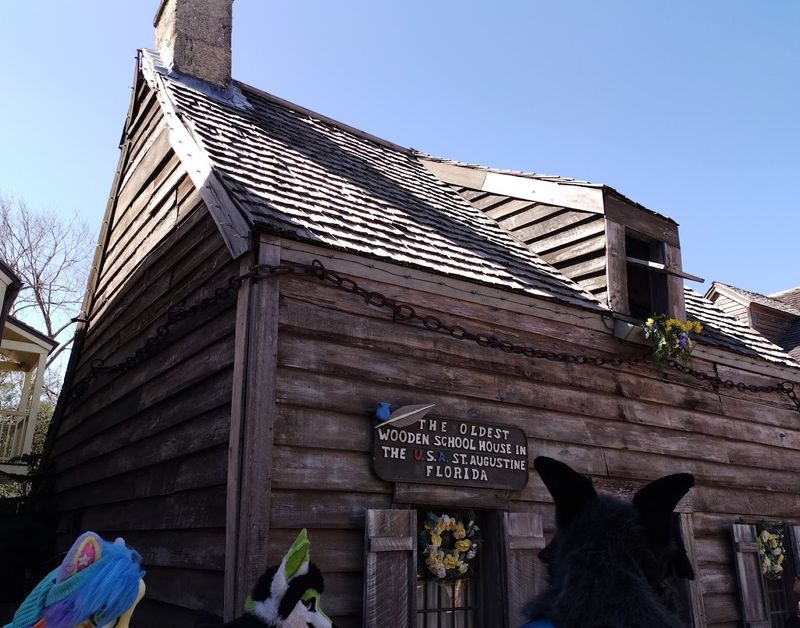
St. Augustine starts with a major advantage: age that predates nearly every other city in the country. Its residential architecture reflects Spanish colonial influence, later adaptations, and a long record of preservation that gives the old center unusual depth.
Historic houses here often feature stucco walls, courtyards, coquina elements, and forms shaped by climate and colonial planning. The city’s oldest streets reveal smaller-scale homes as well as more formal residences, making the experience feel varied rather than dominated by a single grand statement.
What stands out most is architectural flavor. Many American cities tell their history through brick and wood, but St. Augustine presents something distinctly different, tied to Spanish settlement and regional materials.
That difference matters because it broadens the national picture of historic housing. The city is not just old for the sake of bragging rights.
It preserves a separate chapter of domestic design.
11. Galena, Illinois
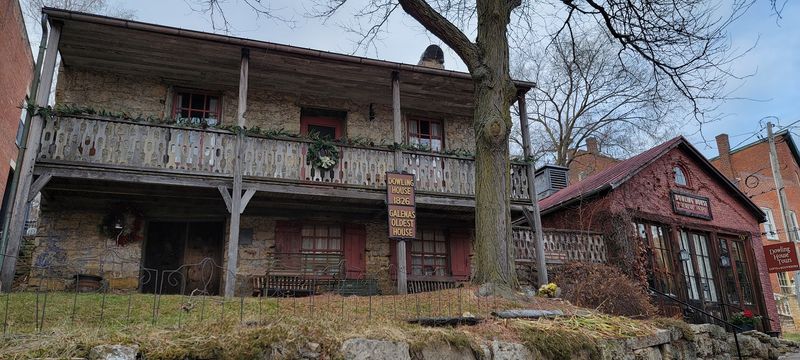
Galena enters the list like a small town with a very persuasive resume. Thanks to extensive preservation, a huge share of its buildings fall within a historic district, and the residential streets show just how much nineteenth-century character survived.
The town’s prosperity during the lead-mining era produced a broad range of homes, from simple vernacular houses to substantial brick residences and grander Italianate examples. Rolling terrain adds visual variety, so rooflines, porches, and facades unfold in ways that keep even short walks interesting.
Galena works because preservation did not stop at a handful of tourist-facing properties. Entire neighborhoods contribute to the sense of continuity, making the town feel cohesive rather than curated.
For visitors, that means fewer isolated landmarks and more complete streets to explore. In historic-home terms, Galena punches well above its population and does it without any unnecessary fuss.
12. Natchez, Mississippi
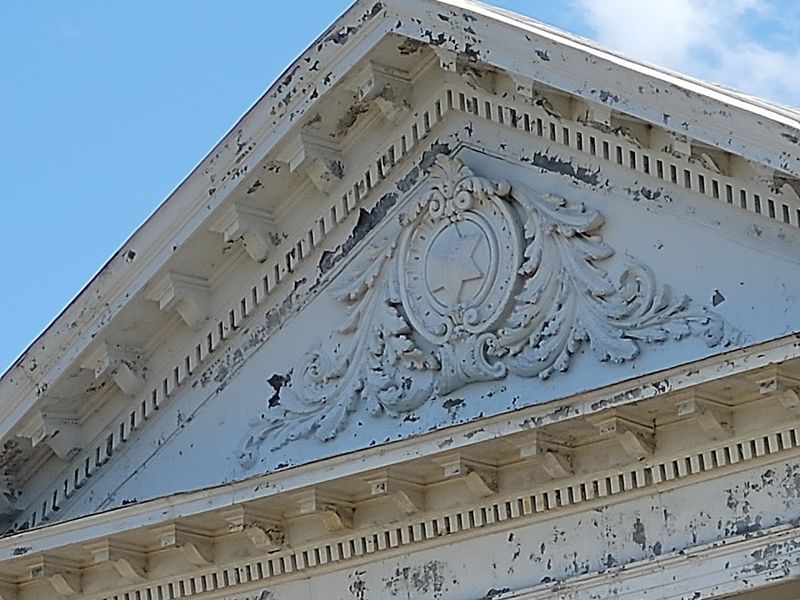
Natchez does not believe in being subtle about historic houses. The city is known for grand Southern mansions, and many date to the early nineteenth century, giving it one of the strongest concentrations of prewar residential architecture in the region.
Greek Revival, Federal, and other period styles appear across the city, often on large parcels that preserve the original sense of scale. Several homes open for tours, which helps visitors move past exterior admiration and understand floor plans, decorative choices, and how these residences functioned in their own era.
Natchez also benefits from continuity beyond the headline estates. Smaller historic houses and related buildings support the broader streetscape, so the city reads as a preserved environment rather than a collection of isolated mansions.
That balance matters. The famous homes deliver drama, but the surrounding residential fabric gives Natchez its lasting credibility as a historic-housing destination.
13. Santa Fe, New Mexico
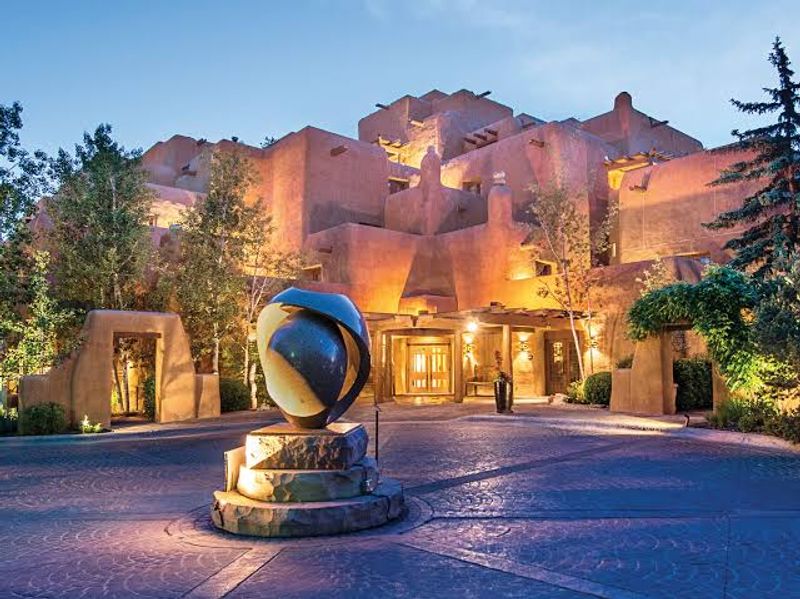
Santa Fe changes the architectural script immediately, and that is exactly its advantage. Adobe homes, pueblo-inspired forms, and Spanish colonial influences create a historic residential landscape unlike anything found in eastern cities dominated by brick and clapboard.
Many older homes feature thick walls, rounded edges, vigas, enclosed courtyards, and low-slung massing that reflect regional building traditions shaped over centuries. The result is a city where historic preservation is not about copying one national style but maintaining a local design language with deep cultural roots.
Santa Fe stands out because its homes communicate continuity across Native American, Spanish, and later territorial histories without losing coherence. Even newer buildings often follow traditional forms, which helps the city avoid the jarring visual breaks common elsewhere.
Historic houses here do more than survive. They actively define what the place looks like, block after block, with impressive consistency.
14. Newport, Rhode Island
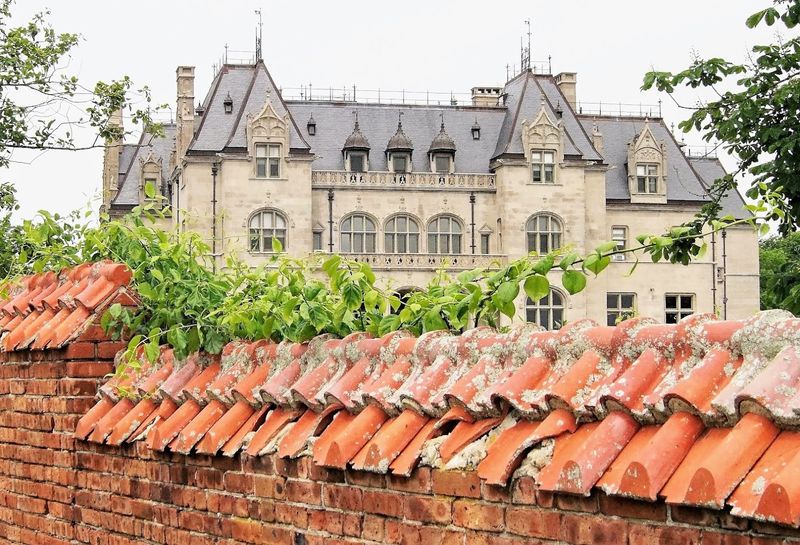
Newport arrives with mansions so large they almost make ordinary houses seem shy. Yet beyond the famous Gilded Age estates, the city also offers colonial, Federal, and Victorian residences that reveal a much longer and more layered domestic history.
The oceanfront palaces draw immediate attention because they display wealth on an ambitious scale, but the broader historic fabric matters just as much. Streets away from the most photographed compounds still feature elegant older homes, traditional New England forms, and neighborhoods that connect elite architecture to everyday residential life.
That mix gives Newport unusual range. You can study how America’s wealthiest families built for status, then turn a corner and find earlier homes that reflect the city’s colonial and maritime roots.
The result is a place where historic housing tells several stories at once. Newport may love a grand entrance, but it also has substance behind the gates.
15. Portland, Maine
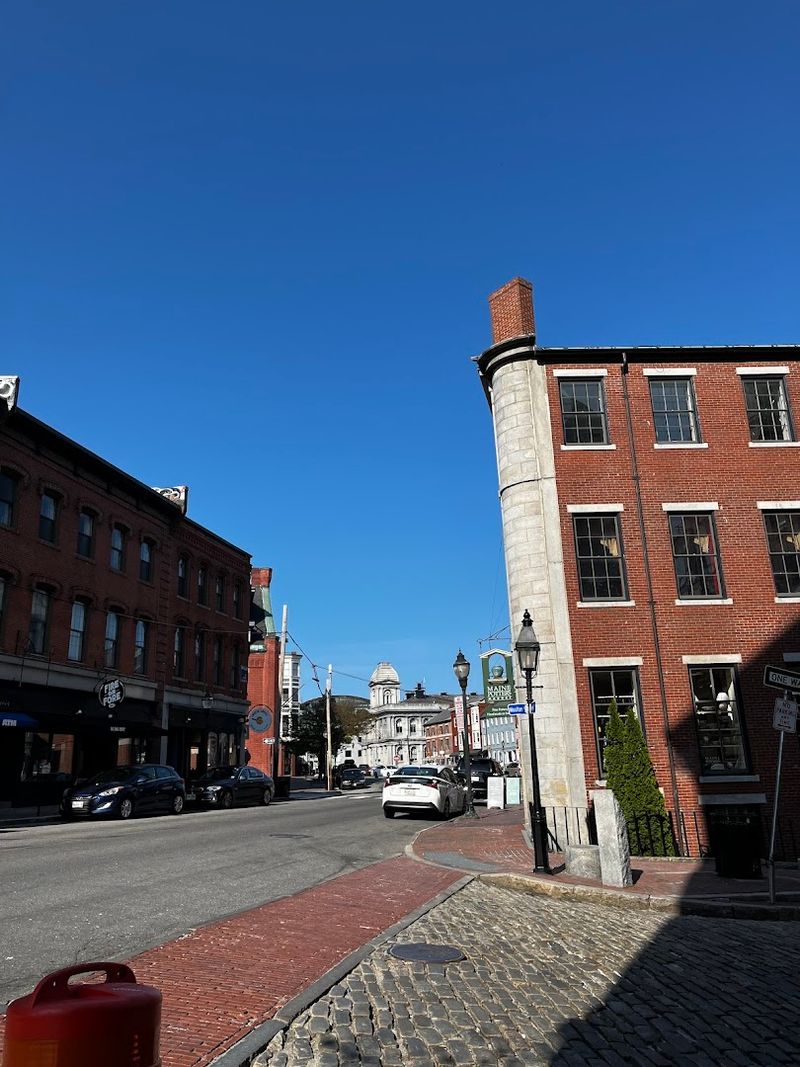
Portland closes the list with a city that balances maritime history and handsome residential design. Federal and Victorian homes line older streets near the harbor, giving neighborhoods a sense of continuity that feels rooted rather than overly polished.
The Western Promenade and parts of the West End show some of the strongest concentrations, with brick townhouses, wooden mansions, and carefully maintained details. Bay windows, porches, cornices, and traditional New England proportions appear often enough to make casual walking feel like productive field research.
Portland’s appeal comes from variety within a coherent scale. Historic houses sit comfortably beside churches, corner buildings, and modest commercial blocks, so the city feels lived in rather than staged for applause.
That practical urban mix strengthens the architecture because it shows how these homes still belong to the place. Portland is proof that historic character can stay crisp without getting precious.



