Some places look great in photos but feel even better when you actually show up. Filters can brighten a sunset, but they cannot capture the scale of a canyon or the smell of salt air on a coastal trail.
A few of these destinations get photographed so often that people assume they already know what they look like. Trust me, they do not.
Grand Canyon National Park, Arizona
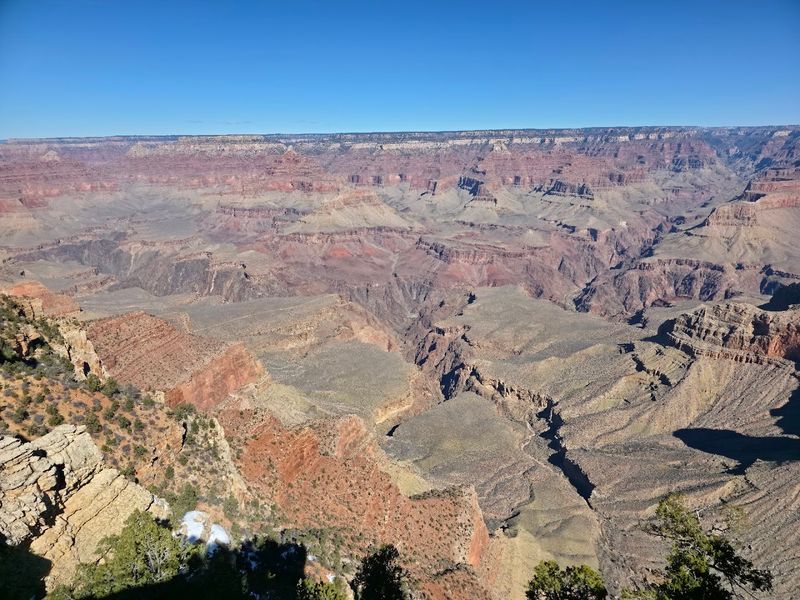
No photo has ever made a person’s jaw drop the way standing at the South Rim does. The Grand Canyon is photographed millions of times a year, and somehow every single one of those photos still undersells it.
The scale is genuinely hard for the human brain to process.
The colors shift constantly. Morning light turns the walls amber, midday flattens them, and late afternoon brings out deep purples and reds that no filter can fully replicate.
I stood at the rim once and just went completely silent, which anyone who knows me will tell you is rare.
The South Rim is open year-round and is the most accessible option for most visitors. The North Rim has seasonal closures, so always check current park conditions before planning your trip.
Come early, bring water, and give yourself more time than you think you need.
Sedona, Arizona
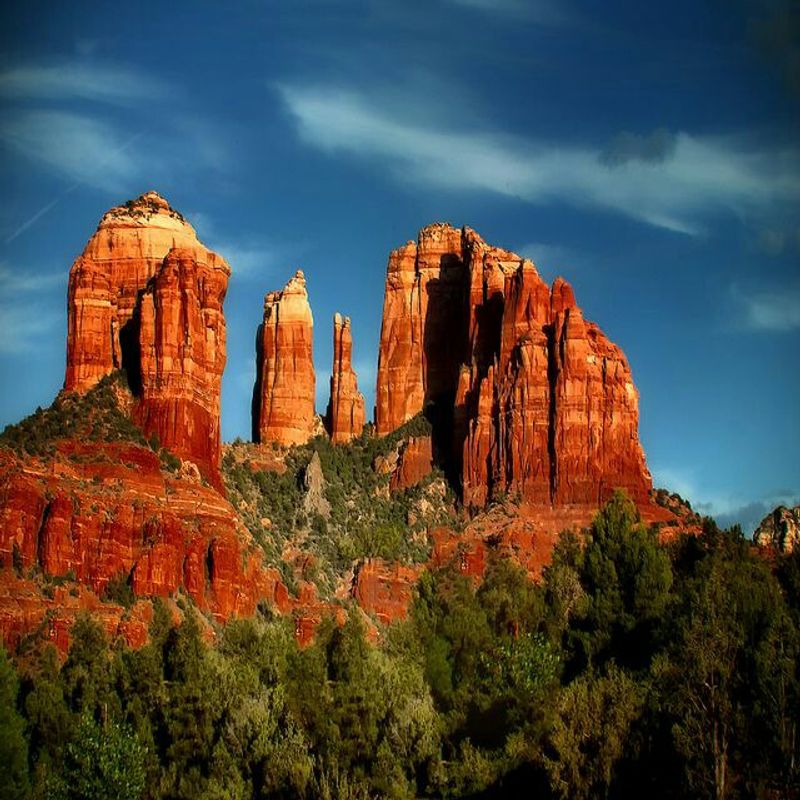
Sedona has a color palette so dramatic it almost looks fake in photos. In person, it is somehow even more intense.
The red sandstone cliffs catch the light differently every hour, and the contrast against green juniper and deep blue sky feels almost theatrical.
What photos miss entirely is the town itself. Sedona is built around its scenery rather than despite it.
Art galleries, local restaurants, and trailheads sit right alongside the rocks, so the landscape is never just a backdrop. It is the whole point.
Short hikes like Cathedral Rock Trail or Airport Mesa give you those famous views without needing a full day. The official Sedona tourism site is regularly updated and a solid starting point for trip planning.
Go at sunrise if you can drag yourself out of bed. The light at that hour turns the cliffs a color that has no name yet.
Savannah, Georgia
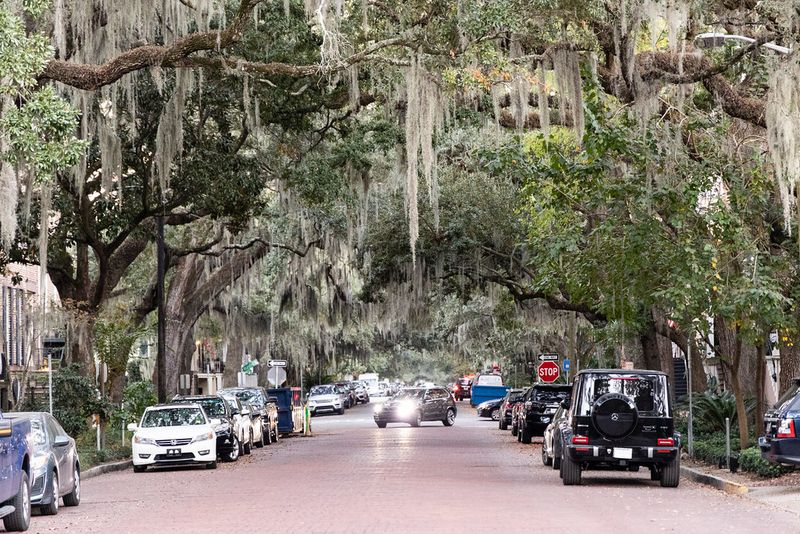
Savannah is one of those cities that works on you slowly. Photos show pretty squares and old trees, but the real experience is more like stepping into a mood.
The air is warm, the pace is slow, and the Spanish moss moves just enough to feel cinematic without trying.
Walking is genuinely the best way to see it. The historic district is compact and full of surprises.
Turn down any side street and you will likely find a gorgeous old building, a hidden garden, or a local bakery that smells incredible.
I spent an afternoon wandering with no real plan and ended up at a tiny bar in a building from the 1800s. That kind of accidental discovery is what Savannah does best.
Visit Savannah and Explore Georgia both maintain current visitor resources for planning. Come in spring or fall for the best weather, and wear comfortable shoes because those brick sidewalks are beautiful but uneven.
Mackinac Island, Michigan
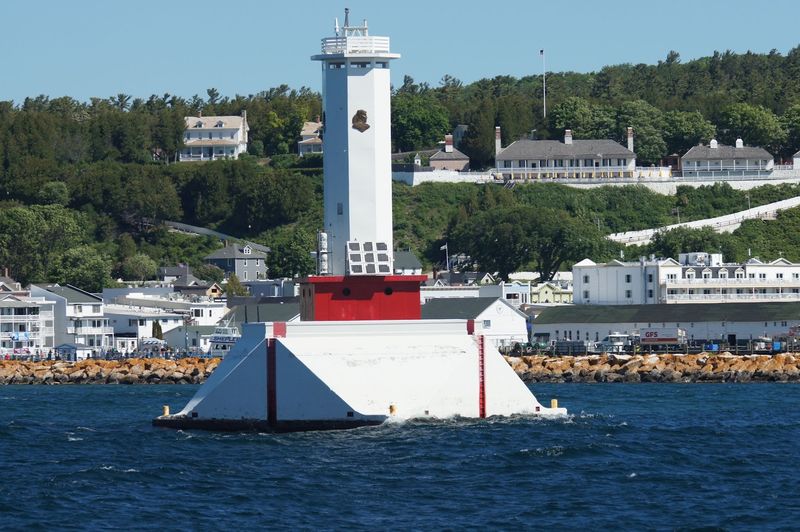
The first thing you notice on Mackinac Island is what is missing: the sound of cars. No engines, no traffic, no honking.
Just bicycles, horse hooves on pavement, and the occasional seagull making its opinion known.
Photos of the island tend to look almost too sweet, like a postcard from 1910. In person, that sweetness is completely real and surprisingly refreshing.
The Victorian architecture, the fudge shops, the lake views, and the total absence of motor vehicles create a pace that feels genuinely different from anywhere else.
Rent a bike and ride the perimeter road around the island. It takes about an hour and delivers some of the best views of Lake Huron you will find anywhere.
Mackinac Island State Park has updated visitor resources and highlights historic sites and nature trails. The island is accessible by ferry from Mackinaw City or St. Ignace, and the ferry rides themselves are a solid start to the trip.
Charleston, South Carolina
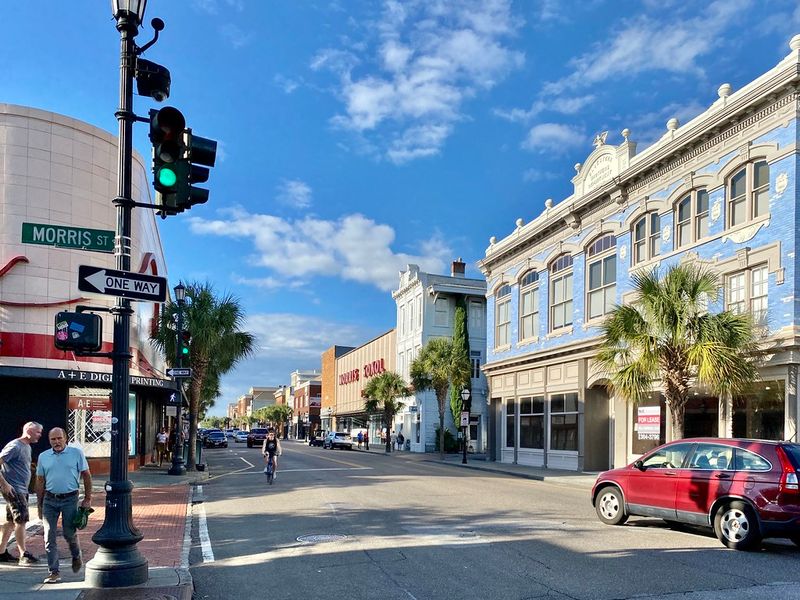
Charleston gets reduced to pastel houses in a lot of travel content, which is a bit like describing a great meal as colorful. Technically accurate, completely insufficient.
The city has layers that only reveal themselves when you are actually walking through it.
The food scene alone justifies the trip. Lowcountry cooking is a genuine culinary tradition, and Charleston restaurants take it seriously.
Beyond eating, the historic architecture, waterfront parks, blooming gardens, and old churchyards give the city a texture that photographs simply flatten.
The cobblestone streets of the French Quarter are worth exploring slowly. Battery Park offers waterfront views and a look at antebellum homes that line the street behind it.
Charleston’s official tourism resources are active and well-maintained for visitor planning. Spring is peak season for azalea blooms and pleasant weather, but fall is quieter and just as beautiful.
Either way, wear good walking shoes because the charm is spread out.
Acadia National Park, Maine
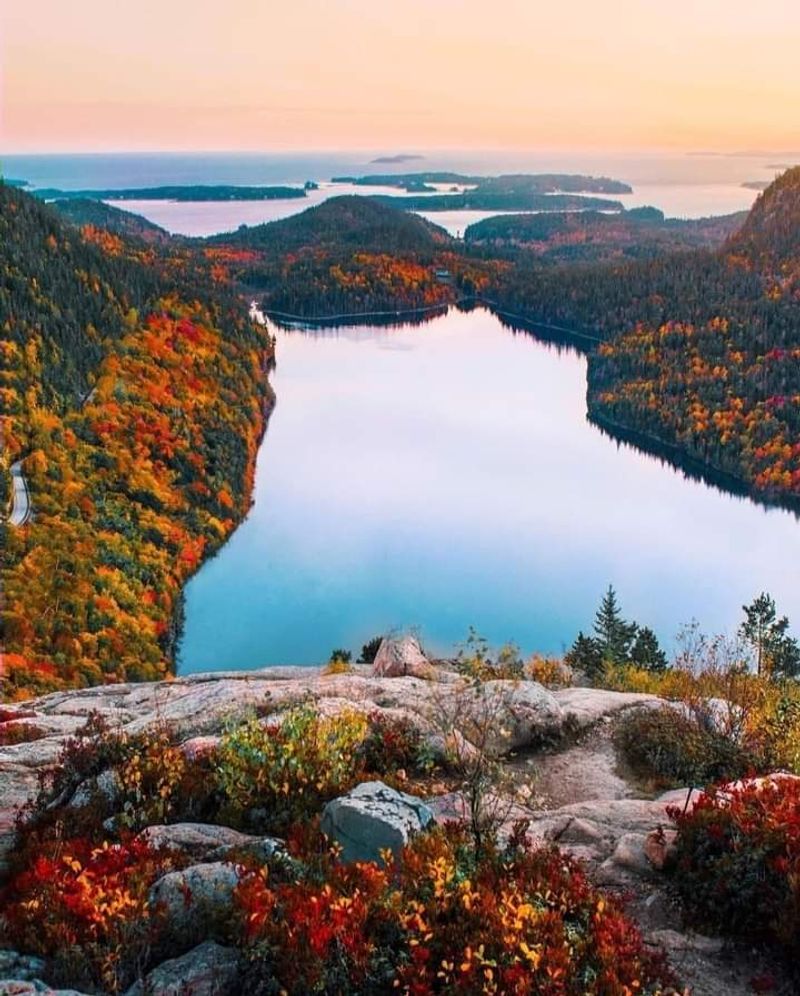
Acadia might be the most underestimated national park in the country. It does not have the massive scale of the Grand Canyon or the fame of Yellowstone, but it packs an extraordinary variety of landscapes into a relatively small area on the Maine coast.
In a single day you can walk along a rocky shoreline, climb a granite summit, cruise a carriage road through birch forest, and watch the sun set over a quiet lake. That kind of variety is nearly impossible to convey in a single photo, which is probably why Acadia surprises almost everyone who visits.
Cadillac Mountain is one of the first places in the U.S. to catch sunrise, which makes early mornings here feel a little smug in the best way. The park is open year-round, though some roads and facilities are seasonal.
Check the National Park Service site before visiting to confirm current conditions and any reservation requirements for popular areas.
Olympic National Park, Washington
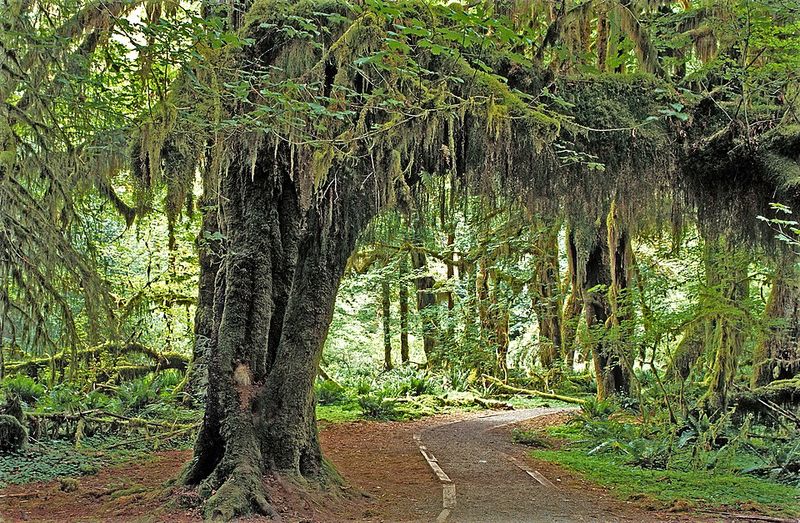
Olympic National Park is essentially three parks in one, and that is not marketing language. It genuinely has rugged Pacific coastline, old-growth temperate rainforest, and glacier-capped mountain peaks, all within the same park boundary.
No single photo captures that range.
The Hoh Rain Forest alone is worth the trip. The trees are enormous, the moss grows on everything, and the quiet is the kind that feels thick rather than empty.
It is one of the few places in the continental U.S. where the landscape genuinely feels ancient rather than just old.
The park is open 24 hours a day year-round, though some roads and campgrounds operate seasonally. The National Park Service recommends checking conditions before visiting, especially for Hurricane Ridge Road in winter.
Give yourself at least two days to experience more than one ecosystem. Most people who visit once come back, which is probably the most honest review the park could get.
Santa Fe, New Mexico
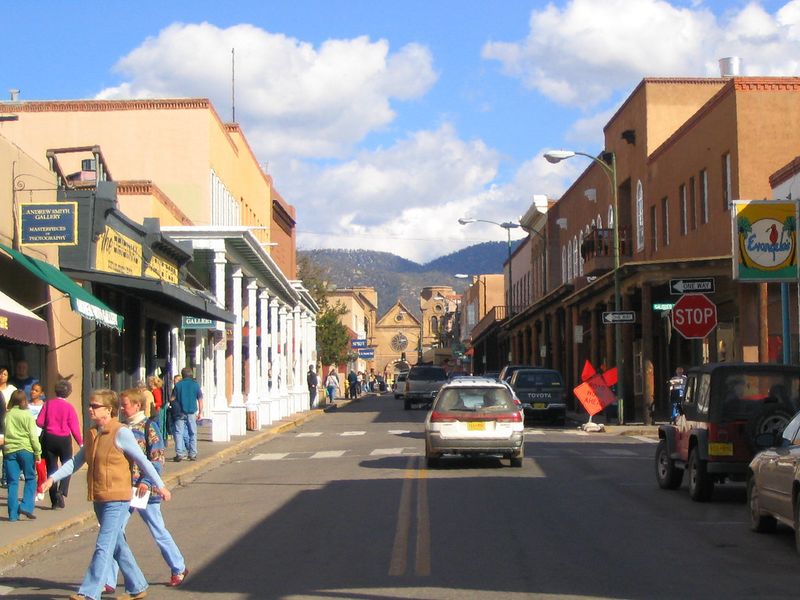
Santa Fe has been an art hub for over a century, and it shows in ways that a photo cannot fully communicate. The entire city feels curated without feeling fake.
Adobe buildings, mountain light, and gallery after gallery of serious art create an atmosphere that is genuinely unlike any other American city.
The food scene is another reason people keep coming back. New Mexican cuisine is its own thing entirely, built around green and red chiles in ways that are deeply local and completely delicious.
Ask any local which they prefer and prepare for a passionate answer.
Canyon Road alone is worth an afternoon. It is a walkable stretch lined with galleries, studios, and gardens that manages to feel both world-class and relaxed at the same time.
The city’s official tourism site has a 2026 visitors guide available. Santa Fe sits at 7,000 feet elevation, so give yourself a day to adjust before attempting any serious hiking.
New Orleans, Louisiana
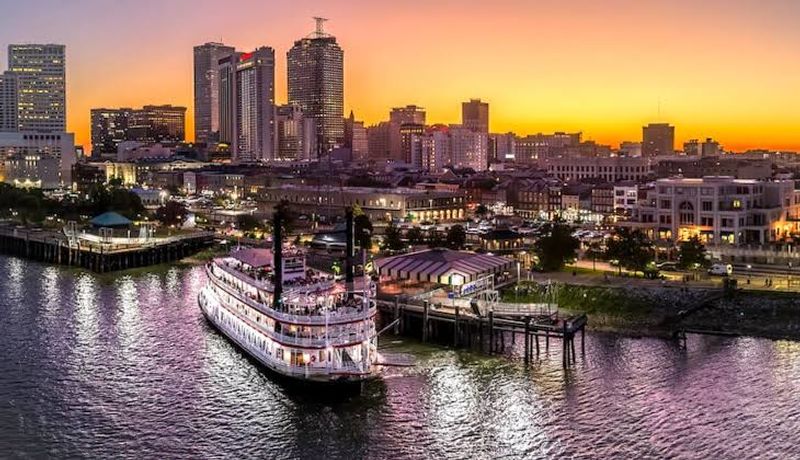
New Orleans is one of the loudest cities in America, and that is meant as a compliment. The brass bands, the street performers, the rumble of the streetcar, and the general noise of people having a good time are exactly what the city promises and exactly what it delivers.
Photos of the French Quarter show the architecture beautifully but miss the sound entirely. The real New Orleans experience lives in what you hear and eat as much as what you see.
Beignets at Cafe Du Monde, a bowl of gumbo somewhere off Bourbon Street, and a second line parade if you are lucky enough to catch one.
The city’s official tourism resources cover food, music, festivals, architecture, and museums with regularly updated planning tools. The neighborhoods beyond the French Quarter, like the Garden District and Tremé, offer a quieter and equally rewarding side of the city.
Go during Jazz Fest if you want the full experience and do not mind a crowd.
San Juan Islands, Washington
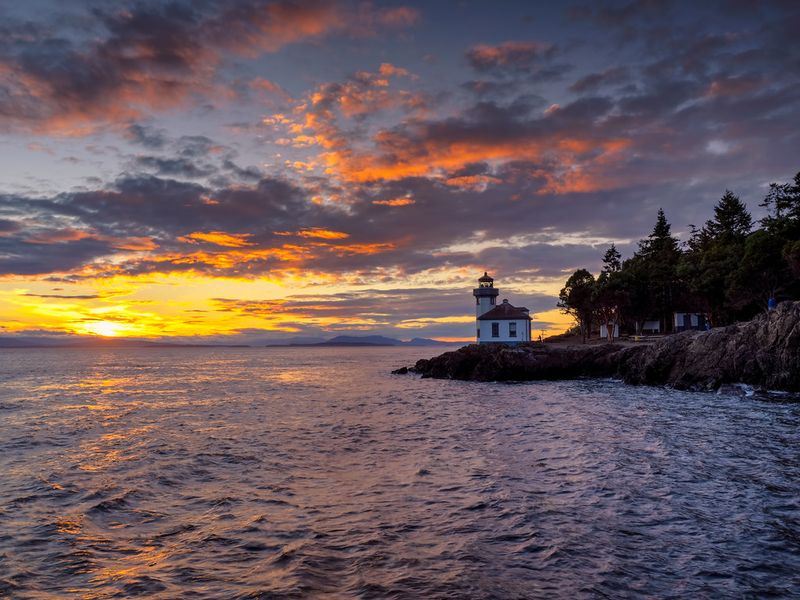
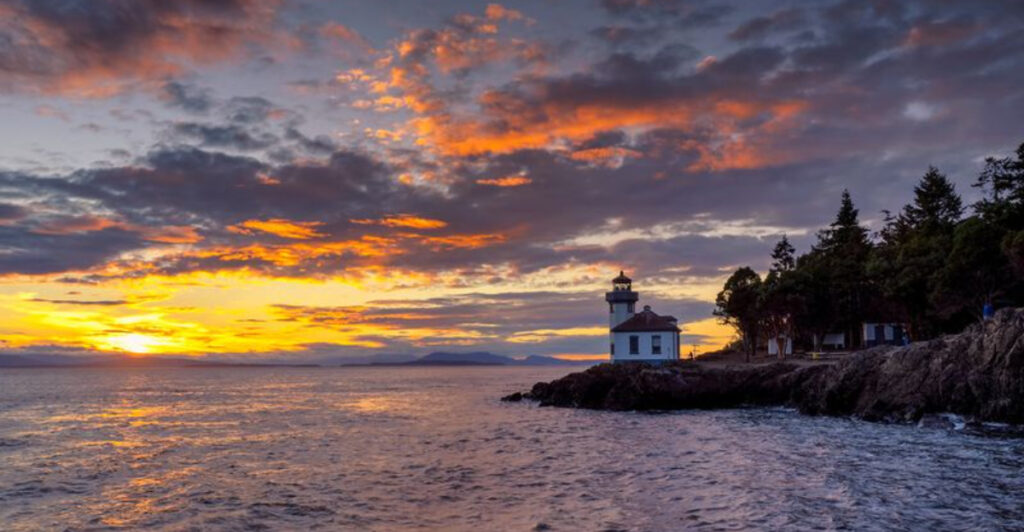
Getting to the San Juan Islands requires a ferry, and that ferry ride is honestly part of the appeal. You watch the mainland shrink, the water opens up, and the pace of the trip shifts before you even arrive.
That transition is something no photo can replicate.
The islands have a quieter, more spacious feeling than most Pacific Northwest destinations. Orca sightings are genuinely common from shore, kayaking is excellent, and the small towns on Orcas and San Juan Islands have good food and almost no urgency about anything.
Friday Harbor on San Juan Island is the main hub and a solid base for exploring. The official visitor site remains active and highlights whale watching, kayaking, historic sites, and island adventures with current planning information.
Summer fills up fast, so book ferries and accommodations early. If you go in the shoulder season, you get the same scenery with about half the people, which is a pretty good trade.
Cannon Beach, Oregon
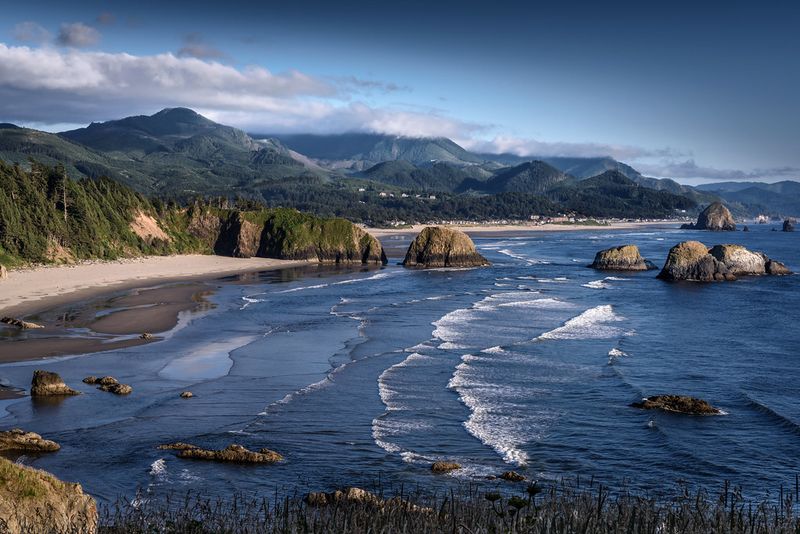
Haystack Rock is one of the most photographed objects on the Oregon Coast, and yet the actual beach around it is what makes Cannon Beach worth visiting. The rock is enormous in person, roughly 235 feet tall, and it sits right at the waterline in a way that changes completely depending on the tide.
At low tide, the tidepools around its base are full of sea stars, anemones, and small crabs. At high tide, the rock looks like it is rising straight out of the ocean.
Neither version of it looks quite like the photos, and both versions are better.
The town behind the beach is small, walkable, and full of good galleries and restaurants. The 2026 Cannon Beach Experience Guide is available, and Oregon Coast tourism resources continue to feature the town prominently.
Winter visits are underrated. The mist and dramatic skies give the whole coastline a mood that sunny summer photos never quite capture.
Asheville, North Carolina
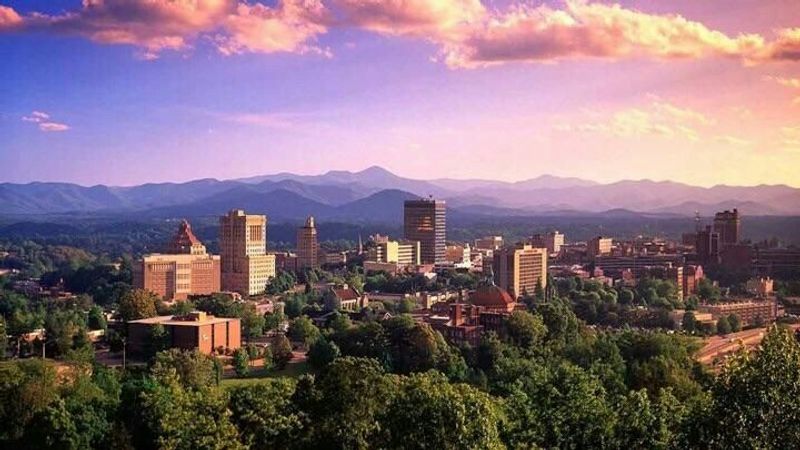
Asheville has a reputation as a quirky mountain city, and it earns that reputation in the best possible way. The downtown has genuine Art Deco architecture, a walkable arts district, a seriously impressive local food scene, and more breweries per capita than almost anywhere in the country.
The Blue Ridge Parkway runs right through the area and delivers some of the most beautiful mountain driving in the eastern United States. Fall color here is legitimately spectacular, and the crowds, while real, are worth pushing through for the views along the parkway overlooks.
Biltmore Estate sits just outside downtown and is worth at least half a day. It is the largest privately owned home in the United States, which sounds like a brag until you actually walk through it and realize it earns the title.
Explore Asheville’s official visitor resources are current and well-organized for trip planning. Book accommodations early in October because the whole region fills up fast during peak leaf season.
Big Sur, California
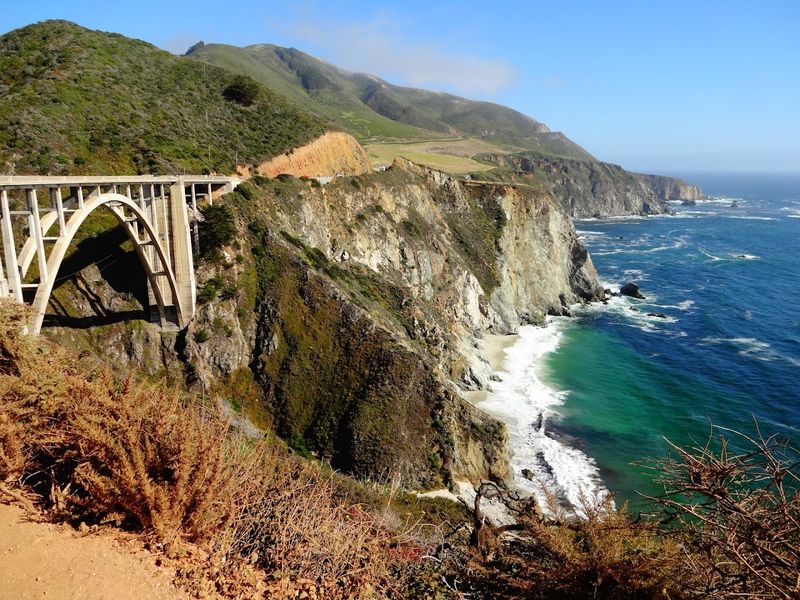
Big Sur is the kind of drive that makes you pull over every ten minutes because the view just changed again. The cliffs drop straight into the Pacific, the highway clings to the edge of them, and the scale of the whole thing is genuinely hard to process from a moving car.
After years of landslide closures, California announced the reopening of Highway 1 through Big Sur in January 2026. Full travel access along the coast is restored, but road conditions can shift, so check Caltrans updates before making the drive.
A surprise closure on a coastal cliff road is not the kind of surprise anyone wants.
McWay Falls, which drops directly onto a beach with no public access, is one of the more surreal sights on the California coast. Pfeiffer Big Sur State Park offers camping and hiking for those who want more than a windshield view.
The fog in the mornings softens everything and gives the coastline a quality that clear-day photos completely miss.
Door County, Wisconsin
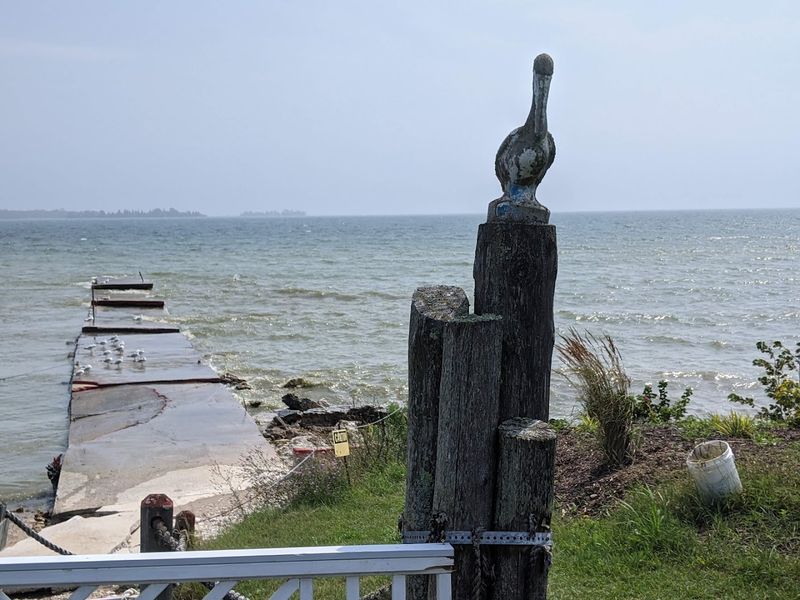
Door County is the kind of place that Midwesterners have been quietly enjoying for decades while the rest of the country sleeps on it. The peninsula juts into Lake Michigan and Green Bay, giving it water views on both sides and a surprisingly dramatic landscape for a place that looks gentle in photos.
The cherry orchards are a genuine regional thing, not just a tourism prop. In summer, farm stands sell cherry everything, and the fish boils at local restaurants are a Door County tradition that involves an actual outdoor fire and a very theatrical boilover at the end.
Worth witnessing at least once.
The lighthouses are plentiful and photogenic, the beaches are good, and the small towns like Fish Creek, Ephraim, and Sister Bay each have their own personality. Destination Door County released its 2026 official destination guide and county visitor resources remain active for planning.
Fall is spectacular here and significantly less crowded than the summer peak season.
Kauai, Hawaii
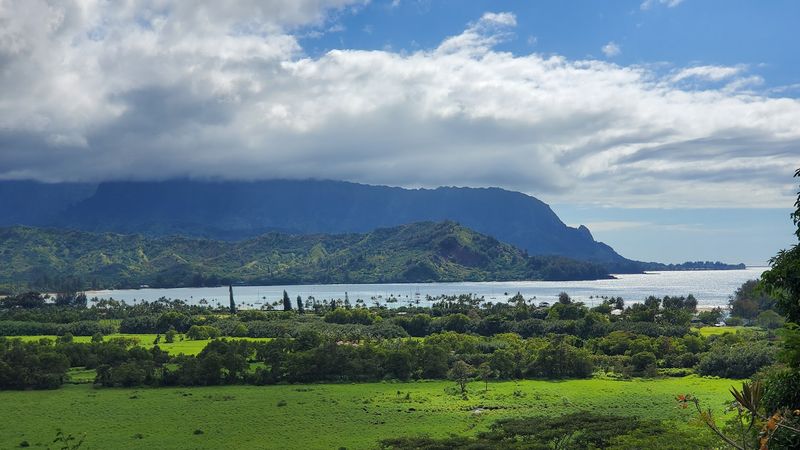
Kauai is the oldest and most dramatic of the main Hawaiian Islands, and the landscape shows its age in the best possible way. The Na Pali Coast cliffs rise over 4,000 feet from the ocean, the Waimea Canyon earns its nickname as the Grand Canyon of the Pacific, and the interior of the island is so lush it looks almost artificially green.
The island gets more rainfall than most of Hawaii, which is why everything stays so intensely green. That also means rainbows are almost a daily occurrence, which sounds like a tourist brochure line until you actually see three of them in one afternoon and just accept that Kauai operates by different rules.
The North Shore around Hanalei Bay is stunning but can flood in winter, so check conditions before driving. The official Hawaii tourism site and the Hawaii Visitors and Convention Bureau both maintain current Kauai guidebooks and travel planning resources.
Book accommodations well in advance because the island is small and popular spots fill up fast.
Share this story