Some markets sell food. The best ones sell a whole experience.
Across the U.S., farmers markets have become destinations in their own right, where local growers, bakers, and makers bring the best of their region straight to your reusable tote bag. Whether you are a seasoned market regular or a first-time visitor, these 15 spots are worth planning a trip around.
Pike Place Market, Seattle, Washington
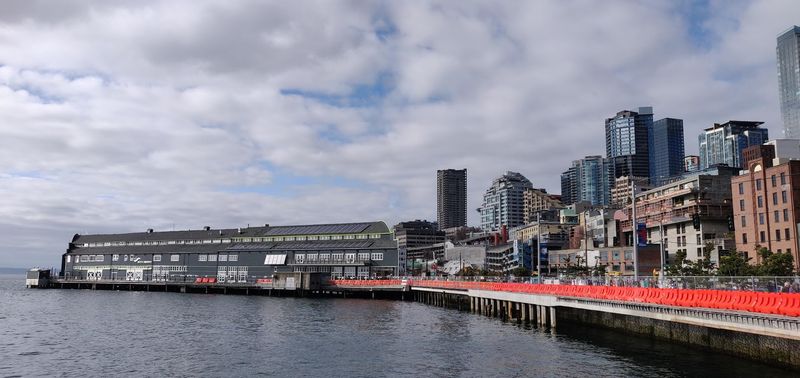
Fishmongers tossing salmon through the air is not something you forget easily. Pike Place Market has been running since 1907, making it one of the oldest continuously operating public markets in the country.
Seattle calls it their original farmers market, and the 2026 season is already locked in.
Local farm vendors fill the stalls with everything from heirloom tomatoes to hand-cut flowers. The market sits right above Elliott Bay, so the views are as good as the produce.
It gets crowded fast, especially on weekends, so arriving early is a smart move.
Beyond the famous fish throw, there are dozens of local artisans, bakeries, and specialty food makers tucked into every corner. First-time visitors often spend hours wandering without realizing it.
Pike Place is not just a market stop. It is a full Seattle afternoon.
Ferry Plaza Farmers Market, San Francisco, California
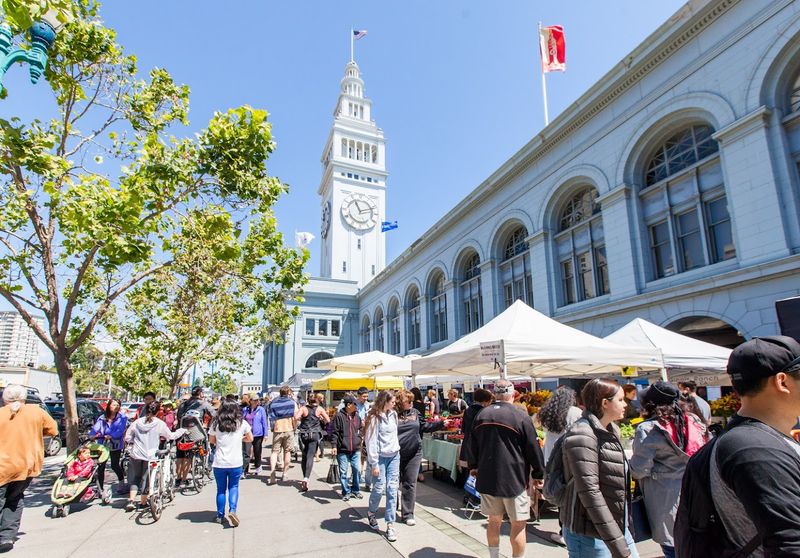
Right on the waterfront with the Bay Bridge in the background, this market has one of the best settings of any farmers market in the country. The Ferry Building itself is packed with artisan food shops, so the market outside feels like a natural extension of something already delicious.
Tuesday, Thursday, and Saturday markets run throughout the year, giving visitors plenty of chances to stop by. Saturday is the big one, when the full lineup of local farmers, cheesemakers, and specialty producers shows up.
I once spent an embarrassing amount of money on olive oil and do not regret a single drop.
California’s agricultural diversity really shows here. Vendors bring stone fruits, dry-farmed tomatoes, raw honey, and regional wines that you simply cannot find at a regular grocery store.
The Ferry Plaza market is proof that shopping for food can genuinely be a highlight of any trip.
Union Square Greenmarket, New York, New York
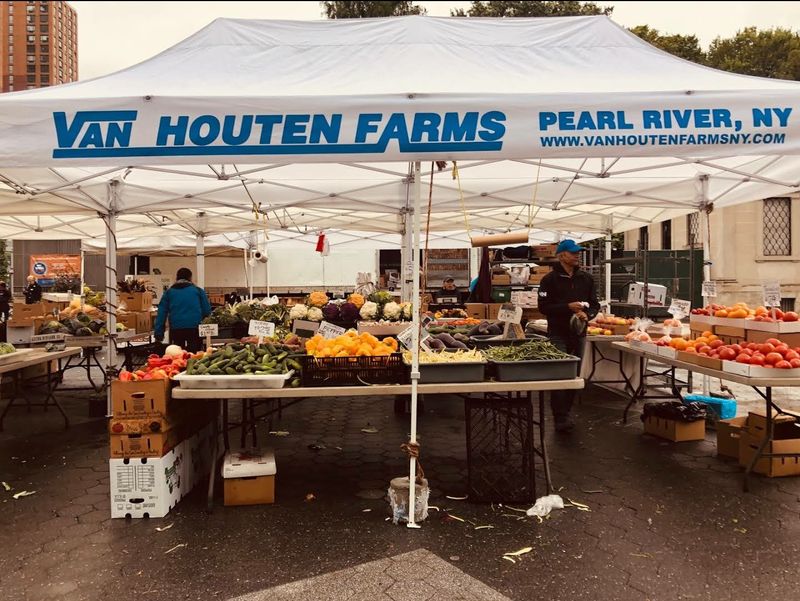
Up to 140 regional farmers, fishers, and bakers show up at peak season. That number alone tells you this is not your average weekend market.
Union Square Greenmarket has been a fixture of New York City food culture for decades, running year-round in the heart of Manhattan.
The vendors here come from across the tri-state region, bringing everything from Hudson Valley apples to Long Island duck eggs. Chefs from some of the city’s top restaurants shop here regularly, which gives you a pretty good clue about the quality level.
Spotting a Michelin-starred chef squeezing peaches next to you is a very New York experience.
GrowNYC manages the market with a strong commitment to regional agriculture and sustainability. Even on cold January mornings, vendors show up with root vegetables, preserved goods, and freshly baked bread.
The market never really sleeps, and neither does the city around it.
Green City Market at Lincoln Park, Chicago, Illinois
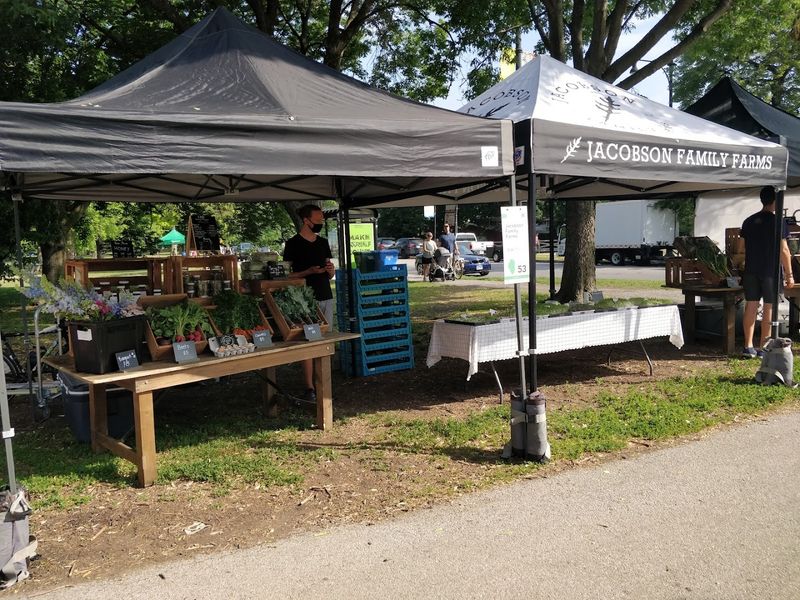
Chicago’s food scene gets a lot of attention for its restaurants, but Green City Market is where the real sourcing happens. The Lincoln Park outdoor market runs from April through November, with the 2026 season kicking off on April 4.
Chefs and home cooks shop side by side here, and the conversations between them are half the entertainment.
The market has a strong educational focus alongside its vendor lineup. Cooking demonstrations from local chefs are a regular feature, turning a Saturday shopping trip into something closer to a free cooking class.
Not a bad deal for the price of a heirloom carrot.
Locally raised meats, small-batch preserves, and sustainably grown vegetables fill the stalls each week. Green City Market also runs a winter market, so the commitment to local food does not stop when the temperatures drop.
It is exactly the kind of market that makes you proud of where your food comes from.
Dane County Farmers’ Market, Madison, Wisconsin
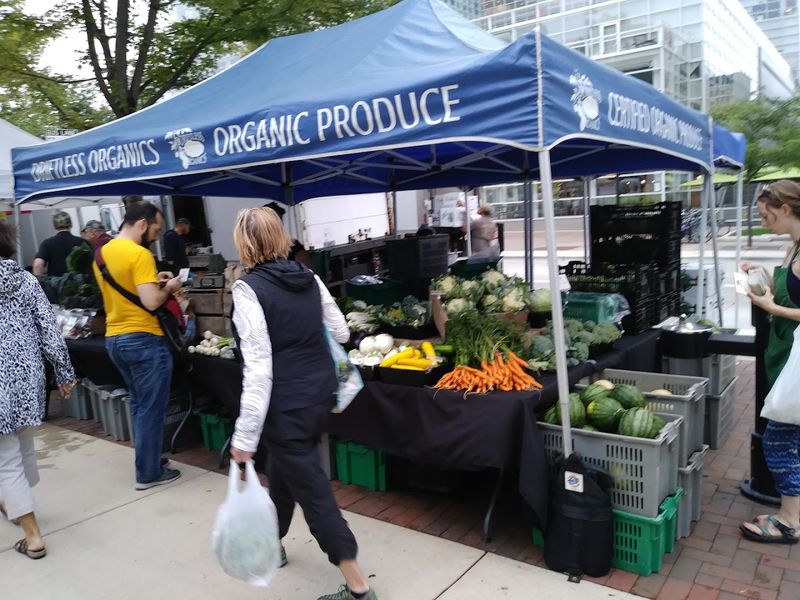
The largest producer-only farmers market in the nation wraps all the way around the Wisconsin State Capitol building. That is not a small claim, and Dane County Farmers’ Market backs it up every single Saturday.
The Capitol Square setting is genuinely stunning, especially in the height of summer when the stalls are overflowing.
Producer-only means every vendor grew, raised, or made what they are selling. No resellers, no middlemen, no mysteries.
Wisconsin cheese curds, fresh sweet corn, handmade sausages, and some of the best bread I have ever eaten all show up here on a regular basis.
The market draws enormous crowds, so patience is part of the experience. Regulars know to get there early and bring cash.
The walk around the Capitol doubles as a free tour of one of Madison’s most beautiful landmarks. Dane County is a bucket-list stop that lives up to every bit of the hype.
Santa Fe Farmers’ Market, Santa Fe, New Mexico
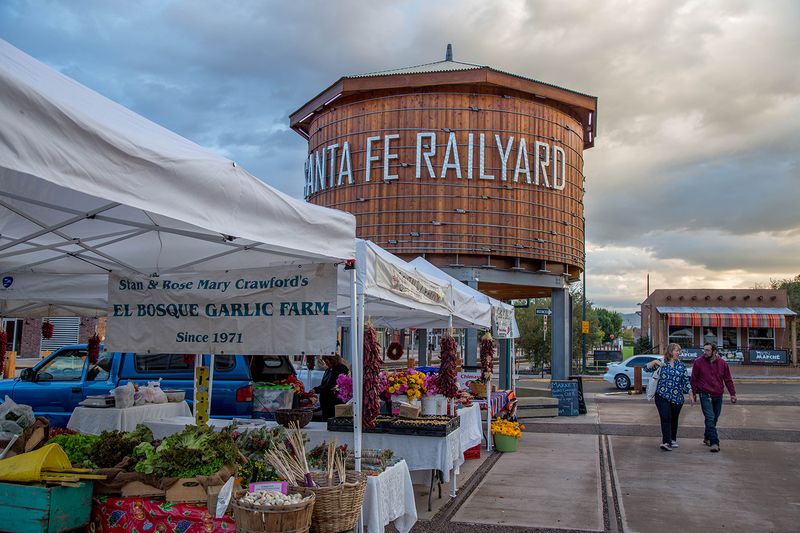
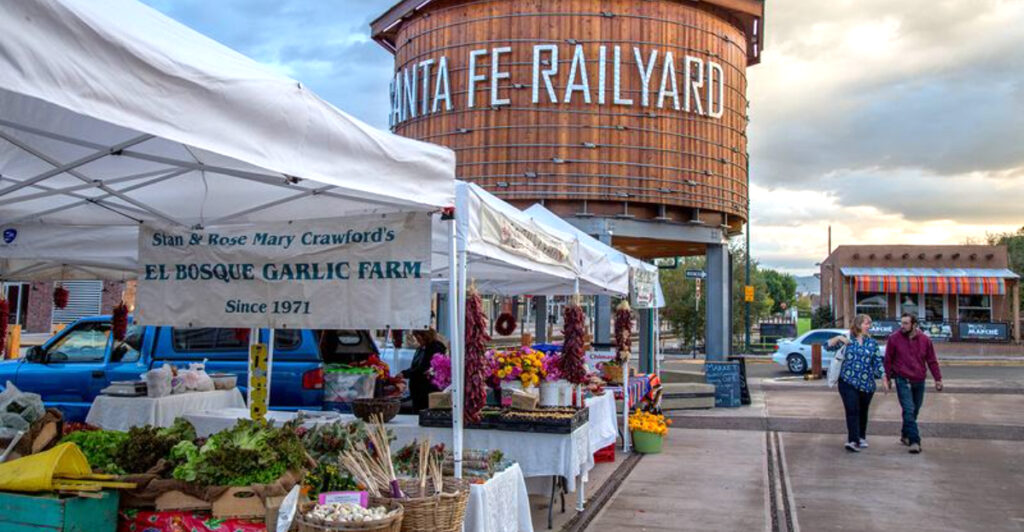
New Mexico has its own agricultural identity, and this market puts it front and center. Up to 130 local farmers and producers from 15 Northern New Mexico counties show up at the Santa Fe Farmers’ Market, bringing red and green chiles, blue corn, heirloom beans, and regional specialties you will not find anywhere else.
The Saturday market runs all year long, which is a serious commitment in a high-altitude desert climate. The market is located at the Railyard, a renovated arts and culture district that gives the whole experience a creative, community-driven energy.
Shopping here feels like participating in something, not just buying things.
Santa Fe’s culinary scene leans heavily on these local producers, and the market is where that relationship starts. Vendors are genuinely knowledgeable and happy to talk about how their food is grown.
A Saturday morning here is one of the most distinctly Southwestern experiences any food traveler can have.
PSU Farmers Market, Portland, Oregon
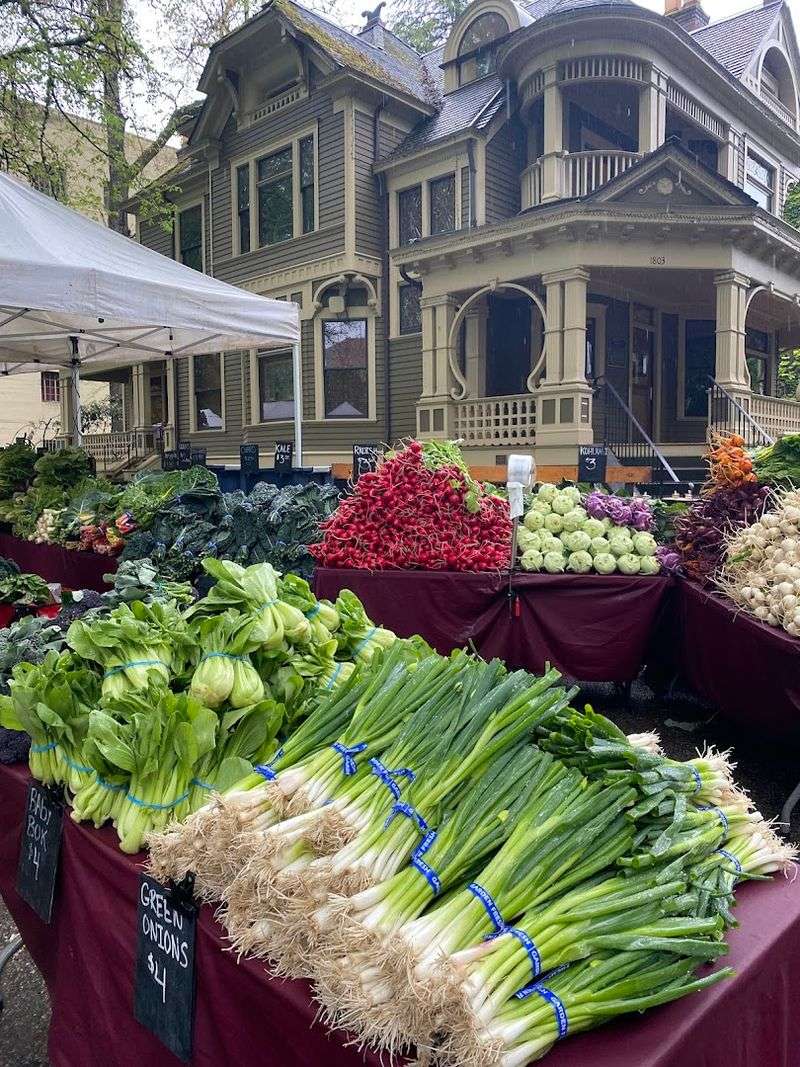
Portland takes local food seriously, and the PSU Farmers Market at Portland State University is where that commitment gets its biggest stage. Around 90 to 100 local farmers and food vendors set up every Saturday, making it the city’s flagship market by size and reputation.
It runs year-round, which says everything about how dedicated this community is.
The vendor mix is impressive. Expect wild mushrooms, Oregon hazelnuts, grass-fed meats, small-batch hot sauces, and some of the most creative prepared foods of any market on this list.
The campus setting keeps things lively, with students, chefs, and neighborhood regulars all mixing together.
Saturday at PSU is the kind of morning that turns into an afternoon without warning. The food stalls alone could keep you occupied for hours.
Portland’s reputation for food culture is well-earned, and this market is a big reason why. First-time visitors should bring a bigger bag than they think they need.
Dupont Circle FRESHFARM Market, Washington, D.C.
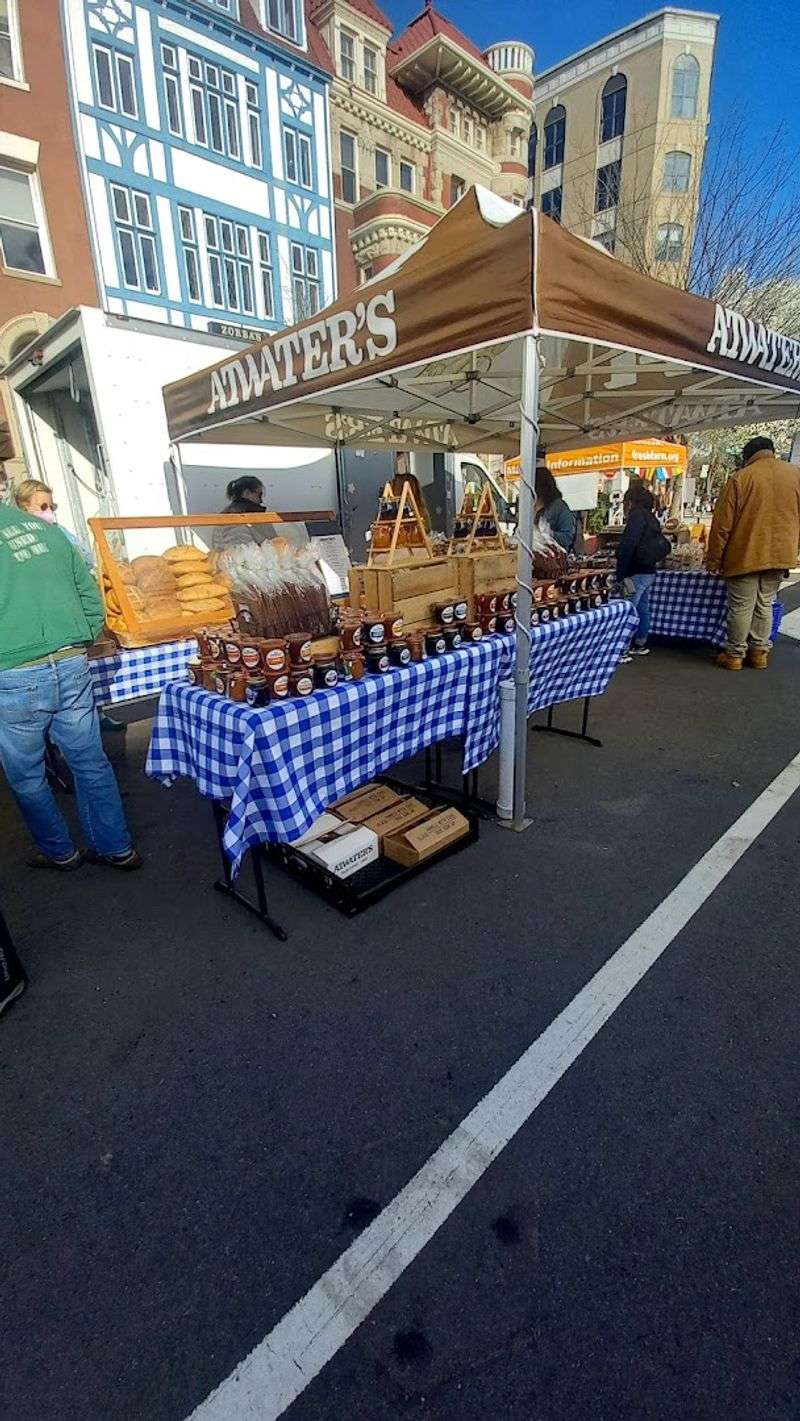
Founded in 1997, the Dupont Circle FRESHFARM Market has built a reputation that stretches well beyond the Mid-Atlantic. Major publications have named it among the top farmers markets in the country, and a single Saturday visit makes it easy to understand why.
The neighborhood buzzes around it in the best possible way.
Mid-Atlantic agriculture is seriously underrated, and this market proves it. Vendors bring Chesapeake Bay seafood, Virginia wine grapes, Maryland crab products, and seasonal produce from small family farms across the region.
The quality is consistently high, and the vendor community has a real sense of pride in what they bring each week.
Dupont Circle itself is a great neighborhood to explore after shopping. Grab something from a prepared food vendor and eat it on a bench while watching the city go by.
FRESHFARM also runs additional markets around D.C., but Dupont is the crown jewel of their operation and the one worth making a special trip for.
Crescent City Farmers Market, New Orleans, Louisiana
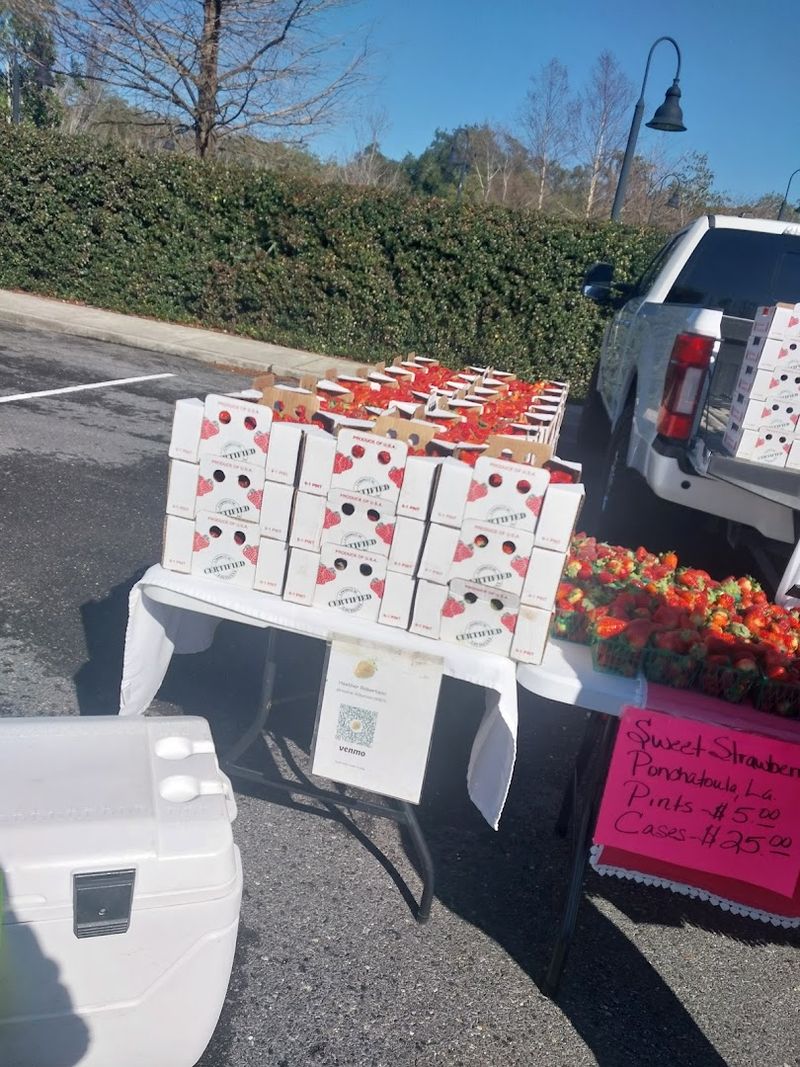
New Orleans puts its personality into everything, and the Crescent City Farmers Market is absolutely no exception. Started in 1995 as a producer-only market, it now runs three weekly markets across the New Orleans area.
The city’s culinary DNA shows up in every stall, from Creole tomatoes to fresh Gulf seafood to homemade hot sauce that will rearrange your priorities.
Market Umbrella, the nonprofit behind the market, has kept the focus on local producers and community access since the beginning. That mission gives the market a warmth that goes beyond just buying groceries.
Vendors here are storytellers as much as they are sellers.
Visiting this market before a night out in New Orleans is a genuinely great idea. Picking up local ingredients and learning what is in season gives you a whole new appreciation for what the city’s restaurants put on the plate.
Crescent City is not just a market. It is a crash course in Louisiana food culture.
Charleston Farmers Market, Charleston, South Carolina
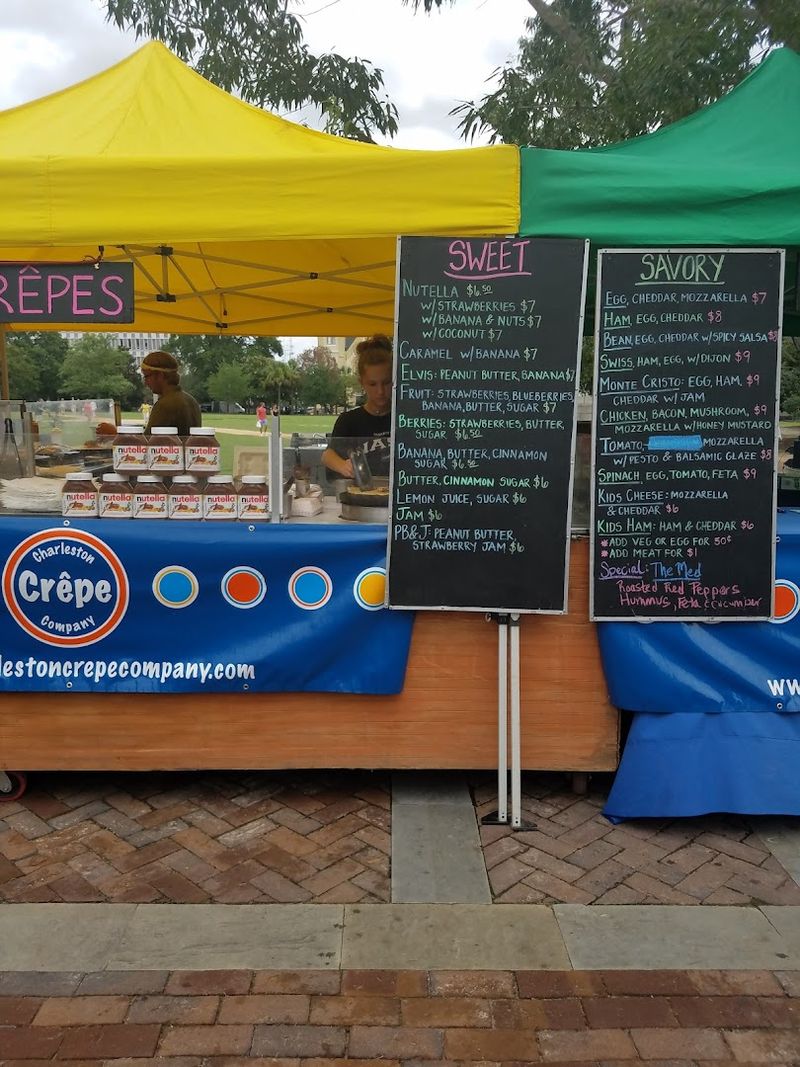
Marion Square on a Saturday morning in Charleston is one of those scenes that makes you want to move somewhere immediately. The Charleston Farmers Market runs Saturdays from April 4 through November 21 in 2026, set against the backdrop of one of the most beautiful historic districts in the American South.
The setting alone is worth the trip.
Southern staples like fresh peaches, boiled peanuts, Sea Island red peas, and locally caught shrimp fill the stalls alongside prepared foods and handmade crafts. The market has a relaxed, community-first energy that feels genuinely welcoming to out-of-towners.
Nobody is in a rush, and that is very much a feature, not a bug.
Charleston’s food scene has exploded in recent years, but the farmers market keeps its roots firmly in the local agricultural tradition. Pairing a market morning with a walk through the historic neighborhood makes for a perfect Charleston day.
Come hungry, leave full, and plan to come back.
Eastern Market, Detroit, Michigan
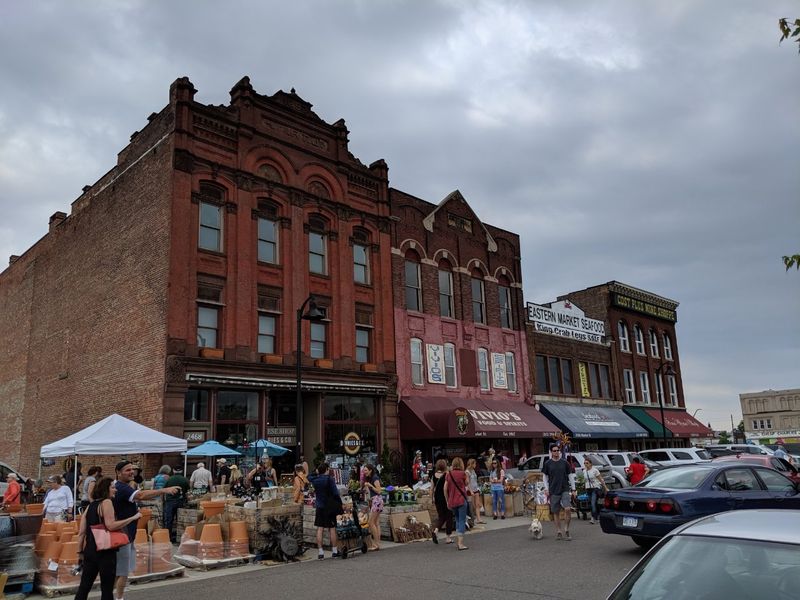
Eastern Market is one of the largest historic public market districts in the country, and on Saturdays it can draw up to 45,000 visitors. That is not a typo.
The market has been part of Detroit’s identity for well over a century, and it still operates with that same big-city, no-nonsense energy that the city is known for.
The Saturday Market runs year-round, which means even in a Michigan winter, vendors show up and shoppers follow. The sheer variety here is hard to beat.
Fresh produce, meat, poultry, flowers, spices, and specialty items from Detroit’s diverse immigrant communities all share space in the sprawling market district.
Eastern Market is also a hub for local artists and food entrepreneurs, especially during special events and market days beyond the standard Saturday. Detroit’s food revival over the past decade has been remarkable, and Eastern Market sits right at the center of it.
This is a market that feels like a city in miniature.
Boulder Farmers Market, Boulder, Colorado
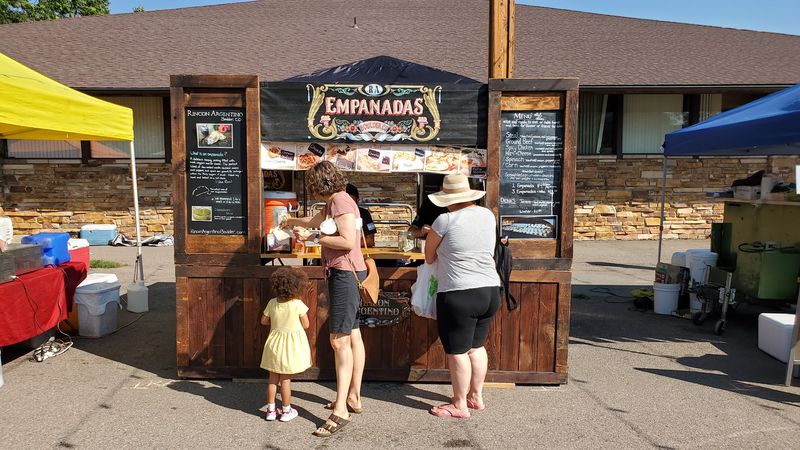
Boulder has been doing the local food thing longer than it was trendy. The Boulder Farmers Market has served the community since 1987, and its Saturday 2026 season runs from April 4 through November 21.
That longevity shows in how smoothly the whole operation runs and how loyal the regular shoppers are.
Colorado’s growing season is shorter than coastal states, which makes the produce that does show up feel extra earned. Vendors bring Rocky Mountain peaches, locally raised bison, Colorado honey, and organic vegetables grown at high altitude.
The quality is excellent, and the vendors are the kind of people who genuinely love talking about what they grow.
The market has a strong wellness culture running through it, which fits Boulder’s overall personality perfectly. Kombucha, herbal tinctures, and grain-free baked goods share stall space with classic farm staples.
With the Flatirons as a backdrop, shopping here feels less like an errand and more like a very good Saturday decision.
Downtown Farmers’ Market, Des Moines, Iowa
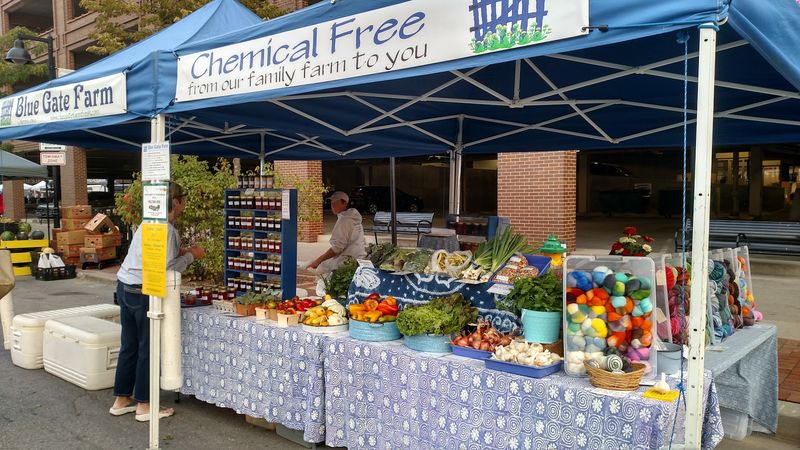
Des Moines does not get enough credit in the national food conversation, but the Downtown Farmers’ Market is making a strong case for the city. The 2026 season runs every Saturday from May 2 through October 31 in the Historic Court District, drawing hundreds of vendors from across Iowa.
It is significantly larger than most people expect.
Iowa is farm country, and the market reflects that in the most direct way possible. Sweet corn, heritage pork, fresh eggs, artisan cheeses, and homemade jams show up in quantities that would make any farmers market enthusiast emotional.
The prices are also refreshingly fair compared to coastal markets of similar quality.
The Historic Court District setting adds a great deal of character to the whole experience. Street performers, live music, and food trucks join the vendor lineup, turning the market into a full-blown community event.
Des Moines is the kind of place that surprises you, and this market is exactly where that surprise begins.
Mill City Farmers Market, Minneapolis, Minnesota
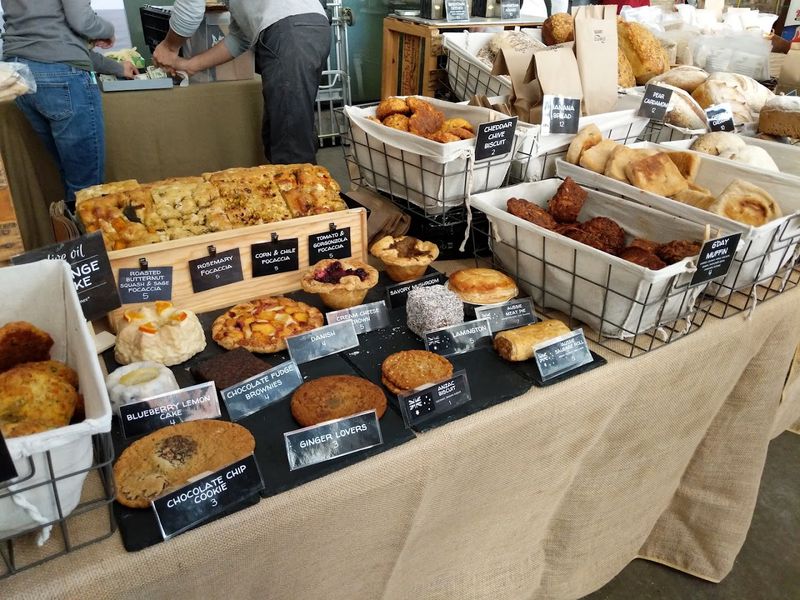
Set along the Mississippi River near the historic Mill City Museum ruins, this market has one of the most striking locations of any on this list. Mill City Farmers Market hosts more than 115 rotating farmers, food makers, and artists on outdoor Saturdays from May through October, with winter operations continuing the mission through the cold months.
The vendor curation here is notably thoughtful. This is not a market where you find the same ten items at every stall.
Local grain millers, wild rice producers, Hmong farm families, and small-batch fermenters all contribute to a vendor mix that reflects the genuine diversity of Minnesota’s food community.
Minneapolis takes sustainability seriously, and the market’s values align with that city-wide culture. Reusable bags, compost stations, and a strong emphasis on low-waste shopping are built into the experience.
Mill City is the kind of market that makes you feel good about what you bought and how you bought it.
University District Farmers Market, Seattle, Washington
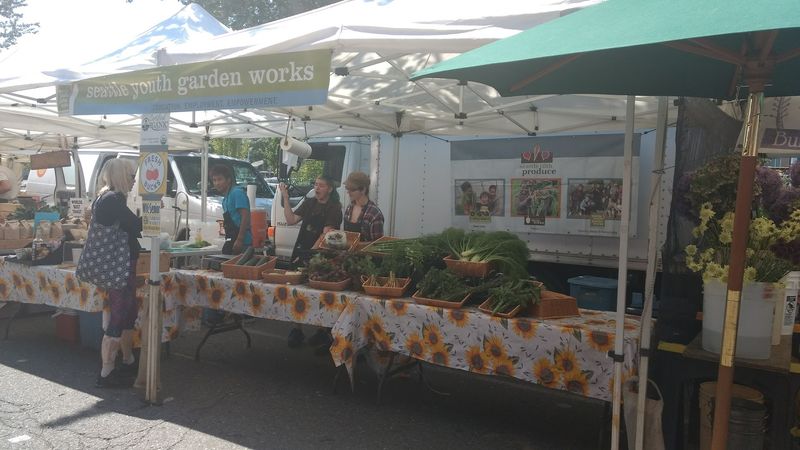
Seattle earns a second spot on this list, and the University District Farmers Market has more than enough personality to justify it. Founded in 1993, Neighborhood Farmers Markets calls it Seattle’s largest and oldest farm-and-food-only market.
That farm-and-food-only rule keeps the vendor quality high and the focus tight.
The U-District market has a noticeably different vibe from Pike Place. It is neighborhood-scale, community-driven, and packed with regulars who have been shopping here for years.
Local farmers bring Pacific Northwest specialties like Dungeness crab, wild salmon, foraged mushrooms, and berries that taste like they were picked twenty minutes ago.
Year-round Saturday operations mean this market is a genuine weekly institution, not just a summer attraction. The surrounding University District neighborhood adds a youthful, eclectic energy to the whole experience.
For food travelers who already have Pike Place on their itinerary, adding a Saturday at the U-District market turns a good Seattle trip into a great one.
Share this story