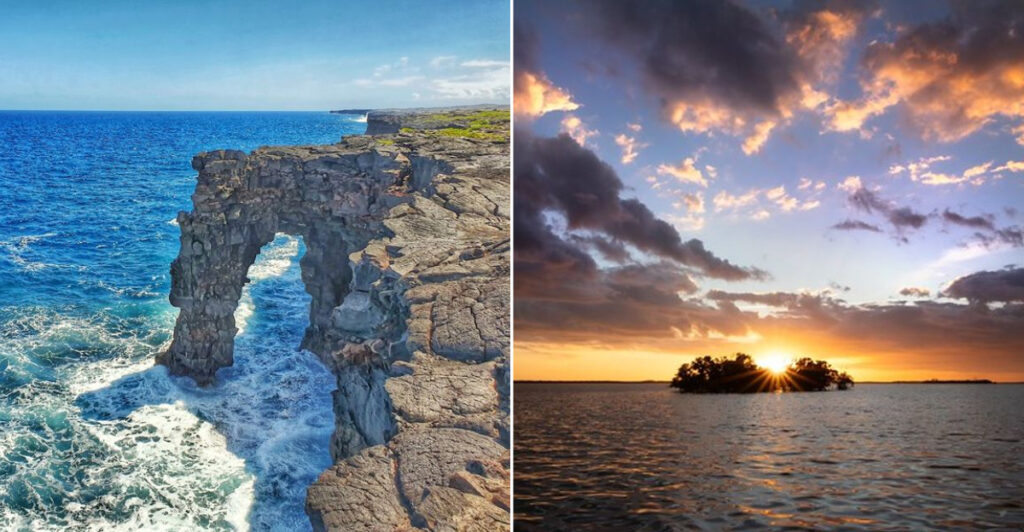
Not every tropical getaway requires a passport or a long-haul flight. Some of the most jaw-dropping, Caribbean-worthy scenery in the world is hiding right inside the U.S.
National Park System. From crystal-clear turquoise waters to lush rainforests and white-sand beaches, these parks will make you do a double-take.
Pack your sunscreen and get ready to be seriously surprised.
Dry Tortugas National Park, Florida
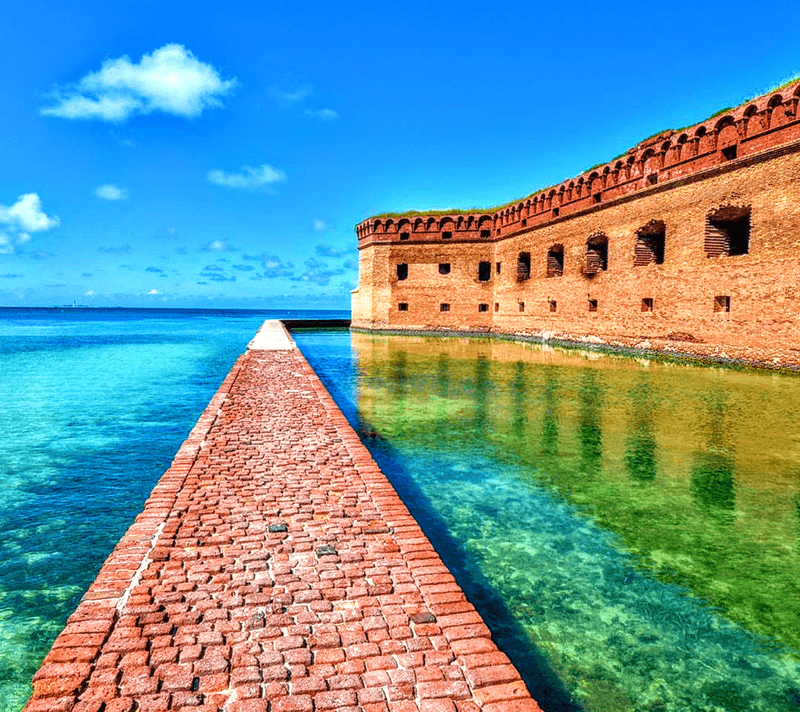
Seventy miles west of Key West sits a cluster of islands so remote that the only ways to reach them are by boat or seaplane. That alone makes Dry Tortugas feel like a secret.
The water here is almost aggressively clear, the kind where you can count fish from the surface without even trying.
Fort Jefferson, a massive 19th-century military fort, sits right on Garden Key and looks absolutely surreal surrounded by all that bright blue water. It held Civil War prisoners, which is a wild historical footnote for a place that now looks like a luxury resort backdrop.
Coral reefs ring the islands, and the marine life is spectacular. Campers who stay overnight get the whole place nearly to themselves after the day-trippers head back.
Dry Tortugas earns its Caribbean comparison every single time someone sees that water color for the first time.
National Park of American Samoa, American Samoa
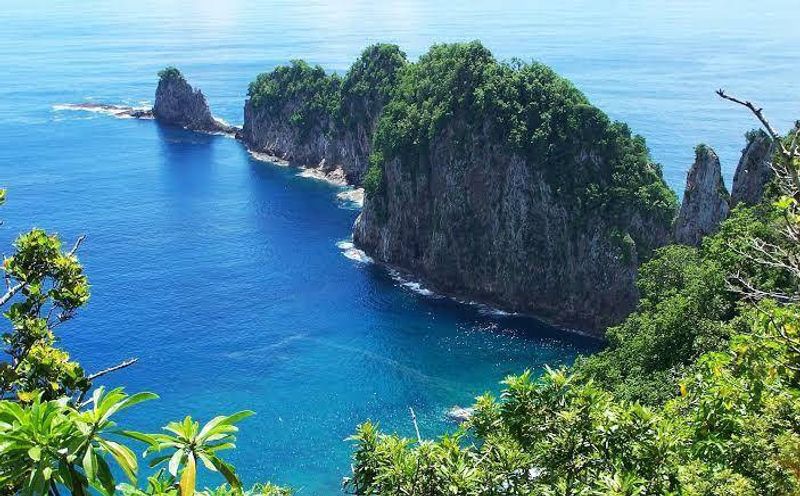
Most people could not find American Samoa on a map on their first try, and honestly, that works in your favor. The National Park of American Samoa is the only U.S. national park located south of the equator, and it protects some of the most untouched tropical scenery on the planet.
Ofu Island’s beach is regularly called one of the most beautiful on Earth, and the coral reef just offshore backs up that claim completely. The reef here is remarkably healthy compared to many other tropical destinations, which means snorkeling feels like watching a nature documentary in high definition.
Getting here from the U.S. mainland takes serious commitment, involving multiple flights and some patience. But travelers who make the trip consistently say it is worth every hour of travel.
The South Pacific scenery feels so Caribbean-adjacent that the geography almost seems irrelevant once you’re standing on that beach.
Biscayne National Park, Florida
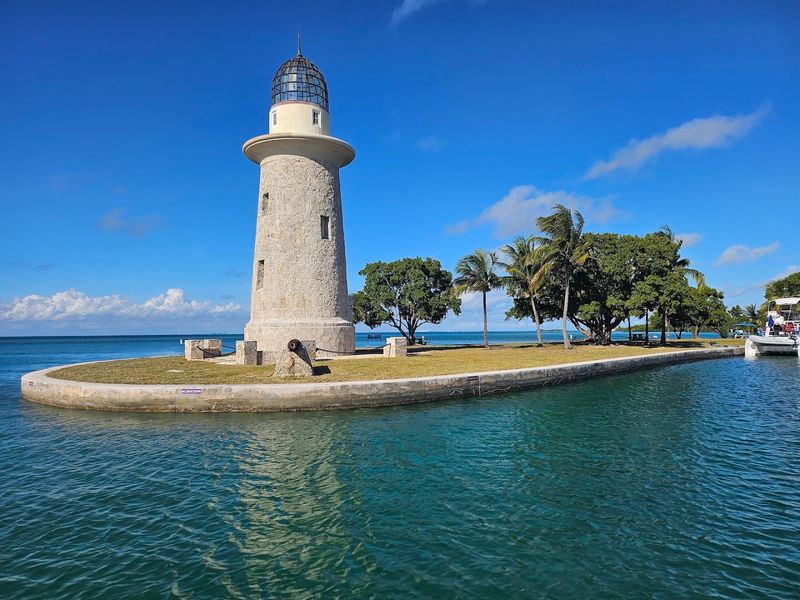
Nearly 95% of Biscayne National Park is underwater, which makes it one of the most unusual entries in the entire National Park System. Most people drive right past it on their way to the Florida Keys without realizing it exists.
Their loss, honestly.
The coral reefs here are among the most accessible in the country, sitting just south of Miami in water so clear and blue it barely looks real. Mangrove shorelines, tropical islands, and colorful marine life round out a setting that feels far more Caribbean than suburban South Florida.
Kayaking through the mangroves is a completely different experience from the open-water snorkeling, and both are worth doing. Glass-bottom boat tours are available for anyone who wants the underwater view without getting wet.
Biscayne is proof that world-class tropical scenery does not always require a long trip or a big budget.
Virgin Islands National Park, U.S. Virgin Islands
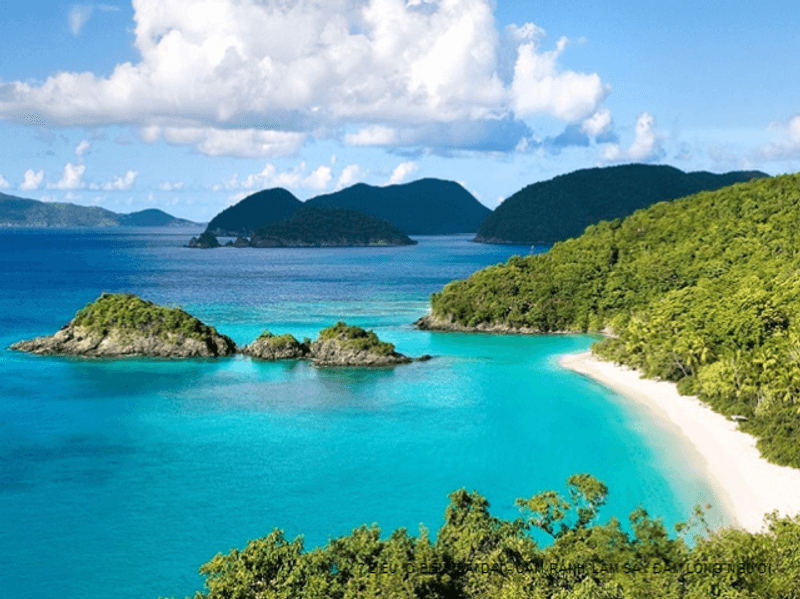
Trunk Bay is so ridiculously beautiful that it almost feels like a setup. The water is that specific shade of turquoise that makes you question whether you’re looking at a screensaver.
Virgin Islands National Park covers roughly two-thirds of St. John, protecting white-sand beaches, coral reefs, and dense tropical forest.
The snorkeling here is some of the best you’ll find anywhere in the United States. An underwater trail at Trunk Bay is marked with signs, so even beginners can follow along like a self-guided museum tour, except way cooler and wetter.
The coral reefs teem with colorful fish that clearly have no idea how lucky they are.
Getting to St. John requires a short ferry ride from St. Thomas, which honestly just adds to the vacation energy. This park is as close to a classic Caribbean paradise as the National Park System gets.
Everglades National Park, Florida
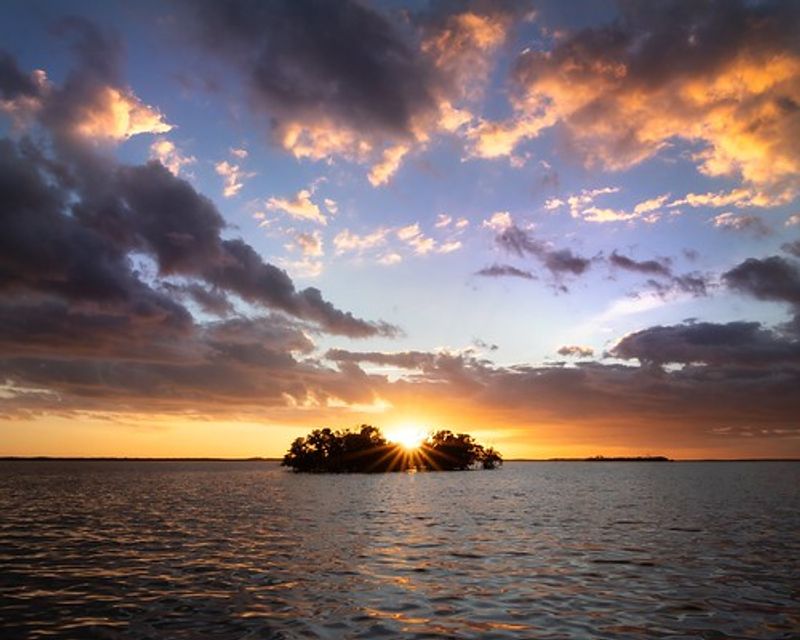
The Everglades gets a reputation as a swamp, and while that’s not entirely wrong, it seriously undersells what’s actually going on down there. The park is the largest tropical wilderness in the continental United States, covering 1.5 million acres of ecosystems that exist almost nowhere else on the planet.
Florida Bay, along the park’s southern edge, features mangrove islands, shallow emerald-green water, and coastal scenery that looks nothing like what most people associate with Florida. Manatees, dolphins, and sea turtles move through these waters regularly, treating the bay like their personal neighborhood.
Kayaking through the Ten Thousand Islands section is a genuinely wild experience. The waterways twist through mangrove tunnels, opening suddenly into wide bays with no development visible in any direction.
For a park most famous for alligators and sawgrass, the coastal sections deliver a surprisingly lush, tropical, almost otherworldly atmosphere that catches first-time visitors completely off guard.
Channel Islands National Park, California
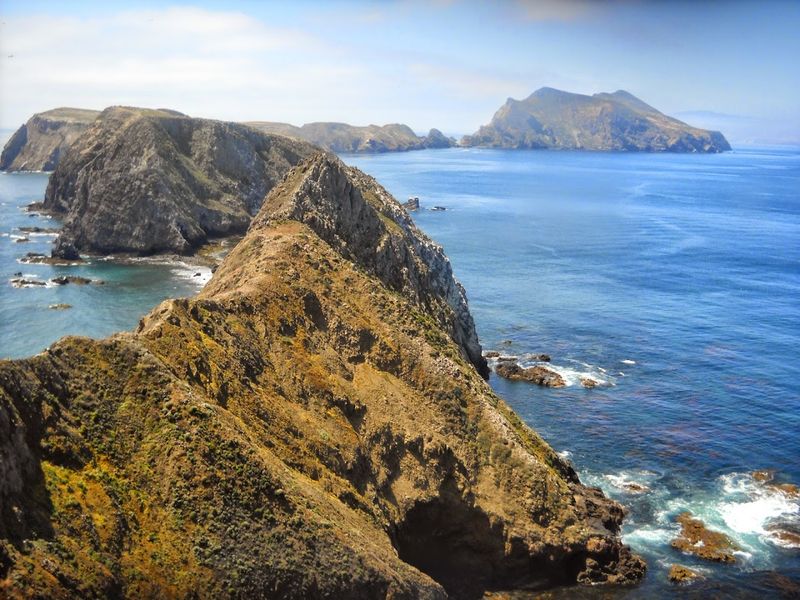
California does not usually come up in Caribbean comparisons, but the Channel Islands are here to challenge that assumption. On a clear day, the water surrounding Santa Cruz Island turns a shade of turquoise that would look completely at home in a travel magazine spread about the Bahamas.
The nickname “North America’s Galápagos” was not handed out casually. These islands have been isolated long enough that they developed their own unique species found nowhere else on Earth.
Sea caves, dramatic cliffs, and kelp forests packed with wildlife make every visit feel like a genuine expedition.
Day trips from Ventura or Oxnard are the most common way to visit, with boats running regularly to the islands. Camping is available for those who want more time to explore.
The Channel Islands remain one of California’s most underrated destinations, which means crowds are refreshingly manageable compared to most national parks on the West Coast.
Haleakalā National Park, Hawaii
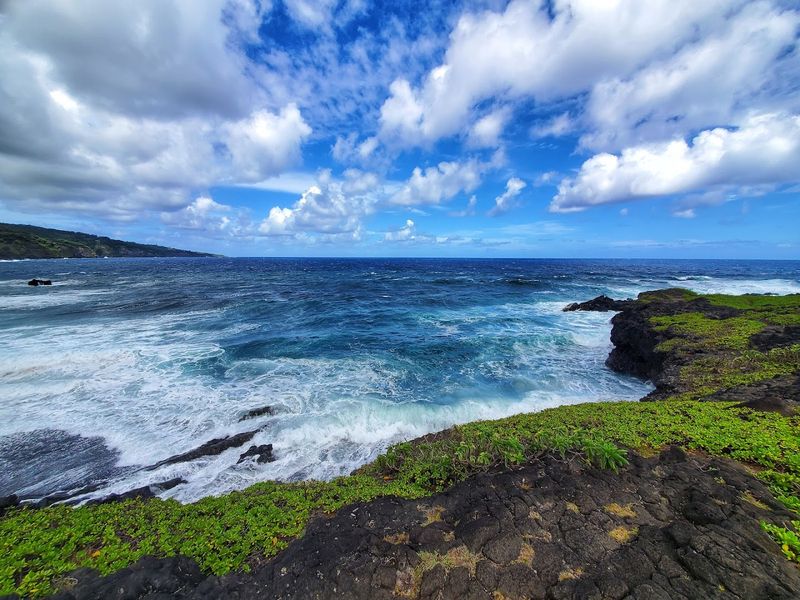
Everyone knows Haleakalā for its volcanic summit, where visitors wake up before dawn to watch the sunrise above the clouds. That part is genuinely spectacular, but the summit gets all the attention while the Kipahulu District quietly steals the show.
Located on Maui’s eastern coast, Kipahulu feels like a completely different park. Waterfalls cascade through bamboo forests, pools of freshwater collect along the rocky coastline, and the whole area is so lush and green it barely resembles the volcanic moonscape up top.
The Seven Sacred Pools, technically called the Ohe’o Gulch, draw visitors who want to hike through tropical vegetation and cool off near the water. The coastal views from the trails look out over the Pacific with nothing but open ocean stretching toward the horizon.
Kipahulu is the rare place where a national park feels more like a Caribbean rainforest retreat than anything you’d typically find in a brochure.
Hawaiʻi Volcanoes National Park, Hawaii
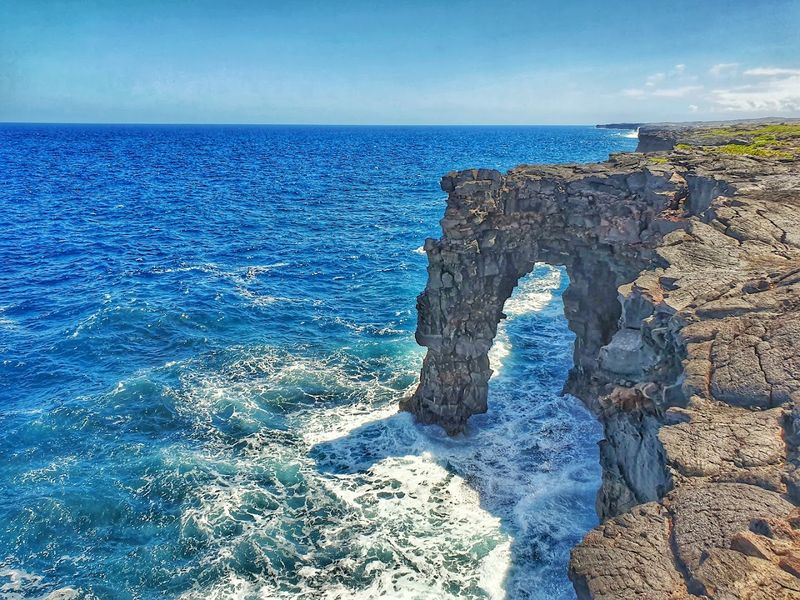
Black sand beaches sound like something from a fantasy novel, but Hawaii Volcanoes National Park has them in real life. The park’s coastline on the Big Island features volcanic beaches, lush tropical vegetation, and warm Pacific waters that create an atmosphere unlike anything in the continental United States.
Punalu’u Black Sand Beach is the most famous, where Hawaiian green sea turtles routinely haul themselves ashore to rest. Watching a sea turtle nap on volcanic black sand with palm trees overhead is the kind of scene that makes people put down their phones and just stare.
The park’s interior gets most of the dramatic coverage, with active lava fields and glowing craters dominating the headlines. But the coastal sections carry their own power.
Rugged volcanic cliffs drop into deep blue water, and the contrast between the dark lava rock and the vivid ocean color creates something genuinely striking that no filter could improve.
Acadia National Park, Maine
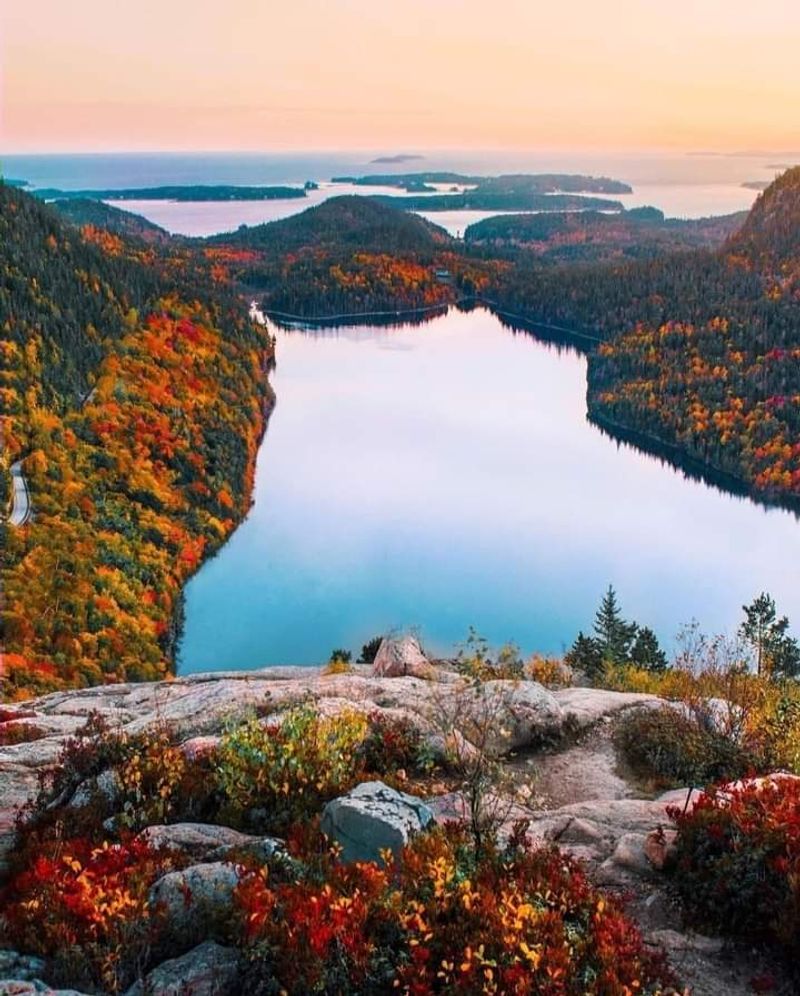
Acadia in the tropics? Hear me out.
Maine is nobody’s first guess when the subject of Caribbean-looking destinations comes up, and the water temperature alone will firmly remind you that this is New England. But summer at Acadia has a trick up its sleeve.
On bright, clear days, the water around certain coves and islands takes on a genuinely surprising blue-green color. The clarity of the water, combined with the island scenery and rugged coastal beauty, creates something that reads as unexpectedly exotic in photos.
Several visitors have done a double-take at their own vacation pictures.
Jordan Pond, with its mirror-flat surface and mountain backdrop, adds to the visual variety. The park covers Mount Desert Island and a scattering of smaller islands, giving it a genuine island-hopping energy.
Acadia earns its spot on this list not by pretending to be tropical, but by delivering genuinely stunning coastal beauty that surprises nearly everyone who shows up.
Isle Royale National Park, Michigan
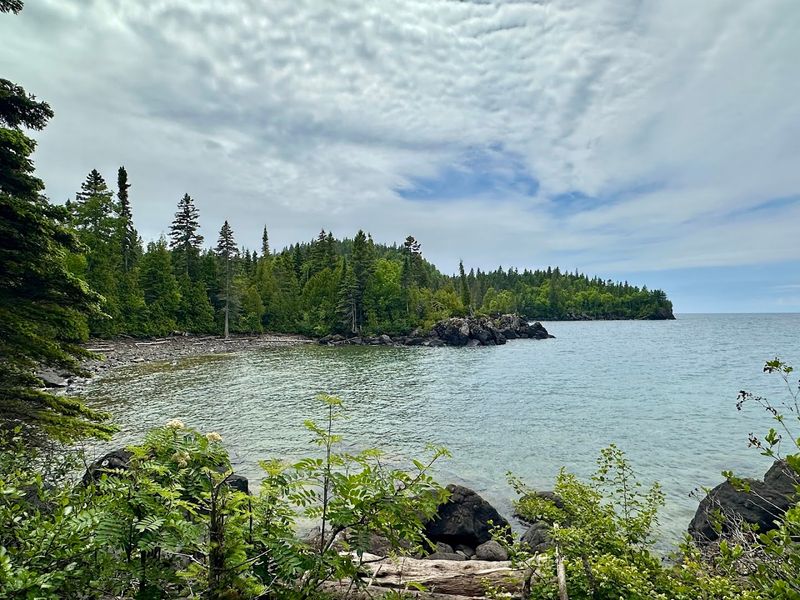
Isle Royale sits in Lake Superior, which is the last body of water most people would associate with tropical vibes. And yet, here we are.
The water surrounding this remote island park is so exceptionally clear that the shallow sections turn a striking blue-green color in summer sunlight.
The illusion holds up surprisingly well until you actually get in the water, at which point Lake Superior’s famously frigid temperature snaps you back to reality faster than anything. The park is only accessible by ferry or floatplane, which keeps crowds low and the wilderness feeling genuinely remote.
Wolves and moose share the island, making this one of the most famous predator-prey study sites in the world. Scientists have monitored the relationship between the two species for decades.
So yes, Isle Royale can look tropical from the right angle on a sunny afternoon, but it remains wonderfully, defiantly wild in every other way that matters.
Glacier Bay National Park, Alaska
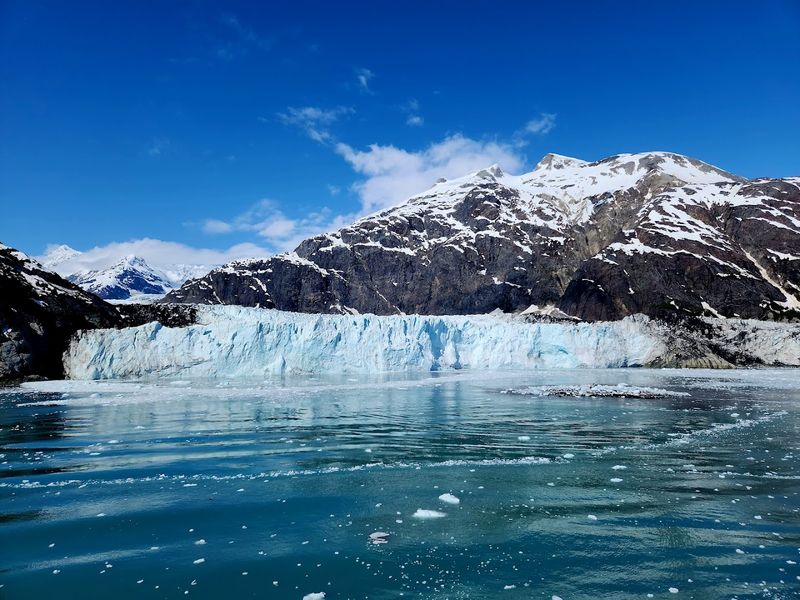
Glacier Bay, Alaska, and tropical lagoon are not three things that typically belong in the same sentence. But glacial flour, the fine sediment ground up by moving glaciers, gives the water here a vivid turquoise color that genuinely looks like something out of the Caribbean.
The photos are not edited. That color is real.
Humpback whales, orcas, sea otters, and brown bears all make appearances in this park, which covers 3.3 million acres of fjords, glaciers, and coastal wilderness. The sheer scale of Glacier Bay is hard to process from any single viewpoint.
Cruise ships pass through regularly, giving passengers a front-row seat to calving glaciers and wildlife sightings. Kayakers willing to brave the cold water can explore the bay at a much more intimate pace.
The turquoise water is the visual hook, but Glacier Bay rewards visitors with one of the most dramatic wilderness experiences available anywhere in the National Park System.
Kenai Fjords National Park, Alaska
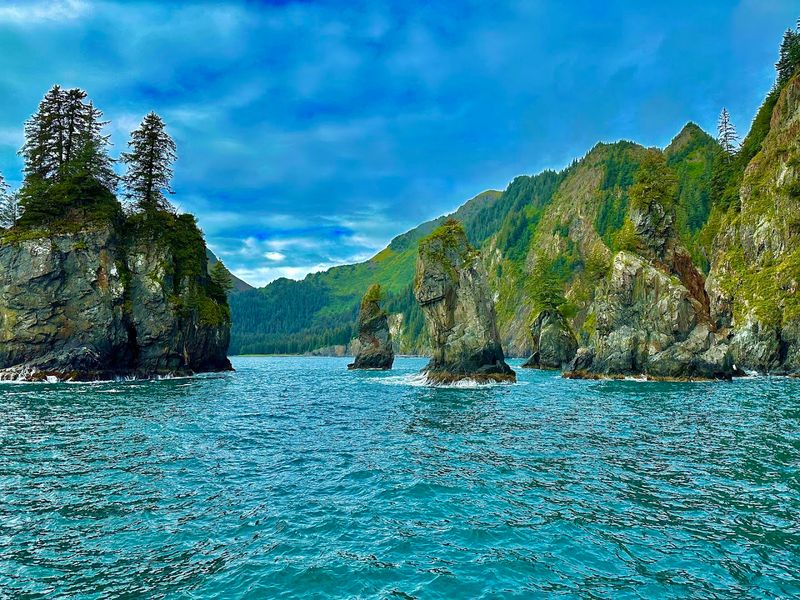
Alaska keeps showing up on this list, and Kenai Fjords is entirely unapologetic about it. The brilliant blue water cutting through glacier-carved fjords creates coastal scenes that, from the right angle, genuinely resemble a dramatic island destination somewhere far warmer than southern Alaska.
Exit Glacier is the most visited section and one of the few glaciers in the U.S. accessible by road. The coastal fjords, however, require a boat tour, and those tours consistently rank among the best wildlife experiences in the entire country.
Sea otters, Steller sea lions, puffins, and orcas regularly show up along the route.
The water color here comes from glacial melt mixing with the Gulf of Alaska, producing those unexpected blue-green tones in certain coves and inlets. The backdrop of snow-capped peaks and dramatic cliffs makes the scene feel almost theatrical.
Kenai Fjords proves that breathtaking coastal beauty does not require a tropical zip code to deliver serious wow factor.
Olympic National Park, Washington
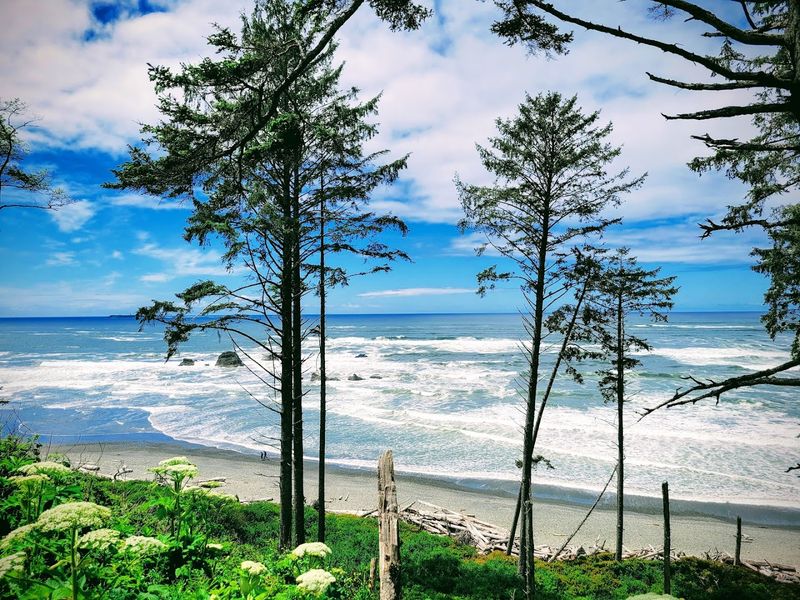
Olympic National Park contains three completely different ecosystems within one park boundary, which is already impressive. The coastal section, however, is the one that earns a spot on this list.
Stretches of the Olympic Peninsula coastline are so remote and dramatic that reaching some beaches requires hiking through forest and crossing tidal headlands.
Sea stacks jut out of the Pacific like natural sculptures, and the water in certain coves runs surprisingly clear and bright. Ruby Beach is probably the most photographed, with its collection of driftwood logs and offshore rock formations creating a scene that feels genuinely exotic despite being firmly in the Pacific Northwest.
Wildlife along the coast includes bald eagles, river otters, and tide pools packed with sea stars and anemones. The isolation of the beaches is a major part of the appeal.
Olympic’s coast is the kind of place where you can walk for miles and encounter almost no one, which is increasingly rare and genuinely valuable.
Redwood National and State Parks, California
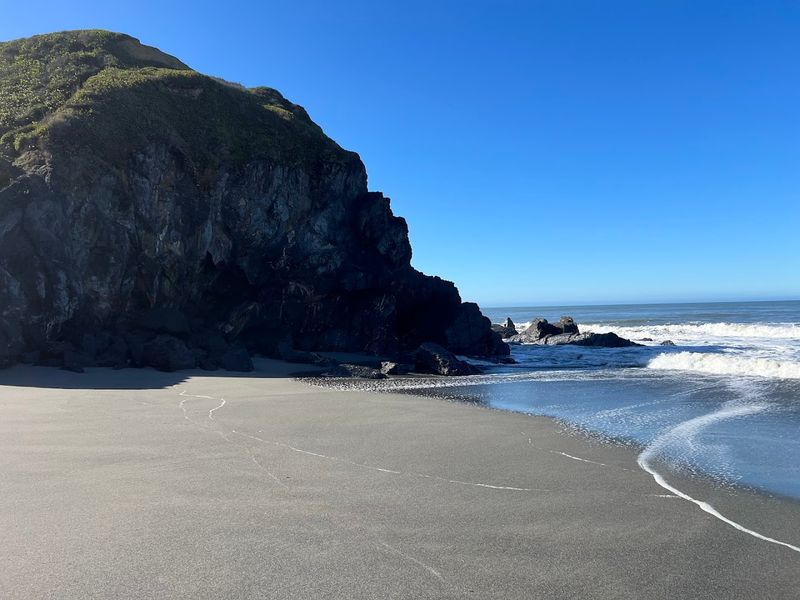
Redwood National and State Parks are famous for trees so tall they make people feel like ants. That part is well-documented.
What gets less attention is the coastline, which stretches for miles and includes some genuinely beautiful Pacific beaches that most visitors completely miss while staring upward.
Gold Bluffs Beach sits at the base of dramatic bluffs, with bright blue ocean water rolling in and the occasional elk herd wandering across the sand. The combination of massive trees, golden cliffs, and blue water creates a visual mix that feels almost impossible to categorize.
On clear sunny days, the water color along this stretch of coast turns a shade of blue that surprises most visitors expecting the grey Pacific typical of Northern California. The beach is accessible via a narrow dirt road that keeps crowd levels low.
Redwood earns its place here by delivering coastal beauty that goes completely underappreciated alongside those legendary giant trees.
Gateway National Recreation Area, New York and New Jersey
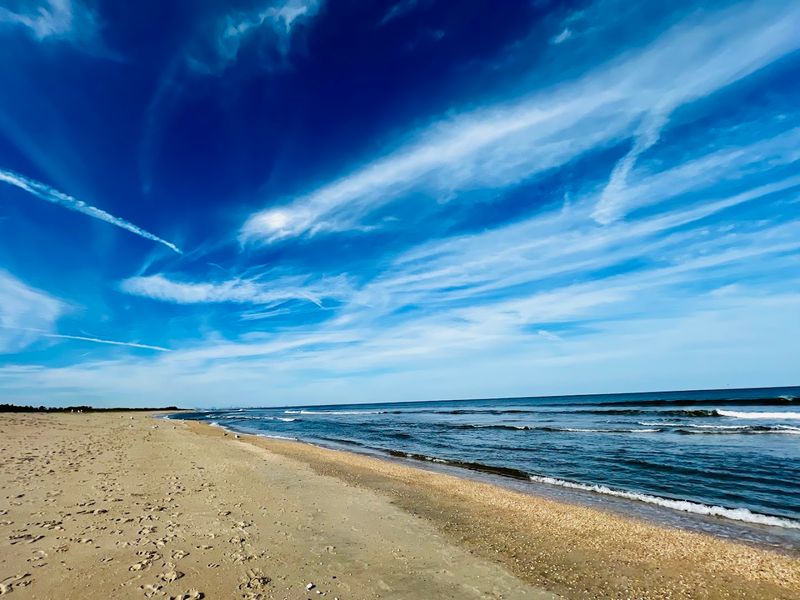
Nobody books a trip to New York City expecting to find Caribbean-adjacent beaches, which makes Gateway National Recreation Area one of the great urban surprises in the entire National Park Service. Sandy Hook in New Jersey and Jamaica Bay in Queens sit within the park, both offering coastal escapes that feel absurdly far removed from the surrounding metro area.
On a clear summer day, the water at Sandy Hook’s northern tip takes on a blue-green color that has genuinely confused more than a few first-time visitors who were expecting murky harbor water. The beach is wide, the sand is clean, and the views back toward Manhattan add a surreal backdrop that no actual Caribbean island can replicate.
Jamaica Bay hosts one of the best urban wildlife refuges in the country, with migratory birds stopping through seasonally. Gateway proves that a world-class coastal experience does not require leaving the city, just knowing which direction to head once you get outside it.
Share this story