 Unearth The Voyage
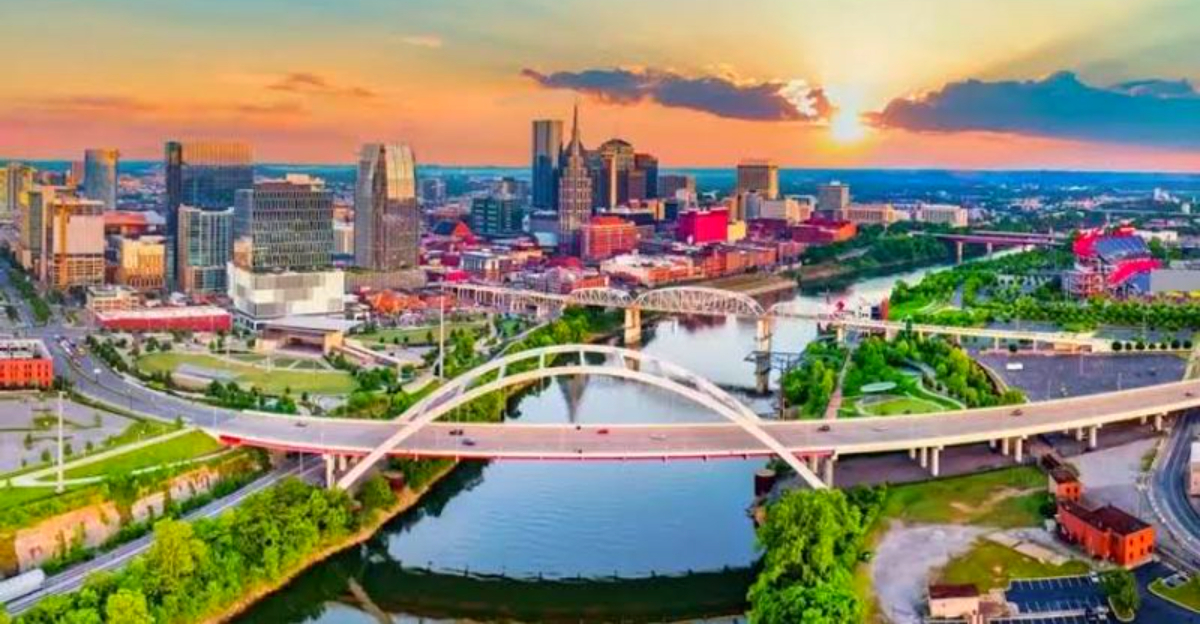
America is on the cusp of a fresh wave of growth, and a handful of regions are setting the pace. From tech corridors to energy heartlands, the fundamentals look strong and the momentum is hard to ignore. You will see where population, capital, and innovation are converging right now. Let this guide show you the places most likely to power the next economic boom.
1. Texas (Statewide)

Texas keeps proving why it attracts both families and Fortune 500s. You feel the opportunity in its open land, business friendly policies, and sheer scale. Energy, tech, manufacturing, and logistics interlock like gears, pushing out jobs and investment that compound year after year.
Population growth follows the jobs, and the jobs follow talent arriving from across the country. New fabs, data centers, and clean energy projects line up with oil, gas, and petrochemicals to create resilience through cycles. That mix steadies the state when single sector regions wobble.
Corporate relocations bring headquarters, payrolls, and supplier networks that ripple into housing and services. You can sense momentum in booming corridors like DFW, Austin, and the Gulf Coast. With infrastructure expanding and universities feeding skilled workers, Texas looks built for the next decade of growth.
2. Florida (Statewide)
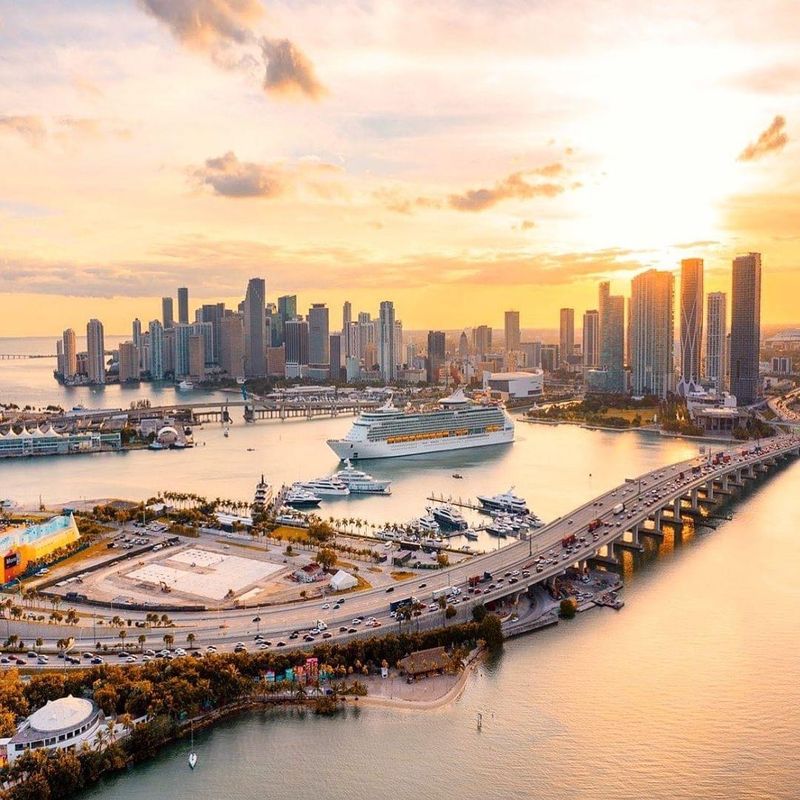
Florida’s growth feels like a tide you can count on. People arrive for sunshine and taxes, then stay for jobs in tourism, finance, healthcare, and logistics. International trade moves through ports and airports that connect the state to Latin America and beyond.
You notice how migration drives housing and services while reinforcing a deep labor pool. Financial firms expand in Miami and Tampa as tech startups and remote workers fill coworking spaces. That mix keeps consumer spending and construction humming.
When volatility hits one sector, others tend to stabilize the state’s outlook. You see new warehouses near inland corridors, medical facilities in growing suburbs, and hotel builds along rejuvenated districts. With continued infrastructure investment and global connectivity, Florida looks poised to keep compounding gains through the next cycle.
3. California (Statewide)

California remains the heavyweight. You feel its pull in venture deals, blockbuster entertainment, and breakthrough research that set the tone for entire industries. Despite costs and complexity, the state still concentrates talent, capital, and ambition in ways rivals cannot match.
Silicon Valley’s AI, cloud, and semiconductor ecosystems spill into biotech clusters from San Diego to the Bay. Entertainment meets tech to reshape content, gaming, and streaming. Meanwhile, clean energy, EVs, and climate tech pull manufacturing and supply chains closer to home.
Universities power discovery while immigrants and founders keep the pipeline fresh. You witness resilience as companies reconfigure footprints rather than exit innovation hubs. With deep capital markets and global ties, California’s scale and diversity suggest continued leadership across economic cycles.
4. New York / Northeast Megalopolis

This corridor feels like one vast engine. Finance, media, law, government, healthcare, and biotech weave together from D.C. to Boston. You can ride a train and watch the economy change out the window while staying on a single track.
Capital markets and headquarters anchor New York, research drives Boston, policy shapes D.C., and logistics funnels through New Jersey and Philadelphia. Talent flows between elite universities and firms, creating dense networks that accelerate ideas into enterprises. That proximity compresses timelines and scales breakthroughs.
Even with high costs, the advantages compound: global connectivity, deep labor pools, and unparalleled institutions. You see resilient demand for premium office space in top submarkets and surging life sciences labs. The megalopolis remains a world class hub positioned to lead advanced services and innovation.
5. Austin-San Antonio Corridor (Texas)
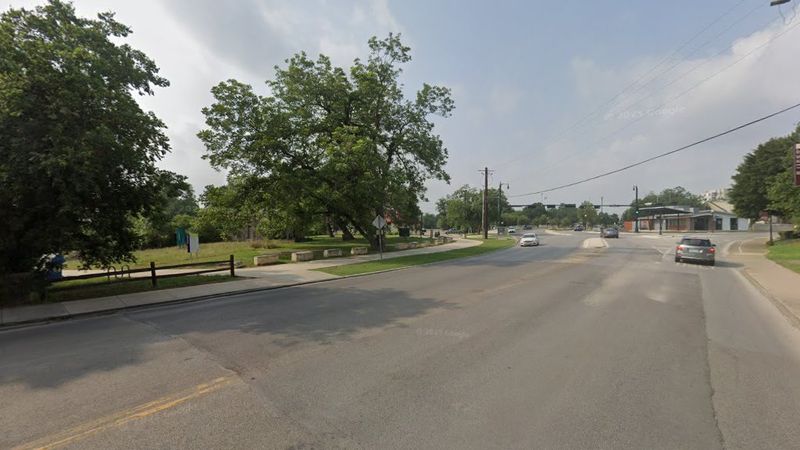
Drive I-35 and you feel a super region forming. Austin supplies a booming tech base while San Antonio adds scale in cybersecurity, healthcare, defense, and advanced manufacturing. The space between fills with logistics parks, master planned communities, and new campuses.
Infrastructure upgrades knit the corridor together, shortening commutes and expanding labor markets. You watch suppliers cluster near fabs and data centers, then restaurants, schools, and services follow. That layering effect makes growth feel self-reinforcing.
Investors see a balanced story: high wage innovation in Austin, steady institutional anchors in San Antonio, and affordable land connecting the two. With universities feeding talent and airports linking to national hubs, this corridor looks ready for sustained momentum. The result is a diverse, durable engine of jobs and output.
6. Austin-Round Rock (TX Metro)
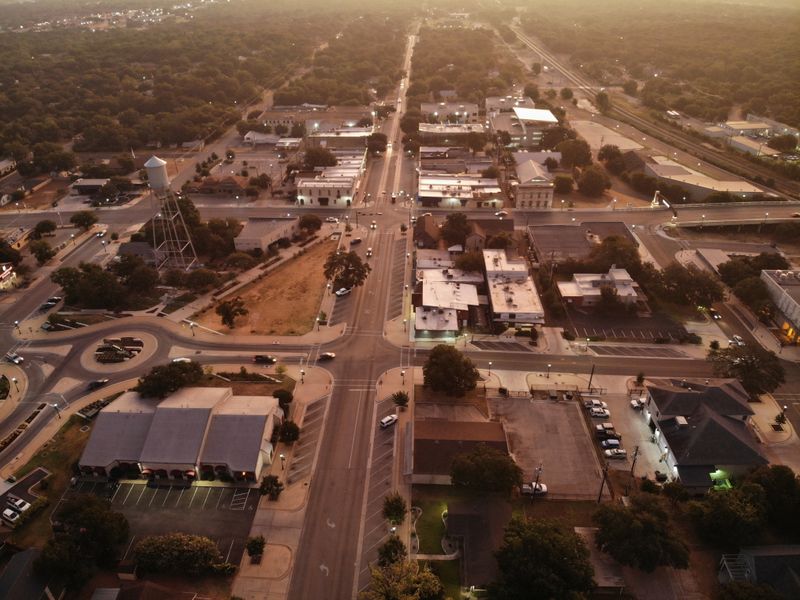
Few metros feel as relentlessly ascendant. You notice startups, global tech giants, and chip fabs building side by side. The labor market attracts engineers and creatives who keep arriving for opportunity and lifestyle.
Round Rock and suburban nodes add logistics and advanced manufacturing that round out the ecosystem. Universities and bootcamps expand training pipelines, while investors deepen commitments to AI, cloud, and silicon. That cocktail shows up in GDP growth and wage gains.
As more employers land here, suppliers and service firms multiply too. New neighborhoods, trails, and transit proposals signal confidence in long term demand. With diversified tech plus tangible production capacity, the Austin-Round Rock metro looks positioned to outrun national averages for years.
7. Raleigh-Durham (North Carolina)
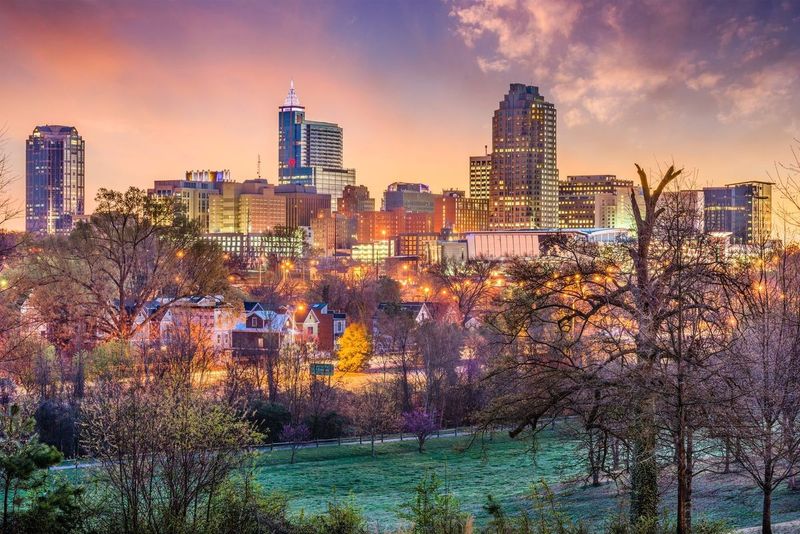
The Triangle pairs academic firepower with real industry traction. You see labs turning into companies and graduates stepping straight into high skill roles. Software, biotech, and analytics thrive in a cost efficient setting that still offers top tier talent.
Research Triangle Park acts like connective tissue between Durham, Raleigh, and Chapel Hill. Venture funding and corporate partnerships shorten the path from discovery to product. That makes the region sticky for founders and scientists.
Population growth brings housing and services, while airport access opens national and international links. You feel the calm confidence of a place building steadily rather than booming in spikes. With research depth and an expanding corporate base, Raleigh-Durham looks set for durable, innovation led growth.
8. Phoenix-Mesa-Chandler (Arizona)
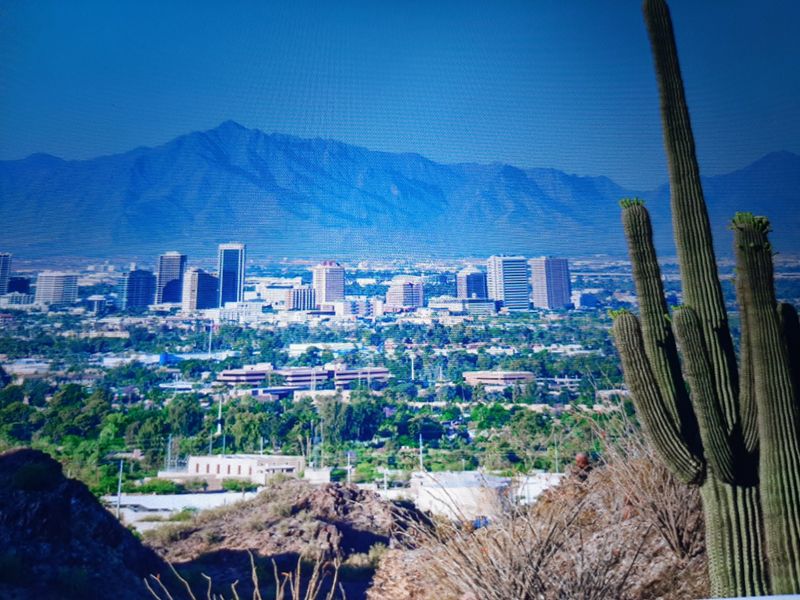
Greater Phoenix has cracked the code on scale. You see population growth, logistics advantages, and business friendly policies converging. Semiconductor fabs and suppliers expand while software, fintech, and aerospace broaden the base.
Housing remains comparatively attainable, drawing remote workers and families who fuel services and retail. Solar resources and transmission capacity support energy intensive facilities. With large development sites and quick permitting, projects move from plan to groundbreak faster than many peers.
Air cargo, rail, and interstate access turn the metro into a Southwest distribution hub. You feel the confidence in steady job creation and rising wages. With diversified industry and relentless in-migration, Phoenix-Mesa-Chandler looks primed to deliver sustained real GDP growth.
9. Nashville (Tennessee)
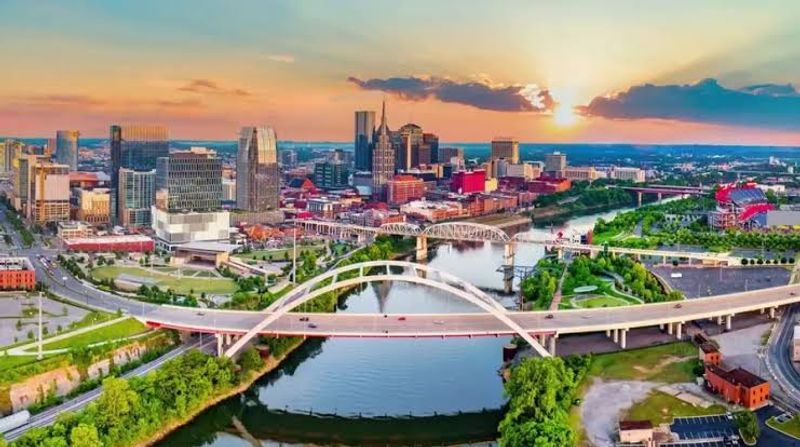
Nashville’s brand now means healthcare as much as music. Hospital systems, managed care, and healthcare IT form a powerful cluster. You also see entertainment, tourism, and a steady flow of conventions filling hotels and venues.
Logistics and advanced manufacturing add balance while universities supply talent across business and engineering. Neighborhoods keep evolving with new housing and transit concepts. That mix shows up in payroll growth and business formation.
Executives mention a collaborative ecosystem that helps wins compound. Costs stay manageable relative to coastal hubs, drawing more firms to set up regional offices. With diverse demand drivers and cultural magnetism, Nashville looks like a durable growth story through coming cycles.
10. Charlotte (North Carolina)
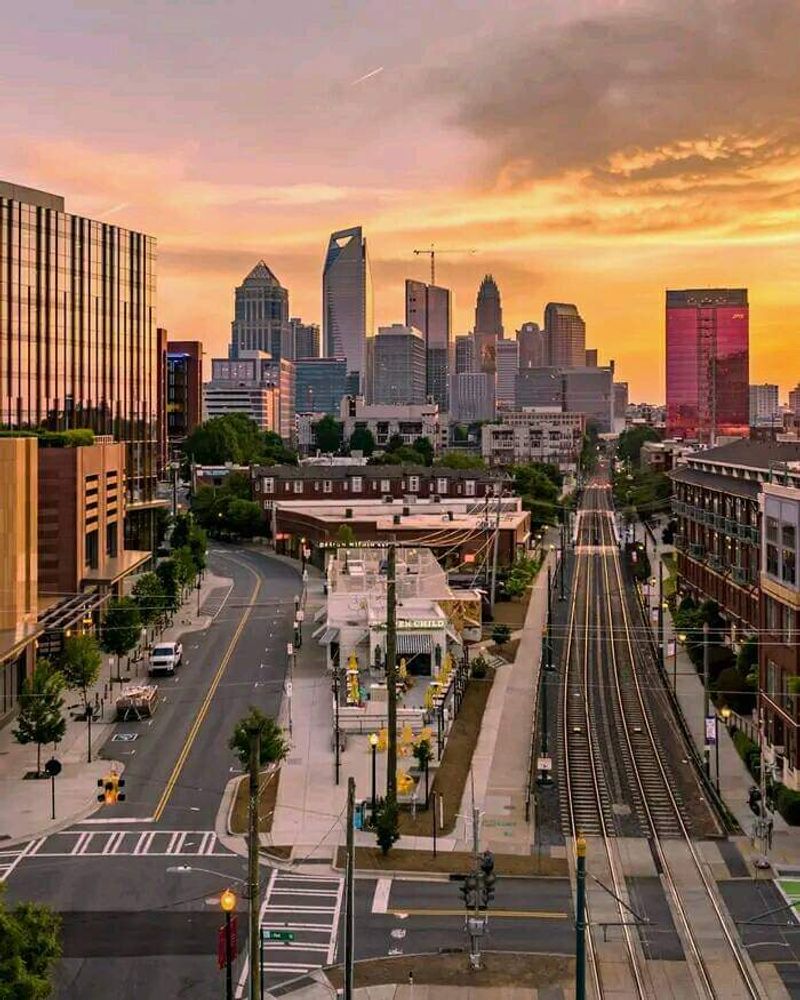
Charlotte stands tall as a finance capital. Major banks anchor thousands of high skill roles, and a rising fintech scene pushes innovation. You feel the momentum as data centers and payments firms expand footprints around the metro.
Logistics corridors and intermodal facilities strengthen goods movement across the Southeast. Office and residential projects cluster along transit, signaling long term confidence. That connectivity helps companies recruit from a wide regional labor shed.
With costs below older money centers, the city keeps landing new corporate hubs. Universities and training programs deepen the local talent pipeline. Charlotte’s mix of finance, tech, and logistics positions it to sprint ahead as the region scales.
11. Denver-Aurora (Colorado)
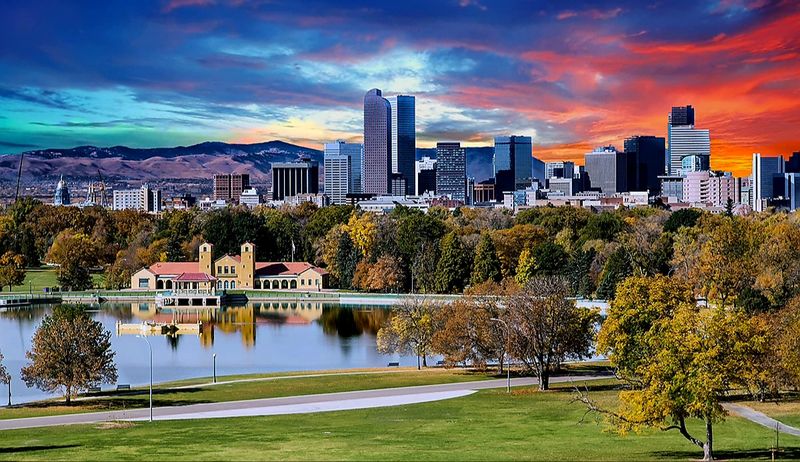
The Front Range offers balance and pace. Aerospace, software, renewable energy, and professional services create a stable platform for growth. You notice talent lured by quality of life and outdoor access, then retained by diverse career paths.
Air connectivity through a major hub airport supports corporate travel and cargo. Downtown redevelopment and suburban campuses coexist, attracting both startups and established firms. With strong in-migration, services and housing construction find steady demand.
Universities feed engineering and research while federal labs anchor advanced work. That ecosystem helps weather national swings. Denver-Aurora’s broad base and livability point toward sustained job and output expansion.
12. Seattle (Washington)
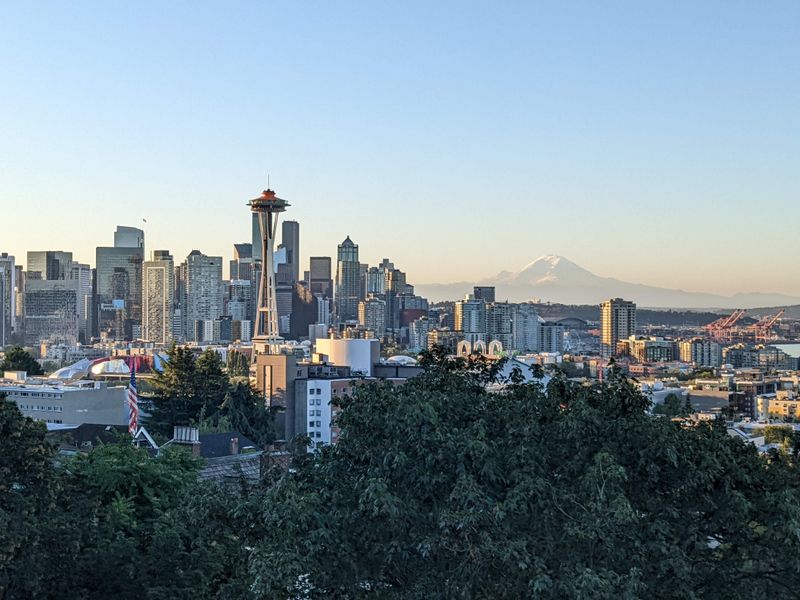
Seattle runs on high skill engines. Cloud computing, AI, and e-commerce drive outsized wages and productivity. Aerospace and maritime trade add heft, spreading opportunity across the region.
Research institutions, global giants, and a dense startup scene feed each other. You see investment in labs, logistics, and housing tied to durable demand. Even through cycles, the area’s innovation capacity keeps compounding.
International connectivity through ports and airports reinforces global reach. Workers cycle between frontier projects and established teams, keeping skills fresh. With sustained R&D and diversified exports, Seattle looks ready to power the next leg of growth.
13. Dallas-Fort Worth (Texas)

DFW feels like the nation’s operating system. Central geography, airports, and highways create unmatched connectivity. Corporate campuses sprawl across the metro, drawing talent into finance, tech, defense, and telecom.
Population growth fills new suburbs while industrial parks multiply near interstates. You notice data centers, semiconductor suppliers, and aviation maintenance scaling in tandem. That diversification shows up in GDP projections that outpace national trends.
Lower costs compared with coastal hubs keep relocations coming. With a deep labor pool and strong universities, firms can hire fast and grow faster. Dallas-Fort Worth’s momentum looks durable, supported by logistics, services, and advanced industry.
14. Miami-Fort Lauderdale (Florida)
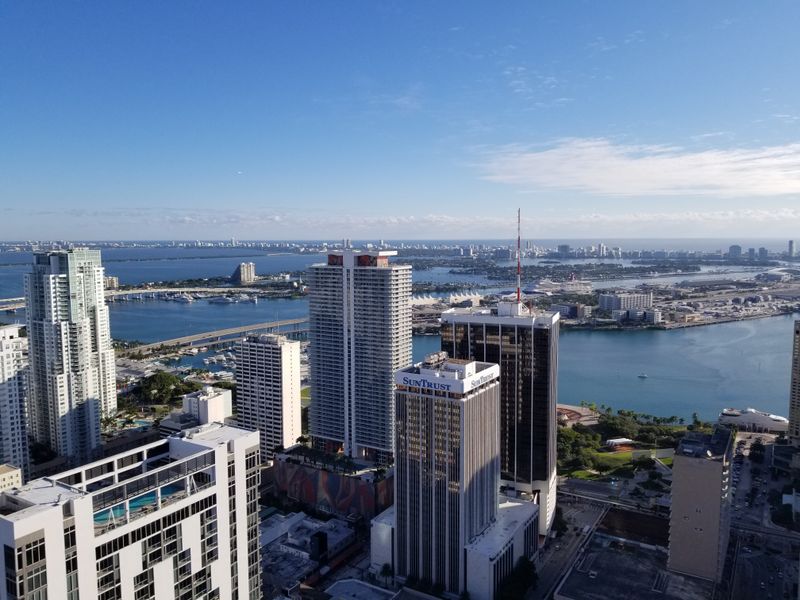
Miami-Fort Lauderdale pulses with international energy. Finance, trade, and tourism intersect with a rising tech and crypto scene. You feel the magnetism drawing founders, family offices, and multinational teams.
Air and sea links make the region a gateway to Latin America and Europe. Logistics clusters around ports while new neighborhoods rise inland. That movement translates into steady employment and investment in hospitality, healthcare, and services.
As corporate relocations accelerate, professional services and creative industries scale up. The region’s cultural vibrancy helps attract and keep talent. With global connectivity and diversified sectors, Miami-Fort Lauderdale looks ready to extend its growth streak.
15. Permian Basin (West Texas/New Mexico Energy Region)
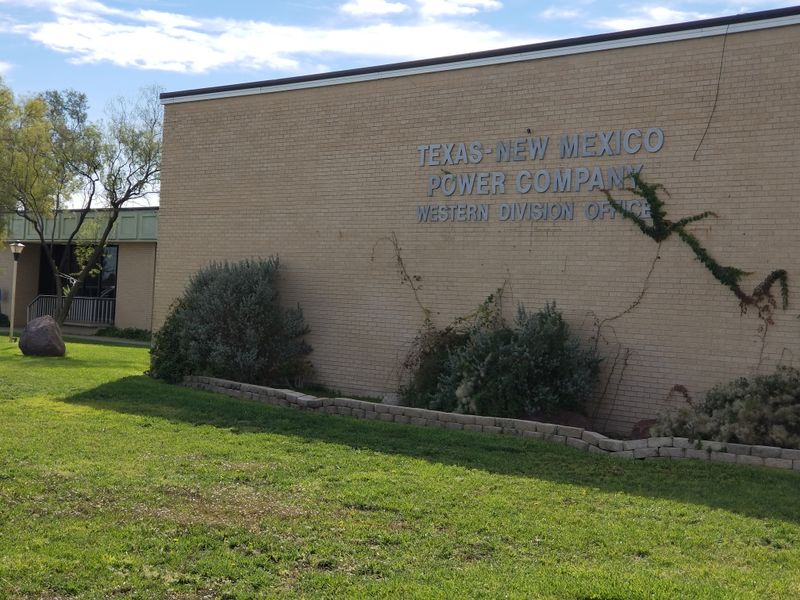
The Permian is pure scale. Oil and gas production here anchors U.S. energy security and fuels downstream industries nationwide. You see rigs, pipelines, and processing plants forming a vast ecosystem that keeps capital and jobs circulating.
Productivity gains mean more output with fewer inputs, boosting resilience through price swings. Midstream and services firms cluster in towns that grow alongside the fields. That activity supports housing, retail, and infrastructure across West Texas and southeastern New Mexico.
As global demand evolves, the region invests in emissions management, water recycling, and power reliability. Those improvements help sustain long term operations. With outsized economic linkages to refining, chemicals, and logistics, the Permian’s impact extends far beyond the basin.



