Some places just hit different, and waterfalls are proof that nature never runs out of good ideas. From the misty Pacific Northwest to the rolling hills of Appalachia, the United States is hiding some seriously jaw-dropping cascades.
I took a road trip a few years back chasing waterfalls across three states, and let me tell you, it completely changed how I travel. Whether you’re a hardcore hiker or someone who just wants a great photo, this list has something for everyone.
Washington
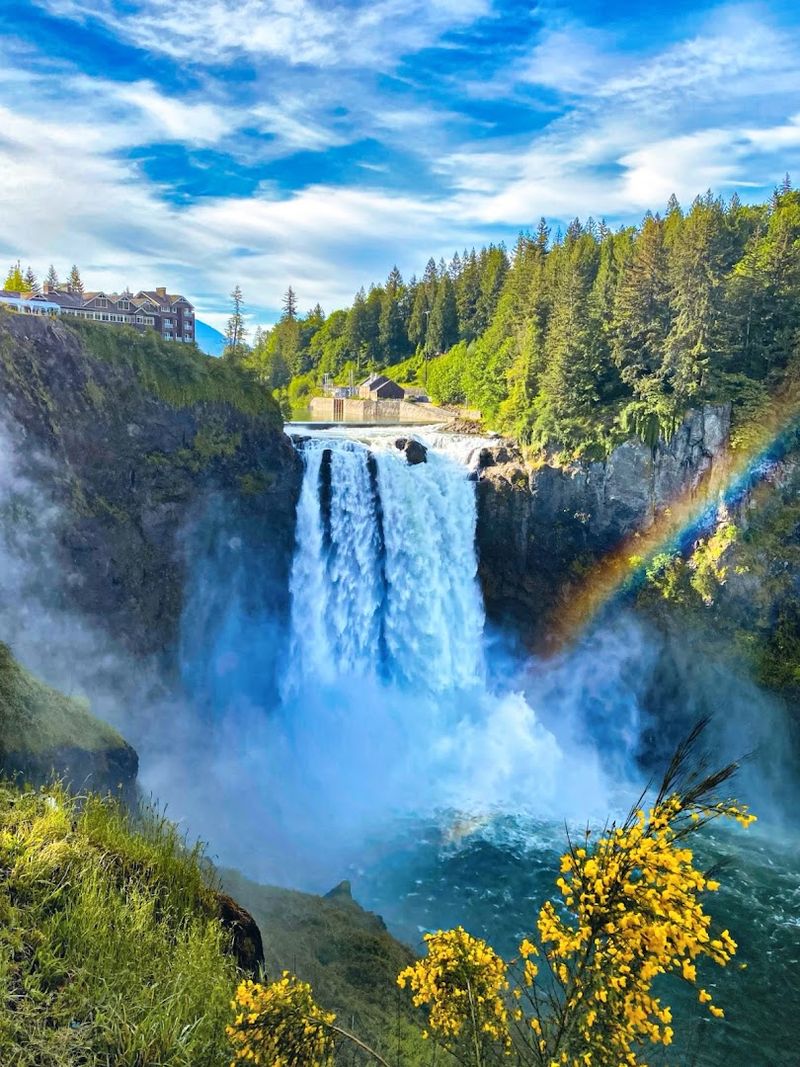
Washington State doesn’t mess around when it comes to waterfalls, and Snoqualmie Falls makes that point loudly. At 268 feet tall, this waterfall is taller than Niagara Falls.
That fact alone makes most people do a double take.
Located just 30 minutes east of Seattle, it’s one of the most visited natural landmarks in the entire state. There’s a free upper viewing area right off the parking lot, so you don’t even need hiking boots to get the full effect.
A lower trail takes you closer to the spray if you want to get a little wild.
The falls run year-round, which is rare and very convenient. A historic lodge sits nearby for anyone who wants to stay overnight and wake up to the sound of rushing water.
Snoqualmie is proof that Washington’s waterfall game is no joke.
Oregon
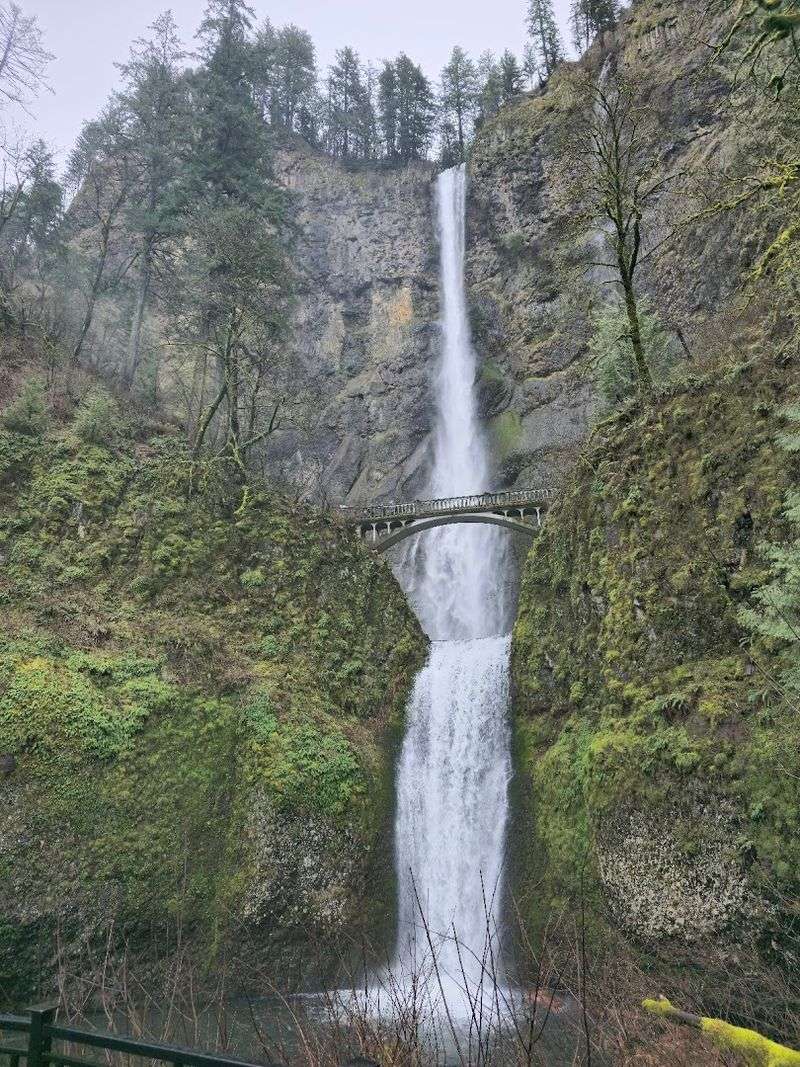
Oregon is sitting on a waterfall goldmine, and Multnomah Falls is the crown jewel. Dropping 620 feet in two dramatic tiers, it’s the tallest waterfall in Oregon and one of the most photographed spots in the entire Pacific Northwest.
That Benson Bridge arching in front of the falls? Absolutely iconic.
Getting there is easy since it’s right off Historic Highway 30 along the Columbia River Gorge. During peak summer season, timed-use permits are required, so check the official recreation site before you pack the car.
Showing up without a permit during busy months is a rookie mistake you don’t want to make.
A trail leads to the top of the upper falls for anyone willing to put in the effort. The views from up there are worth every step.
Multnomah Falls is the kind of place that makes you wonder why you ever stayed home.
California
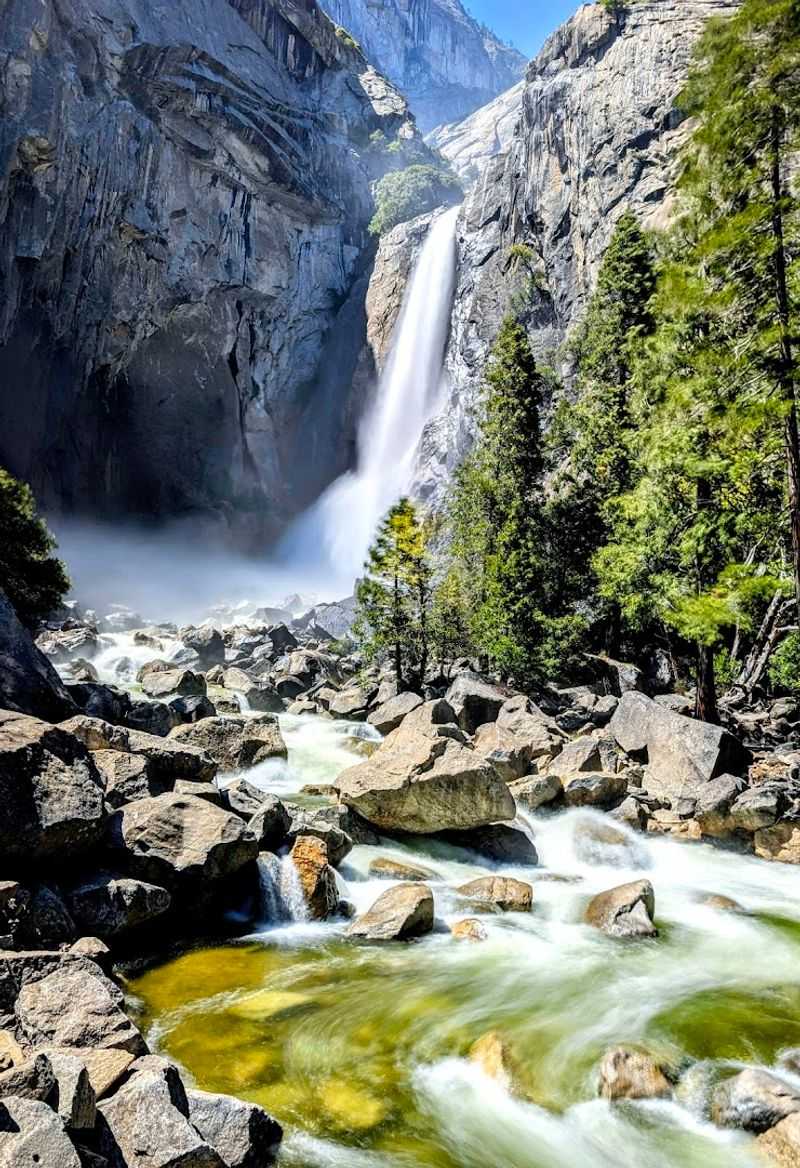
California has no shortage of natural wonders, but Yosemite Falls might be the most theatrical of them all. At nearly 2,425 feet total, it’s one of the tallest waterfalls in North America.
When it’s running full force in late spring, the roar is absolutely unreal.
The key word there is “when.” Yosemite Falls is fed by snowmelt, which means late spring and early summer are your golden window. By late August, the falls can slow to a trickle or dry up completely.
Timing your visit right makes a massive difference.
There’s a short, paved trail to the base that’s easy for most visitors. For serious hikers, the upper trail climbs 2,700 feet to the top of the falls with views that will genuinely rearrange your priorities in life.
Book your Yosemite permits early since the park fills up fast during peak season. California delivers every single time.
Hawaii
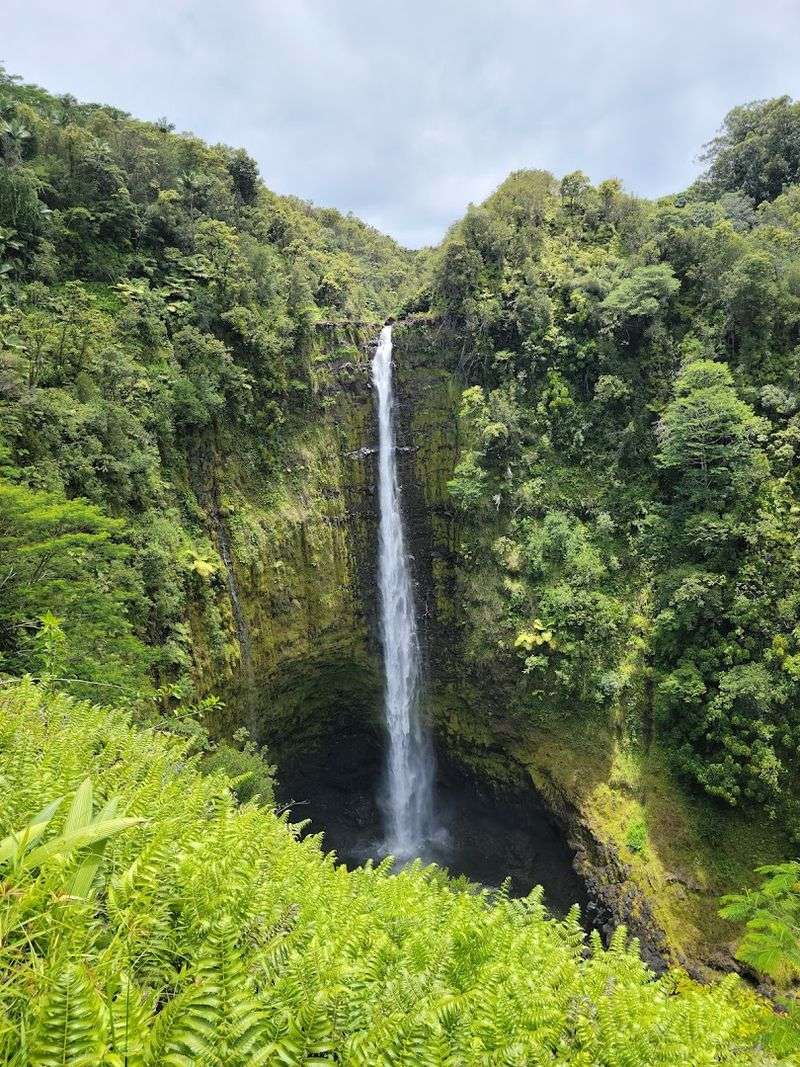
Hawaii has a lot going for it, but Akaka Falls might be its most underrated flex. Tucked inside a short loop trail on the Big Island, this 442-foot plunge waterfall drops straight into a gorge like it has something to prove.
It’s dramatic in the best possible way.
The trail through Akaka Falls State Park is only about half a mile long, making it one of the most rewarding short walks in the entire country. Along the way, you’ll pass Kahuna Falls and walk through a jungle that feels straight out of a film set.
Bamboo groves, wild ginger, and giant ferns line the path the whole way.
The park entrance fee is small, and the walk takes under an hour. I went on a cloudy morning and the mist made everything feel almost dreamlike.
Honomu town nearby is worth a stop for coffee and local snacks before or after the hike.
Idaho
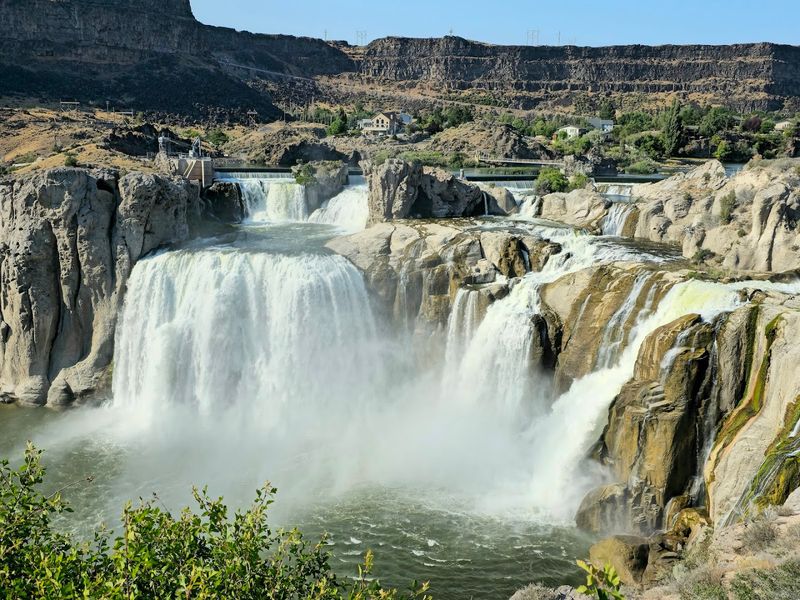
People call Shoshone Falls the “Niagara of the West,” and honestly, that nickname holds up. At 212 feet tall and over 900 feet wide, these falls on the Snake River are actually higher than Niagara.
Idaho is out here quietly winning waterfall competitions and most people have no idea.
The falls are located just minutes from downtown Twin Falls, which makes the whole trip surprisingly easy to pull off. Shoshone Falls Park is open from dawn to dusk year-round, with occasional closures for weather-related road conditions.
Spring is the best season to visit since snowmelt boosts the water flow significantly.
There’s a small entrance fee per vehicle, and the park has picnic areas, a boat ramp, and walking paths along the canyon rim. The canyon views alone are worth the stop even when water levels are lower.
Shoshone Falls is one of those places that earns its nickname without even trying.
Michigan
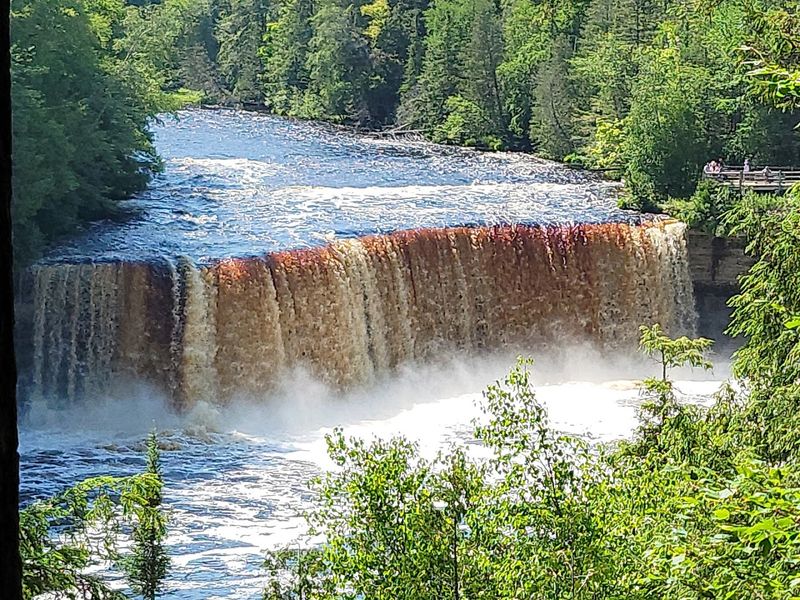
Michigan’s Upper Peninsula is one of the most underestimated outdoor destinations in the Midwest, and Tahquamenon Falls is a big reason why. The Upper Falls stretches nearly 200 feet wide and drops about 50 feet, making it one of the largest waterfalls east of the Mississippi River.
The water has a natural amber color from tannins in the surrounding cedar swamps, giving it a look unlike any other waterfall on this list.
Tahquamenon Falls State Park has miles of trails connecting the Upper and Lower Falls, with boardwalks and scenic overlooks along the way. You can also rent a rowboat at the Lower Falls to paddle between the two channels of the cascade.
That’s a waterfall experience you won’t find anywhere else.
The park is open year-round, and fall foliage season turns the whole area into a color explosion. Paradise, Michigan is the closest town, and yes, the town name absolutely lives up to the setting.
New York
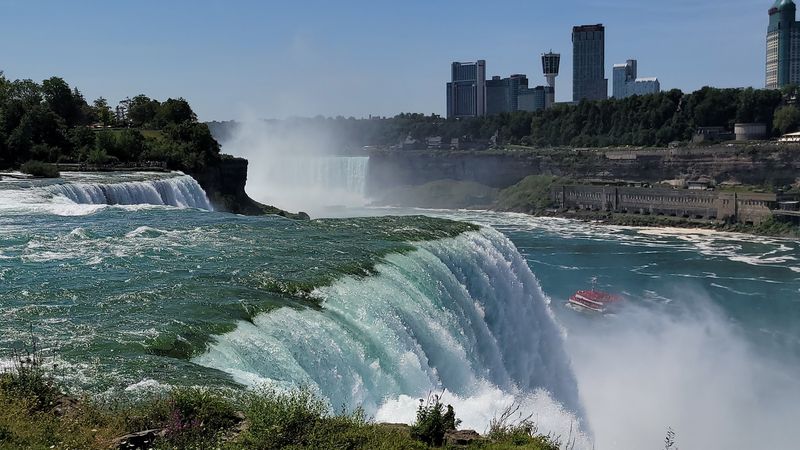
No waterfall list is complete without Niagara Falls, and New York’s version does not disappoint. The American Falls and Bridal Veil Falls sit entirely on the U.S. side, while the famous Horseshoe Falls straddles the border with Canada.
Together, they move more water than almost any other waterfall system in the world.
Niagara Falls State Park is the oldest state park in the United States, which is a fun fact to drop at dinner parties. The Maid of the Mist boat tour gets you close enough to the falls that a poncho is absolutely non-negotiable.
Cave of the Winds is another must-do experience that puts you right at the base of Bridal Veil Falls.
The surrounding Niagara Falls city has plenty of hotels, restaurants, and tourist attractions for a full weekend trip. Spring and summer bring the biggest crowds, but the falls are stunning in winter too when ice formations build up around the edges.
North Carolina
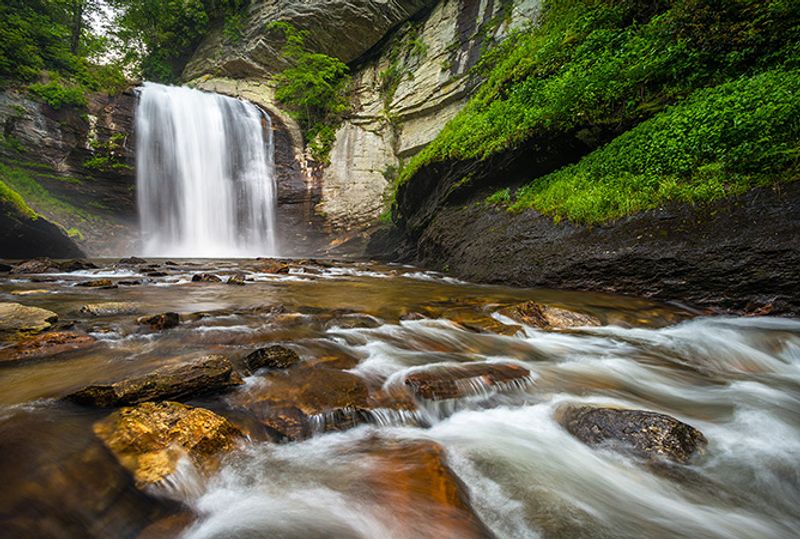
North Carolina’s Brevard area has earned the nickname “Land of Waterfalls,” and Looking Glass Falls is one of the first stops you should make when you get there. Over 250 waterfalls are within driving distance of Brevard, which is an almost absurd level of waterfall density for one region.
Looking Glass Falls is one of the most accessible, sitting right next to the road with a short staircase leading to the base.
The falls drop about 60 feet into a wide, clear pool that looks almost too perfect to be real. Swimming is allowed, and on a hot summer day the cold mountain water is refreshing in the best possible way.
No long hike required to get here, which makes it great for families.
Pisgah National Forest surrounds the area with dozens more waterfalls to explore if you’re willing to hit the trails. Sliding Rock, a natural waterslide just a few miles away, pairs perfectly with a Looking Glass Falls visit for a full day of fun.
Georgia
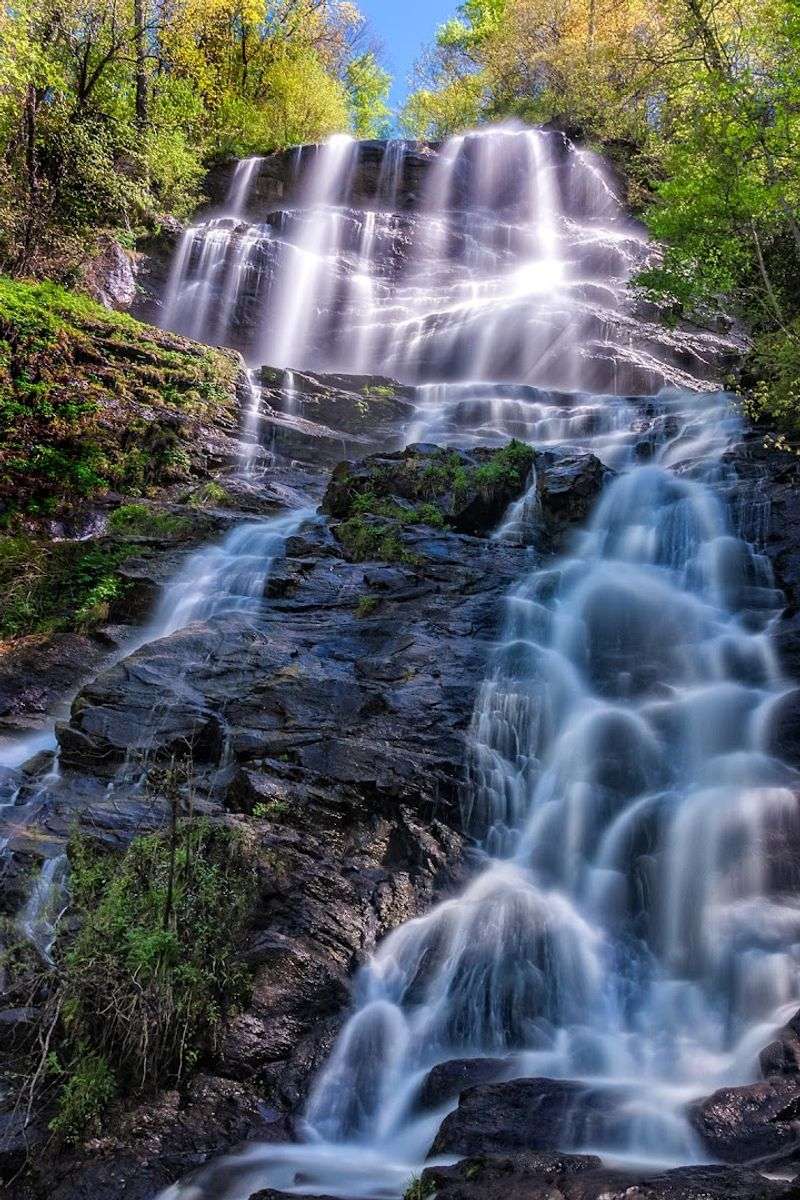
Georgia is hiding a waterfall heavyweight in its northern mountains, and Amicalola Falls is not messing around. At 729 feet, it’s the tallest cascading waterfall in the entire eastern United States.
That’s a title Georgia wears with absolute confidence.
Amicalola Falls State Park has a lodge, cabins, and camping options, so you can make a whole weekend out of the visit. The falls are also the approach trail starting point for anyone heading to Springer Mountain, the southern terminus of the Appalachian Trail.
Hikers and casual visitors share the space surprisingly well.
Several trail options lead to different viewpoints along the falls, including a steep staircase of 425 steps that climbs right alongside the cascade. The effort is worth it for the top-of-the-falls view looking out over the Georgia mountains.
A covered bridge near the base adds a charming touch to the whole scene. Amicalola Falls is genuinely one of the Southeast’s best-kept outdoor secrets.
Tennessee
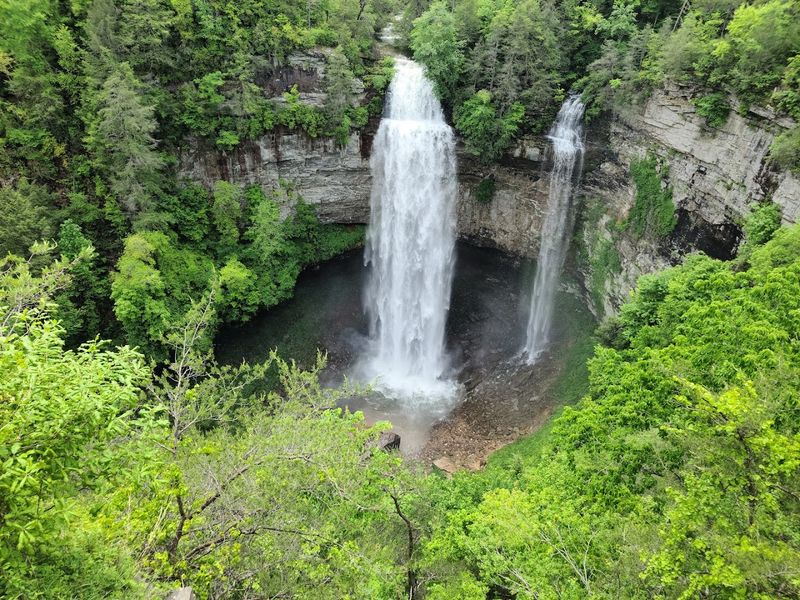
Tennessee is full of surprises, and Fall Creek Falls is one of the biggest. Dropping 256 feet into a stunning gorge, it’s one of the highest waterfalls in the eastern United States.
The sheer height of the drop is the kind of thing that makes you stop talking mid-sentence.
Fall Creek Falls State Park covers over 26,000 acres, making it one of the largest state parks in Tennessee. Beyond the main falls, the park has suspension bridges, swimming areas, a golf course, and enough hiking trails to keep you busy for days.
It’s basically a full outdoor resort with a waterfall as the centerpiece.
The park is open year-round and has cabins, camping, and an inn for overnight stays. Spring brings the highest water flow, but the forested gorge looks beautiful in every season.
Fall Creek Falls is consistently ranked among the top state parks in the entire country, and a visit makes it very clear why that reputation is well-deserved.
Kentucky
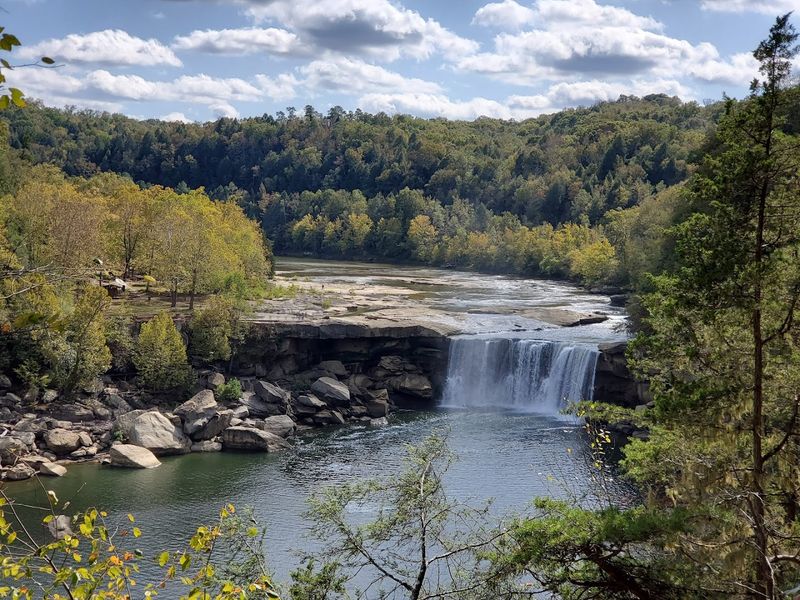
Cumberland Falls has a trick up its sleeve that almost no other waterfall in the world can pull off. On clear nights during a full moon, the mist from the falls creates a rare phenomenon called a moonbow, which is essentially a rainbow lit by moonlight.
Only a handful of places on Earth can claim that, and Kentucky is one of them.
The falls themselves are impressive enough without the lunar light show. Known as the “Niagara of the South,” Cumberland Falls spans about 125 feet wide and drops 68 feet on the Cumberland River.
The volume of water rushing over the edge is genuinely staggering.
Cumberland Falls State Resort Park has 17 miles of hiking trails, a lodge, cottages, and whitewater rafting nearby. The park is open year-round, and moonbow viewing dates are posted on the park’s official website.
Planning a visit around a full moon turns a great trip into an unforgettable one. Kentucky rarely gets enough credit for this gem.
Pennsylvania
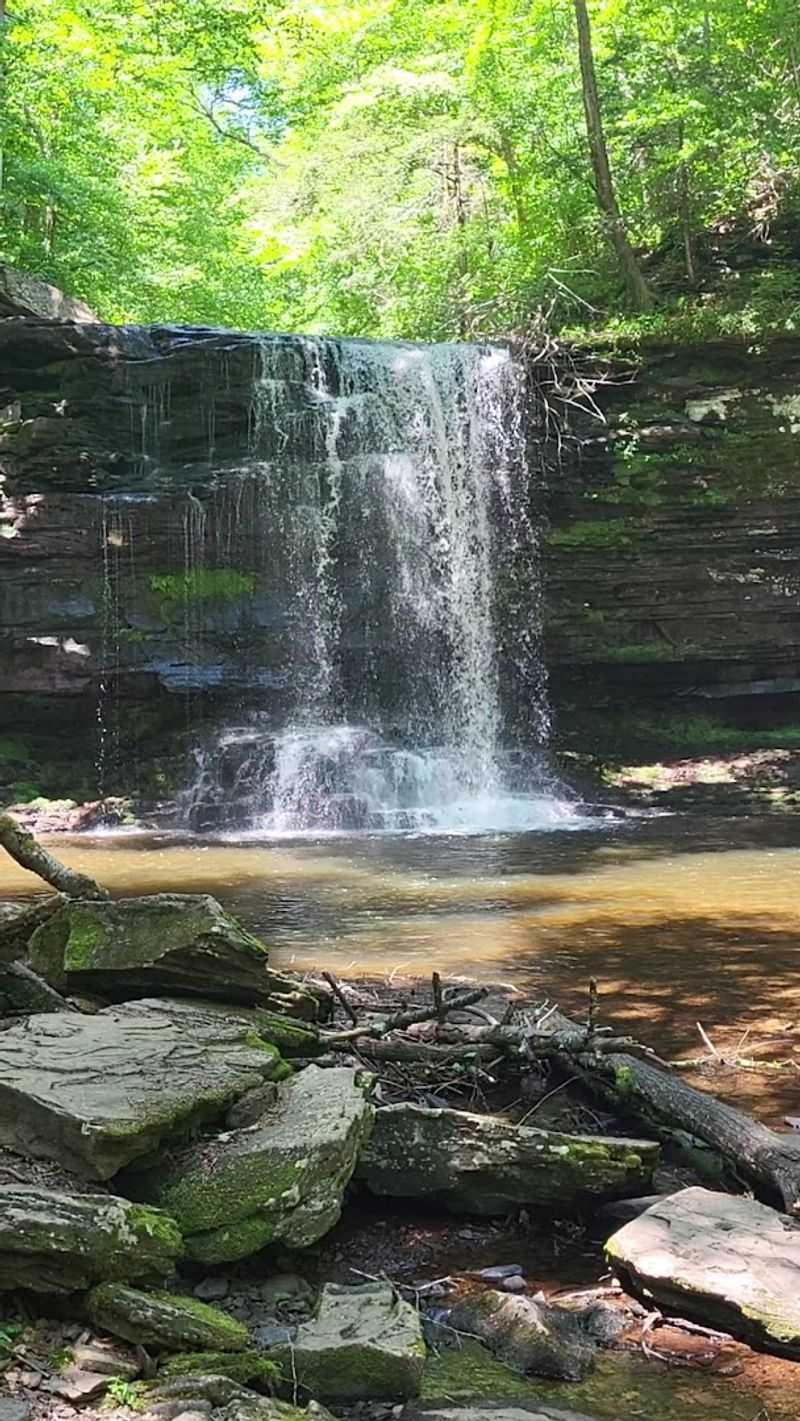
Pennsylvania pulls a clever move with Ricketts Glen State Park: instead of one great waterfall, it gives you 22. The Falls Trail loops through Kitchen Creek Gorge and passes named waterfalls one after another, with Ganoga Falls topping out at 94 feet as the tallest of the bunch.
Waterfall collectors, this one’s for you.
The full loop is about 7 miles and rated moderate to strenuous, so good footwear is a must. The trail can get slippery near the falls, especially after rain, so trekking poles are a smart call.
The payoff at every turn makes the effort feel completely justified.
Ricketts Glen is especially stunning during fall foliage season when the forest turns every shade of orange, red, and gold above the cascading water. The park also has camping, a lake for swimming, and fishing access.
It’s one of those parks that rewards you more the longer you stay. Pennsylvania hikers have known about this place for decades, and now the secret is fully out.
Minnesota
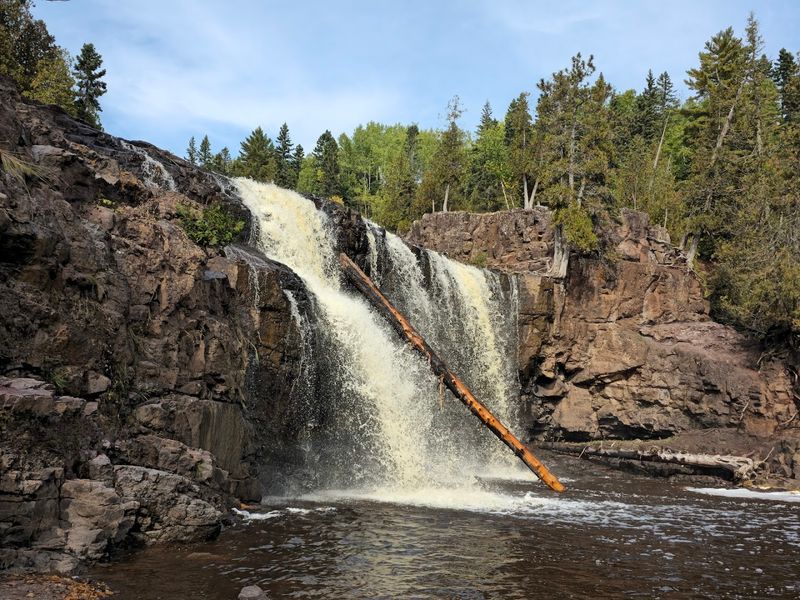
Minnesota might not be the first state that comes to mind for waterfalls, but Gooseberry Falls State Park is here to change that assumption. Sitting right along the North Shore of Lake Superior, the park features Upper, Middle, and Lower Falls all within easy walking distance of each other.
The rocky basalt formations around the falls make the whole scene look almost prehistoric.
The trail system is well-maintained and connects all three falls in a loop that most visitors can complete in a couple of hours. When the Gooseberry River is running high in spring, the Middle Falls especially put on an impressive show.
The short walk from the visitor center to the first viewpoint is stroller-friendly, which is a nice bonus for families.
Lake Superior is visible from parts of the park, adding a dramatic backdrop to an already scenic setting. Gooseberry Falls is a popular stop along the North Shore Scenic Drive, so pairing it with other area highlights makes for a full day.
Minnesota’s waterfall game is real.
South Carolina
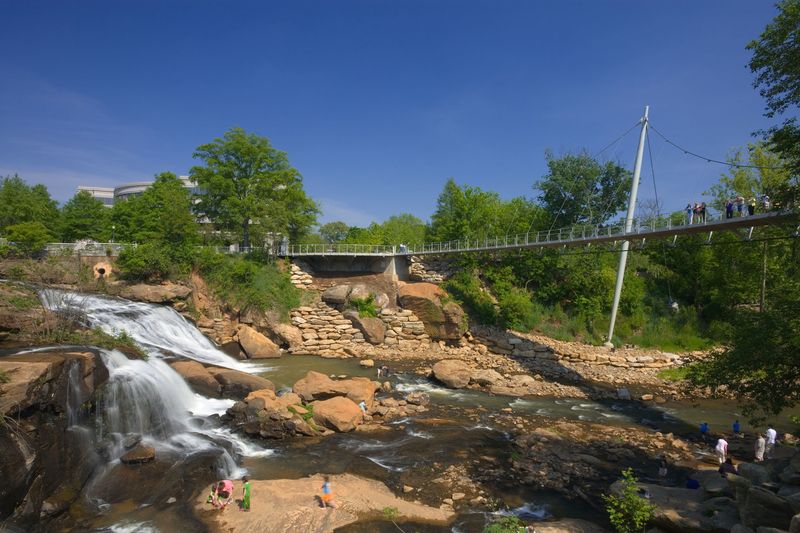
Not every great waterfall requires a long drive into the wilderness, and Falls Park on the Reedy in downtown Greenville is living proof of that. Right in the heart of the city, the Reedy River drops over a series of rocky ledges creating a surprisingly beautiful urban waterfall.
The Liberty Bridge, a curved pedestrian suspension bridge, arches over the falls and gives you a front-row view without getting your shoes wet.
The surrounding park has walking paths, gardens, and plenty of bench space for people-watching. Restaurants and shops line the nearby streets, making it easy to turn a waterfall visit into a full afternoon out.
Greenville consistently ranks among the most livable and visitable cities in the South, and this park is a big part of why.
Admission is free, parking is nearby, and the park is open daily. Fall Creek and spring both bring higher water levels that make the falls more dramatic.
South Carolina rarely gets waterfall attention, but Falls Park on the Reedy is genuinely worth a detour.
West Virginia
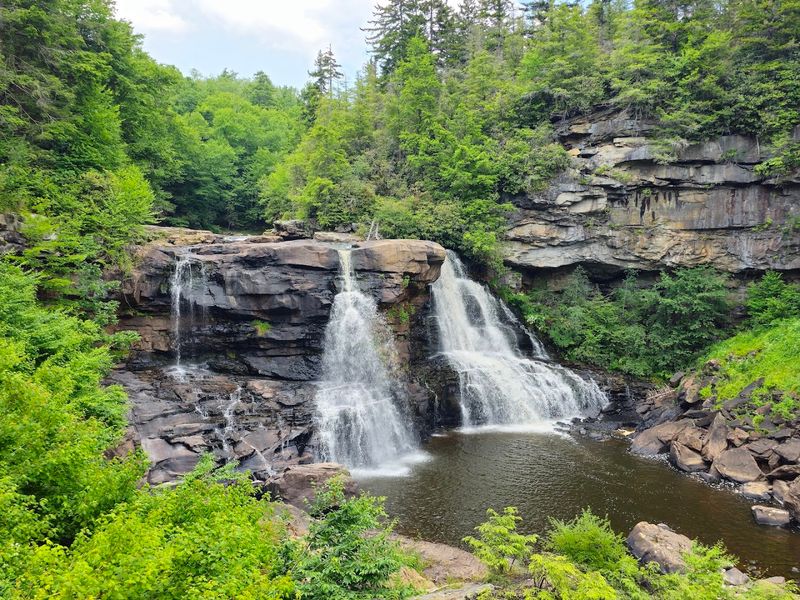
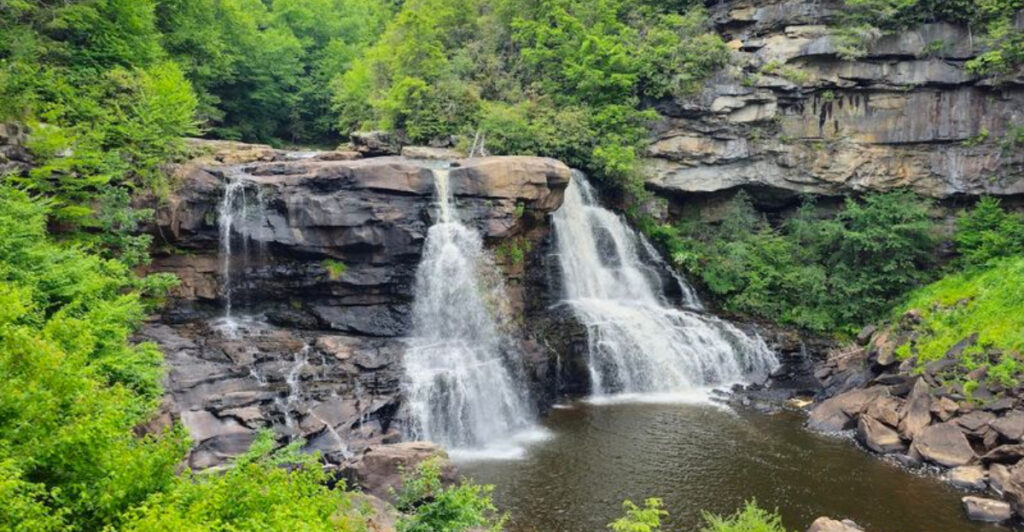
West Virginia takes its waterfall seriously, and Blackwater Falls is the state’s signature showstopper. The falls drop about 57 feet into Blackwater Canyon, and the water runs a distinctive amber-brown color from tannic acids released by fallen spruce and hemlock needles.
It’s one of the most visually distinct waterfalls in the eastern United States.
Blackwater Falls State Park has a short, accessible boardwalk leading to the main viewing platform, making it easy for visitors of all fitness levels to enjoy. For a longer adventure, trails wind down into the canyon and along the river for different perspectives on the falls.
The canyon views from the rim are just as impressive as the waterfall itself.
The park has a lodge, cabins, camping, and cross-country ski trails that make it a four-season destination. Fall is particularly spectacular when the surrounding hardwood forest lights up with color above the amber water.
Davis is a charming small town with good food options nearby. West Virginia delivers here in a big way.
Share this story