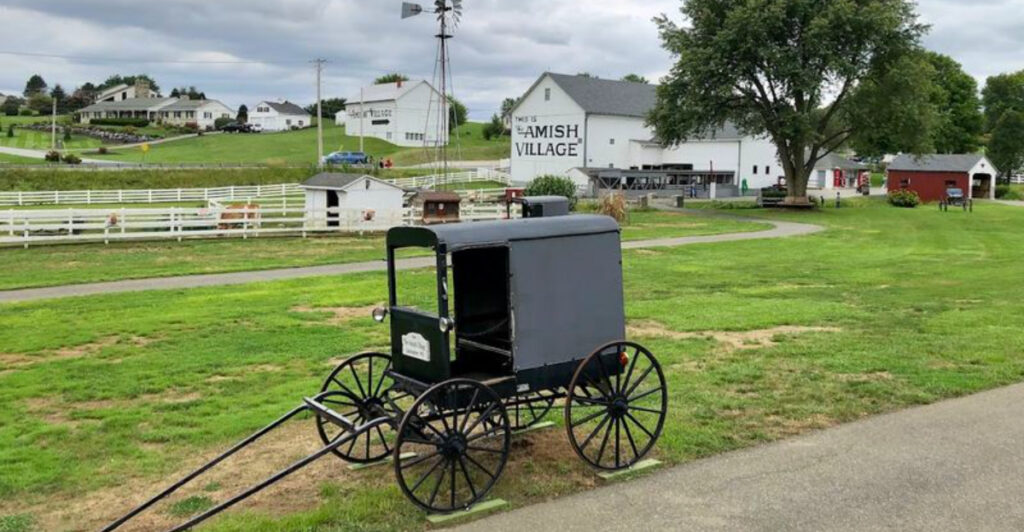
The Amish are a traditional Christian community known for their simple way of life, plain clothing, and rejection of modern technology. They have lived in the United States for centuries, building tight-knit farming communities across many states.
Today, the Amish population in America has grown to over 350,000 people, making them one of the fastest-growing communities in the country. Here is a look at the 15 U.S. states with the largest Amish populations and what makes each one unique.
1. Pennsylvania
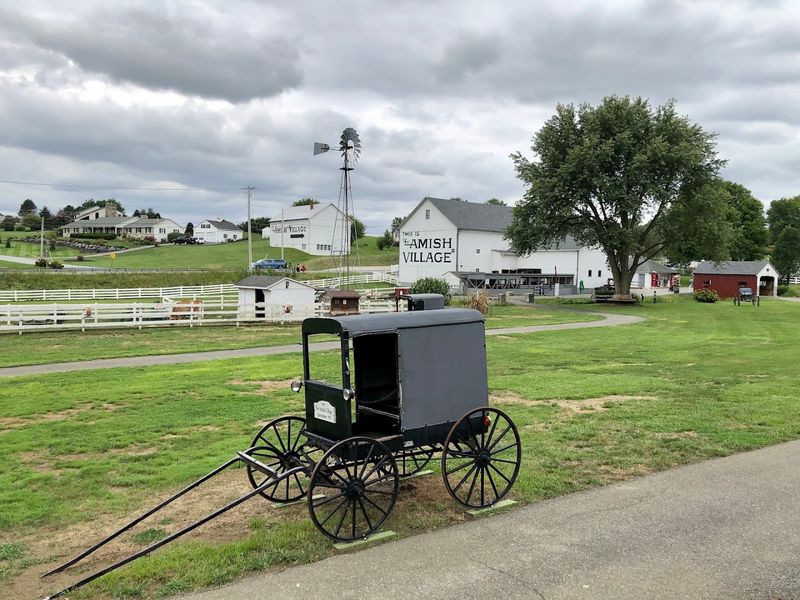
Pennsylvania is the birthplace of Amish life in America. The first Amish settlers arrived in Lancaster County in the early 1700s, making it one of the oldest and most established Amish communities in the world.
Today, Lancaster County alone is home to more than 40,000 Amish residents.
The community here is known for its thriving farms, roadside stands, and handmade quilts sold at local markets. Visitors travel from all over the country just to experience the peaceful countryside and watch horse-drawn buggies roll down winding back roads.
Pennsylvania hosts the largest Amish population of any state, with estimates exceeding 80,000 statewide. The culture is deeply rooted in faith, family, and hard work.
If you ever visit, you will quickly understand why so many Amish families have called this state home for generations.
2. Ohio
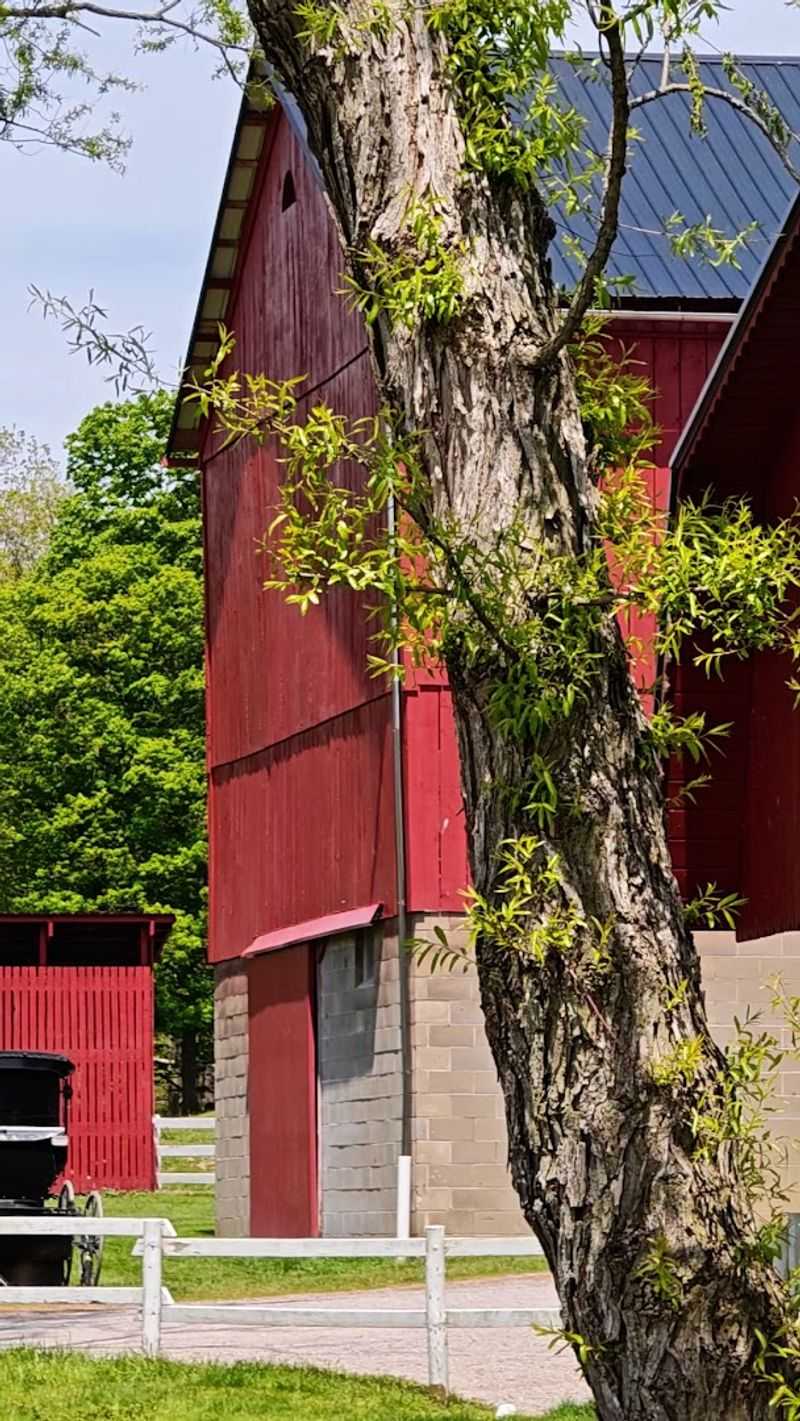
Ohio comes in as a very close second when it comes to Amish population size. Holmes County, located in the northeastern part of the state, is often called the largest Amish settlement in the world.
More than 35,000 Amish people live in that single county alone.
The Amish in Ohio are well known for their skilled woodworking and furniture-making traditions. Many small businesses in the area produce handcrafted chairs, tables, and cabinets that are sold across the country.
It is a major part of the local economy and a source of great community pride.
Statewide, Ohio is home to roughly 80,000 Amish residents spread across several counties. The rolling hills of Wayne and Tuscarawas counties also hold sizable settlements.
Ohio’s Amish culture is vibrant, deeply traditional, and welcoming to respectful visitors who appreciate a slower pace of life.
3. Indiana
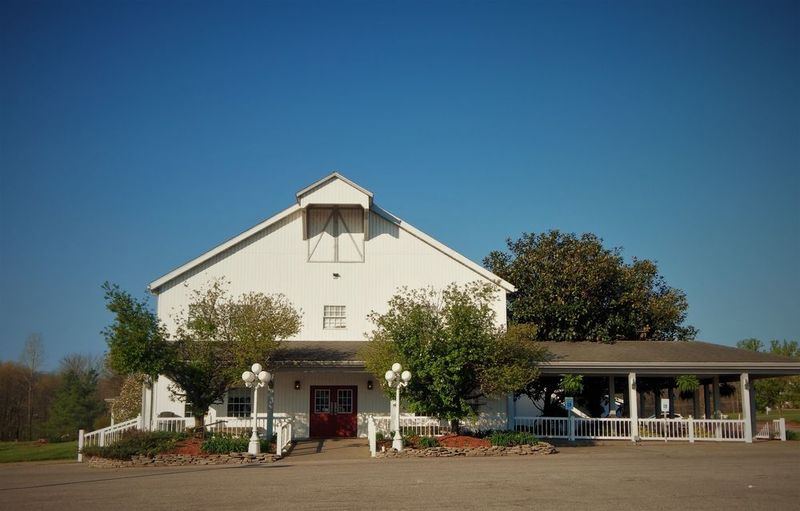
Indiana holds the third-largest Amish population in the country, with an estimated 60,000 or more Amish residents statewide. Elkhart and LaGrange counties in the northern part of the state are home to the most concentrated settlements.
These two counties together form one of the largest Amish communities anywhere in the United States.
What sets Indiana apart is the strong presence of Amish-owned businesses, particularly in the recreational vehicle and manufactured housing industries. Many Amish craftsmen work alongside non-Amish neighbors in local factories, blending tradition with practical modern employment in interesting ways.
The area around Shipshewana is especially popular with tourists who come to browse the large flea market and sample fresh baked goods. Indiana’s Amish community is active, growing, and deeply connected to both agriculture and small business.
The culture feels alive and genuine in every corner of these peaceful rural towns.
4. Wisconsin
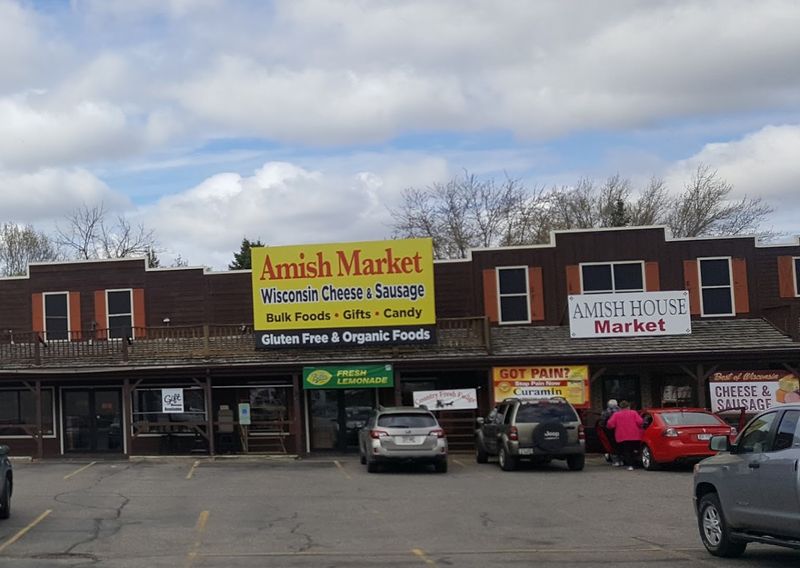
Wisconsin may surprise many people who do not know that it ranks among the top states for Amish population. The state is home to roughly 20,000 Amish residents scattered across more than 60 different settlements.
Clark, Adams, and Vernon counties have some of the most established communities.
Wisconsin’s Amish settlers were drawn to the state by affordable farmland and wide-open rural spaces. Many arrived during the mid-20th century when land in Pennsylvania and Ohio became harder to find.
Today, their farms dot the landscape of central and western Wisconsin, producing dairy products, vegetables, and handmade goods.
One charming feature of Wisconsin’s Amish culture is the strong tradition of community barn-raisings, where neighbors come together to build structures in a single day. The sense of cooperation and mutual support here is truly something special.
Wisconsin continues to see new Amish families arrive each year, drawn by the land and community spirit.
5. New York
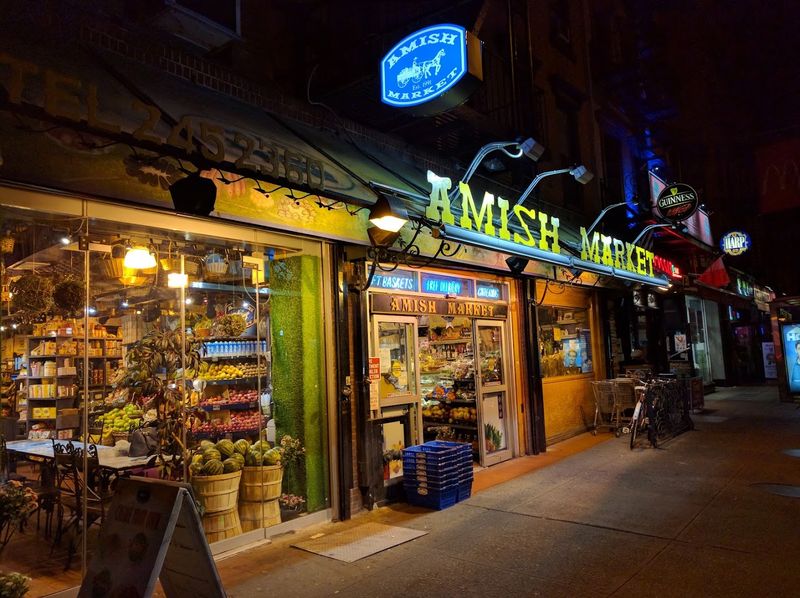
New York has seen remarkable growth in its Amish population over the past few decades. The state now has an estimated 18,000 to 20,000 Amish residents, making it one of the top five states in the country.
St. Lawrence, Cattaraugus, and Allegany counties are among the most populated Amish areas.
Many Amish families moved to New York from more crowded settlements in Pennsylvania and Ohio, seeking affordable land and room to grow. The northern and western parts of the state offered exactly that, with wide stretches of farmland available at reasonable prices.
These new settlers quickly established churches, schools, and farms.
New York’s Amish communities tend to be more spread out compared to those in other states. Each settlement has its own bishop and church district, making every community slightly unique in its rules and customs.
The diversity within New York’s Amish population makes it a fascinating subject for researchers and curious visitors alike.
6. Michigan
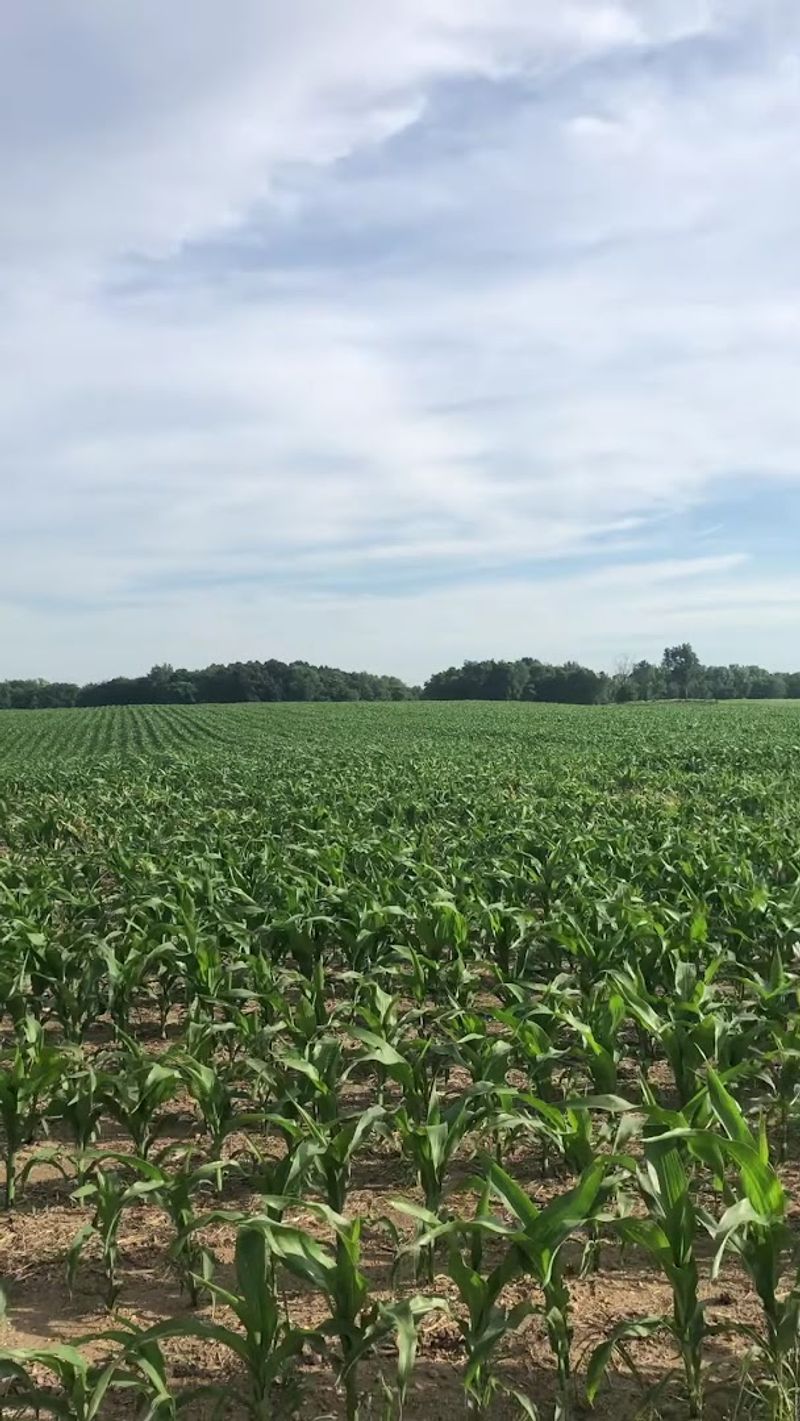
Michigan has a growing and diverse Amish population estimated at around 16,000 residents. The state has dozens of settlements spread from the Lower Peninsula all the way up through the central regions.
Shiawassee, Newaygo, and Mecosta counties are known for some of the larger communities.
Agriculture is the backbone of Michigan’s Amish lifestyle. Families grow corn, soybeans, and hay on large tracts of land, and dairy farming is also common.
Many Amish households supplement their income by selling produce, baked goods, and handmade crafts at local roadside stands and farmers markets.
Michigan’s Amish population has been growing steadily as younger families look for affordable places to settle and raise children. The state offers both the open land and the rural community feel that Amish families prefer.
Local non-Amish residents often speak warmly about their Amish neighbors, praising their work ethic and friendly, respectful presence in the community.
7. Missouri
Missouri has quietly become one of the more significant Amish states in the Midwest. With an estimated 14,000 to 16,000 Amish residents, the state holds a solid place among the top ten nationwide.
Audrain, Bollinger, and Callaway counties are home to some of the most well-established communities.
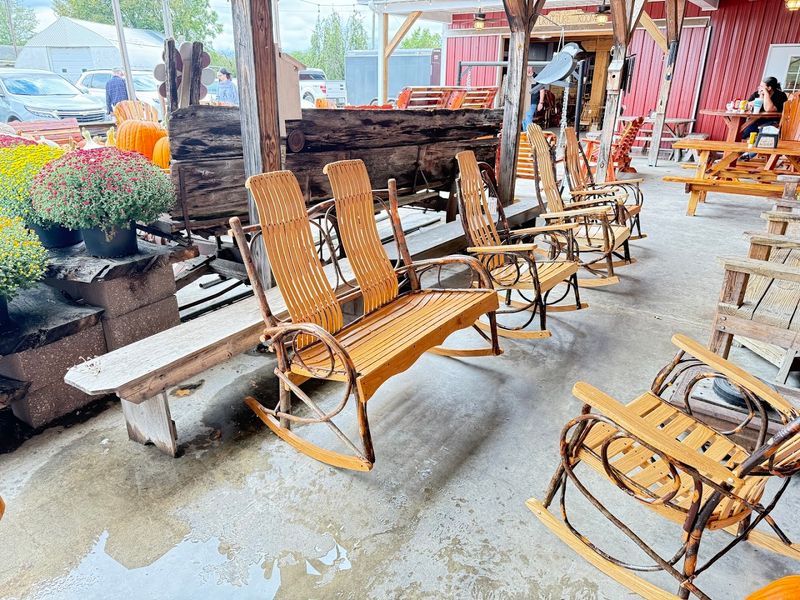
The Amish in Missouri often follow Old Order traditions, which means minimal contact with modern technology and a strong focus on farming and family. Many communities here are known for producing maple syrup, fresh dairy products, and high-quality handmade furniture that sells well at nearby markets.
Missouri’s affordable land prices have made it an attractive destination for Amish families looking to start new settlements or expand existing ones. Several communities have grown significantly in the past 20 years.
The state’s mix of flat farmland and gentle rolling hills makes it well-suited to the agricultural lifestyle that defines Amish living across America.
8. Kentucky
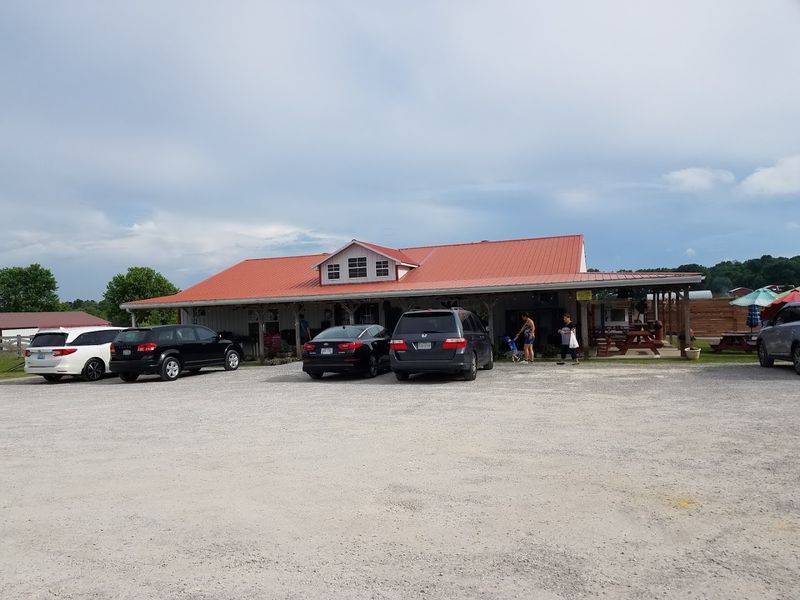
Kentucky holds a special place in the story of Amish expansion in the South. The state has around 12,000 to 14,000 Amish residents, with communities found in Grayson, Logan, and Casey counties, among others.
Many of these settlements are relatively young, having formed within the last 40 to 50 years.
Kentucky’s landscape, with its rolling hills and fertile soil, is well-suited to the Amish farming lifestyle. Tobacco, corn, and hay are commonly grown crops, and horse-drawn farming equipment is a familiar sight along country roads.
Local farmers markets often feature Amish-made jams, cheeses, and baked goods that draw shoppers from surrounding towns.
The Amish here maintain a close-knit community structure built around church districts and one-room schoolhouses. Children typically attend school only through eighth grade, after which they learn trades or farming alongside their parents.
Kentucky’s Amish communities reflect a quiet determination to preserve a meaningful and faith-centered way of life.
9. Iowa
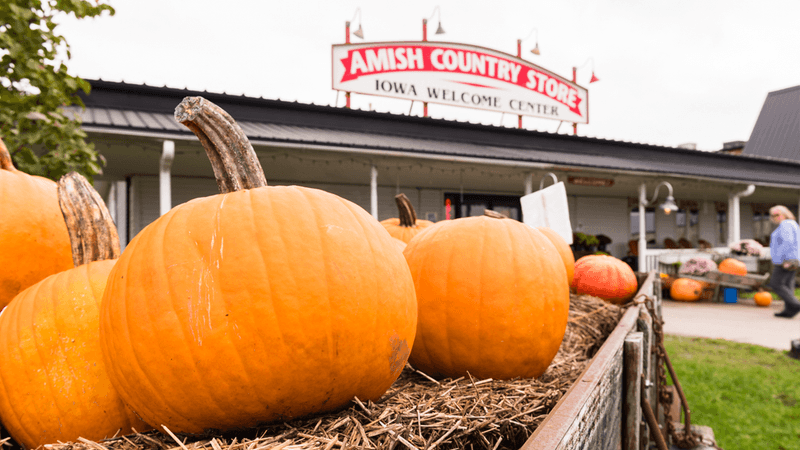
Kalona, Iowa, is one of the oldest and most recognized Amish communities west of the Mississippi River. The settlement dates back to 1846, making it a true historical landmark of Amish life in the American Midwest.
Iowa’s total Amish population sits around 10,000 to 12,000 residents statewide.
Farming is central to life in Iowa’s Amish communities. The fertile soil of the state makes it ideal for growing corn, soybeans, and oats.
Many families also raise livestock and operate small cheese-making or baking businesses that serve both local customers and curious tourists who visit the Kalona area.
The Kalona Historical Village is a popular attraction that helps visitors understand Amish and Mennonite history in the region. Iowa’s Amish population has grown steadily as new families seek land outside of more densely settled states.
The community’s deep roots and welcoming spirit make Iowa a standout destination for those interested in plain-community culture.
10. Illinois
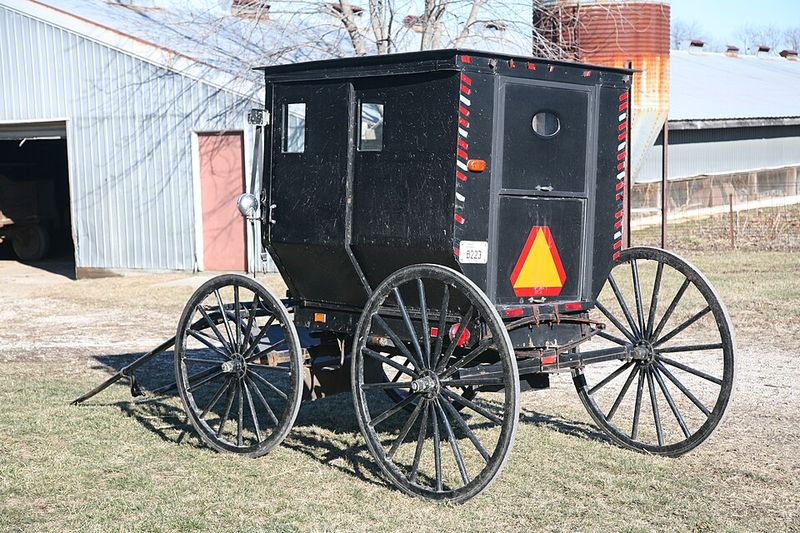
Arthur, Illinois, is the heart of the state’s Amish country. Located in Douglas County, the town sits at the center of one of the most well-known Amish communities in the Midwest.
Illinois has an estimated 10,000 Amish residents, many of whom live in the Arthur and Arcola area.
The community around Arthur is famous for its annual Amish Country Cheese Festival and a popular downtown filled with Amish-owned shops. Visitors can find everything from handmade quilts and wooden toys to fresh bread and homemade noodles.
The local economy benefits greatly from Amish tourism and craftsmanship.
Illinois Amish communities tend to be rooted in strong agricultural traditions, with large family farms producing corn, soybeans, and dairy products. The flat terrain of central Illinois is perfectly suited to horse-drawn farming.
New families continue to settle in the region, and the community shows no signs of slowing its steady and meaningful growth.
11. Minnesota
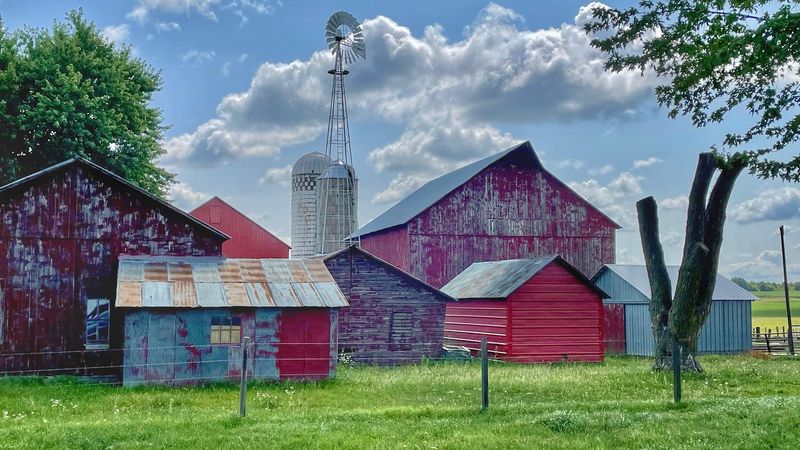
Minnesota might seem like an unlikely home for a large Amish population, but the state has been welcoming Amish settlers for many decades. With around 5,000 to 7,000 Amish residents, Minnesota ranks among the top Amish states in the nation.
Fillmore and Harmony counties in the southeastern part of the state are the most well-known settlement areas.
The town of Harmony is often called the “Amish Capital of Minnesota” and draws thousands of visitors each year. Guided buggy tours, Amish-run restaurants, and craft shops make it a charming destination for travelers.
The rolling bluffs and valleys of southeastern Minnesota remind many visitors of traditional Amish country in Pennsylvania.
Cold winters are a reality in Minnesota, and the Amish here have adapted their farming and daily routines accordingly. Root vegetables, hardy grains, and livestock are common.
The resilience of Minnesota’s Amish communities in the face of long winters speaks volumes about their adaptability and deep commitment to their chosen way of life.
12. Tennessee
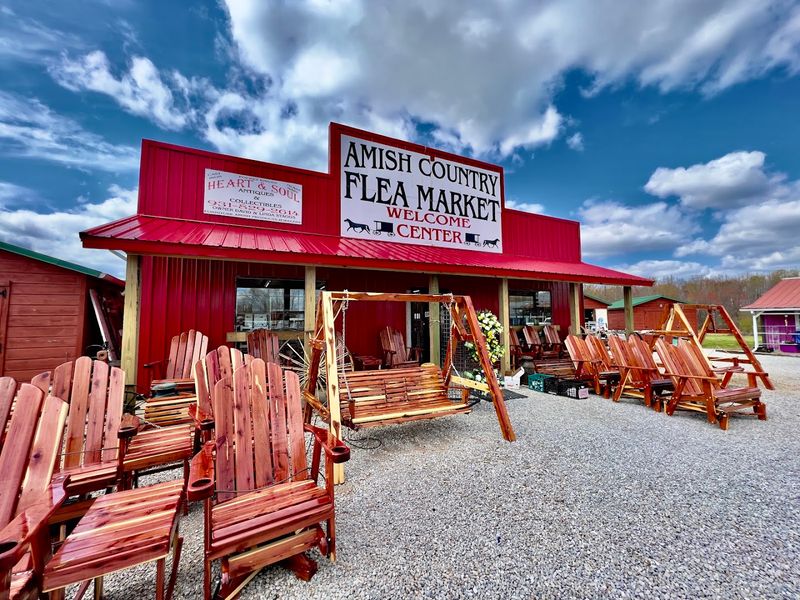
Tennessee has become an increasingly popular destination for Amish families moving away from overcrowded northern settlements. The state currently has an estimated 5,000 to 6,000 Amish residents, with communities found in Lawrence, Grundy, and Coffee counties.
The warmer climate and affordable land make Tennessee especially attractive to new settlers.
Unlike the flat farmland of the Midwest, Tennessee’s Amish communities are often nestled among wooded hills and hollows. This gives them a distinctly different look and feel compared to settlements in Ohio or Indiana.
Families here grow vegetables, raise chickens, and tend orchards that thrive in the mild Southern climate.
Tennessee’s Amish communities are relatively young but growing fast. Many arrived within the last 30 years, bringing their traditions and work ethic to a new region.
Local residents often report positive relationships with their Amish neighbors, who are known for their honesty in business dealings and their quiet, respectful presence in rural towns.
13. Kansas

Kansas has a modest but meaningful Amish population, estimated at around 4,000 to 5,000 residents. The communities here are spread across several counties, with Reno and Harvey counties being among the most established.
Kansas Amish settlements have roots going back more than a century in some areas.
The wide, flat plains of Kansas are well-suited for large-scale farming, and Amish families here grow wheat, corn, and sorghum. Horse-drawn equipment moves steadily across open fields, offering a striking visual contrast to the modern farm machinery used by neighboring non-Amish farmers.
The landscape makes the Amish way of life look both timeless and striking.
Kansas Amish communities also have strong traditions of mutual aid, where neighbors help one another during planting season or after unexpected hardships like fires or storms. This spirit of cooperation is a hallmark of Amish life everywhere, but it feels especially visible in the wide-open spaces of the Kansas countryside.
14. Virginia
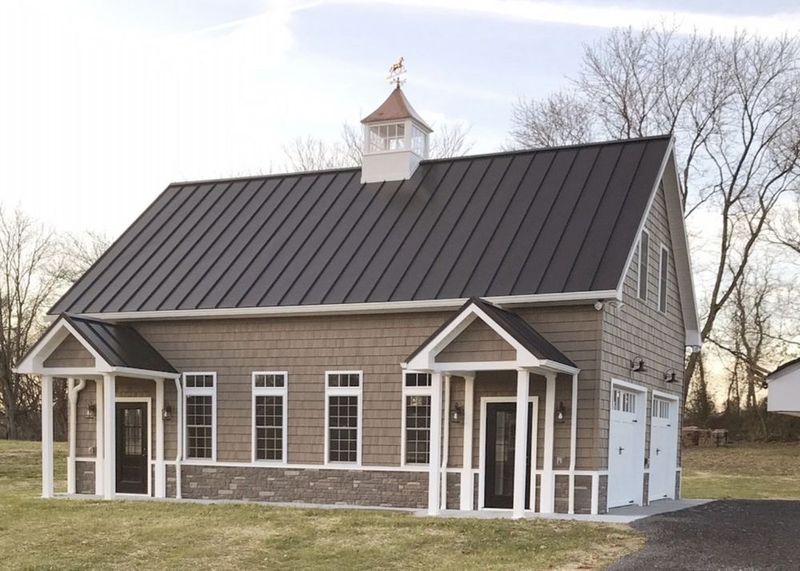
Virginia’s Amish population is centered largely in the Shenandoah Valley and surrounding rural areas. The state has an estimated 3,500 to 5,000 Amish residents, with Rockingham and Augusta counties being notable settlement areas.
The scenic mountain backdrop gives Virginia’s Amish communities a particularly picturesque quality.
Virginia’s Amish families are known for their skilled craftsmanship, particularly in furniture-making and leather goods. Many operate small shops or sell at local markets where they interact regularly with non-Amish customers.
These interactions help build goodwill between communities and allow the Amish to sustain their traditional lifestyle through commerce.
The mild climate of the Shenandoah Valley allows for a long growing season, which benefits Amish farmers who rely on their land for food and income. Apples, corn, and hay are common crops in the region.
Virginia’s blend of natural beauty and cultural heritage makes it a rewarding place for both Amish families and visitors curious about plain community life.
15. Maryland

Maryland rounds out this list with a smaller but historically significant Amish population. Garrett County in the western corner of the state is home to the most established Amish communities in Maryland.
The state has an estimated 2,500 to 3,500 Amish residents, many of whom have lived in the region for several generations.
Garrett County’s rugged terrain and cooler temperatures set Maryland’s Amish experience apart from that of flatter Midwestern states. Farming here requires creativity and hard work, and Amish families have proven more than capable of thriving in the mountain environment.
Maple syrup production, livestock raising, and vegetable gardening are all common practices.
The Amish in Maryland maintain a quiet and private lifestyle, but their presence is felt positively in local markets and small businesses. Handmade goods and fresh farm products from Amish families are prized by local shoppers.
Maryland’s Amish community may be small in number, but its depth of tradition and commitment to faith-driven living is every bit as strong as any larger settlement.
Share this story