 Unearth The Voyage
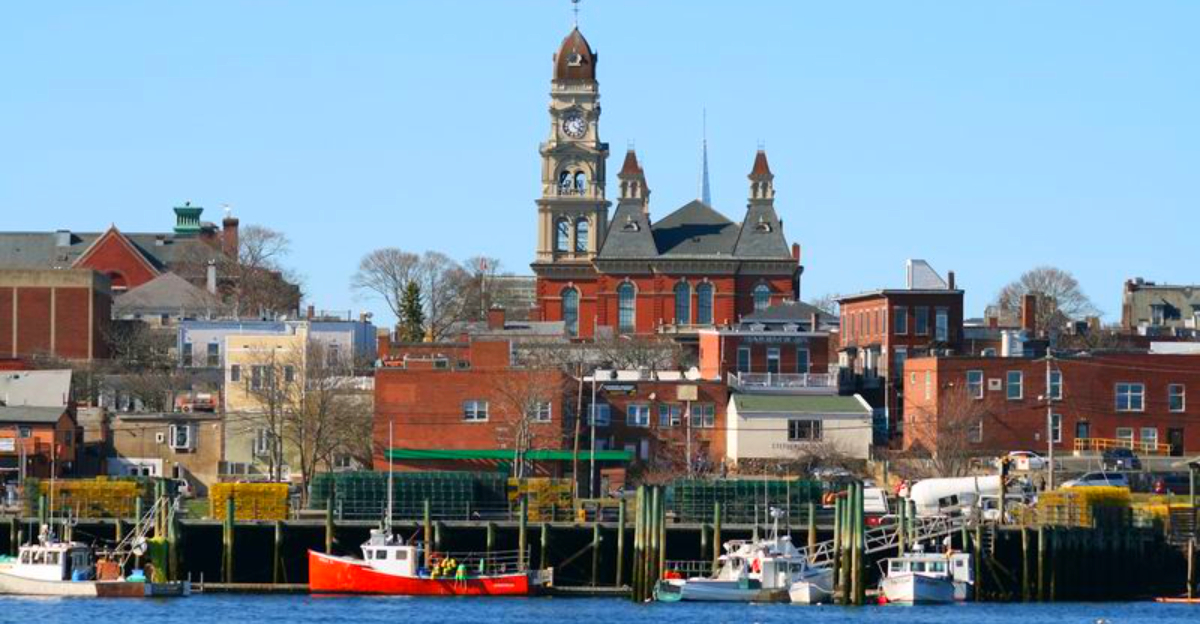
American towns are not always the product of slow growth and committee meetings. Sometimes a single high-roller sketched a dream, signed the checks, and willed a place into existence.
The results range from model worker utopias with strict curfews to fantasy neighborhoods that look like they were storyboarded on a movie lot. Keep reading and you will meet places where one person’s taste shaped the streets, the rules, and even the color of rooftops, plus a few audacious experiments that fizzled in spectacular fashion.
1. Pullman, Illinois
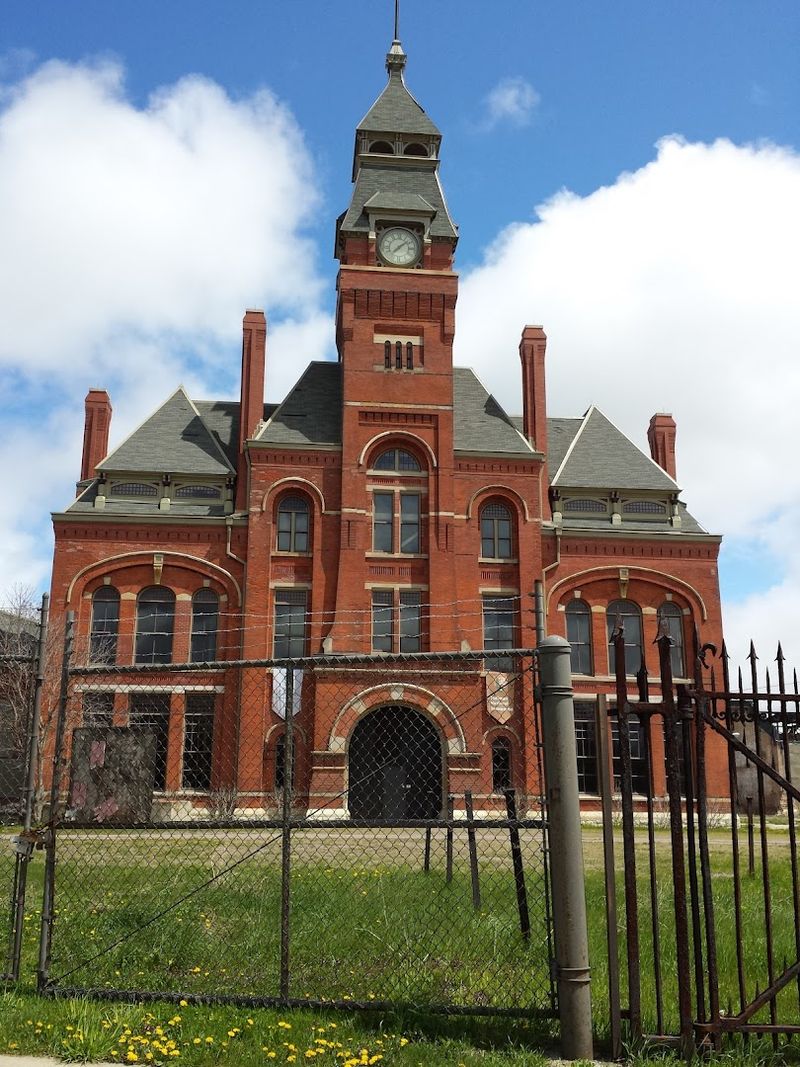
Rules ruled here, and you can still feel the order in the bricks. The 1880s plan unfolded like a brochure for efficiency, with the grand Hotel Florence, the factory, and rows of tidy residences set on wide boulevards.
George Pullman wanted harmony through design, so he controlled housing, landscaping, even porches that matched.
You notice the symmetry first, then the quiet persistence of red brick. Pullman banned independent newspapers and monitored behavior, betting that polished streets would produce polished lives.
Workers got clean water, decent amenities, and a curated park, but also rents that never budged and a landlord who was also the boss.
A walk brings conflicting feelings that history never resolved. Model town ideals sit next to the memory of strikes and hard lines drawn across dinner tables.
Today the neighborhood museum, landmarked buildings, and revived factory spaces help you read the blueprints of ambition and friction.
Take time with the clocktower shadows and the neat fences that march in step. They tell a story of paternal care mixed with control, hope balanced by rules.
It is beautiful, structured, and instructive, a reminder that comfort without voice can feel a size too small.
2. Hershey, Pennsylvania
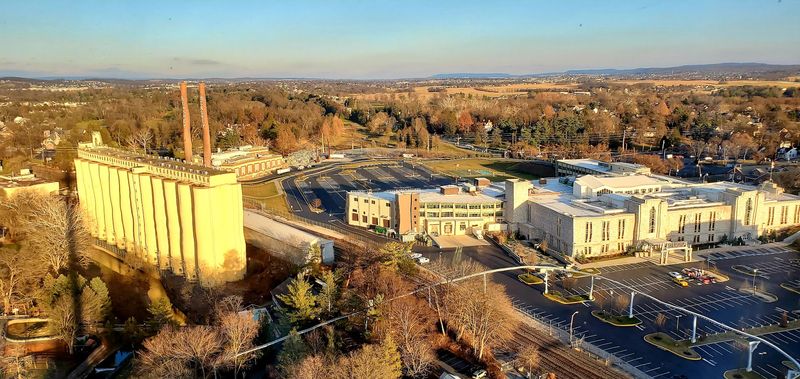
Sweetness built the sidewalks here, and not just in wrappers. Milton Hershey dreamed up a place where workers lived near schools, gardens, and a trolley line that whisked families to fun.
The town’s parks, tidy homes, and community amenities turned cocoa into civic architecture.
You see the whimsy in the kiss-shaped streetlamps and the seriousness in the school founded for children with need. Factories hummed, but so did bandstands and ballfields, giving the workday a softer landing.
Housing quality mattered, so blocks were planned, landscaped, and maintained with unusual care.
Visitors quickly notice how utility and delight coexist. A company town that invested in recreation took the edge off long shifts, and that decision still shapes weekends.
The design choices feel personal, like someone made a list of comforts and checked them twice.
There is commerce, sure, yet the heart of the story is philanthropy scaled up to the size of a municipality. Museums and tours explain how profits funded public good and how a brand became a place to call home.
Walk slowly, take a bench, and let the aroma of purpose mingle with chocolate in the air.
3. Coral Gables, Florida
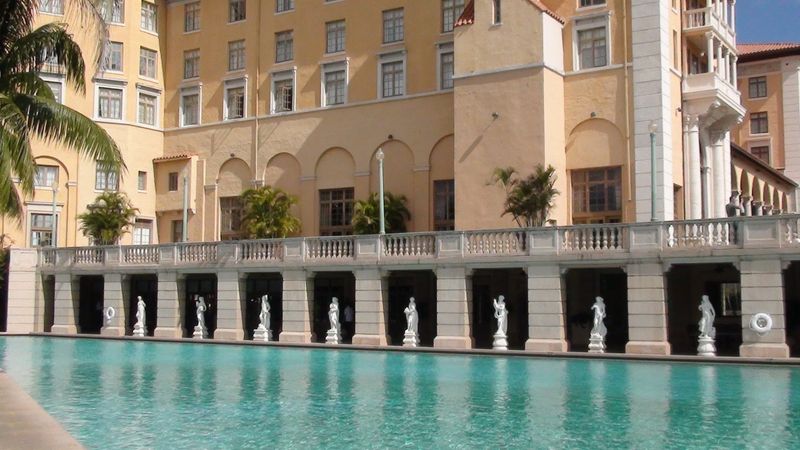
Terracotta roofs glow like hot coals cooling at dusk. George Merrick stitched a Mediterranean vision across South Florida, writing strict codes that kept stucco, arches, and courtyards in polite conversation.
Boulevards curve with theatrical timing, guiding you past fountains and plazas made for lingering.
The rules here were not shy. Builders followed a palette, setbacks aligned like choreography, and even lampposts wore the right costume.
The result feels consistent without slipping into monotony, because gardens and textures keep the rhythm lively.
Venetian Pool steals glances with quarry walls and teal water that looks hand mixed. Grand entrances announce neighborhoods with confident gates, then quiet lanes invite a slower look at tilework and ironwork.
You can read the plan in the shade, where palm fronds frame sightlines like a director.
Coral Gables sells fantasy made livable. The vision stayed tight enough that decades later the streets still look intentional and composed.
You come for the color, stay for the calm, and leave impressed that one planner’s taste could orchestrate so many small, satisfying decisions.
4. Celebration, Florida
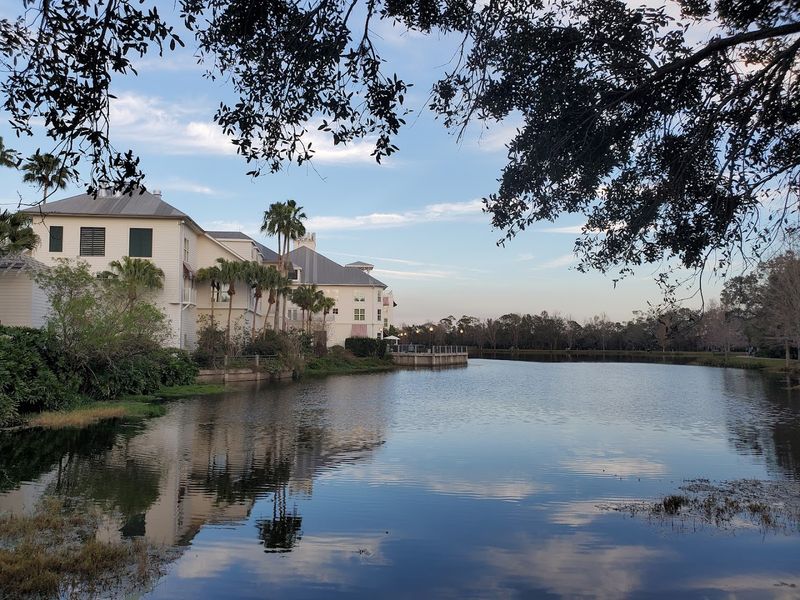
A storyboard stepped off the page and ordered a coffee. Celebration took Walt Disney’s planning ideals and turned them into porches, sidewalks, and neighborhood parks that knit daily life together.
Streets feel choreographed for strolling, with storefronts sized for eye contact.
Patterns matter here. Blocks stay short, garages tuck away, and houses put their good face toward the public realm.
The result rewards walkers and kids on bikes, letting errands share space with small talk.
Look closer and you see a marketplace of styles under a common ethos. Pastel facades, crisp trim, and pocket greens echo a carefully tuned optimism that never quite reads as stage set when the sun drops and porch lights glow.
Community events lean into that rhythm with calendars full of outdoor moments.
Debate follows the town like a shadow, which means it is interesting. Planned charm can raise eyebrows, but it also raises standards for how streets hold people and time.
Spend an evening by the lake and the design intent clicks like a well laid brick path.
5. Kohler, Wisconsin
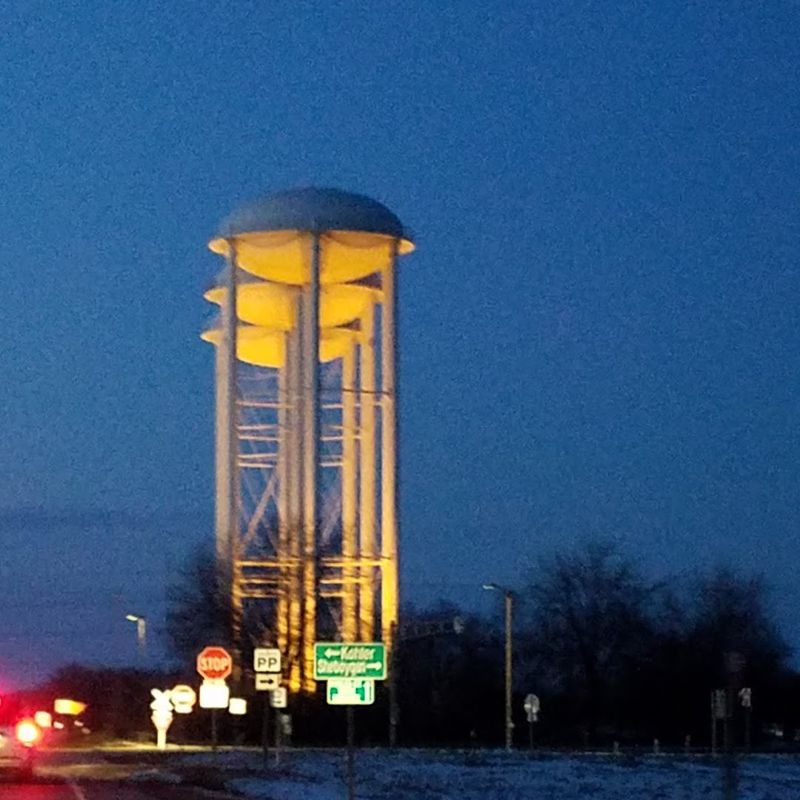
Polished faucets were only part of the shine. John Michael Kohler shaped a village where craftsmanship spilled from factories into lawns, schools, and a grand clubhouse that became a landmark.
Streets keep a measured pace, edged by gardens that look carefully edited.
The American Club anchors the narrative with brick dignity and warm windows. Worker housing shows pride without bravado, a steady rhythm of gables and porches that suggest supper will be on time.
Amenities gathered people into shared spaces, making industry feel neighborly.
You sense the company’s imprint without feeling fenced in. Covenants maintained standards, but the overall effect lands as comfort, not command.
Trees were planted with patience, and that patience now throws long, forgiving shade.
Visitors often arrive for design, then stay for the quiet confidence of place. Museums, trails, and tidy storefronts trace a story of making useful things beautifully.
Kohler reads like a manual on how to align work and life so the days stack neatly on the shelf.
6. Vandergrift, Pennsylvania

Curves tell you this plan had a designer’s pencil on it. Steel baron George McMurtry hired professionals to create a model town that soothed long shifts with parks, schools, and graceful streets that bent with the land.
The result feels thought out rather than stamped.
Houses vary enough to keep the eye moving, yet setbacks and trees tie everything together. Civic buildings add a note of pride that workers could point to on a Sunday stroll.
You can almost hear the intention in the way blocks open gently onto greens.
The company wanted morale and got identity along with it. Amenities and associations fostered stability, and the geography helped shape community habits that stick.
Industrial history remains present without swallowing the residential calm.
Walking the plan adds clarity. The town’s gently arcing avenues frame porches and park edges in a way that asks you to slow down and look twice.
Vandergrift proves that thoughtful geometry can make everyday life feel a little kinder at the corners.
7. Roosevelt, New Jersey
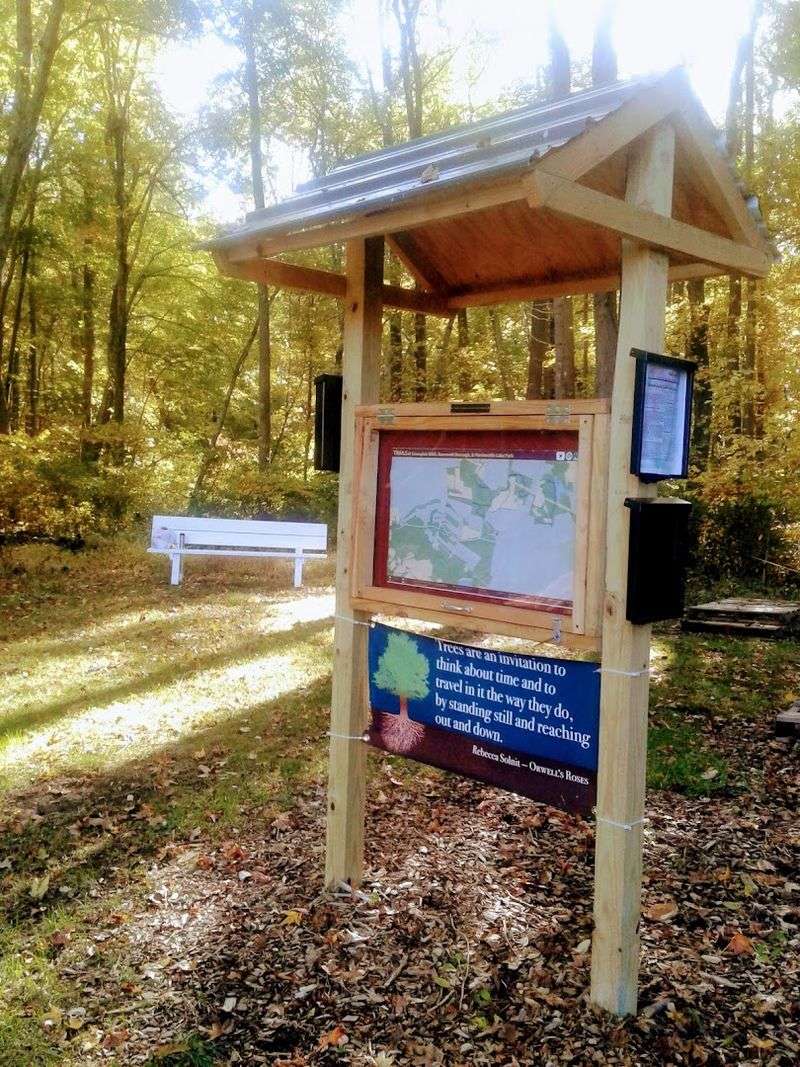
Cooperation had an address here, and it still shows on the walls. The town began as a New Deal project with strong guidance from philanthropist Benjamin Brown, who pushed for dignity in design and work.
Modest modernist homes line green streets that breathe more than they boast.
Art seeped into public life through murals and community spaces. The plan encouraged neighbors to meet often and rely on shared resources that balanced budgets and built trust.
You notice how corners open to paths rather than parking lots.
The experiment faced headwinds, yet the bones endured. A small square can hold a big purpose when it is framed right, and Roosevelt kept that lesson in plain view.
There is an appealing lack of spectacle that reads as honesty.
Visitors come looking for story and find craftsmanship as the plot twist. The cooperative roots still feed a culture of making and mentoring that refuses to fade.
Spend a little time and you start to feel how thoughtful design can lower the volume on daily stress.
8. Carmel-by-the-Sea, California
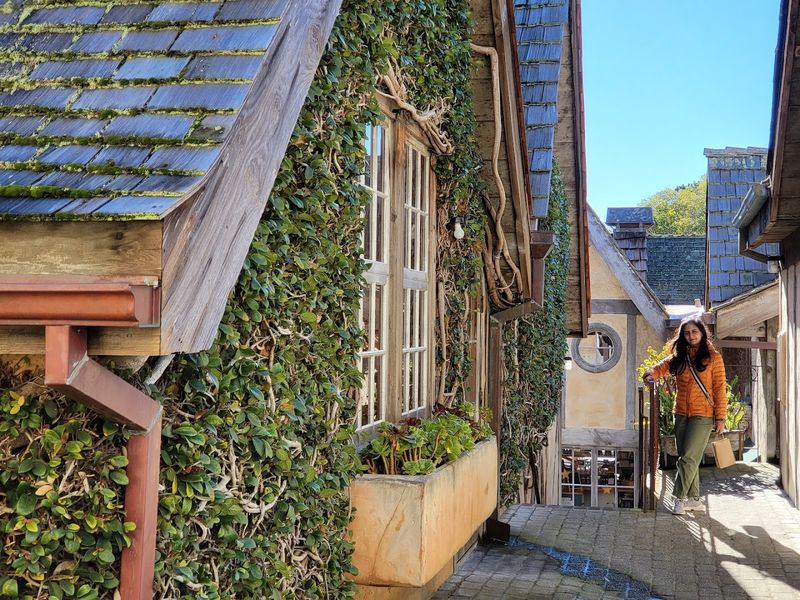
Whimsy bought oceanfront and set out easels. Early patrons and later strong personalities guided this coastal village into a walkable gallery with cottages that look hand carved.
Streets avoid numbers on homes, steering visitors by curiosity and landmark instead.
Art is infrastructure here. Courtyards hold sculpture, shingles wear moss with pride, and a simple lane can feel like a curated hallway for the breeze.
Practical details hide behind romance, letting utility take a quiet bow.
Powerful voices kept development on a short leash, protecting scale and character that might otherwise have slipped. The result is a town that feels held, not hugged too hard.
Cafes and bookshops feed the day with just enough bustle.
Set aside time for the small things. A window latch, a chime, a roofline that dips like a smile can carry more memory than a billboard.
Carmel proves personality can be policy when people guard the mood as carefully as the view.
9. Bel Air, California
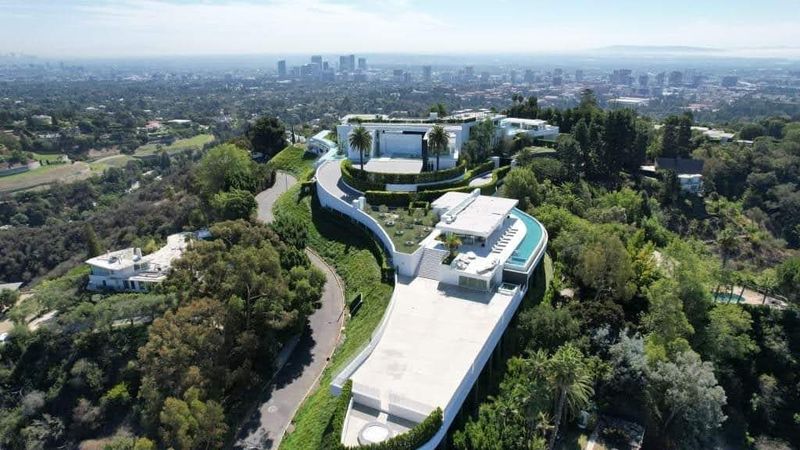
Gates whisper secrets in this hillside enclave. Oil tycoon Alphonzo Bell shaped Bel Air with covenants, curving roads, and carefully planted greenery that screened wealth without erasing presence.
The brand of privacy became the architecture’s loudest feature.
Estate lots stretch like long thoughts. Styles range from Mediterranean to crisp contemporary, yet hedges and setbacks smooth the transitions.
Streets snake on purpose, turning views into episodic reveals that reward patience.
The original plan baked in exclusivity by design rather than signage. Infrastructure followed the terrain, and rules kept the volume low so leaves could do most of the talking.
Even mailboxes seem to have posture.
Visitors do not come for a checklist, they come for an atmosphere. Bel Air teaches that landscape plus limits can manufacture mystique.
It is a place you experience in glances, between gates and along shadows, where the plan still edits what you see.
10. Astor, Florida
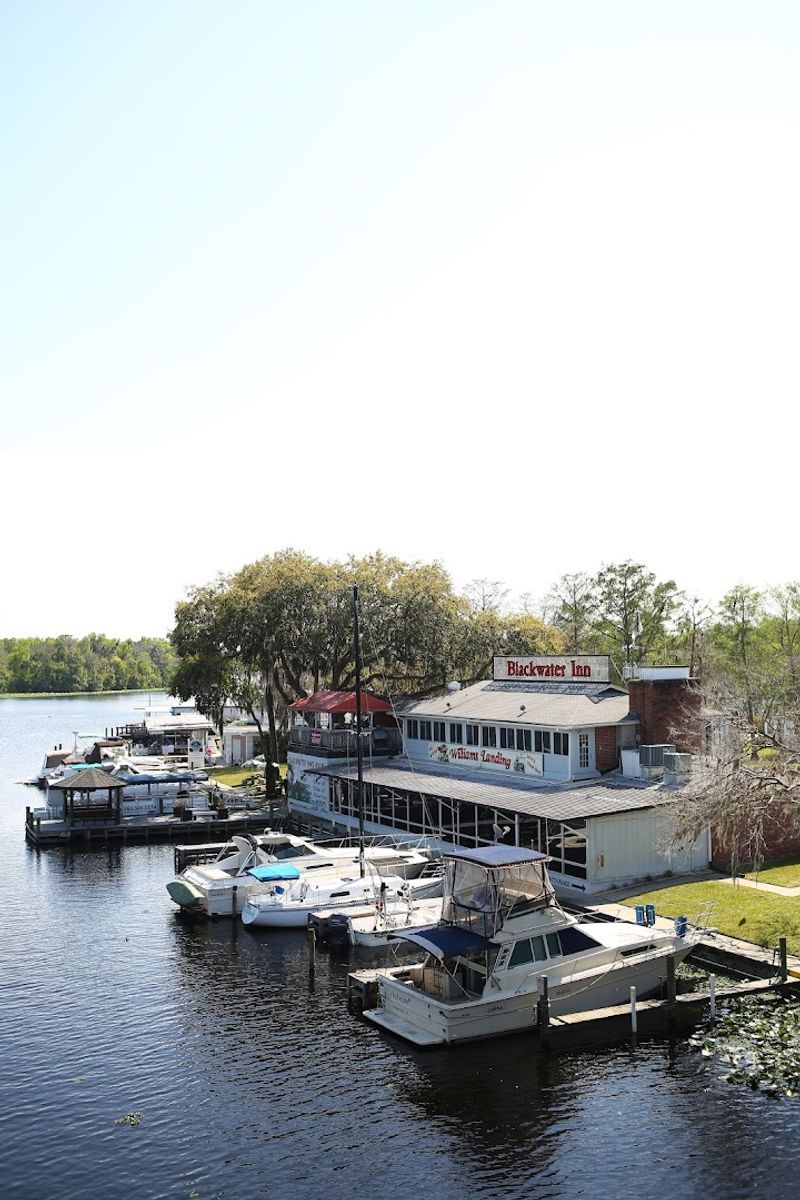
A river town carries one family name like a monogram. William Backhouse Astor Jr. stamped resources and will onto these shores, nudging a settlement into being along the St. Johns.
The plan followed the water’s logic, with commerce and cottages keeping close to the current.
Time slowed the ambitions but left the imprint. A few historic structures and the riverfront rhythm sketch the outlines of a once grander bet.
You read the story in pilings and porches that face the breeze.
Astor’s influence worked like a keel, steady even when surface plans shifted. Investment attracted trade, and trade built habits that still shape weekends and errands.
Boats cut lines on the water that echo old ledger entries.
Come for the quiet and you get context. The town may feel humble, yet the founding hand remains visible enough to guide a thoughtful walk.
It is a small place that wears a large history lightly, which suits the river just fine.
11. Scotia, California
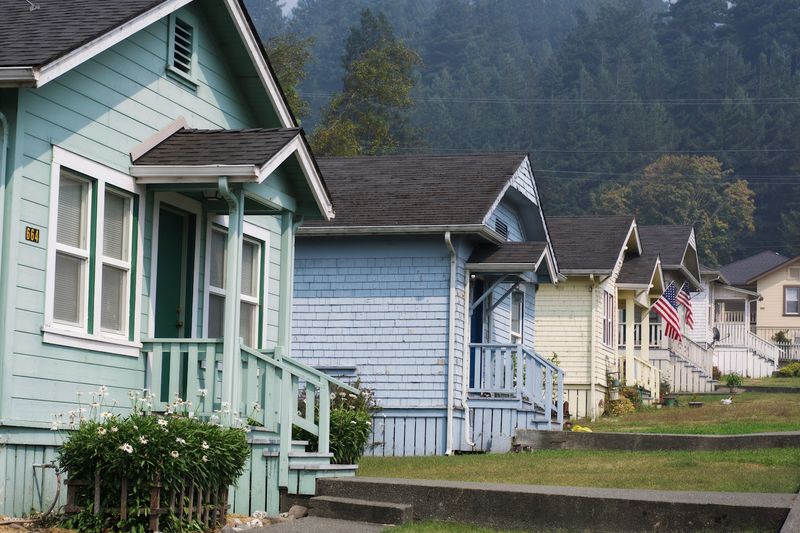
Sawdust wrote the street names here. The Pacific Lumber Company built and owned the town, creating tidy worker homes in the shadow of mills that buzzed like bees with a schedule.
Everything necessary fit within a short walk and a short list.
The scale is modest and that is the point. Houses share a vocabulary of practicality, with porches ready for boots and lunch pails.
The forest stands close, a green wall that kept the economy and the weather honest.
Ownership concentrated decisions in a few offices, which made services reliable and rules clear. Residents got stability that felt solid until markets shifted.
Even now, the layout reveals how work shaped the day before breakfast.
Visitors sense integrity in the grain of the boards. Scotia shows a company town without frills can still create community through proximity and routine.
Stand on a corner at shift change in your mind and the place explains itself in one crisp paragraph.
12. Tuxedo Park, New York
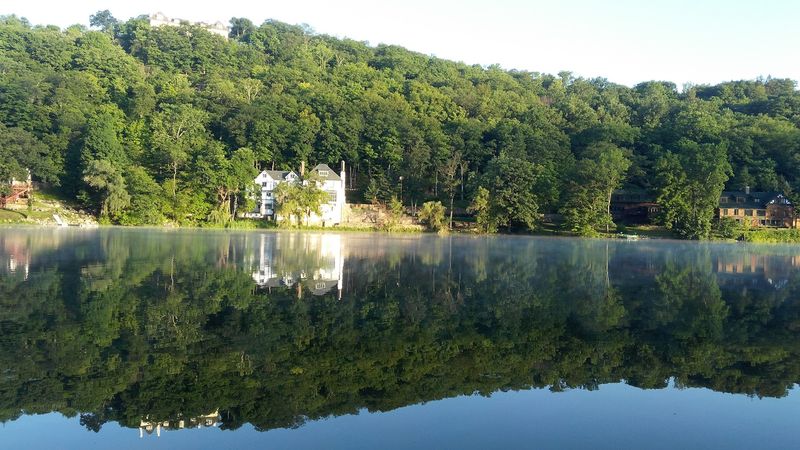
Stone gates frame a hush that feels curated. Pierre Lorillard IV imagined an elite retreat and delivered a private world of lakes, winding roads, and houses that speak in measured tones.
Access was filtered by design, not accident.
Architecture plays chamber music here. Shingle Style and stately classics nestle into generous lots, where water and woods conspire to keep voices low.
Every curve seems to place a view where it will be appreciated, not consumed.
The social script relied on rules and invitation. That structure built a culture that still lingers in the clipped edges of lawns and the soft grind of gravel drives.
Privacy functions as amenity, as tangible as tennis courts.
Walk the perimeter in your mind and the design intent holds firm. Tuxedo Park demonstrates how a single fortune can purchase not only property but a mood.
It is infrastructure for quiet, and the quiet has aged particularly well.
13. Bramwell, West Virginia
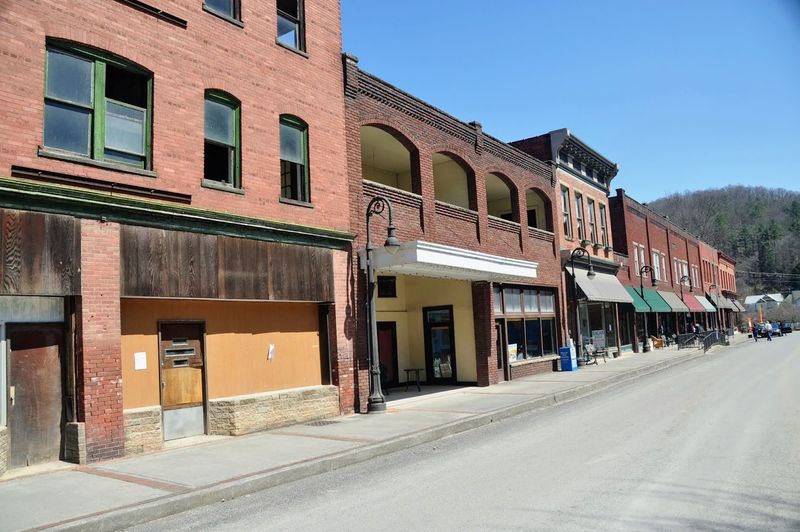
Millionaires once compared porches here like watch collectors. Coal wealth gathered in Bramwell and financed mansions with turrets, stained glass, and gingerbread that turned a quiet bend in the river into a showroom.
The nickname stuck and the architecture keeps earning it.
Downtown carries the patina of careful hands. Brick storefronts and tiled entries reflect fortunes that wanted permanence, not flash.
The National Register listing reads like a promise to keep the stories legible.
Tours move at a neighborly pace, letting details announce themselves. A carved newel post, a painted ceiling, a bank vault door that closes with satisfying gravity all tell the same tale of money spent with patience.
The hills hold the echo.
You leave with images that feel specific rather than grand. Bramwell shows how concentrated wealth can turn craftsmanship into civic identity.
The mansions line up like footnotes to a line of ledgers, beautiful and still very much present.
14. Tarrytown, New York
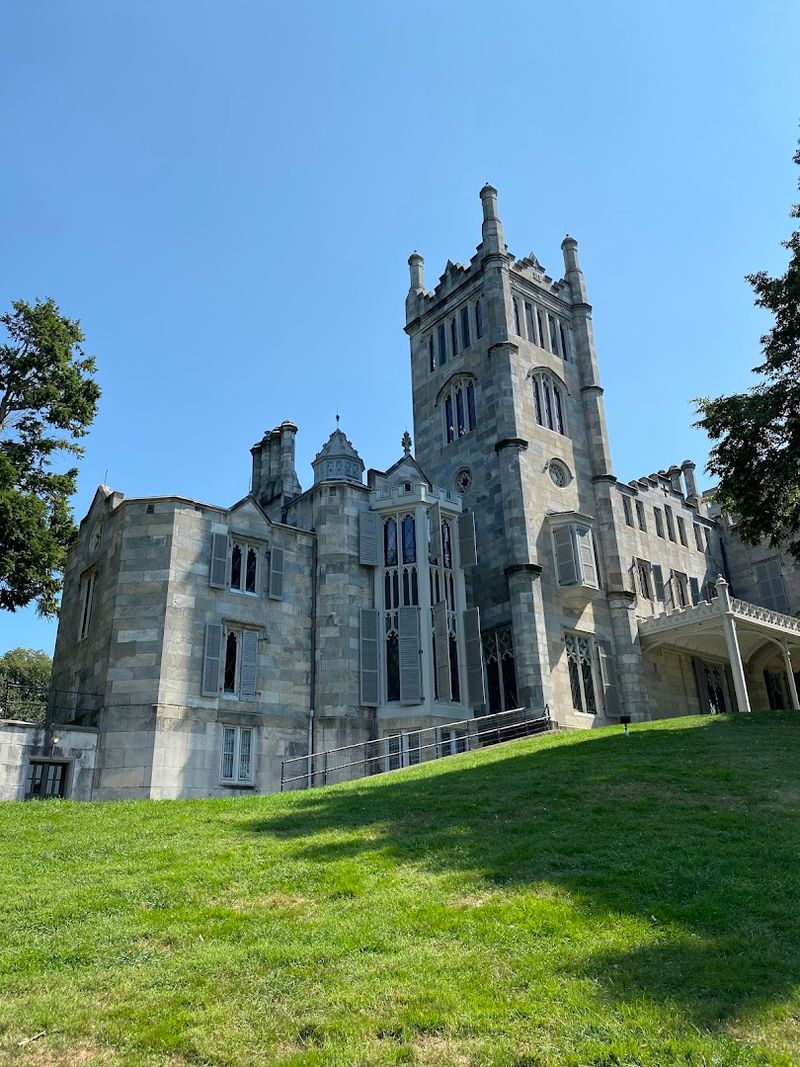
A single silhouette on the Hudson can tilt a whole town’s reputation. Lyndhurst, the Jay Gould estate, plants Gothic Revival drama against a rolling lawn that seems sized for a procession.
The house’s stonework and tracery pull your gaze the way a bell pulls a tower.
While not a company town, the estate’s gravity shaped attention and nearby development. Visitors arrive for tours and stay to explore streets that learned to share space with grandeur.
The landmark status preserves both spectacle and setting.
Details reward lingering. Windows cut the sky into frames, and interiors compile craftsmanship into a persuasive argument for care.
The grounds spill toward the river, editing the horizon with old trees.
Tarrytown understands how one property can recalibrate a landscape. The estate’s presence wrote a chapter that subsequent pages still reference.
It is a master class in tone setting, and the tone has depth.
15. Gloucester, Massachusetts
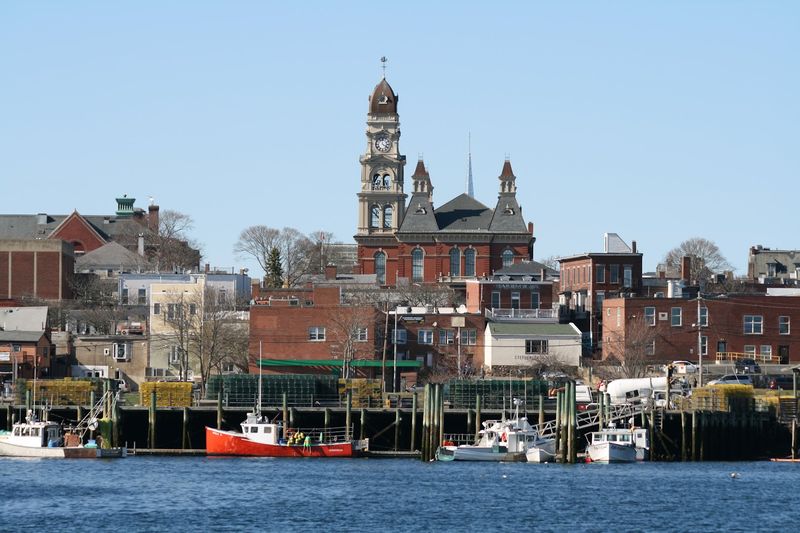
A medieval mood anchors this harbor view. Inventor John Hays Hammond Jr. built Hammond Castle as a personal laboratory and statement piece, importing artifacts and bold ideas to a rocky perch.
The structure reads like a biography written in stone.
The eccentricity is not costume, it is conviction. Courtyards trap sea light, galleries pack curiosities into tight conversations, and hallways pivot unexpectedly.
Visitors learn quickly that innovation loves a dramatic setting.
Gloucester benefits from the castle’s magnetism. The town’s salty pragmatism pairs nicely with a landmark that refuses to blend in.
Museums and docks find themselves on the same itinerary, which feels right.
Stand by the parapet and let the spray edit your thoughts. The mix of old-world theatrics and American experiment keeps the mind alert.
This is a coastal postcard with extra voltage running through the margins.



