Some of the most unforgettable animal encounters in the country happen not at theme parks or traditional zoos, but at wildlife rescues and sanctuaries. These special places give injured, abandoned, and formerly captive animals a second chance at a better life.
For visitors, they offer something truly rare: a chance to see wild animals up close while actually making a difference. Whether you love big cats, wolves, elephants, or sea turtles, there is a rescue experience in the U.S. that will leave you speechless.
The Wild Animal Sanctuary – Keenesburg, Colorado
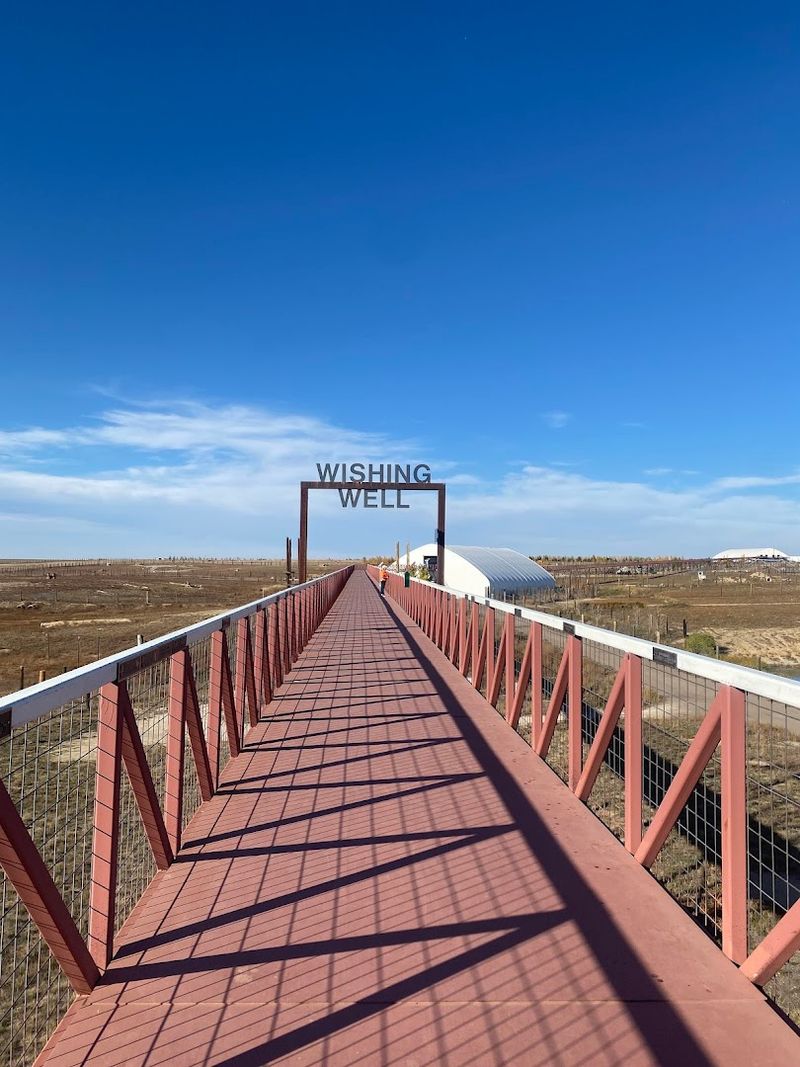
Walking above lions, tigers, and bears on an elevated pathway is not something most people ever expect to experience, but at The Wild Animal Sanctuary in Keenesburg, Colorado, it is completely real. The sanctuary rescues large carnivores from abusive roadside zoos, failed private ownership, and closed facilities.
These animals deserve space, and this place delivers it in a big way.
The mile-long elevated walkway lets visitors observe rescued animals roaming across enormous open habitats below without disturbing them. It is a thoughtful design that puts animal comfort first.
You get incredible views, and the animals get their peace.
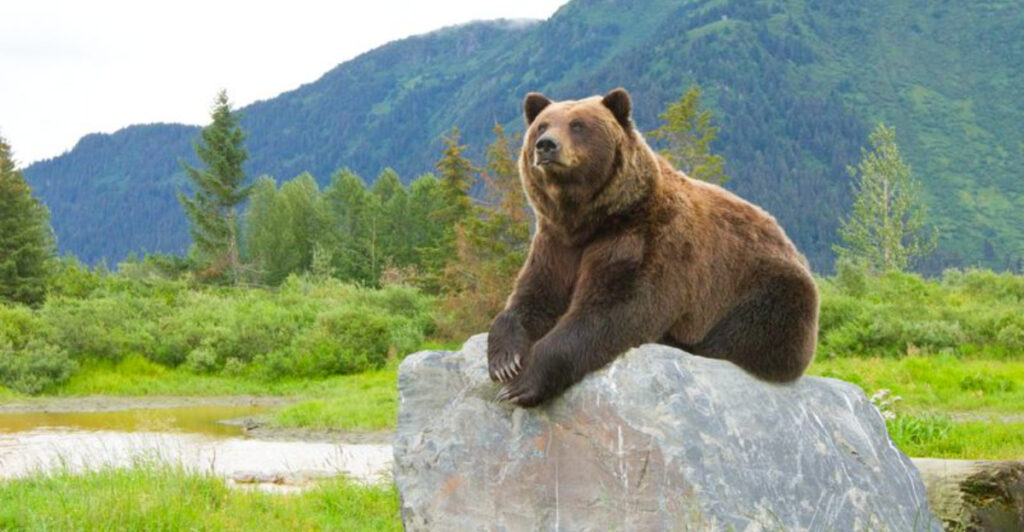
Home to over 450 animals including grizzly bears, wolves, and even camels, this sanctuary is one of the largest in the world. Every rescue here has a story, and staff are passionate about sharing them.
Visiting supports ongoing rescue operations and gives these animals the funding they need to thrive for life.
Best Friends Animal Sanctuary – Kanab, Utah
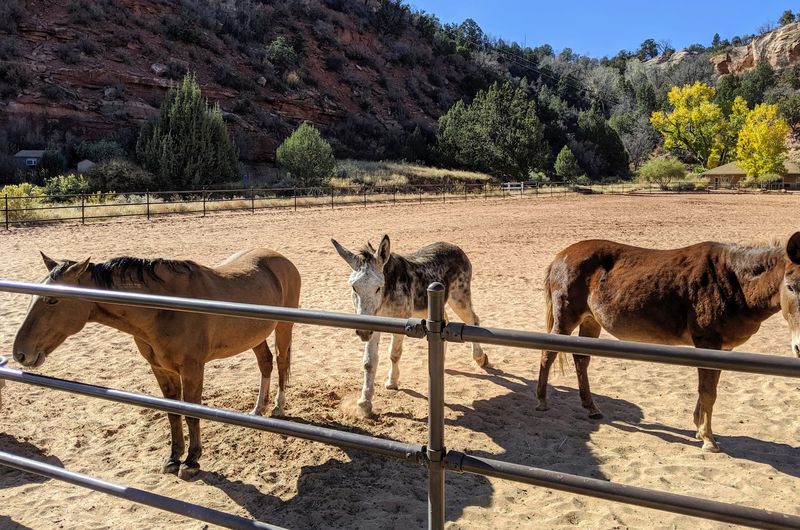
Tucked inside one of southern Utah’s most jaw-dropping canyon landscapes, Best Friends Animal Sanctuary is unlike any rescue you have ever visited. Covering nearly 3,700 acres, it is one of the largest no-kill animal sanctuaries in the entire country.
The setting alone feels like something out of a nature documentary.
Dogs, cats, horses, rabbits, birds, and various wildlife species all call this place home. Visitors can tour the grounds, spend quality time volunteering with animals, and even arrange overnight stays to extend their experience.
Few places let you bond with rescue animals quite this deeply.
Best Friends has played a major role in the national no-kill movement, pushing shelters across America to adopt more humane policies. Every visit directly supports that mission.
If you want a hands-on, heart-warming wildlife experience that goes beyond just watching animals from behind a fence, this sanctuary is genuinely hard to beat.
Elephant Sanctuary – Hohenwald, Tennessee
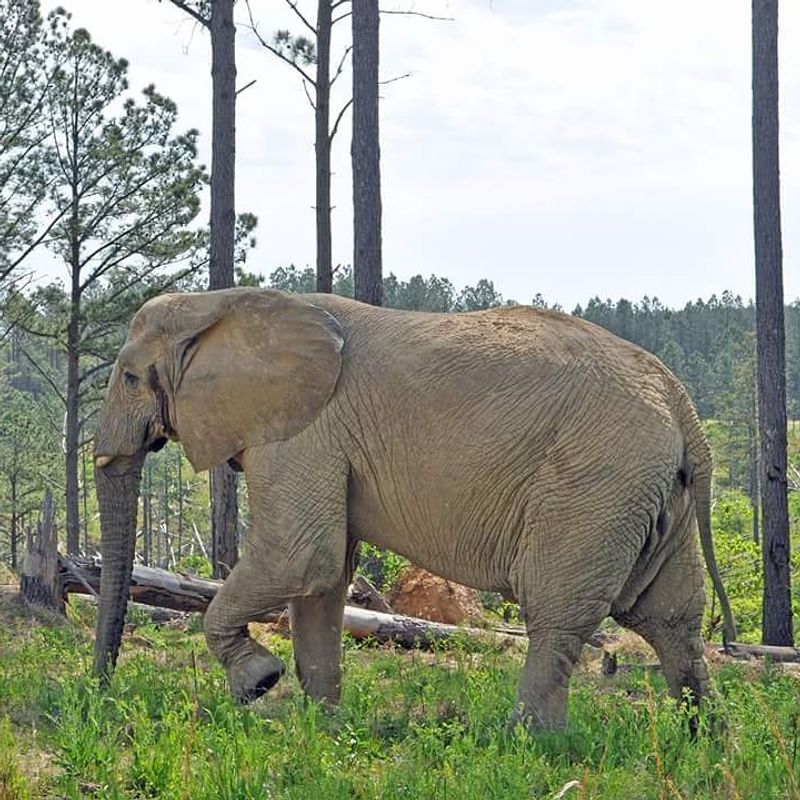
Elephants rescued from decades of performing in circuses or living in cramped zoo enclosures finally get room to breathe at The Elephant Sanctuary in Hohenwald, Tennessee. Sprawling across 2,700 acres of natural habitat, this is the largest natural-habitat elephant sanctuary in the United States.
These animals have earned every inch of it.
Public access to the actual sanctuary grounds is intentionally limited to protect the elephants from stress. However, visitors can explore the Elephant Discovery Center in town, which features live webcam footage, educational exhibits, and fascinating information about each resident elephant’s journey to safety.
It is a genuinely moving experience.
The sanctuary cares for Asian and African elephants, many of whom arrived with serious physical and emotional trauma. Watching them slowly rebuild trust and form friendships with other elephants through the webcams is surprisingly emotional.
Supporting this sanctuary means contributing to one of the most compassionate elephant care programs anywhere in North America.
Big Cat Rescue – Tampa, Florida
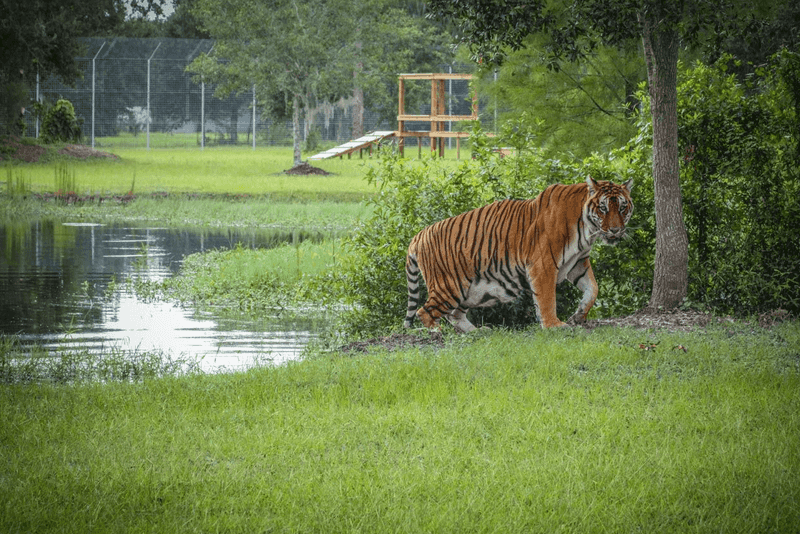
Before the Netflix documentary made big cats a household conversation, Big Cat Rescue in Tampa was already fighting hard for these animals behind the scenes. Founded in 1992, the sanctuary has rescued hundreds of tigers, lions, leopards, bobcats, and other exotic cats from deeply troubling situations.
The cats here have seen things no animal should ever experience.
Guided tours walk visitors through the sanctuary’s shaded habitats, where rescued cats lounge, pace, and live out their days in relative peace. Guides share each animal’s backstory, which ranges from being confiscated from drug dealers to surviving neglectful private ownership.
Every story lands differently.
Big Cat Rescue is also a fierce advocate for ending private big-cat ownership in the U.S., a goal that got closer with the passage of the Big Cat Public Safety Act in 2022. Visiting here feels like participating in something genuinely important.
Tickets sell out frequently, so booking in advance is strongly recommended for anyone planning a trip.
Carolina Tiger Rescue – Pittsboro, North Carolina
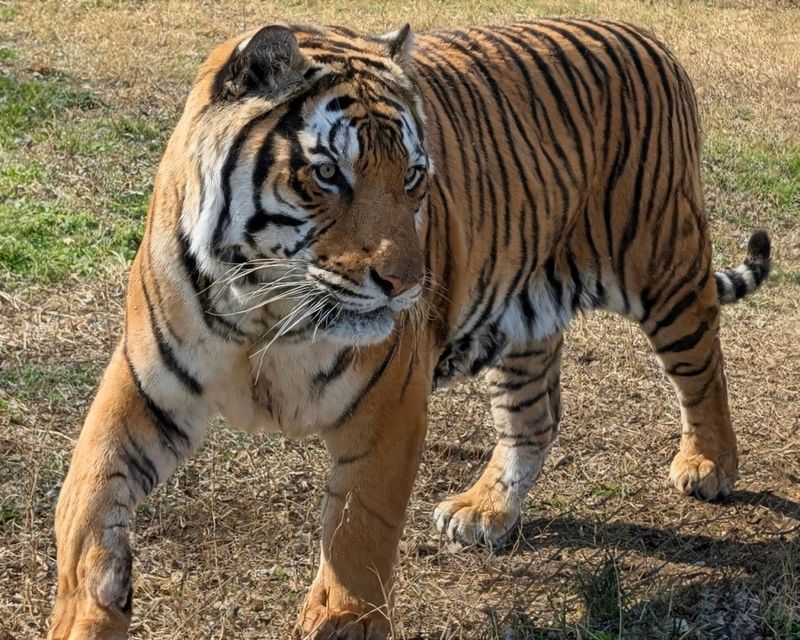
Servals, tigers, lions, cougars, and ocelots share space at Carolina Tiger Rescue, a nonprofit sanctuary nestled in the woodsy hills of Pittsboro, North Carolina. Many of these animals arrived after being seized from illegal situations or surrendered by overwhelmed private owners who had no idea what they were getting into.
Wild animals make terrible pets, and this place proves it every single day.
Guided tours run on weekends and offer visitors an up-close look at each resident while educators share information about wildlife trafficking, captive breeding problems, and why exotic animal ownership is harmful. The guides are passionate, knowledgeable, and genuinely fun to listen to.
You will leave knowing far more than you expected.
The sanctuary currently houses over 50 animals across multiple species. Night tours are also available and offer a totally different atmosphere as the cats become more active after dark.
Carolina Tiger Rescue relies entirely on donations and tour revenue, so every ticket purchased goes directly toward animal care and facility improvements.
International Wolf Center – Ely, Minnesota
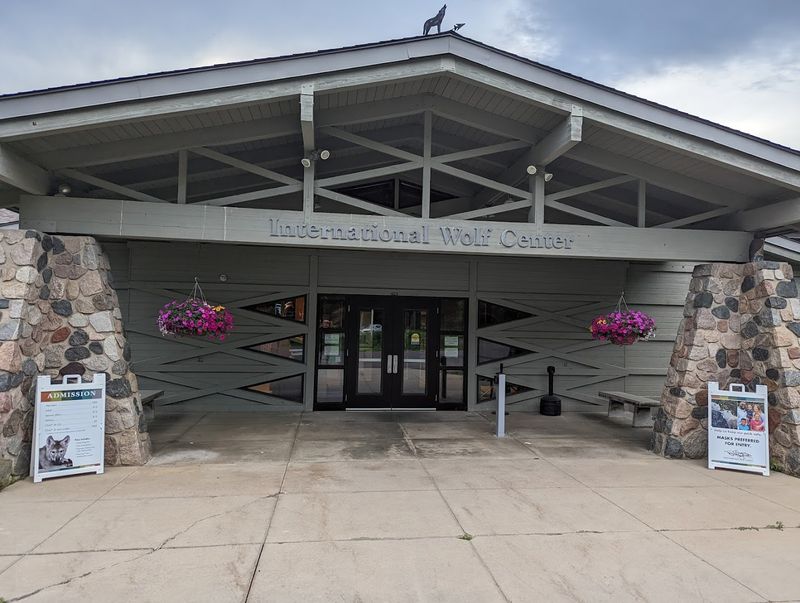
Hearing a wolf howl from just a few feet away is one of those experiences that sends a chill straight down your spine, in the best possible way. The International Wolf Center in Ely, Minnesota, makes that moment possible while surrounding it with some of the most thoughtful wolf education you will find anywhere in the country.
This place genuinely changes how people think about wolves.
Live ambassador wolf packs live on the property, and visitors can observe them through large viewing windows and during special feeding demonstrations. Interactive exhibits explore wolf behavior, pack dynamics, hunting patterns, and the complex history of wolves in North America.
It is educational without ever feeling like a lecture.
Ely sits deep in Minnesota’s boreal forest, making the surrounding landscape feel perfectly matched to the wolves inside. Winter visits are especially magical, with snow-covered trails and the chance to hear wolf howls echo across frozen lakes.
Programs designed for families, photographers, and serious wildlife enthusiasts make this a flexible destination worth planning a trip around.
Alaska Wildlife Conservation Center – Portage, Alaska
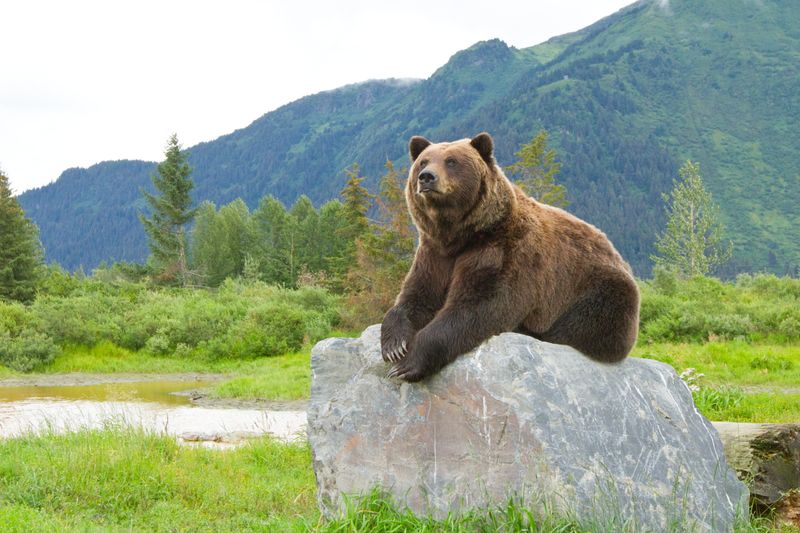
Massive mountains, glaciers, and roaming bison create a backdrop so dramatic at the Alaska Wildlife Conservation Center that it almost feels fictional. Located in Portage, just south of Anchorage, this rescue facility cares for native Alaskan species that were injured, orphaned, or unable to survive in the wild.
The scenery alone justifies the visit, but the animals seal the deal.
Bears, moose, lynx, musk oxen, wood bison, eagles, and caribou all live in large, naturalistic enclosures that feel far more open than typical zoo exhibits. Visitors drive or walk through the property at their own pace, making it a relaxed and flexible experience.
Spotting a moose calf or a grizzly bear up close against that mountain backdrop is genuinely unforgettable.
The center also runs important conservation breeding programs, including one focused on recovering the rare wood bison population in Alaska. Staff are approachable and happy to share information about each animal’s story.
For anyone visiting Alaska and wanting more than a distant wildlife glimpse, this center delivers something truly special.
California Wolf Center – Julian, California
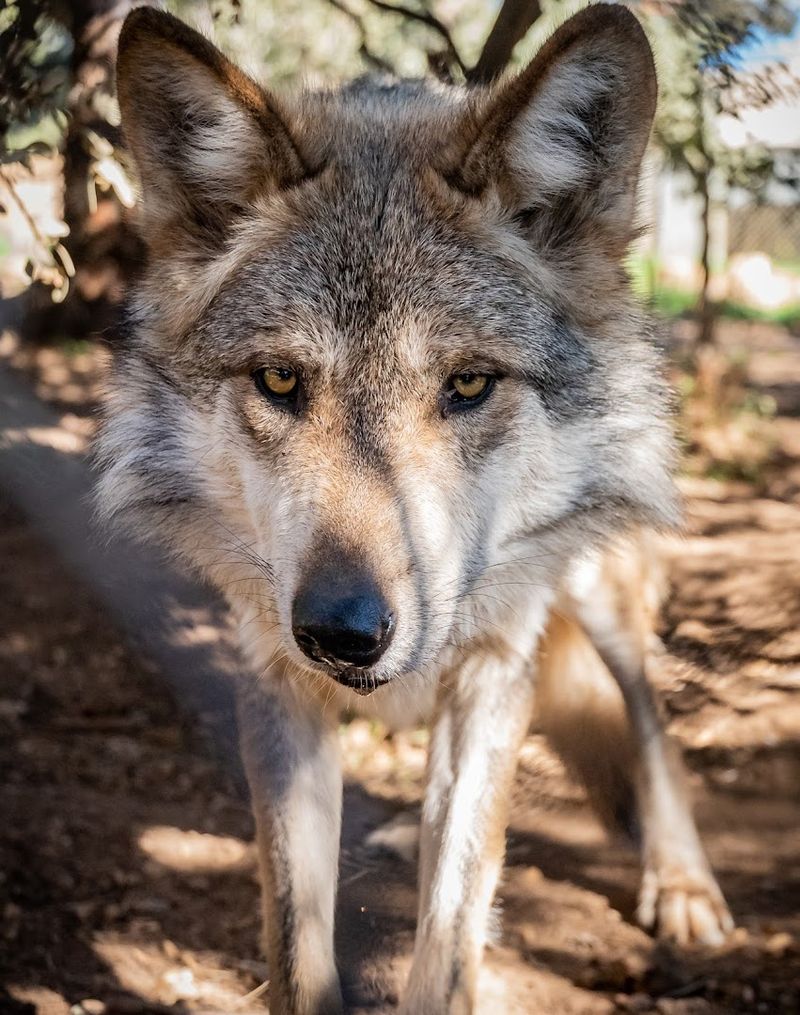
Fewer than 250 Mexican gray wolves exist in the wild today, making every single animal at the California Wolf Center in Julian feel extraordinarily significant. This small but mighty nonprofit focuses on conservation breeding and recovery programs for one of North America’s most endangered predators.
What happens here genuinely matters for the future of the species.
Guided tours take small groups through the forested property, offering close views of resident wolves while educators explain the science and politics behind wolf recovery efforts. The tour guides are refreshingly honest about the challenges facing endangered species programs, and that honesty makes the experience feel more real and more urgent.
You leave motivated to help.
Julian itself is a charming mountain town known for apple orchards and pie shops, making the wolf center an easy addition to a weekend road trip from San Diego or Los Angeles. Tours must be booked in advance as group sizes are kept intentionally small.
The intimacy of the experience is exactly what makes it worth the effort of planning ahead.
Clearwater Marine Aquarium – Clearwater, Florida
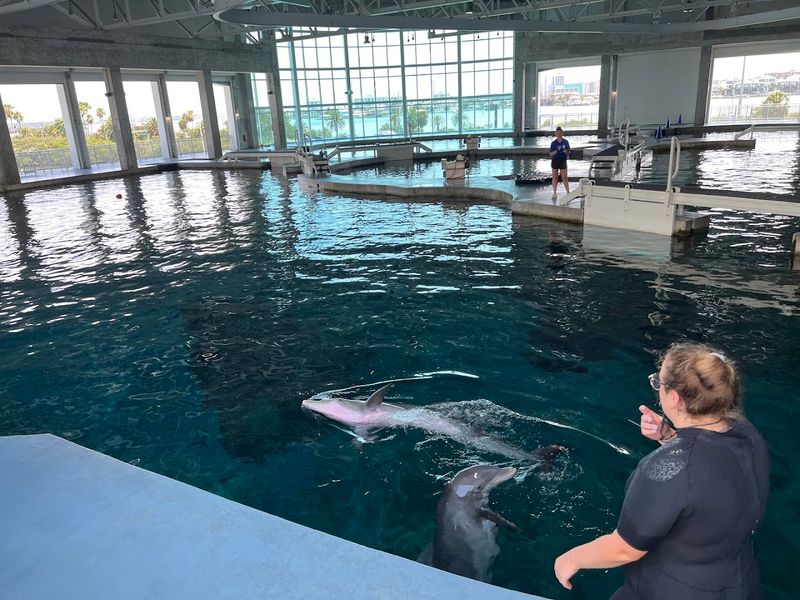
Winter the dolphin made this place famous, but Clearwater Marine Aquarium was already doing remarkable rescue work long before any cameras showed up. Located on the Gulf Coast of Florida, the aquarium specializes in rescuing and rehabilitating injured dolphins, sea turtles, river otters, and other marine animals.
The goal is always to return animals to the wild whenever possible.
Winter, who lost her tail to a crab trap and later received a prosthetic one, became a global symbol of resilience before passing away in 2021. Her legacy lives on through the aquarium’s continued rescue work and educational programs that reach millions of people each year.
The aquarium is as much a story of human compassion as it is about the animals themselves.
Visitors can observe rehabilitation pools, watch animal care sessions, and explore exhibits about marine conservation and ocean health. The aquarium also operates rescue boats and responds to marine animal emergencies along the Florida coast.
Buying a ticket here directly funds active rescue operations, making every visit a genuine contribution to marine animal welfare.
Center for Great Apes – Wauchula, Florida
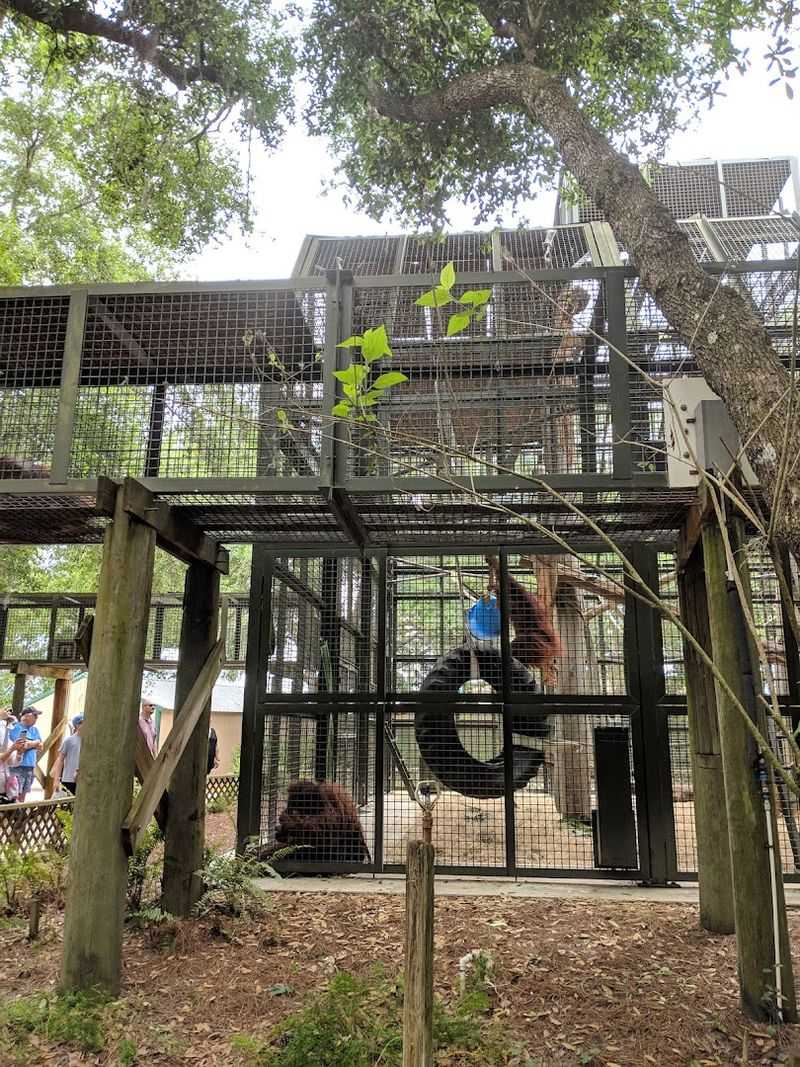
Chimpanzees and orangutans who spent years performing on television sets or living in research labs find permanent sanctuary at the Center for Great Apes in Wauchula, Florida. The 100-acre facility is one of the few accredited sanctuaries in the country dedicated exclusively to great apes, and the care provided here is extraordinary by any measure.
These animals receive enrichment, socialization, and medical care for the rest of their natural lives.
Residents include apes rescued from entertainment careers, the exotic pet trade, and biomedical research facilities. Many arrived with significant behavioral and emotional challenges after years of unnatural living conditions.
Watching them gradually settle into more natural social groups is both fascinating and deeply moving.
Public tours are available and wind through elevated walkways above the forested habitats, keeping human impact on the apes minimal while still offering meaningful observation opportunities. Photography is welcomed, and guides share individual stories for each resident.
The center operates solely through donations and tour revenue, so visiting is one of the most direct ways to support these remarkable animals.
Wolf Haven International – Tenino, Washington
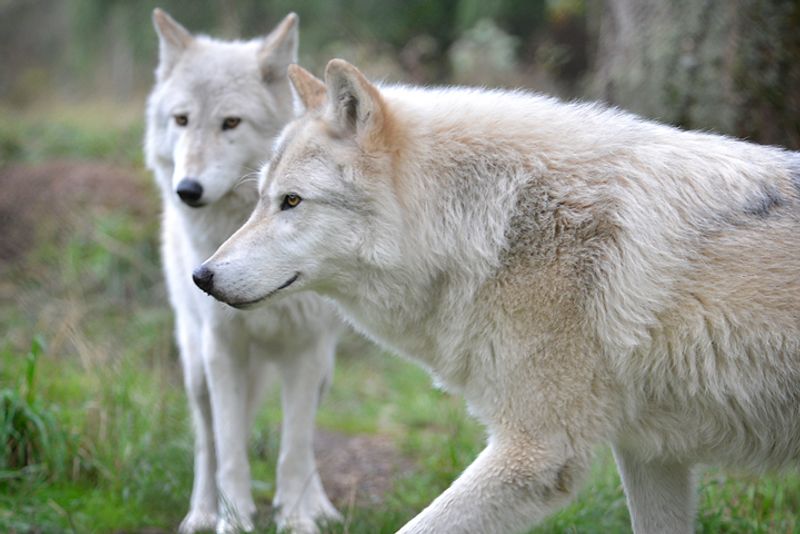
Something about standing in the Pacific Northwest forest and hearing wolves communicate with each other in the distance rewires your brain a little. Wolf Haven International in Tenino, Washington, has been creating that experience for visitors since 1982, making it one of the oldest wolf sanctuaries in the country.
It remains one of the most quietly powerful wildlife destinations on the West Coast.
The sanctuary rescues captive-born wolves and wolf-dog hybrids that cannot be released into the wild. Guided walking tours move through forested habitats, giving visitors close but respectful views of resident wolves.
Educators explain wolf behavior, pack communication, and the ongoing controversy surrounding wolf reintroduction across the American West.
Howl-ins are a fan favorite event where visitors gather at dusk and try howling together to prompt responses from the wolves. The success rate is surprisingly high, and the moment a wolf answers back is one of those travel memories that sticks around for years.
Wolf Haven also supports international wolf conservation research, connecting the local experience to a much larger global mission.
Marine Mammal Center – Sausalito, California
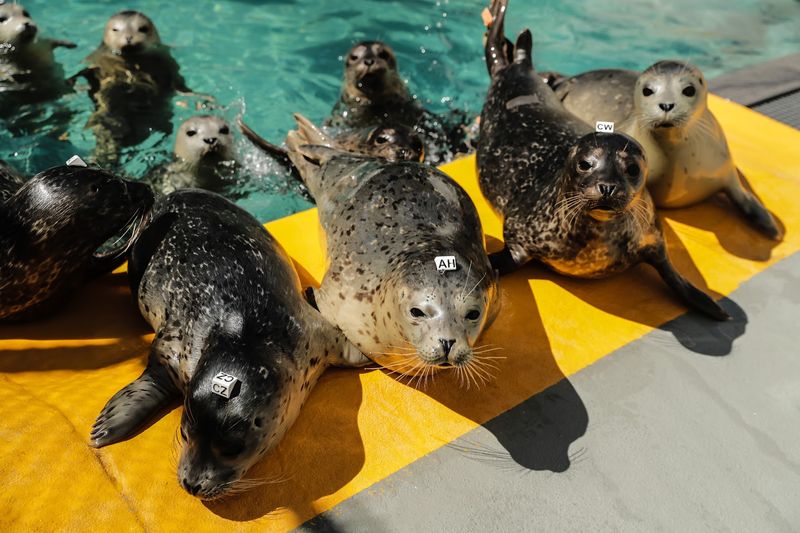
Every year, thousands of sick and injured seals, sea lions, elephant seals, and other marine mammals wash ashore along the California coast. The Marine Mammal Center in Sausalito is the organization that shows up for them, providing emergency veterinary care, rehabilitation, and when possible, release back into the ocean.
Since 1975, it has treated over 24,000 animals, making it one of the world’s largest marine mammal hospitals.
Visitors can tour the facility and observe animals recovering in outdoor pools, often with veterinary staff nearby conducting checkups or feedings. Interpretive signage explains each patient’s condition and treatment plan, turning the visit into a surprisingly educational medical experience.
The backdrop of the Marin Headlands and San Francisco Bay adds a stunning visual element that most hospitals cannot claim.
The center also conducts ocean health research, tracking how pollution, climate change, and fishing practices affect marine mammal populations over time. Volunteer opportunities are available for those wanting a more hands-on role.
Even a short visit here shifts your perspective on the ocean and the creatures that depend on it remaining clean and healthy.
Turpentine Creek Wildlife Refuge – Eureka Springs, Arkansas
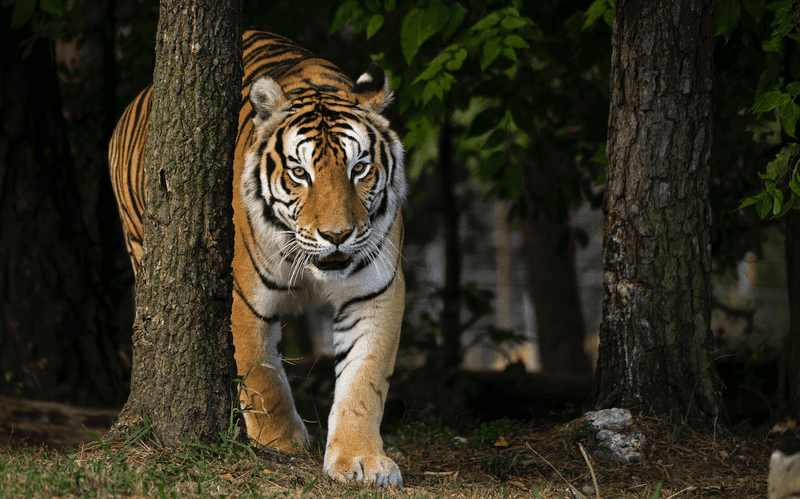
Spending the night just yards away from a rescued tiger is not a typical vacation offer, but Turpentine Creek Wildlife Refuge in Eureka Springs, Arkansas, makes it happen with their safari-style overnight lodging. Founded in 1992, the refuge rescues big cats, bears, and other exotic animals from roadside zoos, private owners, and illegal trade operations across the country.
The Ozark Mountains setting gives the whole place an unexpectedly rugged charm.
Over 100 animals live at the refuge, including tigers, lions, leopards, cougars, and black bears. Educational tours walk visitors through the property while guides share the often heartbreaking backstories behind each rescue.
The transparency about the exotic animal industry is eye-opening and occasionally infuriating in the best possible way.
The overnight safari experience lets guests stay in cabins positioned near the animal habitats, complete with the sounds of big cats calling through the night. Breakfast is included, and morning tours offer quieter, more intimate animal viewing before day visitors arrive.
For a wildlife experience that blurs the line between adventure and advocacy, Turpentine Creek is genuinely one of a kind.
Sea Turtle Inc. – South Padre Island, Texas
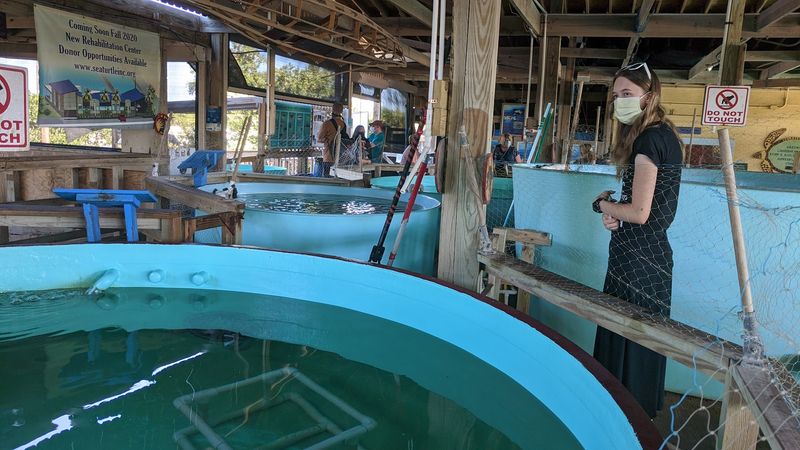
Sea turtles have been swimming Earth’s oceans for over 100 million years, which makes it especially heartbreaking that so many of them now need human help to survive. Sea Turtle Inc. on South Padre Island, Texas, has been providing that help since 1977, specializing in rescuing and rehabilitating injured sea turtles found along the Gulf Coast.
The dedication here runs deep.
Visitors can walk through the facility and observe turtles recovering in large rehabilitation pools, many of them being treated for boat strike injuries, fishing line entanglement, or cold stunning during winter temperature drops. Staff explain each turtle’s condition and progress, making the visit feel like a behind-the-scenes look at genuine emergency wildlife medicine.
It is more fascinating than it sounds.
Release events, where recovered turtles are returned to the Gulf of Mexico, occasionally take place and are open to the public. Witnessing a turtle hit the water for the first time after months of rehabilitation is the kind of moment that makes you want to donate on the spot.
Sea Turtle Inc. also runs strong school programs, planting conservation awareness in the next generation of ocean advocates.
Northwest Trek Wildlife Park – Eatonville, Washington
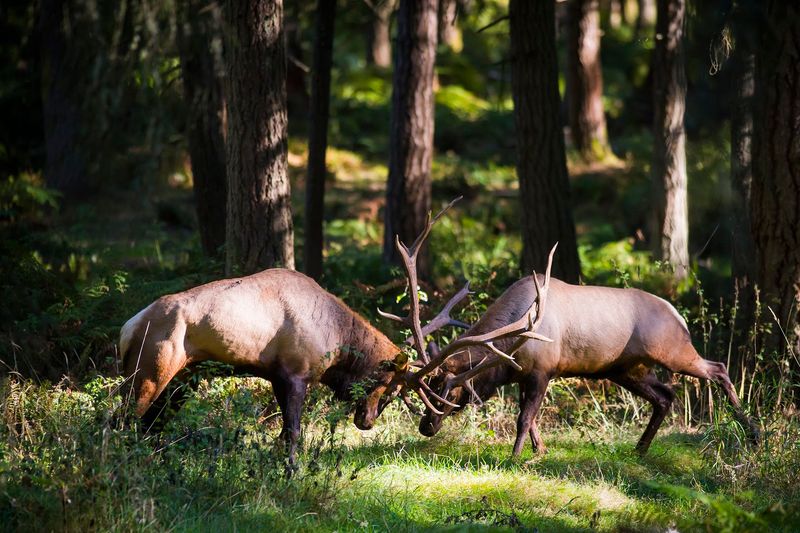
Riding a slow-moving tram through a 435-acre free-roaming habitat while bison lumber past just feet away is the kind of experience Northwest Trek Wildlife Park in Eatonville, Washington, has been perfecting since 1975. Focused entirely on North American wildlife, the park combines rescue, conservation, and immersive naturalistic viewing in a way that feels genuinely different from a typical zoo visit.
Mount Rainier looming in the distance does not hurt the atmosphere either.
Free-roaming species including woodland caribou, moose, Roosevelt elk, bighorn sheep, mountain goats, and pronghorn share the open habitat zone. The tram tour moves slowly enough to allow real observation time, and guides provide commentary about each species, their conservation status, and their role in Pacific Northwest ecosystems.
Kids and adults both stay locked in for the entire ride.
A separate walking area features wolves, bears, cougars, beavers, and birds of prey in naturalistic habitats. The park also participates in several Species Survival Plans, contributing to breeding programs for at-risk North American animals.
Combining scenic beauty, genuine conservation work, and accessible wildlife viewing, Northwest Trek is one of the Pacific Northwest’s most rewarding outdoor destinations.
Share this story