Most people think of the same handful of beach towns when summer rolls around, but the American coastline has far more to offer than the usual crowded strips. From a remote Maine island reachable only by ferry to a wild Washington beach that requires a permit just to access, these 15 spots represent the quieter, more rewarding side of coastal travel.
Some are national parks, some are small working towns, and some are barrier islands that most people drive right past without stopping. If you are ready to trade the tourist traffic for something more memorable, this list is a good place to start.
Monhegan Island, Maine
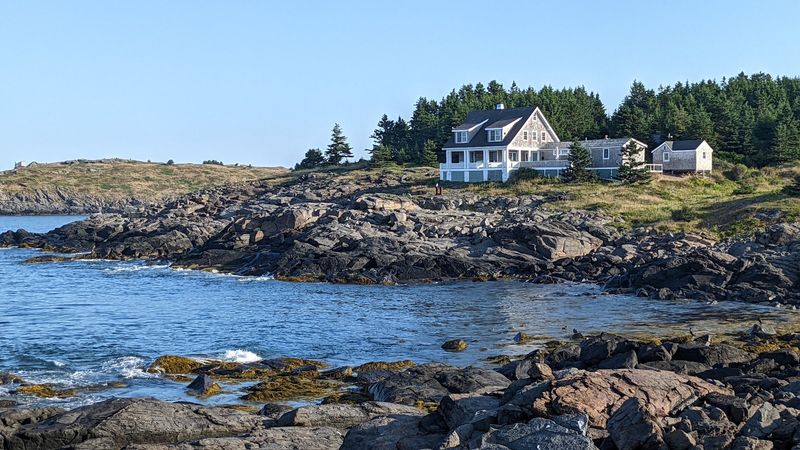
Getting to Monhegan Island is not a minor detail. The Monhegan Boat Line runs year-round ferry service from Port Clyde, and the crossing alone sets the tone for what kind of trip this is going to be.
The island sits about 10 miles off the Maine coast and has no cars to speak of, which means your transportation is your own two feet. Walking paths crisscross the island, leading to sea cliffs, meadows, and coastal views that feel genuinely earned.
The village has a small cluster of galleries, inns, and a rhythm that does not match the mainland. Artists have been drawn here for generations, and the light and scenery make it easy to understand why.
Advance reservations for the ferry are strongly recommended, especially for summer travel. If you want a Maine coastal experience that feels completely different from anything on the tourist circuit, Monhegan delivers in a quiet and memorable way.
Lubec, Maine
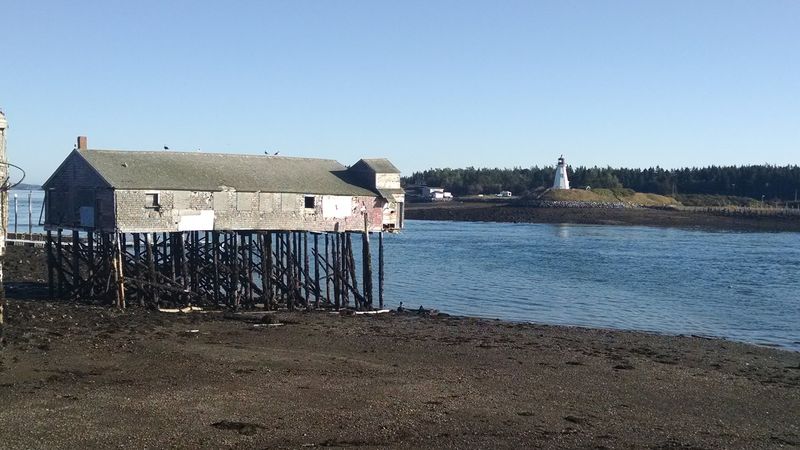
Lubec holds a geographic distinction that most people do not know: it is the easternmost town in the United States. That alone makes it worth a stop, but the town offers more than a bragging right on a map.
The working waterfront still has the feel of a real coastal community rather than a packaged destination. Local lodging, restaurants, and shops are listed through the town’s official visitor resources, keeping things practical for first-time visitors.
West Quoddy Head Light is the clear highlight nearby. The red-and-white striped lighthouse sits at the edge of the continent with views over the Bay of Fundy, and the scenery is dramatic in a way that photographs struggle to fully capture.
The West Quoddy Head Light Keepers Association operates a seasonal pop-up shop that is open for the 2026 season. Plan a morning here before exploring the rest of the Downeast Maine coast at your own pace.
Pemaquid Point Lighthouse Park, Bristol, Maine
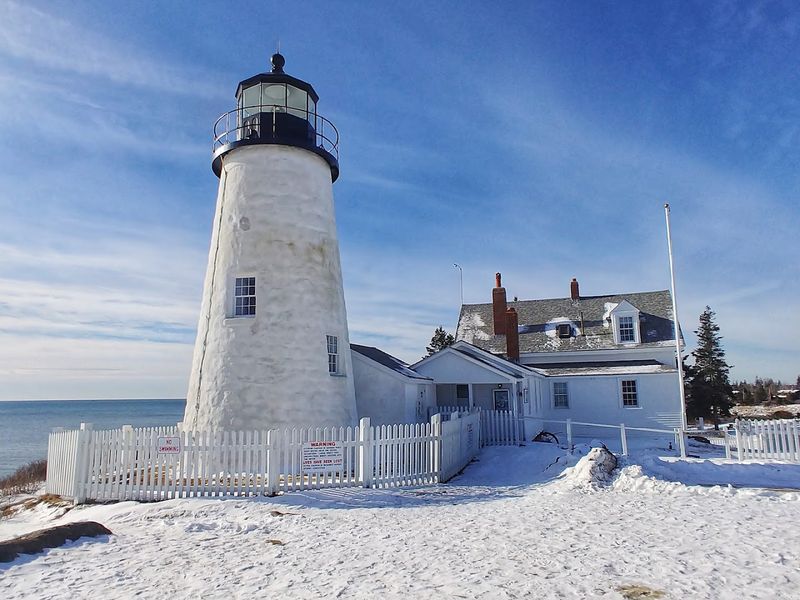
Few lighthouse stops on the Maine coast pack this much variety into one place. Pemaquid Point Lighthouse Park combines granite ledges, open ocean views, a working lighthouse, a fishermen’s museum, an art gallery, and a learning center all within easy walking distance of the parking area.
The Town of Bristol keeps the park open daily from 9 a.m. to 5 p.m. during the season, which generally runs from mid-May into mid or late October. Restrooms are available on site, which is worth noting if you are traveling with kids or planning a longer visit.
The granite ledges are a big draw on their own. Visitors spread out across the flat rocks to watch waves, read, or simply take in the view without feeling crowded.
This is the kind of stop that works well as part of a longer Maine coast road trip. It is scenic, accessible, and genuinely interesting even for people who have already seen a lighthouse or two.
Fire Island National Seashore, New York
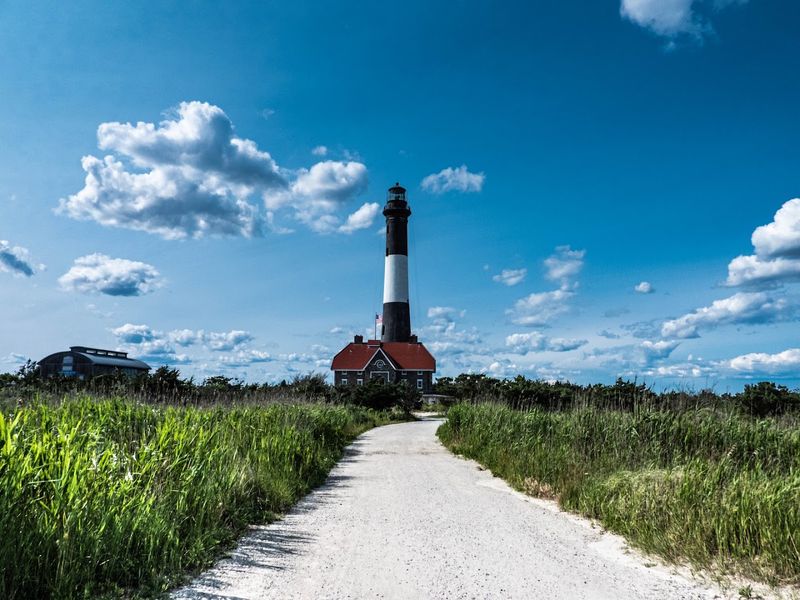
It is easy to forget that a car-free barrier island with miles of open beach exists just a short distance from one of the busiest cities in the world. Fire Island has that quality of feeling genuinely removed from New York City once you step off the ferry.
The National Park Service notes that the Fire Island Lighthouse, Wilderness Visitor Center, and William Floyd Estate are accessible by car year-round. For the beach communities and more remote stretches, passenger ferries from Long Island communities operate from mid-May through mid-October.
The absence of cars on most of the island changes the atmosphere considerably. Boardwalks connect communities, bicycles are common, and the pace slows down in a way that feels almost deliberate.
The Sunken Forest is one feature worth planning around, a rare maritime forest tucked behind the dunes with a well-maintained boardwalk trail through it. Fire Island rewards visitors who take a little time to explore beyond the main beach access points.
Assateague Island National Seashore, Maryland and Virginia
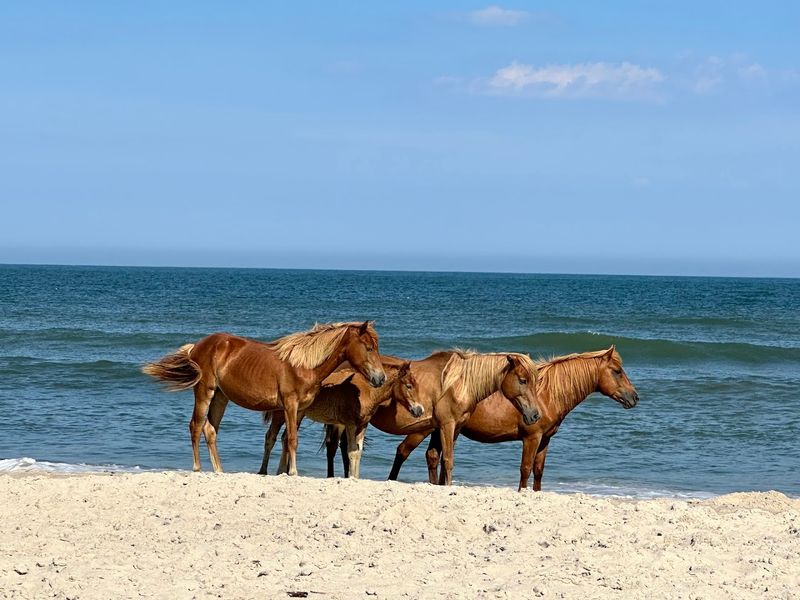
The wild horses get most of the attention at Assateague Island, and they deserve it. These feral ponies roam freely across the barrier island, and seeing one walk casually across a beach or through a campsite is a genuinely surprising experience for first-time visitors.
The shoreline itself is worth the trip even without the horses. Assateague offers open beach, marshland, and a barrier island setting that feels far less developed than most Mid-Atlantic beach destinations.
The Maryland District is open year-round, 24 hours a day, making it one of the more flexible national seashore options on this list. The Assateague Island Visitor Center operates daily from 9 a.m. to 4 p.m., with closures only on Thanksgiving and Christmas.
Keep a respectful distance from the horses, which the park service strongly emphasizes. Camping is available on both the Maryland and Virginia sides, and an overnight stay gives you the best chance of experiencing the island at its quietest and most atmospheric.
Hammocks Beach State Park and Bear Island, North Carolina
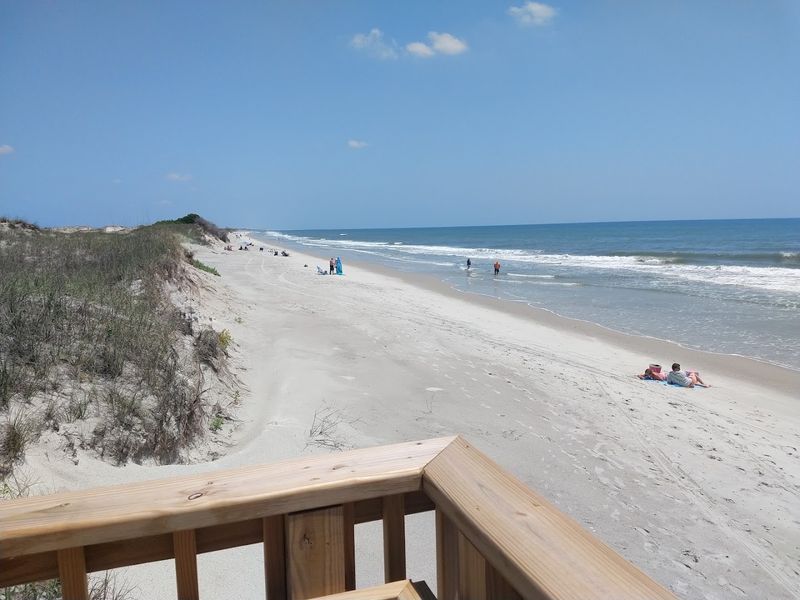
Bear Island is the kind of beach that makes you feel like you found something most people missed. Getting there requires a passenger ferry from the mainland area of Hammocks Beach State Park, and that short ride filters out a lot of casual visitors.
The island stretches about four miles and stays largely undeveloped, which means wide open beach, dunes, and marsh without the usual crowd of beach chairs and umbrellas. North Carolina State Parks operates the seasonal ferry service that connects visitors to the island.
A May 2026 status update from the park confirms that mainland areas, trails, the boat ramp, Bear Island camping, and ferry service are all operating on the listed seasonal schedule. It is worth checking the schedule before you go, since ferry timing shapes how long you can stay.
Camping on Bear Island is a strong option for travelers who want a full barrier island overnight experience. The combination of ferry access, undeveloped shoreline, and camping makes this one of the more rewarding coastal stops in the Southeast.
Cumberland Island National Seashore, Georgia
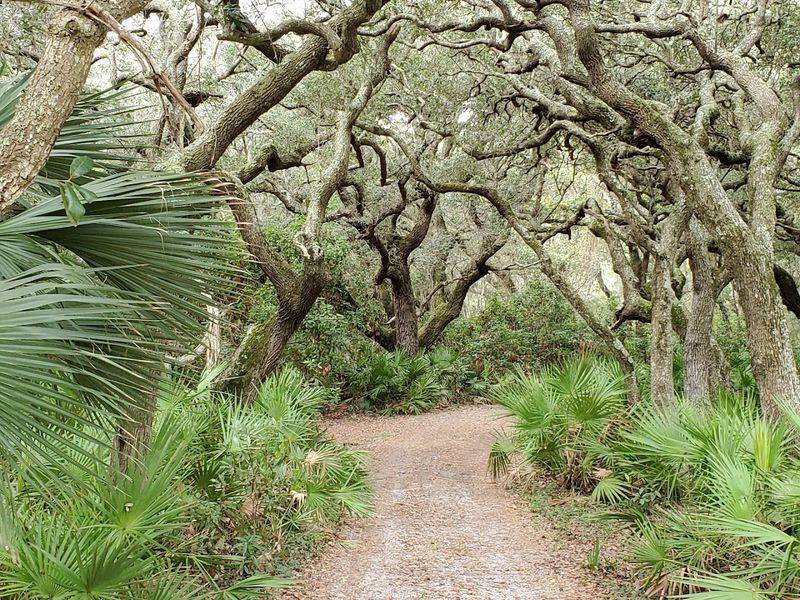
Nearly 18 miles of undeveloped Atlantic shoreline is a genuinely rare thing in the eastern United States, and Cumberland Island has it. The island also has maritime forest, wild horses, historic ruins, and a quietness that most coastal destinations cannot match.
Access starts in St. Marys, Georgia, where the ferry to the island departs. The National Park Service lists the mainland visitor center as open daily from 8 a.m. to 4 p.m., with park buildings closed on December 25.
The Dungeness Ruins, what remains of a Carnegie family mansion, are one of the more striking sights on the island. Wild horses roam near the ruins and along the beach trails, which gives Cumberland Island a layered quality that goes beyond a typical beach visit.
Ferry reservations are strongly recommended since capacity is limited. Camping is available for those who want to stay overnight, and spending a full day or more on the island gives you time to reach the more remote northern stretches of the beach.
Apalachicola, Florida
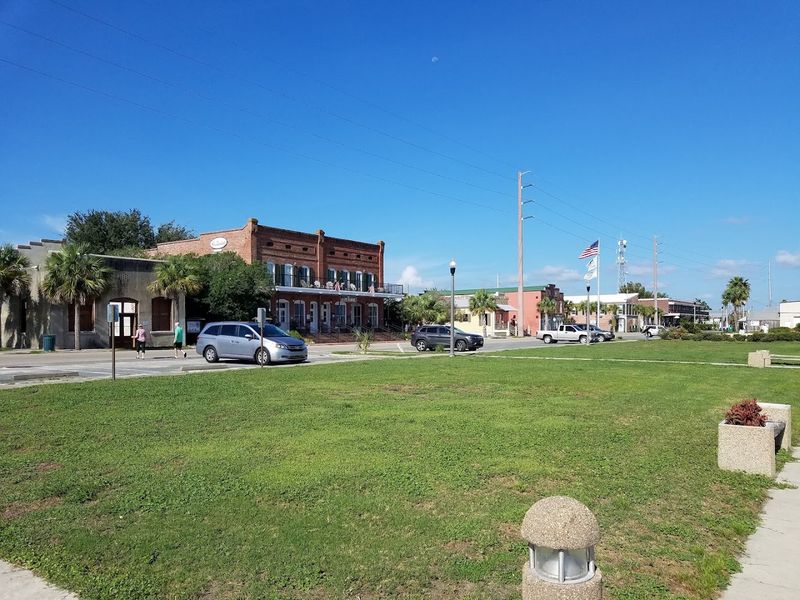
Apalachicola sits along the Florida Panhandle in a stretch sometimes called the Forgotten Coast, and that name is not entirely undeserved. The town has managed to hold onto its historic character while most of the Florida Gulf Coast moved toward high-rise resort development.
The city’s official website describes it as a community shaped by preservation, wildlife, and easy water access. The Apalachicola Bay area has long been associated with oyster harvesting, and the town’s waterfront reflects that working maritime identity.
Historic architecture lines the downtown streets, and the scale of the town keeps things walkable and manageable. Florida’s Forgotten Coast tourism site continues to list current waterfront events and activities for visitors planning a trip.
Nearby St. George Island State Park adds a strong beach option just a short drive away. For travelers who want old Florida character, good seafood, and a waterfront that still feels connected to the water rather than built over it, Apalachicola is a reliable and rewarding stop.
Dauphin Island, Alabama
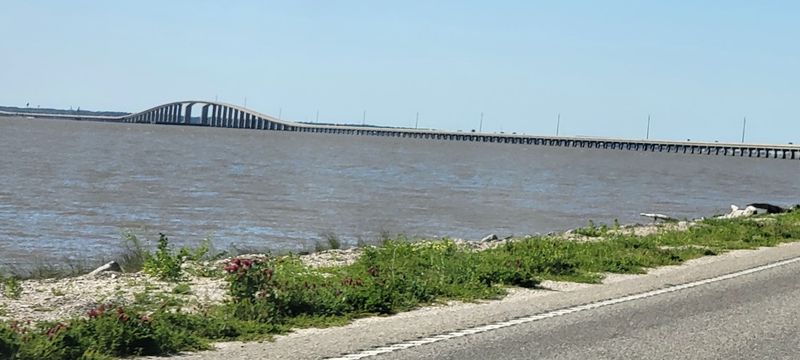
Dauphin Island is one of those places where the birding community and the beach crowd both have a good reason to show up. The island sits at the end of a causeway off the Alabama Gulf Coast and carries a noticeably laid-back atmosphere compared to busier Gulf beach towns.
The Audubon Bird Sanctuary on the island covers 164 acres of woods, trails, dunes, swamp, lake, and Gulf beach. Alabama Travel recognizes Dauphin Island as a major spring migration viewing spot, and the diversity of habitat within the sanctuary makes it genuinely productive for birding.
Public beach access is available and promoted through the town’s official visitor information. The Gulf-side beaches are calm and relatively uncrowded compared to the more developed stretches of the Alabama coast.
The combination of wildlife habitat and beach access makes Dauphin Island a flexible stop. Whether you spend the morning walking sanctuary trails and the afternoon on the beach, the island gives you room to move between two very different coastal experiences in one day.
Matagorda Bay Nature Park, Texas
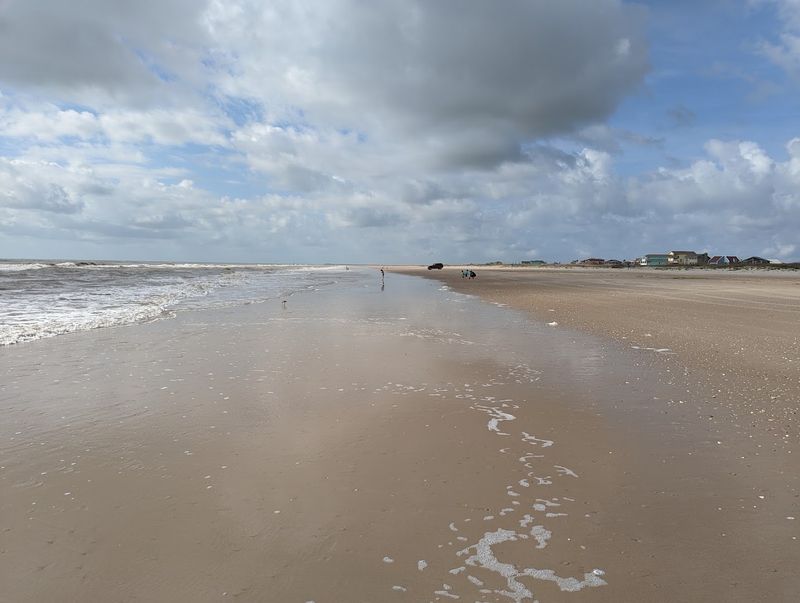
Texas Gulf Coast travel often skips right past Matagorda Bay, which is exactly why it belongs on this list. The nature park sits along the lower Colorado River Authority’s managed land and offers a coastal experience with more variety than a standard beach day.
The Lower Colorado River Authority lists the park as open daily from sunrise to sunset, with a gift shop operating from 8 a.m. to 5 p.m. Accommodations include RV sites, beach bungalows, and Airstream rentals, which makes it a practical overnight option as well as a day stop.
Kayaking, birding, and beach walks are the main draws, and the park hosts paddling events through the season. The waterfront setting gives the whole place a quieter, more nature-forward feel than the more commercial Texas beach towns.
For travelers who want a Texas coastal trip that centers on wildlife and water access rather than resort amenities, Matagorda Bay Nature Park fits the brief well. Booking accommodations in advance is a smart move, especially for peak season visits.
Port Orford, Oregon
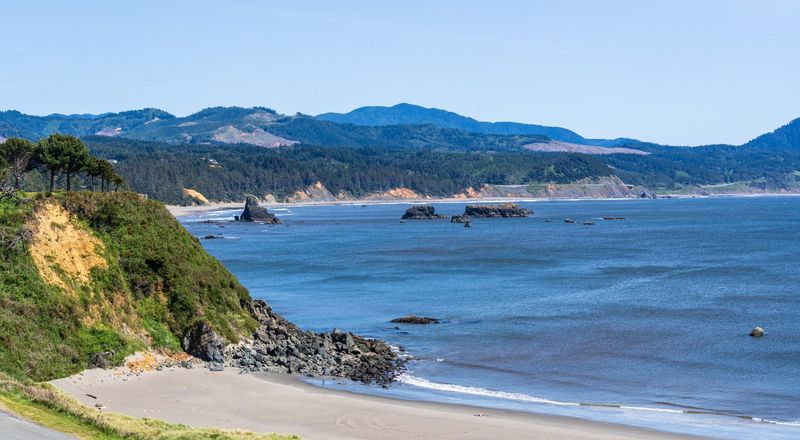
Port Orford does not have the same name recognition as Cannon Beach or Crater Lake, but the Southern Oregon Coast town has its own compelling story. The landscape is rugged, the crowds are thin, and the history at Port Orford Heads State Park gives the visit some real substance.
The park preserves the site of a 1934 Coast Guard lifeboat station, and Oregon State Parks highlights several features worth exploring: big ocean views, an observation tower, wartime history, a boathouse, and a steep historic stairway route that leads toward the old station area.
The town itself is one of the few places on the Oregon Coast where fishing boats are hoisted in and out of the water by crane, since there is no harbor. That setup is unusual enough to be worth watching if the timing works out.
Port Orford rewards slow travel. Spend time at the headlands, walk the town, and take the scenic coastal highway in either direction for some of the more underappreciated views on the Oregon Coast.
Bodega Bay, California
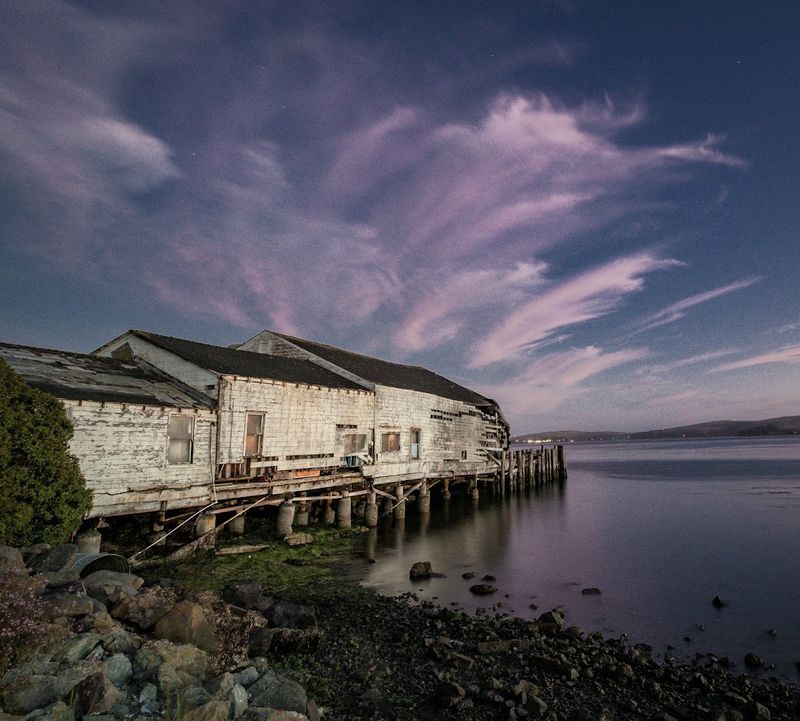
Bodega Bay sits along the Sonoma Coast about an hour north of San Francisco, and the scenery along that stretch of Highway 1 is reason enough to make the drive. The town has a genuine seafood-town identity built around commercial fishing and coastal access rather than boutique tourism.
The Bodega Bay Area website provides visitor planning information, and the local chamber site is run by people who actually live and work in the area. That local perspective comes through in the practical details the site covers.
Whale watching is a draw during migration season, and the headlands offer good vantage points for spotting gray whales as they pass close to shore. Photography along the Sonoma Coast State Park beaches and bluffs gives visitors almost unlimited material to work with.
The combination of working waterfront, dramatic coastline, and nearby state park beaches makes Bodega Bay a flexible stop for different types of travelers. It is equally good for a full weekend or a long afternoon on the way up or down the coast.
Channel Islands National Park, California
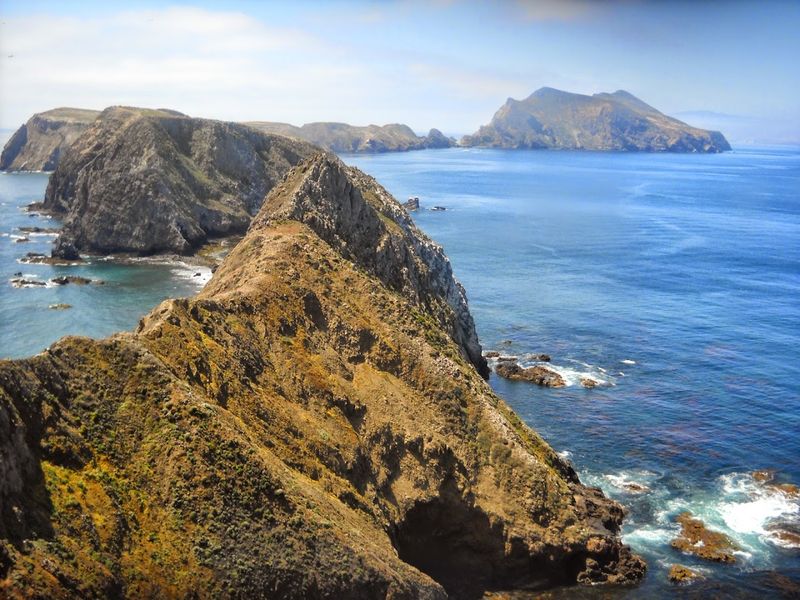
Channel Islands National Park does not reward impulsive planning, and that quality is part of what keeps it feeling special. The park protects five islands off the Southern California coast, and getting to any of them requires advance thought about ferry schedules, island conditions, and what you want to do once you arrive.
The National Park Service keeps the mainland Robert J. Lagomarsino visitor center in Ventura open daily from 8:30 a.m. to 5 p.m., with closures on Thanksgiving and December 25.
The visitor center is a practical first stop for understanding the islands before you commit to a crossing.
Anacapa Island is the closest and most commonly visited, while Santa Cruz Island offers more terrain to explore. Sea kayaking, snorkeling, hiking, and wildlife watching are the main activities across the park.
Island Fox, endemic to the Channel Islands, are one of the more memorable wildlife encounters the park offers. This is not a beach day destination so much as a full outdoor adventure that happens to be set on a Pacific island.
San Juan Islands, Washington
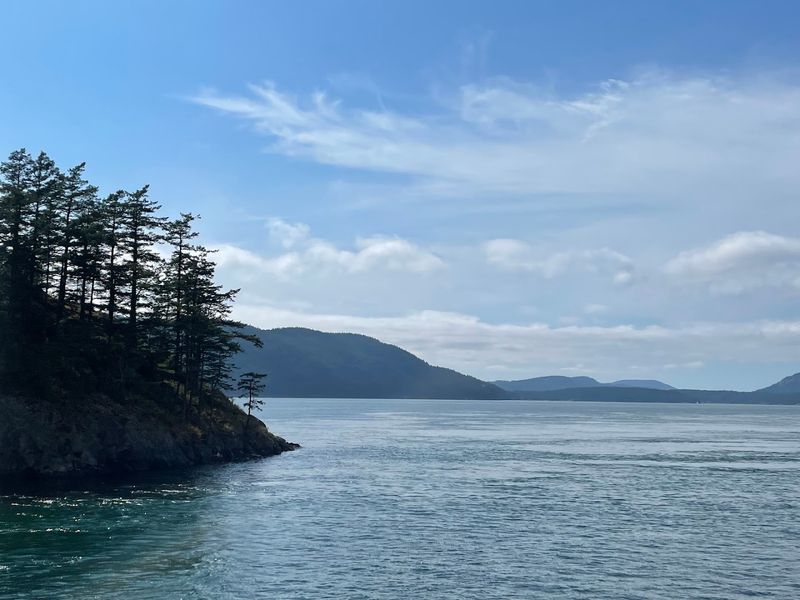
The San Juan Islands sit in the Salish Sea between Washington State and British Columbia, and the Washington State Ferry system connects the main islands from Anacortes. The ferry ride itself is one of the better scenic experiences in the Pacific Northwest before you even set foot on an island.
San Juan Island is the most visited, with Friday Harbor serving as the main town. The official San Juan Islands travel site highlights kayaking, biking, hiking, whale watching, seasonal food, and summer island travel planning as the core visitor draws.
San Juan Island National Historical Park adds a layer of history tied to a mid-1800s boundary dispute between the United States and Britain, with two historic military camps preserved on opposite ends of the island. Orca whale watching is a major draw from late spring through fall.
Orcas Island and Lopez Island offer quieter alternatives with their own character. The islands work well for a long weekend and reward visitors who slow down enough to appreciate the combination of water, wildlife, and island pace.
Shi Shi Beach, Olympic National Park, Washington
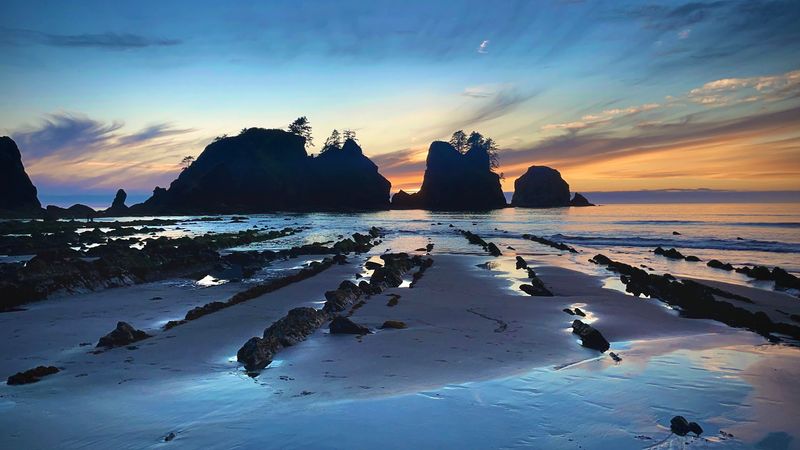
Shi Shi Beach is not a casual stop. Reaching it requires a Makah Recreation Pass purchased in Neah Bay, a roughly 8-mile round-trip trail that begins on the Makah Reservation and continues into Olympic National Park, and advance planning for permits if you are staying overnight.
The National Park Service describes Shi Shi Beach and Point of Arches as among Olympic’s most picturesque coastal destinations. The sea stacks at Point of Arches are the visual centerpiece, with dozens of rocky formations rising from the surf at the southern end of the beach.
Overnight visitors need wilderness camping permits and approved bear canisters in addition to the Makah Recreation Pass. The permit and gear requirements keep the beach from getting overrun, which is a significant part of what makes the experience feel so remote and worthwhile.
The trail passes through old-growth forest before opening onto the coast, and the transition from dense woods to open Pacific shoreline is dramatic. Plan the logistics carefully, and Shi Shi delivers a coastal experience that is genuinely hard to find anywhere else on the lower 48 coastline.
Share this story